
Daimyo Rebellions: Key Uprisings that Shook Feudal Japan

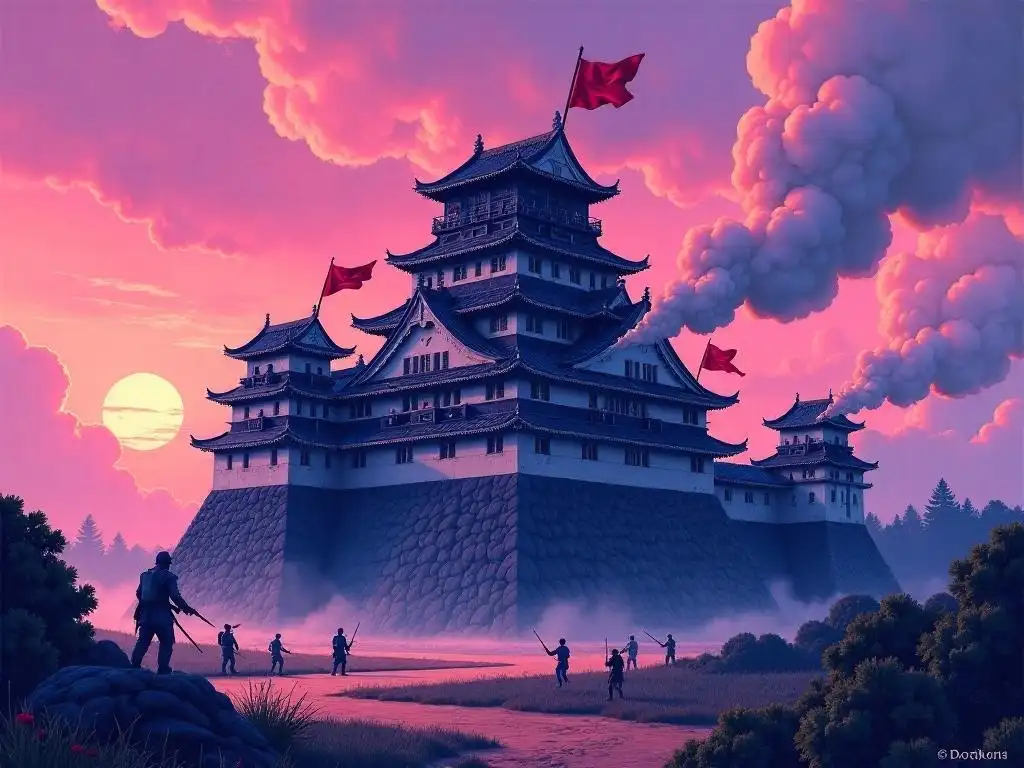
Welcome to Feudal Japan History, where we invite you to journey through the captivating tapestry of Japan's feudal era. In this exploration, we delve deep into the intricate world of Daimyo rebellions in feudal Japan, uncovering the key uprisings that not only shook the foundations of power but also reshaped the cultural and societal landscape of the time. Prepare to be intrigued as we unpack the motivations, consequences, and legacies of these monumental conflicts. Your adventure into the rich political history of feudal Japan begins now—are you ready to uncover the stories that lie beneath the surface?
- Introduction to Daimyo Rebellions in Feudal Japan
- Historical Context of Daimyo Rebellions
- Key Daimyo Rebellions in Feudal Japan
- Analysis of the Impact of Daimyo Rebellions
- Legacy of Daimyo Rebellions in Feudal Japan
- Conclusion
- Frequently Asked Questions
- Final Reflection: The Enduring Legacy of Daimyo Rebellions in Feudal Japan
- Unveil the Spirit of Change: Engage with Japan's Legacy!
Introduction to Daimyo Rebellions in Feudal Japan
The history of feudal Japan is marked by a complex tapestry of power struggles, alliances, and rebellions, with the Daimyo playing a central role in this tumultuous era. The term "Daimyo" refers to the powerful feudal lords who governed large domains and held significant military and political influence. These lords were pivotal not only in the administration of their territories but also in the broader context of Japan's political landscape.
Throughout the feudal period, various uprisings emerged as Daimyo challenged each other's authority, leading to significant shifts in power dynamics. This article delves into the key rebellions instigated by these influential figures, exploring their causes, impacts, and the socio-political ramifications of such conflicts within the framework of Daimyo rebellions in feudal Japan.
Overview of Feudal Japan's Political Landscape
Feudal Japan, spanning from the late 12th century to the early 19th century, was characterized by a decentralized political structure. The emperor was a figurehead, while real power resided with the shoguns and the Daimyo. This period saw the rise of the Kamura and Tokugawa shogunates, which established a hierarchy where Daimyo controlled land and resources, maintaining their own armies of samurai.
Key features of the political landscape included:
- Decentralization of Power: The shogun's authority was often challenged by ambitious Daimyo, leading to rivalries and conflicts.
- Feudal System: Land was exchanged for loyalty and military service, creating a complex web of obligations.
- Military Conflicts: Daimyo rebellions often arose from disputes over territory, influence, or succession, contributing to the overall instability of the period.
These factors culminated in a series of uprisings that not only transformed the power structure but also left a lasting legacy on Japan’s historical narrative.
Importance of Daimyo in Japanese Society
The Daimyo were not just military leaders; they were integral to the cultural and social fabric of feudal Japan. Their influence extended beyond politics into various aspects of daily life, including economics, culture, and local governance. Here are some key roles they played:
- Land Ownership: Daimyo controlled vast estates, which were the backbone of the agrarian economy. They collected taxes from the peasantry, ensuring the flow of resources into their domains.
- Cultural Patronage: Many Daimyo were patrons of the arts, supporting literature, theater, and traditional crafts, which flourished under their auspices.
- Social Hierarchy: They were at the top of the social hierarchy, commanding respect and loyalty from samurai and commoners alike. Their actions often dictated local customs and societal norms.
The significance of the Daimyo in shaping feudal Japan cannot be understated, as their rebellions not only altered political alignments but also reflected the aspirations and frustrations of the society at large. Understanding these uprisings provides critical insights into the intricate dynamics that characterized Japan's feudal era.
Historical Context of Daimyo Rebellions
The historical context of daimyo rebellions in feudal Japan is essential to understanding the complex dynamics that shaped this turbulent period. The term "daimyo" refers to powerful feudal lords who held significant land and political influence during the Muromachi and Edo periods. As the central authority of the shogunate fluctuated, the daimyo's power often grew, leading to a series of uprisings that would alter the landscape of Japanese politics.
The Rise of Daimyo and Their Domains
The emergence of the daimyo can be traced back to the late Heian period (794-1185), when the decentralization of power began to take root. The decline of imperial authority allowed regional military leaders, or bushi, to gain control over lands and resources. By the Kamakura period (1185-1333), these bushi evolved into the daimyo, establishing their own domains, known as han. The han system not only fostered local governance but also encouraged loyalty among samurai, who served these lords in exchange for land and stipends.
The rise of the daimyo was characterized by several key developments:
- Land Acquisition: Daimyo acquired territories through conquest, marriage alliances, and the consolidation of smaller domains. This territorial expansion was often marked by violence and warfare.
- Military Organization: Each daimyo maintained a loyal army of samurai, who were essential for both defense and the expansion of their lord’s influence.
- Economic Control: The daimyo established control over agricultural production, which was the backbone of the feudal economy. This control enabled them to collect taxes and resources, further solidifying their power.
As the daimyo's influence grew, they often found themselves at odds with one another, leading to a series of rebellions that would shape the political landscape of feudal Japan.
Factors Leading to Rebellions in Feudal Japan
The daimyo rebellions were not merely spontaneous events but rather the culmination of various interlinked factors that created a ripe environment for conflict.
Economic Pressures and Taxation Issues
Economic pressures played a significant role in triggering rebellions among the daimyo. The feudal economy was heavily reliant on agriculture, and fluctuations in crop yields could severely impact the wealth and stability of a domain.
- Tax Burdens: The daimyo often imposed heavy taxes on their peasants to fund military campaigns and maintain their lifestyles. This burden led to widespread discontent among the lower classes, who felt exploited and oppressed.
- Resource Allocation: Competition for resources, particularly in fertile regions, created tensions not only between daimyo but also within their own domains. Disputes over land and water rights often escalated into larger conflicts.
Political Instability and Power Struggles
Political instability was a significant catalyst for daimyo rebellions. The shifting balance of power between the shogunate and the daimyo created a volatile atmosphere.
- Shogunate Authority: As the shogunate's control weakened, many daimyo sought to assert their independence, leading to clashes. For example, during the Sengoku period (1467-1603), a chaotic power struggle ensued, prompting numerous rebellions as daimyo vied for dominance.
- Succession Issues: Internal power struggles within a daimyo’s family or clan could also lead to rebellions. Disputes over succession often resulted in factions forming, which could lead to open conflict.
Cultural and Social Influences
Cultural and social factors also contributed to the prevalence of rebellions during the feudal era. The samurai class, in particular, played a crucial role in the dynamics of loyalty and rebellion.
- Bushido Code: The samurai adhered to the bushido code, which emphasized loyalty and honor. When a daimyo was perceived to have acted unjustly or weakly, samurai might rebel to uphold their honor and that of their clan.
- Peasant Uprisings: Cultural changes also led to a rise in peasant consciousness. As literacy rates rose and new ideas circulated, peasants began to organize and challenge their daimyo, leading to uprisings that further complicated the political landscape.
The daimyo rebellions in feudal Japan were influenced by a confluence of economic, political, and social factors. Understanding these elements provides a clearer picture of the motivations behind the uprisings and the profound changes they brought to Japan's feudal structure.
Key Daimyo Rebellions in Feudal Japan
Daimyo rebellions were pivotal in shaping the political landscape of feudal Japan. These uprisings often stemmed from power struggles, territorial disputes, and the shifting allegiances of the ruling class. Among the most significant rebellions were the Genpei War and the Onin War, each marked by unique causes, key figures, and far-reaching consequences.
The Genpei War (1180-1185)
Background and Causes of the Genpei War
The Genpei War represented a critical turning point in Japanese history, primarily driven by the conflict between the Taira and Minamoto clans. The roots of this war can be traced back to the late Heian period, characterized by a decline in imperial authority and the rise of military families. The Taira clan, having gained substantial power, sought to dominate the imperial court, which led to resentment among rival clans, particularly the Minamoto.
Key factors contributing to the outbreak included:
- Political Rivalry: The Taira had significant influence over the imperial court, while the Minamoto sought to reclaim power and prestige.
- Local Discontent: Many lesser samurai and daimyo aligned with the Minamoto, fueled by grievances against Taira dominance.
- Imperial Weakness: The inability of the imperial family to maintain control over the powerful clans created a power vacuum, further escalating tensions.
Major Battles and Key Players
The Genpei War was marked by several major battles, each featuring notable figures:
- Battle of Dan-no-ura (1185): A decisive naval battle that ultimately led to the downfall of the Taira clan. The Minamoto, led by Yoshitsune, defeated the Taira, solidifying their ascendancy.
- Key Figures:
- Minamoto no Yoritomo: The leader of the Minamoto clan who would later become the first shogun of Japan.
- Taira no Kiyomori: The powerful leader of the Taira clan known for his ruthless ambition and political maneuvering.
These battles not only showcased military tactics of the time but also highlighted the role of individual leaders in shaping the course of the conflict.
Consequences of the Genpei War
The Genpei War culminated in the establishment of the Kamakura shogunate, marking the beginning of military rule in Japan. The consequences of this rebellion were profound:
- Shift in Power: The victory of the Minamoto clan diminished the influence of the Taira and altered the power dynamics among the daimyo.
- Rise of Samurai Culture: The war heralded the rise of the warrior class, leading to the samurai's prominence in Japanese society.
- Feudal System Institutionalization: The establishment of the shogunate laid the groundwork for Japan's feudal structure, influencing governance and land ownership for centuries to come.
The Onin War (1467-1477)
Prelude to the Onin War
The Onin War emerged from the complex web of alliances and rivalries among the powerful daimyo during the Muromachi period. Triggered by a succession dispute in the Ashikaga family, the conflict escalated as various factions sought to control Kyoto, the imperial capital.
Contributing factors included:
- Succession Crisis: The death of Ashikaga Yoshimasa without a clear heir led to competing claims and rivalries among the daimyos.
- Political Fragmentation: The existing power structures were already weakened, allowing for local disputes to escalate into widespread conflict.
- Economic Strain: The constant warfare and shifting alliances placed significant strain on the economy, further fueling discontent among the samurai and peasants.
Major Events During the Conflict
The Onin War was marked by a series of battles and sieges, with significant events such as:
- Siege of Kyoto: As various factions clashed, Kyoto became a battleground, resulting in widespread destruction.
- Key Players:
- Ashikaga Yoshimasa: The shogun whose internal conflicts ignited the war.
- Hosokawa and Yamana Clans: These two powerful clans led the opposing factions, with each vying for control over the shogunate.
The war exemplified the chaotic nature of feudal Japan, where alliances shifted rapidly and battles could turn the tide of power.
Impact on Japanese Society and Politics
The Onin War had lasting effects on both society and politics in Japan:
- Decentralization of Power: The conflict led to the fragmentation of authority, with local warlords (daimyo) gaining more autonomy and power.
- Social Upheaval: The war caused significant suffering among the peasantry, as cities were devastated and agricultural production faltered.
- Cultural Developments: Despite the chaos, the Onin War also ushered in cultural developments, particularly in the arts, as the Ashikaga shogunate patronized various forms of artistic expression during and after the conflict.
The daimyo rebellions of feudal Japan, particularly the Genpei War and the Onin War, were critical in shaping the political and social landscape of the era. The complexities of these uprisings continue to be a significant area of study for historians seeking to understand the evolution of Japanese governance and society.
The Sengoku Period (1467-1603) and Its Rebellions
Overview of the Sengoku Period
The Sengoku Period, also known as the Warring States Period, was a transformative era in Japan's history characterized by political fragmentation, social upheaval, and military conflict. Spanning from 1467 to 1603, this period followed the Onin War, which set the stage for a breakdown of centralized power and the rise of regional warlords known as daimyos.
During the Sengoku Period, Japan was marked by a chaotic landscape where numerous daimyos vied for control over territories, leading to incessant warfare. This struggle for dominance was not only a battle for land but also for influence, resources, and the loyalty of samurai warriors. The absence of a strong central authority allowed local leaders to assert their power, resulting in the fragmentation of the nation into hundreds of small states.
The period was characterized by a variety of military tactics and innovations, including the use of firearms introduced by Portuguese traders. Moreover, the social structure of Japan began to shift, with the rise of the merchant class and the decline of the traditional feudal hierarchy. The Sengoku Period ultimately culminated in the unification of Japan under the Tokugawa shogunate, marking the end of an era defined by rebellion and strife.
Notable Rebellions and Uprisings
Several significant rebellions and uprisings occurred during the Sengoku Period, each illustrating the complexities of power struggles among the daimyos. Here are some of the most notable:
- The Kanto Rebellion (1530s)
- This rebellion involved a coalition of daimyos in the Kanto region who sought to assert their independence from the Ashikaga shogunate. The conflict highlighted the waning power of the shogunate and the rising autonomy of local warlords.
- The Takeda-Uesugi Conflict (1550s-1560s)
- The rivalry between the Takeda and Uesugi clans was marked by a series of battles, including the famous Battle of Kawanakajima. Both clans represented formidable military power, and their confrontations exemplified the intense personal rivalries that could ignite large-scale conflicts.
- The Ikko-ikki Uprisings (15th-16th Centuries)
- The Ikko-ikki were a group of militant Buddhist monks who opposed the daimyos' authority. They organized revolts against various daimyos, most notably in the battles around the city of Nagashima and the siege of the temple of Hongan-ji. Their uprisings illustrated the intersection of religion and politics during this tumultuous time.
- The Siege of Osaka (1614-1615)
- Although slightly beyond the traditional confines of the Sengoku Period, the Siege of Osaka was the final conflict between the Tokugawa shogunate and the Toyotomi clan. It marked the end of significant opposition to Tokugawa rule and effectively concluded the era of daimyo rebellions.
These rebellions were often fueled by the desire for power, control of land, and the quest for legitimacy. The outcomes of these conflicts not only shaped the fates of the daimyos involved but also set the stage for the eventual unification of Japan, leading into the peaceful Edo period.
Analysis of the Impact of Daimyo Rebellions
Political Consequences of Daimyo Rebellions
The daimyo rebellions in feudal Japan had profound political consequences that reshaped the landscape of power within the country. These uprisings often resulted in the decentralization of authority and the reconfiguration of alliances among the ruling class.
-
Shift in Power Dynamics
The rebellions typically undermined the authority of the shogunate, leading to a more fragmented political structure. For instance, the Tensho Ikkō-ikki (1541-1582) not only challenged the ruling elite but also empowered local leaders, creating a patchwork of alliances and rivalries among the daimyo.
-
Rise of New Leadership
Many rebellions facilitated the emergence of new leaders who capitalized on the chaos. The Battle of Sekigahara (1600), which can be viewed as a culmination of various daimyo conflicts, led to Tokugawa Ieyasu establishing the Tokugawa shogunate. This marked a significant shift as it centralized power under one leader after years of fragmentation.
-
Legislation and Governance Changes
The aftermath of these rebellions often prompted legislative reforms aimed at stabilizing power. The shogunate implemented the Sankin-kōtai system, which required daimyo to spend alternating years in the capital, Edo. This was a strategic move to monitor and control the daimyo, thus reinforcing the shogunate's authority.
The social fabric of feudal Japan underwent significant transformations as a direct result of the daimyo rebellions. These changes were not only immediate but also had long-lasting effects on Japanese society.
-
Displacement of Populations
Rebellions often led to the displacement of populations as territories changed hands. The Siege of Osaka (1614-1615) resulted in the destruction of the Toyotomi clan and the subsequent relocation of their vassals, leading to demographic shifts in regions that were once stable.
-
Empowerment of the Peasantry
In many cases, the chaos of rebellion allowed peasants to assert their rights and demands. As daimyo focused on military campaigns, local communities often took matters into their own hands, leading to a rise in peasant revolts during and after these uprisings.
-
Class Stratification
The outcomes of these rebellions often reinforced class divisions, with the samurai class gaining more prominence as warriors and loyal retainers. The success of certain daimyo also led to the elevation of their retainers, creating a new class of warriors who were loyal to their lords rather than to the shogunate.
Cultural Shifts in Post-Rebellion Japan
The daimyo rebellions also catalyzed significant cultural shifts that influenced various aspects of life in Japan. These shifts reflected the changing dynamics of power and social structures in the aftermath of conflict.
-
Art and Literature
The turmoil of the period inspired a wave of artistic expression, notably in literature and painting. Works such as "The Tale of the Heike", which chronicled the rise and fall of samurai clans, became popular, influencing a generation's understanding of honor and conflict.
-
Philosophical Movements
The instability fostered by the rebellions led to the introduction of new philosophical ideas, such as Confucianism, which emphasized order and hierarchy. This philosophy gained traction among the ruling class as they sought to restore stability and justify their authority.
-
Religious Influence
The power struggles also influenced religious practices, with sects like Ikkō-Ikki gaining followers among disillusioned samurai and peasants. The blending of political and religious motivations during these uprisings highlighted the complex relationship between power and spirituality in feudal Japan.
The daimyo rebellions in feudal Japan were not merely military conflicts but pivotal events that triggered significant political, social, and cultural transformations, shaping the trajectory of Japanese history.
Legacy of Daimyo Rebellions in Feudal Japan
Influence on Later Japanese History
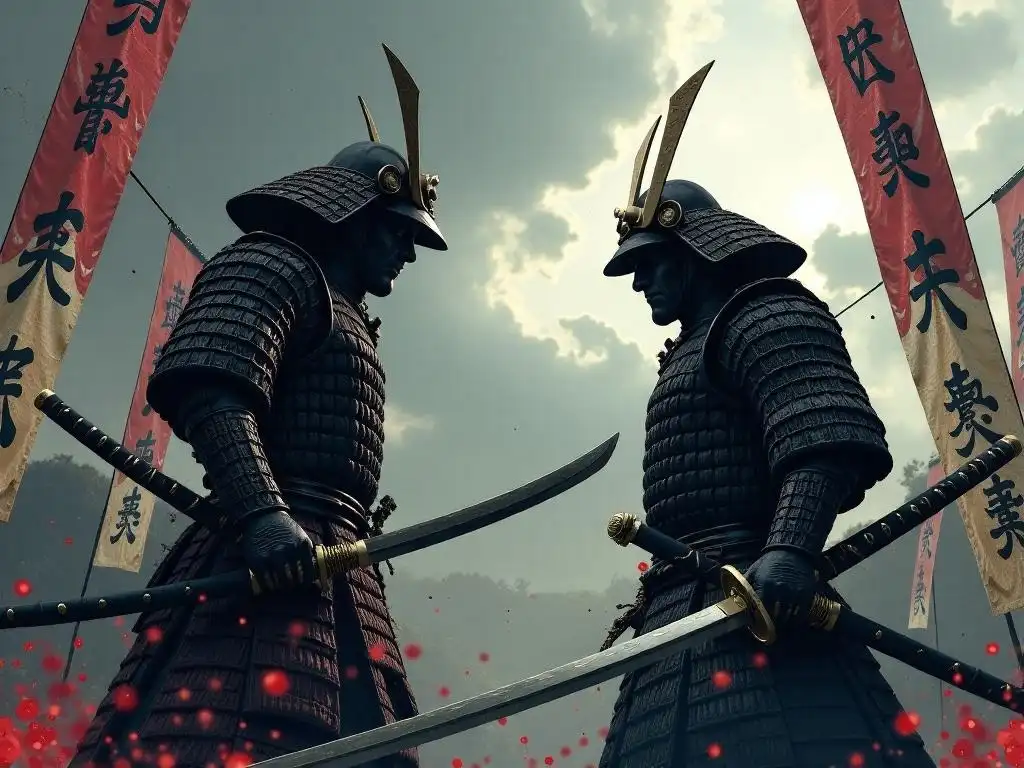
The Daimyo rebellions in feudal Japan significantly influenced the trajectory of the nation's political landscape and governance structures. These uprisings often resulted in shifts in power dynamics, paving the way for new leaders and altering the traditional roles of the samurai class.
- Centralization of Power: The rebellions demonstrated the need for a more centralized authority to maintain order. In response, the Tokugawa shogunate established strict governance measures, limiting the power of the daimyo and enforcing a rigid hierarchy that would dominate the Edo period (1603-1868). This centralization helped prevent widespread conflicts in the long run, allowing Japan to enjoy relative peace for over two centuries.
- Feudal System Reevaluation: The frequent conflicts prompted a reevaluation of the feudal system itself. As the power of rebellious daimyo fluctuated, it underscored the need for a more stable and controlled feudal hierarchy. This led to reforms that aimed to curtail the autonomous power of the daimyo, ultimately reshaping the nature of land ownership and loyalty within the samurai class.
- Cultural and Political Ideologies: The rebellions influenced the philosophical and ideological undercurrents of Japanese society. The concept of loyalty and honor became more pronounced, as samurai were often torn between allegiance to their daimyo and their duty to their land and people. These ideological shifts became foundational for the development of bushido, the samurai code of conduct.
Lessons Learned from the Rebellions
The Daimyo rebellions in feudal Japan offered crucial lessons for both contemporary and future governance. Understanding these lessons can provide insights into the complexities of power, loyalty, and societal structure during the feudal era.
- Importance of Unity: One of the most pronounced lessons was the necessity for unity among the daimyo. Disunity often led to their downfall. For instance, the Bunroku-Keichō War (1587-1598) illustrated how factionalism could undermine collective strength against external threats.
- The Risks of Overreach: Many rebellions stemmed from the overreach of a daimyo’s ambition, leading to punitive responses from rival factions or the shogunate itself. The Wako Rebellion (1560s) serves as a prime example, where aggressive expansionism led to devastating reprisals and a loss of territory.
- The Role of the Common People: The uprisings also highlighted the role of peasants and lower samurai ranks in shaping the outcomes. Their support or opposition could tip the balance, emphasizing the need for leaders to maintain favorable relations with their subjects.
Modern Interpretations and Cultural Representations
The legacy of Daimyo rebellions in feudal Japan continues to resonate in contemporary culture, influencing literature, film, and other forms of artistic expression.
- Literature: Historical novels often romanticize the daimyo rebellions, portraying them as epic struggles of honor and pride. Authors like Yasushi Inoue and Shōtarō Ikenami have explored themes of loyalty and betrayal amidst the backdrop of these conflicts, providing readers with a nuanced understanding of the era.
- Film and Television: Cinematic representations often dramatize the rebellions, with films like "The Last Samurai" and series such as "Shogun" capturing the tumultuous spirit of the time. These portrayals, while sometimes historically exaggerated, serve to highlight the complexities of loyalty, honor, and the socio-political climate of feudal Japan.
- Art and Theatre: Traditional Japanese theatre forms, such as Noh and Kabuki, frequently depict the struggles of daimyo and samurai, reflecting the cultural significance of these rebellions. The narratives often explore the moral dilemmas faced by characters, providing a lens through which audiences can examine the past.
The legacy of the Daimyo rebellions in feudal Japan is multifaceted, influencing not just the political landscape of historical Japan but also shaping modern interpretations and representations of this pivotal era. Through continued exploration of these themes, we gain valuable insights into the complexities of power, loyalty, and cultural identity that have shaped Japan's rich history.
Conclusion
Summary of Key Points on Daimyo Rebellions
Daimyo rebellions in feudal Japan represent a pivotal aspect of the era's political landscape, reflecting the intricate power dynamics and socio-political tensions. Here are the key points regarding these uprisings:
- Origins of the Rebellions: Many rebellions stemmed from dissatisfaction with central authority, particularly the shogunate's control over land and resources. The tension between the daimyo's desire for autonomy and the shogun's demand for loyalty often led to conflict.
- Notable Rebellions: Some of the most significant uprisings include the Hōgen Rebellion (1156), which highlighted the struggles between rival factions, and the Genpei War (1180-1185), a culmination of longstanding feuds that ultimately led to the rise of the Kamakura Shogunate.
- Impact on Feudal Structure: These uprisings not only reshaped the political landscape but also reinforced the feudal system. The outcomes often resulted in shifts of power among the daimyo, affecting alliances and territorial control.
- Cultural and Societal Implications: The rebellions fostered a culture of martial valor and loyalty among samurai, further embedding the bushido code into Japanese society. They also often resulted in significant changes to local governance and economic structures.
The Enduring Significance of Rebellions in Understanding Feudal Japan
The study of daimyo rebellions in feudal Japan is crucial for several reasons:
- Political Insights: Understanding these rebellions provides insight into the political fragmentation of Japan during the feudal era. The struggles for power among daimyo reflect the broader themes of governance, loyalty, and rebellion that characterized the time.
- Cultural Legacy: The narratives surrounding these uprisings have permeated Japanese culture, influencing literature, theater, and folklore. The samurai's role in these conflicts remains a celebrated aspect of Japan's historical identity.
- Lessons in Governance: The failures and successes of various rebellions offer valuable lessons about leadership, the consequences of authority, and the importance of social cohesion. Modern political analysts can draw parallels from these historical events to contemporary governance issues.
- Historical Context: By examining the daimyo rebellions, historians can better understand the transition from feudalism to a more centralized form of government, culminating in the Meiji Restoration. This transition was marked by the gradual decline of the power of the daimyo and the rise of a unified state.
Daimyo rebellions in feudal Japan serve as a lens through which we can explore the complexities of power, culture, and society during a transformative period in Japanese history. Understanding these uprisings not only enriches our knowledge of the past but also enhances our comprehension of the enduring legacy of feudalism in shaping modern Japan.
Frequently Asked Questions
What were the Daimyo rebellions in feudal Japan?
The Daimyo rebellions were significant uprisings led by powerful feudal lords (Daimyos) against the ruling shogunate, often driven by political ambition or territorial disputes.
What were the main causes of the Daimyo rebellions?
The Daimyo rebellions were often fueled by economic pressures, power struggles, and discontent with the central authority, highlighting the fragmented nature of feudal Japan's political landscape.
How did the Daimyo rebellions impact Japanese society?
These rebellions led to changes in power dynamics, influenced military strategies, and resulted in shifts in loyalty, profoundly affecting the social structure of feudal Japan.
What was the outcome of the Daimyo rebellions?
The outcomes varied, with some rebellions resulting in the overthrow of shogunates, while others led to repression and strengthened central authority, shaping the future of Japan.
How are the Daimyo rebellions viewed in Japanese history today?
Today, the Daimyo rebellions are seen as pivotal events that illustrate the struggles for power and the complexities of feudal Japan, often romanticized in literature and media.
Final Reflection: The Enduring Legacy of Daimyo Rebellions in Feudal Japan
The Daimyo rebellions in feudal Japan were not merely historical events; they were pivotal moments that shaped the very fabric of Japanese society and governance. Today, as we navigate a world where power dynamics and social structures continue to evolve, the lessons from these uprisings resonate more than ever. The struggles of the daimyo remind us that the quest for autonomy and justice is a timeless pursuit, echoing through the ages and urging us to reflect on our own societal challenges.
The influence of these rebellions extends far beyond their immediate outcomes; they serve as a lens through which we can examine the ongoing tensions between authority and individual rights in contemporary culture. The stories of these feudal lords and their defiance against centralized power highlight the importance of resilience and the fight for one's beliefs. In every rebellion, there lies a story of hope, courage, and the relentless pursuit of freedom.
This sentiment captures the essence of the daimyo rebellions, illustrating how their legacies continue to inspire movements for change and justice across the globe.
As we conclude our exploration of the daimyo rebellions, I invite you to reflect on the significance of standing up for what you believe in. Consider how the lessons learned from these historical uprisings can be applied to your own life and the world around you. Whether it’s advocating for social justice, challenging the status quo, or simply finding your voice in a crowded space, remember that every action counts. Embrace the spirit of the daimyo, and let their stories inspire you to forge your own path toward meaningful change.
Unveil the Spirit of Change: Engage with Japan's Legacy!
Thank you for diving into the fascinating world of the Daimyo Rebellions! Your interest highlights the profound impact these uprisings had on shaping feudal Japan's history. Now, let’s transform the insights you've gained into meaningful action.
Here’s how you can further engage with this remarkable period:
- Explore more: Dive deeper into related historical events by browsing our extensive library of articles on feudal Japan.
- Share your knowledge: Start a discussion with friends or on social media about the impacts of these rebellions—your insights could spark an engaging conversation!
- Join our community: Subscribe to our newsletter to stay informed and receive exclusive content about the historical narratives that shaped Japan.
Which rebellion do you believe had the most significant impact on the structure of feudal Japan, and why? We invite you to share your thoughts below!