
Daimyo and the Preservation of Japanese Traditions

Welcome to Feudal Japan History, where we invite you to embark on an intriguing journey through the annals of Japan's feudal era. Discover how the Daimyo, the powerful feudal lords, played a pivotal role in shaping the rich tapestry of Japanese culture. In our featured article, "Daimyo and the Preservation of Japanese Traditions," we delve into the profound influence these leaders had on the cultural landscape of their time.
Prepare to unearth the fascinating connections between power, tradition, and societal evolution as you explore the depths of Japan's political history. Your adventure into the past starts here— what secrets will you uncover?
- Introduction to Daimyo Influence on Japanese Culture
- The Role of Daimyo in Shaping Japanese Traditions
- Key Cultural Contributions of Daimyo
- The Relationship Between Daimyo and Local Communities
- Challenges to Cultural Preservation under Daimyo Rule
- The Legacy of Daimyo Influence on Japanese Culture
- Conclusion: The Enduring Impact of Daimyo on Japanese Culture
- References
-
Frequently Asked Questions
- What role did daimyo play in Japanese society during the feudal era?
- How did daimyo influence Japanese culture?
- What are some examples of traditions preserved by daimyo?
- How did the daimyo impact the development of samurai culture?
- In what ways did the daimyo's influence extend beyond their domains?
- Final Reflection: The Enduring Legacy of Daimyo in Japanese Culture
- Embrace and Preserve Your Connection to Japanese Traditions!
Introduction to Daimyo Influence on Japanese Culture
The influence of the daimyo on Japanese culture during the feudal era is a captivating subject that intertwines political power, social organization, and cultural development. The daimyo, as powerful feudal lords, held significant sway over their domains, shaping not only the political landscape of Japan but also the rich tapestry of its traditions, arts, and societal norms.
Understanding the complexities of their role provides insights into how these influential figures preserved and transformed cultural practices, ensuring that key elements of Japanese identity endured through centuries of change. This article will explore the intricate dynamics of daimyo authority and their lasting impact on Japanese culture, emphasizing the importance of their contributions to the preservation of traditions that still resonate in modern Japan.
Overview of Daimyo in Feudal Japan
The term daimyo refers to the powerful feudal lords who ruled over vast domains during Japan's feudal period, particularly from the 12th to the 19th centuries. These lords were not only military leaders but also pivotal figures in the political and cultural spheres. Each daimyo governed a specific area, maintaining autonomy while pledging allegiance to the shogunate, which held centralized power.
- Role and Responsibilities of Daimyo:
- Military Leadership: Daimyo were responsible for raising and commanding armies, often engaging in battles to expand or defend their territories.
- Economic Management: They oversaw agricultural production, trade, and local governance, ensuring the prosperity of their domains.
- Cultural Patronage: Many daimyo became patrons of the arts, funding the development of Japanese painting, tea ceremonies, and literature, thereby fostering a rich cultural environment.
The daimyo system was characterized by a complex hierarchy, with powerful families often competing for dominance. Notable daimyo like Oda Nobunaga and Toyotomi Hideyoshi played crucial roles in unifying Japan, shaping both its political landscape and cultural heritage.
Importance of Cultural Preservation in Feudal Japan
Cultural preservation during the feudal era was essential for maintaining Japanese identity amid the turbulent changes brought about by warfare and political upheaval. The daimyo played a crucial role in this process, employing various strategies to safeguard and promote cultural practices.
- Support for Traditional Arts:
- Tea Ceremony: The tea ceremony (chanoyu) was elevated to an art form under the patronage of daimyo, with many hosting elaborate gatherings that showcased this ritual's aesthetic and philosophical aspects.
- Noh Theatre: Daimyo supported the performance of Noh, a classical Japanese theatre that combines drama, music, and dance, ensuring its survival and evolution.
- Cultural Festivals and Rituals:
- Daimyo organized seasonal festivals and rituals that celebrated local traditions, fostering community identity and continuity.
- These events often featured traditional music, dance, and crafts, allowing local artisans to showcase their skills and maintain cultural practices.
As custodians of cultural and social norms, the daimyo's influence extended beyond their immediate domains, contributing to a cohesive sense of Japanese identity that has persisted through the ages. Their commitment to preserving cultural heritage not only enriched their own regions but also laid the groundwork for a unified national culture that continues to thrive today.
The Role of Daimyo in Shaping Japanese Traditions
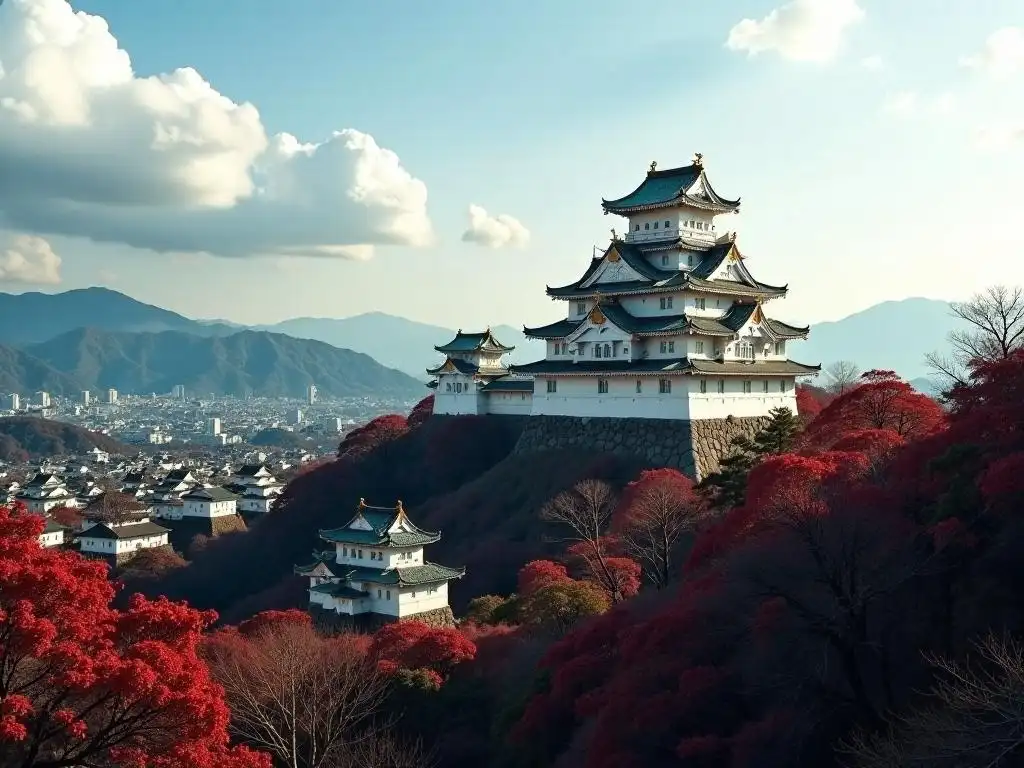
The daimyo, powerful feudal lords in Japan, played a pivotal role in shaping the country's cultural and social landscape during the feudal era. Their influence extended beyond mere governance; they were instrumental in fostering artistic, religious, and social traditions that have left a lasting impact on Japanese culture. This section examines the multifaceted ways in which daimyo influenced Japanese traditions, focusing on political power, economic control, and military influence.
Political Power and Cultural Patronage
The political authority of the daimyo was not just about managing their domains; it also encompassed the promotion and preservation of cultural practices. Each daimyo had the power to shape local governance and, in doing so, influence the cultural identity of their regions.
- Cultural Patronage: Many daimyo became patrons of the arts, funding the creation of literature, theater, and visual arts. For example, the Uesugi clan supported Noh theater, which became a significant aspect of Japanese culture during the Muromachi period. This patronage ensured the survival and evolution of traditional Japanese arts.
- Religious Influence: Daimyo often played a crucial role in religious affairs, supporting Shinto shrines and Buddhist temples within their territories. This support not only provided spiritual guidance to their subjects but also reinforced their political legitimacy. For instance, the Takeda clan was known for its support of the Tendai sect, promoting religious practices that intertwined with local traditions.
- Education and Scholarship: The daimyo established schools and supported scholars, leading to the dissemination of knowledge that emphasized Confucian values and samurai ethics. These educational initiatives helped instill a sense of cultural pride and identity among the samurai and their retainers.
Economic Control and Local Traditions
The economic power of the daimyo allowed them to influence local customs and traditions significantly. They exercised control over land and resources, which directly affected the livelihoods of their subjects and the preservation of local practices.
- Agricultural Practices: Daimyo implemented policies that encouraged specific agricultural methods and crop production, which in turn shaped regional cuisines and culinary traditions. For example, the Date clan promoted rice cultivation, which became a staple of the local diet, influencing food culture across Japan.
- Craftsmanship and Local Industries: By controlling local economies, daimyo could promote specific crafts and industries. The Miyoshi clan, for instance, supported the production of textiles, fostering a rich tradition of weaving that contributed to the cultural tapestry of their domain. This encouragement helped preserve traditional crafts that might have otherwise faded away.
- Festivals and Local Customs: Daimyo often organized and sponsored local festivals, which played a crucial role in maintaining and promoting cultural traditions. These events not only celebrated agricultural cycles but also reinforced community bonds and regional identities. For instance, the Imagawa clan was known for its elaborate celebrations that highlighted local folklore and traditions.
Military Influence and the Samurai Code
The militaristic nature of the daimyo also had a profound impact on Japanese culture, particularly through their relationship with the samurai. This influence was reflected in the codification of behaviors, ethics, and traditions that defined samurai culture.
- The Samurai Code (Bushido): The samurai adhered to a strict code known as Bushido, which emphasized loyalty, honor, and martial prowess. Daimyo enforced these principles, ensuring that samurai upheld their responsibilities to their lords, thus shaping a culture that revered discipline and courage. This code has transcended time, becoming a core aspect of Japanese cultural identity.
- Martial Arts and Training: Daimyo were instrumental in the development and perpetuation of martial arts as an essential aspect of samurai training. Schools and dojos flourished under their patronage, leading to the formalization of various fighting styles that are still practiced today. The Oda clan is noted for its contributions to the development of kenjutsu, the art of swordsmanship.
- Cultural Representation in Warfare: The aesthetics of warfare, including armor design and battle tactics, were influenced by the daimyo's desire to project power and prestige. The elaborate armor worn by samurai often reflected the cultural values of their lords, intertwining military might with artistic expression. This blend of art and warfare contributed to the unique cultural landscape of feudal Japan.
The influence of daimyo on Japanese culture extends far beyond their political and military roles. Through cultural patronage, economic control, and military influence, they shaped a rich tapestry of traditions that continue to resonate in modern Japanese society.
Key Cultural Contributions of Daimyo
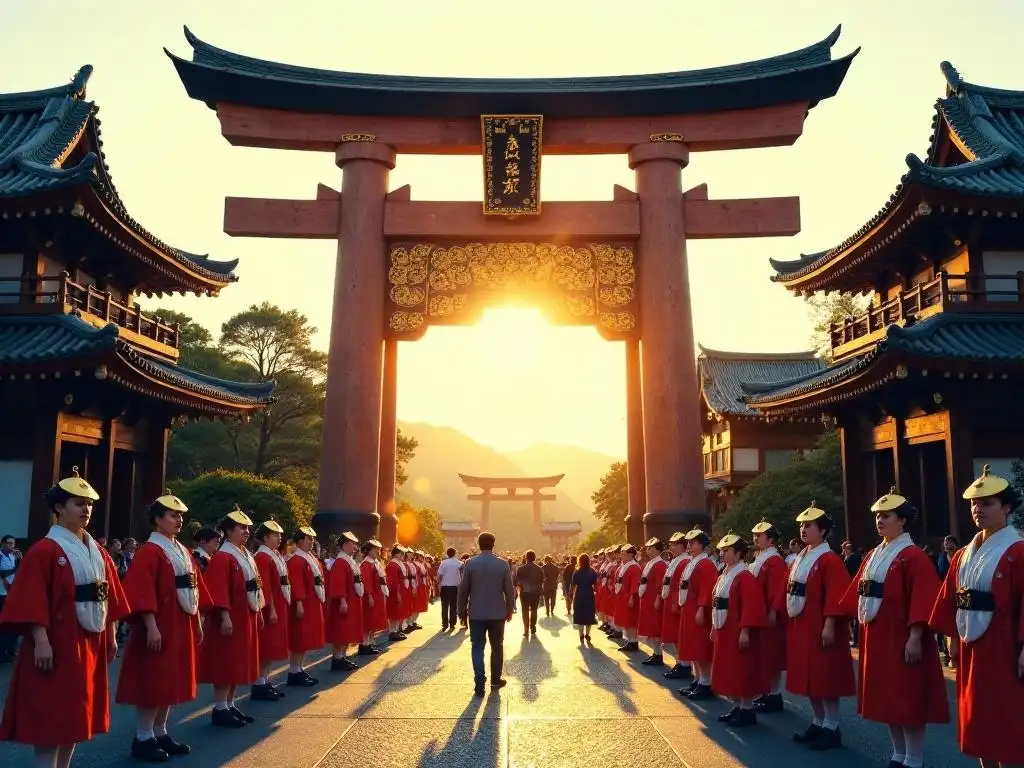
The role of the daimyo in feudal Japan extended far beyond mere governance and military leadership; they were pivotal in the cultural development of Japan. By sponsoring various forms of art, literature, architecture, and public festivities, the daimyo influenced Japanese culture in profound and lasting ways. Their patronage not only fostered creativity but also helped to preserve traditions that continue to resonate in modern Japanese society.
Arts and Literature Sponsored by Daimyo
The patronage of arts and literature by the daimyo significantly shaped the cultural landscape of Japan during the feudal era. Many daimyo established their own cultural centers, attracting artists, poets, and scholars. This led to the flourishing of several artistic forms, including:
- Painting: Notable styles, such as Nihonga (Japanese-style painting), received substantial support from daimyo. The Sengoku period saw the emergence of famous painters like Tosa Mitsuoki, who created works that depicted historical events and landscapes, often commissioned by daimyo.
- Literature: The daimyo encouraged the creation of literary works, such as poetry and historical narratives. The Tale of the Heike, a significant historical epic, was recorded and preserved during this time, largely due to the support of influential daimyo who sought to document their lineage and achievements.
- Theater: Traditional forms of Japanese theater, including Noh and Kabuki, thrived under daimyo sponsorship. They hosted performances in their domains, ensuring these art forms evolved and reached wider audiences. The daimyo’s patronage helped solidify the importance of theater as a medium for cultural expression.
This patronage not only fostered artistic excellence but also helped instill a sense of identity and pride among the samurai class and the common people, contributing to a rich cultural heritage.
Architectural Innovations and Castle Design
The architectural legacy of the daimyo is most visibly represented in the castles they constructed, which served as both military strongholds and cultural hubs. These castles were not merely utilitarian; they showcased innovative designs and artistic sensibilities, reflecting the power and status of their builders. Key features of daimyo architecture include:
- Defensive Structures: Many castles featured complex fortifications, such as moats, stone walls, and strategically placed watchtowers. The Himeji Castle, a prime example, is renowned for its impressive design and aesthetic appeal, demonstrating the military and cultural philosophies of the time.
- Gardens and Landscapes: Daimyo often incorporated beautifully designed gardens within castle grounds, emphasizing harmony with nature. These gardens, such as those found in Katsura Imperial Villa, were meticulously landscaped to reflect Japanese aesthetics and philosophical ideals, like wabi-sabi (finding beauty in imperfection).
- Religious Structures: Temples and shrines were often integrated into castle complexes, showcasing the daimyo's dedication to both spiritual and cultural traditions. This integration illustrated the daimyo's role as both military leaders and cultural custodians.
Architectural innovations during this period contributed to the development of unique Japanese styles that are still celebrated today, blending functionality with artistic beauty.
Festivals and Ceremonies Promoted by Daimyo
Daimyo played a crucial role in the promotion and organization of festivals and ceremonies, which served to reinforce social hierarchies and cultural traditions. These events often highlighted local customs and fostered community spirit. Key aspects include:
- Seasonal Festivals: Many daimyo sponsored seasonal festivals, such as Hanami (cherry blossom viewing) and Matsuri (traditional festivals), which celebrated agricultural cycles and local deities. These festivals not only provided entertainment but also strengthened local identities and community bonds.
- Ritual Ceremonies: Important rituals, such as weddings and tea ceremonies, were often grand events hosted by daimyo. They provided an opportunity for the daimyo to showcase their wealth and cultural sophistication, while also reinforcing social norms and etiquette within the samurai class.
- Martial Arts Demonstrations: Daimyo also promoted martial arts as part of their cultural patronage. Events featuring kendo and kyudo (archery) showcased the skills of samurai warriors, blending martial prowess with cultural appreciation.
Through these festivals and ceremonies, daimyo not only preserved traditional practices but also crafted a cultural narrative that connected the past with present and future generations. Their influence on Japanese culture is evident in the enduring traditions that continue to thrive in contemporary Japan.
The Relationship Between Daimyo and Local Communities
Daimyo as Cultural Leaders
Daimyo, the powerful feudal lords of Japan, played a pivotal role in shaping and preserving the cultural landscape of their respective domains. Their influence extended far beyond mere governance; they were the custodians of local traditions, arts, and customs. The relationship between daimyo and culture was multifaceted, involving the patronage of the arts, the sponsorship of religious practices, and the promotion of local festivals.
- Patronage of Arts and Crafts
- Daimyo often commissioned renowned artists, craftsmen, and architects to create works that reflected their domain's unique identity. This included the development of distinct styles of pottery, textiles, and architectural designs.
- For example, the Kaga Domain under the influence of the Maeda clan became famous for its Kaga ceramics, which blended traditional techniques with innovative designs, thereby preserving and enhancing local craftsmanship.
- Promotion of Literature and Education
- Many daimyo established schools and libraries to promote education among their samurai and commoners. These institutions served as centers for the study of literature, philosophy, and the arts, helping to cultivate a literate society.
- Notably, the Kuroda clan in Fukuoka was instrumental in promoting Confucian studies, which shaped the ethical and philosophical outlook of their samurai and local populace.
- Religious Patronage
- Daimyo frequently supported local shrines and temples, ensuring the continuation of religious practices that were integral to community identity. They often funded the construction and renovation of these sacred sites.
- The Takeda clan in the Kai Province is a prime example, as they were known for their support of the Kofuku-ji Temple, which not only served religious purposes but also functioned as a community gathering point.
Community Involvement in Tradition Preservation
The preservation of traditions in feudal Japan was not solely the responsibility of the daimyo; local communities played a crucial role as well. Their active involvement ensured that cultural practices were maintained and evolved over time.
-
Festivals and Rituals
Local communities organized festivals that celebrated seasonal changes, agricultural cycles, and religious events. These festivals often received support from the daimyo, who recognized their importance in fostering community spirit and loyalty.
- For instance, the Gion Matsuri in Kyoto, although initially a religious purification ritual, evolved into a citywide celebration supported by local merchants and the ruling daimyo, showcasing the collaborative nature of tradition preservation.
-
Oral Histories and Storytelling
Communities engaged in storytelling as a means of passing down legends, customs, and historical narratives. This oral tradition was essential for instilling local values and memories.
- The Taira clan in the Seto Inland Sea area encouraged the telling of their clan's history through local bards, ensuring that their legacy was remembered and celebrated.
-
Agricultural Practices
Agricultural techniques, often handed down through generations, were integral to community identity. Daimyo would promote sustainable farming practices that aligned with local beliefs and customs, reinforcing the connection between the land and its people.
- The Uesugi clan in Echigo Province implemented rice cultivation techniques that honored traditional methods while also enhancing yield, thus preserving both the agricultural and cultural heritage of the area.
Case Studies of Notable Daimyo and Their Cultural Impact
Examining specific daimyo and their contributions to cultural preservation provides valuable insight into the broader influence these leaders had on Japanese culture.
| Daimyo | Domain | Cultural Contributions |
|---|---|---|
| Oda Nobunaga | Owari Province | Promoted the tea ceremony and supported Noh theater, influencing cultural practices across Japan. |
| Toyotomi Hideyoshi | Hashiba Clan | Established the Kinkaku-ji (Golden Pavilion) and promoted the arts, significantly impacting the aesthetic of the time. |
| Tokugawa Ieyasu | Edo (Tokyo) | Founded the Tokugawa shogunate, which led to the flourishing of Kabuki theatre and the floating world (ukiyo-e) art style, shaping modern Japanese culture. |
- Oda Nobunaga: His patronage of the tea ceremony and Noh theater transformed these practices into cultural phenomena, enriching the social fabric of Japan and promoting a refined aesthetic that permeated across classes.
- Toyotomi Hideyoshi: By establishing significant cultural landmarks such as the Kinkaku-ji, he not only left a lasting architectural legacy but also reinforced the value of art and culture in society, encouraging future generations to appreciate these elements.
- Tokugawa Ieyasu: The establishment of the Tokugawa shogunate marked a period of relative peace, during which the arts thrived. Ieyasu’s support of Kabuki and ukiyo-e art not only reflected cultural shifts but also laid the groundwork for modern Japanese artistic expression.
The daimyo's influence on Japanese culture during the feudal era was profound and multi-dimensional. Through their roles as cultural leaders, their encouragement of community involvement, and their notable contributions to the arts and traditions, they helped shape a rich cultural tapestry that continues to resonate in modern Japan.
Challenges to Cultural Preservation under Daimyo Rule
The daimyo, as powerful feudal lords, played a pivotal role in shaping Japanese traditions and culture during their reign. However, their influence was not without challenges, particularly concerning the preservation of cultural heritage amidst external pressures and internal transformations. This section explores the multifaceted challenges to cultural preservation under daimyo rule, focusing on external influences, societal changes, and the conflicts that arose between tradition and modernization.
External Influences and Westernization
During the late Edo period, Japan faced significant external pressures that began to reshape its cultural landscape. The arrival of Western powers, notably the United States in 1853, marked the onset of a new era characterized by increased interaction with the West. As Japan opened its ports to foreign trade, Western ideas, technologies, and cultural practices began to permeate Japanese society.
- Trade and Cultural Exchange: The influx of Western goods and ideas led to a growing interest in foreign culture among the samurai and commoners alike. This exchange often resulted in the adoption of Western customs, fashion, and even governance styles.
- Education Systems: The introduction of Western educational systems presented a contrast to traditional methods of learning. The focus shifted from classical texts and local history to science, mathematics, and modern languages, which altered the cultural fabric of Japanese society.
- Religious Influence: The spread of Christianity and Western philosophies posed challenges to traditional Shinto and Buddhist practices, leading to a gradual decline in adherence to these age-old beliefs among certain segments of the population.
Societal Changes and Modernization Efforts
As the Meiji Restoration unfolded in the late 19th century, Japan underwent sweeping societal changes that necessitated a reevaluation of its cultural identity. The daimyo's power diminished, and the new government emphasized modernization as a means to strengthen Japan against foreign domination.
- Industrialization and Urbanization: The rapid industrialization transformed rural societies into urban centers, diluting traditional practices and lifestyles. Many artisans and craftsmen found it increasingly difficult to maintain their trades as factories and mass production took precedence.
- Legal Reforms: The abolition of the feudal system and the establishment of a centralized government led to changes in land ownership and class structures. These legal reforms often undermined the authority of the daimyo and their ability to promote traditional cultural practices within their domains.
- Cultural Renaissance: In response to modernization, there was a revival of interest in traditional arts, crafts, and performances, such as Noh and Kabuki theater. However, this renaissance often struggled to compete with the appeal of Western entertainment and cultural forms.
Conflicts Between Tradition and Progress
The tension between preserving traditional Japanese culture and embracing modernization created a complex dynamic during the daimyo's rule. This conflict manifested in various ways, highlighting the struggles faced by those committed to maintaining cultural heritage.
- Resistance to Change: Many daimyo and samurai resisted the encroachment of Western ideas, viewing it as a threat to their cultural identity. This resistance often led to conflicts within their domains, as younger generations sought to embrace new ideas and lifestyles.
- Cultural Syncretism: In some cases, daimyo attempted to blend traditional practices with modern influences, resulting in a unique cultural syncretism. For example, architecture began to incorporate Western styles while retaining traditional Japanese elements, creating a distinct aesthetic that reflected both influences.
- Legacy of Preservation: The efforts of certain daimyo to preserve cultural heritage ultimately laid the groundwork for later movements aimed at safeguarding Japan's traditions. Institutions dedicated to the study and promotion of traditional arts emerged, reflecting a renewed appreciation for Japan's cultural legacy in the face of modernization.
While the daimyo significantly influenced Japanese culture, their ability to preserve traditional practices was challenged by external influences, societal changes, and the inevitable conflict between tradition and progress. Understanding these challenges provides valuable insight into the complexities of cultural preservation during a transformative period in Japan's history.
The Legacy of Daimyo Influence on Japanese Culture
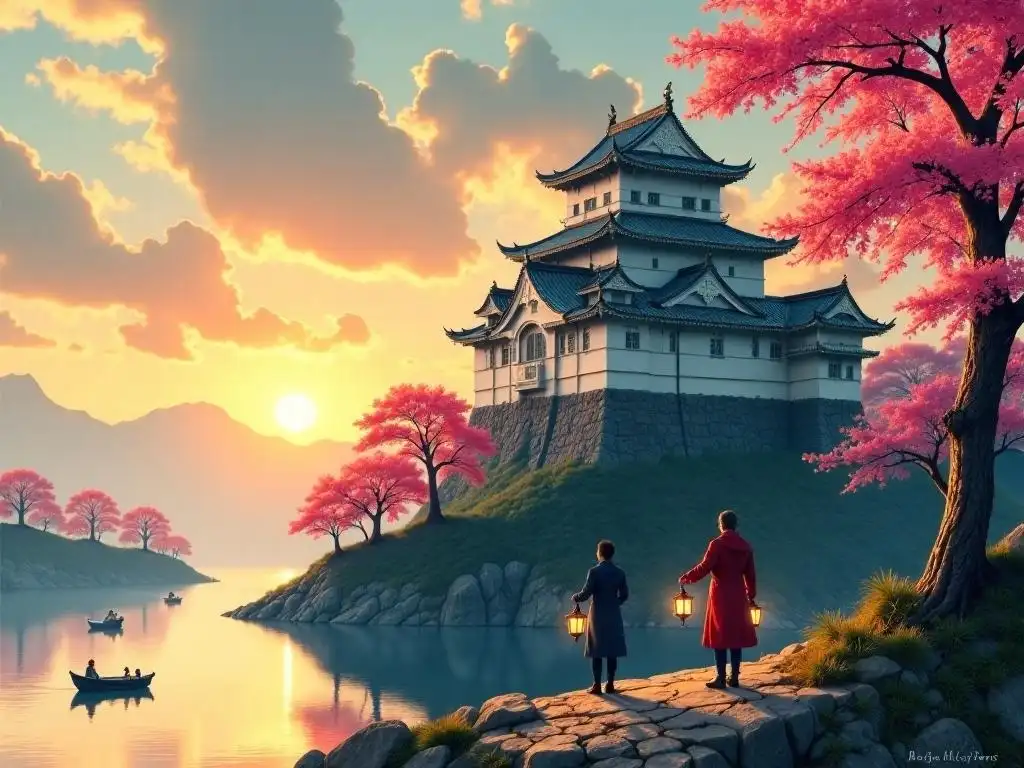
The daimyo, as powerful feudal lords, played a pivotal role in shaping Japanese culture during the feudal era. Their influence extended beyond governance and military might; they served as patrons of the arts, education, and local traditions, laying the groundwork for many cultural practices that are still evident in modern Japan. This legacy is not merely historical; it continues to resonate in various aspects of Japanese society today.
Lasting Traditions from the Feudal Era
The feudal era, characterized by the rule of the daimyo, gave rise to numerous traditions that have persisted through the centuries. Some notable traditions include:
- Martial Arts: The daimyo often employed samurai who were not only warriors but also practitioners of martial arts. Techniques like Kenjutsu (swordsmanship) and Kendo (modern fencing) evolved during this period, emphasizing discipline and honor.
- Tea Ceremony: The practice of the tea ceremony, or chanoyu, was popularized by daimyo who sought to create a refined cultural atmosphere within their domains. This ritual reflects principles of harmony, respect, purity, and tranquility, which are still integral to Japanese culture today.
- Architecture and Gardens: The architectural styles of castles and gardens built by the daimyo have influenced Japanese aesthetics. The meticulous design of these structures often included elements that harmonized with nature, a tradition that continues in contemporary Japanese garden design.
- Performing Arts: The patronage of the daimyo led to the flourishing of traditional arts, including Noh and Kabuki theater. These forms of drama encapsulate historical narratives and societal values, serving as a reflection of the cultural landscape of their time.
Modern Interpretations of Daimyo Influence
In contemporary Japan, the influence of daimyo is interpreted through various lenses. The resurgence of interest in traditional practices can be viewed as a response to globalization and modernization. Notable interpretations include:
- Cultural Festivals: Many regions celebrate festivals that honor the legacy of their local daimyo. Events such as parades and reenactments showcase traditional attire and customs, emphasizing the importance of local history.
- Artistic Expressions: Contemporary artists draw inspiration from the aesthetics and philosophies of the daimyo era. This is reflected in modern literature, visual arts, and even fashion, which often incorporate elements from feudal Japan.
- Educational Initiatives: Schools and cultural organizations are increasingly offering programs that teach the history and traditions associated with the daimyo. These initiatives aim to instill a sense of pride and understanding of historical identity among younger generations.
The Role of Daimyo in Contemporary Japanese Identity
The legacy of the daimyo is deeply embedded in Japan’s national identity. Their historical significance contributes to a collective memory that shapes contemporary society in several ways:
- Cultural Heritage: The preservation of castles, shrines, and historical sites associated with the daimyo serves as a physical reminder of Japan’s feudal past. These sites attract tourists and foster a sense of belonging among locals.
- Symbol of Authority: In modern Japanese culture, the concept of the daimyo represents leadership and responsibility. Figures in contemporary society often evoke the qualities associated with daimyo—such as loyalty, honor, and a commitment to community.
- Community Engagement: Local communities often engage in programs that celebrate their daimyo heritage, fostering a sense of community and continuity. This engagement helps to bridge the gap between past and present, ensuring that the values upheld by the daimyo are not forgotten.
The daimyo's influence on Japanese culture is profound and multifaceted, serving as a cornerstone for many of the traditions and values that define modern Japan. Their legacy continues to inspire and shape the cultural landscape, illustrating the enduring impact of feudal society on contemporary life.
Conclusion: The Enduring Impact of Daimyo on Japanese Culture
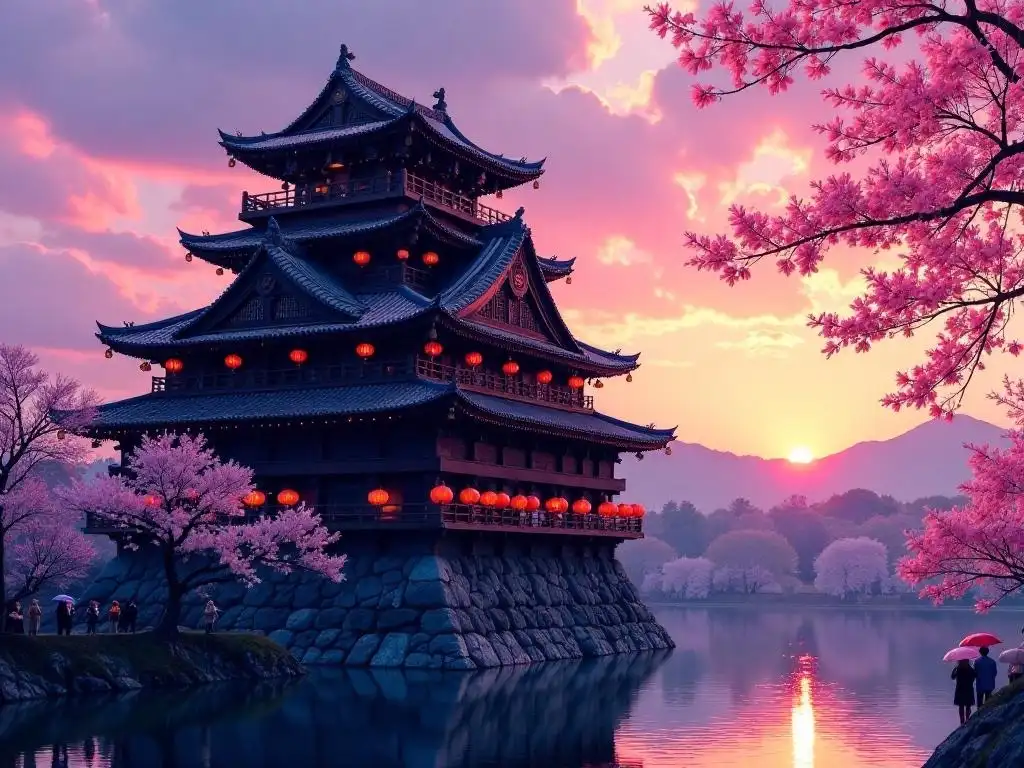
Reflection on Cultural Heritage
The role of the daimyo in shaping Japanese culture cannot be overstated. These feudal lords were not just military leaders; they were also pivotal figures in the promotion and preservation of various cultural practices and traditions. Their influence extended across multiple domains, including art, architecture, religion, and social customs.
One of the most notable impacts of the daimyo was their patronage of the arts. By sponsoring skilled artisans, musicians, and playwrights, daimyo helped to cultivate a rich cultural tapestry that reflected both local traditions and broader influences from the continent. For example, the tea ceremony, which became a hallmark of Japanese aesthetic sensibility, was significantly elevated by the support of various daimyo who sought to refine and formalize this practice.
As feudal lords, the daimyo also played a crucial role in the establishment of architectural styles that defined the Japanese landscape, such as the construction of castles that were both defensive structures and symbols of power. The intricate gardens and meticulously designed interiors of these castles often incorporated elements of Shinto and Buddhist philosophy, which highlighted the spiritual dimensions of nature and existence. This fusion of aesthetics and spirituality profoundly influenced Japanese culture, leading to a legacy that is still appreciated today.
Moreover, the daimyo's engagement with religious institutions, particularly through the sponsorship of temples and shrines, reinforced the intertwining of governance and spirituality in Japanese society. This relationship not only served to legitimize their power but also ensured the continuity of religious practices that remain foundational to Japanese culture.
Future Directions for Cultural Preservation
As Japan moves further into the 21st century, the lessons from the daimyo era can guide contemporary efforts in cultural preservation. With globalization and rapid modernization threatening to overshadow traditional practices, it becomes essential to actively engage communities in preserving their cultural heritage.
Key strategies for future cultural preservation include:
- Community Involvement: Encouraging local communities to participate in cultural festivals, traditional crafts, and local history projects can foster a sense of ownership and pride. This grassroots approach mirrors the daimyo's local governance, where community engagement was crucial to maintaining order and cultural practices.
- Educational Programs: Integrating topics related to daimyo and feudal history into school curricula can help nurture appreciation for Japan's rich cultural heritage among younger generations. By learning about the contributions of daimyo to Japanese culture, students can better understand the importance of preserving these traditions.
- Digital Archiving: Utilizing technology to create digital archives of traditional practices, artworks, and historical documents relating to the daimyo can ensure that these cultural elements are preserved for future generations. This modern approach complements the historical preservation methods used by daimyo to maintain their legacies.
- Cultural Exchange Initiatives: Promoting cultural exchange programs that allow for the sharing of traditional practices with international audiences can enhance appreciation for Japan’s unique cultural heritage. Such initiatives not only honor the past but also create new dialogues that can enrich cultural understanding globally.
The enduring influence of the daimyo on Japanese culture is a testament to the importance of leadership in cultural preservation. As we reflect on this rich heritage, it is crucial to foster a proactive approach to preserving and celebrating the traditions that define Japan’s identity today.
References
Suggested Readings on Daimyo and Japanese Culture
-
"The Way of the Samurai: The Daimyo's Influence on Japanese Culture"
This book delves into the intricate relationship between the samurai class and the daimyo, showcasing how their interactions shaped various cultural aspects, including martial arts, literature, and philosophy.
-
"Daimyo: The Feudal Lords of Japan"
An insightful exploration that covers the roles and responsibilities of daimyo, this text also examines their contributions to the arts, religion, and local governance, illustrating the lasting impact of their rule.
-
"Cultural Narratives of Feudal Japan"
This anthology compiles various essays focusing on how daimyo influenced Japanese culture through patronage of the arts, festivals, and the preservation of traditional crafts.
-
"Feudal Japan: A History"
A comprehensive history that provides context for the daimyo’s role in feudal society, detailing how their leadership helped shape regional identities and cultural practices across Japan.
-
"The Samurai and the Daimyo: A Cultural Synergy"
This book highlights the symbiotic relationship between samurai and daimyo, emphasizing how mutual influences enriched Japanese traditions, including tea ceremonies and literature.
Historical Sources for Further Research
-
Records of Daimyo's Domains (Shuzen-cho)
These historical documents provide insights into the governance and cultural practices within the domains of various daimyo, revealing how local traditions were preserved and adapted.
-
The Taiheiki (Chronicles of the Great Peace)
A historical epic that narrates the events of the Muromachi period, offering context on the influence of daimyo on societal norms and traditions during turbulent times.
-
Nihon Shoki (Chronicles of Japan)
This ancient chronicle includes references to the early formation of the feudal system and the role of regional lords, laying the groundwork for understanding the evolution of daimyo influence.
-
Kamakura and Muromachi Period Artifacts
Artifacts from this period, including paintings, ceramics, and textiles, reflect the cultural preferences of daimyo, providing tangible evidence of their influence on Japanese aesthetics.
-
Local Histories (Kenshi-ki)
These chronicles often written by local historians, detail the customs, rituals, and festivals unique to regions governed by specific daimyo, highlighting the regional variations of Japanese culture influenced by feudal lords.
By exploring these readings and sources, one can gain a deeper understanding of the profound impact that daimyo had on Japanese culture, illuminating their role as both political leaders and cultural patrons.
Frequently Asked Questions
What role did daimyo play in Japanese society during the feudal era?
Daimyo were powerful feudal lords who governed large territories in Japan. They played a crucial role in maintaining social order and wielded significant political influence over their domains.
How did daimyo influence Japanese culture?
Daimyo were instrumental in the preservation and promotion of Japanese traditions, including arts, architecture, and festivals. Their patronage helped to cultivate a rich cultural landscape that still resonates today.
What are some examples of traditions preserved by daimyo?
Some examples include tea ceremonies, martial arts, and traditional festivals. These customs were often supported and refined by the daimyo, reflecting their commitment to cultural heritage.
How did the daimyo impact the development of samurai culture?
The daimyo were key figures in the samurai class, providing them with land and status. This relationship fostered a strong sense of loyalty and duty, which became core values in samurai culture.
In what ways did the daimyo's influence extend beyond their domains?
The daimyo's influence extended through trade, political alliances, and cultural exchanges. They often interacted with other regions, facilitating the spread of Japanese culture across the islands.
Final Reflection: The Enduring Legacy of Daimyo in Japanese Culture
The influence of the Daimyo on Japanese culture is not merely a relic of history; it is a vibrant thread woven into the fabric of modern Japan. As we explore the intricate ways in which these feudal lords shaped traditions, art, and social structures, we realize that their legacy continues to resonate today. The values of honor, loyalty, and cultural preservation championed by the Daimyo remain relevant in contemporary society, reminding us of the importance of heritage in an ever-evolving world.
The impact of the Daimyo extends beyond historical significance; it is a living influence that shapes the cultural landscape of Japan. From the tea ceremonies that echo the aesthetics of the samurai to the festivals that celebrate local traditions, the essence of the Daimyo's stewardship is evident in everyday life. As the renowned Japanese philosopher Daisaku Ikeda once said, Culture is the foundation of peace.
This statement encapsulates the idea that the preservation of cultural identity, as fostered by the Daimyo, is crucial for societal harmony and continuity.
As we reflect on the lessons drawn from the Daimyo's influence, let us embrace the call to honor and preserve our own cultural identities. Consider how you can contribute to the safeguarding of traditions in your community, whether through art, storytelling, or participation in local customs.
By recognizing the value of our heritage, we not only pay homage to the past but also pave the way for a future where cultural richness thrives. Take a moment to reflect on your own connection to tradition and the role you can play in its preservation, ensuring that the spirit of the Daimyo lives on in our hearts and actions.
Embrace and Preserve Your Connection to Japanese Traditions!
Thank you for taking the time to explore the rich tapestry of Japanese traditions shaped by historical figures. Your interest not only honors this fascinating history but also empowers you to carry forward these vibrant practices. Now, let’s transform that inspiration into action!
Here are some steps you can take today:
- Join a local cultural workshop to learn traditional crafts, such as calligraphy or flower arranging. Engaging hands-on in these practices will deepen your appreciation for Japanese culture.
- Share your favorite insight from this article on social media to spark conversations about the importance of preserving cultural heritage among your friends and family.
- Explore a book or documentary about traditional performing arts or the tea ceremony to immerse yourself further in the cultural significance of these art forms.
What unique tradition would you like to see thrive in the modern world? Share your thoughts in the comments below!