
Cultural Patronage: How Daimyo Influenced Arts and Education

Welcome to Feudal Japan History, where we embark on a captivating journey through the intricate tapestry of Japan’s feudal era. Dive deep into the rich cultural patronage of the Daimyo, as we unravel the profound influence these powerful lords had on the arts and education of their time. What drove their passion for culture, and how did their legacies shape modern Japan?
Prepare to be intrigued as we explore the multifaceted connections between political power and cultural development, inviting you to discover the stories that continue to resonate through the ages. Keep reading to uncover the layers of history that define this remarkable period!
The feudal era of Japan, characterized by its intricate social hierarchy and the dominant role of the samurai, saw the emergence of the daimyō as pivotal figures in shaping the cultural landscape of the nation. These powerful feudal lords not only wielded military and political authority within their domains but also played a crucial role in fostering the arts and education, leaving an indelible mark on Japanese culture.
The daimyō influence on Japanese culture can be observed through their patronage of various artistic endeavors, support for educational institutions, and the promotion of cultural practices that reflected their values and ambitions. This article delves into the multifaceted ways in which daimyō contributed to the evolution of Japanese arts and education, revealing how their legacy continues to resonate in contemporary society.
As we explore this intricate relationship, we will uncover the specific forms of cultural patronage exercised by the daimyō, the notable figures and schools of thought they supported, and the lasting effects of their influence on Japan's artistic and educational heritage. Through this comprehensive examination, readers will gain a deeper understanding of the daimyō's role not just as rulers, but as key architects of Japan's rich cultural tapestry.
- Introduction to Daimyo Influence on Japanese Culture
- The Role of Daimyo in Promoting the Arts
- Educational Contributions of Daimyo
- The Interplay Between Power and Culture
- Legacy of Daimyo Patronage on Modern Japanese Culture
- Conclusion
- References
-
Frequently Asked Questions
- What role did the Daimyo play in Japanese culture during the feudal era?
- How did Daimyo patronage impact the arts in Japan?
- In what ways did Daimyo contribute to education in feudal Japan?
- Were there any specific art forms that flourished due to Daimyo support?
- How did the influence of Daimyo extend beyond the arts and education?
- Final Reflection: The Enduring Legacy of Daimyo Influence on Japanese Culture
- Unveil Your Inner Patron of the Arts!
Introduction to Daimyo Influence on Japanese Culture
The daimyo, as regional lords in feudal Japan, played a pivotal role in shaping not only the political landscape but also the cultural milieu of their time. Their influence on Japanese culture is a multifaceted phenomenon, intertwining the realms of art, education, and social customs. By patronizing various forms of artistic expression and scholarly pursuits, the daimyo significantly contributed to the evolution of Japanese culture, leaving a legacy that resonates even today.
Overview of the Daimyo System in Feudal Japan
The daimyo system emerged during the late Heian period and became fully established by the Sengoku period (1467-1603). Daimyo were powerful landowners, often controlling vast territories and commanding armies of samurai. They operated under the shogunate's authority but wielded considerable autonomy within their domains.
Key Features of the Daimyo System:
- Feudal Hierarchy: The daimyo sat atop a complex feudal hierarchy, with vassals (samurai) serving them in exchange for land and protection. This relationship was crucial for maintaining loyalty and order.
- Economic Control: The daimyo managed agricultural production and taxation within their domains, directly influencing local economies. Their wealth allowed them to engage in cultural patronage.
- Military Power: As military leaders, daimyo were responsible for defending their territories, which often involved alliances and conflicts with other daimyo.
- Cultural Leadership: Beyond governance, many daimyo recognized the importance of culture and education, leading to significant investments in the arts and learning.
The intricate nature of the daimyo system fostered an environment where culture could flourish, as these lords sought to demonstrate their power and sophistication through patronage.
Significance of Cultural Patronage in the Feudal Era
Cultural patronage during the feudal era was not merely an act of generosity; it was a strategic endeavor that had profound implications for the societal structure and cultural identity of Japan. The daimyo's financial support and active participation in the arts and education played a critical role in the preservation and innovation of Japanese culture.
Aspects of Cultural Patronage:
- Artistic Development:
- Visual Arts: Daimyo often commissioned works from renowned artists, leading to advancements in painting, pottery, and textile arts. The Ming and Edo periods saw the emergence of unique styles that reflected both local traditions and influences from neighboring cultures.
- Theatrical Arts: The patronage of Noh and Kabuki theater became prevalent as daimyo sought to showcase their wealth and cultural sophistication. These art forms not only entertained but also conveyed moral and philosophical themes.
- Literature and Philosophy:
- Education: Many daimyo established schools and cultural centers, fostering education in literature, philosophy, and the arts. This led to a more literate society and promoted the study of classical texts.
- Literary Patronage: The support of poets and scholars contributed to the development of Japanese literature, including the rise of haiku, which flourished under the encouragement of various daimyo.
- Religious and Spiritual Influence:
- Buddhism and Shinto: Daimyo often patronized temples and shrines, supporting religious practices that intertwined with cultural identity. This led to the proliferation of arts associated with religious rituals and practices.
- Cultural Festivals:
- Community Engagement: Daimyo-sponsored festivals and events served as a means of unifying the community, showcasing local talent, and reinforcing cultural traditions. These gatherings often included performances, exhibitions, and competitions that celebrated local heritage.
The legacy of the daimyo's cultural patronage is evident in Japan's rich artistic heritage and educational advancements. Their influence on Japanese culture not only shaped the identity of their respective regions but also contributed to the broader narrative of Japan's cultural evolution during the feudal era.
The Role of Daimyo in Promoting the Arts
Patronage of Traditional Japanese Arts
The daimyo, as feudal lords of Japan, played a pivotal role in promoting and patronizing various forms of traditional Japanese arts throughout the feudal era. Their influence on Japanese culture is profoundly evident in the support they provided for artistic endeavors, which not only flourished under their auspices but also became a means to reflect their status and power. The patronage of the daimyo was characterized by their willingness to fund and commission artworks, thus ensuring that the arts remained an integral part of their domains.
The arts that received significant attention included:
- Painting: Many daimyo commissioned works from renowned artists, leading to the creation of masterpieces that depicted landscapes, historical events, and portraits. These artworks often served ceremonial purposes or adorned the walls of castles and residences.
- Ceramics: The daimyo also promoted the production of fine ceramics, which became a symbol of prestige. Many regional styles were developed under their guidance, each reflecting the local resources and cultural influences.
- Textiles: The production of elaborate textiles, including kimonos, was another area where daimyo influence was significant. They sponsored dyeing and weaving workshops, leading to the creation of exquisite fabrics that became highly sought after.
Influence on Calligraphy and Painting
Calligraphy and painting were particularly favored by many daimyo as they represented the refinement of culture and intellect. Notably, the art of calligraphy was not just a mere decorative practice but a reflection of one's education and status.
- Calligraphy: Daimyo would often invite skilled calligraphers to their courts, fostering a culture of literacy and artistic expression. The aesthetics of calligraphy—characterized by its fluidity and precision—were greatly admired and imitated by samurai and the elite classes.
- Painting: The influence of daimyo on painting can be observed in their patronage of styles such as Ukiyo-e, which depicted the beauty of everyday life and landscapes. Commissioning works from artists like Hokusai and Hiroshige became a means for the daimyo to demonstrate not just wealth but also cultural sophistication.
Support for Performing Arts: Noh and Kabuki
The performing arts, particularly Noh and Kabuki, flourished thanks to the daimyo's patronage. These art forms became essential to the cultural landscape of feudal Japan and were often performed at the courts of powerful lords.
- Noh: As a highly stylized form of theater, Noh was supported through patronage that enabled the establishment of theater troupes. The daimyo often hosted Noh performances, which were not only entertainment but also occasions for political and social gatherings.
- Kabuki: In contrast, Kabuki emerged as a more vibrant and accessible form of theater. Although initially associated with the lower classes, its popularity surged when daimyo began to sponsor performances, leading to its eventual acceptance among the upper echelons of society. The colorful costumes and dynamic storytelling captivated audiences and elevated Kabuki as a significant cultural phenomenon.
Establishment of Cultural Centers and Workshops
Daimyo were instrumental in establishing cultural centers and workshops dedicated to the arts. These institutions became vital hubs for artistic development, where craftsmen and artists could refine their skills and create works that defined the era.
Creation of Artistic Communities
The establishment of cultural centers fostered artistic communities that thrived under the support of the daimyo. These hubs allowed craftsmen and artists to collaborate, innovate, and share techniques.
- Workshops: Many daimyo set up workshops for various crafts, including pottery, textile dyeing, and woodworking. These workshops not only produced high-quality goods but also provided training for aspiring artists.
- Exhibitions and Festivals: Cultural festivals sponsored by the daimyo showcased the works of local artists, encouraging competition and creativity. These events helped cultivate a sense of pride in regional arts and contributed to the cultural identity of the domains.
Impact on Local Artists and Craftsmen
The impact of the daimyo's patronage extended far beyond their immediate circle, influencing local artists and craftsmen across Japan.
- Opportunities for Artists: Many artists found patrons among the daimyo, leading to a flourishing of creativity and craftsmanship. This sponsorship enabled artists to pursue their craft full-time, leading to innovations in techniques and styles.
- Cultural Exchange: The daimyo also facilitated cultural exchange by inviting artists from different regions, which enriched the local art scene and encouraged the blending of styles. As a result, the arts became a dynamic and evolving reflection of Japanese culture.
The daimyo influence on Japanese culture, particularly through their patronage of the arts, laid the foundation for a rich cultural heritage that continues to resonate in modern Japan. Their support not only nurtured the creative talents of the time but also established a legacy that highlights the importance of cultural patronage in shaping society.
Educational Contributions of Daimyo
During Japan's feudal era, the daimyo played a crucial role in shaping the educational landscape. Their patronage not only fostered the development of various educational institutions but also significantly influenced the intellectual currents of the time. The contributions of the daimyo in education were multifaceted, covering the establishment of schools, promotion of philosophical teachings, and support for scholars.
Founding of Schools and Academies
The daimyo's influence on education began with the establishment of schools and academies across their domains. These institutions were instrumental in disseminating knowledge and providing a structured environment for learning.
Promotion of Confucianism and Literature
One of the primary focuses of these schools was the promotion of Confucianism, which emphasized moral integrity, social harmony, and respect for authority. The daimyo recognized the value of Confucian teachings in cultivating virtuous leaders and loyal subjects. As a result, many academies incorporated Confucian texts into their curriculum, alongside classical literature.
- Key Features of Confucian Education:
- Moral Education: Emphasized the importance of ethics and virtue.
- Literary Studies: Included the study of classical works, fostering an appreciation for literature and poetry.
- Public Service: Encouraged students to pursue roles in governance and administration.
The effects of this educational approach were profound, as it not only educated future leaders but also instilled a sense of duty among the samurai class.
Development of Samurai Education
The daimyo also prioritized the education of samurai, understanding that an educated warrior was essential for effective governance and military success. Schools specifically tailored for samurai instruction emerged, emphasizing martial arts, strategy, and ethics.
- Components of Samurai Education:
- Martial Training: Included techniques of weaponry and combat.
- Strategic Thinking: Focused on military tactics and battlefield strategy.
- Cultural Studies: Encouraged the arts, calligraphy, and poetry to cultivate a well-rounded warrior.
The education of samurai under the daimyo's patronage led to a more sophisticated class of warriors, capable of both intellectual and martial pursuits.
Support for Scholars and Philosophers
In addition to founding schools, the daimyo actively supported scholars and philosophers, recognizing their contributions to knowledge and culture.
Notable Figures Sponsored by Daimyo
Many prominent thinkers and educators received sponsorship from daimyo, allowing them to pursue their studies and teachings. This patronage resulted in numerous influential figures who made lasting contributions to Japanese thought.
- Examples of Sponsored Scholars:
- Yamaga Sokō: A Confucian philosopher who emphasized moral integrity and loyalty.
- Ogyū Sorai: A scholar who developed a unique interpretation of Confucianism, advocating for a return to classical texts.
These scholars not only shaped educational practices but also influenced the political and cultural ideologies of their time.
Influence on Japanese Thought and Philosophy
The intellectual environment fostered by the daimyo's support led to significant developments in Japanese thought and philosophy. The promotion of Confucian values and the patronage of scholars contributed to the emergence of unique philosophical schools that blended Eastern and Western ideas.
- Key Philosophical Movements:
- Neo-Confucianism: Reinforced the importance of ethics in governance and personal conduct.
- Nihonjinron: Explored the uniqueness of Japanese culture and identity, often influenced by scholarly works supported by daimyo.
The daimyo's influence on education and intellectual life not only shaped the samurai class but also left a lasting legacy on Japanese culture, reinforcing the importance of education, philosophy, and the arts in shaping societal values.
Through their educational contributions, the daimyo significantly influenced Japanese culture, fostering a rich intellectual environment that reverberated throughout the ages. Their legacy continues to be felt in contemporary discussions of Japan's cultural and educational evolution.
The Interplay Between Power and Culture
The relationship between political power and cultural expression in feudal Japan is a complex and multifaceted dynamic. The daimyo, as powerful feudal lords, wielded significant authority not only over their lands but also over cultural and artistic developments. Their influence extended beyond mere governance; it shaped the very fabric of Japanese society during the feudal era. The interplay between power and culture can be observed through various mechanisms, including patronage, public celebrations, and educational initiatives, each serving as a means to assert dominance and cultivate loyalty among subjects.
How Political Power Shaped Cultural Expression
The political landscape of feudal Japan was characterized by a decentralized system of governance, where the daimyo exercised control over their domains. This power allowed them to dictate the cultural trends and artistic directions within their territories. The patronage system emerged as a primary avenue through which the daimyo could exert influence over cultural expression. By supporting artists, scholars, and craftsmen, they not only fostered the creation of works that aligned with their values but also solidified their status as cultural leaders.
Patronage as a Tool for Political Influence
Daimyo patronage played a crucial role in the development of various art forms, including painting, poetry, and theater. For instance, the support of the tea ceremony by influential daimyo was a strategic move that reinforced their image as cultured and refined leaders. By sponsoring tea masters and hosting elaborate tea ceremonies, they elevated their status while simultaneously promoting a cultural practice that emphasized harmony and aesthetics.
The arts became a means of communication for the daimyo, allowing them to convey their ideologies and political messages subtly. For example, the use of specific motifs in paintings or calligraphy could serve to legitimize their rule or celebrate military victories. This strategic patronage not only enriched the cultural landscape but also ensured that the daimyo's influence permeated through the arts.
Cultural Festivals and Their Political Significance
Cultural festivals in feudal Japan were more than mere celebrations; they served as platforms for the daimyo to showcase their power and engage with their subjects. These festivals often featured traditional performances, such as Noh theater and kabuki, which highlighted local customs and promoted regional pride. By sponsoring these events, the daimyo could reinforce their connection to the community, fostering loyalty and support among their subjects.
Moreover, festivals provided a unique opportunity for political maneuvering. The daimyo would often use these occasions to display their wealth and resources, signaling their strength to both allies and rivals. The grandeur of a festival could sway public opinion and solidify the daimyo's position within the intricate hierarchy of feudal Japan.
Case Studies of Influential Daimyo and Their Cultural Impact
To illustrate the profound impact of daimyo on Japanese culture, we can delve into specific case studies of notable figures who left a lasting legacy through their cultural patronage.
Oda Nobunaga and the Arts
Oda Nobunaga, a pivotal figure in the unification of Japan during the late 16th century, was not only a military strategist but also a significant patron of the arts. His support for the development of Noh theater and other artistic pursuits was instrumental in shaping cultural narratives during his reign. Nobunaga's patronage extended to artists like the painter Hasegawa Tohaku, whose works reflected the aesthetics of the period.
Nobunaga's innovative approach to cultural patronage was evident in his promotion of the use of European influences, particularly in the introduction of firearms and Western art forms. This openness to foreign ideas marked a departure from traditional practices, laying the groundwork for a more diverse cultural landscape in Japan.
Tokugawa Ieyasu and Educational Reforms
Tokugawa Ieyasu, the founder of the Tokugawa shogunate, recognized the importance of education in maintaining political stability and societal cohesion. His reforms emphasized the establishment of schools and the promotion of Confucian ideals, significantly influencing Japan's educational system.
Under Ieyasu's direction, the samurai class was encouraged to engage with literature and philosophy, resulting in a more educated ruling elite. This shift not only reinforced the daimyo's authority but also cultivated a culture of learning that permeated through various social strata. Educational institutions became centers of cultural exchange, further illustrating the profound influence of political power on the development of Japanese culture.
The daimyo's influence on Japanese culture is evident through their strategic use of patronage, cultural festivals, and educational reforms. By harnessing their political power, they not only shaped artistic expressions but also solidified their roles as cultural leaders, leaving an indelible mark on Japan's feudal history.
Legacy of Daimyo Patronage on Modern Japanese Culture
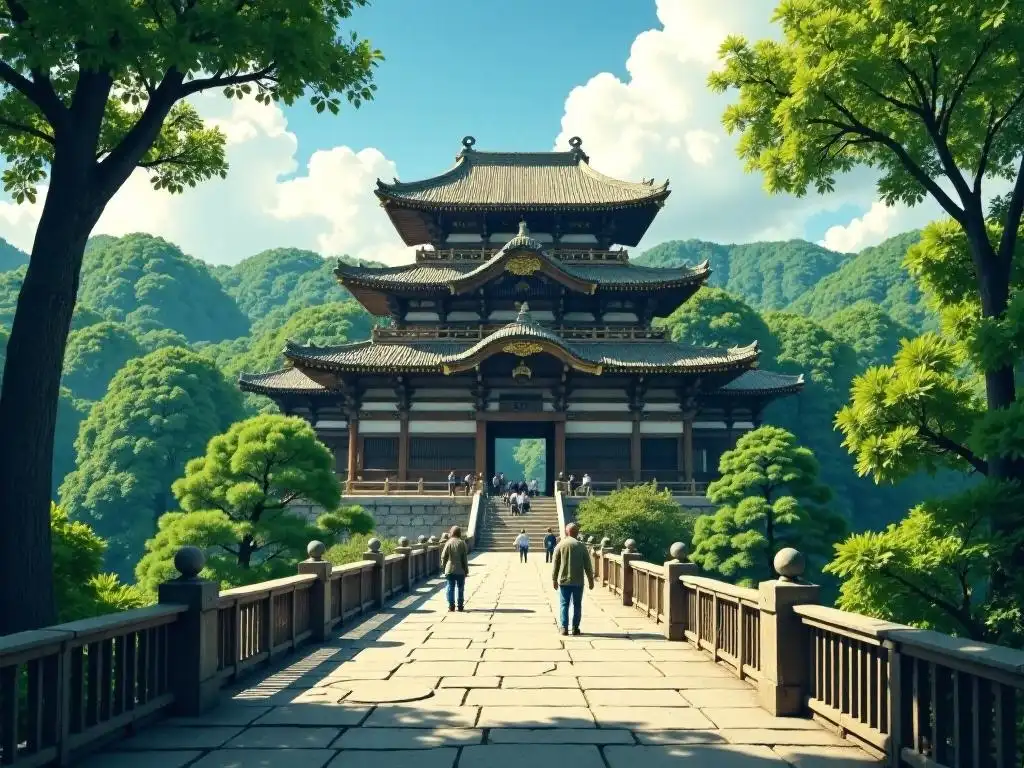
The legacy of daimyo patronage during Japan's feudal era remains a significant force in shaping modern Japanese culture. As feudal lords, the daimyo not only governed their domains but also played a crucial role in the development of various cultural aspects, including arts, literature, and education. Their investments in these areas fostered a rich cultural environment that continues to resonate in contemporary Japan.
Continuing Influence on Contemporary Arts
The influence of daimyo on Japanese arts is observable in various forms such as painting, theater, and craftsmanship. During the Edo period, for example, many daimyo commissioned works from renowned artists and artisans to showcase their wealth and power. This tradition of patronage established a foundation for numerous art forms that have persisted into the modern era.
- Traditional Arts: Many traditional arts, such as ikebana (flower arranging), tea ceremonies, and calligraphy, trace their roots back to the aesthetic standards promoted by the daimyo. These practices have been preserved and celebrated in contemporary Japanese culture, demonstrating an enduring appreciation for the refinement and beauty that characterized the feudal period.
- Performance Arts: The theater scene in Japan, particularly Noh and Kabuki, flourished under the patronage of daimyo. Today, these art forms are not only performed in traditional settings but are also integrated into modern performances, retaining their cultural significance. The structure and themes of these performances often reflect the historical narratives and values emphasized by the daimyo.
- Visual Arts: The thematic and stylistic influences seen in ukiyo-e (woodblock prints) and other visual arts can be traced back to the aesthetic preferences of the daimyo. Modern artists often draw inspiration from these traditional motifs, blending them with contemporary techniques and sensibilities.
Through exhibitions, festivals, and educational programs, the influence of daimyo patronage continues to inspire artists and audiences alike, ensuring the survival and evolution of these art forms.
The Evolution of Educational Systems from Feudal Practices
Daimyo influence on education during the feudal era laid the groundwork for Japan's modern educational systems. The establishment of han schools in various domains was a direct result of daimyo patronage, aimed at educating the samurai class and fostering loyalty to the lord. These schools emphasized not only martial skills but also literature, philosophy, and ethics.
- Curriculum Development: The curriculum in han schools often included Confucian teachings, which were highly valued by the daimyo. This focus on moral education and civic responsibility has shaped Japan's educational philosophy, emphasizing the importance of discipline, respect, and social harmony.
- Cultural Literacy: The promotion of arts and humanities within these educational institutions has had a lasting impact on cultural literacy in Japan. The values and knowledge imparted to students during the feudal era have evolved but remain integral to contemporary education, where a well-rounded education is still considered essential for personal and societal development.
- Modern Educational Institutions: Many of Japan's prestigious universities and institutions can trace their lineage back to the educational practices established by the daimyo. The emphasis on rigorous scholarship and the pursuit of knowledge fostered during the feudal period continues to inform Japan's approach to education today.
The legacy of daimyo patronage is deeply embedded in both the arts and educational systems of modern Japan. The ongoing influence of their cultural investments reflects a continuity of values and practices that enrich contemporary Japanese society and identity.
Conclusion

Summary of the Daimyo's Influence on Japanese Culture
The influence of the daimyo on Japanese culture during the feudal era cannot be overstated. As powerful feudal lords, the daimyo played a pivotal role in shaping not only the political landscape but also the cultural fabric of Japan. Their patronage extended across various art forms, education, and societal norms, fostering a rich cultural environment that thrived under their guidance.
- Arts and Aesthetics:
- The daimyo sponsored numerous artists, craftsmen, and performers, leading to the flourishing of traditional arts such as ceramics, painting, theater, and literature.
- Notable examples include the Noh theatre, which received significant support from daimyo, becoming a sophisticated form of entertainment and artistic expression.
- Education and Scholarship:
- Many daimyo established han schools (domain schools) to educate the samurai class and local populace. This initiative not only promoted literacy but also the study of Confucianism, philosophy, and ethics.
- The intellectual patronage of daimyo contributed to the cultural renaissance that characterized the Edo period, as the educated class emerged, fostering a more informed society.
- Religious and Spiritual Patronage:
- Daimyo often supported Buddhist temples and Shinto shrines, which were essential for the spiritual life of the community. This support helped in the dissemination of religious teachings and practices, intertwining them with cultural identity.
- Culinary Arts:
- The daimyo also had a profound influence on the culinary landscape, with many establishing kitchens that would pioneer regional specialties. The tradition of kaiseki dining, characterized by multi-course meals, emerged during this period thanks to the culinary patronage of the daimyo.
The Lasting Impact of Cultural Patronage in Feudal Japan
The cultural patronage exercised by the daimyo has left an enduring legacy that can still be felt in contemporary Japan. The arts, education, and social practices nurtured during the feudal era laid the groundwork for modern Japanese culture.
- Artistic Techniques: Many artistic techniques and styles that were developed or refined under the patronage of the daimyo continue to influence contemporary Japanese art. For instance, the ukiyo-e woodblock printing, which flourished during the Edo period, remains a significant cultural symbol.
- Educational Foundations: The han schools established by daimyo set the stage for Japan's modern educational system. The emphasis on literacy and scholarship contributed to a society that values education, which is evident in Japan's high literacy rates and academic achievements today.
- Cultural Identity: The blend of regional customs and traditions supported by the daimyo contributed to the rich tapestry of Japanese cultural identity. Festivals, traditional crafts, and local cuisines continue to reflect the diversity and historical significance of the daimyo's influence.
The daimyo influence on Japanese culture was profound and multifaceted, shaping the arts, education, and religious practices of the time. Their legacy not only enriched the cultural landscape of feudal Japan but also established foundational elements that persist in modern Japanese society, demonstrating the lasting impact of their cultural patronage.
References
Key Texts and Sources on Daimyo Influence
The influence of the daimyo on Japanese culture is a rich topic, supported by an array of historical texts and scholarly sources. Here are some key texts that provide insights into this multifaceted relationship:
-
"The Culture of the Samurai: A Cultural History of the Samurai" by Steven Turnbull
This book explores the cultural contributions of the samurai class, including the daimyo, and their role in shaping Japanese arts and education during the feudal period.
-
"Daimyo: The Power of the Japanese Feudal Lords" by Richard C. L. Heller
Heller delves into the political and cultural authority of the daimyo, emphasizing their patronage of arts, literacy, and education.
-
"Art and Culture in the Japanese Feudal Era" by Jennifer M. N. Smith
This work highlights the artistic endeavors supported by the daimyo, showcasing how their influence helped develop unique cultural expressions.
-
"The Age of the Samurai: Japan's Historic Period of Feudal Strife" by Thomas W. Daugherty
Daugherty provides a comprehensive overview of the samurai era, including the educational and cultural advancements initiated by daimyo.
-
"Cultural Patronage in Japan: The Role of Daimyo in the Promotion of Arts and Education" by Michiko A. Yamaguchi
This detailed examination focuses specifically on how the daimyo acted as cultural patrons, influencing various art forms and educational practices.
Suggested Further Reading on Japanese Cultural History
For those interested in further exploring the cultural landscape shaped by the daimyo and the broader context of Japan's feudal era, the following readings are highly recommended:
-
"Japanese Culture: A Short History" by Sir George Sansom
This classic work provides a sweeping overview of Japanese culture, including the role of feudal lords in cultural developments.
-
"The Tale of Genji" by Murasaki Shikibu
Often considered the world's first novel, this literary masterpiece reflects the cultural milieu of the Heian period, setting the stage for the influence of later daimyo.
-
"The Art of Japanese Architecture" by David Young
Young discusses the architectural styles that flourished under the patronage of daimyo, revealing how their tastes influenced the built environment.
-
"Japanese Painting: A History" by John A. Dower
This book chronicles the evolution of Japanese painting, highlighting how daimyo commissions shaped artistic trends.
-
"The Samurai Sourcebook" by Stephen Turnbull
A comprehensive collection of primary sources that provides insights into the cultural and military aspects of the samurai, offering context for the daimyo's influence.
These texts serve as essential resources for understanding the complex dynamics of the daimyo's influence on Japanese culture and the broader societal shifts during the feudal era.
Frequently Asked Questions
What role did the Daimyo play in Japanese culture during the feudal era?
The Daimyo were powerful feudal lords who significantly influenced Japanese culture by sponsoring the arts, education, and various cultural activities, shaping the cultural landscape of the period.
How did Daimyo patronage impact the arts in Japan?
Through their patronage, Daimyo commissioned artists and craftsmen, leading to the development of unique art forms and styles that reflected their social status and values, thus enriching Japanese artistic heritage.
In what ways did Daimyo contribute to education in feudal Japan?
Daimyo often established schools and supported scholars, promoting education among samurai and their families, which helped elevate literacy and cultural awareness in their domains.
Were there any specific art forms that flourished due to Daimyo support?
Yes, art forms such as Noh theater, ink painting, and ceramics flourished under Daimyo patronage, as they sought to display their wealth and taste through commissioned works.
How did the influence of Daimyo extend beyond the arts and education?
The influence of Daimyo extended to politics and social structures, as they played key roles in governance and military organization, which also affected cultural practices and societal norms during the feudal era.
Final Reflection: The Enduring Legacy of Daimyo Influence on Japanese Culture
The intricate relationship between the daimyo and the arts and education in Japan is more relevant today than ever, as we continue to explore the roots of cultural identity and heritage. The patronage of these feudal lords not only shaped the artistic landscape of their time but also laid the groundwork for the cultural richness that defines Japan today. As we navigate a globalized world, understanding the historical context of cultural influences reminds us of the importance of preserving and celebrating our unique identities.
Cultural patronage by the daimyo has left an indelible mark on Japan's social fabric, influencing everything from traditional arts to modern educational practices. The legacy of their support for artists and scholars continues to resonate, fostering a deep appreciation for craftsmanship and intellectual pursuit in contemporary society. Art is the most beautiful of all lies.
– Claude Debussy. This sentiment echoes the daimyo's belief in the transformative power of art, which remains a vital part of Japan's cultural narrative.
As we reflect on the lessons from the daimyo's influence, let us consider how we can actively engage in the preservation and promotion of our own cultural heritage. Take a moment to explore the arts and education in your community, support local artists, and advocate for educational programs that celebrate cultural history. By doing so, we honor the past while paving the way for a vibrant cultural future, ensuring that the spirit of patronage lives on in our actions and choices.
Unveil Your Inner Patron of the Arts!
Thank you for exploring the fascinating world of cultural patronage and the significant role of historical leaders in shaping the arts and education during their times. By diving into this topic, you've uncovered the profound impact these figures had on creativity and learning, showcasing the vibrant culture of their eras. Now, it’s your turn to reflect this passion for the arts in your daily life!
Here are some ways you can take action today:
- Support local artists by attending exhibitions or purchasing their work; your patronage can truly make a difference!
- Explore online resources or classes focused on traditional arts to deepen your appreciation and skills in this beautiful heritage.
- Share insights from this article with friends and family, sparking meaningful conversations about the influence of culture in our lives.
What art form or educational pursuit resonates with you, and how will you embody the spirit of a cultural patron in your community?