
The Transition from Daimyo to Modern Governance in Japan

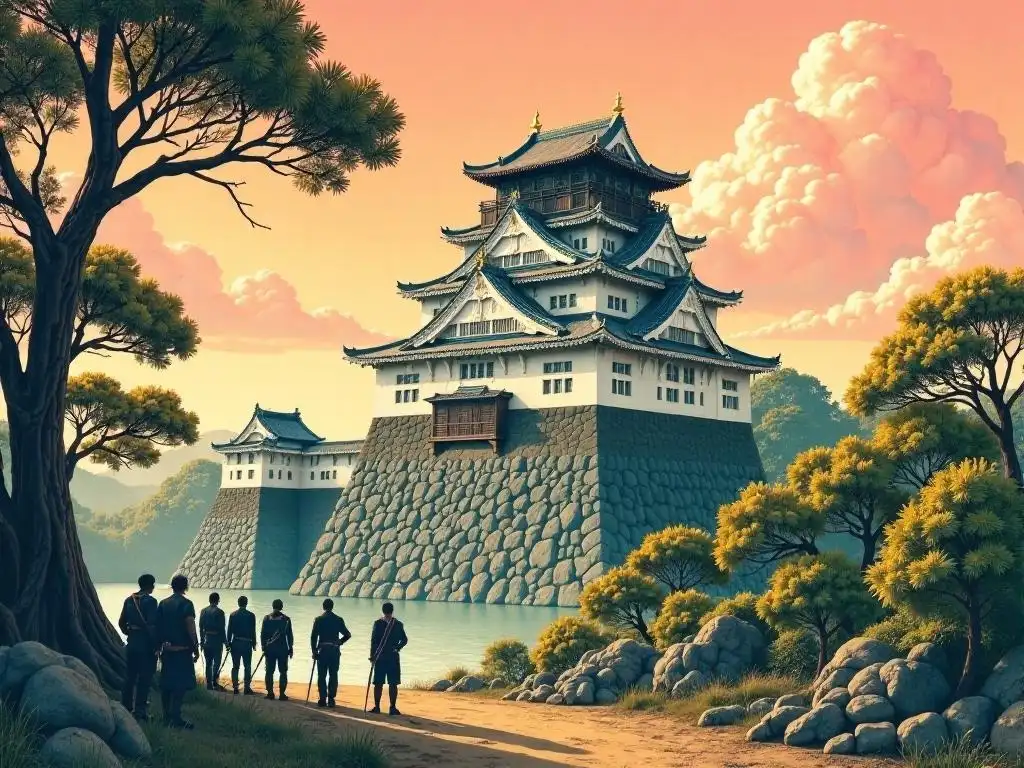
Welcome to Feudal Japan History, where we invite you to embark on a journey through the intricate tapestry of Japan’s feudal era. Delve into our featured article, "The Transition from Daimyo to Modern Governance in Japan," and discover how the powerful lords of the past laid the groundwork for today’s political landscape. What drove this monumental shift, and how did it reshape society? As you explore the depths of our expert-driven insights, prepare to uncover the fascinating interplay of history, culture, and power that defined a nation. Your adventure into the heart of Japan's political evolution begins here!
Introduction to the Transition from Daimyo to Governance
The Transition from Daimyo to Governance marks a pivotal moment in Japan's history, encapsulating the shift from a feudal system dominated by powerful regional lords to a centralized state. This transformation not only reshaped the political landscape but also influenced cultural and societal structures across the nation.
Understanding this transition is crucial for appreciating how contemporary Japan emerged from its feudal past, as it highlights the complexities of power dynamics, the evolution of governance, and the enduring legacy of the daimyo in shaping national identity. This article aims to delve into the intricacies of this transition, examining the historical context, the significant roles played by the daimyo, and the broader implications for Japanese society.
Overview of Feudal Japan and Daimyo
Feudal Japan, spanning from the late 12th century to the 19th century, was characterized by a decentralized political structure where local lords, known as daimyo, wielded substantial authority over their domains. These powerful figures emerged during the Kamakura period, consolidating power amidst a backdrop of social upheaval and military conflict. Daimyo governed large areas, collected taxes, and maintained private armies of samurai, who were not only warriors but also integral to the administration of their lord's territories.
The daimyo were crucial players in the feudal hierarchy, often engaging in alliances and rivalries that shaped the political landscape. Their influence was not limited to military might; they were also patrons of culture and arts, fostering a rich environment of creativity that included the development of Noh theatre, tea ceremonies, and ink painting. The multifaceted roles of the daimyo in governance and society are essential for understanding the transition that would ultimately lead to modern governance in Japan.
Importance of the Transition in Japanese History
The transition from the daimyo system to a centralized government was not merely a political shift; it represented a fundamental change in how Japan was organized and governed. As Japan moved towards modernization in the late 19th century, particularly during the Meiji Restoration, the dismantling of the feudal system was essential for establishing a unified nation-state. This transition facilitated the development of new political ideologies, economic practices, and social structures, paving the way for Japan's emergence as a major player on the world stage.
Understanding the importance of this transition is crucial for grasping the complexities of Japan's historical narrative. It reflects broader themes of power, identity, and change, illustrating how the legacy of the daimyo continues to influence Japanese culture and politics today.
Historical Context of the Daimyo System
The Rise of the Daimyo in Feudal Japan
The rise of the daimyo can be traced back to the Heian period (794-1185), when the decline of imperial power allowed local aristocrats to assert control over land and resources. This period saw the emergence of military clans, leading to the establishment of a feudal system that would dominate Japan for centuries. The Kamakura period (1185-1333) solidified the power of the daimyo as they gained prominence through military conquests and strategic marriages, further entrenching their power in the socio-political landscape.
Role of Daimyo in Society and Politics
Daimyo played a multifaceted role in both society and politics. They were not just military leaders; they were also landowners, administrators, and cultural patrons. Each daimyo governed their domain with a degree of autonomy, implementing local laws and policies that reflected their interests and the needs of their subjects. This localized governance allowed for diverse interpretations of law and order throughout Japan, contributing to a rich tapestry of regional cultures and practices.
The relationship between daimyo and their samurai was also pivotal; samurai served not only as warriors but as the bureaucratic backbone of the daimyo's administration. This symbiotic relationship helped to maintain order and loyalty, shaping the political landscape of the era.
The Influence of Samurai Culture on Governance
The samurai culture, deeply intertwined with the daimyo system, significantly influenced governance in feudal Japan. The samurai code of Bushido, emphasizing loyalty, honor, and discipline, permeated the political sphere and shaped governance practices. Daimyo relied on samurai not only for military protection but also for administrative duties, creating a governance structure that valued loyalty and service.
The cultural values of the samurai also permeated the broader society, influencing social norms and expectations. As Japan transitioned from a feudal society to a modern state, the remnants of samurai culture continued to play a role in shaping national identity and governance, illustrating the lasting impact of the daimyo system on contemporary Japan.
Factors Leading to the Transition from Daimyo to Modern Governance

The transition from the feudal system dominated by daimyo to a modern governance structure in Japan was influenced by various internal and external factors. Understanding these elements is crucial for comprehending the complexities of Japan's political evolution during the late 19th century.
Internal Conflicts and Civil Wars
One of the primary internal factors that accelerated the transition was the series of conflicts and civil wars that plagued Japan throughout its feudal period. The most notable of these was the Sengoku Jidai (Warring States period), which lasted from the mid-15th to the early 17th century. This age of near-constant warfare among rival daimyo led to significant instability and a weakened central authority. The Tokugawa shogunate, established in 1603, initially brought peace but faced persistent challenges, including uprisings and dissatisfaction among the samurai class and the peasantry.
As the Tokugawa shogunate struggled to maintain control, discontent grew, particularly among those who felt marginalized by the rigid social hierarchy. The Boshin War (1868-1869) exemplified this unrest, as factions within the samurai class and loyalist daimyo fought against the shogunate, ultimately facilitating the shift towards a more centralized government.
Foreign Influences and Trade Relations
The arrival of foreign powers in the mid-19th century had a profound impact on Japan's political landscape. Commodore Matthew Perry's expedition in 1853 forced Japan to open its ports to Western trade, dismantling its isolationist policies. This influx of foreign ideas and technologies introduced concepts of modern governance, capitalism, and democracy, prompting many Japanese leaders to reevaluate their feudal system.
The unequal treaties imposed by Western nations exposed the weaknesses of the Tokugawa shogunate and spurred a nationalistic movement among the populace. The desire to resist foreign domination and modernize Japan's political structure became a rallying point for reformers, leading to calls for the dismantling of the daimyo system and the establishment of a more equitable and centralized government.
The Role of the Meiji Restoration in Governance Changes
The Meiji Restoration of 1868 marked a pivotal turning point in Japan's transition from daimyo rule to modern governance. This period was characterized by a significant political overhaul as the emperor was restored to power, and the feudal system was abolished. The new government sought to establish a centralized authority that could effectively implement reforms to modernize Japan and strengthen its position against foreign powers.
The Meiji government implemented various policies aimed at dismantling the power of the daimyo and redistributing land to create a more uniform structure of governance. These reforms included the abolition of the han system, the establishment of a conscript army, and the introduction of modern bureaucratic practices, which ultimately laid the groundwork for Japan's emergence as a modern state.
Key Events in the Transition from Daimyo to Governance
Several key events significantly influenced the transition from the daimyo system to modern governance in Japan. These moments were not only pivotal for political change but also for shaping Japan's national identity and future trajectory.
The Boshin War and Its Impact on Daimyo Power
The Boshin War was crucial in dismantling the power of the daimyo. This civil war, fought between forces loyal to the Tokugawa shogunate and those seeking to restore imperial rule, highlighted the divisions within the samurai class and the broader population. The defeat of the shogunate's forces led to the loss of power for many daimyo, as the new government sought to centralize authority under the emperor.
The war also facilitated the transfer of power from the regional lords to a more centralized government, which allowed for the implementation of reforms aimed at modernizing Japan. The Boshin War, therefore, served as a catalyst for the transition, leading to significant shifts in political power dynamics.
The Abolition of the Han System
Following the Meiji Restoration, the abolition of the han system in 1871 was a monumental step towards modern governance. The han system, which divided Japan into various domains ruled by daimyo, was replaced with a system of prefectures governed by centrally appointed officials. This reform aimed to eliminate feudal loyalties and establish direct control by the central government.
By replacing the han with prefectures, the Meiji government sought to promote national unity and streamline administrative processes. This transition was critical in diminishing the influence of the daimyo and laying the foundation for a unified national identity.
The Establishment of Prefectures in Modern Japan
The establishment of prefectures marked a significant transformation in Japan's administrative structure. The new system was designed to facilitate governance by creating a more uniform administrative hierarchy. Prefectures were headed by governors appointed by the central government, which allowed for more direct oversight and implementation of national policies.
This change not only reduced the power of the daimyo but also promoted greater integration of the various regions within Japan. The prefectural system enabled the government to more effectively address issues such as infrastructure development, education, and public health, which were essential for Japan's modernization efforts.
The transition from daimyo to modern governance in Japan was a complex process shaped by internal conflicts, external pressures, and significant political changes during the Meiji Restoration. These factors collectively contributed to the establishment of a centralized government that would guide Japan into the modern era.
The Role of Western Influence in Shaping Governance
The transition from a feudal system governed by daimyos to a modern governance structure in Japan was significantly influenced by Western ideologies and practices during the 19th century. The arrival of Commodore Matthew Perry in 1853, along with subsequent treaties with Western powers, exposed Japan to new political and legal concepts that catalyzed profound changes in its governance. This period marked the beginning of Japan's modernization efforts, wherein Western ideas were assimilated into the fabric of Japanese society, leading to a redefinition of power dynamics and administrative practices.
Introduction of Western Legal Systems
One of the most significant changes during this transitional period was the introduction of Western legal systems. The Meiji Restoration in 1868 led to the establishment of a new legal framework, inspired by European models, particularly those of France and Germany. The Japanese government undertook the task of codifying laws, which resulted in the creation of the Civil Code in 1896 and the Criminal Code in 1880. These codes replaced the traditional laws that had governed the daimyos and their domains, thereby standardizing legal practices across the nation.
The adoption of Western legal principles not only aimed to modernize the legal system but also sought to create a sense of national identity and unity. As Japan sought to negotiate on equal footing with Western powers, establishing a robust legal system became essential. This move was instrumental in dismantling the feudal structures maintained by the daimyos, as it centralized authority and promoted the notion of citizenship over feudal loyalty.
Modernization Efforts in Governance and Administration
The modernization efforts extended beyond legal systems to encompass governance and administrative reforms. To facilitate efficient governance, the Meiji government restructured its administrative divisions, replacing the traditional domains led by daimyos with prefectures under centralized control. This shift was crucial for implementing national policies and modernizing infrastructure, as it allowed for a more cohesive governance approach.
Additionally, the establishment of a parliamentary system in 1889, modeled after Western democracies, marked a significant advancement in Japan's political landscape. Although initially limited in scope, this system laid the groundwork for broader political participation and the eventual development of a more democratic governance structure. These administrative reforms were vital in transitioning Japan from a feudal society to a modern state, as they encouraged bureaucratic efficiency and reduced the power of the daimyos.
The Impact of Western Ideologies on Japanese Leadership
Western ideologies, particularly those surrounding nationalism and democracy, profoundly influenced Japanese leadership during this transition. The embrace of these ideas fostered a sense of urgency among Japanese leaders to reform and strengthen the state. The concept of kokutai (national polity) emerged, emphasizing the importance of a unified state under the emperor, which contrasted sharply with the fragmented power of the daimyos.
Moreover, the influence of liberal ideas led to the emergence of political movements advocating for greater citizen participation and rights. Figures such as Itagaki Taisuke and other leaders of the Freedom and People's Rights Movement called for constitutional government and civil liberties, pushing against the remnants of feudal power structures. This ideological shift facilitated a reevaluation of leadership roles, emphasizing accountability and representation over hereditary privilege, thereby redefining the nature of governance in Japan.
The Societal Implications of the Transition
The transition from a daimyos' rule to modern governance had significant societal implications, reshaping the social fabric of Japan in numerous ways. This period not only altered the political landscape but also redefined the roles and status of various social classes, creating new dynamics within Japanese society.
Changes in Samurai Status and Influence
As Japan transitioned to a modern state, the status and influence of the samurai class experienced profound changes. The abolition of the samurai's privileges and stipends in the 1870s marked the end of their traditional roles within society. The haitōrei (sword abolition edict) of 1876 prohibited the carrying of swords in public, symbolizing the loss of their status as a warrior class.
While many samurai struggled to adapt to the new socio-economic realities, some found opportunities in the emerging bureaucratic and military institutions of the modern state. Former samurai became bureaucrats, politicians, and military leaders, integrating into the new governance structure, albeit with diminished power compared to their former status. This transition was emblematic of the broader societal changes that accompanied Japan's modernization efforts.
The Emergence of New Social Classes
The transition to modern governance also facilitated the emergence of new social classes, particularly the bourgeoisie and industrial workforce. As Japan industrialized, a growing middle class emerged, driven by commerce and industry. This class played a pivotal role in shaping the economy and demanding political representation, challenging the traditional feudal hierarchy.
The growth of the working class, fueled by industrialization, also altered the social landscape. Labor movements began to advocate for workers' rights, leading to the establishment of new political ideologies and movements that sought to address the inequities arising from rapid industrialization. The emergence of these new social classes was instrumental in fostering a more dynamic and participatory political culture in Japan.
The Role of Education in Shaping Modern Governance
Education emerged as a critical factor in shaping modern governance in Japan. The Meiji government recognized that a well-educated populace was essential for national strength and modernization. As a result, a national education system was established, emphasizing both Western knowledge and traditional Japanese values.
The introduction of compulsory education in the late 19th century aimed to cultivate a sense of nationalism and civic responsibility among citizens. Educational reforms not only promoted literacy and technical skills but also instilled democratic values and ideas about governance. This focus on education played a vital role in empowering individuals to participate in the political process and contribute to nation-building efforts.
The transition from the daimyos to modern governance in Japan was a multifaceted process, heavily influenced by Western ideas and societal changes. The interplay between legal reforms, shifts in social class dynamics, and educational advancements collectively shaped the political landscape of modern Japan, paving the way for its emergence as a significant global power.
Case Studies of Key Daimyo and Their Transition
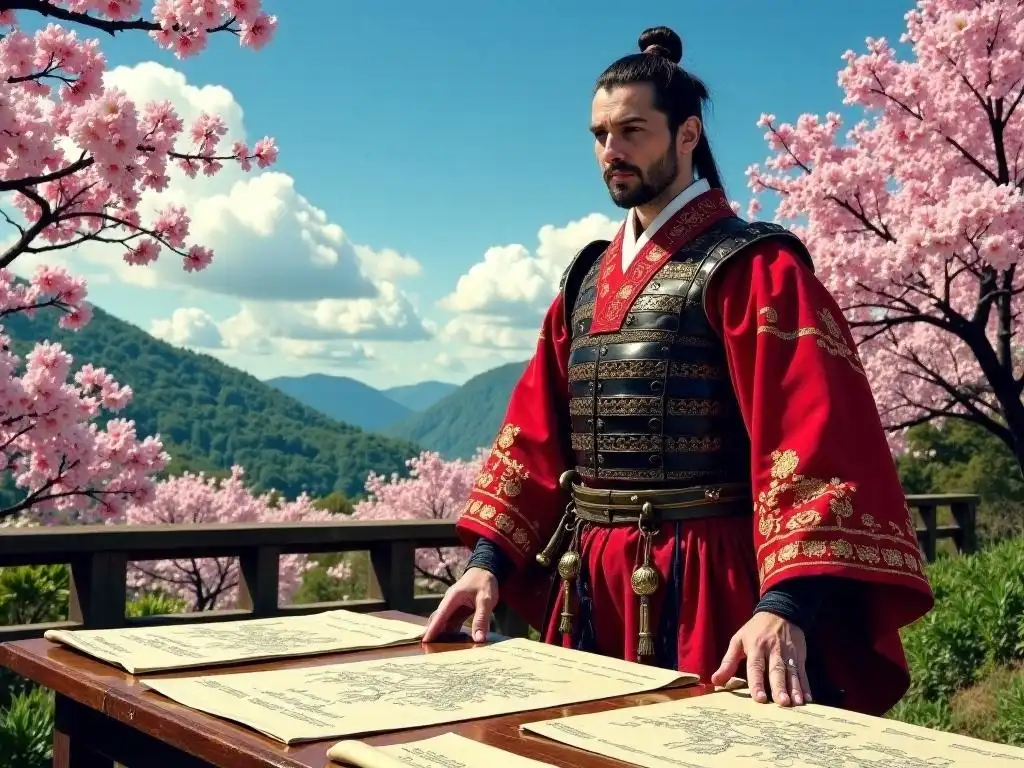
The transition from the feudal system governed by daimyo to modern governance in Japan is a complex narrative rich with individual stories and transformations. Examining key daimyo provides insight into how their actions and reforms contributed to the broader changes in Japanese society and governance. Notable cases include the likes of Oda Nobunaga, Toyotomi Hideyoshi, and Tokugawa Ieyasu, who each played pivotal roles in shaping the path towards a centralized state.
Notable Daimyo and Their Influence on Modern Governance
Oda Nobunaga, often seen as a ruthless yet visionary leader, initiated significant military and administrative reforms that set the stage for the unification of Japan. His policies promoted commerce and trade, fostering economic growth that would later support the modern state. Nobunaga's strategic use of gunpowder and firearms in warfare revolutionized military tactics and emphasized the need for a centralized government capable of maintaining peace.
Toyotomi Hideyoshi, Nobunaga's successor, expanded on these reforms by implementing land surveys and tax systems that improved agricultural productivity. His attempts to create a more bureaucratic governance structure laid the groundwork for the later Tokugawa shogunate. Hideyoshi's policies aimed at social stratification and the regulation of class structures contributed to the formation of a more organized society, which would be essential for modern governance.
Tokugawa Ieyasu solidified these efforts by establishing the Tokugawa shogunate, which ushered in a period of relative peace known as the Edo period. His governance model emphasized control through a complex hierarchy of vassals and the samurai class, which would influence Japan's political structure long into the future. The centralization of power and the establishment of a stable administration were crucial steps in the transition towards a modern state.
Success Stories of Adaptation and Reform
The success stories of individual daimyo illustrate the adaptability required during this transformative period. For instance, the daimyo of Satsuma, Niiro Tsuruzane, embraced Western technology and education, facilitating the modernization of his domain. Niiro's reforms included the establishment of factories and schools, which not only improved local industry but also prepared the population for participation in a modern economy.
Similarly, the daimyo of Choshu, who were pivotal in the Meiji Restoration, successfully navigated the transition by forming alliances and adopting Western political and military strategies. Their willingness to learn from foreign models and adapt them to Japanese contexts was instrumental in the eventual overthrow of the Tokugawa shogunate and the establishment of a constitutional government.
These examples demonstrate that while some daimyo clung to traditional practices, others recognized the necessity of reform and adaptation, leading to successful transitions that significantly influenced Japan's political landscape.
Lessons Learned from Individual Daimyo Transitions
The transitions experienced by various daimyo provide valuable lessons applicable to modern governance. A key takeaway is the importance of adaptability in the face of change. The daimyo who succeeded were those who recognized the shifting tides of power and were willing to embrace new ideas and technologies. This adaptability allowed them not only to survive but to thrive in a rapidly evolving political landscape.
Moreover, the significance of strategic alliances cannot be overstated. Many daimyo formed crucial partnerships that enabled them to consolidate power and resources. Their ability to navigate complex political relationships reflects the importance of diplomacy and collaboration in governance, lessons that remain relevant in contemporary political contexts.
Lastly, the role of education and innovation as drivers of progress is evident in the successful transitions of several daimyo. Their investment in education and modernization initiatives laid the foundation for a more informed and capable populace, which is essential for any progressive society.
Conclusion: The Legacy of the Transition from Daimyo to Modern Governance
The transition from daimyo to modern governance in Japan is a testament to the resilience and adaptability of its leaders. This complex historical process not only reshaped the political landscape but also influenced cultural and societal norms that persist today. Understanding this transition helps illuminate the paths taken by Japan towards becoming a modern state.
Reflection on the Long-term Effects on Japanese Society
The long-term effects of this transition are profound. The shift from feudalism to a centralized government facilitated the development of a national identity and a sense of unity among the Japanese people. The legal and administrative frameworks established during this period laid the groundwork for contemporary governance and societal organization.
Additionally, the transition fostered a culture of innovation and progress, as evidenced by Japan's rapid modernization in the late 19th and early 20th centuries. The values of discipline, loyalty, and service, which were emphasized during the feudal era, continue to influence Japanese society and corporate culture today.
The Continuing Influence of Daimyo History in Modern Japan
The history of the daimyo and their domains continues to resonate in modern Japan. The legacy of their governance and the lessons learned from their transitions are evident in contemporary political practices and societal values. The emphasis on decentralization, local governance, and community engagement can trace their roots back to the structures established by these historical figures.
Moreover, the cultural heritage associated with the daimyo, including traditional arts, festivals, and local governance practices, remains integral to Japanese identity. The influence of daimyo history can be seen in the ongoing appreciation for local leaders and community figures, reflecting the enduring impact of this transformative period in Japan's past.
Further Reading and Resources on the Daimyo and Governance Transition
The transition from the feudal system led by the daimyos to modern governance in Japan is a complex subject that has garnered considerable scholarly attention. For those interested in delving deeper into this significant period, a variety of books and online resources are available to facilitate a comprehensive understanding of the historical, cultural, and political aspects of this transition.
Recommended Books and Articles
-
"The Making of Modern Japan" by Bruce Cummings
This book provides an in-depth analysis of Japan's transformation from a feudal society to a modern state, focusing on the political, economic, and social changes that occurred.
-
"Japan's Modern History: 1868-1945" by Andrew Gordon
Andrew Gordon offers a thorough exploration of Japan's transition during the Meiji Restoration and beyond, highlighting the roles of the daimyos and their influence on modern governance.
-
"Daimyo: The Last Samurai Lords" by S. J. W. McNaughton
This article delves into the lives of the daimyos, their political significance, and how their power diminished during the transition to modern governance.
-
"The Rise of Modern Japan" by J. W. Hall
This comprehensive work discusses the socio-political changes in Japan and the impact of the daimyos on the nation’s evolution towards contemporary governance structures.
-
"Feudal Japan: The History of the Samurai and the Rise of the Shogunate" by Charles River Editors
This text provides an overview of the feudal era, the role of samurai and daimyos, and how these elements contributed to Japan’s governance transition.
Online Resources for In-depth Study
-
National Diet Library - Japan
The National Diet Library offers a wealth of resources, including historical documents and research papers that provide insights into the political changes in Japan.
-
Japan Society
This organization hosts various articles, lectures, and webinars that explore the historical context of the daimyos and their transition to modern governance.
-
The Asia-Pacific Journal: Japan Focus
A scholarly journal that features in-depth articles and discussions on various aspects of Japanese history, including the transition from the daimyos to a centralized government.
-
Google Scholar
A valuable tool for accessing academic papers and theses related to the transition from daimyos to modern governance, allowing researchers to find peer-reviewed articles on the topic.
-
Japan's National Archives
This resource provides access to historical documents and records that trace the evolution of governance in Japan and the diminishing role of the daimyos.
By exploring these recommended books and online resources, readers can gain a deeper understanding of the complex transition from the daimyos' feudal rule to Japan's modern governance, enriching their knowledge of this pivotal period in Japanese history.
- Introduction to the Transition from Daimyo to Governance
- Overview of Feudal Japan and Daimyo
- Importance of the Transition in Japanese History
- Historical Context of the Daimyo System
- Factors Leading to the Transition from Daimyo to Modern Governance
- Key Events in the Transition from Daimyo to Governance
- The Role of Western Influence in Shaping Governance
- The Societal Implications of the Transition
- Case Studies of Key Daimyo and Their Transition
- Conclusion: The Legacy of the Transition from Daimyo to Modern Governance
- Further Reading and Resources on the Daimyo and Governance Transition
- What is the significance of the Daimyo in feudal Japan?
- How did the transition from Daimyo to governance occur?
- What were the key factors that influenced the transition from Daimyo to modern governance?
- How did the Daimyo affect Japanese culture during the feudal era?
- What role did the samurai play in the transition to modern governance?
Frequently Asked Questions
What is the significance of the Daimyo in feudal Japan?
The Daimyo were powerful feudal lords who played a crucial role in Japan's political and military structure during the feudal era, governing large territories and commanding samurai warriors.
How did the transition from Daimyo to governance occur?
The transition involved a gradual shift from the feudal system dominated by Daimyo to a more centralized form of government, marked by important reforms and the establishment of a modern state.
What were the key factors that influenced the transition from Daimyo to modern governance?
Factors included the Meiji Restoration, which aimed to modernize Japan, the abolishment of the feudal system, and the introduction of Western political and legal practices.
How did the Daimyo affect Japanese culture during the feudal era?
The Daimyo significantly impacted Japanese culture through their patronage of arts, literature, and architecture, fostering a unique cultural identity that still influences Japan today.
What role did the samurai play in the transition to modern governance?
The samurai were initially the military backbone of the Daimyo but eventually transitioned into bureaucrats and officials, facilitating the establishment of a new governance structure in modern Japan.
Final Reflection: Embracing Change in Japan's Governance Journey
The transition from Daimyo to modern governance in Japan serves as a powerful reminder of the resilience and adaptability of societies in the face of profound change. As we navigate our own rapidly evolving world, the lessons drawn from Japan's historical transformation resonate deeply. The shift from feudal lords to a centralized government not only redefined power structures but also paved the way for modernization and progress. This historical journey underscores the importance of embracing change as a catalyst for growth and innovation.
The cultural and social landscape of Japan has been indelibly shaped by this transition, influencing everything from governance to national identity. The echoes of this transformation can be felt in contemporary discussions about leadership, community, and the role of tradition in modern society. As we reflect on the past, we can appreciate how the courage to let go of outdated systems has allowed Japan to emerge as a global leader. The past is never dead. It's not even past.
— William Faulkner. This quote encapsulates the idea that our history continues to inform our present and future, urging us to learn from it rather than ignore it.
As we conclude this exploration of Japan's transition from Daimyo to governance, I invite you to reflect on your own experiences with change. Consider how you can embrace the lessons of adaptability and resilience in your life. Whether in personal endeavors or societal contributions, let the spirit of transformation inspire you to seek progress and foster innovation. Remember, just as Japan evolved through its challenges, so too can we navigate our own paths toward a brighter future.
Embrace the Legacy of Change in Modern Japan!
Thank you for taking the time to explore the fascinating transition from **feudal** rule to **contemporary governance** in Japan. Your interest in this pivotal moment in history enriches our understanding of how past structures shape our present. Now, let's take what you've learned and make it actionable!
Here are some steps you can take to deepen your connection with this topic:
- Explore the Impact: Visit your local library or online archives to discover historical documents that illustrate the governance shifts in Japan.
- Share Your Insights: Discuss your newfound knowledge with friends or online communities to spark conversations about Japan's historical evolution.
- Attend a Workshop or Lecture: Look for events focused on Japanese history in your area or online; engaging in discussions can deepen your understanding.
How do you think the lessons from Japan's transition can apply to today's governance challenges?