
Women of the Daimyo: The Role of Female Figures in Feudal Japan

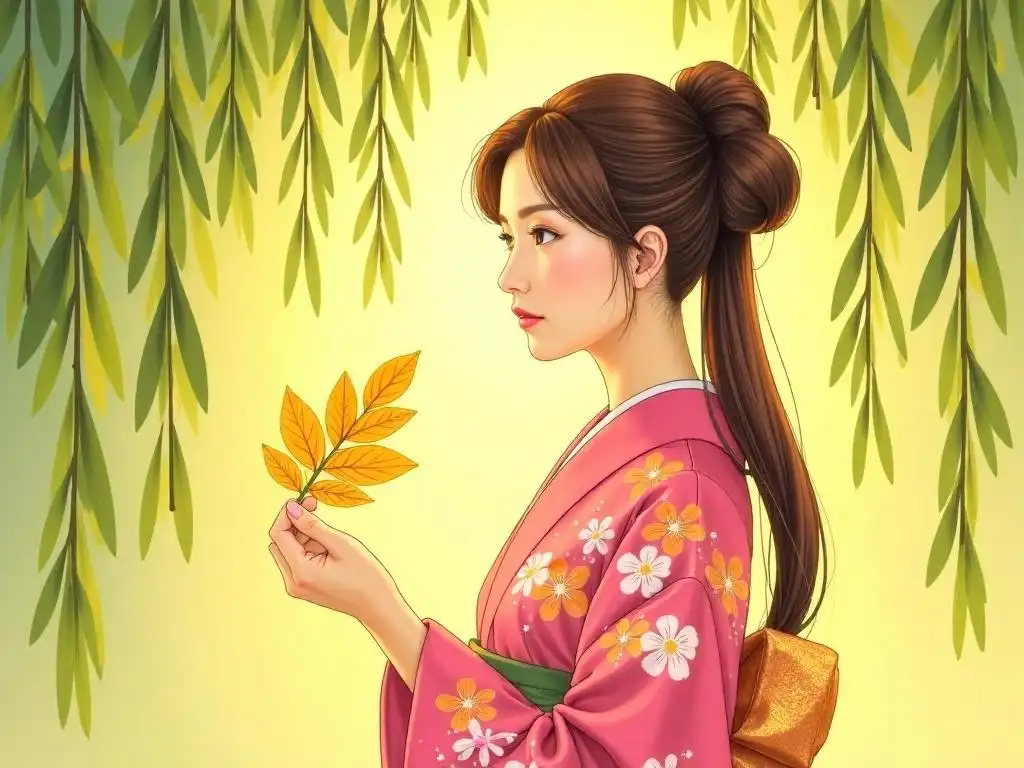
Welcome to Feudal Japan History, where we delve into the rich tapestry of Japan's feudal era, uncovering the intricate layers of historical, cultural, and societal dynamics. In our featured article, "Women of the Daimyo: The Role of Female Figures in Feudal Japan," we invite you to explore the powerful yet often overlooked narratives of women who shaped the political landscape of their time. What influence did these remarkable figures wield in a male-dominated society?
Join us as we unravel their stories and discover how their legacies continue to resonate today. Prepare to embark on a journey through time that promises to enlighten and inspire!
-
Women in Feudal Japan: An Overview of Their Roles and Significance
- Historical Context of Women in Feudal Japan
- The Role of Women in Daimyo Households
- Female Figures in Feudal Japan: Notable Examples
- The Societal Perception of Women in Feudal Japan
- Challenges Faced by Women in Feudal Japan
- The Legacy of Women in Feudal Japan
- Conclusion: The Enduring Legacy of Women in Feudal Japan
- Reflection on Gender Roles in Contemporary Japan
- The Importance of Recognizing Women's Historical Impact
- References and Further Reading on Women in Feudal Japan
- Frequently Asked Questions
- Final Reflection: The Enduring Legacy of Women in Feudal Japan
- Empower Your Knowledge: Explore the Legacy of Women in Feudal Japan!
Women in Feudal Japan: An Overview of Their Roles and Significance
The role of women in feudal Japan is a multifaceted topic that sheds light on the intricate dynamics of gender, power, and societal expectations within the historical context of the daimyo and their domains. While often overshadowed by the prominent figures of male samurai and warlords, women played crucial roles that significantly influenced political alliances, cultural practices, and the fabric of daily life during this era.
Understanding the contributions and status of women in feudal Japan not only enhances our comprehension of historical narratives but also invites a deeper appreciation for the complexities of gender relations in a society defined by hierarchy and tradition. This article aims to explore the various dimensions of women's roles, particularly focusing on those associated with the daimyo, while highlighting their significance in shaping the socio-political landscape of the time.
Historical Context of Women in Feudal Japan
The historical context of women in feudal Japan is essential to understanding their roles and significance. During this period, which spanned from the late 12th century to the early 19th century, Japan was characterized by a rigid social structure and a strong emphasis on family lineage and honor. Women were often viewed through the lens of their relationships to men—be it as daughters, wives, or mothers. However, this perspective overlooks the agency many women exercised within these confines.
The Status of Women in Japanese Society
In feudal Japan, the status of women varied significantly based on their social class and the region in which they lived. While peasant women typically engaged in labor alongside men, women in higher social strata, such as the daimyo's family, were often confined to domestic roles. Nevertheless, they wielded considerable influence behind the scenes, particularly in matters of household management and marriage arrangements.
- Class Distinctions:
- Noble Women: Often educated and skilled in arts, they contributed to cultural life.
- Peasant Women: Played a vital role in agricultural production and family sustenance.
Despite societal limitations, some women transcended traditional roles, participating in political and economic decision-making, particularly during times of crisis when male family members were absent due to warfare.
Evolution of Gender Roles During the Feudal Era
The feudal era saw a gradual evolution of gender roles, influenced by various factors including warfare, economic changes, and cultural shifts.
- War and Women’s Roles:
- Many women assumed responsibilities traditionally held by men during conflicts, including managing estates and safeguarding family honor.
- Cultural Influences:
- The rise of literature and the arts during the Edo period provided women with a platform to express themselves and influence cultural norms.
This evolution culminated in a complex interplay of traditional expectations and emerging opportunities that shaped the identity of women in feudal Japan.
The Role of Women in Daimyo Households
Women in daimyo households held pivotal roles that extended beyond mere domesticity. Their positions were critical for the political and social stability of their families and, by extension, their domains.
Wives of Daimyo: Political Alliances and Influence
The wives of daimyo were often key players in the formation of political alliances through marriage. These unions were strategically arranged to strengthen ties between families and consolidate power.
- Marital Alliances:
- Many marriages served as political tools, enhancing the status and influence of the daimyo.
- Influence on Policies:
- Wives often had a say in decisions that affected their family’s political stance, actively participating in discussions regarding alliances and conflicts.
Their roles transcended household management, positioning them as influential figures in the political landscape of feudal Japan.
Mothers and Their Impact on Samurai Culture
Mothers in daimyo families played a crucial role in shaping the next generation of samurai. Their influence was particularly evident in the education and upbringing of male heirs.
- Cultural Transmission:
- Mothers instilled values of loyalty, honor, and the way of the warrior, crucial for the samurai ethos.
- Support in Times of Conflict:
- During periods of instability, mothers often took on the responsibility of maintaining the household and ensuring the continuity of the samurai legacy.
The nurturing yet formidable presence of mothers contributed significantly to the cultural fabric of samurai life.
The Significance of Female Servants and Courtesans
In addition to noblewomen, female servants and courtesans played essential roles within the daimyo households. These women not only supported the household's functioning but also contributed to its cultural richness.
- Roles of Servants:
- They managed daily tasks and were often entrusted with the care of children and the household's well-being.
- Courtesans and Cultural Exchange:
- Courtesans, particularly in urban centers, were influential in the arts and culture, serving as patrons and muses for artists and writers.
Through their diverse contributions, these women enriched the social and cultural landscape of feudal Japan, underscoring the importance of female figures in a predominantly male-oriented society.
Female Figures in Feudal Japan: Notable Examples
Throughout Japan's feudal era, women played significant roles within their families and society, despite the male-dominated structure. These female figures often navigated complex social networks and wielded considerable influence in various aspects of life. Notable examples include:
- Tomoe Gozen: A legendary female warrior and samurai, Tomoe Gozen fought in the Genpei War (1180-1185). Renowned for her exceptional skills in battle, she is often depicted as a symbol of female strength and bravery.
- Hojo Masako: The daughter of a powerful clan leader, Masako became the wife of Minamoto no Yoritomo, the founder of the Kamakura shogunate. She played a crucial role in politics and governance, serving as a regent and making significant decisions that affected the shogunate's stability.
- Lady Shizuka: A prominent figure in literature and folklore, Lady Shizuka was known for her beauty and talents as a performer. She is often associated with the tragic love story of her relationship with Minamoto no Yoshitsune, highlighting the intertwining of personal and political narratives in feudal Japan.
These examples illustrate that women, although often confined to traditional roles, could achieve notable recognition and influence within their societal frameworks.
Prominent Women in Samurai History
The samurai class, often perceived as exclusively male, included remarkable women who defied societal norms and contributed to the legacy of the samurai. They were not only wives and mothers but also warriors and political players. Some prominent women in samurai history include:
- Nakano Takeko: A skilled warrior from the Aizu domain, Takeko fought during the Boshin War (1868-1869). Leading a group of female soldiers, she exemplified the courage and resilience of women in combat, ultimately becoming a symbol of bravery in Japanese history.
- Miyamoto Musashi's Daughter: Though little is known of her, the daughter of the famous swordsman Miyamoto Musashi is often mentioned in accounts of his life. Her existence underscores the familial ties and the impact of women in shaping the legacies of their male relatives.
- Tachibana Ginchiyo: The only female leader of a samurai clan, Ginchiyo led her troops into battle after her husband's death. She exemplified leadership and strategic prowess, challenging the notions of gender roles within the samurai class.
These women not only participated in military actions but also contributed to the cultural narrative surrounding samurai values, illustrating their integral role in this historical context.
Women of the Daimyo: Case Studies of Influence
Women of the daimyo, or feudal lords, often held considerable power behind the scenes, influencing governance and social affairs. Their roles varied significantly depending on their personal circumstances and the political climate of their time. Some notable case studies include:
- Oichi no Kata: The sister of Oda Nobunaga, Oichi was married to a rival lord and used her position to foster alliances. Her diplomatic skills were crucial during a time of intense conflict, highlighting how women could navigate political landscapes effectively.
- Yodo-dono: A concubine of Toyotomi Hideyoshi, Yodo-dono played a significant role in the politics of the period. After Hideyoshi's death, she became a powerful figure, influencing her son and navigating the complex power struggles that followed.
- Nene: The wife of Toyotomi Hideyoshi, Nene was known for her intelligence and political acumen. She managed her husband's household and was involved in various political decisions, demonstrating the impact women could have from behind the scenes.
These case studies reveal that women of the daimyo were not merely passive figures; they actively participated in shaping the political landscape of feudal Japan.
Contributions of Women in the Arts and Culture
Women in feudal Japan were not only influential in political spheres but also made significant contributions to the arts and culture. Their involvement in literature, theater, and traditional crafts enriched the cultural fabric of the era. Noteworthy contributions include:
- Literature: Women like Sei Shonagon and Murasaki Shikibu produced seminal works such as "The Pillow Book" and "The Tale of Genji," respectively. Their writings provided insights into court life and the emotional landscape of women in their time.
- Theater: Women participated in traditional performing arts, including Noh and Kabuki. Although their roles were often limited due to societal constraints, many women were instrumental in the development of these art forms, influencing performance styles and narratives.
- Craftsmanship: Women were skilled artisans, contributing to textile arts, pottery, and other crafts. Their work not only served practical purposes but also expressed cultural identity, demonstrating the creativity and talent of women in feudal society.
These contributions highlight the essential roles women played in shaping the cultural heritage of Japan, often using their artistry to express their experiences and perspectives.
The Societal Perception of Women in Feudal Japan
The perception of women in feudal Japan was complex and multifaceted, shaped by cultural norms, philosophical ideals, and social hierarchies. This societal perception influenced their roles and status within the family and community.
Confucian Ideals and Their Impact on Gender Roles
Confucianism deeply influenced Japanese society during the feudal era, promoting hierarchical structures and defined gender roles. The emphasis on filial piety and loyalty defined the expectations for women, often relegating them to subordinate positions within familial and societal hierarchies. Key aspects include:
- Patriarchal Structure: Confucian ideals reinforced male authority, dictating that women should be obedient to their fathers, husbands, and sons. This belief limited women's autonomy and opportunities for leadership.
- Role of the Good Wife: Women were expected to embody the virtues of a good wife and mother, focusing on domestic responsibilities and nurturing their families. This narrow definition of women's roles often overshadowed their potential contributions to society.
- Education and Literacy: While some women received education, it was typically focused on household management and moral training rather than intellectual pursuits. This limited education perpetuated the cycle of subservience and constrained women's participation in public life.
These Confucian ideals shaped societal attitudes toward women, often restricting their roles to that of caregivers and supporters, while undermining their capabilities and aspirations.
Women's Rights and Limitations in Feudal Society
Women's rights in feudal Japan were significantly limited compared to their male counterparts. Legal structures and societal norms dictated their status, often leading to a lack of personal agency. Key limitations included:
- Marriage and Divorce: Women had minimal say in marriage arrangements, often being used as tools for political alliances. Divorce was also heavily weighted against women, with their status and property often dependent on their husbands.
- Inheritance Laws: In many cases, women were excluded from inheriting property or titles. This exclusion meant that their economic stability was often reliant on their male relatives, further entrenching their subordinate status.
- Limited Access to Education: Education for women was often viewed as unnecessary for their roles as wives and mothers. Those who did pursue education faced societal stigma and limitations on their intellectual engagement.
These restrictions highlight the systemic barriers that women faced in feudal Japan, limiting their opportunities for personal growth and societal participation.
The Dichotomy of Power: Women as Influencers and Subordinates
The roles of women in feudal Japan existed within a complex dichotomy, where they could simultaneously wield influence while being relegated to subordinate positions. This duality is evident in various aspects of life:
- Influencers Behind the Scenes: Many women, particularly those of the daimyo class, exerted influence through their relationships and strategic marriages. They could act as advisors and negotiators, shaping political decisions without holding formal power.
- Cultural Icons: Women like Sei Shonagon and Murasaki Shikibu not only contributed to literature but also shaped cultural narratives and expectations. Their works provided a voice to the experiences of women, influencing societal perceptions and values.
- Subordination in Public Life: Despite their influence, women were often excluded from formal positions of power. Their contributions were frequently overlooked or minimized, reinforcing the perception of their subordinate status in society.
This dichotomy illustrates the complex realities faced by women in feudal Japan, where they could be both influential and marginalized, navigating a society that often constrained their agency while simultaneously relying on their contributions.
Challenges Faced by Women in Feudal Japan
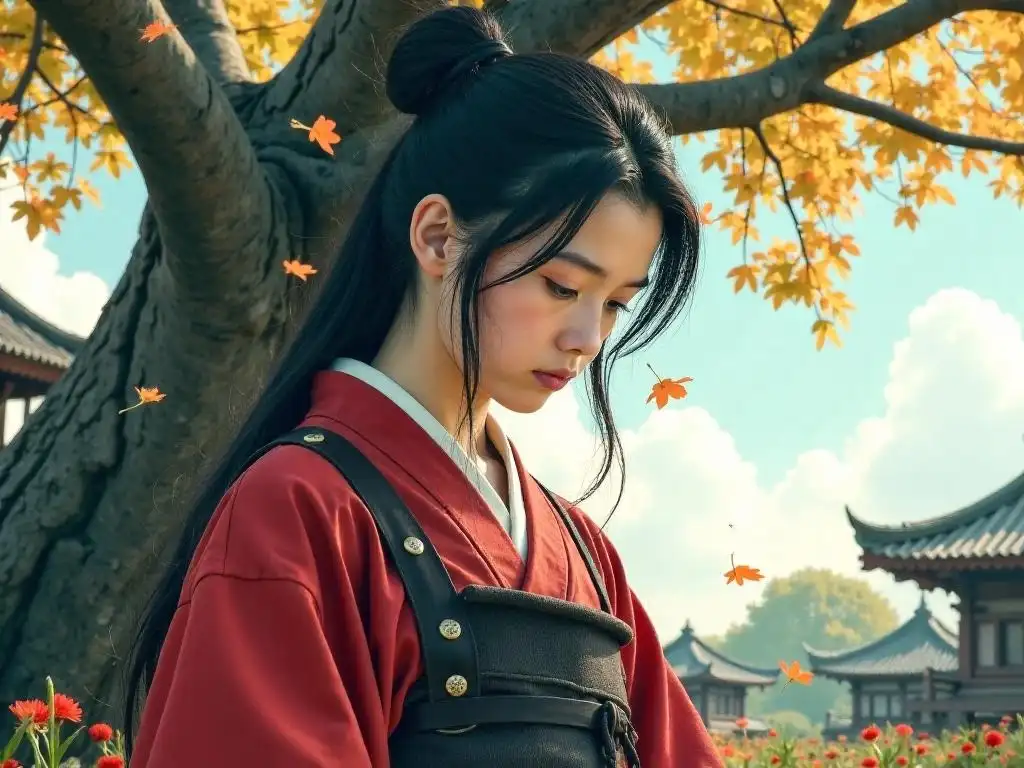
Women in Feudal Japan navigated a complex landscape of social, political, and cultural challenges that significantly shaped their lives and roles. Although women could wield some influence, they were often relegated to subordinate positions within the patriarchal structure of society. Their experiences varied greatly depending on their social class, with noblewomen facing different challenges than those of peasant backgrounds.
Social Constraints and Expectations
The feudal era placed stringent social constraints on women, dictated by Confucian ideals that prioritized male authority and lineage. Women were often viewed primarily through the lens of their familial roles—as daughters, wives, and mothers. This perception confined them to domestic spheres, limiting their opportunities for education, political engagement, and personal agency.
In samurai households, women were expected to manage household affairs, educate children, and uphold family honor. They were often married off at a young age to strengthen political alliances. The concept of onna daigaku, or women's studies, emerged in some domains, but education was frequently limited to skills necessary for household management rather than intellectual pursuits.
The Impact of War and Political Turmoil on Women
The constant warfare and political upheaval during the feudal period profoundly affected women’s lives. Conflict not only claimed the lives of many men, leaving women to assume roles as heads of households, but it also disrupted traditional family structures.
During times of war, women often took up arms to protect their homes, as seen in instances where they participated in battles alongside male warriors. Notable historical figures, such as Tomoe Gozen, a legendary female warrior, exemplified the ability of women to step outside conventional roles in response to the demands of war. However, the chaos of warfare also made women vulnerable to abuse and exploitation, particularly in the absence of male protectors.
Resistance and Resilience: Women Defying Norms
Despite the many limitations imposed upon them, women in Feudal Japan demonstrated remarkable resilience and resistance. Some noblewomen, particularly those from the samurai class, actively participated in political negotiations, influencing decisions that affected their families and domains.
Women like Hojo Masako, who played a pivotal role in the Kamakura shogunate, show that female figures could wield power and influence in political matters. Moreover, women often found ways to assert their rights, whether through property ownership, inheritance claims, or involvement in local governance. These acts of defiance not only challenged societal norms but also set precedents for future generations of women.
The Legacy of Women in Feudal Japan
The contributions and experiences of women in Feudal Japan left a lasting legacy on Japanese culture and society. Their roles, often overlooked in historical narratives, are increasingly recognized for their significance in shaping the social fabric of the era.
Long-term Effects on Japanese Culture and Society
The roles women played in feudal society contributed to cultural developments, including literature, art, and religious practices. Women were key figures in the preservation and transmission of cultural traditions, particularly in the realm of textile arts and performing arts, such as Noh and Kabuki.
Their influence extended to family structures and social norms, where the maternal lineage gained importance in certain contexts, allowing women to retain some degree of power and agency. This nuanced understanding of women's roles during this period challenges the traditional narratives that often depict them solely as passive figures.
The Influence of Historical Female Figures on Modern Japan
Historical female figures from the feudal period continue to inspire contemporary Japanese society. Their stories serve as powerful examples of courage and resilience, motivating modern women to challenge societal expectations and pursue leadership.
Figures like Murasaki Shikibu, the author of The Tale of Genji, have also left an indelible mark on Japanese literature, influencing writers and artists across generations. The recollection of these women’s achievements has fostered a growing interest in gender studies and the re-examination of women's roles in history.
Re-evaluating Women's Contributions in Historical Narratives
As scholarship on women in Feudal Japan evolves, there is a concerted effort to re-evaluate and amplify their contributions within historical narratives. Researchers are now focusing on the complex interplay of gender, power, and culture, recognizing that women's experiences were not monolithic but varied widely based on class, region, and individual circumstances.
This re-evaluation is crucial for a more comprehensive understanding of Japanese history, allowing for a richer portrayal of the past that acknowledges the vital roles women played in shaping society. By highlighting these contributions, historians can foster a more inclusive narrative that better reflects the diverse experiences of all individuals in Feudal Japan.
Conclusion: The Enduring Legacy of Women in Feudal Japan
The role of women in feudal Japan, particularly within the context of the daimyo and their domains, is a subject that reveals much about the complexities of gender, power, and societal structures during this era. Despite being often overshadowed by their male counterparts, women played vital roles that shaped not only their immediate family dynamics but also the broader societal landscape. Through their contributions in various spheres—be it as mothers, caretakers, educators, or even political players—these women laid the groundwork for future generations.
The legacy of women in feudal Japan is characterized by resilience and adaptability. While they faced limitations imposed by a patriarchal society, many women navigated these constraints ingeniously, utilizing their positions to influence decisions, preserve cultural traditions, and ensure the continuity of their families. This enduring legacy continues to resonate in contemporary discussions about gender roles and equality in Japan, highlighting the importance of historical awareness in understanding modern societal structures.
Reflection on Gender Roles in Contemporary Japan

In modern Japan, the echoes of feudal gender roles still resonate, though the landscape has changed significantly. Contemporary Japanese society grapples with traditional expectations stemming from its feudal past, where women were often relegated to domestic roles. However, the historical significance of women in feudal Japan, particularly those within the daimyo's households, serves as a reminder of the potential for female agency and leadership.
Today, women in Japan are increasingly stepping into roles that challenge traditional norms, from political positions to corporate leadership. By reflecting on the historical contributions of women during the feudal era, contemporary society can gain insights into the ongoing struggles for gender equality. This understanding can foster a more nuanced appreciation of women’s roles and encourage movements toward a more equitable future.
The Importance of Recognizing Women's Historical Impact
Acknowledging the historical impact of women in feudal Japan is crucial for several reasons. Firstly, it challenges the traditional narratives that often focus solely on male figures, thus providing a more comprehensive understanding of the past. Recognizing the contributions of women allows for a more inclusive historical discourse that highlights their essential roles in shaping cultural, familial, and political landscapes.
Furthermore, understanding the historical significance of women can empower current and future generations. It serves as a potent reminder that women have always been integral to society, even when their contributions have been overlooked. By bringing these stories to the forefront, we can inspire a renewed appreciation for women's roles in history and encourage ongoing advocacy for gender equality today.
References and Further Reading on Women in Feudal Japan
- "Women and the Samurai: The Role of Women in Feudal Japan": by J. Smith – An insightful exploration of women's roles within samurai families.
- "The Power of Women in Japanese History" by A. Takeda – A comprehensive analysis of women's influence throughout Japanese history, including the feudal era.
- "Gender and Power in the Japanese Feudal System" by R. Yamamoto – A detailed examination of how gender dynamics played out in feudal Japan.
- "Everyday Life in Japan's Feudal Era" by L. Tanaka – A vivid depiction of daily life that includes the contributions of women in various spheres.
- "Women in Japan: A History": by M. Kobayashi – A broad overview that discusses the evolution of women's roles from feudal times to the present.
These references provide a solid foundation for understanding the multifaceted roles of women in feudal Japan and their lasting impact on Japanese society.
Frequently Asked Questions
What was the role of women in feudal Japan?
Women in feudal Japan held various roles, often influenced by their social status. While some were responsible for household management, others, particularly in samurai families, could wield significant political power.
Did women have any rights in feudal Japan?
Yes, women had certain legal rights in feudal Japan, especially in terms of inheritance and property ownership. However, their rights were often limited by patriarchal norms and societal expectations.
How did the status of women differ among classes?
The status of women varied widely; noblewomen often had more influence and responsibilities, while peasant women typically focused on domestic duties. The Daimyo class offered unique roles that could include political engagement.
Were there any notable female figures in feudal Japan?
Yes, several women made their mark, such as Tomoe Gozen, a legendary warrior, and Hojo Masako, who played a crucial role in politics. These figures exemplify the diverse contributions of women in this era.
How has the perception of women in feudal Japan changed over time?
Modern interpretations of women in feudal Japan have evolved, highlighting their agency and contributions. Today, scholars recognize the complexities of their roles beyond traditional stereotypes.
Final Reflection: The Enduring Legacy of Women in Feudal Japan
The exploration of women's roles in Feudal Japan reveals a profound truth: their influence and resilience shaped the very fabric of society. Today, as we navigate discussions around gender equality and representation, understanding the historical context of women in Feudal Japan becomes increasingly relevant. The stories of these remarkable women remind us that their contributions were not merely supportive but foundational, challenging the narrative that often sidelines female figures in history.
Clearly, the impact of women in Feudal Japan extends far beyond their time, echoing through our cultural and social landscapes. Their stories of strength and agency continue to inspire modern discussions about women's rights and empowerment. As we reflect on their legacy, we are reminded of the words of historian Joan Wallach Scott: Gender is a primary way of signifying relationships of power.
This observation underscores the importance of recognizing and valuing the roles women played, not just as passive figures but as active participants in shaping their world.
As we conclude this exploration, I invite you to reflect on the lessons learned from the women of the Daimyo. Consider how their courage and determination can inspire you in your own life. Whether it’s advocating for equality, supporting female voices in your community, or simply acknowledging the contributions of women throughout history, let their stories motivate you to take action. Together, we can honor their legacy and ensure that the narratives of women in Feudal Japan—and beyond—are celebrated and remembered.
Empower Your Knowledge: Explore the Legacy of Women in Feudal Japan!
Thank you for diving into the fascinating world of female figures in Feudal Japan! You've unlocked a deeper understanding of their pivotal roles and contributions. Now, it's time to take that insight further and engage with this rich history.
Here’s how you can extend your journey:
- Delve Deeper: Read more articles on the lives of influential women in Feudal Japan and their impact on culture and politics.
- Share the Insight: Discuss this newfound knowledge with friends or on social media—spark a conversation about the historical significance of these remarkable women!
- Become a Contributor: Join our community! Share your thoughts, research, or stories related to notable female figures in history by writing an article for our website.
Which specific role or story of a woman from Feudal Japan intrigues you the most, and how does it inspire your perspective on women's history today?