
The Rise of the Daimyo: Power Dynamics in Feudal Japan

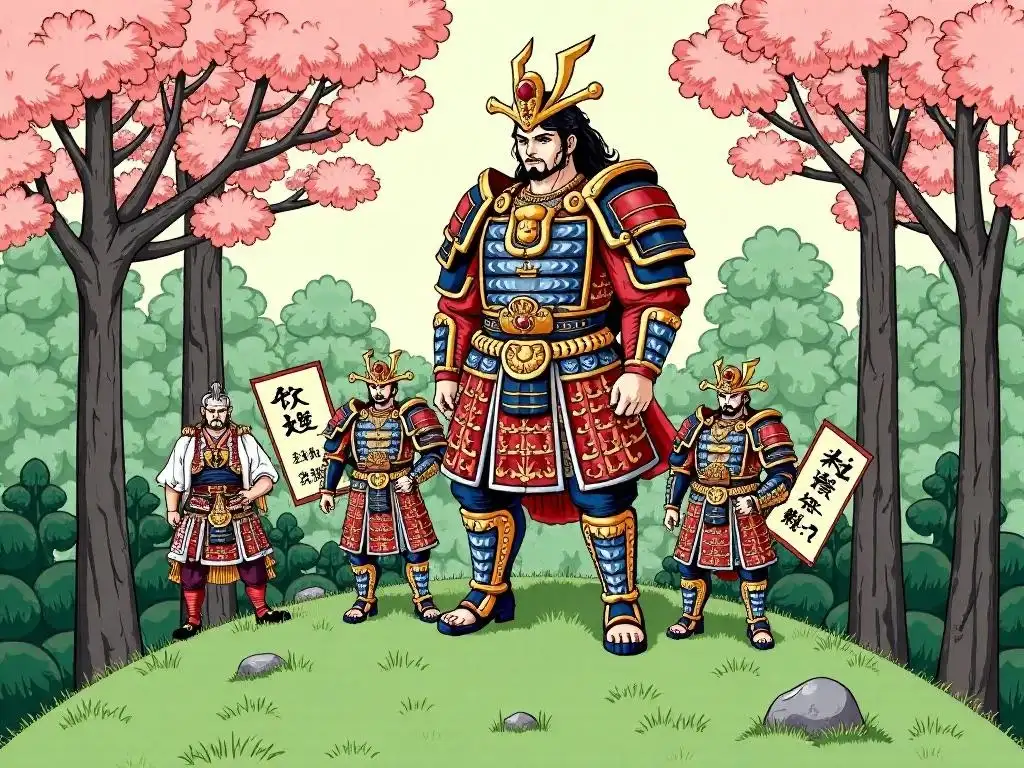
Welcome to Feudal Japan History, where we invite you to embark on a fascinating journey through the intricate tapestry of Japan's feudal era. In our featured article, "The Rise of the Daimyo: Power Dynamics in Feudal Japan," we delve deep into the shifting alliances and rivalries that shaped a nation. Discover how the powerful daimyo navigated the treacherous waters of politics and warfare, and uncover the secrets behind their rise to dominance.
As you explore the compelling narratives and expert insights, you'll find yourself captivated by the complexities of power dynamics that defined this pivotal period. Join us as we unravel the past and reveal the profound influences that still resonate today!
Introduction to Power Dynamics in Feudal Japan
The feudal era of Japan, spanning from the late 12th century to the mid-19th century, was characterized by a complex web of power dynamics that shaped the socio-political landscape of the nation. At the heart of this intricate system were the daimyo, regional lords who wielded significant authority over their domains. Their rise marked a transformative period in Japanese history, where power was decentralized and distributed among these feudal lords, leading to a unique structure of governance and societal organization.
Understanding the power dynamics in feudal Japan requires a close examination of how the daimyo operated within the broader context of samurai culture, shifting alliances, and territorial control. This exploration not only highlights the significance of the daimyo but also uncovers the intricate relationships that defined feudal society.
Overview of Feudal Japan’s Social Structure
Feudal Japan's social structure was hierarchical and rigid, fundamentally divided into distinct classes, each with defined roles and responsibilities. The primary classes included:
- Emperor: Though often seen as a figurehead, the emperor held spiritual and ceremonial significance.
- Shogun: The military leader who effectively governed Japan, wielding the most power.
- Daimyo: Powerful lords who controlled large territories, offering protection and governance to their vassals.
- Samurai: The warrior class loyal to the daimyo, responsible for military service and upholding the code of bushido.
- Peasants: The majority of the population, working the land and providing food for society.
- Artisans and Merchants: Occupying the lower rungs, these classes contributed to the economy but held limited power.
This structured hierarchy established the framework within which the daimyo operated, influencing their relationships with samurai and the peasant class.
Importance of Daimyo in the Feudal System
The daimyo were crucial to the functioning of feudal Japan. Their importance can be summarized as follows:
- Regional Authority: The daimyo governed their territories, implementing laws, collecting taxes, and maintaining order.
- Military Power: They commanded armies of samurai, crucial for defense and territorial expansion.
- Economic Control: By managing agricultural production and trade within their domains, daimyo contributed to the economic stability of their regions.
- Political Alliances: The daimyo often formed alliances through marriages or treaties, influencing the political landscape and power struggles of the time.
The strength and influence of the daimyo were pivotal in shaping the power dynamics of feudal Japan, setting the stage for conflicts and cooperation among various factions.
Historical Context of the Daimyo's Rise
The Emergence of the Daimyo Class
The emergence of the daimyo class can be traced back to the late Heian period, where the decline of imperial power coincided with the rise of military families. As the central authority weakened, local leaders began to consolidate power, often through military might and strategic alliances. This period saw the transition from noble families to warrior clans, paving the way for the formation of the daimyo class.
Key Events Leading to Power Shifts
Several key events were instrumental in altering the balance of power in feudal Japan:
- The Gempei War (1180-1185): A significant conflict between the Taira and Minamoto clans that culminated in the establishment of the Kamakura shogunate.
- The Mongol Invasions (1274 and 1281): These invasions united various daimyo against a common enemy, enhancing their military stature and influence.
- The Onin War (1467-1477): A civil war that led to the rise of powerful regional lords and the fragmentation of central authority, further empowering the daimyo.
These events not only shifted political power but also solidified the daimyo’s roles as formidable players in Japan's feudal hierarchy.
Influence of the Samurai on Daimyo Power Dynamics
The samurai were not merely warriors; they were integral to the power dynamics of the daimyo. Their loyalty and military prowess provided the daimyo with the necessary force to maintain control over their domains. The relationship between the daimyo and samurai was characterized by:
- Loyalty and Honor: Samurai adhered to the bushido code, which emphasized loyalty to their daimyo, thereby creating a strong bond of allegiance.
- Feudal Obligations: In exchange for land and protection, samurai provided military service, reinforcing the daimyo's power.
- Social Status: The status of the samurai elevated the daimyo, as their reputation was often tied to the prowess of their warriors.
This symbiotic relationship underscored the importance of the daimyo in the feudal system, contributing to the intricate power dynamics that defined this era in Japanese history.
The Role of the Daimyo in Feudal Japan
The daimyo were powerful feudal lords in Japan who played a crucial role in shaping the political, economic, and military landscape during the feudal era. Emerging during the late Heian period and dominating the landscape through the Sengoku period, the daimyo were significant landholders who controlled vast territories. Their influence was marked by a blend of authority and responsibility, making them central figures in the power dynamics of feudal Japan.
The daimyo operated under a system of vassalage, where they held allegiance to the shogun, the military ruler of Japan. This relationship was not just formal; it involved a complex web of loyalty, tribute, and military support. The daimyo often acted as local rulers, enforcing laws, collecting taxes, and managing land. However, their power was not absolute, as they had to navigate the intricate relationships with other daimyo, the samurai class, and the shogunate.
Political Authority of the Daimyo
The political authority of the daimyo was substantial, as they exercised control over their domains. Each daimyo governed a specific territory, which included managing local governance and judicial matters. They were responsible for maintaining order and ensuring the welfare of their subjects. This authority allowed them to establish a form of centralized governance within their lands, often resembling a mini-state.
The daimyo's power was derived from their landholdings and the loyalty of their samurai retainers. They had the ability to levy taxes, enforce laws, and even convene local assemblies. However, their political authority was always under the shadow of the shogunate, which could intervene if a daimyo became too powerful or unruly. This delicate balance of power created a dynamic where the daimyo had to be astute in their political maneuvering.
Economic Control and Land Management
Economically, the daimyo were crucial players in feudal Japan. They controlled agricultural production, which was the backbone of the economy. Through their management of land, they could dictate agricultural practices, tax rates, and labor obligations. The wealth generated from their lands enabled them to maintain their samurai armies and fortifications, which were essential for their power and security.
Daimyo often implemented advanced agricultural techniques and promoted trade within their domains. They established markets and facilitated the flow of goods, which not only enriched their coffers but also enhanced their status as leaders. The economic stability provided by effective land management allowed many daimyo to flourish, making them influential in the broader political landscape.
Military Responsibilities and Loyalties
The military responsibilities of the daimyo were paramount in the feudal era. Each daimyo was expected to maintain a standing army composed of samurai, who were sworn to serve and protect their lord. This obligation was not merely about defense; it also involved participating in campaigns and conflicts against rival daimyo, which were common during the Sengoku period.
Loyalty among the samurai was critical, as the daimyo needed to ensure their vassals remained committed to their cause. To foster loyalty, daimyo often provided their samurai with land, stipends, and social status. This system of mutual obligation reinforced the power dynamics within feudal Japan, as the loyalty of samurai could shift alliances, changing the balance of power among the daimyo.
The Power Dynamics Among the Daimyo
The power dynamics among the daimyo were complex and often volatile. Various factors influenced these relationships, including personal rivalries, economic interests, and the overarching authority of the shogunate. The interplay of these elements created a landscape of shifting alliances and conflicts that characterized feudal Japan.
Factions and Alliances: The Inter-Daimyo Relations
The relationships among the daimyo often involved forming factions and alliances, which were essential for survival in a competitive landscape. Alliances could be formed through marriage, trade agreements, or shared military objectives. Such relationships provided mutual benefits, enabling daimyo to pool resources and strengthen their positions against common enemies.
However, these alliances were often temporary and could shift rapidly. Betrayals and conflicts were common as daimyo sought to expand their influence or retaliate against rivals. Such dynamics resulted in a highly fluid political environment, where loyalty was constantly tested and shifted, reflecting the uncertain nature of power in feudal Japan.
The Impact of the Shogunate on Daimyo Power
The shogunate played a pivotal role in shaping the power dynamics among the daimyo. As the supreme military authority, the shogun wielded significant influence over feudal lords. While the daimyo had substantial autonomy within their domains, they were ultimately subordinate to the shogunate's authority.
The shogunate's policies, such as land redistribution and military conscription, directly affected the power of the daimyo. For instance, during the Edo period, the Tokugawa shogunate implemented measures to centralize power, which curtailed the autonomy of the daimyo. This centralization fostered a more stable society but diminished the individual power of the daimyo, leading to a more stratified social hierarchy.
Case Study: Notable Daimyo and Their Influence
Several notable daimyo exemplified the complexities of power dynamics in feudal Japan. For instance, Oda Nobunaga, one of the most famous daimyo, played a crucial role in unifying Japan during the late 16th century. His military prowess and innovative strategies allowed him to conquer rival territories and challenge the established order.
Another significant figure was Toyotomi Hideyoshi, who succeeded Nobunaga and further consolidated power. Hideyoshi's policies, including the land survey and the creation of a national tax system, significantly altered the economic landscape and the balance of power among the daimyo. His ability to navigate alliances and rivalries showcased the intricate political maneuvering characteristic of the era.
These case studies illustrate how individual daimyo could influence the broader power dynamics in feudal Japan, reflecting the interwoven nature of military, political, and economic factors that defined the era.
Cultural and Societal Implications of Daimyo Power
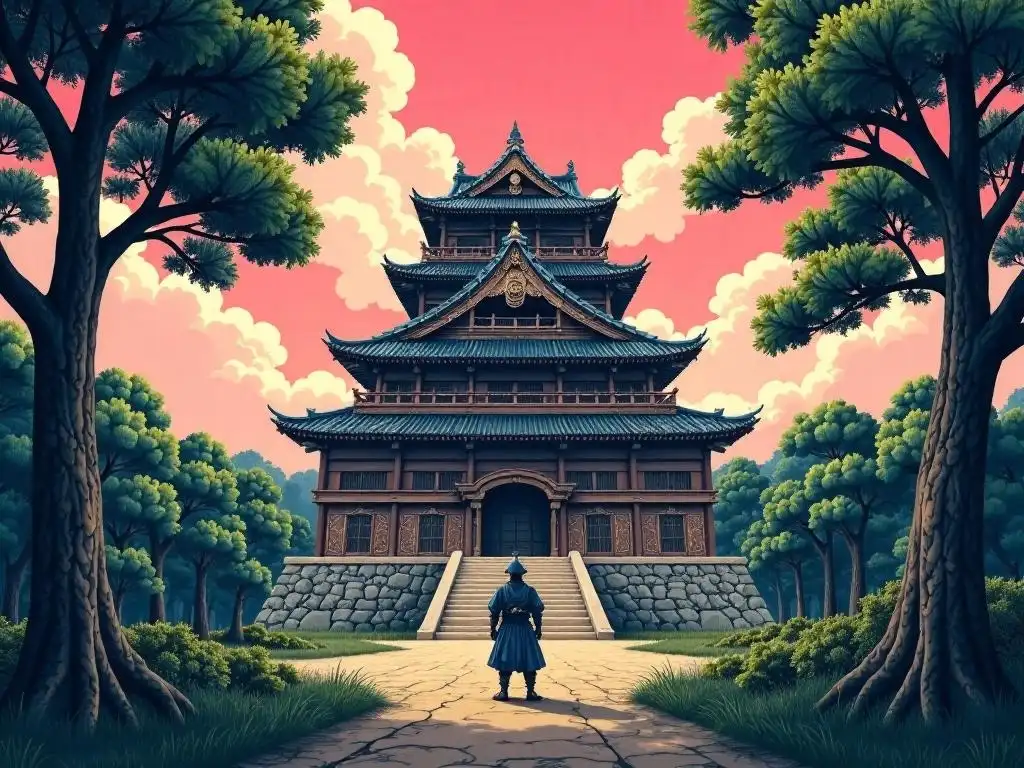
The rise of the daimyo during the feudal era had profound cultural and societal implications in Japan. As powerful feudal lords, the daimyo played a pivotal role in shaping the cultural landscape of their domains, influencing everything from art and architecture to social structures and agricultural practices. Their wealth and status allowed them to become patrons of the arts, fostering a rich cultural environment that reflected both their aspirations and the societal values of the time.
Daimyo established complex relationships with local artisans, encouraging the development of unique regional styles in crafts and performance arts. This patronage not only helped preserve traditional Japanese cultural practices but also led to innovations that would have lasting impacts, such as the emergence of distinct schools of painting, pottery, and theater. The cultural dynamism of the period can be seen as a direct reflection of the power dynamics at play, where the daimyo's influence extended beyond military might to encompass cultural hegemony.
The Daimyo's Role in Cultural Patronage
The daimyo were not just military leaders; they were also significant cultural patrons. Their wealth allowed them to commission works from artists, architects, and craftsmen, leading to the creation of stunning castles, gardens, and temples that showcased their power and prestige. For instance, the elaborate constructions of Himeji Castle and Matsumoto Castle are testaments to the architectural innovations and artistic endeavors promoted by the daimyo.
In addition to architecture, daimyo often supported literature and the performing arts. The Noh theater, which combines drama, music, and dance, flourished during this era, partly due to the sponsorship of influential daimyo who recognized the importance of the arts in enhancing their status. This cultural patronage not only served to elevate the daimyo's standing among peers but also contributed to the overall cultural heritage of Japan.
Societal Hierarchies and the Influence of Daimyo
The power of the daimyo significantly influenced societal hierarchies within feudal Japan. The social structure was rigidly stratified, with the emperor at the top, followed by the shogun, the daimyo, samurai, artisans, peasants, and outcasts. The daimyos' control over land and resources established them as key figures in this hierarchy, and their relationships with samurai were essential for maintaining loyalty and military support.
Daimyo often employed a system of vassalage, where samurai pledged loyalty in exchange for land and protection. This created a complex web of obligations and allegiances that reinforced the daimyo's authority. The societal implications were significant, as the daimyo's power not only dictated the distribution of wealth and resources but also shaped the everyday lives of the people, influencing their social mobility and opportunities.
The Relationship Between Daimyo and Peasantry
The relationship between the daimyo and the peasantry was characterized by a blend of dependence and exploitation. Peasants were the backbone of the agrarian economy, providing the agricultural surplus that supported the daimyo's wealth and military endeavors. In return for protection and governance, peasants were expected to pay taxes, typically in the form of rice.
However, this relationship was often strained. Heavy taxation and demands for labor could lead to discontent among the peasantry, resulting in revolts and uprisings. The daimyo needed to balance their need for resources with the well-being of their subjects, as a discontented populace could threaten their power. This intricate dynamic was essential in understanding the broader power dynamics in feudal Japan, where the stability of the daimyo's rule depended significantly on their relationship with the peasantry.
Decline of Daimyo Power
The decline of daimyo power was a gradual process influenced by various internal and external factors. As Japan transitioned from a feudal society, the traditional structures that had once upheld the daimyo's authority began to erode, leading to significant changes in the political landscape.
Factors Leading to the Erosion of Daimyo Authority
Several factors contributed to the decline of daimyo authority, including economic changes, social unrest, and shifts in political power. The introduction of new trade routes and foreign goods altered the economic landscape, diminishing the daimyo's control over local economies. As commerce flourished, the rise of prosperous merchant classes began to challenge the traditional power structures, leading to greater demands for political representation and rights.
Additionally, social unrest, often fueled by heavy taxation and poor living conditions, led to peasant revolts that weakened the daimyo's grip on power. These uprisings highlighted the growing discontent with the feudal system and eroded the legitimacy of the daimyo's authority.
The Meiji Restoration and Its Impact on Feudal Dynamics
The Meiji Restoration of 1868 marked a pivotal turning point in Japanese history, leading to the dismantling of the feudal system and the decline of the daimyo's power. The government recognized the need for modernization to compete with Western powers, leading to the abolition of the han (feudal domains) and the establishment of a centralized government.
The restoration not only stripped the daimyo of their political power but also transformed their roles within society. Many were offered positions in the new government or had their lands nationalized, effectively ending their feudal privileges. This shift not only altered the power dynamics but also initiated a process of modernization that would reshape Japan’s political, economic, and social structures.
Transition from Feudalism to Modern Japan
The transition from feudalism to modern Japan was marked by significant upheaval and transformation. With the decline of the daimyo's power, Japan underwent rapid industrialization and urbanization, moving away from agrarian-based economies to more diverse, industrialized ones. The samurai class also faced a dramatic change, as their privileges and roles diminished in the wake of modernization.
This transition laid the groundwork for the emergence of a more democratic political structure and a burgeoning capitalist economy. The legacy of the daimyo, however, continued to influence Japanese culture and society, as many of their traditions and practices were integrated into the national identity. The historical evolution from feudalism to modern Japan reflects a complex interplay of power dynamics, cultural shifts, and societal transformations that shaped the nation into what it is today.
Conclusion: Legacy of the Daimyo in Japanese History
The legacy of the daimyo in Japanese history is multifaceted, influencing various aspects of modern Japan's cultural and political landscape. The daimyo, as feudal lords, played a crucial role in shaping the governance structure, military organization, and local economies of their respective domains. Their contributions to the arts, architecture, and even the samurai code have left an indelible mark on Japanese culture. As we reflect on their legacy, it is essential to recognize how the power dynamics established during the feudal era laid the groundwork for the centralized state that emerged in the Meiji Restoration.
The daimyo's influence can still be felt today, particularly in the context of regional identities and local governance. Many modern Japanese prefectures correspond to historical domains, showcasing the enduring impact of these feudal lords on Japan’s administrative boundaries. Moreover, the cultural traditions and practices established by the daimyo continue to be celebrated, evident in festivals, martial arts, and tea ceremonies that reflect the values and aesthetics of their time.
Lasting Impact of Daimyo on Modern Japanese Society
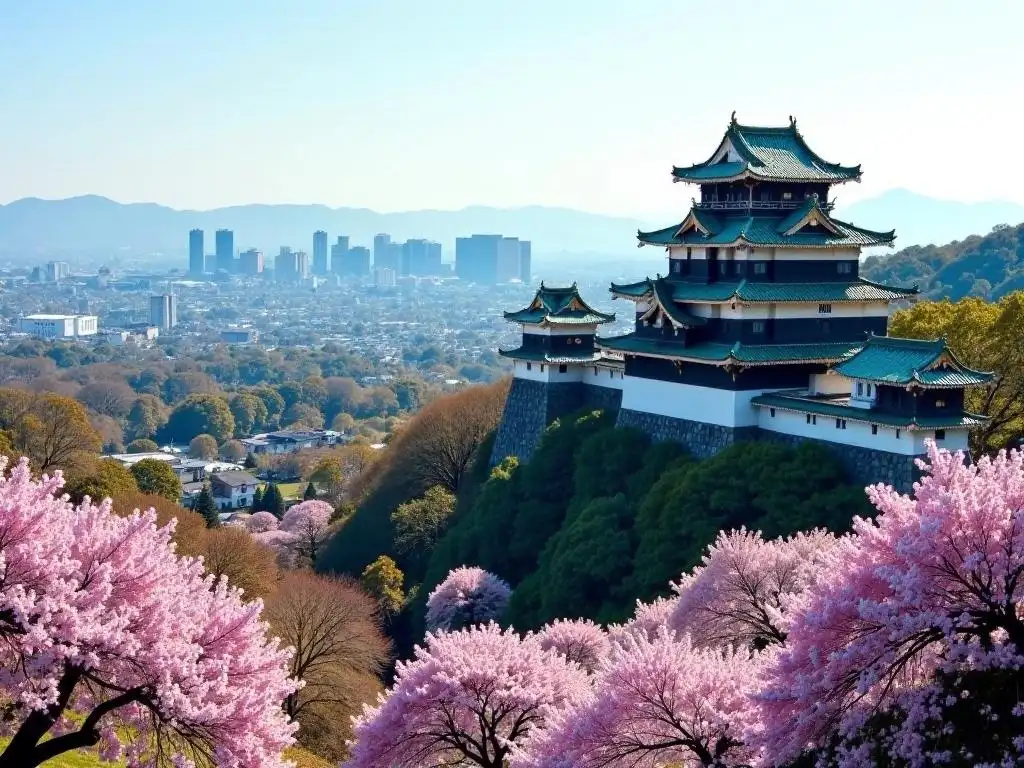
The impact of the daimyo on modern Japanese society is profound, particularly in areas such as governance, culture, and social structure. The decentralized power structure they established led to a sense of local identity and autonomy that still exists today. Many regions in Japan take pride in their historical connections to specific daimyo, fostering a sense of community rooted in shared heritage.
In contemporary Japan, the legacy of the daimyo is also reflected in the corporate world, where hierarchical structures within companies often mirror the feudal relationships of loyalty and service that defined the samurai-daimyo dynamic. This historical influence is visible in the values of dedication, respect, and commitment to one's employer, which are deeply ingrained in Japanese work culture.
Furthermore, the cultural contributions of the daimyo, such as advancements in agricultural techniques, the promotion of literature, and patronage of the arts, have significantly shaped Japan's cultural identity. This rich tapestry of traditions continues to be celebrated and preserved, influencing everything from cuisine to festivals, thereby ensuring that the essence of the daimyo’s era remains alive in modern Japan.
Reflection on Power Dynamics in Historical Context
The power dynamics in feudal Japan were characterized by a complex interplay of loyalty, warfare, and political maneuvering among the daimyo, samurai, and the shogunate. This era of fragmentation and strife eventually gave way to a centralized authority, yet the competition among the daimyo profoundly influenced the political landscape. The rise of powerful clans, such as the Tokugawa, exemplifies how strategic alliances and military prowess could alter the balance of power.
Additionally, the relationships between the daimyo and their vassals highlight the nuances of feudal allegiances, where loyalty was often tested by both external threats and internal conflicts. The hierarchical nature of these relationships created a system where power was both shared and contested, leading to periods of intense conflict known as the Sengoku period. This era of warring states ultimately shaped the political philosophy and governance models that would define Japan for centuries to come.
In retrospect, understanding the power dynamics of feudal Japan provides essential insights into the evolution of Japanese society. It illustrates how historical conflicts and alliances have shaped not only the political structure but also the cultural and social norms that persist in Japan today.
Additional Resources
Recommended Reading on Power Dynamics in Feudal Japan
-
"Samurai, Warfare and the State in Early Medieval Japan" by Karl F. Friday
This book provides an in-depth analysis of the military strategies employed by the samurai and the implications for political power during the feudal era.
-
"The Origins of Japan's Modern Economy: Political and Economic Change in the Meiji Era" by William G. Beasley
This text explores how the legacies of the daimyo and their governance models influenced Japan’s transition to a modern economy.
-
"The Making of Modern Japan" by Ian Buruma
This comprehensive history covers the significant transformations in Japan from the feudal period to the present, emphasizing the role of the daimyo in shaping the nation.
Notable Documentaries and Films on Daimyo and Feudal Era
-
"The Last Samurai" (2003)
This film, while fictionalized, provides insight into the samurai culture and the transformations during the Meiji Restoration, reflecting aspects of the daimyo's influence.
-
"Shogun" (1980)
Based on James Clavell's novel, this miniseries delves into the power dynamics between Western influences and traditional Japanese feudal society.
-
"JAPAN: Memoirs of a Secret Empire" (2004)
This PBS documentary examines the rise and fall of the samurai and the role of the daimyo in shaping Japan's history during the feudal era.
- Introduction to Power Dynamics in Feudal Japan
- Historical Context of the Daimyo's Rise
- The Role of the Daimyo in Feudal Japan
- The Power Dynamics Among the Daimyo
- Cultural and Societal Implications of Daimyo Power
- Decline of Daimyo Power
- Conclusion: Legacy of the Daimyo in Japanese History
- Lasting Impact of Daimyo on Modern Japanese Society
- Reflection on Power Dynamics in Historical Context
- Additional Resources
Frequently Asked Questions
What is a Daimyo in the context of feudal Japan?
A Daimyo was a powerful feudal lord who ruled over large territories in Japan during the feudal era. They were responsible for managing lands, commanding samurai, and exerting significant influence over local governance.
How did the power dynamics shift during the feudal period?
The power dynamics in feudal Japan shifted significantly due to various factors such as military conflicts, political alliances, and changes in leadership, leading to the rise and fall of different Daimyo.
What role did samurai play in the feudal system?
Samurai were the warrior class in feudal Japan, serving the Daimyo and upholding the code of bushido. Their loyalty and military skills were crucial to the Daimyo's power and the stability of the feudal system.
How did the Tokugawa shogunate affect the power dynamics?
The Tokugawa shogunate established a centralized government that limited the power of individual Daimyo. This led to a more stable society but also created tensions between the shogunate and the feudal lords.
What were the cultural impacts of the feudal era in Japan?
The feudal era influenced various aspects of Japanese culture, including art, literature, and philosophy, emphasizing the values of loyalty, honor, and the samurai way of life, which continue to resonate in modern Japan.
Final Reflection: Understanding Power Dynamics in Feudal Japan
The exploration of power dynamics in feudal Japan reveals not only the complexities of historical governance but also the enduring lessons applicable to our contemporary society. As we navigate our own intricate social and political landscapes, the rise of the daimyo serves as a striking reminder of how power can shift, adapt, and influence the course of history. The intricate relationships between feudal lords and their vassals highlight the importance of understanding authority and loyalty in shaping societal structures, a theme that resonates profoundly today.
Culture and society are inextricably linked to the power dynamics that govern them, and the legacy of the daimyo continues to echo in modern Japan and beyond. The hierarchical systems established during this era laid the groundwork for contemporary governance and social interactions, reminding us that the past is never truly behind us. History is not a burden on the memory but an illumination of the soul.
This quote encapsulates the essence of learning from history, urging us to reflect on how the power struggles of the past inform our present and future.
As you contemplate the lessons drawn from the rise of the daimyo, I invite you to consider how these historical power dynamics can inspire your own actions and decisions. Reflect on your role within your community and the influence you wield, no matter how small. By understanding the intricacies of power and responsibility, you can contribute to a more equitable and just society. Embrace the lessons of history, and let them guide you in shaping a future where power dynamics are navigated with wisdom and integrity.
Unleash the Power of Knowledge Today!
Thank you for diving into the intriguing world of Feudal Japan and exploring the captivating rise of the **Daimyo**! Your interest helps illuminate the complex power dynamics that shaped history. Now it’s time to transform that knowledge into action.
Here’s how you can continue your journey:
- Explore further: Read more about the daily life of a **Daimyo** and how their leadership influenced Japanese culture.
- Share your insights: Discuss your thoughts on the power struggles of the **Daimyo** with friends or in online communities.
- Join the conversation: Consider contributing to our forum on **Feudal Japan History** to connect with fellow history enthusiasts.
What aspect of the **Daimyo**'s influence do you find most fascinating, and how do you think it resonates with today’s leadership dynamics?