
The Samurai Connection: How Daimyo Shaped the Warrior Class

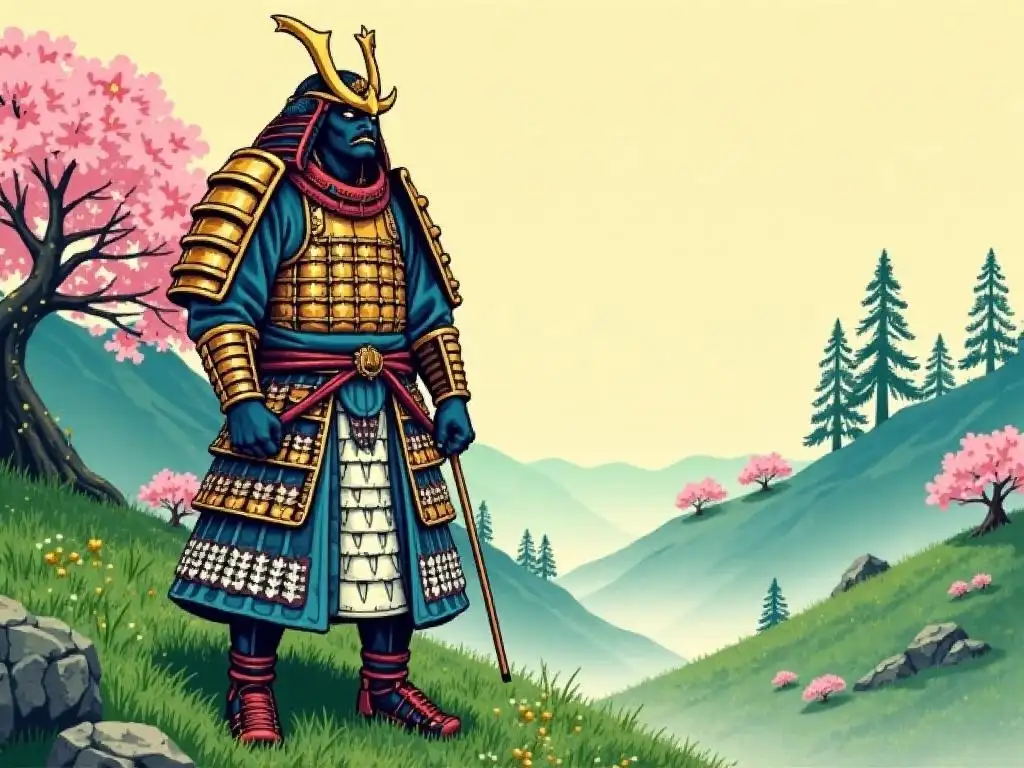
Welcome to Feudal Japan History, where we invite you to embark on an intriguing journey through the captivating world of Japan’s feudal era. Our deep dive into the impact of daimyo on samurai reveals the intricate connections between these powerful lords and the legendary warrior class that defined a nation. As you explore this rich tapestry of history, culture, and societal evolution, prepare to uncover the secrets that shaped the lives of samurai and their lords. Join us as we unravel the threads of political history and ignite your curiosity about this fascinating period!
The intricate relationship between the daimyo and samurai forms the backbone of feudal Japan's political and social structure. This article delves into the profound impact that daimyo, the powerful feudal lords, had on the warrior class, exploring their influence on samurai identity, culture, and loyalty.
Understanding this connection is crucial to grasping the broader historical narrative of Japan during the feudal era, as it encapsulates the dynamics of power, allegiance, and the societal roles that defined this period. Through an expert-driven analysis, we will uncover how the daimyo not only shaped the samurai's military prowess but also their moral and ethical codes, ultimately influencing the course of Japanese history.
Introduction to the Samurai and Daimyo
Overview of the Samurai Class in Feudal Japan
The samurai were not merely warriors; they were a distinct social class that emerged during Japan's feudal era, characterized by their adherence to a strict code of conduct known as bushido. This code emphasized virtues such as loyalty, honor, and discipline, shaping the samurai's identity and societal role. Originating as provincial warriors, the samurai evolved into a powerful class that served the daimyo, often acting as their military retainers. By the late 12th century, samurai had cemented their status as the elite fighting force in Japan, influencing not only military tactics but also cultural practices, arts, and governance.
- Key Characteristics of Samurai:
- Adherence to bushido
- Expert martial skills
- Strong sense of loyalty
- Cultural patrons (arts, literature, etc.)
The Role of Daimyo in the Feudal System
Daimyo were the feudal lords who ruled over extensive domains, wielding significant power and influence in the political landscape of Japan. They were responsible for the administration of their territories, ensuring agricultural production, and maintaining order. Their authority was often legitimized through military strength and strategic alliances, particularly with the samurai class. Daimyo played a crucial role in the feudal hierarchy, serving as both protectors and patrons of the samurai, fostering a dependent relationship that defined the era's social structure.
- Functions of Daimyo:
- Govern and administer land
- Raise armies and maintain military readiness
- Act as protectors of the samurai
- Patronize arts and culture
The Impact of Daimyo on Samurai Culture
How Daimyo Influence Defined Samurai Identity
The relationship between daimyo and samurai was foundational in shaping the identity of the samurai class. Through the daimyo's patronage, samurai developed a unique cultural identity that was interwoven with the ideals of loyalty and honor. The daimyo's expectations and demands influenced samurai behavior, ethics, and even their sense of self. This connection fostered a culture where samurai were not only seen as warriors but also as stewards of their lord's legacy and values.
- Cultural Influences:
- Patronage of arts and literature
- Development of martial traditions
- Establishment of rituals and ceremonies
The Relationship Between Daimyo and Samurai Loyalty
Loyalty was the cornerstone of the samurai-daimyo relationship, forming a bond that was crucial for maintaining stability within the feudal system. The samurai pledged their allegiance to their daimyo, often prioritizing this loyalty above all else, including family ties. This commitment was not only a personal duty but also a reflection of the samurai's honor and status. The loyalty of samurai was tested in times of conflict, and their unwavering support for their daimyo could significantly impact the outcome of battles and the political landscape of the time.
- Key Aspects of Loyalty:
- Personal oaths and vows
- Impact on military engagements
- Cultural significance in bushido
Through this exploration, we aim to uncover the layers of influence that daimyo had on the samurai, highlighting how this relationship laid the groundwork for the cultural and historical developments that would shape Japan for centuries to come.
Economic Contributions of Daimyo to the Samurai Class
The daimyo, as powerful feudal lords of Japan, played a pivotal role in shaping the socioeconomic landscape of the samurai class. Their economic contributions were essential for maintaining the structure and functionality of the samurai hierarchy. A significant aspect of this relationship involved the management of land and resources, which directly influenced the wealth and power of the samurai. Furthermore, the daimyo’s economic incentives were critical in ensuring loyalty and service from their samurai warriors. Understanding these dynamics reveals the intricate ties between the daimyo and the samurai, highlighting how economic factors were foundational in this feudal society.
Land Management and Resource Allocation
Daimyo governed vast territories that were subdivided into smaller units known as han or domains. The management of these lands was crucial for the economic sustenance of both the daimyo and their samurai. The daimyo implemented agricultural reforms, improved irrigation systems, and encouraged the cultivation of cash crops, which maximized productivity.
- Taxation System
- The daimyo instituted a taxation system that collected rice and other goods from the peasantry. This tax revenue was essential for funding the samurai class, as it provided them with stipends and resources necessary for their upkeep.
- A portion of the collected taxes was often allocated for military expenses, reinforcing the samurai's role as protectors of the domain.
- Resource Allocation
- By strategically allocating resources such as land and labor, the daimyo ensured that their samurai had access to the means of living, including land to cultivate and produce food.
- This allocation created a sense of loyalty among the samurai, who relied on the daimyo not just for employment but for their very sustenance.
The efficient land management practices of the daimyo not only enriched their domains but also solidified the samurai's position within the feudal hierarchy, creating a mutually beneficial relationship.
Economic Incentives for Samurai Service
Economic incentives were vital in securing the loyalty and service of the samurai to their daimyo. The samurai, who were bound by the code of bushido and expected to serve their lords, were also motivated by various economic benefits that came with their role.
- Stipends and Land Grants
- Samurai received stipends, often paid in rice or other goods, which represented their income for military service. These stipends were crucial for their families, facilitating a stable lifestyle.
- In some cases, samurai were granted land as a reward for their loyalty and service, increasing their wealth and status within society.
- Access to Resources and Wealth
- The daimyo provided access to resources such as weapons, armor, and horses, which were essential for the samurai's duties. This access not only enhanced their military capabilities but also their social standing.
- Economic prosperity in the domains often translated to increased wealth for the samurai, who could engage in trade or secure additional income through land management.
These economic incentives created a robust system of loyalty and service, reinforcing the samurai's commitment to their daimyo while ensuring that the warrior class remained a formidable force in feudal Japan.
Political Power Dynamics Between Daimyo and Samurai
The relationship between the daimyo and samurai was not solely based on economics; it was also deeply intertwined with political power dynamics. The governance structure in feudal Japan was characterized by a hierarchy where the daimyo wielded significant political authority, while the samurai acted as both enforcers and advisors. Understanding these dynamics helps to elucidate the complexities of feudal governance.
The Samurai's Role in Daimyo Governance
Samurai played a crucial role in the governance of their respective daimyo's domains. They were not only warriors but also served as administrators, law enforcers, and advisors, thereby shaping the political landscape of feudal Japan.
- Administrative Functions
- Samurai often held positions in the daimyo's administration, managing local governance, overseeing tax collection, and ensuring that the laws were upheld. This involvement granted them a degree of political influence and authority.
- Their military experience allowed them to make informed decisions regarding security and defense, which were critical for maintaining order within the domain.
- Advisory Roles
- Senior samurai frequently acted as advisors to the daimyo, providing insights and counsel on various issues, including military strategy, diplomacy, and economic policies.
- This advisory role not only enhanced the samurai's status but also established a collaborative relationship where their expertise was valued, creating a symbiotic dynamic within the governance structure.
By serving in these capacities, samurai solidified their place in the political framework of feudal Japan, reinforcing their loyalty to the daimyo and further intertwining the fates of these two classes.
Case Studies of Influential Daimyo and Their Samurai
To illustrate the impact of daimyo on samurai, it is beneficial to examine specific case studies that highlight their interactions and the resulting influence on the warrior class.
- Oda Nobunaga (1534–1582)
- Nobunaga was a significant daimyo who played a crucial role in unifying Japan during the late 16th century. He employed samurai not only as warriors but also as administrators, ensuring that his domains were effectively managed and militarized.
- His innovative military strategies and use of firearms revolutionized samurai warfare, demonstrating how a daimyo could shape the very nature of the warrior class.
- Toyotomi Hideyoshi (1537–1598)
- Hideyoshi, a former servant of Nobunaga, rose to power as a daimyo and implemented policies that strengthened the samurai class. He enforced land surveys and the katana-gun edict, which limited the possession of weapons to samurai, thereby enhancing their status as the elite military class.
- His reforms not only solidified the samurai's role in society but also illustrated the direct influence of a daimyo's policies on the welfare and status of the samurai.
These case studies exemplify the profound impact that daimyo had on the samurai, illustrating how economic contributions and political power dynamics shaped the warrior class throughout Japan's feudal era.
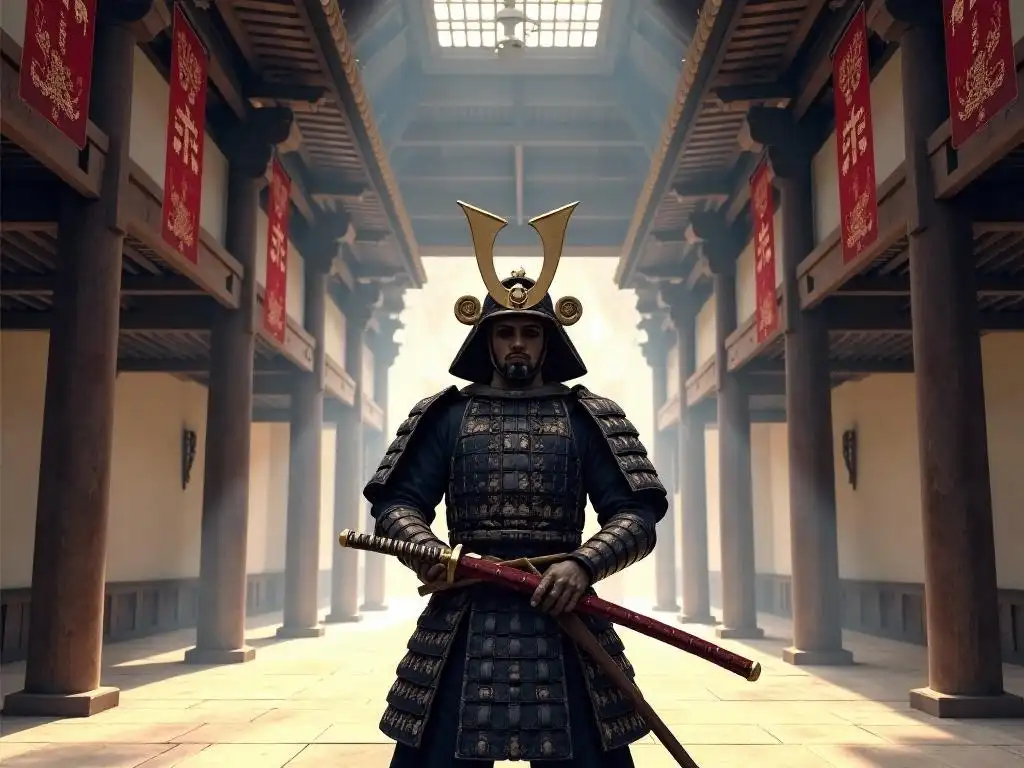
The social hierarchy of feudal Japan was a complex structure that defined roles, responsibilities, and relationships among various classes. At its core was the samurai class, which held a unique position due to their martial prowess and loyalty to their lords, the daimyo. The samurai were not just warriors; they were also landholders, bureaucrats, and cultural figures who played an integral role in shaping Japanese society during the feudal era. The relationship between samurai and daimyo was foundational, as it influenced both the social order and the cultural landscape of Japan.
The Position of Samurai Within the Feudal Structure
Within the feudal structure, samurai occupied a privileged status, sitting just below the daimyo. The hierarchy was usually depicted as follows:
- Emperor: The figurehead of the state, possessing spiritual significance but lacking real political power.
- Shogun: The military leader who wielded actual control over the country.
- Daimyo: Powerful feudal lords who governed specific domains and commanded armies of samurai.
- Samurai: The warrior class serving the daimyo, sworn to uphold loyalty and protect their domains.
Samurai were granted land and stipends in exchange for their military service and loyalty. This relationship was formalized in a code of conduct known as Bushido, emphasizing virtues such as honor, loyalty, and bravery. As martial elites, samurai were expected to lead battles, maintain order, and govern the people within their territories, thus solidifying their critical role in the feudal hierarchy.
Influence of Daimyo on Samurai Social Status
Daimyo wielded significant influence over the social status of samurai within their domains. The daimyo determined the ranks and privileges of their samurai based on loyalty, accomplishments, and service. This patronage system allowed some samurai to rise in status, gaining larger lands or positions of responsibility, while others could find themselves demoted or stripped of their titles based on the whims of their lord.
Moreover, the daimyo were responsible for maintaining a balance of power among their samurai, fostering rivalries that could either strengthen their rule or lead to internal strife. This dynamic meant that the impact of daimyo on samurai social status was not merely administrative; it was deeply personal, shaping identities and allegiances that could last for generations.
The Evolution of the Samurai Under Daimyo Leadership
As the feudal era progressed, the samurai class underwent significant transformations, heavily influenced by the leadership of the daimyo. These changes were both military and cultural, reflecting the shifting dynamics of power and society in Japan.
Changes in Samurai Warfare Strategies
The evolving nature of warfare during the feudal period prompted changes in samurai strategies, which were significantly shaped by the daimyo's military objectives. Initially, samurai warfare was characterized by individual duels and small-scale battles. However, as daimyo consolidated power and engaged in larger conflicts, strategies adapted accordingly.
- Tactics: Samurai began to employ more organized military formations, including the use of archers and spearmen in coordinated attacks.
- Weaponry: The introduction of firearms during the late 16th century forced samurai to innovate their combat techniques, integrating gunpowder weapons into their arsenals.
- Siege Warfare: Daimyo-led campaigns often involved sieges against fortified castles, requiring samurai to develop skills in both offense and defense.
These adaptations not only enhanced the effectiveness of samurai in battle but also reflected the broader military strategies promoted by daimyo, allowing for the emergence of a more unified approach to warfare.
Cultural Developments Fostered by Daimyo Patronage
The relationship between daimyo and samurai was not limited to military affairs; it also significantly influenced cultural developments in Japan. Daimyo served as patrons of the arts, promoting literature, theater, and philosophy, which enriched the samurai experience.
- Arts and Aesthetics: Many daimyo supported the creation of beautiful gardens, tea houses, and the traditional arts, fostering a culture of refinement among samurai.
- Education: Daimyo often established schools and academies, emphasizing the importance of education for their samurai, who were encouraged to become literate and knowledgeable in various disciplines.
- Philosophy: The samurai class began to integrate Confucian and Zen Buddhist principles into their lives, promoting values such as loyalty, discipline, and moral integrity.
These cultural developments were crucial in shaping the identity of the samurai beyond their role as warriors, establishing them as key figures in the rich tapestry of Japanese cultural history. The impact of daimyo on samurai extended far beyond the battlefield, influencing the very essence of what it meant to be a samurai in feudal Japan.
Conclusion: The Lasting Legacy of Daimyo on the Samurai
The relationship between daimyo and samurai is a cornerstone of Japan's feudal history, and its implications extend far beyond the confines of their time. The daimyo not only served as military leaders but also as patrons of culture, art, and governance. Their influence shaped the samurai code, known as bushido, which emphasized loyalty, honor, and martial prowess.
This code has had a lasting impact on Japanese society and cultural identity, even in contemporary times. The legacy of the daimyo is evident in the values and principles held dear in modern Japan, where respect for tradition and hierarchical structures can still be observed.
The dynamics between daimyo and samurai also contributed to the formation of social classes and the political landscape of Japan. The authority that daimyo wielded over their territories fostered a sense of loyalty among samurai, which in turn facilitated the organization of military power and the establishment of order during tumultuous periods. The gradual decline of the daimyo's power in the modern era did not erase their contributions; rather, it transformed the samurai's role in society, leading to their representation in literature, film, and other cultural narratives as symbols of valor and integrity.
Reflection on the Historical Impact of Daimyo on Samurai
Historically, the impact of daimyo on samurai extended beyond military service. Daimyo were responsible for the welfare of their retainers, providing them with land, stipends, and opportunities for advancement. This patronage created a symbiotic relationship that defined the social fabric of feudal Japan. The samurai were not merely warriors; they were also land managers, educators, and cultural bearers, thanks to the support of their daimyo.
The conflict and cooperation between various daimyo shaped the political landscape, leading to the rise and fall of clans and the eventual unification of Japan under the Tokugawa shogunate. This period solidified the samurai's role within society, as they became integral to the governance and administration of daimyo domains. The evolution of military tactics, weaponry, and training methods were also influenced by the resources and strategies adopted by the daimyo, which ultimately enhanced the samurai's effectiveness as warriors.
The Modern Perception of Samurai and Daimyo Relationships
In contemporary culture, the relationship between samurai and daimyo is often romanticized, depicted in films, literature, and art. The image of the loyal samurai serving a benevolent daimyo resonates with audiences, creating a narrative that emphasizes honor and duty. However, modern interpretations can sometimes oversimplify the complexities of this relationship, neglecting the political intrigue, betrayal, and power struggles that were also part of their reality.
Today, the samurai are viewed as cultural icons, representing the ideals of discipline, bravery, and loyalty. Meanwhile, daimyo are often seen as feudal lords who played a crucial role in shaping Japan's history. This perception is important for understanding how feudal values have influenced modern Japanese society and its cultural expressions, from martial arts to the ethical standards observed in business practices.
Suggested Further Reading on Daimyo and Samurai
For those interested in delving deeper into the intricate relationship between daimyo and samurai, the following resources provide valuable insights and comprehensive analyses.
Recommended Books and Articles on Feudal Japan
-
"Samurai: The Last Warrior" by John Man
This book provides an engaging narrative of the samurai's evolution and their relationship with the ruling classes, including the daimyo.
-
"The Samurai, the Mountie, and the Cowboy: Should America Adopt the Gun Control of Other Countries?" by David B. Kopel
Although focused on gun control, this book dives into the cultural history of samurai and their influence on modern society.
-
"Daimyo: The Warlords of Feudal Japan" by Jeffrey W. Alexander
This comprehensive text explores the lives, power struggles, and legacies of the daimyo throughout Japan's feudal era.
Online Resources for Deeper Exploration of Samurai History
-
The Samurai Archives
An extensive online repository of articles, documents, and discussions regarding samurai history and culture.
-
Japan National Tourism Organization (JNTO)
Offers insights into historical sites associated with samurai and daimyo, providing a modern context for their legacies.
-
The Feudal Japan Project
A collaborative online platform dedicated to the study of feudal Japan, featuring academic articles, primary sources, and community discussions.
These resources serve as excellent starting points for anyone looking to understand the profound impact of daimyo on the samurai and the broader implications within Japan's feudal history.
- Introduction to the Samurai and Daimyo
- The Impact of Daimyo on Samurai Culture
- Economic Contributions of Daimyo to the Samurai Class
- Political Power Dynamics Between Daimyo and Samurai
- Social Hierarchy and the Samurai Class
- The Evolution of the Samurai Under Daimyo Leadership
- Conclusion: The Lasting Legacy of Daimyo on the Samurai
- Suggested Further Reading on Daimyo and Samurai
Frequently Asked Questions
What is the role of daimyo in feudal Japan?
Daimyo were powerful feudal lords who held significant political and economic power. They governed large territories and commanded samurai in exchange for loyalty and military service.
How did daimyo influence the samurai class?
The impact of daimyo on samurai was profound, as daimyo provided land, resources, and status to samurai in return for their loyalty and military service, shaping the social structure of feudal Japan.
What were the main responsibilities of a samurai under the daimyo?
Samurai were expected to serve their daimyo by providing military support, maintaining order, and upholding bushido, the code of conduct that emphasized loyalty, honor, and courage.
How did the relationship between daimyo and samurai evolve over time?
As Japan transitioned through the feudal era, the relationship between daimyo and samurai became more complex, influenced by factors like political alliances, warfare, and changes in societal norms.
What cultural aspects were influenced by the daimyo and samurai system?
The daimyo and samurai system significantly shaped Japanese culture, including art, literature, and martial traditions, leading to a unique cultural identity that emphasized honor, loyalty, and martial prowess.
Final Reflection: The Enduring Legacy of the Daimyo on the Samurai
The intricate relationship between the daimyo and the samurai remains profoundly relevant today, as it illustrates the complexities of power dynamics and loyalty in any hierarchical society. The impact of daimyo on samurai transcends time, reminding us that the bonds of loyalty and the responsibilities of leadership are as crucial now as they were in feudal Japan. In a world where individualism often overshadows collective duty, the samurai's code of honor and the daimyo's role as a protector and leader serve as a poignant reminder of the importance of community and shared values.
Culture is a living tapestry woven from the threads of history, and the legacy of the daimyo continues to influence modern perceptions of honor, duty, and leadership. The samurai's ethos, shaped by their daimyo, has permeated various aspects of contemporary life, from martial arts to business ethics. As the philosopher Yamamoto Tsunetomo once said, The way of the samurai is found in death.
This quote encapsulates the profound commitment to duty that defines the samurai spirit, a commitment that resonates in today's world where challenges often require us to confront our own fears and responsibilities.
As we reflect on the lessons drawn from the samurai and their daimyo, I invite you to consider how these principles can be applied in your own life. What does loyalty mean to you in your relationships, and how do you embody the values of honor and responsibility in your daily actions? By embracing the lessons of the past, we can forge a path toward a future where the virtues of the samurai guide us in our personal and professional lives, fostering a sense of unity and purpose in an increasingly fragmented world.
Embrace the Spirit of the Samurai!
Thank you for diving into the rich history of how the Daimyo shaped the warrior class in Feudal Japan. Your interest opens the door to understanding not just a fascinating past, but also the values and lessons that resonate today. Now, it’s time to take that knowledge and put it into action!
Here are a few ways you can deepen your connection with this incredible history:
- Explore the lives of notable Daimyo by researching one that intrigues you and consider their impact on modern leadership and strategy.
- Share your insights with friends or on social media to spark discussions about the enduring influence of the samurai spirit in today’s world.
- Join a local history group or online forum to engage with fellow history enthusiasts who share your passion for Feudal Japan.
As you reflect on the legacy of the samurai and their leaders, think about how the values of discipline and honor from this era can inspire you to enhance your own life.