
The Impact of Western Influence on the Daimyo System

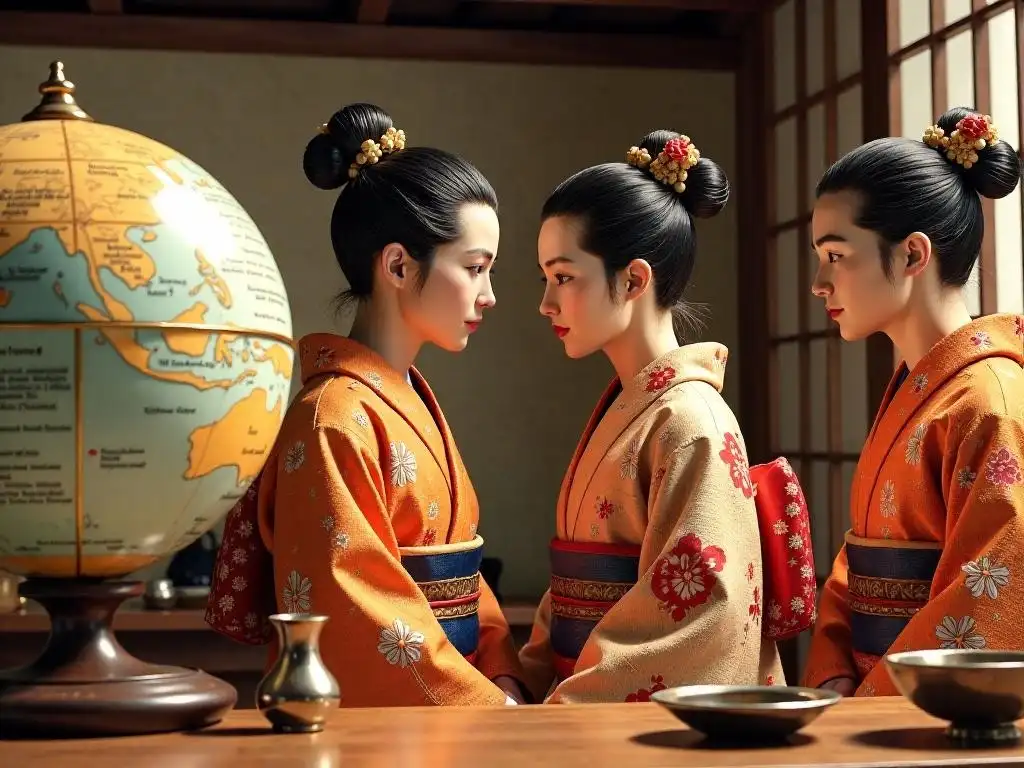
Welcome to Feudal Japan History, where we embark on a captivating journey through the intricate tapestry of Japan's feudal era. Here, you'll uncover the profound impact of Western influence on the Daimyo system, a pivotal topic that reshaped the political landscape of the time. As you delve into our expert-driven articles, prepare to explore the fascinating interplay of cultures and how it transformed the very foundations of Japanese society. What changes did the arrival of Western ideas bring to the traditional hierarchy? Join us as we unravel the complexities and spark your curiosity for more!
The interaction between Japan and the West during the 19th century profoundly altered the country's political landscape, particularly concerning the daimyo system. This transformation was not merely a superficial change; it was a significant reconfiguration of power dynamics that shaped modern Japan.
Understanding the impact of Western influence on the daimyo system requires a deep dive into the roles and definitions of daimyos, the historical context prior to this encounter, and the specific Western ideas and practices that emerged during the Meiji Era. This exploration will reveal how these influences not only challenged traditional feudal structures but also laid the groundwork for Japan's rapid modernization and integration into the global community.
Introduction to the Daimyo System
Definition and Role of Daimyos in Feudal Japan
Daimyos were powerful feudal lords who held vast lands and commanded large armies of samurai. They played a crucial role in Japan's political hierarchy from the late 12th century until the Meiji Restoration in 1868. Typically, a daimyo governed a specific domain, collecting taxes and enforcing laws, while also providing military support to the shogun. The relationships between daimyos, their vassals, and the shogunate were characterized by a complex web of loyalty, obligation, and power struggles.
- Key Characteristics of Daimyos:
- Land Ownership: Controlled large estates known as han.
- Military Authority: Maintained samurai armies to defend their domains.
- Political Power: Engaged in the broader political landscape of feudal Japan, often competing for influence.
Historical Context of the Daimyo System Before Western Influence
Before the influx of Western ideas, the daimyo system was firmly entrenched in Japanese society, shaped by centuries of feudal traditions. The Tokugawa shogunate, established in the early 17th century, brought a period of relative stability known as the Edo period. During this time, daimyos were required to spend part of the year in Edo (modern-day Tokyo) to ensure loyalty to the shogunate, which effectively regulated their power. However, this system faced challenges due to economic shifts, internal strife, and the growing pressure from Western powers eager to open Japan to trade.
Understanding Western Influence
Overview of Western Influence in Japan during the Meiji Era
The arrival of Commodore Matthew Perry in 1853 marked a turning point for Japan, triggering a wave of Western influence that would dramatically reshape the country. The subsequent signing of treaties with Western nations forced Japan to confront its isolationist policies. The Meiji Restoration in 1868 was a direct response to these pressures, leading to the dismantling of the daimyo system and the establishment of a centralized government.
- Key Events:
- Treaty of Kanagawa (1854): Opened Japanese ports to American trade.
- Meiji Restoration (1868): Ended the shogunate and restored power to the emperor.
Key Western Ideas and Practices Introduced to Japan
The Meiji Era introduced a plethora of Western ideas and practices that would have lasting effects on the daimyo system. These included concepts of democracy, legal reforms, and modern military organization. The abolition of the han system and the establishment of prefectures marked a significant shift in governance, reducing the power of daimyos and integrating their territories into a national framework.
- Notable Influences:
- Legal Reforms: Implementation of Western-style laws and judicial systems.
- Military Modernization: Transition from feudal armies to a conscripted army.
- Economic Changes: Introduction of Western industrial practices and trade policies.
In the following sections, we will delve deeper into how these Western influences fundamentally altered the daimyo system and contributed to the emergence of modern Japan.
Changes in the Daimyo System due to Western Influence
The arrival of Western powers in Japan during the late 19th century significantly impacted the traditional Daimyo system. This period marked a transformative era where external ideas began to seep into the political, economic, and cultural fabric of Japanese society. As Western influence permeated the Daimyo domains, it prompted a reevaluation of established practices and governance structures, leading to several critical changes.
Shift in Political Structures and Power Dynamics
The influence of Western political thought led to notable shifts in the power dynamics within the Daimyo system. Traditional feudal hierarchies were challenged as concepts of centralized governance emerged. The Meiji Restoration in 1868 was a pivotal moment that saw the dismantling of the feudal system. The Daimyos, who had once held considerable autonomy, found their powers curtailed as the new government sought to establish a more centralized state modeled after Western nations.
This shift was characterized by the abolition of the Han system (feudal domains) and the establishment of prefectures. The Daimyos were compelled to relinquish their territories, which were then reorganized into a more uniform administrative structure. This realignment not only diminished their political influence but also centralized power within the newly formed Meiji government, reflecting a transition towards modern statehood.
Economic Reforms Inspired by Western Models
Western influence also catalyzed significant economic reforms within the Daimyo domains. As Japan sought to modernize its economy, many Daimyos adopted Western economic principles, leading to the introduction of new agricultural practices, industrialization, and infrastructure development.
For example, some Daimyos invested in the establishment of factories and railways that mirrored Western industrial models. The focus shifted from subsistence agriculture to more commercial practices, aiming to enhance productivity and increase revenue. Additionally, the adoption of Western financial systems facilitated trade and investment, further integrating the Daimyo domains into a burgeoning national economy. This economic transformation not only altered the fiscal landscape but also influenced social structures, as new classes of merchants and industrialists emerged.
Cultural Transformations within the Daimyo Domains
Culturally, the Western influence ushered in a wave of change that permeated the Daimyo domains. There was a notable shift towards Western education systems, with many Daimyos sending their children abroad or inviting foreign educators to Japan. This exposure to Western thought and culture led to a reexamination of traditional Japanese values, art, and literature.
Western styles in clothing, architecture, and even governance began to permeate the cultural landscape. The adoption of Western customs and practices was seen as a means to modernize and compete on the global stage. However, this cultural transformation also sparked debates among traditionalists who viewed these changes as a dilution of Japan's unique heritage. The result was a complex interplay of adaptation and resistance within the Daimyo domains as they navigated the pressures of modernization.
The Reaction of Daimyos to Western Influence
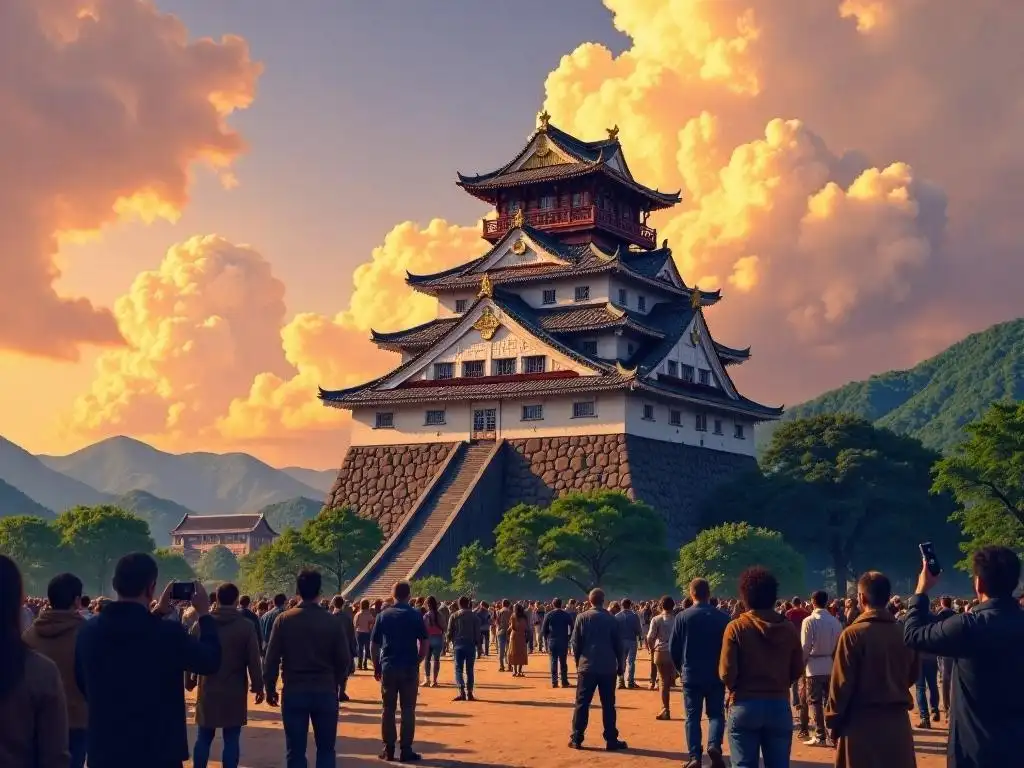
The responses of the Daimyos to Western influence were varied, reflecting a spectrum of attitudes ranging from enthusiastic adaptation to staunch resistance. Each Daimyo’s response was shaped by their individual circumstances, including their political ambitions, economic interests, and cultural affiliations.
Embracing Western Ideas: Adaptation and Innovation
Many Daimyos recognized the potential benefits of embracing Western ideas and technologies. They actively sought to modernize their domains by adopting Western military techniques, educational systems, and industrial practices. This proactive embrace of change allowed some Daimyos to strengthen their positions within the rapidly evolving political landscape of Japan.
For example, Daimyo such as Matsukata Masayoshi of Satsuma played a crucial role in advocating for military modernization. By adopting Western military strategies and equipment, they aimed to bolster their defenses against foreign powers and maintain their relevance in a changing Japan. This period of adaptation also fostered a spirit of innovation, as Daimyos experimented with new agricultural techniques and industrial projects, ultimately contributing to Japan's broader modernization efforts.
Resistance to Change: Traditionalist Daimyos and Their Strategies
Conversely, a segment of the Daimyos resisted the tide of Western influence, clinging to traditional practices and values. These traditionalist Daimyos were often motivated by a desire to preserve Japan's cultural identity and autonomy. They viewed the influx of Western ideas as a threat to the established social order and actively sought to maintain their power and influence.
Strategies employed by these Daimyos included reinforcing feudal allegiances, promoting Confucian values, and fostering local economies that adhered to traditional practices. Some even engaged in clandestine efforts to undermine the Meiji government’s influence, seeking to rally support among other traditionalists to resist modernization efforts comprehensively. This resistance highlighted the tension between modernization and tradition, as these Daimyos grappled with the implications of Western influence on their domains.
Case Studies of Notable Daimyos' Responses to Western Influence
Several Daimyos' responses to Western influence serve as illustrative case studies of the broader trends during this transformative period.
- Saigo Takamori - Initially a proponent of modernization, Saigo later became a leading figure in the Satsuma Rebellion, which sought to resist the central government's reforms. His journey underscores the complexities of adapting to change while trying to preserve traditional values.
- Tokugawa Yoshinobu - As the last shogun, Yoshinobu faced immense pressure to modernize while also attempting to maintain traditional power. His eventual resignation symbolized the collapse of the traditional Daimyo system in the face of overwhelming Western influence.
- Matsudaira Katamori - The Daimyo of Aizu, Katamori exemplified the struggle between modernization and tradition. He embraced Western military tactics while simultaneously defending the Tokugawa shogunate against reformist forces, ultimately leading to his downfall.
These case studies highlight the diverse reactions among the Daimyos, illustrating how Western influence shaped their decisions and strategies during a critical juncture in Japan’s political history.
The Long-Term Effects of Western Influence on the Daimyo System
The western influence on the Daimyo system during the late Edo period marked a significant transformation in Japan's political landscape. As Western powers began to assert their presence in Asia, Japan faced pressure to modernize and adopt Western practices. This interaction led to a gradual erosion of the traditional feudal structure, where the power of the Daimyo was significantly challenged.
One of the most notable long-term effects was the shift towards a centralized government. The introduction of Western political concepts, such as democracy and nationalism, encouraged the Japanese leadership to consolidate power, diminishing the autonomy of the Daimyo. The Meiji Restoration of 1868 exemplified this shift, as the new government sought to unify the nation under a centralized authority, effectively dismantling the feudal system that had defined Japan for centuries.
In addition, Western influence brought about significant changes in military organization and technology. The adoption of Western-style armies and naval forces meant that the traditional samurai and Daimyo were no longer the primary military leaders. This shift not only reduced the political power of the Daimyo but also transformed Japanese society and its approach to warfare.
The Decline of the Daimyo System and Rise of Centralized Power
The decline of the Daimyo system was a multifaceted process heavily influenced by Western powers. The arrival of Commodore Matthew Perry in 1853 and the subsequent Treaty of Kanagawa in 1854 forced Japan to open its ports for trade, leading to an influx of Western ideas and political structures. As Japan began to engage with the rest of the world, the disparity between the Western powers and Japan's feudal structure became increasingly apparent.
This realization prompted a wave of reform among the Daimyo, who sought to adopt Western methods to maintain their relevance. However, their attempts often fell short, as the central government, under the influence of Western political ideologies, began to assert its authority. The abolition of the Samurai class through the Haibutsu Kishaku movement and the subsequent land reforms further diminished the power of the Daimyo, transitioning Japan towards a more centralized and modern state.
The 1871 abolition of the han system, where the Daimyo governed their domains, marked a turning point. The establishment of prefectures replaced the traditional domains, effectively dismantling the feudal hierarchy and redistributing power to the central government. This transition was crucial in Japan's rapid modernization and integration into the global community.
Legacy of Western Influence in Modern Japanese Governance

The legacy of Western influence on the Daimyo system is evident in modern Japanese governance. The Meiji Constitution of 1889, inspired by Western legal frameworks, established a parliamentary system and laid the groundwork for Japan's political structure. This constitution emphasized the importance of a centralized authority and diminished the role of regional leaders, reflecting the decline of the Daimyo's influence.
Moreover, the influence of Western ideas on nationalism and citizenship fostered a sense of unity that transcended regional loyalties. This shift has contributed to the formation of a national identity that is rooted in a centralized state rather than feudal allegiances. The education system, heavily influenced by Western methodologies, further promoted these ideals across the population.
In contemporary Japan, the centralized governance model remains intact, with local governments operating under the authority of the national government. The bureaucratic structures established during the Meiji period continue to shape Japan's political landscape, demonstrating the enduring impact of Western influence on the Daimyo system.
Continuing Cultural Influences from the Daimyo System in Contemporary Japan
Despite the decline of the Daimyo system, its cultural influences persist in contemporary Japan. The values and traditions associated with the Samurai and the feudal lords continue to resonate within Japanese society. Concepts such as loyalty, honor, and discipline, which were central to the Samurai ethos, are still celebrated and integrated into various aspects of daily life.
Cultural practices, including traditional martial arts and festivals honoring historical figures, reflect the legacy of the Daimyo system. For instance, the celebration of local festivals, often associated with specific Daimyo or Samurai, serves as a reminder of Japan's feudal past. These events not only preserve the cultural heritage but also foster community identity and pride.
Moreover, literature and media often romanticize the Samurai era, emphasizing themes of bravery and honor rooted in the Daimyo system. Films, anime, and literature continue to explore these historical narratives, reinforcing their significance in modern Japanese culture.
Conclusion
The impact of Western influence on the Daimyo system has been profound and far-reaching. The transition from a feudal society to a centralized government was catalyzed by external pressures and internal reforms, leading to significant changes in Japan's political landscape.
Summary of Key Points on Western Influence and the Daimyo System
- Erosion of Feudal Structures: Western influence prompted the decline of the Daimyo system and the rise of centralized power.
- Political and Military Reforms: The introduction of Western political ideologies led to the modernization of Japan’s military and governance.
- Formation of National Identity: The shift towards centralized governance helped foster a national identity, moving away from regional allegiances.
- Cultural Legacy: Despite the decline, cultural influences from the Daimyo system remain embedded in contemporary Japanese society.
Reflections on the Importance of Understanding Historical Contexts
Understanding the historical context of Western influence on the Daimyo system is crucial for grasping the complexities of Japan's modern political and cultural identity. The interplay between tradition and modernization reveals how historical events shape contemporary society. By examining these influences, we gain insight into the resilience of cultural identity and the ongoing evolution of governance in Japan.
- Introduction to the Daimyo System
- Understanding Western Influence
- Changes in the Daimyo System due to Western Influence
- The Reaction of Daimyos to Western Influence
- The Long-Term Effects of Western Influence on the Daimyo System
- The Decline of the Daimyo System and Rise of Centralized Power
- Legacy of Western Influence in Modern Japanese Governance
- Continuing Cultural Influences from the Daimyo System in Contemporary Japan
- Conclusion
Frequently Asked Questions
What was the Daimyo system in feudal Japan?
The Daimyo system was a hierarchical structure where feudal lords, known as Daimyos, governed vast territories. They held military, political, and economic power, often overseeing samurai warriors.
How did Western influence affect the Daimyo system?
Western influence introduced new ideas and technologies, prompting Daimyos to adapt their governance and military strategies. This led to significant changes in their authority and social structure.
What were some specific Western influences on the Daimyo system?
Key influences included Western military tactics, educational reforms, and industrialization, which encouraged Daimyos to modernize and compete with Western powers.
Did the Western influence lead to the end of the Daimyo system?
Yes, the Meiji Restoration marked a shift as Western ideas led to the abolition of the Daimyo system in favor of a centralized government, transforming Japan's political landscape.
How is the impact of Western influence on the Daimyo system viewed today?
Today, historians recognize the complex interplay between Western influence and traditional Japanese governance, highlighting its role in shaping modern Japan and its societal evolution.
Final Reflection: The Enduring Legacy of Western Influence on the Daimyo System
The intricate relationship between Western influence and the Daimyo system continues to resonate in contemporary society, illustrating how historical interactions shape modern governance and cultural identity. As we explore the nuances of this influence, it becomes evident that the lessons learned from the past are not merely relics but rather foundational elements that inform our current political and social frameworks. The evolution of the Daimyo system under Western pressures serves as a powerful reminder of the transformative power of external forces on traditional structures.
Culturally and socially, the impact of Western influence on the Daimyo system has been profound and enduring. This historical interplay has not only redefined power dynamics in Japan but has also fostered a broader understanding of how cultures can adapt and thrive amidst change. As we reflect on this, it is important to remember the words of historian John W. Hall: The past is not a dead weight; it is a living force that shapes the present.
This observation highlights the ongoing relevance of the Daimyo system's evolution, as it continues to influence Japan's contemporary identity and governance.
As we conclude our exploration of this topic, I invite you to reflect on how the lessons from the Daimyo system can be applied to your own life and community. Consider the ways in which external influences shape your beliefs, values, and actions. Embrace the opportunity to learn from history, recognizing that the interplay of cultures can lead to growth and innovation. Let us carry forward the understanding that our past, much like the Daimyo system, is a dynamic force that can inspire us to forge a more inclusive and adaptive future.
Unveil the Legacy: Take Action on the Daimyo System Today!
Thank you for diving into the intriguing world of the Daimyo system and its evolution under Western influence. You've gained valuable insights into how external forces shaped feudal Japan, creating a rich tapestry of history to explore. Now, it's your turn to engage with this legacy!
Here are a few ways you can connect with this fascinating topic:
- Dive deeper into history: Explore primary sources from the period to understand firsthand how Western influence transformed Japan’s hierarchical structure. Consider visiting your local library or finding digital archives online.
- Share your insights: Start a conversation with friends or on social media about how Western ideas continue to impact modern cultures. Use the hashtag #DaimyoInfluence to connect with other history enthusiasts!
- Join a community: Participate in or create a local book club focused on Japanese history, where you can discuss these themes with others who share your interest.
What aspect of the Daimyo system do you believe still resonates in today’s cultural exchanges?