
The Geography of Power: Mapping Daimyo Domains Across Japan

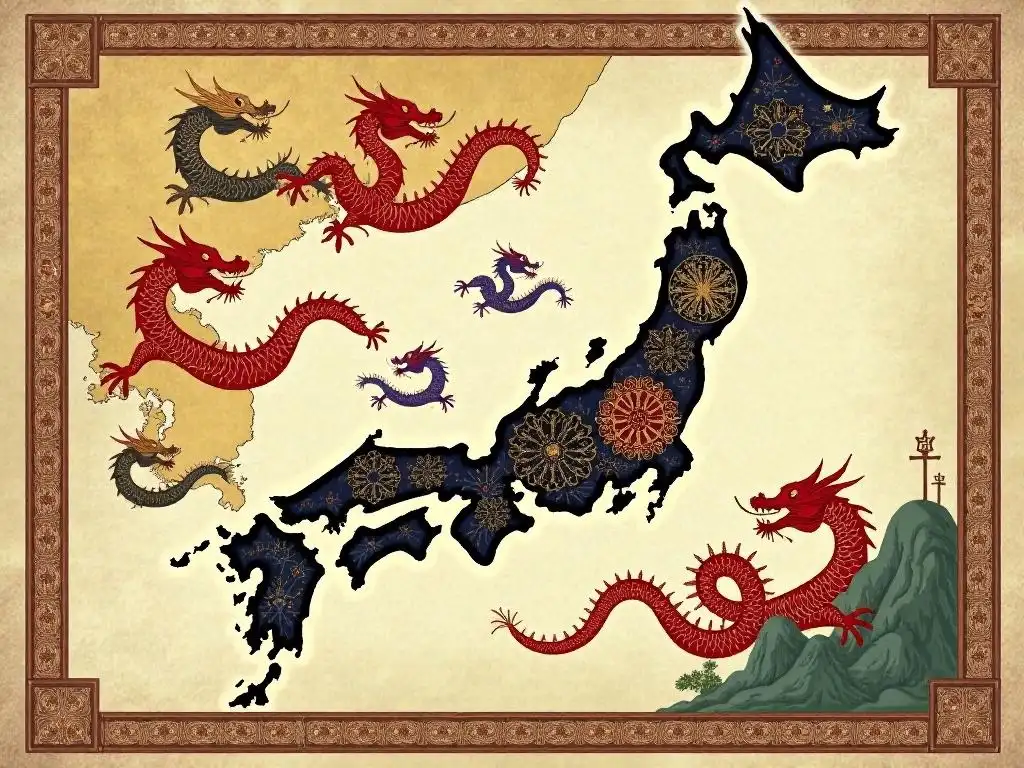
Welcome to Feudal Japan History, where we embark on a fascinating journey through the intricate tapestry of Japan's feudal era. Here, we delve deep into the political history that shaped this remarkable period, inviting you to explore the compelling story of power and land. Our featured article, "The Geography of Power: Mapping Daimyo Domains Across Japan," uncovers the strategic landscapes that defined the influence of the daimyo—a topic that reveals not just geography but the very essence of feudal rule.
Are you ready to discover how these domains influenced societal dynamics and cultural legacies? Let your curiosity guide you as we unravel the past!
Introduction to Daimyo and Their Domains
The intricate tapestry of feudal Japan is woven with the powerful threads of the daimyo, the feudal lords who dominated the political landscape from the late 12th century to the 19th century. Understanding the mapping of daimyo domains in Japan provides critical insight into the distribution of power, the socio-economic structures, and the cultural dynamics of this era. The daimyo were not only military leaders but also significant landowners whose domains shaped the very geography of Japan. This article aims to explore these domains, illustrating how they influenced the political and cultural development of the nation.
Definition of Daimyo in Feudal Japan
Daimyo (大名) were high-ranking feudal lords who ruled over vast territories, known as han (藩), in Japan. They were granted land by the shogunate in exchange for military service and loyalty. The daimyo held significant autonomy over their domains, managing local governance, economic activities, and military forces. Their status was often marked by the possession of samurai warriors who served as both protectors and enforcers of their will. The daimyo were crucial in the feudal hierarchy, acting as intermediaries between the shogun and the common people, thus playing a vital role in maintaining the social order of their time.
Importance of Mapping Daimyo Domains in Japan
Mapping the daimyo domains is essential for several reasons:
- Understanding Political Power: The geographic distribution of daimyo domains helps to illustrate the political landscape of feudal Japan, highlighting the balance of power and the relationships between different lords.
- Cultural Insights: Each domain had its unique cultural practices, economic activities, and social structures that contributed to the diversity of Japanese culture. Mapping these areas allows for a deeper appreciation of regional identities.
- Military Strategy: The positioning of domains impacted military alliances and conflicts, particularly during periods of civil strife, such as the Sengoku period. Analyzing the maps can reveal strategic advantages or vulnerabilities of certain regions.
Historical Context of Daimyo Domains
To fully comprehend the significance of daimyo domains, it is crucial to delve into the historical context that fostered their rise and development.
Development of Feudalism in Japan
Feudalism in Japan emerged after the Heian period (794-1185) as a response to political instability and the need for localized governance. As the central authority of the imperial court weakened, regional leaders began to assert control over their territories. This shift led to the establishment of a feudal system characterized by:
- Land Ownership: The transfer of land from the imperial family to powerful military leaders facilitated the rise of the daimyo.
- Military Obligations: The samurai class emerged as the primary military force, bound by loyalty to their daimyo in exchange for land and protection.
- Social Hierarchy: A rigid class system developed, with the emperor at the top, followed by the shogun, daimyo, samurai, and peasants.
The Rise of Daimyo: Key Historical Events
Several key historical events marked the rise of the daimyo and the expansion of their domains:
- The Genpei War (1180-1185): This conflict between the Taira and Minamoto clans set the stage for the establishment of the Kamakura shogunate, where the power of the daimyo began to solidify.
- The Sengoku Period (1467-1615): A time of intense conflict and division among daimyo, this era saw the fragmentation of power and the emergence of prominent clans vying for dominance.
- The unification of Japan under Tokugawa Ieyasu (1603): The establishment of the Tokugawa shogunate led to the consolidation of daimyo power, creating a more organized structure of governance while still allowing for regional autonomy.
By examining these historical contexts, we can better understand the geography of power in feudal Japan and the significance of mapping daimyo domains across the archipelago.
Geographical Distribution of Daimyo Domains
The geographical distribution of daimyo domains in feudal Japan was crucial in shaping the political landscape of the era. Each daimyo, a feudal lord, controlled specific territories, which were often delineated by natural features such as rivers, mountains, and coastlines. These domains were not just land; they embodied the power and influence of the daimyo over their subjects. The distribution of these domains can be seen as a reflection of both military strategy and resource allocation.
In the early periods of feudal Japan, particularly during the Kamakura (1185-1333) and Muromachi (1336-1573) periods, the geographic layout influenced how daimyo interacted with each other. The mountainous terrain of regions like the Chubu area made it difficult for armies to traverse, allowing local lords to maintain power through fortifications and strategic alliances. Conversely, the more accessible plains of Kanto enabled easier movement and trade, fostering more significant interactions among daimyo.
Overview of Major Regions in Feudal Japan
Feudal Japan was divided into several major regions, each with its unique geographical characteristics and cultural significance. These included:
- Kanto Region: Located around modern-day Tokyo, this region was a hub of political power. The fertile plains and proximity to the sea made it ideal for agriculture and trade, contributing to the rise of influential daimyo like the Tokugawa clan.
- Kansai Region: Home to historical cities such as Kyoto and Osaka, the Kansai region was the cultural heart of Japan. The combination of its rich history and economic vitality made it a target for many daimyo who sought to control both political and cultural capital.
- Chubu Region: With its rugged mountains and valleys, Chubu served as a natural barrier and a resource-rich area. This region was significant for its production of rice and timber, essential for both sustenance and military endeavors.
- Kyushu Region: The southernmost major island, Kyushu, had a complex history of trade and conflict. Its geographical position made it a gateway for foreign influence, including trade with China and Korea. This region was often contested by various daimyo due to its strategic importance.
- Shikoku: This smaller island was known for its agricultural output and was often overlooked in favor of larger territories. However, the unique geography of Shikoku allowed for the development of strong local powers.
Mapping the Domains: Key Maps and Resources

Mapping the daimyo domains in Japan is essential for understanding the political and military dynamics of the feudal era. Historical maps provide insights into territorial boundaries and power shifts over time.
Key resources for mapping these domains include:
- Historical Atlases: Collections of maps from various periods can illustrate the changing nature of daimyo control, including alliances and conflicts.
- Digital Resources: Online databases and archives offer interactive maps that allow users to explore the geographical distribution of domains, including detailed information about specific daimyo and their territories.
- Academic Publications: Research papers often include maps that highlight important events, such as battles or land reforms, which affected the geography of power.
These resources not only help visualize the spatial relationships between different daimyo but also contextualize the socio-political dynamics that influenced their governance.
Cultural Significance of Daimyo Domains
The cultural significance of daimyo domains extends beyond mere territorial control; these regions were centers of culture, art, and social structure. Each domain had its local customs, traditions, and even dialects, contributing to the rich tapestry of Japanese culture during the feudal period.
The daimyo often patronized the arts, leading to the development of unique cultural forms within their domains. This patronage was often a means of solidifying their power and influence over the populace. Festivals, religious practices, and even architectural styles varied significantly between domains, reflecting local traditions and the personal tastes of the daimyo.
The Role of Geography in Daimyo Power Dynamics
Geography played a pivotal role in the power dynamics among daimyo. The natural landscape could both enhance and impede a daimyo's ability to control their domain and exert influence over neighbors.
- Natural Barriers: Mountains and rivers often served as natural defenses, allowing some daimyo to maintain control over their territories against external threats. For instance, the mountainous regions of the Chubu area provided strategic advantages for local lords.
- Trade Routes: Proximity to trade routes significantly impacted a daimyo's wealth and resources. Access to the sea, for example, allowed coastal daimyo to engage in maritime trade, enhancing their economic power.
- Resource Distribution: The availability of resources like fertile land for agriculture or mines for minerals dictated the economic strength of a domain. Daimyo who controlled resource-rich areas often had the upper hand in military and political negotiations.
Influence of Local Geography on Daimyo Governance

The local geography of daimyo domains influenced governance styles and administrative practices.
- Territorial Management: Daimyo were responsible for managing diverse terrains, from mountainous regions requiring different agricultural practices to coastal areas benefiting from fishing and trade. This diversity necessitated tailored governance strategies to effectively manage resources and maintain order.
- Infrastructure Development: Geography dictated the development of infrastructure such as roads and castles. Daimyo often invested in building roads that facilitated movement and trade, which in turn strengthened their control over the region.
- Cultural Practices: Local geography also influenced cultural practices. For example, regions with abundant water sources often developed specific rituals and customs around water, affecting everything from agriculture to religious practices.
The interplay between geography and governance in daimyo domains not only shaped the political landscape of feudal Japan but also enriched its cultural heritage. Understanding these dynamics is essential for a comprehensive exploration of Japan's feudal era.
Economic Aspects of Daimyo Domains
The economic framework of daimyo domains was a crucial pillar in the feudal structure of Japan. Each domain, often referred to as a han, operated as a semi-autonomous region under the control of a daimyo. The wealth and power of these lords were deeply intertwined with the economic activities within their territories, particularly in agriculture, trade, and resource management. Understanding the economic aspects of daimyo domains provides insight into how these regions functioned and interacted with each other during the feudal era.
Agricultural Production and Resource Management
Agricultural production was the backbone of the daimyo domains, facilitating economic stability and growth. The primary crops cultivated included rice, barley, and millet, with rice being the most significant due to its status as a staple food and a form of currency. The productivity of these domains largely depended on the quality of land, climate conditions, and the implementation of advanced farming techniques.
Daimyo implemented various resource management strategies to enhance agricultural output. They often constructed irrigation systems, managed land distribution, and promoted crop rotation practices. These efforts were crucial in maximizing yield and ensuring food security for their populations. Furthermore, many daimyo engaged in reforestation and sustainable practices to manage timber resources, which were essential for building infrastructure and ships.
Additionally, the wealth generated from agriculture allowed daimyo to maintain their samurai retainers and invest in military endeavors, thereby reinforcing their power within the region and contributing to the overall feudal society.
Trade Routes and Economic Networks of Daimyo
The economic success of the daimyo domains was also significantly influenced by trade routes and networks established across Japan. Each domain was strategically located to take advantage of both land and sea routes, facilitating the exchange of goods, resources, and cultural practices. Major trade routes connected key urban centers, ports, and agricultural hubs, enabling the flow of rice, textiles, metals, and other commodities.
Daimyo actively participated in regional and national trade, often negotiating trade agreements with neighboring domains and foreign traders. This engagement not only enriched their coffers but also allowed for cultural exchanges that influenced local practices and lifestyles.
The establishment of markets within the domains promoted commerce, providing opportunities for local artisans and merchants to thrive. Some domains became known for specific products, such as sake in certain regions or textiles in others, further integrating them into the broader economic network of Japan. Overall, these trade routes and networks were instrumental in reinforcing the socio-economic fabric of the daimyo domains, contributing to their power and influence.
Political Landscape of Daimyo Domains
The political landscape within daimyo domains was characterized by a complex interplay of power, alliances, and rivalries. Each domain operated independently under the authority of its daimyo, who wielded significant control over local governance, military, and economic resources. This autonomy created a diverse political tapestry across Japan, with varying degrees of stability and conflict.
Key Daimyo Families and Their Territories
Throughout Japan's feudal era, several key daimyo families emerged, each controlling vast territories and exerting significant influence. Notable families included the Tokugawa, Uesugi, and Takeda, each with distinct political strategies and territorial ambitions.
The Tokugawa clan, for instance, established a shogunate that would dominate Japanese politics from the early 17th century until the Meiji Restoration. They controlled the vast Kanto region and implemented policies that fostered peace and stability, allowing commerce to thrive.
In contrast, the Takeda clan was known for its military prowess and territorial expansion in the mountainous regions of central Japan, while the Uesugi clan was recognized for its strong administrative capabilities and cultural contributions.
The relationships between these families often dictated the political dynamics of the era, with territorial disputes and shifting allegiances shaping the course of Japanese history.
Alliances and Conflicts Among Daimyo
The competition for power among daimyo led to numerous alliances and conflicts throughout Japan. These relationships were often strategic, aimed at consolidating power or countering rival factions. Marriages between families were common as a means to secure alliances, while military conflicts, such as the famous battles of Nagashino and Sekigahara, exemplified the intense rivalries that characterized this period.
Conflicts could arise over territorial disputes, resources, or political dominance, leading to protracted wars that reshaped the landscape of feudal Japan. The outcomes of these conflicts frequently resulted in significant shifts in power dynamics, with victorious daimyo expanding their territories and influence while defeated clans faced decline or absorption.
This intricate web of alliances and conflicts highlights the volatility of the political landscape in daimyo domains, illustrating how the pursuit of power and security was a driving force behind the actions of these feudal lords. Ultimately, the interactions among daimyo shaped not only the fate of their domains but also the larger narrative of Japanese history during the feudal era.
The Decline of Daimyo Power and Its Geographical Implications
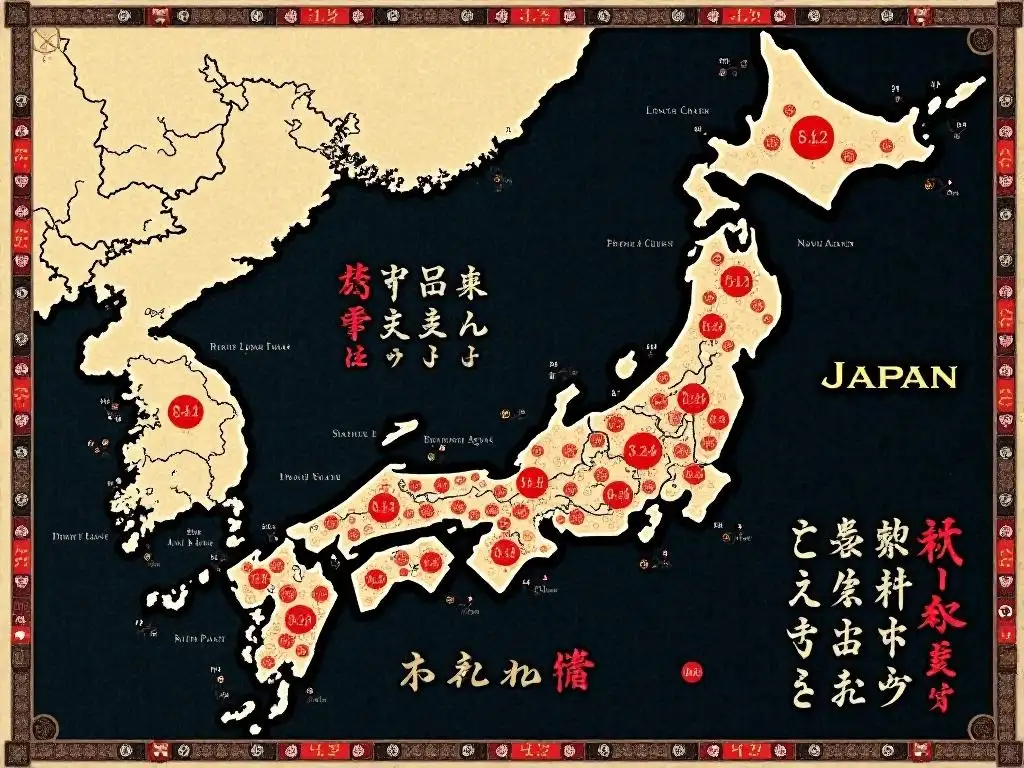
The decline of the daimyo power in Japan, particularly during the late Edo period and the Meiji Restoration, had profound geographical implications that reshaped the social and political landscape of the nation. As central authority began to consolidate under the Tokugawa shogunate, the once autonomous domains of the daimyo were increasingly subjected to centralized governance. This shift not only diminished the power of individual daimyo but also altered the spatial dynamics of their territories, leading to a reorganization of land use, administrative boundaries, and local governance.
As the power of the shogunate expanded, many daimyo were forced to surrender their military capabilities and reduce their territories. The sankin-kōtai system, which required daimyo to alternate residence between their domains and Edo (now Tokyo), further eroded their authority while reinforcing the shogunate's control over the daimyo. Consequently, the geographical distribution of power shifted dramatically, resulting in a more centralized administration that neglected the unique needs and identities of individual regions.
Additionally, the economic pressures of modernization and the introduction of Western ideas during the late 19th century compelled many former daimyo to transition from feudal landowners to modern bureaucrats or industrialists. This transition had lasting implications for the geographical organization of resources and power across Japan, as the traditional feudal boundaries gave way to new administrative divisions aligned with the emerging national framework.
Factors Leading to the Fall of the Daimyo System
Several interrelated factors contributed to the decline of the daimyo system in Japan. One significant element was the internal strife among the various domains, which weakened the collective power of the daimyo. As regional conflicts erupted, the shogunate's response was often to intervene, increasing its authority and diminishing the daimyo's autonomy.
Economic changes also played a crucial role. The rise of commerce and the merchant class during the Edo period shifted economic power away from the samurai and daimyo. Merchants began to accumulate wealth, which enabled them to challenge the traditional power structures. As a result, the daimyo found it increasingly difficult to maintain their feudal holdings and retain loyalty from their vassals.
The influence of Western powers and the subsequent pressure for modernization further accelerated the decline of the daimyo. The arrival of Commodore Perry in 1853 and the subsequent treaties forced Japan to open its ports and engage with the global economy, prompting the need for a more centralized and modern state apparatus to compete effectively. This shift was epitomized by the Meiji Restoration of 1868, which ultimately abolished the daimyo system altogether and restructured Japan’s political landscape.
Changes in Land Ownership and Administration
With the decline of daimyo power, significant changes in land ownership and administration took place. The Meiji government enacted the Land Tax Reform of 1873, which aimed to modernize agriculture and increase government revenue. This reform effectively dismantled the traditional landholding system of the daimyo, redistributing land to farmers under a new taxation framework. Land that had once been the domain of powerful feudal lords became individual property, which transformed the agrarian landscape of Japan.
The new administrative structure established during the Meiji era created prefectures that replaced the old domains, further centralizing authority. Each prefecture was governed by an appointed official, removing local power from the former daimyo and integrating their territories into a unified national framework. This transition not only altered governance but also facilitated the implementation of infrastructure projects, such as railways and roads, that connected previously isolated regions.
The geographical implications of these changes were significant. The reorganization of land and governance fostered economic development and urbanization, creating new centers of commerce and industry that shifted the population dynamics across Japan. Regions that were once dominated by daimyo power became hubs of modernity, reflecting the broader transformation of Japanese society.
Conclusion: The Legacy of Daimyo Domains in Modern Japan
The legacy of daimyo domains continues to resonate in modern Japan, influencing various aspects of culture, governance, and regional identity. While the feudal system was dismantled, the historical ties to these domains have shaped local traditions and community structures. Today, many regions still celebrate their unique heritage, with festivals and cultural practices that hark back to the era of the daimyo.
Lasting Impact on Japanese Culture and Society
The impact of the daimyo system on Japanese culture and society is profound. The samurai ethos, which emphasized loyalty, honor, and martial skill, remains a significant aspect of Japanese identity. Many cultural practices, including martial arts, traditional theater, and even modern business etiquette, can trace their roots to the values espoused during the feudal era.
Moreover, the geographical organization of Japan is still influenced by the historical domains. Regional dialects, cuisine, and crafts reflect the distinct identities that emerged during the time of the daimyo. These cultural legacies contribute to the rich tapestry of Japanese society, which values both historical continuity and modern innovation.
Future Research Directions in Mapping Daimyo Domains
Future research into mapping daimyo domains offers exciting possibilities for understanding Japan’s historical geography. Scholars can utilize modern GIS technology to create detailed maps that illustrate the territorial boundaries of daimyo domains, analyze land use patterns, and explore how these domains influenced contemporary regional identities.
Additionally, interdisciplinary approaches that combine historical, cultural, and environmental studies can yield insights into the long-term effects of the daimyo system on modern Japanese society. By examining the intersections of geography, power, and culture, researchers can deepen our understanding of Japan’s feudal past and its enduring legacy in shaping the nation today.
Mapping daimyo domains is not just about historical boundaries; it is a journey into the heart of Japan's past, revealing how geography and power intertwined to shape a unique cultural landscape that continues to evolve.
Additional Resources for Exploring Daimyo Domains
Exploring the intricate world of daimyo domains in Japan can be an enriching experience, and a wealth of resources is available to aid in this journey. This section provides recommendations for books, articles, and online tools that can enhance your understanding of the geographical and political landscapes shaped by the daimyo during Japan's feudal era.
Recommended Books and Articles
-
"The Making of Modern Japan" by Bruce S. Batten
This book provides a comprehensive history of Japan, focusing on the transition from feudalism to modernity. It includes discussions on the role of daimyo in shaping political structures and territorial control.
-
"Daimyo: The Warlords of Japan" by John McCarthy
This detailed account delves into the lives and domains of the greatest daimyo, examining their influence over Japanese society and politics from the 12th to the 19th centuries.
-
"Feudal Japan: The History of the Samurai and the Rise of the Shogun" by Charles River Editors
This accessible resource offers a concise overview of feudal Japan, with dedicated chapters discussing the geographical distribution and significance of various daimyo.
-
"Japan's Feudal Era: Power, Politics, and Society" by William J. Daugherty
This scholarly article explores the political dynamics of the feudal period, with a focus on how the land and territories of the daimyo were mapped and governed.
-
"The Daimyo and the Shogunate: A Study of the Political History of Japan" by Michael L. McDunnah
This work provides an in-depth analysis of the relationship between the daimyo and the shogunate, including maps and illustrations that highlight the territorial boundaries of various domains.
Online Databases and Mapping Tools for Further Research
-
The National Archives of Japan
An essential resource for researchers, this database offers access to historical documents, maps, and records pertaining to daimyo domains. It provides tools for searching specific territories and understanding their historical context.
-
The Japan Map Center
This online platform allows users to explore historical maps of Japan, including those related to the feudal era. Users can compare modern maps with historical domains, offering a visual representation of the changes over time.
-
Daimyo Domain Mapping Project
A collaborative project that aims to create interactive maps of daimyo domains during the Edo period. This tool enables users to visualize territorial changes and understand the geographical distribution of power among daimyo.
-
Historical GIS of Japan
A geographic information system focused on historical data, this tool allows researchers to analyze spatial relationships and demographic changes in daimyo territories, providing insights into the socio-economic factors of the era.
-
Digital Museum of Japanese History
This resource offers an array of artifacts, documents, and maps related to feudal Japan. It includes virtual exhibits showcasing the domains and influence of various daimyo, enriching the user's understanding of their historical significance.
These resources collectively provide a comprehensive foundation for anyone interested in mapping daimyo domains in Japan, offering both scholarly insights and interactive tools for deeper exploration.
- Introduction to Daimyo and Their Domains
- Historical Context of Daimyo Domains
- Geographical Distribution of Daimyo Domains
- Overview of Major Regions in Feudal Japan
- Mapping the Domains: Key Maps and Resources
- Cultural Significance of Daimyo Domains
- The Role of Geography in Daimyo Power Dynamics
- Influence of Local Geography on Daimyo Governance
- Economic Aspects of Daimyo Domains
- Political Landscape of Daimyo Domains
- The Decline of Daimyo Power and Its Geographical Implications
- Conclusion: The Legacy of Daimyo Domains in Modern Japan
- Additional Resources for Exploring Daimyo Domains
Frequently Asked Questions
What were the Daimyo in Feudal Japan?
Daimyo were powerful feudal lords who controlled large domains and had significant political and military influence during Japan's feudal era. They served under the shogunate but operated with considerable autonomy.
How did the geography influence Daimyo domains?
The geography of Japan, including mountains, rivers, and coastlines, played a crucial role in defining Daimyo domains. These natural barriers often shaped political boundaries and affected trade routes and agricultural development.
What is the significance of mapping Daimyo domains?
Mapping Daimyo domains provides insights into the political landscape, territorial disputes, and resource distribution during feudal Japan. It helps historians understand the power dynamics and regional influences of the time.
How did the Daimyo impact Japanese culture?
The Daimyo were patrons of the arts and played a significant role in the development of Japanese culture. Their support for theater, literature, and architecture helped shape the cultural identity of Japan during the feudal era.
What resources are available for studying Daimyo domains?
There are numerous academic articles, maps, and historical texts available that focus on Daimyo domains. Online platforms like Feudal Japan History offer in-depth articles that explore this topic in detail for researchers and enthusiasts alike.
Final Reflection: Understanding Power Through Geography
The intricate relationship between geography and power is more relevant today than ever, as we navigate a world shaped by historical legacies and territorial dynamics. Mapping Daimyo Domains in Japan not only reveals the strategic importance of land in feudal Japan but also serves as a reminder of how geography continues to influence political and social structures in contemporary society. The way we understand power dynamics today is deeply rooted in the lessons of the past, and recognizing this connection can empower us to engage more thoughtfully with our surroundings.
The impact of the daimyo system transcends its historical context, influencing modern cultural and social landscapes in Japan and beyond. As we examine the territorial divisions and the power struggles of the past, we can see echoes of these dynamics in contemporary governance and community organization. The mapping of these domains illustrates not just the physical boundaries but also the relationships and hierarchies that defined an era. Geography is destiny,
as the saying goes, and understanding this can help us navigate our own lives with greater awareness of the forces at play around us.
As we reflect on the lessons from the daimyo domains, I invite you to consider how the geography of power manifests in your own life. What territories do you navigate, and how do they shape your relationships and opportunities? Let us take inspiration from the past to engage with our present, recognizing the power of place in shaping our identities and futures. Embrace the challenge of mapping your own domains, and in doing so, uncover the potential for influence and connection in your own journey.
Unveil the Secrets of Japan’s Daimyo Domains!
Thank you for diving into the fascinating world of Japan's feudal history with us! You’ve uncovered the intricate dynamics of power and land that shaped an era. Now, let’s turn your newfound knowledge into action!
Here are a few simple yet impactful ways to deepen your exploration:
- Explore your local library or online archives for historical texts related to feudal Japan. You might uncover hidden gems that enhance your understanding!
- Join an online forum or community dedicated to Japanese history to share your insights and learn from others who share your passion.
- Consider planning a trip to Japan to visit historical landmarks once influenced by powerful daimyo.
What aspect of the daimyo's power intrigues you the most, and how might it influence your perspective on leadership today?