
The Enchantment of the Awa Odori: Dance Your Way Through Tokushima

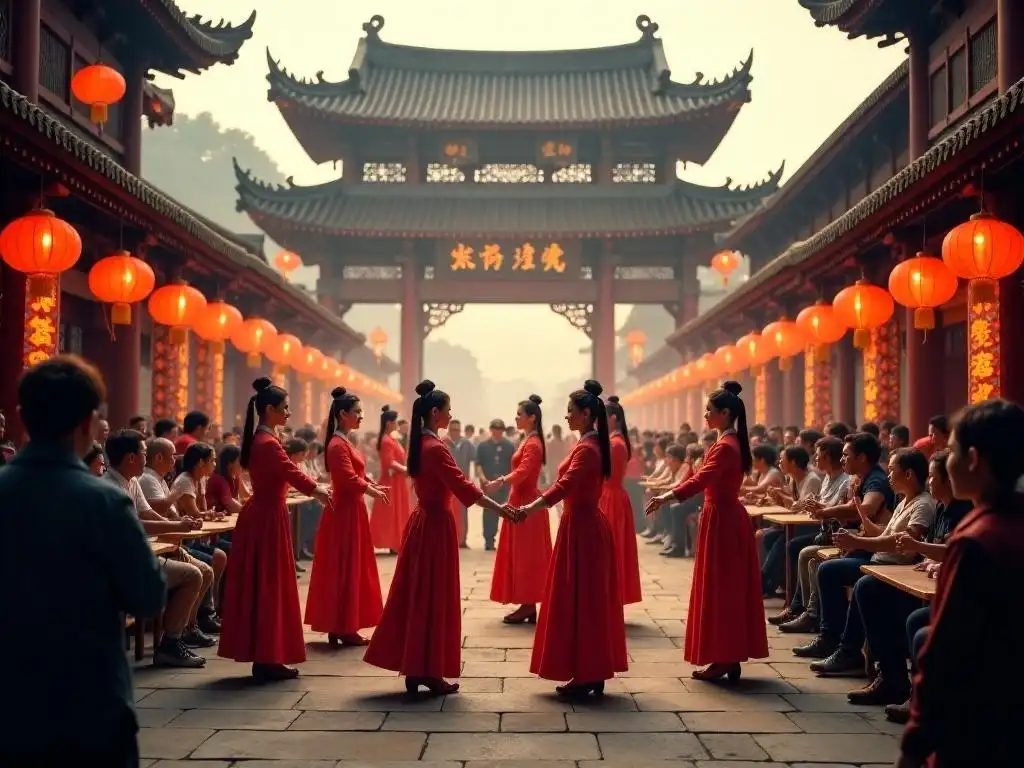
Welcome to Feudal Japan History, where we invite you to step into the captivating world of Japan’s feudal era. Here, history dances to life, much like the vibrant Awa Odori, a traditional dance that holds centuries of stories and cultural significance. In our featured article, "The Enchantment of the Awa Odori: Dance Your Way Through Tokushima," you'll uncover the rich tapestry of this mesmerizing dance, exploring its roots and the vibrant festival that celebrates it.
Prepare to be enchanted as we unravel the history, traditions, and societal influences that make the Awa Odori a true gem of Japanese heritage. Dive in and let your curiosity guide you!
Introduction to Awa Odori Dance History
Awa Odori is not just a dance; it is a vibrant celebration that encapsulates the spirit of Tokushima, Japan. Rooted in centuries of tradition, this lively folk dance is performed during the Awa Odori Festival, held annually in August. The festival attracts thousands of visitors who come to experience the rhythmic movements, colorful costumes, and infectious energy that define this unique cultural expression.
Understanding the Awa Odori dance history is essential for appreciating its role in both the local community and Japan's broader cultural landscape. This article delves into the intricate history, cultural significance, and societal influences of Awa Odori, inviting you to dance along through time.
Historical Background of Awa Odori Dance
The origins of Awa Odori can be traced back to the early 16th century, during the Edo period when Tokushima was a thriving center of culture and commerce. Initially believed to be a ritualistic dance performed during the Obon festival to honor the spirits of ancestors, Awa Odori has since evolved into a popular entertainment form.
- Key Historical Points:
- Edo Period (1603-1868): The dance developed as a means of celebrating the harvest and honoring the deceased.
- Post-World War II: Awa Odori gained national recognition, evolving into a festival that showcases not only the dance itself but also traditional music and local cuisine.
- Modern Era: Today, it is celebrated with great fervor, drawing participants from all over Japan and beyond, contributing significantly to local tourism and cultural exchange.
The Awa Odori dance is characterized by its distinctive movements and lively music, often accompanied by traditional instruments such as the shamisen and taiko drums. Dancers, clad in colorful yukatas, perform in a unique style that reflects the regional identity of Tokushima.
Cultural Significance of Awa Odori
Awa Odori is more than just a dance; it serves as a cultural touchstone for the people of Tokushima and a symbol of Japanese heritage. The festival is an embodiment of community spirit, bringing together individuals of all ages and backgrounds.
- Cultural Elements:
- Community Involvement: Local residents actively participate in the festival, fostering a sense of unity and shared identity.
- Artistic Expression: Awa Odori allows for creative expression, as various groups often incorporate unique choreographies and costumes, showcasing the diversity within tradition.
- Tourism and Economy: The festival significantly boosts local tourism, providing economic benefits to the community through visitors eager to witness this enchanting dance.
The Awa Odori dance not only preserves the historical and cultural narratives of Tokushima but also serves as a dynamic platform for cultural exchange, attracting an international audience eager to experience the magic of this traditional Japanese celebration.
The Awa Odori Festival: A Celebration of Dance
The Awa Odori Festival, held annually in Tokushima Prefecture, is a vibrant celebration that attracts thousands of visitors from around the world. Occurring over four days in mid-August, this festival is a key highlight of the summer season in Japan. The origins of Awa Odori can be traced back to the 16th century, and it is believed to have started as a harvest celebration. Today, it has evolved into a lively event characterized by joyful performances, colorful costumes, and the infectious spirit of community.
During the festival, groups known as ren gather to perform the traditional Awa Odori dance in the streets. The dance is accompanied by lively music played on traditional instruments such as the shamisen, taiko drums, and flutes, creating an electric atmosphere. Participants, both locals and tourists, are invited to join in, making it a communal experience that emphasizes inclusivity. The dance itself is a blend of simple steps and expressive movements, allowing even beginners to partake in the festivities.
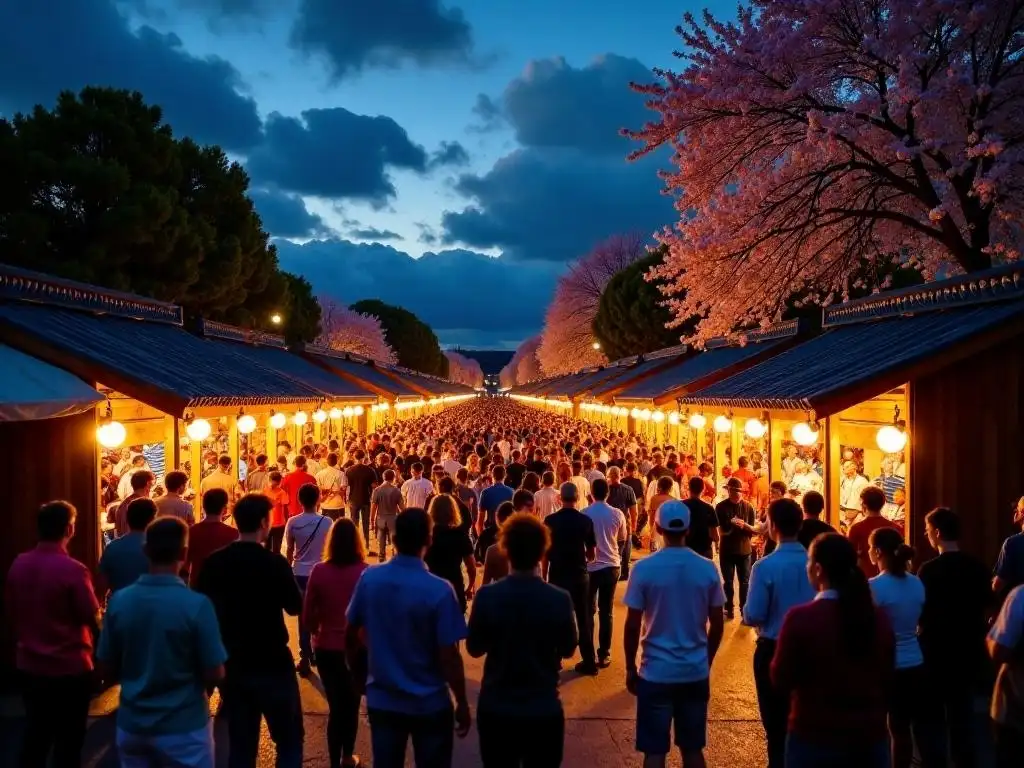
The festival's enchanting vibe is enhanced by the illumination of the streets and the warmth of the local hospitality. Food stalls line the streets, offering delicious local delicacies, making the Awa Odori Festival not just a dance celebration but also a feast for the senses. Ultimately, the Awa Odori Festival serves as a bridge between history and modernity, showcasing the rich cultural heritage of Japan while fostering a spirit of unity and joy among its participants.
The Dance Styles of Awa Odori
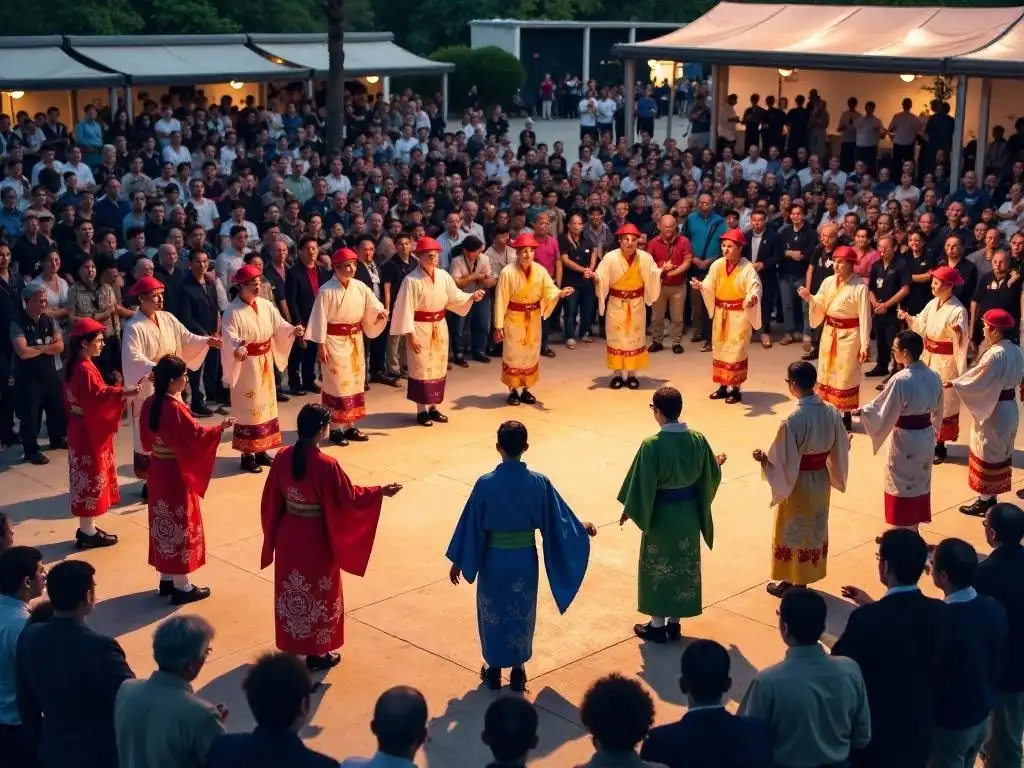
Awa Odori is characterized by its distinctive dance styles, each reflecting the cultural nuances of the region. The dance itself is marked by rhythmic footwork, lively gestures, and a playful attitude, making it accessible and enjoyable for all ages. The two main styles of Awa Odori are Naruto Odori and Tokushima Odori, each with its own unique flair.
- Naruto Odori: Originating from the city of Naruto, this style features fast-paced, dynamic movements that emphasize agility and exuberance. Dancers often use hand movements that mimic the ebb and flow of the nearby Naruto Strait, incorporating elements of local folklore into their routines.
- Tokushima Odori: This style is more relaxed and focuses on grace and fluidity. The movements are slower, allowing dancers to express themselves more freely. The Tokushima style often features intricate footwork and a notable emphasis on group formations, highlighting the importance of community within the dance.
The Awa Odori dance is not only a form of artistic expression but also a way to tell stories and preserve historical narratives. The choreography is often inspired by local legends and events, creating a connection between the dancers and their cultural heritage. As participants engage in the dance, they become part of a living tradition that has been passed down through generations.
Learning Awa Odori: Classes and Workshops
For those interested in diving deeper into the world of Awa Odori, numerous classes and workshops are available in Tokushima and beyond. These sessions cater to individuals of all skill levels, from complete beginners to seasoned dancers.
- Local Dance Schools: Many local schools offer structured programs that teach the fundamentals of Awa Odori. Classes typically focus on basic steps, rhythm, and the cultural significance behind the movements, providing a comprehensive understanding of the dance.
- Cultural Workshops: Community centers and cultural institutions often host workshops during the festival season. These sessions may include not only dancing but also lessons on the accompanying music and the history of Awa Odori. Participants can learn to play traditional instruments, enhancing their overall experience.
- Online Resources: In addition to in-person classes, various online platforms provide tutorials and instructional videos on Awa Odori. This accessibility allows enthusiasts worldwide to learn the dance at their own pace and from the comfort of their homes.
Engaging in Awa Odori classes is an excellent way to immerse oneself in the rich cultural tapestry of Japan. Through dance, individuals not only acquire new skills but also foster a deeper appreciation for the traditions and stories that define this enchanting festival.
The Costumes of Awa Odori: History and Symbolism
The costumes worn during the Awa Odori festival are not just vibrant displays of color; they are steeped in history and rich symbolism. Traditionally, dancers don a specific type of attire known as the "haneri", which is characterized by its unique patterns and colors. The most notable costume includes a hachimaki (headband) and a yukata (a casual summer kimono), often adorned with floral motifs and abstract designs that reflect the beauty of nature and the region's cultural heritage.
The colors of the costumes hold significance as well. For instance, blue symbolizes stability and tranquility, while red is often associated with joy and festivity. Each dance group, or ren, may have its own variations in attire to showcase their identity, creating a sea of color and creativity at the festival. The costumes not only enhance the visual spectacle of the Awa Odori but also serve as a connection to the past, preserving the traditions of the Edo period when the dance originated.
Moreover, the attire is designed to allow for ease of movement, reflecting the dance's energetic and lively nature. The flowing fabrics and wide sleeves enable dancers to express themselves fully, embodying the spirit of celebration that the festival represents. Thus, the costumes are more than mere garments; they are a testament to the cultural legacy of Tokushima and the Awa Odori dance history.
Food and Drink at the Awa Odori Festival
Food and drink play a vital role in the Awa Odori festival, enhancing the overall experience for both participants and spectators. The festival offers a plethora of local delicacies that celebrate the culinary traditions of Tokushima. One of the must-try dishes is Tokushima ramen, known for its rich soy sauce-based broth and distinctive toppings, including a raw egg and slices of pork. This dish perfectly embodies the flavors of the region and is a popular choice among festival-goers.
Another local specialty is Awa beef, which is renowned for its marbling and tenderness. Many stalls serve skewers of grilled Awa beef, allowing visitors to savor the taste while enjoying the lively atmosphere of the festival. Additionally, soba noodles, particularly Awa soba, are a refreshing option, often served cold with a dipping sauce, making them an ideal choice during the summer heat.
When it comes to beverages, local sake is a highlight. The Tokushima region is home to several sake breweries, each offering unique flavors and brewing styles. During the festival, visitors can sample different varieties, allowing them to appreciate the craftsmanship that goes into this traditional drink. Additionally, shochu, a distilled spirit, is also popular and often enjoyed in various cocktails.
The Awa Odori festival is not just a feast for the eyes but also a celebration of local cuisine, making it an unforgettable experience for all who attend.
Planning Your Visit to Tokushima for Awa Odori
Planning a visit to Tokushima for the Awa Odori festival requires some preparation to ensure an enjoyable experience. The festival typically takes place annually from mid to late August, with the main events occurring over four days. It is advisable to check the specific dates ahead of time, as they may vary each year.
Accommodations can fill up quickly during the festival, so booking in advance is highly recommended. There are various options available, from traditional ryokan (Japanese inns) to modern hotels. Staying in Tokushima city will provide you with easy access to the festival venues and local attractions.
Transportation is another crucial aspect of your visit. Tokushima is accessible via train and bus services from major cities like Osaka and Kobe. Once in Tokushima, the festival is best enjoyed on foot, allowing you to immerse yourself in the vibrant atmosphere. Many streets are lined with stalls selling food and drinks, creating a festive vibe.
It's also a good idea to familiarize yourself with the festival schedule. The Awa Odori festival features several performances throughout the day and night, with different dance groups showcasing their styles. Finding a spot along the parade route or in the designated performance areas will ensure you have a good view of the dancers.
Don’t forget to prepare for the weather, as August can be quite warm and humid in Japan. Dressing comfortably, wearing light clothing, and staying hydrated will enhance your festival experience. Bringing a portable fan or towel can also be helpful.
With proper planning and preparation, your visit to Tokushima for the Awa Odori festival will be a memorable journey into the heart of Japan’s cultural heritage.
Conclusion: Embracing the Enchantment of Awa Odori
The Awa Odori dance embodies the spirit of Tokushima, captivating both locals and visitors with its vibrant rhythms and joyful expressions. This centuries-old tradition is not merely a dance; it is a celebration of community, culture, and history that has evolved over time. As participants sway to the infectious beats of the shamisen and taiko drums, they become part of a living tapestry that reflects the region's unique heritage. The colorful yukatas, the lively movements, and the infectious energy of the dancers encapsulate the essence of what makes Awa Odori a must-see festival.
Attending the Awa Odori is more than just witnessing a performance; it's an invitation to immerse oneself in the local culture and history. The festival fosters connections among participants and spectators alike, reminding us of the importance of shared experiences in preserving traditions. As the sun sets and the lanterns illuminate the streets, the enchantment of Awa Odori continues to inspire and unite people from all walks of life, creating memories that last a lifetime.
Additional Resources for Awa Odori Enthusiasts
For those who wish to delve deeper into the rich history and cultural significance of the Awa Odori, a variety of resources are available:
- Books: Numerous publications detail the history, choreography, and music of Awa Odori. Notable titles include "The Dance of Awa: History and Tradition" and "Awa Odori: The Dance That Never Dies."
- Documentaries: Visual storytelling can provide a deeper understanding of the festival. Look for documentaries that explore the origins of Awa Odori, featuring interviews with dancers and historians who share their insights.
- Workshops: Participating in a workshop can enhance your appreciation of the dance. Many local cultural centers and festivals offer sessions for beginners, where you can learn the basic steps and experience the joy of Awa Odori firsthand.
- Online Communities: Joining forums and social media groups dedicated to Awa Odori can connect you with fellow enthusiasts, allowing for shared experiences and knowledge exchanges.
- Local Tours: If you’re visiting Tokushima, consider guided tours that focus on Awa Odori, which often include behind-the-scenes insights and opportunities to interact with performers.
Call to Action: Join the Awa Odori Celebration!
Are you ready to experience the magic of Awa Odori? Don’t miss the chance to participate in this vibrant festival! Mark your calendar for the next Awa Odori event in Tokushima and prepare to dance with the locals, feel the rhythm of the music, and immerse yourself in the culture that has enchanted generations.
Whether you are a seasoned dancer or a curious observer, the Awa Odori welcomes everyone with open arms. Grab your yukata, gather your friends, and join in the festivities! The streets of Tokushima await your presence—let the enchanting dance of Awa Odori create unforgettable memories for you and your loved ones. 🌸✨
- Introduction to Awa Odori Dance History
- Historical Background of Awa Odori Dance
- Cultural Significance of Awa Odori
- The Awa Odori Festival: A Celebration of Dance
- The Dance Styles of Awa Odori
- Learning Awa Odori: Classes and Workshops
- The Costumes of Awa Odori: History and Symbolism
- Food and Drink at the Awa Odori Festival
- Planning Your Visit to Tokushima for Awa Odori
- Conclusion: Embracing the Enchantment of Awa Odori
- Additional Resources for Awa Odori Enthusiasts
- Call to Action: Join the Awa Odori Celebration!
Frequently Asked Questions
What is the Awa Odori dance?
The Awa Odori dance is a traditional Japanese folk dance originating from Tokushima, characterized by its lively movements and unique rhythm. It is performed during the Awa Odori Festival, celebrating local culture and community spirit.
How did Awa Odori develop historically?
The Awa Odori has roots dating back to the 16th century, evolving from various Japanese folk traditions. Its development was influenced by the historical context of Tokushima and the blending of different cultural elements over time.
What makes the Awa Odori festival special?
The Awa Odori festival is notable for its vibrant atmosphere, where thousands of dancers take to the streets, embracing the spirit of joy and community. It attracts visitors from around the world, celebrating both tradition and culture.
What are the key elements of Awa Odori dance?
Key elements of the Awa Odori dance include its distinctive costumes, lively music, and simple yet captivating choreography. Dancers often use hand gestures and footwork that convey the dance's energetic spirit.
How can one experience Awa Odori outside of Tokushima?
To experience Awa Odori outside Tokushima, many cities in Japan host local festivals and events featuring the dance. Participating in workshops or performances can also provide insight into this fascinating cultural tradition.
Final Reflection: Celebrating the Legacy of Awa Odori Dance
The Awa Odori dance is not just a vibrant display of movement; it embodies the spirit of community, tradition, and cultural resilience. Today, as we witness a resurgence of interest in traditional arts and cultural practices, the Awa Odori serves as a powerful reminder of how dance can unite people across generations and backgrounds. This enchanting festival, with its rhythmic beats and joyful expressions, continues to captivate audiences and participants alike, proving that the essence of cultural heritage is alive and thriving.
Culturally, the Awa Odori dance has left an indelible mark on the social landscape of Japan and beyond. It fosters a sense of belonging and encourages individuals to connect with their roots while also inviting newcomers to partake in its joyous celebration. As we embrace the dance's rich history, we recognize its role in shaping community identity and preserving traditions for future generations. Dance is the hidden language of the soul.
– Martha Graham. This quote encapsulates the profound connection between movement and emotion, highlighting how Awa Odori transcends mere performance to become a heartfelt expression of cultural identity.
As we reflect on the enchanting experience of the Awa Odori, I invite you to consider how you can incorporate the lessons of this dance into your own life. Embrace the spirit of community, celebrate your heritage, and share your unique story through movement or art. Let the rhythm of Awa Odori inspire you to connect with others, honor your traditions, and create new memories that will resonate for years to come. Dance your way through life, and remember that every step you take contributes to the beautiful tapestry of our shared human experience.
Embrace the Rhythm: Join the Awa Odori Celebration!
Thank you for diving into the enchanting world of Awa Odori! You've explored the culture, spirit, and vibrant history of this unique dance festivity. Now, it’s time to take the next step and immerse yourself in the experience!
Here are some exciting actions you can take:
- Join a local dance class to learn the captivating steps of Awa Odori and connect with others who share your passion for Japanese culture.
- Participate in a community festival or cultural event that celebrates traditional Japanese dance and art. It's a fantastic way to engage with the community and create lasting memories!
- Share your findings with friends— host an Awa Odori night at home, complete with authentic music, delicious food, and lively dancing! Inspire others to explore this cultural gem.
How will you express your newfound appreciation for Awa Odori through dance or community sharing?