
The Influence of Buddhism on Japanese Festivals: A Deep Dive

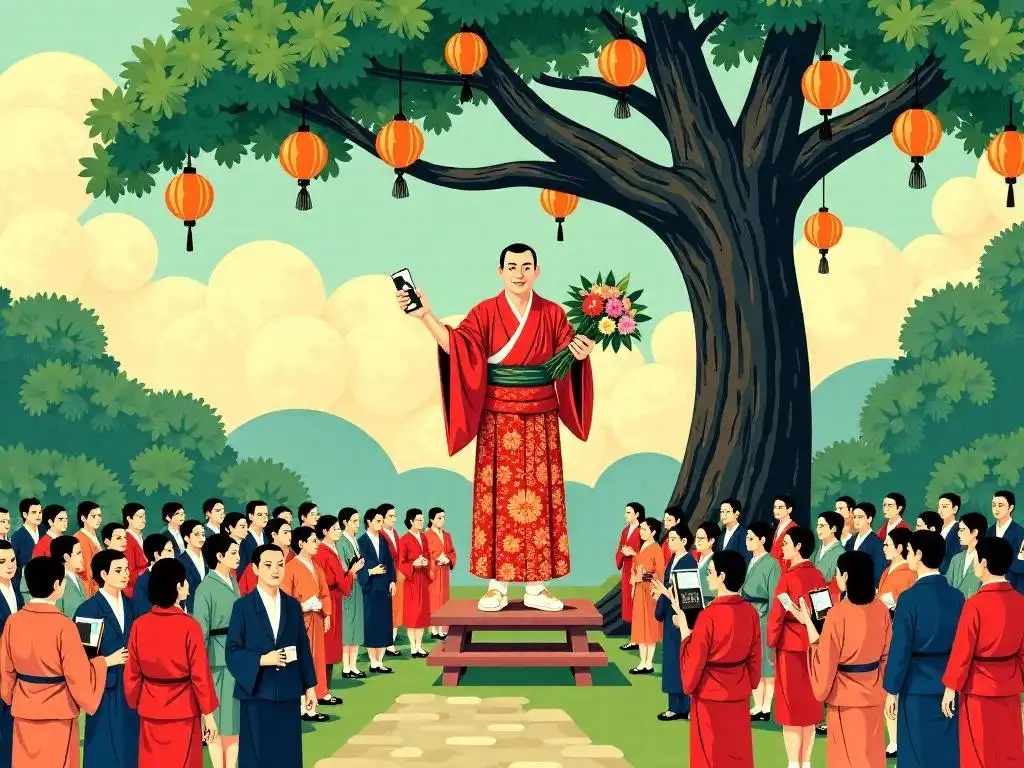
Welcome to Feudal Japan History, where we embark on a captivating journey through the rich tapestry of Japan's feudal era. Here, we delve into the profound impact of Buddhism on Japanese festivals, revealing how this spiritual tradition has shaped vibrant cultural celebrations throughout history. As you explore our in-depth articles, prepare to uncover the intricate connections between faith and festivity that have influenced Japan's societal fabric. Join us as we unveil the fascinating stories that lie at the heart of these time-honored traditions—your adventure into the past starts now!
Introduction to Buddhism and Japanese Culture
Buddhism has played a pivotal role in shaping the cultural and spiritual landscape of Japan. Its arrival in the 6th century marked the beginning of a profound transformation in various aspects of Japanese life, particularly in how festivals are celebrated. These vibrant events, deeply embedded in the fabric of Japanese society, often reflect Buddhist teachings and values, intertwining the spiritual with the celebratory. As we explore the influence of Buddhism on Japanese festivals, we will uncover the nuances of this relationship and understand how it has evolved through centuries of cultural exchange and adaptation.
Overview of Buddhism's Arrival in Japan
Buddhism was introduced to Japan from the Korean kingdom of Baekje in the mid-6th century. This introduction was not merely a religious event; it catalyzed significant shifts in Japanese society. Initially met with skepticism by the ruling powers, Buddhism gained traction and soon began to coexist with the indigenous Shinto beliefs. The establishment of temples and the patronage of the imperial family helped Buddhism spread rapidly, leading to the integration of its practices into various aspects of Japanese culture, including festivals.
Significance of Festivals in Japanese Society
Festivals, or matsuri, are an integral part of Japanese culture, serving as a means of community bonding, religious expression, and seasonal celebration. They often commemorate historical events, seasonal changes, or religious beliefs, with a rich tapestry of rituals, performances, and traditional foods. In Japan, festivals foster a sense of identity and continuity, allowing communities to come together and celebrate their heritage. As Buddhism took root, it infused many of these festivals with new meanings and practices, highlighting the religion's influence on societal values and communal life.
Understanding the Impact of Buddhism on Japanese Festivals
The impact of Buddhism on Japanese festivals can be seen in the way spiritual beliefs have shaped the themes, rituals, and practices embedded in these events. From the incorporation of Buddhist rituals to the reverence of deities, the influence is profound and multifaceted.
How Buddhism Shaped the Spiritual Landscape
Buddhism introduced a variety of spiritual concepts that significantly influenced the Japanese worldview. Ideas such as impermanence, karma, and enlightenment became integral to the collective consciousness. These concepts found their way into festivals, where they are expressed through various rituals and ceremonies. For instance, during the Obon festival, which honors deceased ancestors, the Buddhist belief in the afterlife is vividly reflected in the practices of welcoming and guiding spirits back to the world of the living. Such festivals serve as a reminder of the transient nature of life, a core tenet of Buddhist philosophy.
Key Buddhist Concepts Reflected in Festivals
Several key Buddhist concepts are mirrored in the celebrations of various Japanese festivals:
- Impermanence: This principle is evident in the fleeting nature of many festivals, such as the cherry blossom festivals ( hanami), which celebrate the transient beauty of cherry blossoms.
- Compassion: Festivals like Jizo Matsuri, dedicated to the bodhisattva Jizo, reflect the Buddhist value of compassion towards all beings, especially children and travelers.
- Community and Interconnectedness: Many festivals include communal activities and rituals that emphasize the importance of community support and harmony, echoing Buddhist teachings on interdependence.
The fusion of these beliefs with traditional practices underscores the deep-rooted impact of Buddhism on Japanese festivals, creating a rich cultural tapestry that continues to evolve today.
Major Japanese Festivals Influenced by Buddhism
Japan's rich tapestry of cultural festivals is deeply intertwined with its religious practices, particularly Buddhism. Many festivals celebrate not only seasonal changes and agricultural cycles but also reflect Buddhist teachings and beliefs. Here are some key festivals that showcase the significant impact of Buddhism on Japanese culture:
The Gion Matsuri: A Fusion of Shinto and Buddhist Traditions
The Gion Matsuri, held annually in July in Kyoto, is one of Japan's most famous festivals and exemplifies the blend of Shinto and Buddhist traditions. Originally initiated in the 9th century as a purification ritual to appease the gods during an epidemic, the festival has evolved to include numerous Buddhist elements.
During Gion Matsuri, elaborate floats known as "yamaboko" parade through the streets, each adorned with beautiful tapestries and representing different districts of Kyoto. While the festival retains its Shinto roots, Buddhist motifs can be seen in the rituals performed, such as prayers for the deceased and offerings made to Buddhist deities. The festival culminates with the Yamaboko Junko, where these floats are paraded, symbolizing a spiritual connection between the people, the gods, and the Buddhist faith.
Obon Festival: Honoring Ancestors and Buddhist Influences
The Obon Festival, celebrated in mid-August, is a significant occasion for honoring the spirits of ancestors, rooted deeply in Buddhist teachings about the afterlife. This festival reflects the belief that during Obon, the spirits of ancestors return to the earthly realm to visit their families.
Traditions during Obon include the lighting of lanterns to guide ancestral spirits home and the performance of Bon Odori dances, which often incorporate Buddhist themes of remembrance and reverence for the deceased. Temples play a vital role during this time, where rituals such as memorial services are conducted to honor those who have passed away. The impact of Buddhism is evident in the way families gather to express gratitude and seek blessings from their ancestors.
Jidai Matsuri: Celebrating Historical Eras through Buddhism
The Jidai Matsuri, held annually on October 22 in Kyoto, is a festival that celebrates the historical eras of Japan, showcasing the influence of Buddhism through its representation of various periods in Japanese history. Initiated in 1895, the festival features a grand procession of people dressed in costumes that reflect different historical periods, from the Heian to the Edo eras.
Buddhism's impact can be seen in the way certain eras emphasize the importance of Buddhist figures and practices. For instance, participants may don costumes representing famous Buddhist monks or historical figures who contributed to the spread of Buddhism in Japan. Temples often play a central role in the festival, serving as venues for ceremonial activities and prayers, thus reinforcing the connection between Japan's rich history and its Buddhist heritage.
Rituals and Practices: The Intersection of Buddhism and Festivals
Buddhism's influence on Japanese festivals is not limited to the festivals themselves but is also reflected in the rituals and practices observed during these celebrations. The integration of Buddhist principles enhances the spiritual significance of these events.
Common Buddhist Rituals Observed During Festivals
Many Japanese festivals incorporate specific Buddhist rituals that deepen the spiritual experience for participants. Common practices include:
- Chanting sutras: Monks often chant Buddhist texts during festivals, inviting blessings and protection for attendees.
- Offerings at altars: Families and participants make offerings of food, flowers, and incense at Buddhist altars, demonstrating respect and devotion.
- Light and fire rituals: Lighting lanterns or bonfires symbolizes illuminating the path for spirits, a practice rooted in Buddhist beliefs about guiding the deceased.
These rituals create a serene environment, allowing participants to reflect on life, death, and the interconnectedness of all beings.
The Role of Monks and Temples in Festival Celebrations
Monks and temples are integral to the celebration of Buddhist-influenced festivals in Japan. Monks often lead rituals, offering spiritual guidance and conducting ceremonies that align with Buddhist teachings. Temples serve as focal points for community gatherings, acting as venues for various activities, from prayer services to cultural performances.
During festivals, temples may also host special events, such as meditation sessions and workshops, allowing attendees to engage with Buddhist teachings actively. This involvement of monks and temples reinforces the community's bond with Buddhism, enhancing the overall experience of the festival and ensuring that the teachings and traditions are passed down through generations.
The influence of Buddhism on Japanese festivals is profound and multifaceted, shaping the way these events are celebrated and experienced across the country.
Case Studies: Specific Festivals and Their Buddhist Elements
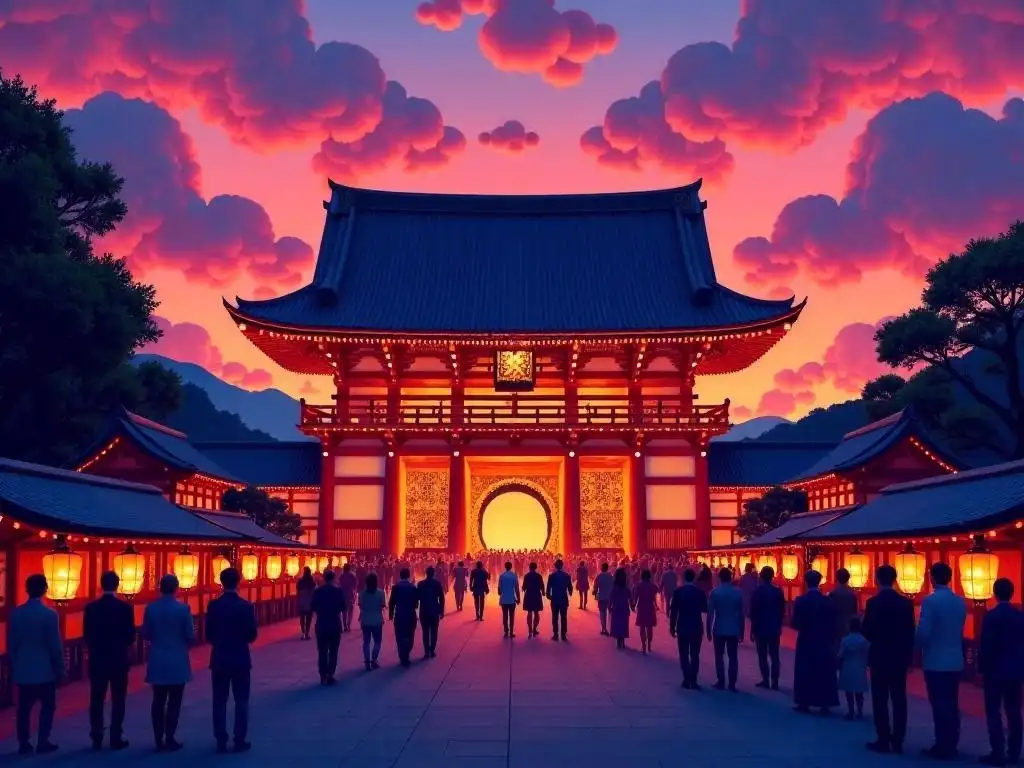
Japanese festivals, or matsuri, are vibrant events that showcase the rich traditions and spiritual beliefs of the country. Many of these celebrations have roots in Buddhism, influencing their rituals, symbols, and practices. This section explores specific festivals that highlight the impact of Buddhism on Japanese culture, revealing how these traditions have evolved over time.
Aoi Matsuri and Its Buddhist Origins
Aoi Matsuri, held annually in Kyoto, is one of Japan's oldest and most significant festivals, tracing its origins back to the Heian period (794-1185). While primarily associated with Shinto practices, the festival also incorporates essential Buddhist elements that reflect the syncretic nature of Japanese spirituality.
The festival's name, which translates to "Hollyhock Festival," is derived from the hollyhock leaves worn by participants during the procession. The procession itself, featuring elegant costumes and traditional rituals, is believed to invoke blessings from the deities.
Interestingly, Aoi Matsuri has been influenced by Buddhist practices, particularly through the incorporation of rituals aimed at ensuring a good harvest and protecting the region from disasters. The blend of Shinto and Buddhist elements in this festival exemplifies the coexistence of these two faiths throughout Japanese history.
Sanja Matsuri: A Study of Syncretism
Sanja Matsuri, celebrated in Asakusa, Tokyo, is a prime example of the syncretism between Shinto and Buddhism. This festival honors the three founders of Senso-ji, Tokyo's oldest temple, which is a Buddhist site. The event takes place annually in May and attracts millions of visitors who participate in various activities, including parades, traditional music, and the carrying of portable shrines, known as mikoshi.
The festival's deep-rooted Buddhist connections are evident in the rituals performed, which include offerings and prayers to the deities enshrined in Senso-ji. The blending of Shinto practices, such as purification rituals, with Buddhist elements highlights the historical intertwining of these two religions in Japan. This harmonious coexistence is a testament to the adaptability of religious practices and their capacity to influence cultural celebrations.
Kanda Matsuri: The Buddhist Connection
Kanda Matsuri, held in Tokyo during odd-numbered years, is another festival rich with Buddhist heritage. This festival honors the Kanda Myojin shrine, which is dedicated to the deities of agriculture and prosperity, as well as the Buddhist goddess Kannon.
The festival features vibrant processions, traditional music, and the carrying of mikoshi, symbolizing the presence of deities among the people. The connection to Buddhism is particularly pronounced through the rituals performed to seek blessings for a bountiful harvest and protection from calamities. Participants often engage in prayers and offerings to both Shinto and Buddhist deities, showcasing the fusion of these religious beliefs.
Kanda Matsuri exemplifies how Buddhist influences shape the narrative of Japanese festivals, reflecting a cultural landscape where multiple spiritual traditions coexist and enrich one another.
Contemporary Relevance of Buddhist Influence on Modern Festivals
The influence of Buddhism on Japanese festivals has not diminished over time; rather, it has evolved, adapting to contemporary societal changes while preserving traditional elements. This section discusses how modern festivals reflect Buddhist traditions and the role of tourism in maintaining these cultural practices.
Evolution of Buddhist Festivals in Modern Japan
In modern Japan, Buddhist festivals have undergone significant transformations, often incorporating contemporary elements while retaining their spiritual essence. Many festivals now feature performances, food stalls, and entertainment, attracting a diverse audience beyond the traditional faithful.
However, the core rituals and practices often remain rooted in Buddhist teachings, emphasizing themes of compassion, gratitude, and community. Events such as Obon, a festival honoring deceased ancestors, continue to reflect the Buddhist belief in the interconnectedness of life and death, showcasing how these ancient traditions have adapted to resonate with the current generation.
Moreover, the rise of mindfulness and spirituality in contemporary society has led to increased interest in Buddhist practices, further enriching the experience of modern festivals. This evolution highlights the dynamic nature of cultural traditions and their ability to engage new audiences.
The Role of Tourism in Preserving Buddhist Festival Traditions
Tourism plays a pivotal role in preserving and promoting Buddhist festival traditions in Japan. As festivals attract both domestic and international visitors, they provide a platform for cultural exchange and awareness. Tourists are often drawn to the unique experiences offered by these festivals, leading to increased interest in the underlying Buddhist practices.
Furthermore, local communities recognize the economic benefits of tourism, which encourages them to maintain and even revitalize traditional practices. Many festivals now include guided tours and educational programs that delve into the historical and spiritual significance of the rituals, ensuring that the essence of Buddhism is communicated effectively.
The impact of Buddhism on Japanese festivals is profound and enduring. These celebrations not only honor spiritual beliefs but also foster community engagement and cultural preservation, ensuring that the rich tapestry of Japan's feudal history continues to thrive in modern society.
Conclusion: The Lasting Legacy of Buddhism on Japanese Festivals
The influence of Buddhism on Japanese festivals is profound and multifaceted, shaping not only the rituals and celebrations but also the underlying philosophies that guide these events. As Buddhism intermingled with indigenous Shinto practices, it fostered a unique cultural landscape where festivals became a medium for spiritual expression, community bonding, and the celebration of seasonal changes.
The lasting legacy of Buddhism can be seen in the themes of compassion, mindfulness, and the reverence for nature that permeate many Japanese festivals today. This synthesis of beliefs has not only enriched the cultural heritage of Japan but also created a vibrant tapestry of celebrations that continue to attract both locals and tourists alike.
Summary of Key Influences
Buddhism's impact on Japanese festivals can be summarized through several key influences:
- Integration of Buddhist Rituals: Many festivals, such as Obon, incorporate Buddhist rituals that honor ancestral spirits, reflecting the religion's focus on the cycle of life and death.
- Seasonal Celebrations: Festivals often coincide with important Buddhist dates, such as Buddha's birthday, integrating seasonal change with spiritual reflection.
- Artistic Expression: Buddhist aesthetics influence festival decorations, performances, and rituals, showcasing intricate art forms like lantern making and temple architecture.
- Community and Compassion: Many festivals promote communal harmony and compassion, values deeply rooted in Buddhist teachings, encouraging collective participation and support.
These influences highlight how Buddhism has woven itself into the fabric of Japanese culture, making festivals a profound expression of spirituality and community.
Future Trends in Buddhist Festivals in Japan
As Japan navigates the complexities of modernity and globalization, the future trends in Buddhist festivals are likely to evolve while still honoring traditional practices. Some anticipated trends include:
- Increased Global Participation: With the rise of international tourism, festivals may adopt more inclusive practices, inviting global participation and sharing Buddhist teachings with a broader audience.
- Sustainability Initiatives: Growing awareness of environmental issues may lead festivals to implement sustainable practices, reflecting Buddhist values of respect for nature and mindfulness about consumption.
- Digital Engagement: Festivals may leverage technology, offering virtual experiences that allow people to engage with Buddhist traditions from afar, thereby preserving cultural heritage in a digital age.
- Cultural Fusion: As various cultures interconnect, we may witness innovative blends of Buddhist practices with contemporary art, music, and performance, enriching the festival experience and attracting younger audiences.
These trends suggest that while the essence of Buddhist festivals remains rooted in tradition, they will continue to adapt and thrive in a changing world.
Additional Resources for Exploring Buddhism and Japanese Festivals
For those interested in delving deeper into the relationship between Buddhism and Japanese festivals, several resources can enhance understanding and provide valuable insights.
Recommended Books on Buddhism and Japanese Culture
-
"Buddhism in Japan: A Cultural History" by William Bodiford
This book offers a comprehensive overview of the evolution of Buddhism in Japan, touching on its influence on cultural practices, including festivals.
-
"Spirit of the Seasons: The Japanese Festivals" by John K. Wright
Wright’s work examines the various seasonal festivals in Japan, highlighting the Buddhist elements that shape these celebrations.
-
"Japanese Festivals: A Guide to the Best Events" by Timothy S. O'Connell
This guide provides detailed accounts of major Japanese festivals, offering context about the Buddhist practices involved.
Useful Websites for Planning Festival Visits in Japan
-
Japan National Tourism Organization (JNTO)
A great resource for information on festivals across Japan, including dates, locations, and cultural significance.
-
Buddhist Temples of Japan
This site offers insights into various temples that host festivals, providing visitors with historical context and practical information.
-
Festivals of Japan
A dedicated website that lists festivals by region, complete with descriptions of their Buddhist connections and tips for travelers.
By exploring these resources, individuals can gain a richer understanding of the intricate ties between Buddhism and Japan’s vibrant festival culture, enhancing their travel experiences and appreciation for this unique heritage.
Call to Action: Experience Japanese Festivals Firsthand
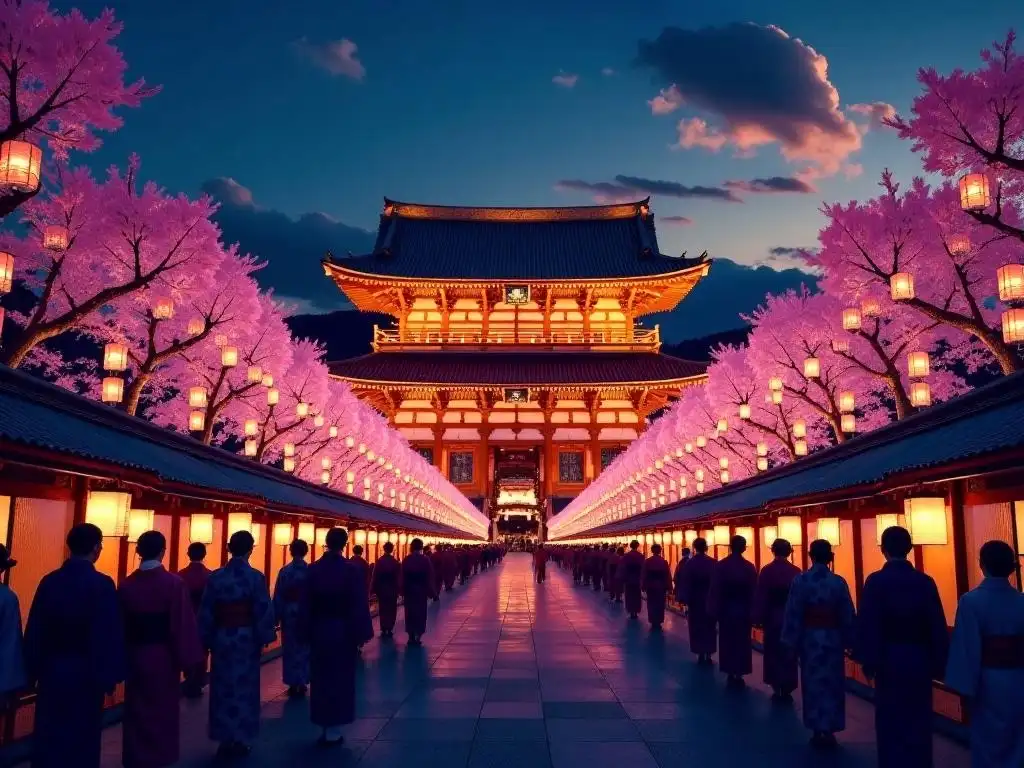
Embarking on a journey to witness the vibrant festivals of Japan offers an unparalleled opportunity to experience the rich tapestry of culture and spirituality that Buddhism has woven into the fabric of Japanese society. From the stunning visuals of colorful floats to the serene beauty of temple ceremonies, each festival encapsulates centuries of tradition and religious significance. Engaging with these festivals not only allows you to appreciate the artistic and spiritual expressions of the Japanese people but also provides a deeper understanding of how Buddhism has influenced these communal celebrations.
Imagine standing among thousands of participants during the Gion Matsuri in Kyoto, where the streets come alive with processions and rituals deeply rooted in Buddhist practices. Or perhaps you would prefer the tranquil ambiance of the Obon festival, where families honor their ancestors through dance and offerings, showcasing the profound impact of Buddhism on ancestral reverence in Japanese culture. Whether you are a history enthusiast, cultural explorer, or simply seeking a unique travel experience, immersing yourself in these festivals will leave you with lasting memories and insights.
Suggested Tours and Cultural Experiences
To enhance your appreciation of Japanese festivals influenced by Buddhism, consider the following tours and cultural experiences:
- Guided Festival Tours: Join a specialized tour that focuses on major Buddhist festivals across Japan, such as:
- Gion Matsuri in Kyoto: Experience the grandeur of the floats and the rituals that honor the deities.
- Obon Festival: Participate in local celebrations and learn about the significance of honoring ancestors.
- Temple Visits: Explore famous Buddhist temples during festival seasons. Engage in guided meditations and traditional ceremonies. Notable temples include:
- Kinkaku-ji (Golden Pavilion): Witness the serene rituals that take place during the seasonal festivals.
- Todai-ji Temple: Attend special events that highlight the temple’s historical connection to Buddhism.
- Cultural Workshops: Participate in hands-on workshops that teach traditional Japanese arts often showcased during festivals, such as:
- Kimono Wearing: Experience wearing a kimono while attending a festival.
- Ikebana (Flower Arrangement): Learn the art of arranging flowers, which plays a role in festival decorations.
Links to Festival Schedules and Information
Stay informed about upcoming festivals and events by checking these reliable resources:
- Local Tourism Boards: Visit the official tourism websites of cities like Kyoto, Nara, and Tokyo for detailed festival schedules and guidelines.
- Cultural Event Calendars: Websites dedicated to cultural events in Japan often provide up-to-date information on festival dates, locations, and ticketing.
- Social Media Platforms: Follow local festival organizers or cultural groups on platforms like Instagram and Facebook for real-time updates and community insights.
For a comprehensive experience, consider downloading festival apps that provide schedules, maps, and insider tips to enhance your visit. This way, you can fully engage with the rich cultural heritage that Buddhism has bestowed upon Japan’s festive landscape.
- Introduction to Buddhism and Japanese Culture
- Understanding the Impact of Buddhism on Japanese Festivals
- Major Japanese Festivals Influenced by Buddhism
- Rituals and Practices: The Intersection of Buddhism and Festivals
- Case Studies: Specific Festivals and Their Buddhist Elements
- Contemporary Relevance of Buddhist Influence on Modern Festivals
- Conclusion: The Lasting Legacy of Buddhism on Japanese Festivals
- Additional Resources for Exploring Buddhism and Japanese Festivals
- Call to Action: Experience Japanese Festivals Firsthand
- Suggested Tours and Cultural Experiences
- Links to Festival Schedules and Information
- What is the primary influence of Buddhism on Japanese festivals?
- How did Buddhism integrate with Shinto practices in festivals?
- Can you give examples of festivals influenced by Buddhism?
- What role do Buddhist rituals play in these festivals?
- How has the influence of Buddhism on festivals evolved over time?
Frequently Asked Questions
What is the primary influence of Buddhism on Japanese festivals?
Buddhism has significantly shaped Japanese festivals by introducing spiritual elements and practices, enhancing the cultural richness and ritual significance of these events.
How did Buddhism integrate with Shinto practices in festivals?
Buddhism often blended with Shinto traditions, resulting in unique festivals that celebrate both religious beliefs, showcasing a harmonious coexistence of the two faiths.
Can you give examples of festivals influenced by Buddhism?
Notable festivals such as Obon and Jizo Matsuri highlight the impact of Buddhism, focusing on honoring the deceased and paying respect to the Buddhist deities.
What role do Buddhist rituals play in these festivals?
Buddhist rituals, such as prayers and offerings, are crucial components of many festivals, promoting a sense of community and spiritual connection among participants.
How has the influence of Buddhism on festivals evolved over time?
The influence of Buddhism on Japanese festivals has evolved, adapting to modern values while still preserving traditional practices, reflecting changes in societal beliefs and cultural identity.
Final Reflection: The Enduring Legacy of Buddhism on Japanese Festivals
The intricate relationship between Buddhism and Japanese festivals continues to shape cultural identities and community bonds in contemporary society. As we explore the profound impact of Buddhism on these vibrant celebrations, it becomes evident that the teachings and traditions rooted in this ancient philosophy remain relevant, fostering a sense of unity and spiritual connection among people today. The essence of these festivals transcends mere celebration; they serve as a reminder of the values and beliefs that guide us through life's complexities.
Cultural practices are not static; they evolve while retaining their core essence. The influence of Buddhism on Japanese festivals is a testament to the adaptability of traditions that resonate deeply with the human experience. As we witness the blending of ancient rituals with modern expressions, we are reminded of the words of the Zen master D.T. Suzuki: Buddhism is not a religion; it is a way of life.
This perspective invites us to reflect on how these festivals not only honor historical beliefs but also encourage mindfulness, compassion, and community engagement in our fast-paced world.
As you contemplate the themes presented in this article, I encourage you to embrace the lessons of Buddhism in your own life. Consider how the values celebrated during these festivals—such as gratitude, harmony, and interconnectedness—can inspire your daily actions and interactions. Let the spirit of these celebrations guide you in fostering deeper connections with those around you, and may you find joy in the shared experiences that enrich our lives. Together, we can carry forward the legacy of Buddhism, ensuring its teachings continue to illuminate our paths for generations to come.
Embrace the Spirit of Japanese Festivals!
Thank you for exploring the captivating relationship between Buddhism and Japanese festivals with us! We hope you’ve uncovered insights that inspire you to deepen your understanding of these vibrant cultural celebrations. Now, it’s time to take your curiosity to the next level.
- Dive deeper into your local culture: Attend a Japanese festival in your area or participate in a community event that celebrates Asian traditions. Experience the energy and joy firsthand!
- Share your newfound knowledge: Discuss what you learned with friends or on social media, and raise awareness about the fascinating influence of Buddhism on these festivals.
- Join an online community: Connect with others who share your interest by participating in forums or social media groups focused on Japanese culture and traditions.
How do you think understanding cultural influences can enhance our appreciation of festivals in our own lives?