
The Fascinating History of Aoi Matsuri: Kyoto's Ancient Festival

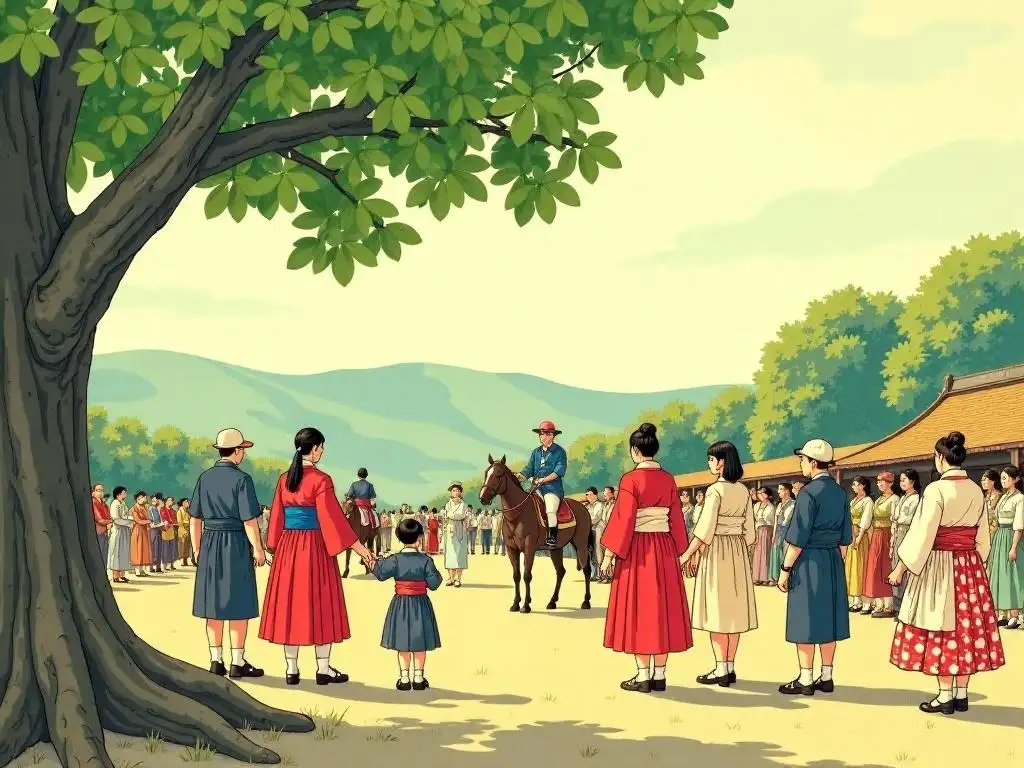
Welcome to Feudal Japan History, where we invite you to embark on a captivating journey through the intricate tapestry of Japan's feudal era. In our featured article, "The Fascinating History of Aoi Matsuri: Kyoto's Ancient Festival," you'll discover the rich cultural significance and the storied past behind one of Kyoto's most enchanting celebrations. Why does this festival continue to resonate through the ages, and what secrets lie within its traditions?
Dive deeper with us as we unveil the layers of history, culture, and society that shaped this remarkable event. Your adventure into the past begins now—let curiosity be your guide!
- The Aoi Matsuri Festival History: An Overview of Kyoto's Ancient Celebration
- Key Elements of the Aoi Matsuri Festival History
- The Impact of Aoi Matsuri on Kyoto's Tourism
- Modern Interpretations of Aoi Matsuri
- Frequently Asked Questions
- Final Reflection: Embracing the Legacy of Aoi Matsuri
- Embrace the Spirit of Aoi Matsuri Today!
The Aoi Matsuri Festival History: An Overview of Kyoto's Ancient Celebration
The Aoi Matsuri, one of the most celebrated festivals in Kyoto, offers a captivating glimpse into Japan's rich cultural tapestry and historical legacy. This ancient festival, characterized by its vibrant processions and traditional attire, is a significant event in the Japanese calendar, drawing both locals and tourists alike.
Delving into the history of the Aoi Matsuri reveals not only its origins but also its evolution through the centuries, showcasing how it has been preserved as a vital expression of Kyoto's cultural heritage. In this article, we will explore the various facets of the Aoi Matsuri, including its definition, historical background, and cultural significance, providing a comprehensive understanding of this remarkable festival.
What is Aoi Matsuri?
The Aoi Matsuri, which translates to "Hollyhock Festival," is an annual event held on May 15th in Kyoto, Japan. The festival is renowned for its distinctive features, including:
- The Procession: The highlight of the Aoi Matsuri is a grand procession that features participants dressed in the traditional attire of the Heian period (794-1185). This includes elegantly styled clothing, adorned with hollyhock leaves, which are considered sacred.
- The Shrine Rituals: The festival is deeply rooted in Shinto beliefs, with rituals performed at the Kamigamo and Shimogamo shrines. These rituals are intended to pray for a bountiful harvest and to ward off misfortunes.
- Cultural Activities: In addition to the procession, various cultural activities such as traditional music and dance are performed, enriching the festival experience.
Overall, the Aoi Matsuri serves as a vibrant celebration of Kyoto's history and culture, attracting visitors eager to witness its unique charm and significance.
Historical Background of the Aoi Matsuri
The origins of the Aoi Matsuri can be traced back to the 7th century, making it one of the oldest festivals in Japan. It is believed to have begun as a ritual to appease the gods and ensure a good harvest. Key points in its history include:
- Heian Period (794-1185): During this era, the Aoi Matsuri evolved into a formalized festival, with the first recorded celebration taking place in 794. The festival was closely linked to the imperial court, reflecting the political and social dynamics of the time.
- Edo Period (1603-1868): The Aoi Matsuri gained popularity and became a symbol of Kyoto's cultural identity. It was during this period that the festival took on its current form, with the procession becoming a central feature.
- Restoration and Preservation: In the 20th century, efforts were made to restore and preserve the Aoi Matsuri, ensuring that it remains a vital part of Kyoto's cultural landscape.
Through these historical transitions, the Aoi Matsuri has maintained its relevance, continuing to engage and inspire new generations.
Cultural Significance of Aoi Matsuri
The Aoi Matsuri holds profound cultural significance, representing the harmony between nature, tradition, and spirituality. Its impact can be observed in various aspects:
- Cultural Heritage: The festival is a testament to Kyoto's rich cultural heritage, showcasing traditional clothing, music, and rituals that have been preserved over centuries.
- Community Engagement: The Aoi Matsuri fosters a sense of community, bringing together residents and visitors in a shared celebration of history and culture. It encourages local participation, enhancing communal bonds.
- Tourism and Economy: As one of Kyoto's major festivals, the Aoi Matsuri plays a crucial role in promoting tourism, attracting thousands of visitors each year. This influx benefits local businesses and supports the economy.
Overall, the Aoi Matsuri is not just a festival; it is a vibrant expression of Kyoto's identity and a celebration of its enduring cultural legacy.
Key Elements of the Aoi Matsuri Festival History
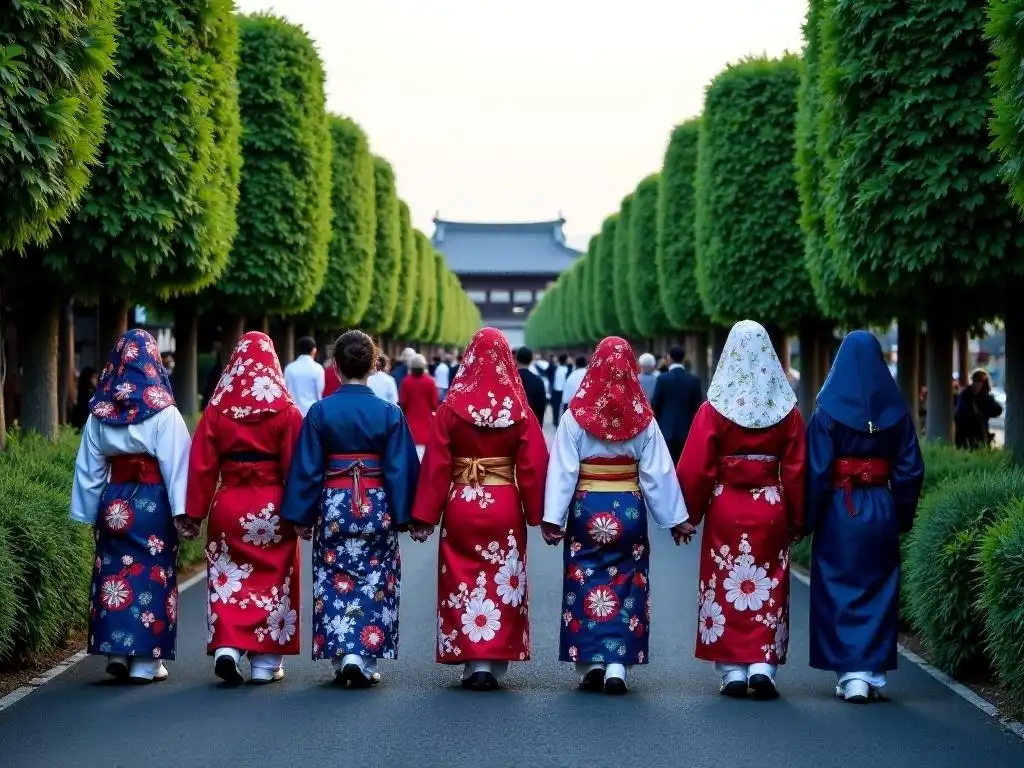
The Aoi Matsuri, one of Kyoto's three main festivals, possesses a rich history that intertwines with the cultural and spiritual fabric of Japan. Celebrated annually on May 15th, this festival honors the deities of the Kamo Shrine and showcases the ancient traditions that date back to the Heian period (794-1185). The festival's name, which translates to "Hollyhock Festival," is derived from the hollyhock leaves that are prominently featured in the ceremonies and decorations.
The Aoi Matsuri is not only a visual spectacle but also a reflection of Japan's feudal society, where the aristocracy played a crucial role in the culture of the time. It is believed that the festival was initially established to pray for a good harvest, prosperity, and the well-being of the imperial family. As such, the festival serves as a bridge connecting the past with the present, highlighting Japan's enduring traditions.
Traditional Attire in Aoi Matsuri
The traditional attire worn during the Aoi Matsuri is one of the festival's most captivating aspects. Participants don garments that reflect the Heian period's court fashion, emphasizing the historical significance of the event.
- For Women:
- Juni-hitoe (十二単): This is a multi-layered kimono worn by noblewomen, characterized by its vibrant colors and intricate patterns. The layering symbolizes status and elegance.
- Hollyhock Decorations: Women adorn their attire with hollyhock leaves, which are not only decorative but also hold spiritual significance, believed to ward off evil spirits.
- For Men:
- Hō (直衣): A traditional garment worn by men, typically made of silk, that reflects the simplicity and elegance of the era.
- Hakama (袴): Trousers worn over the hō, usually in subdued colors, enhancing the overall formal appearance.
The attention to detail in the attire underscores the festival's connection to Japan's aesthetic values. Each piece of clothing is carefully selected to honor the historical context of the celebration, creating a sense of authenticity and reverence.
Rituals and Ceremonies of Aoi Matsuri
The rituals and ceremonies of the Aoi Matsuri are deeply rooted in Shinto beliefs, reflecting the spiritual essence of the festival. These ceremonies are conducted to appease the deities and ensure blessings for the community.
- Purification Rituals:
- Before the procession, participants engage in purification rituals, including the use of water and salt to cleanse themselves spiritually. This practice is essential in Shinto for ensuring that the offerings are pure and acceptable to the gods.
- Offerings to Deities:
- Offerings of rice, sake, and other foods are made at the Kamo Shrine. These offerings symbolize gratitude and the hope for good fortune.
- Procession Ritual:
- The procession itself is a ceremonial act, where participants walk from the Imperial Palace to the Kamo Shrine. The route is lined with spectators who come to witness this extraordinary event.
The rituals performed during the Aoi Matsuri not only honor the deities but also reinforce community bonds, as everyone comes together to celebrate the cultural heritage of Kyoto.
The Procession of Aoi Matsuri
The procession of the Aoi Matsuri is a grand display of historical pageantry, featuring a meticulously organized parade that captures the essence of feudal Japan.
-
Route and Participants:
The procession begins at the Kyoto Imperial Palace and concludes at the Kamo Shrine, covering approximately 8 kilometers. Participants include:
- Imperial Envoys: Dressed in traditional attire, they symbolize the connection between the imperial family and the deities.
- Horsemen: Riders, often dressed as noble warriors, lead the parade, showcasing the martial heritage of the era.
- Mikoshi Carriers: The portable shrines, or mikoshi, are carried by participants to transport the deities, emphasizing their presence during the festival.
-
Significance of the Procession:
The procession serves as a moving representation of Kyoto's historical significance, inviting both locals and tourists to engage with the rich traditions of the past. The rhythmic cadence of the participants, accompanied by traditional music, creates an immersive experience that resonates with the audience.
The Aoi Matsuri procession not only highlights the visual splendor of the festival but also embodies the collective memory of Kyoto, preserving its cultural identity through the ages.
The Impact of Aoi Matsuri on Kyoto's Tourism
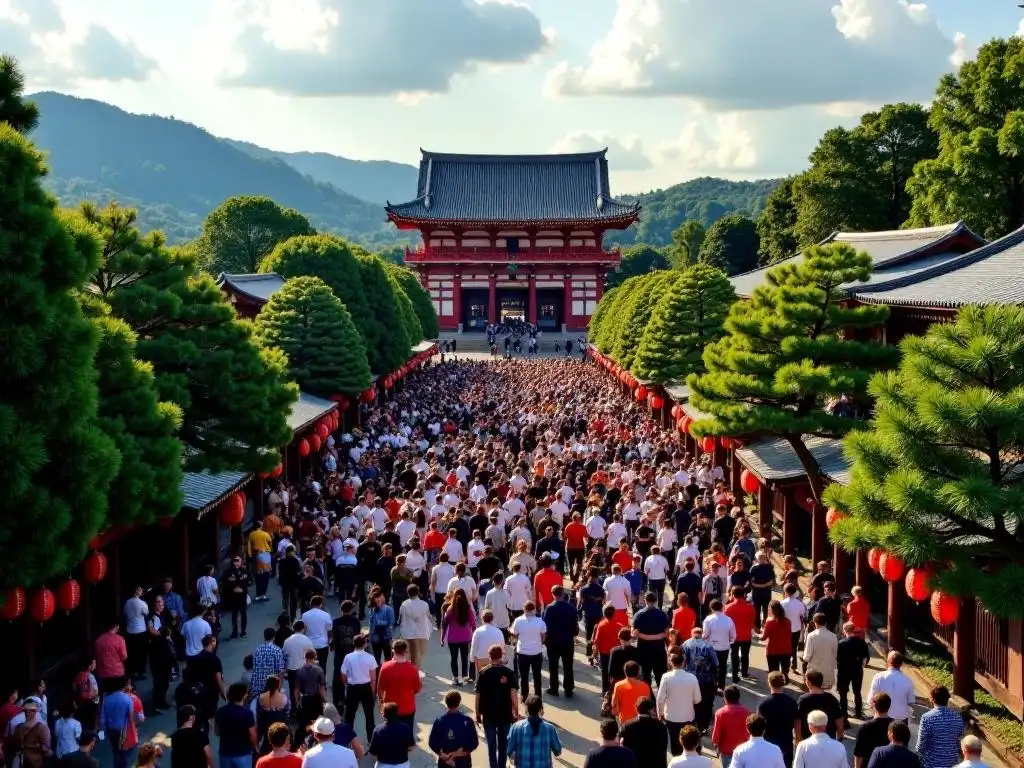
The Aoi Matsuri, held annually in Kyoto, is not just a vibrant celebration of ancient traditions; it has also become a cornerstone of cultural tourism in the city. This festival, which dates back over a millennium, attracts thousands of visitors both locally and internationally, significantly contributing to the region's economy and cultural heritage.
Aoi Matsuri's Role in Kyoto's Cultural Tourism
The Aoi Matsuri festival is renowned for its stunning reenactments of Heian-period traditions, featuring elaborate costumes and ceremonial processions. This unique representation of Japan's historical past captivates tourists, providing them with an immersive experience steeped in culture. The festival typically draws around 100,000 spectators each year, showcasing Kyoto's allure as a cultural hub.
Economic Contributions
The influx of visitors during the Aoi Matsuri generates substantial economic benefits for Kyoto. Local businesses, including hotels, restaurants, and shops, experience a significant boost in sales. For example, hotels often report occupancy rates nearing 100% during the festival, while restaurants see increases in both foot traffic and revenue. This economic impact extends beyond the immediate festival dates, as many visitors choose to explore other attractions in Kyoto, further enhancing the local economy.
Cultural Preservation
The festival also plays a vital role in the preservation of traditional Japanese culture. By engaging younger generations and tourists alike, the Aoi Matsuri fosters a greater appreciation for Japan's historical narratives and customs. The intricate rituals and practices observed during the festival encourage the transmission of knowledge about traditional crafts, music, and dance, ensuring that these cultural elements are not lost to time.
Community Involvement
Local communities actively participate in the Aoi Matsuri, taking on roles that range from performers to organizers. This involvement strengthens community ties and fosters a sense of pride in cultural heritage. It also offers opportunities for cultural exchange, as locals share their knowledge and stories with visitors, enriching the overall experience for tourists.
Tips for Visiting Aoi Matsuri
Visiting the Aoi Matsuri can be a memorable experience, but preparation is key to fully enjoying the festivities. Here are some practical tips for tourists:
- Plan Ahead: The festival usually takes place on May 15th. It’s advisable to check the event schedule and plan your visit in advance to secure accommodations and avoid last-minute hassles.
- Dress Appropriately: Traditional Japanese attire adds to the experience. Consider wearing a yukata or jinbei to immerse yourself in the cultural atmosphere. Comfortable shoes are also a must, as you may be walking long distances to view the procession.
- Arrive Early: To get a good spot along the parade route, arrive early. The procession starts at the Kyoto Imperial Palace and ends at the Shimogamo Shrine, offering several vantage points along the way.
- Engage with Locals: Take the time to talk to local participants and vendors. Their stories and insights can provide a richer understanding of the festival’s significance.
- Explore Beyond the Festival: While the Aoi Matsuri is a highlight, don’t miss the chance to explore Kyoto’s other historical sites, such as Kinkaku-ji (Golden Pavilion), Fushimi Inari Taisha, and the Arashiyama Bamboo Grove.
By taking these steps, visitors can enhance their experience of the Aoi Matsuri, ensuring that their journey through Kyoto’s cultural landscape is both enjoyable and enriching.
Modern Interpretations of Aoi Matsuri
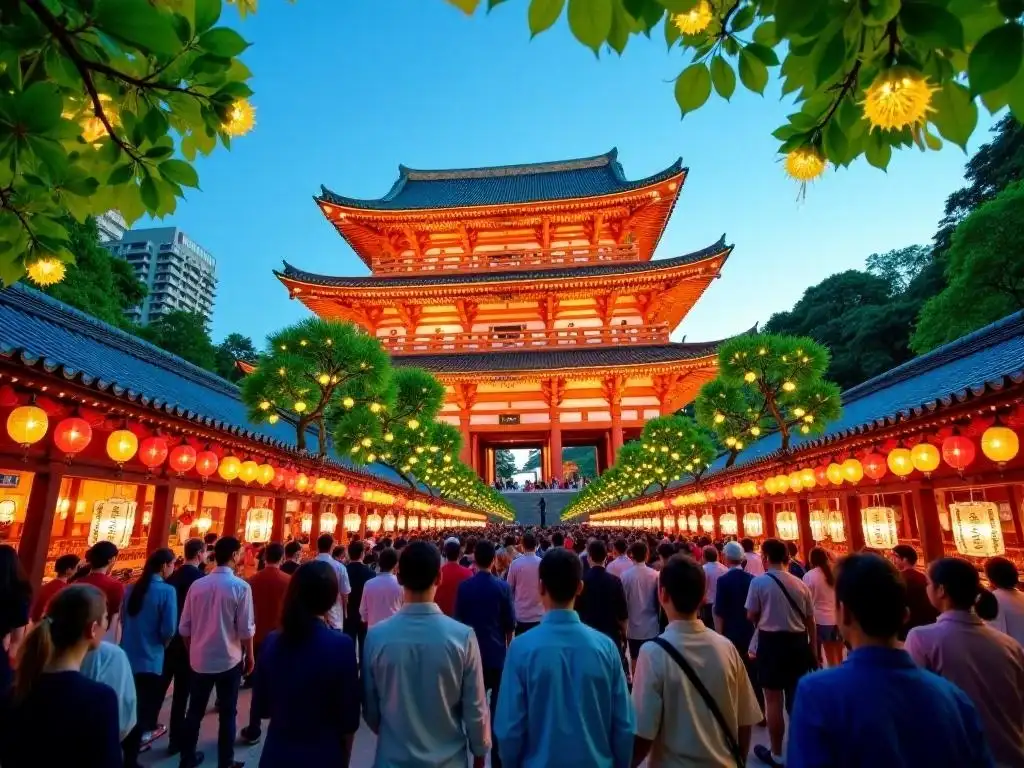
In the modern era, the Aoi Matsuri festival has evolved while still retaining its historical and cultural significance. This annual event, which takes place on May 15th, is now a blend of traditional practices and contemporary influences, making it accessible and engaging for both locals and tourists.
The festival, which dates back to the Heian period, showcases the rich heritage of Kyoto through a series of ceremonies, processions, and rituals that reflect the spirit of ancient Japan. Today, the Aoi Matsuri serves not only as a commemoration of its historical roots but also as a celebration of community and identity in a rapidly changing society.
Contemporary Celebrations of Aoi Matsuri
Contemporary celebrations of the Aoi Matsuri have expanded to include various activities and events that attract a diverse audience. Some key aspects of modern celebrations include:
- Procession of the Aoi Matsuri: The highlight of the festival remains the grand procession, which features participants dressed in exquisite Heian-era costumes. The procession travels from the Kyoto Imperial Palace to the Kamo Shrines, symbolizing the connection between the past and present.
- Costumes: Participants wear traditional garments adorned with hollyhock leaves, which are emblematic of the festival. The attention to detail in these costumes allows for a visually stunning experience that captivates spectators.
- Horseback Riders: A notable feature of the procession is the horseback riders, who represent the historical significance of the samurai class and their role in the feudal era of Japan.
- Cultural Workshops and Activities: Modern interpretations of the festival also include workshops that teach traditional crafts, such as kimono making and calligraphy, allowing attendees to engage with Japanese culture firsthand.
- Food and Market Stalls: Local vendors set up stalls selling traditional Japanese food and crafts, creating a vibrant atmosphere that encourages communal participation and supports local artisans.
- Performances and Music: Contemporary Aoi Matsuri celebrations often feature live performances of traditional Japanese music and dance, enhancing the festive ambiance and providing entertainment for all ages.
The blending of these modern elements with traditional practices ensures that the Aoi Matsuri continues to thrive as a beloved cultural event in Kyoto, drawing visitors from around the world eager to experience its unique charm.
Aoi Matsuri in Popular Culture
The significance of the Aoi Matsuri extends beyond the realm of traditional celebrations and has found its way into popular culture. Various forms of media have embraced the festival, showcasing its rich history and vibrant atmosphere. Here are some notable examples:
- Film and Television: The Aoi Matsuri has been depicted in numerous Japanese films and television series, often highlighting the beauty of the procession and the historical context of the festival. These portrayals help to preserve the festival’s legacy while introducing it to new audiences.
- Literature: Authors have drawn inspiration from the Aoi Matsuri in their works, weaving the festival into narratives that explore themes of tradition, identity, and the passage of time. Such literary references contribute to the cultural discourse surrounding the festival and its importance in Japanese heritage.
- Art and Photography: Many artists and photographers capture the essence of the Aoi Matsuri through their works, creating visual representations that celebrate its beauty and significance. These artworks often serve as a means of promoting the festival and encouraging tourism.
- Social Media: In the digital age, the Aoi Matsuri has gained an online presence, with visitors sharing their experiences and photographs on social media platforms. This visibility not only enhances the festival's appeal but also fosters a sense of community among those who participate and celebrate its traditions.
The Aoi Matsuri festival history is not just a relic of the past; it is a dynamic celebration that continues to evolve. Through contemporary interpretations and representations in popular culture, the festival remains a vital part of Kyoto's identity, captivating the hearts of new generations while honoring its historical roots.
Frequently Asked Questions
What is the Aoi Matsuri festival?
The Aoi Matsuri is an ancient festival held in Kyoto, celebrated on May 15 each year. It features a grand procession that showcases historical costumes and traditions.
How did the Aoi Matsuri festival originate?
The festival dates back to the Heian period, specifically to the 6th century, when it was initiated to pray for a good harvest and ward off disasters.
What are the key features of the Aoi Matsuri?
Key features include the procession, where participants wear traditional attire, and the use of aoi leaves as symbols of protection and prosperity.
How is the Aoi Matsuri celebrated today?
Today, the Aoi Matsuri is celebrated with ceremonial rituals, parades, and various cultural performances that attract both locals and tourists.
Why is the Aoi Matsuri important to Japanese culture?
The festival is vital as it preserves historical traditions and reflects the cultural heritage of Kyoto, showcasing Japan’s rich history and spirituality.
Final Reflection: Embracing the Legacy of Aoi Matsuri
The Aoi Matsuri festival history is not just a tale from the past; it is a vibrant thread woven into the fabric of Kyoto's cultural identity. Today, as we navigate a world increasingly disconnected from its roots, the significance of this ancient festival resonates more than ever. The Aoi Matsuri serves as a reminder of the enduring power of tradition, showcasing how rituals can unite communities and preserve history in a rapidly changing society.
The influence of the Aoi Matsuri extends beyond its ceremonial aspects; it has become a symbol of Kyoto's rich heritage and a source of inspiration for countless artists, historians, and cultural enthusiasts. This festival encapsulates the essence of Japanese aesthetics and spirituality, bridging the gap between the past and the present. As the poet Matsuo Bashō once said, The journey itself is my home.
This sentiment echoes the idea that our cultural journeys, much like the procession of the Aoi Matsuri, are integral to our understanding of who we are and where we come from.
As you reflect on the Aoi Matsuri and its captivating history, consider how you can incorporate the lessons of tradition and community into your own life. Take a moment to appreciate the festivals and rituals that shape your own culture, and think about how you can honor and share these experiences with others.
By doing so, you contribute to the preservation of your heritage and foster a deeper connection with the world around you. Embrace the spirit of Aoi Matsuri and let it inspire you to celebrate your own history, creating a tapestry of shared experiences that enriches both your life and those of future generations.
Embrace the Spirit of Aoi Matsuri Today!
Thank you for exploring the captivating story of Aoi Matsuri! We hope you’ve gained a deeper appreciation for this ancient festival and its rich cultural significance. Now that you’re intrigued, it’s time to take the next steps to engage with this extraordinary tradition.
- Join a local festival or celebration inspired by Aoi Matsuri to experience the beauty and spirit firsthand!
- Share your insights about Aoi Matsuri on social media to spark conversation with friends and fellow history enthusiasts.
- Investigate other traditional festivals in Japan to discover how they relate to the themes of harmony and nature found in Aoi Matsuri.
What aspect of Aoi Matsuri fascinates you the most, and in what ways do you believe these traditions can influence contemporary cultural practices?