
The Role of Kimono in Japanese Festivals: Fashion Meets Tradition

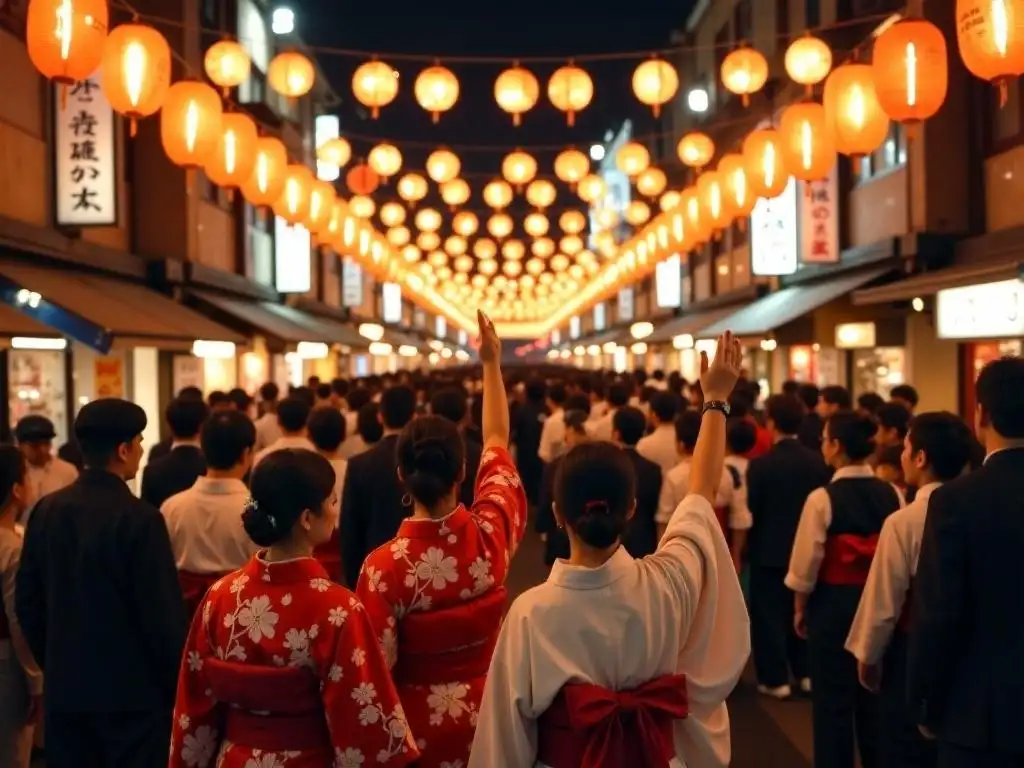
Welcome to Feudal Japan History! Step into a world where tradition intertwines seamlessly with fashion, as we delve into the significance of kimono in Japanese festivals. Here, you’ll uncover the vibrant stories behind this iconic garment, exploring how it not only adorns but also embodies the rich cultural heritage of Japan's feudal era. Curious about how these stunning fabrics have shaped celebrations throughout history? Join us on this captivating journey, and discover the intricate connections that make each festival a living testament to Japan's glorious past.
Introduction to Kimono Significance in Japanese Festivals
The kimono, a traditional garment that epitomizes Japanese culture, plays a pivotal role in the vibrant tapestry of Japanese festivals. With its intricate designs, rich colors, and symbolic motifs, the kimono is not merely a piece of clothing; it is a representation of history, identity, and artistry. Japanese festivals, or matsuri, are a celebration of both community and culture, and the kimono serves as a bridge between the past and present, embodying the values, beliefs, and aesthetics of Japanese society.
During festivals, the kimono transforms from everyday attire into a canvas of expression, reflecting the season, the occasion, and the wearer's personal story. From the ornate silk kimonos worn during formal ceremonies to the more practical yet stylish yukata worn in summer festivals, each garment tells a story about the cultural significance of the occasion. As we delve deeper into the role of kimono in Japanese festivals, we will explore how these traditional garments have evolved over time and continue to adapt to modern sensibilities while retaining their timeless charm.
The Evolution of Kimono Styles for Festivals
The evolution of kimono styles for festivals is a fascinating journey that mirrors Japan's historical and cultural transformations. The significance of the kimono in various festivals can be traced back to the Heian period (794-1185), where it was primarily used as ceremonial attire. Over the centuries, the styles and fabrics have diversified, influenced by social changes, technological advancements, and artistic movements.
Traditional Kimono Styles in Japanese Culture
Traditional kimono styles are deeply rooted in Japanese history and are characterized by their elaborate designs and symbolic meanings. Some key styles include:
- Furisode: This vibrant kimono with long sleeves is often worn by young women during special occasions such as coming-of-age ceremonies and weddings, symbolizing youth and vitality.
- Tomesode: A formal kimono featuring shorter sleeves, typically worn by married women. It often showcases intricate patterns that represent family lineage.
- Yukata: A casual cotton kimono worn during summer festivals and events. Its lightweight fabric and vibrant colors make it a favorite among festival-goers.
Each of these styles not only serves a practical purpose but also carries significant cultural weight, enriching the festival experience for participants and spectators alike.
Modern Adaptations of Kimono in Contemporary Festivals
As Japan continues to modernize, so too does the kimono. Contemporary adaptations have emerged that marry tradition with modern fashion sensibilities. Many young people are now embracing kimonos with innovative designs, bold colors, and unique accessories. This trend has led to:
- Fusion Styles: Combining traditional kimono elements with Western fashion, such as pairing kimonos with jeans or modern footwear.
- Themed Festivals: Events that encourage participants to wear kimonos in creative ways, celebrating both tradition and individual expression.
- Sustainable Fashion: A growing movement that promotes the use of vintage kimonos or eco-friendly fabrics, reflecting a modern commitment to sustainability while honoring cultural heritage.
These modern adaptations not only keep the kimono relevant in today's society but also ensure that the rich traditions associated with Japanese festivals continue to thrive, captivating new generations and inviting them to partake in the beauty of their cultural heritage.
Major Japanese Festivals Featuring Kimono
Japanese festivals are vibrant celebrations that showcase the country's rich heritage, and the kimono plays a pivotal role in these events. Wearing a kimono not only enhances the aesthetic appeal of the festivities but also serves as a way to connect with cultural traditions. Here are some of the major festivals where the kimono is prominently featured:
Cherry Blossom Festivals (Hanami)
The Cherry Blossom Festival, or Hanami, is one of Japan's most cherished seasonal events. Celebrated from late March to early April, this festival marks the blooming of cherry trees and invites people to enjoy picnics under the blossoms. Attendees often don beautiful kimonos, which reflect the colors of spring, such as soft pinks and whites.
During Hanami, traditional activities like poetry recitals and tea ceremonies are common, creating a serene atmosphere where the elegance of the kimono complements the delicate beauty of the cherry blossoms. The choice of kimono fabric and patterns often symbolizes renewal and beauty, resonating deeply with the themes of the season.
Gion Matsuri in Kyoto
The Gion Matsuri, held throughout July in Kyoto, is one of Japan's most famous festivals and is recognized for its grand floats and processions. The festival has roots dating back to the 9th century and is celebrated to appease the gods and ensure a good harvest.
Participants and spectators alike dress in exquisite kimonos, with women often wearing elaborate furisode (long-sleeved kimonos) adorned with intricate designs. The vibrant colors and detailed patterns worn during the Gion Matsuri speak to the festival's spirit and its historical significance. The parade features "yamaboko" floats, with participants in traditional attire, showcasing the seamless blend of fashion and tradition.
Tanabata Festival Celebrations
The Tanabata Festival, celebrated on July 7, is based on a romantic legend of two celestial lovers separated by the Milky Way. This festival is marked by colorful decorations and wishes written on strips of paper.
During Tanabata, many people wear kimonos to honor the festival's cultural significance. The kimono's design often features stars, constellations, or other celestial themes, aligning with the festival's narrative. Festivals often include various activities such as street fairs and dances, where the beauty of the kimono is on full display, symbolizing hope and the joy of reunion.
The Cultural Significance of Kimono in Japanese Festivals
The kimono is more than just clothing; it embodies Japan’s history, traditions, and cultural values. Its presence at festivals reflects the importance of maintaining cultural heritage in contemporary society.
Symbolism and Tradition
Each kimono worn during festivals carries significant cultural symbolism. The colors, patterns, and styles are often chosen to represent specific meanings:
- Colors: Bright colors like red signify happiness, while white represents purity.
- Patterns: Floral motifs are common during spring festivals, symbolizing new beginnings and beauty.
- Styles: Certain styles may indicate the wearer's age or marital status, maintaining social traditions.
Wearing a kimono during festivals serves as a reminder of Japan's deep-rooted traditions and the respect for cultural festivities that have been passed down through generations. It also fosters a sense of community and continuity as people gather to celebrate shared heritage.
Kimono Etiquette and Wearing Tips for Festivals
Wearing a kimono requires knowledge of proper etiquette and techniques to ensure respectful and appropriate attire. Here are some essential tips:
- Choosing the Right Kimono: Select a kimono that suits the festival’s theme and your personal taste. Lighter fabrics are ideal for warmer seasons, while heavier ones are preferred in colder months.
- Proper Fit: Ensure the kimono fits well; it should be snug but comfortable. The obi (sash) should be tied securely at the back.
- Footwear: Traditional footwear such as geta (wooden sandals) or zori (flat sandals) should be worn, keeping in mind the appropriate pairing with the kimono style.
- Accessories: Complement your kimono with appropriate accessories, such as an obiage (obi scarf) or obijime (obi cord), which enhance your overall look.
Understanding and adhering to these etiquettes not only shows respect for the tradition but also enhances the experience of participating in the festival. Wearing a kimono becomes a celebration of culture, identity, and the joy of communal festivities.
The Economic Impact of Kimono in Japanese Festivals
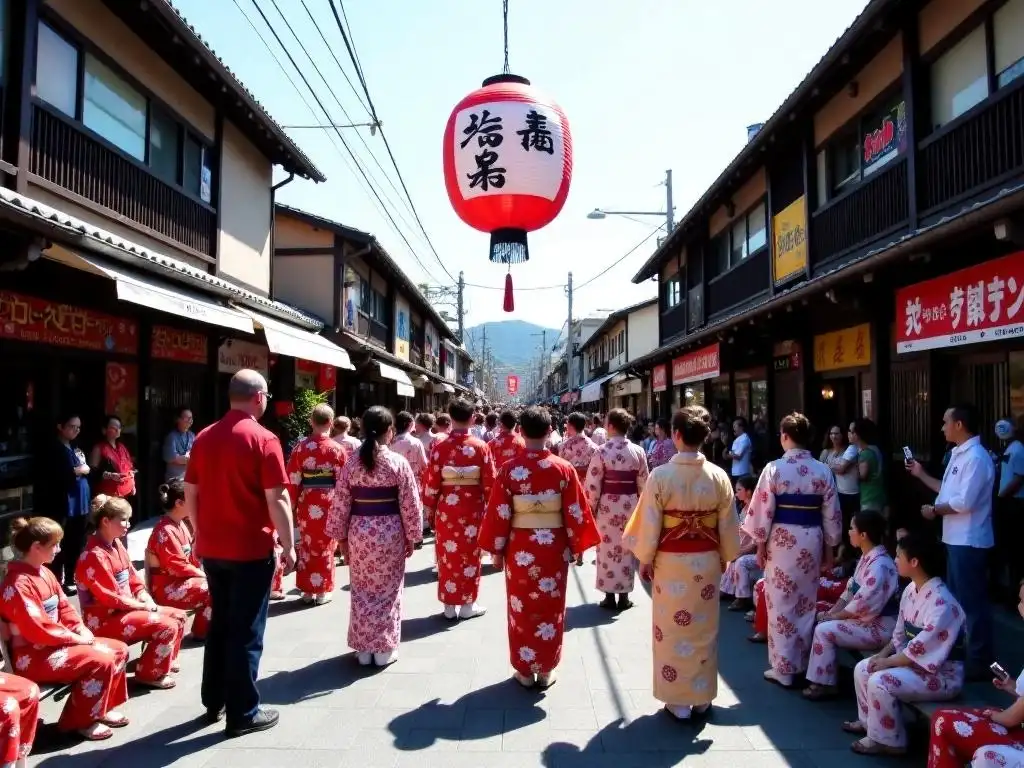
The significance of kimono in Japanese festivals extends beyond cultural expression; it also plays a crucial role in the economy, particularly through various sectors that benefit from the promotion and wearing of these traditional garments. Festivals often attract both locals and tourists, creating a vibrant marketplace for kimono-related products and services. This economic impact can be observed through different avenues, including kimono rentals, sales, and the craftsmanship of handmade kimonos.
Kimono Rentals and Sales
One of the most notable economic contributions of kimono to Japanese festivals is the booming rental market. Many festival-goers opt to rent kimonos instead of purchasing them due to the high cost associated with ownership and maintenance. Rental shops often thrive in popular tourist areas, particularly during major festivals like Gion Matsuri in Kyoto or Tanabata in Sendai.
These rental services not only provide access to high-quality kimonos but also include accessories, hairstyling, and makeup, allowing individuals to fully immerse themselves in the festival experience. The convenience of rental services has led to a significant increase in demand, directly benefiting local economies. In fact, studies indicate that during peak festival seasons, kimono rental shops can see a surge of up to 200% in business compared to off-peak times.
Handmade Kimonos and Artisan Craftsmanship
The production of handmade kimonos represents another vital aspect of the economic impact associated with these traditional garments. Artisans and craftsmen dedicated to creating bespoke kimonos contribute to the preservation of traditional Japanese textile techniques, such as dyeing, weaving, and embroidery. Each handmade kimono is a work of art, often requiring substantial time and skill to produce.
This artisan craftsmanship not only supports local economies but also fosters a unique cultural identity. Many artisans participate in festivals, showcasing their creations and providing demonstrations of their techniques, which attracts both admirers and potential buyers. The demand for handmade kimonos has seen a resurgence, as consumers increasingly value authenticity and craftsmanship over mass-produced garments. This shift in consumer preference reinforces the importance of kimonos in festivals, linking tradition to contemporary economic activity.
Conclusion: Embracing Tradition Through Kimono
The role of kimono in Japanese festivals is multifaceted, intertwining cultural significance with economic vitality. From rental services that cater to the influx of festival attendees to the artisan craftsmanship that preserves traditional methods, kimonos embody both the aesthetic and economic aspects of Japanese heritage. As festivals continue to celebrate this iconic garment, the kimono remains a symbol of Japan’s rich cultural tapestry, inviting individuals to embrace tradition while contributing to local economies. The enduring appeal of kimonos not only enhances the festival experience but also reinforces the importance of preserving and celebrating Japan's unique cultural identity.
As we have explored the rich significance of the kimono in Japanese festivals, we encourage our readers to immerse themselves in this vibrant aspect of Japanese culture. Whether you are planning to visit Japan during a festival or looking to participate in a local celebration, understanding the role of the kimono can greatly enhance your experience.
- Visit a Festival: Consider attending one of the many traditional festivals across Japan, such as Gion Matsuri in Kyoto or Nebuta Matsuri in Aomori. These events not only showcase stunning kimono styles but also provide a glimpse into the local customs and traditions.
- Experience the Kimono: If you’re in Japan, why not rent a kimono for a day? Many rental shops offer various styles and sizes, allowing you to dress in authentic attire while exploring historic sites.
- Learn about the Craft: Take the opportunity to learn about the craftsmanship behind kimono making. Workshops and exhibitions are often held, highlighting the intricate designs and techniques that have been passed down through generations.
- Share Your Experience: If you’ve worn a kimono or attended a festival, share your experiences with us! Your insights can inspire others to delve into this fascinating aspect of Japanese culture.
Embrace the beauty and tradition of the kimono by engaging with it firsthand, and discover how it continues to weave its way through the fabric of Japan’s cultural heritage. 🌸
- Introduction to Kimono Significance in Japanese Festivals
- The Evolution of Kimono Styles for Festivals
- Major Japanese Festivals Featuring Kimono
- The Cultural Significance of Kimono in Japanese Festivals
- The Economic Impact of Kimono in Japanese Festivals
- Conclusion: Embracing Tradition Through Kimono
Frequently Asked Questions
What is the significance of the kimono in Japanese festivals?
The kimono serves as a symbol of tradition and cultural heritage during Japanese festivals, representing the identity and aesthetic values of the Japanese people.
How has the design of kimonos evolved over time?
The design of kimonos has seen significant evolution, incorporating various styles, fabrics, and patterns that reflect changes in societal norms and artistic expression throughout the feudal era to the present.
Are there specific kimonos worn for different festivals?
Yes, different festivals often feature specific types of kimonos, such as the yukata for summer festivals or formal uchikake for weddings, each representing cultural significance and appropriate ceremonial attire.
How do kimonos contribute to the overall atmosphere of festivals?
Kimonos enhance the festive atmosphere by showcasing vibrant colors and intricate designs, promoting a sense of community and celebration that is deeply rooted in Japanese cultural practices.
Can anyone wear a kimono during Japanese festivals?
While traditionally worn by locals, anyone can wear a kimono during festivals. Many places offer rentals and guidance, allowing visitors to experience this cultural tradition firsthand.
Final Reflection: The Enduring Significance of Kimono in Japanese Festivals
The kimono is not merely a garment; it is a vibrant tapestry woven with the threads of culture, history, and identity. In the context of Japanese festivals, the kimono transcends its role as clothing, becoming a symbol of tradition and a celebration of heritage. As we navigate a rapidly changing world, the significance of the kimono in these festive occasions serves as a poignant reminder of the importance of preserving cultural practices that connect us to our roots and to one another.
Cultural expressions, such as the wearing of kimonos during festivals, foster a sense of belonging and continuity in an ever-evolving society. The kimono's intricate designs and the stories they tell reflect the diverse regional identities within Japan, reinforcing community bonds and shared experiences. As noted by cultural historian Dr. Yuki Tanaka, The kimono is a living artifact that encapsulates the spirit of Japanese festivals, reminding us of our shared past while inspiring future generations.
This ongoing influence highlights the kimono's role not just as a fashion statement, but as a vital element of cultural identity that continues to resonate with people today.
As we reflect on the lessons embedded in the tradition of wearing kimonos during festivals, I invite you to consider how you can embrace and celebrate your own cultural heritage. Take a moment to explore the traditions that shape your identity and find ways to honor them in your daily life. Whether through participating in local cultural events, learning about your ancestry, or simply sharing stories with loved ones, each action contributes to the preservation of our collective histories. Let the significance of the kimono inspire you to cherish and celebrate the traditions that define who you are.
Embrace the Spirit of Tradition: Join the Celebration!
Thank you for diving into the rich tapestry of kimonos and their pivotal role in Japanese festivals! You've uncovered the beauty behind this traditional attire and its significance in cultural celebrations. Now, it's time to take action and immerse yourself even deeper into this vibrant world.
Here are a few steps you can take:
- Experience a festival! Find a local Japanese festival or cultural event and attend dressed in a kimono or a similar outfit to truly appreciate the experience.
- Share your insights! Connect with friends and family on social media—post about what you learned and encourage them to explore the beauty of Japanese culture.
- Start a collection! Consider enhancing your wardrobe by acquiring a kimono or even just a piece of kimono-inspired fashion.
What festival traditions resonate most with you, and how do you think embracing these customs can enhance our appreciation of cultural heritage?