
Behind the Scenes of the Nebuta Matsuri: Crafting Spectacular Floats

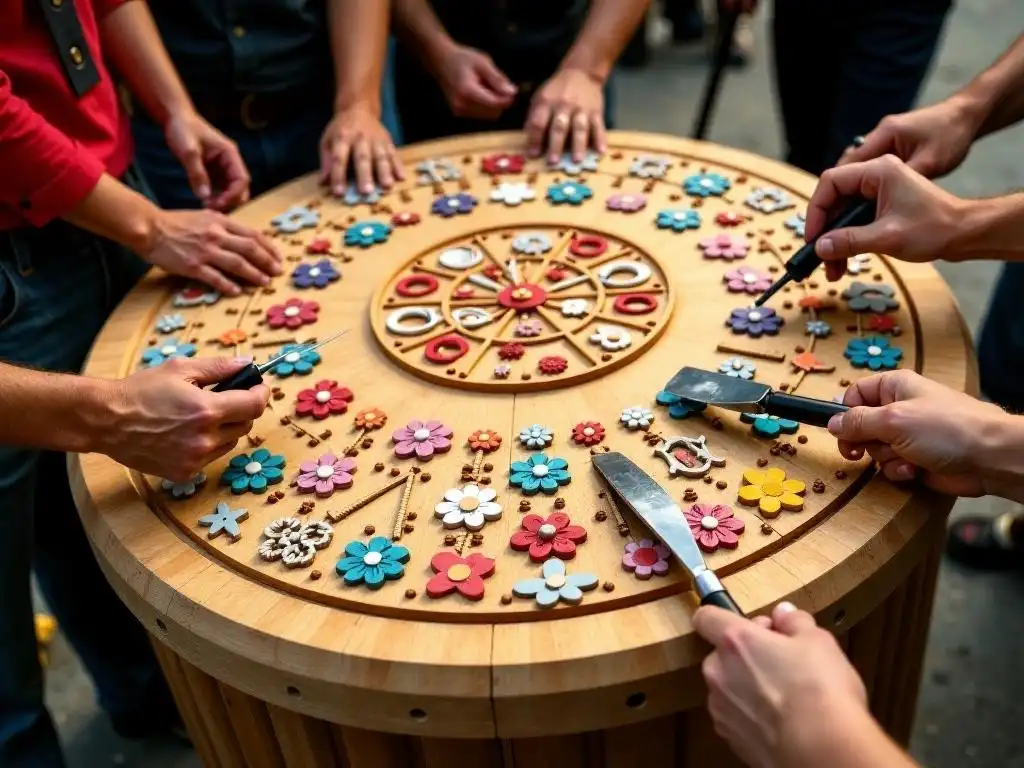
Welcome to Feudal Japan History, where we invite you to embark on a captivating journey through the rich tapestry of Japan’s feudal era. In our latest article, “Behind the Scenes of the Nebuta Matsuri: Crafting Spectacular Floats,” we delve into the vibrant world of Nebuta Matsuri float crafting, revealing the intricate artistry and cultural significance behind these mesmerizing creations. Curiosity piqued? Join us as we uncover the hidden stories and traditions that breathe life into this spectacular festival, inviting you to explore the enchanting intersection of art, history, and celebration.
The Nebuta Matsuri is a vibrant and enchanting festival that takes place annually in Aomori, Japan, celebrating the local culture and history through the art of float crafting. This spectacular event draws thousands of visitors who are captivated by the intricately designed floats that parade through the streets, illuminated and alive with color.
The festival not only showcases the craftsmanship involved in float construction but also serves as a window into the rich traditions and community spirit of feudal Japan. In this article, we will delve deep into the fascinating world of Nebuta Matsuri float crafting, exploring both the historical significance and the artistic techniques that bring these magnificent floats to life.
Introduction to the Nebuta Matsuri Festival
The Nebuta Matsuri is held every August and is one of Japan's most famous summer festivals. Originating from the Tanabata Festival, it has evolved over the years into a grand celebration marked by stunning floats, lively music, and traditional dances. The festival is rooted in the ancient belief of warding off evil spirits, and its name, "Nebuta," is a term that refers to the illuminated float itself. Each float, often adorned with vibrant fabrics and detailed paintings, depicts figures from Japanese mythology, historical events, or local folklore.
The festival attracts both locals and tourists, fostering a sense of community and shared cultural heritage. As participants parade through the streets, the atmosphere is electric, filled with the sounds of taiko drums, flutes, and the enthusiastic chants of dancers. The Nebuta Matsuri not only serves as entertainment but also as a celebration of craftsmanship and artistic expression that has been passed down through generations.
The Art of Nebuta Matsuri Float Crafting
Crafting the magnificent floats for the Nebuta Matsuri is no small feat; it is an intricate process that combines artistic vision with traditional techniques. The float crafting involves a dedicated team of artisans who spend months preparing for the festival, ensuring that each float is a masterpiece in its own right.
Understanding the Tradition of Float Crafting
The tradition of float crafting has deep historical roots in Aomori, with origins tracing back to the Edo period (1603-1868). Initially, the floats were simple and modest, but as the festival gained popularity, the designs became more elaborate and artistic. This evolution reflects the community's pride in their cultural heritage and the importance of craftsmanship.
Craftsmen, known as "Nebuta craftsmen," are skilled artisans who dedicate their lives to mastering the techniques required for float construction. The crafting process begins with brainstorming themes and designs, often inspired by historical events or mythical stories. Once a design is chosen, the team works collaboratively to create the float's structure, bringing together creativity and tradition.
Materials Used in Nebuta Matsuri Float Crafting
The materials used in crafting Nebuta Matsuri floats are a testament to the artisans' ingenuity and resourcefulness. Commonly used materials include:
- Wood: The primary structure of the float is made from wood, providing a sturdy base.
- Washi Paper: Traditional Japanese paper, known as washi, is used for decoration. It is lightweight and can be easily dyed, allowing for vibrant colors.
- Bamboo: Often used to create the framework for the float, bamboo is flexible yet strong, making it ideal for intricate designs.
- Paints: Natural dyes and paints are applied to the floats, bringing life to the characters and scenes depicted.
The combination of these materials not only enhances the aesthetic appeal but also ensures that the floats are durable enough to withstand the excitement of the festival.
As we journey further into the world of the Nebuta Matsuri, we will uncover more about the unique techniques and artistic flair that define this extraordinary cultural event.
The Crafting Process of Nebuta Matsuri Floats
The Nebuta Matsuri, a vibrant summer festival held in Aomori, Japan, is most renowned for its breathtaking floats that illuminate the night sky. The crafting of these floats is a detailed and intricate process that combines artistry, tradition, and community involvement. This section delves into the various stages of float crafting, highlighting the artistic vision and collaborative efforts that go into creating these magnificent displays.
Design Phase: Inspiration and Planning
The design phase is where the magic begins, with artisans drawing inspiration from various sources such as Japanese folklore, mythology, and historical figures. Artists often brainstorm ideas during community meetings, sketching initial designs that reflect the themes of the festival.
- Creative Sources: Common inspirations include:
- Legendary Heroes: Stories from Japanese history or folklore, such as samurai and gods.
- Nature and Seasons: Elements representing the beauty of nature, such as cherry blossoms or waves.
- Cultural Symbols: Traditional motifs that resonate with local history and culture.
Once a design is selected, detailed planning takes place. This involves creating scale models and selecting materials that will be used in the construction phase. The design must not only be visually striking but also structurally sound to withstand the rigors of the festival parade.
Construction Phase: Building the Floats
With designs finalized, the construction phase begins. This stage involves a combination of skilled craftsmanship and teamwork. Local artisans often lead the effort, relying on traditional methods alongside modern techniques.
- Materials Used:
- Wood and Bamboo: The framework is primarily constructed from wood and bamboo, providing a sturdy base.
- Paper and Fabric: The floats are covered with a special type of paper called "washi," along with vibrant fabrics that enhance visual appeal.
- Lighting: Incorporating LED lights has become common, adding a dazzling effect to the floats at night.
The construction process takes several weeks and requires meticulous attention to detail. Workers must ensure each float is balanced and can be maneuvered easily during the parade.
Decoration Phase: Bringing the Floats to Life
The decoration phase is where the floats truly come alive. This involves painting, adding intricate details, and assembling components to create a cohesive and stunning visual masterpiece.
- Artistic Techniques:
- Painting: Artisans employ traditional painting techniques to add color and detail to the floats, often using bright hues that stand out against the night sky.
- 3D Elements: Some floats feature three-dimensional elements that enhance their presence and depth.
- Final Touches: This includes the application of lighting and reflective materials that ensure the floats shine brightly during the festival.
The decoration phase is a labor of love, showcasing the talent and creativity of the artisans involved. The culmination of their efforts is a breathtaking float that tells a story and captivates audiences.
The Role of Community in Float Crafting
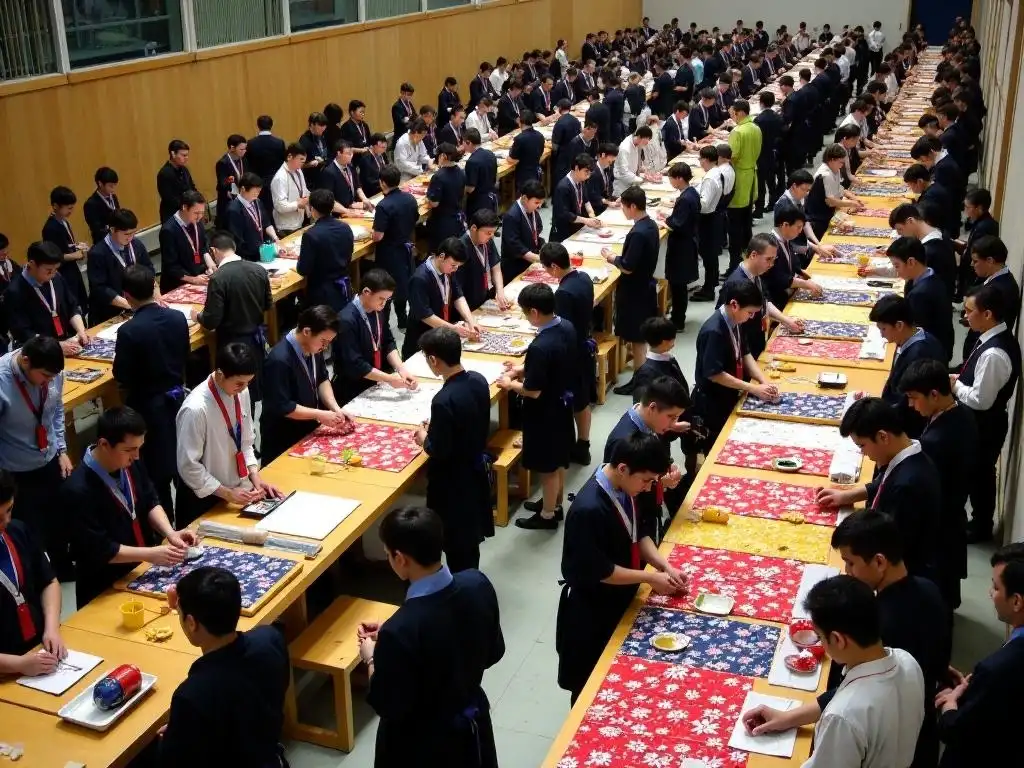
The Nebuta Matsuri is as much about community as it is about celebration. The crafting of floats is a communal effort, weaving together the skills and passions of many individuals who contribute to the festival’s success.
Collaboration Among Artisans and Volunteers
Collaboration is key in the float crafting process. Local artisans often mentor volunteers from the community, creating a bond that strengthens cultural ties and fosters a sense of unity.
- Team Dynamics:
- Skill Sharing: Experienced artisans share their knowledge with newcomers, ensuring that traditional techniques are preserved.
- Volunteer Engagement: Community members often volunteer their time to assist with various tasks, from construction to decoration.
This collaborative spirit not only enhances the quality of the floats but also creates lasting friendships and a sense of pride among participants. The involvement of volunteers ensures that the festival remains a community-driven event, fostering a deeper connection to the cultural heritage of the region.
Challenges Faced by Float Crafters
Despite the joy of crafting Nebuta floats, artisans face several challenges throughout the process. These challenges can range from logistical issues to the physical demands of building large, intricate structures.
- Common Challenges:
- Time Constraints: The limited timeframe leading up to the festival can create pressure, requiring efficient planning and execution.
- Weather Conditions: Construction often needs to be adjusted based on weather, as rain can delay outdoor work.
- Resource Availability: Securing quality materials can sometimes be difficult, leading to creative solutions to use available resources.
These challenges test the resilience and creativity of those involved, but they also contribute to the rich narrative of the Nebuta Matsuri. Overcoming obstacles together enhances the sense of community and shared achievement, making the festival a truly unforgettable experience for everyone involved.
The Impact of Float Crafting on Local Culture and Tourism
The Nebuta Matsuri, celebrated annually in Aomori, Japan, is not just a vibrant festival of light and color; it is also a crucial element of the region's cultural identity. The float crafting process, which involves intricate designs and skilled craftsmanship, plays a significant role in shaping the local culture and boosting tourism. Each float tells a story, often depicting historical figures, myths, and local legends, thus serving as a medium for storytelling and cultural education. This artistic expression fosters a sense of pride among the community members, as they see their heritage celebrated and shared with visitors.
Tourism is deeply intertwined with the festival, as thousands flock to Aomori to witness the spectacular floats. This influx of visitors not only stimulates the local economy but also encourages cultural exchange. Travelers from various backgrounds engage with the local populace, learning about the traditions and craftsmanship that go into creating these floats. As a result, the Nebuta Matsuri has become a focal point for promoting Aomori's unique cultural landscape, further solidifying its status as a must-visit destination in Japan.
Economic Benefits of the Nebuta Matsuri
The Nebuta Matsuri generates substantial economic benefits for the Aomori region. Local businesses, including hotels, restaurants, and shops, experience increased patronage during the festival. Visitors seeking accommodations and dining options contribute to the local economy, with many businesses offering special promotions and themed experiences centered around the festival.
Furthermore, the festival creates job opportunities related to float crafting, event management, and hospitality services. Artisans skilled in float crafting often find themselves in demand, not only during the festival season but also throughout the year as they engage in workshops and community events. This economic stimulation extends beyond direct sales; it enhances the visibility of Aomori as a cultural hub, drawing in more tourists in subsequent years.
Preserving Cultural Heritage Through Float Crafting
Float crafting for the Nebuta Matsuri is a tradition that has been passed down through generations, embodying the rich cultural heritage of the region. The techniques and materials used in float construction often reflect age-old practices, with artisans utilizing bamboo, washi paper, and vibrant paints to create breathtaking designs. This meticulous craftsmanship is not merely a form of art; it is a vital link to the past, preserving the stories and values of the community.
Workshops and community initiatives promote the skills necessary for float crafting, ensuring that younger generations are engaged in this cultural practice. By actively participating in float construction, local youth learn about their heritage and the significance of the Nebuta Matsuri. Such efforts contribute to sustaining the tradition, fostering a sense of responsibility towards preserving the cultural identity of Aomori.
Conclusion: The Future of Nebuta Matsuri Float Crafting
Looking ahead, the future of Nebuta Matsuri float crafting appears promising yet challenging. As the festival continues to grow in popularity, there is a pressing need to balance modern influences with traditional techniques. Artisans are exploring innovative designs and materials while remaining committed to their cultural roots. This blend of tradition and modernity can attract a broader audience, ensuring the festival remains relevant in an ever-evolving cultural landscape.
Furthermore, increased collaboration between local governments, artisans, and tourism boards is essential to enhance the festival's visibility. By promoting the significance of float crafting not only as an art form but also as a means of cultural preservation, stakeholders can ensure the Nebuta Matsuri continues to thrive. With ongoing efforts to engage the community and attract visitors, the future of Nebuta Matsuri float crafting is poised to remain a vibrant and integral part of Aomori's cultural heritage.
Call to Action
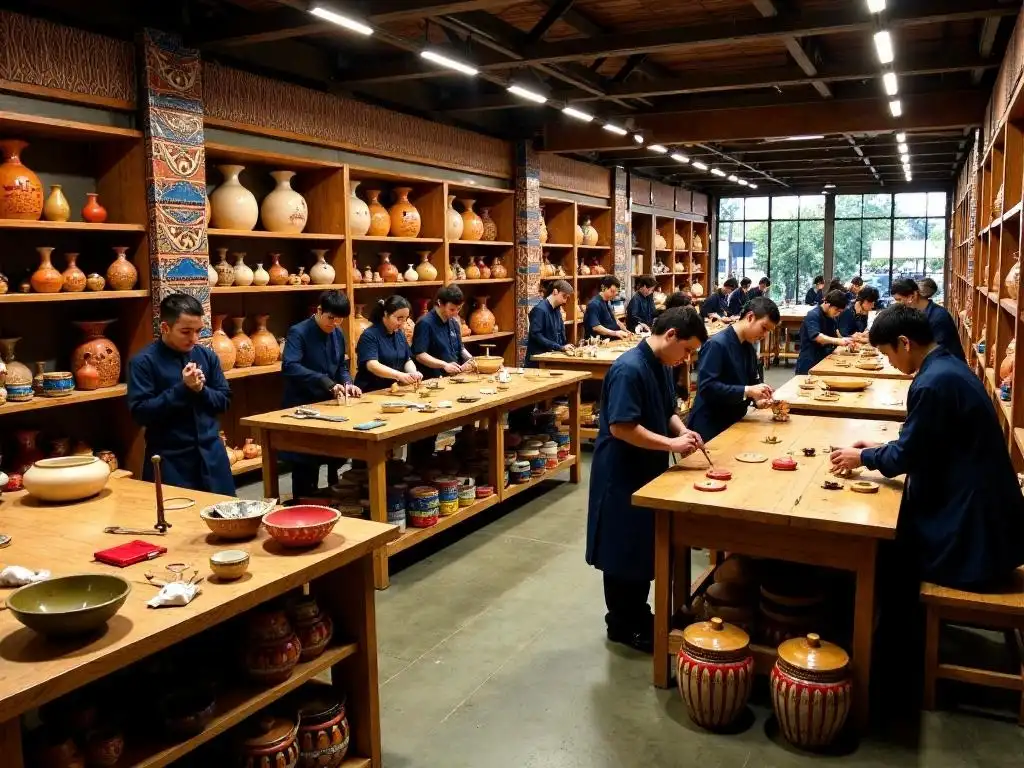
If you're captivated by the vibrant displays and intricate designs of the Nebuta Matsuri floats, why not immerse yourself in this rich cultural experience? Plan your visit to Aomori during the festival season to witness the breathtaking artistry firsthand! Engage with local artisans, participate in workshops, and explore the fascinating history of this beloved tradition. Don't miss out on the chance to see these magnificent floats come to life and be a part of this extraordinary celebration. Book your trip now and create unforgettable memories at the Nebuta Matsuri! 🎉
Additional Resources
For those interested in delving deeper into the art of float crafting and the cultural significance of the Nebuta Matsuri, here are some valuable resources:
- Books:
- The Spirit of the Nebuta: A Cultural Journey by Yoko Takeda
- Japanese Festivals: A Cultural Exploration by Hiroshi Yamamoto
- Documentaries:
- Nebuta Matsuri: The Art of Float Crafting (Available on various streaming platforms)
- Websites:
- Aomori Prefectural Tourism website: Offers detailed guides about the festival and surrounding attractions.
- Local artisan blogs: Many craftspeople share insights into their float crafting techniques and experiences.
These resources provide an excellent backdrop to understanding the Nebuta Matsuri beyond just the festival itself.
Explore more about Japan's rich cultural tapestry with these related articles:
- The History of Aomori: From Ancient Times to the Present
- Discover the evolution of Aomori and its significance in Japanese history.
- Understanding Japanese Festivals: A Dive into Tradition
- An overview of various traditional festivals in Japan, highlighting their cultural importance.
- Craftsmanship in Japan: The Art of Float Making
- A detailed look at the techniques and materials used in creating festival floats across Japan.
- Participating in the Nebuta Matsuri: A Visitor’s Guide
- Tips and insights for travelers looking to experience the Nebuta Matsuri like a local.
These articles will enhance your understanding of the Nebuta Matsuri and its place within Japan’s vibrant cultural heritage.
- Introduction to the Nebuta Matsuri Festival
- The Art of Nebuta Matsuri Float Crafting
- The Crafting Process of Nebuta Matsuri Floats
- The Role of Community in Float Crafting
- The Impact of Float Crafting on Local Culture and Tourism
- Conclusion: The Future of Nebuta Matsuri Float Crafting
- Call to Action
- Additional Resources
- Related Articles
Frequently Asked Questions
What is the Nebuta Matsuri?
The Nebuta Matsuri is a vibrant Japanese festival celebrated in Aomori, known for its spectacular illuminated floats that depict various themes, including historical figures and mythical creatures.
How are the Nebuta floats crafted?
The floats are crafted using a combination of traditional techniques and modern materials. Artisans often use washi paper and bamboo to create large, colorful designs that are both lightweight and visually striking.
What is the significance of the Nebuta Matsuri floats?
The floats serve as a symbol of cultural heritage and reflect the artistic expression of the community. They are not only decorative but also tell stories that are important to the local identity.
When does the Nebuta Matsuri take place?
The festival typically occurs in early August, coinciding with the Obon festival, which honors the spirits of ancestors. The vibrant displays and night parades attract many visitors each year.
Can visitors participate in float crafting?
Yes, many workshops allow visitors to experience float crafting firsthand. Participants can learn about the artistic techniques and contribute to the creation of the floats, enhancing their understanding of this cultural tradition.
Final Reflection: The Artistry and Community Behind Nebuta Matsuri Float Crafting
The intricate craftsmanship of Nebuta Matsuri floats is not just a celebration of artistry; it is a vibrant testament to cultural heritage that resonates deeply in today's society. As we navigate a world increasingly dominated by technology and rapid change, the dedication to preserving traditional crafts like float making serves as a powerful reminder of our roots and the importance of community. The spectacle of the Nebuta Matsuri, with its dazzling displays and rich history, invites us to reflect on the value of tradition in an ever-evolving landscape.
The Nebuta Matsuri stands as a beacon of cultural identity, showcasing how art can unite communities and foster a sense of belonging. The meticulous process of float crafting brings together artisans, families, and festival-goers, creating bonds that transcend generations. As one craftsman aptly noted, Every float tells a story, and every story connects us to our past and future.
This ongoing influence of the Nebuta Matsuri highlights the power of collective creativity and the importance of preserving cultural practices in a world that often prioritizes the new over the traditional.
As we conclude our exploration of Nebuta Matsuri float crafting, I invite you to reflect on the traditions that shape your own life. Consider how you can engage with and support local crafts and cultural practices in your community. Whether through participation in festivals, learning a traditional craft, or simply sharing stories with others, each action contributes to the tapestry of our shared heritage. Let the spirit of the Nebuta Matsuri inspire you to celebrate and preserve the artistry that connects us all.
Unveil the Magic of Nebuta Matsuri!
Thank you for diving into the vibrant world of the Nebuta Matsuri! We hope you feel inspired by the artistry and dedication that bring these spectacular floats to life. Now, it’s time to take your newfound knowledge and passion further.
Here are some exciting steps you can take next:
- Join a Local Festival: Experience the spirit of tradition by participating in a local cultural event. This hands-on involvement can deepen your appreciation for these celebrations.
- Create Your Own Float: Gather friends or family and craft a mini float using materials you have at home—let your creativity flow!
- Share Your Experience: Connect with us and other enthusiasts in our community by sharing your thoughts or experiences in the comments below, or post on social media using #NebutaMatsuri.
As you immerse yourself in the beauty and significance of the Nebuta Matsuri, consider which aspect of this extraordinary festival ignites your creativity the most!