
Exploring the Uniqueness of Gion Matsuri: A Cultural Icon of Kyoto

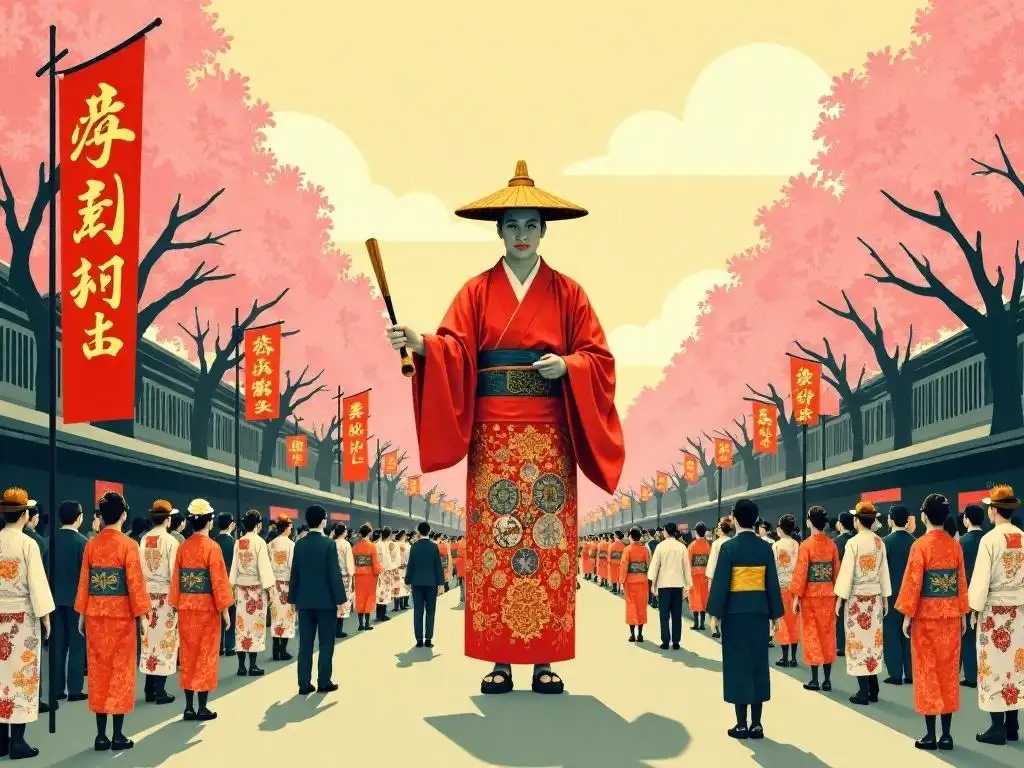
Welcome to Feudal Japan History, where we invite you to embark on a captivating journey through Japan’s rich feudal past. Prepare to unravel the intricacies of Gion Matsuri, a dazzling cultural celebration that not only enchants visitors but also holds deep historical significance for the city of Kyoto. Why does this festival stand out among the many traditions of feudal Japan?
As you delve into our featured article, you'll discover the layers of meaning and the vibrant tapestry of culture that make Gion Matsuri a true icon. Stay with us as we explore this fascinating intersection of history and heritage!
- Introduction to Gion Matsuri: A Cultural Icon of Kyoto
- Historical Roots of Gion Matsuri
- Gion Matsuri Cultural Significance
- Key Components of Gion Matsuri
- Gion Matsuri in Modern Times
- How to Experience Gion Matsuri
- Conclusion: The Lasting Legacy of Gion Matsuri
- Frequently Asked Questions
- Final Reflection: Embracing the Cultural Significance of Gion Matsuri
- Embrace the Spirit of Gion Matsuri Today!
Introduction to Gion Matsuri: A Cultural Icon of Kyoto
The Gion Matsuri, celebrated annually in Kyoto, stands as a quintessential symbol of Japan's rich cultural tapestry. This vibrant festival, which takes place throughout July, is not only a spectacular showcase of traditional floats, elaborate costumes, and age-old rituals but also serves as a reflection of the history and values of the Japanese people.
Rooted in the Heian period (794-1185), Gion Matsuri has evolved over centuries, intertwining local beliefs and practices that highlight the community's resilience and creativity. In this article, we will delve into the cultural significance of Gion Matsuri, examining its historical origins, its importance in Japanese culture, and the role that festivals like this one played during the feudal era of Japan.
Brief Overview of Gion Matsuri
Gion Matsuri is one of the most celebrated festivals in Japan, attracting thousands of visitors from around the world each year. Originally established as a purification ritual to appease the gods during an epidemic in the 9th century, the festival has transformed into a month-long series of events, culminating in the grand procession of floats known as the Yamaboko Junko.
The festival is distinguished by:
- Yamaboko Floats: These intricately decorated floats are crafted by local artisans and are paraded through the streets of Kyoto. Each float tells a story or represents a specific deity.
- Street Parties: The streets come alive with food stalls and festivities, creating a lively atmosphere where the community gathers to celebrate.
- Traditional Attire: Participants often dress in kimono, showcasing Japan's timeless fashion and craftsmanship.
This vibrant festival not only draws attention to Kyoto's artistic heritage but also fosters a sense of community and belonging among its residents.
Importance of Gion Matsuri in Japanese Culture
Gion Matsuri holds immense cultural significance beyond its visual splendor. It serves as a reminder of Japan's historical traditions and communal values. At its core, the festival embodies:
- Spiritual Connection: The rituals performed during Gion Matsuri, such as the purification rites and prayers, highlight the Japanese people's deep-rooted spirituality and connection to their deities.
- Cultural Preservation: The festival acts as a vehicle for transmitting traditional crafts, music, and dance to future generations, ensuring that these elements of Japanese culture are preserved.
- Community Cohesion: Gion Matsuri fosters a strong sense of unity among participants and attendees, reinforcing social bonds and collective identity.
The festival's ability to blend the past with the present makes it a significant cultural event that continues to shape the identity of Kyoto and its people.
The Role of Festivals in Feudal Japan
Festivals like Gion Matsuri played a pivotal role in the social and political landscape of feudal Japan. During this era, festivals were not merely celebrations; they were integral to maintaining social order and reinforcing the hierarchical structure of society. Key aspects include:
- Feudal Loyalties: Festivals often reflected the power dynamics of feudal lords and their vassals, showcasing loyalty and allegiance through participation.
- Agricultural Cycles: Many festivals were tied to agricultural practices, marking the changing seasons and ensuring bountiful harvests, which were crucial for the sustenance of feudal communities.
- Religious Significance: Festivals served as opportunities for locals to engage with their deities, seeking blessings for prosperity and protection, thereby intertwining spirituality with daily life.
In essence, Gion Matsuri and similar festivals were vital in shaping the social fabric of feudal Japan, serving as a platform for cultural expression and communal engagement.
Historical Roots of Gion Matsuri
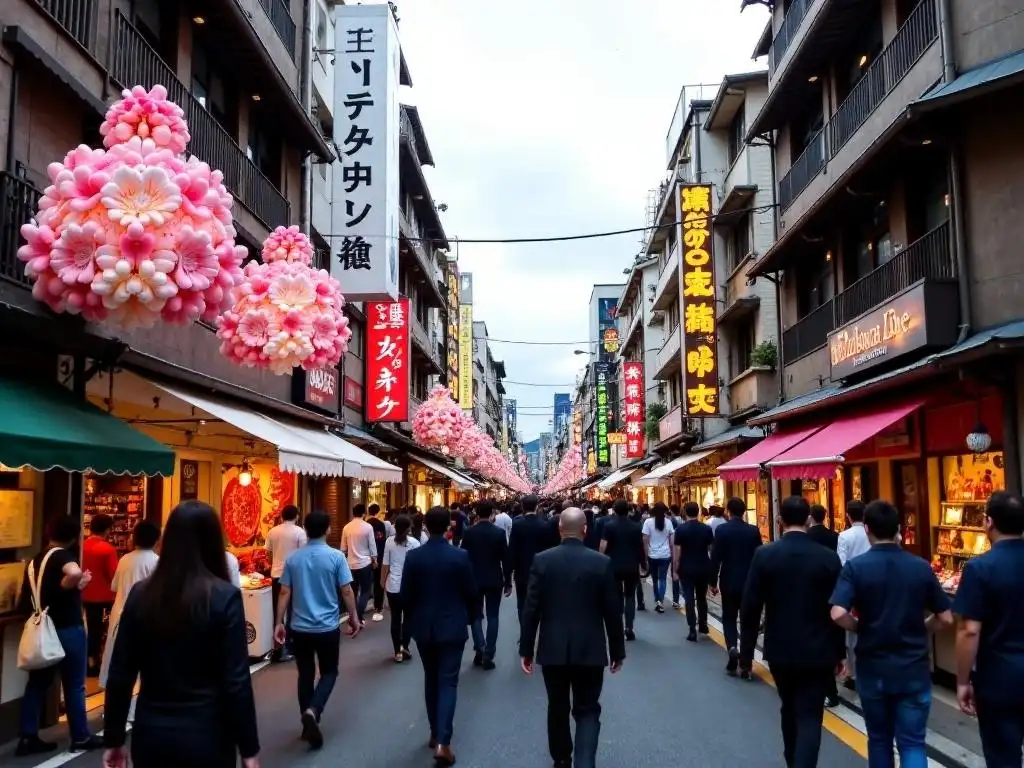
Origins of Gion Matsuri: A Historical Perspective
The Gion Matsuri, one of Japan's most celebrated festivals, traces its origins back to the 9th century and is intrinsically linked to the ancient Gion Shrine, dedicated to the deity Gozu Tenno. Initially, the festival was instituted as a purification ritual to appease the spirits of plague and disease, believed to plague the city of Kyoto.
In 869 AD, a series of devastating epidemics led to the establishment of the Gion Matsuri as a means to invoke divine protection. The festival began with a procession of portable shrines, or mikoshi, which were paraded through the streets to carry the deity, allowing it to survey and bless the city. This practice was deeply rooted in Shinto beliefs, where rituals aimed to connect the spiritual and physical realms.
Over the centuries, the Gion Matsuri evolved from a religious observance into a vibrant cultural spectacle, incorporating elements of art, music, and community participation. The integration of floats, known as yamaboko, during the late 14th century marked a significant transformation, signifying the festival's expansion beyond mere religious significance to a celebration of local pride and craftsmanship.
Evolution of Gion Matsuri Through the Ages
The Gion Matsuri has undergone numerous transformations throughout its long history, adapting to the influences of different eras and societal changes.
- Edo Period (1603-1868): The festival blossomed during the Edo Period, reflecting the prosperity and cultural vibrancy of Kyoto. The introduction of elaborate floats, decorated with intricate tapestries and featuring performers, showcased the artistry and skill of local craftsmen. This period also saw the establishment of the yama and hoko floats, which became iconic representations of the festival.
- Post-Meiji Restoration (1868-1912): The Gion Matsuri faced challenges during the Meiji Restoration as Japan underwent modernization. However, the festival was revitalized as a celebration of national identity, with a focus on preserving traditional customs amidst rapid changes.
- Contemporary Era: Today, Gion Matsuri continues to thrive, drawing visitors from around the globe. The festival spans the entire month of July, culminating in the grand parade on the 17th, where the magnificent floats are paraded through the streets, demonstrating the meticulous craftsmanship and cultural heritage of Kyoto. The festival not only celebrates local traditions but also serves as a platform for cultural exchange, showcasing Kyoto's rich artistic history to an international audience.
Gion Matsuri's Connection to Kyoto's Feudal Era
The Gion Matsuri is deeply intertwined with Kyoto's feudal past, reflecting the social hierarchies and cultural practices of the time. During the feudal era, Kyoto was the imperial capital and a center of power, culture, and commerce.
- Samurai Influence: The participation of samurai families in the festival highlights their role in the cultural life of the city. These families often sponsored floats, demonstrating their wealth and status. The tradition of carrying the floats was not only a display of community spirit but also an opportunity for the samurai to showcase their honor and dedication to the protection of the city.
- Festival as a Unifying Force: Gion Matsuri served as a unifying force among the various classes in feudal Japan. It brought together merchants, artisans, and samurai, fostering a sense of community and shared identity. The festival provided a platform for the lower classes to engage with the elite, blurring social boundaries and allowing for a communal celebration of culture and religion.
- Preservation of Cultural Heritage: The adherence to traditional practices during the Gion Matsuri can be viewed as a means of preserving the cultural heritage of Kyoto amid the societal upheavals of the feudal era. The festival encapsulates the historical narratives of the city, ensuring that the stories and values of past generations continue to resonate in contemporary society.
The Gion Matsuri is not only a vibrant cultural festival but also a living testament to Kyoto's rich history, embodying the traditions and collective spirit of the people throughout the ages. Its significance extends beyond mere celebration, representing a deep-rooted connection to the city's feudal past and its evolution into a modern cultural icon.
Gion Matsuri Cultural Significance
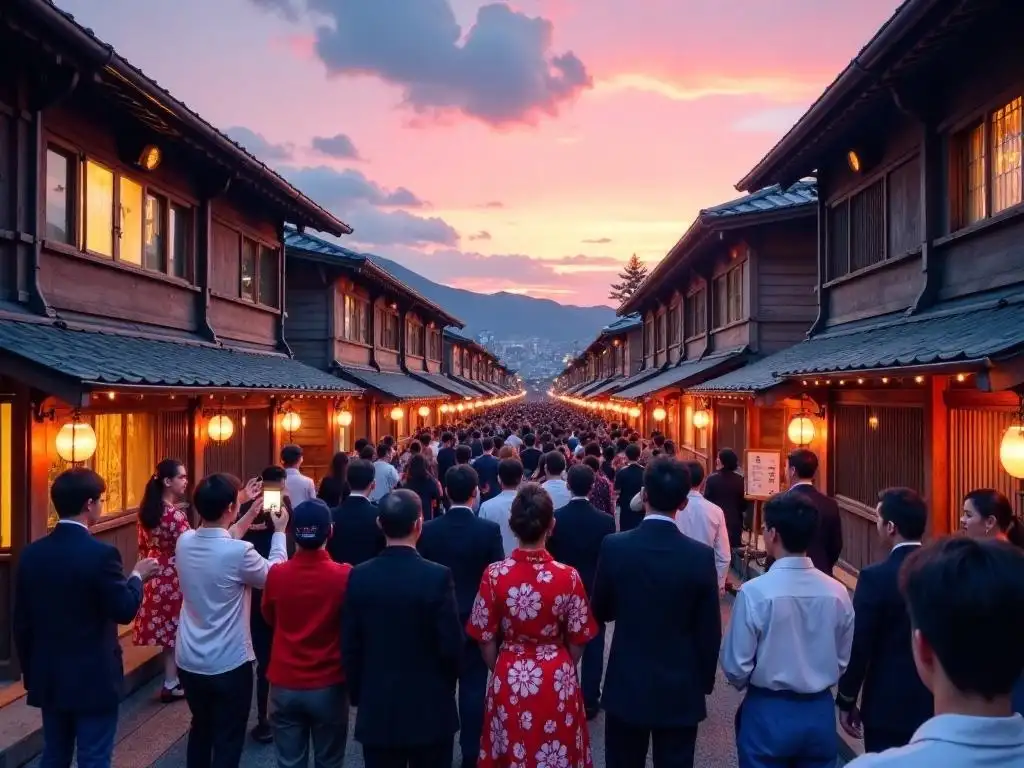
The Gion Matsuri, celebrated every July in Kyoto, stands as one of Japan's most iconic festivals, deeply rooted in the cultural fabric of the country. Its significance extends beyond mere celebration; it embodies centuries of tradition, community spirit, and historical reverence. The festival not only showcases the artistic and architectural grandeur of Kyoto but also serves as a window into the values and beliefs that have shaped Japanese society over the ages.
Symbolism of Gion Matsuri in Japanese Society
The Gion Matsuri is rich in symbolism, reflecting the intricate tapestry of beliefs and social structures that define Japanese culture.
- Purification and Protection: At its core, the festival began as a means to appease the gods and ward off plagues. This purification ritual is evident in the procession of elaborately decorated floats, known as yamaboko, which symbolize the people's plea for divine protection.
- Cultural Heritage: The festival serves as a living testament to Kyoto's cultural heritage. Each float is meticulously crafted, often adorned with intricate tapestries and traditional crafts that highlight the skills passed down through generations. For instance, the yama and hoko floats not only display artistic prowess but also signify the community's pride in its local artisans.
- Seasonal Celebration: Gion Matsuri marks the change of seasons, specifically the transition from summer to autumn. This seasonal aspect resonates with the Japanese philosophy of harmony with nature, reminding participants of the cyclical patterns of life.
The Religious Aspects: Offerings and Rituals
The Gion Matsuri is steeped in religious significance, with numerous rituals and offerings that underscore its sacred nature.
- Procession of the Floats: The festival features a grand procession where floats are paraded through the streets of Kyoto. Each float is dedicated to a specific deity, and the act of moving these floats is seen as a ritual offering, honoring the gods and asking for their blessings.
- Shinto Elements: Rooted in Shinto beliefs, the festival incorporates various rituals, such as the Kamo Wake-ikazuchi Shrine's rituals, where offerings are made to deities. These rituals often include the presentation of rice, sake, and seasonal fruits, symbolizing gratitude and a plea for good harvests.
- Yasaka Shrine: The key venue for many of the festival's religious activities is the Yasaka Shrine, where rituals are performed to invite divine presence. The shrine acts as a spiritual center, drawing participants to engage in prayer and offerings, reinforcing the connection between the community and the divine.
Gion Matsuri is more than a festival; it is a unifying force within the community, fostering social bonds and collective identity.
- Local Participation: The festival encourages active participation from local residents, with neighborhoods taking pride in sponsoring and maintaining their respective floats. This involvement cultivates a sense of ownership and responsibility among community members, fostering intergenerational connections as skills and traditions are passed down.
- Civic Pride: The Gion Matsuri instills civic pride, as local residents come together to showcase their culture, history, and craftsmanship. The festival is an opportunity for the community to display its unique identity, enhancing social cohesion among participants and spectators alike.
- Cultural Exchange: The festival attracts tourists from around the world, promoting cultural exchange and understanding. This interaction not only enriches the experience for visitors but also allows locals to share their heritage, fostering a sense of global community and appreciation for Japanese culture.
The Gion Matsuri's cultural significance is profound, encapsulating the essence of Japanese society through its symbolism, religious practices, and community involvement. It serves as a vibrant reminder of the past while continuing to shape the cultural landscape of Japan today.
Key Components of Gion Matsuri
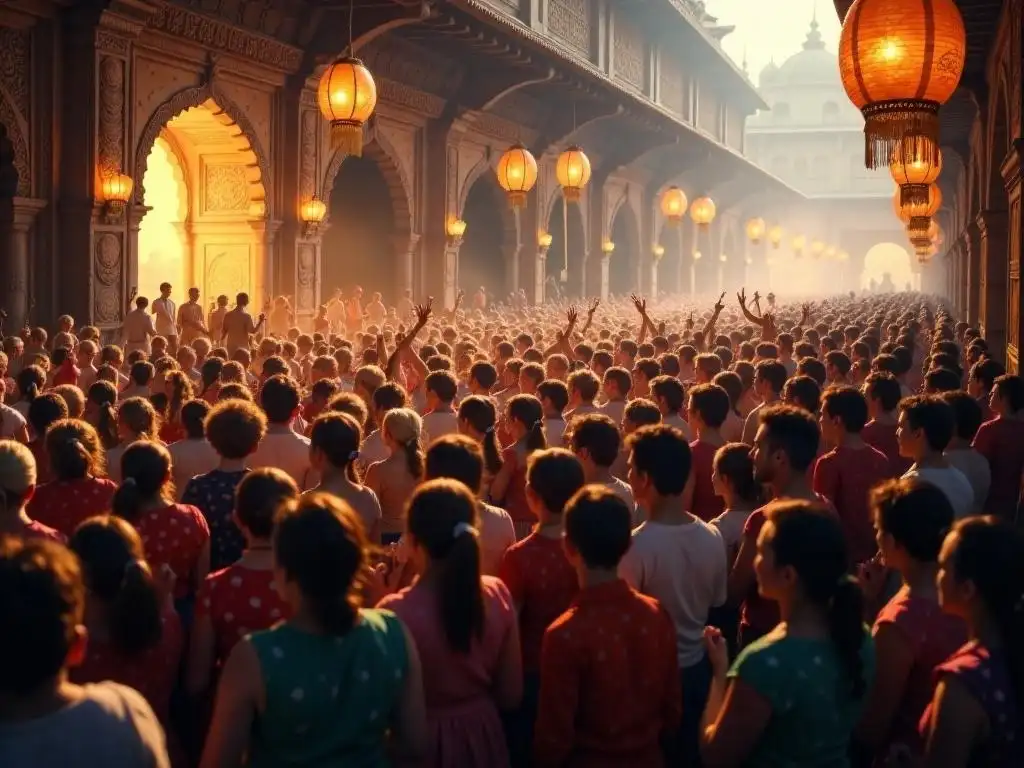
The Gion Matsuri is not just a festival; it embodies the essence of Kyoto's cultural heritage, showcasing a multitude of vibrant traditions and communal spirit. This section delves into the key components that make Gion Matsuri a unique cultural icon, with a focus on its grand parade, the Yamaboko Junko, and the traditional music and dance that enrich the festival atmosphere.
The Yamaboko Junko: A Spectacular Parade
The Yamaboko Junko is the focal point of the Gion Matsuri, captivating both locals and visitors alike with its grandeur and historical significance. Held on July 17th, this parade features elaborately decorated floats that traverse the streets of Kyoto, creating a visual spectacle.
Description of the Yamaboko Floats
The floats, known as "yamaboko," are towering structures that can reach heights of up to 25 meters. Each float is meticulously crafted from wood and adorned with intricate tapestries, showcasing traditional Japanese craftsmanship.
- Types of Floats:
- Yama: Smaller floats, typically pulled by hand.
- Boko: Larger floats, requiring a team of people to pull them, often with the aid of a wheeled mechanism.
Each float is named and represents different neighborhoods, contributing to a sense of community pride. The vibrant colors and detailed designs reflect various historical and mythological themes, making every float a work of art.
Cultural Significance of the Yamaboko Floats
The yamaboko floats carry profound cultural significance. Historically, they were believed to ward off evil spirits and bring good fortune to the community. The craftsmanship involved in creating these floats has been passed down through generations, symbolizing the continuity of tradition.
-
Connection to Shinto Beliefs:
The festival's origins trace back to a purification ritual intended to appease the gods, highlighting the spiritual aspect of the floats.
-
Community Engagement:
The involvement of local residents in building and decorating the floats fosters a strong sense of community and belonging.
In this way, the yamaboko serves not only as a visual centerpiece but also as a vessel of cultural identity for the people of Kyoto.
Traditional Music and Dance at Gion Matsuri
The Gion Matsuri is also renowned for its traditional music and dance, which play a crucial role in creating an immersive cultural experience. The rhythm and melodies echo through the streets, drawing crowds and enhancing the festive atmosphere.
-
Gion Bayashi:
This traditional music, performed using instruments like the flute, drums, and shamisen, accompanies the parade. Each neighborhood has its own unique version of Gion Bayashi, showcasing the diversity of Kyoto's musical heritage.
-
Dances:
Traditional dances, such as the "Hōnen Matsuri," are performed throughout the festival, often reflecting agricultural themes and the celebration of harvests. The movements are intricate and steeped in historical context, conveying stories passed down through generations.
The combination of music and dance not only entertains but also solidifies the cultural significance of the Gion Matsuri, making it a living celebration of Kyoto's rich history and traditions. As attendees immerse themselves in these performances, they partake in an experience that connects them to the past while celebrating the present.
Culinary Delights: Food Traditions During the Festival
One of the most captivating aspects of the Gion Matsuri is its rich culinary traditions, which reflect the cultural heritage of Kyoto and the broader Japanese society. The festival, celebrated throughout July, transforms the city into a gastronomic paradise, offering a plethora of traditional foods that not only delight the palate but also embody the spirit of the event.
Traditional Foods
At the heart of the Gion Matsuri's food offerings are several traditional dishes that hold significant cultural value:
- Yudofu (Boiled Tofu): A staple of Kyoto cuisine, this simple yet elegant dish showcases the region's high-quality tofu. Often served with a dipping sauce, yudofu emphasizes the purity and subtle flavors of the ingredients, making it a favorite during the festival.
- Kyo-wagashi (Kyoto Sweets): These delicate traditional sweets are crafted from ingredients like mochi (rice cake), bean paste, and seasonal fruits. Beautifully presented, kyo-wagashi is not only a treat for the taste buds but also a feast for the eyes, often reflecting the aesthetics of the festival.
- Kakigori (Shaved Ice): As the summer heat sets in, kakigori becomes a refreshing choice for festival-goers. This delightful dessert, made from finely shaved ice topped with flavored syrups, offers a cool respite and is a popular indulgence during the festivities.
Street Food and Stalls
During the Gion Matsuri, the streets of Kyoto come alive with food stalls offering a diverse array of street food. Some of the must-try items include:
- Takoyaki (Octopus Balls): These savory balls, made with a batter filled with diced octopus, green onions, and other ingredients, are cooked in special molds, creating a crispy exterior and a soft interior. Topped with takoyaki sauce and bonito flakes, they are a crowd favorite.
- Yakitori (Grilled Chicken Skewers): This popular dish features skewered chicken grilled to perfection, often seasoned with salt or a sweet soy sauce glaze. It’s a convenient and delicious option for festival attendees on the move.
- Ikayaki (Grilled Squid): A quintessential summer festival dish, ikayaki is a whole squid grilled over an open flame. It is typically brushed with a soy sauce glaze, giving it a smoky flavor that pairs wonderfully with the festive atmosphere.
Cultural Significance of Food
The culinary traditions of Gion Matsuri are not merely about sustenance; they symbolize the community's heritage and the passage of time. The act of sharing food during the festival fosters a sense of togetherness among participants and visitors alike.
Moreover, many of the ingredients used in these dishes are sourced locally, emphasizing the importance of supporting local agriculture and sustainability. This practice not only preserves culinary traditions but also strengthens the bond between the community and its environment.
The food traditions during Gion Matsuri enhance the overall experience of the festival, providing a delicious way to engage with Kyoto's culture. The diverse array of culinary delights reflects the rich history and vibrant community spirit, making it an essential component of this iconic celebration.
Gion Matsuri in Modern Times
Contemporary Celebrations of Gion Matsuri
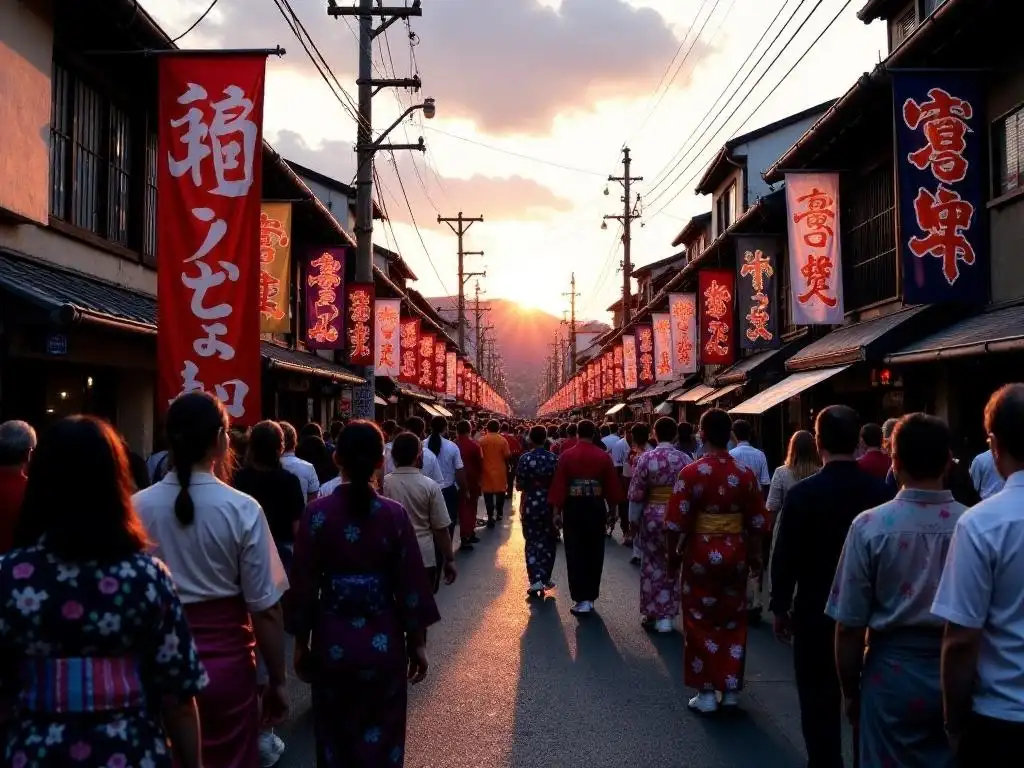
The Gion Matsuri, celebrated annually in Kyoto during July, has evolved dramatically over the years while retaining its core traditions. In contemporary times, the festival features a blend of historic rituals and modern festivities, appealing to both locals and tourists alike.
The main events include:
- Yamaboko Junko: The grand procession of floats, which takes place on July 17 and is the highlight of the festival. These elaborately decorated floats, some reaching heights of over 25 meters, are pulled through the streets of Kyoto.
- Yoiyama: The nights leading up to the procession are filled with street festivities, where shops open late, and traditional food stalls line the streets. Visitors can enjoy various delicacies such as yakitori (grilled chicken skewers) and yaki tomorokoshi (grilled corn).
- Cultural Performances: Throughout the festival, various performances are held, showcasing traditional Japanese arts, including kabuki and Noh theatre, allowing visitors to experience the rich cultural heritage of Japan.
This modern celebration draws thousands of visitors, transforming the quiet streets of Gion into a vibrant scene filled with color, music, and laughter.
The Influence of Tourism on Gion Matsuri Events
As one of the most significant cultural festivals in Japan, the Gion Matsuri has seen a profound impact from tourism. With international visitors flocking to Kyoto, the festival has adapted to accommodate a diverse audience while still honoring its historical significance.
Key influences include:
- Increased Participation: The influx of tourists has led to more events and activities being organized, including guided tours and workshops. These activities allow visitors to immerse themselves in the festival's culture, learning about its history and significance firsthand.
- Economic Boost: Local businesses benefit from the festival, with many setting up stalls and shops catering to tourists. This economic impact has encouraged the local community to invest in the festival, ensuring its continuation and enhancement.
- Social Media: The advent of social media has also played a role in popularizing the Gion Matsuri. Stunning visuals of the floats and festivities shared online attract even more visitors, creating a loop of interest and engagement.
However, this growth in tourism raises questions about the balance between preserving tradition and catering to modern consumerism, a challenge that organizers continue to navigate.
Preservation of Tradition in a Modern Context
Despite the changes brought about by modern influences, efforts to preserve the traditional aspects of the Gion Matsuri remain strong. The festival is rooted deeply in the cultural identity of Kyoto, and maintaining these traditions is crucial for future generations.
Several strategies are employed to achieve this:
- Community Involvement: Local residents actively participate in the planning and execution of the festival, ensuring that traditional practices are upheld. This involvement fosters a sense of ownership and pride within the community.
- Educational Outreach: Organizers conduct workshops and educational programs aimed at teaching both locals and tourists about the historical significance of the festival. These initiatives help sustain interest in traditional practices and beliefs associated with the Gion Matsuri.
- Sustainability Practices: There is a growing emphasis on sustainability, with efforts to reduce waste and promote eco-friendly practices during the festival. This includes using biodegradable materials for food packaging and minimizing single-use plastics.
Through these efforts, the Gion Matsuri continues to thrive as a cultural icon of Kyoto, embodying the rich heritage of Japan while adapting to the challenges of modernity. The festival stands as a testament to the resilience of tradition amidst change, ensuring that its cultural significance remains vibrant for generations to come.
How to Experience Gion Matsuri
Best Times to Visit Kyoto for Gion Matsuri
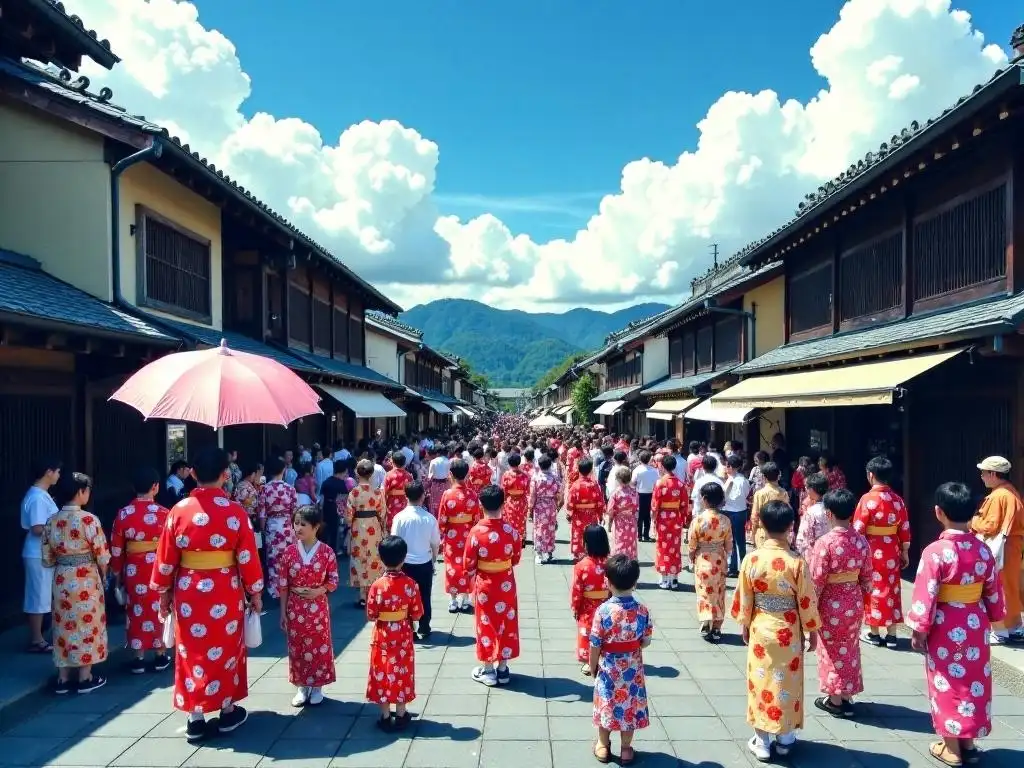
The Gion Matsuri is celebrated throughout the month of July, but the most significant events occur during the second half of the month. Planning your visit around these key dates will enhance your experience of this vibrant festival.
- Yamaboko Junko: This grand procession occurs on July 17th and is the highlight of the festival. Elaborate floats, known as yamaboko, are paraded through the streets, adorned with intricate decorations and traditional crafts. Arriving a day or two early allows you to witness the preparation and excitement leading up to the event.
- Yoiyama: From July 14th to July 16th, the streets come alive with festivities. On these evenings, the floats are displayed, and various food stalls open, allowing visitors to savor local delicacies. This is an excellent time to immerse yourself in the festival atmosphere, enjoy street performances, and participate in traditional rituals.
- Finale Events: The festival culminates with the Kamo no Hara Matsuri on July 24th. While not as grand as the Yamaboko Junko, this event includes smaller parades and rituals that are equally captivating. Visiting during this period allows for a more intimate experience of the festival's cultural significance.
Recommended Tours and Experiences
To fully appreciate the Gion Matsuri, consider engaging in guided tours and local experiences that provide insights into the festival's rich history and traditions. Here are some recommended options:
Guided Tours of Gion Matsuri Events
Participating in a guided tour can significantly enhance your understanding of the Gion Matsuri's cultural significance. Expert guides offer in-depth knowledge about the festival's origins, rituals, and the meaning behind the elaborate floats.
- Duration: Most tours last between 2–4 hours, allowing ample time to explore the festival atmosphere.
- What to Expect:
- Float Explanations: Learn about each float's unique design and the stories they represent.
- Cultural Insights: Understand the historical context of Gion Matsuri within Kyoto's cultural landscape.
- Interactive Experiences: Some tours may even include opportunities to participate in traditional art or craft workshops related to the festival.
Local Food Experiences During the Festival
No visit to Gion Matsuri is complete without indulging in the local cuisine. The festival is renowned for its street food, which reflects the culinary traditions of Kyoto.
- Food Stalls: As you stroll through the festival, you'll encounter a variety of food stalls offering:
- Yudofu (Tofu Hot Pot): A local specialty, perfect for summer evenings.
- Kakigori (Shaved Ice): A refreshing treat to cool down.
- Yaki-tori (Grilled Chicken Skewers): A festival favorite that’s hard to resist.
- Culinary Tours: Consider booking a food tour that focuses on festival cuisine. These tours often include tastings from various vendors, allowing you to sample a wide range of traditional dishes while learning about their cultural significance.
By timing your visit right and engaging in guided tours and local food experiences, you can deepen your understanding and appreciation of the Gion Matsuri, making it a memorable part of your journey through Kyoto.
Essential Tips for Attending Gion Matsuri
Attending the Gion Matsuri in Kyoto is a vibrant and unforgettable experience that immerses visitors in the rich cultural tapestry of Japan. To ensure you make the most of this iconic festival, consider the following essential tips:
-
Plan Ahead
Gion Matsuri spans the entire month of July, with different events taking place at various times. It’s crucial to check the festival schedule in advance. The main highlights, including the Yamaboko Junko (the grand parade of floats), occur on the 17th and 24th of July. By planning your trip around these dates, you can witness the most significant events.
-
Arrive Early
The streets of Kyoto can become incredibly crowded during Gion Matsuri. Arriving early not only helps you secure a good viewing spot for the parades but also allows you to soak in the festive atmosphere as the floats are prepared. Consider arriving a few hours before the events to enjoy the local food stalls and traditional performances.
-
Dress Appropriately
While there is no formal dress code, wearing traditional Japanese attire such as a yukata can enhance your experience. Not only does it show respect for the festival’s culture, but it also allows you to immerse yourself fully in the ambiance of Gion Matsuri. Be sure to wear comfortable shoes, as you will be walking and standing for long periods.
-
Explore the Surrounding Areas
The Gion district itself is rich in history and culture. Take time to explore its narrow alleys, traditional wooden machiya houses, and local shops. Don't miss the chance to try seasonal foods unique to the festival, such as watermelon (suika) and yudofu (tofu hot pot). Engaging with local artisans and performers can also provide deeper insights into the festival’s cultural significance.
-
Respect Local Customs and Etiquette
As a visitor, it’s essential to be aware of local customs during Gion Matsuri. Maintain a respectful demeanor, especially near sacred sites and during rituals. When taking photographs, always ask for permission if capturing individuals, particularly performers in traditional attire. Observing and respecting the local etiquette will enhance your interaction with the community.
-
Use Public Transportation
Navigating Kyoto during the festival can be challenging due to road closures and increased traffic. Utilizing public transportation, such as buses and trains, is recommended. The city’s transit system is efficient and will help you reach key festival sites without hassle. Consider getting a day pass for unlimited travel within the city.
-
Stay Hydrated and Nourished
July can be quite hot and humid in Kyoto. Ensure you stay hydrated by drinking plenty of water throughout the day. Local vendors offer a variety of delicious foods; sampling these can provide a refreshing break and keep your energy levels up. Look for stalls selling refreshing drinks, snacks, and traditional sweets.
By following these essential tips, you will enhance your experience at the Gion Matsuri, allowing you to appreciate its cultural significance more deeply and enjoy the vibrant celebrations that this extraordinary festival has to offer.
Conclusion: The Lasting Legacy of Gion Matsuri
The Gion Matsuri stands as a testament to the rich cultural tapestry of Japan, particularly in the context of Kyoto's historical narrative. Its legacy is not merely confined to festivities but extends into the realms of art, community, and spirituality. This festival encapsulates the essence of what it means to be part of a society that values tradition while navigating the currents of change.
The Gion Matsuri, celebrated throughout July, showcases the intricate floats known as yamaboko, which are adorned with exquisite textiles and craftsmanship. These floats are not only a visual spectacle but also serve as a reminder of the festival's origins in the Heian period, when it was initiated as a purification ritual to appease the gods during a time of plague. Today, the festival embodies communal harmony, as locals and visitors alike come together to partake in the joy and reverence that surrounds this historic event.
Reflection on Gion Matsuri's Cultural Importance
The cultural significance of Gion Matsuri can be observed in multiple dimensions:
- Historical Heritage: The festival reflects Kyoto's historical evolution, showcasing traditional practices that date back centuries. The preservation of rituals, music, and dance forms an essential part of Japan's cultural heritage.
- Community Identity: Gion Matsuri fosters a sense of belonging among the residents of Kyoto. Each district of the city participates with its own float, promoting local pride and community spirit. The preparation for the festival strengthens bonds among residents, as they collaborate in crafting floats and organizing events.
- Artistic Expression: The festival serves as a platform for artistic expression, featuring stunning visual displays through the floats, traditional costumes, and performances. Artisans, craftsmen, and performers are highlighted, emphasizing the skills passed down through generations.
- Religious Significance: Rooted in Shinto beliefs, Gion Matsuri maintains its spiritual essence. The rituals performed during the festival are aimed at invoking divine blessings and ensuring protection from calamities, illustrating the deep connection between faith and culture.
Future of Gion Matsuri in a Globalized World
As Japan continues to navigate through the complexities of globalization, the future of Gion Matsuri faces both challenges and opportunities:
- Preservation of Tradition: While globalization brings diverse influences, there is a growing emphasis on preserving traditional cultural practices. Initiatives to document and promote the festival's history are crucial for maintaining its authenticity.
- Cultural Exchange: The festival's popularity among international tourists opens avenues for cultural exchange. Engaging visitors in the rituals and history of Gion Matsuri can foster a deeper understanding of Japanese culture and values.
- Sustainability: Addressing environmental concerns is paramount. The festival organizers are exploring sustainable practices in float construction and waste management, ensuring that the celebration can continue for future generations without compromising the environment.
- Digital Engagement: The rise of digital platforms provides new ways to experience Gion Matsuri. Virtual tours, social media engagement, and online educational content can reach a broader audience, making the festival accessible to those who may not be able to attend in person.
The Gion Matsuri's cultural significance extends beyond a mere festival; it is a vibrant celebration of heritage, community, and spirituality. As it adapts to the modern world, the festival retains its core values while embracing new opportunities for growth and connection.
Frequently Asked Questions
What is the Gion Matsuri?
The Gion Matsuri is a traditional festival celebrated in Kyoto, recognized for its processions of elaborately decorated floats and rich cultural significance.
When does the Gion Matsuri take place?
The Gion Matsuri occurs throughout the month of July, with its main events taking place on the 17th and 24th, showcasing the community’s dedication to preserving tradition.
Why is the Gion Matsuri culturally significant?
The festival holds cultural significance as it reflects Kyoto's history, promotes local craftsmanship, and fosters a sense of community and identity among residents.
What are some key features of the Gion Matsuri?
Key features include the Yamaboko Junko (float procession), traditional clothing, and various ceremonial rituals that honor deities, showcasing the festival's deep-rooted traditions.
How does the Gion Matsuri impact tourism in Kyoto?
The Gion Matsuri significantly boosts tourism, attracting thousands of visitors each year who come to experience its vibrant cultural atmosphere and engage with local customs.
Final Reflection: Embracing the Cultural Significance of Gion Matsuri
The Gion Matsuri stands as a vibrant testament to Kyoto's rich cultural heritage, intertwining history, community, and artistry in a celebration that resonates deeply in today's world. As we navigate an era marked by rapid globalization, the preservation and appreciation of unique cultural practices like Gion Matsuri become increasingly vital. This festival not only showcases the beauty of traditional Japanese culture but also serves as a reminder of the importance of community bonds and shared identity in a fast-paced society.
The influence of Gion Matsuri extends far beyond its annual festivities; it continues to shape the cultural landscape of Kyoto and Japan as a whole. This festival encapsulates the spirit of resilience and creativity that defines the local community. The intricate floats, the vibrant processions, and the heartfelt rituals reflect a deep-rooted connection to history and tradition. As noted by cultural historian Dr. Haruki Tanaka, Gion Matsuri is not just a festival; it is a living narrative of Kyoto's identity, passed down through generations.
This ongoing dialogue between the past and present invites us to reflect on our own cultural narratives and the ways they shape our lives.
As we conclude our exploration of Gion Matsuri, I invite you to take a moment to reflect on the cultural practices that resonate with you. Consider how you can honor and share your own traditions while embracing the diversity of others. In a world that often feels disconnected, let the spirit of Gion Matsuri inspire you to foster community, celebrate uniqueness, and contribute to the tapestry of cultural significance that enriches our lives. Together, we can ensure that these vibrant traditions continue to thrive for generations to come.
Embrace the Spirit of Gion Matsuri Today!
Thank you for taking the time to delve into the rich tapestry of Gion Matsuri — a true cultural gem of Kyoto. We hope you’ve gained insights that not only deepen your appreciation for this festival but also inspire you to engage more with the vibrant traditions of Japan. Now, let's keep the momentum going!
Here’s how you can actively participate in the celebration of this incredible cultural phenomenon:
- Join a Local Festival: Seek out a Gion Matsuri or similar cultural events in your area to experience the festivities firsthand. Your participation makes a difference!
- Share Your Knowledge: Discuss what you've learned about Gion Matsuri on social media or with friends. Inspire others to appreciate Japan's cultural heritage!
- Learn More About Kyoto: Explore additional resources about Kyoto’s traditions. Consider reading books or watching documentaries that highlight its rich history and cultural significance.
What do you find most captivating about the Gion Matsuri, and how do you think participating in such traditions can enrich your life?