
Hidden Gems: LesserKnown Cultural Festivals Worth Exploring in Japan

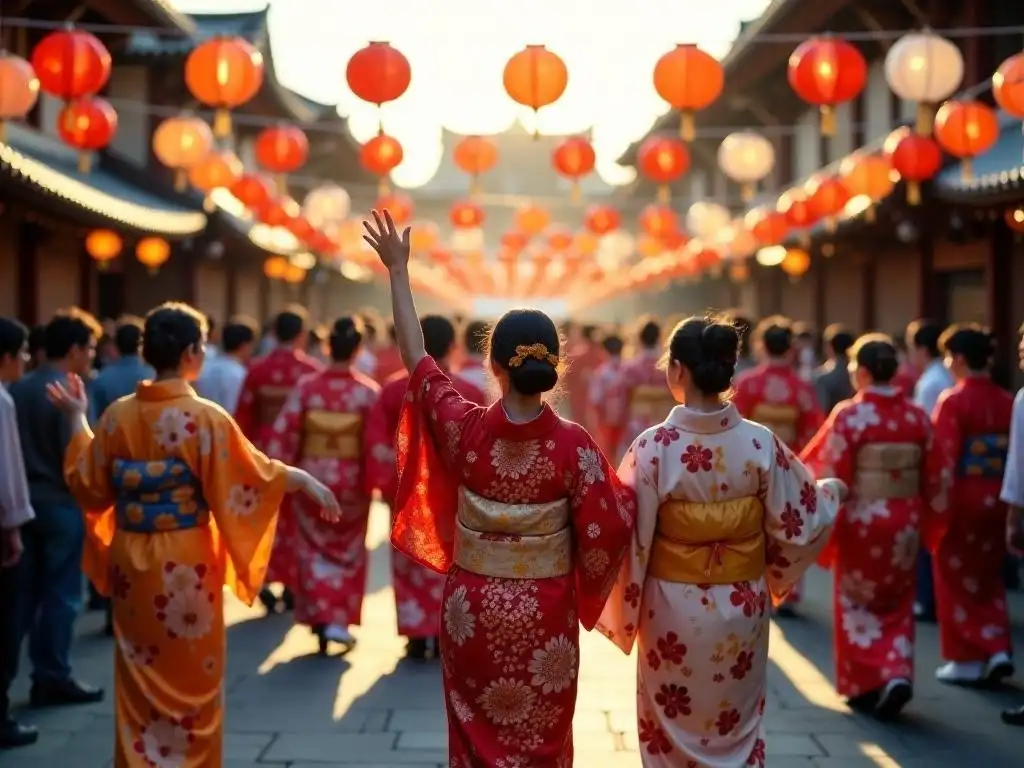
Welcome to Feudal Japan History, where we delve deep into the captivating tapestry of Japan’s feudal era. Here, history comes alive through the exploration of cultural, societal, and historical narratives that shaped a nation. In our latest article, "Hidden Gems: Lesser-Known Cultural Festivals Worth Exploring in Japan," we invite you to uncover the vibrant traditions that often fly under the radar yet hold profound significance in the cultural landscape. Are you ready to embark on a journey through time and discover the enchanting festivities that await? Dive in and let your curiosity guide you!
- Introduction to Lesser-Known Japanese Cultural Festivals
- Top 5 Lesser-Known Japanese Cultural Festivals Worth Exploring
- Planning Your Trip to Lesser-Known Festivals in Japan
- Experiencing Authentic Japanese Culture: What To Bring and Expect
- Conclusion: Embrace the Uniqueness of Japan's Cultural Festivals
-
Frequently Asked Questions
- What are some lesser-known Japanese cultural festivals to explore?
- When do these cultural festivals typically take place?
- How do these festivals reflect Japan’s feudal history?
- Are there any specific cultural practices associated with these festivals?
- How can tourists participate in these hidden gems?
- Final Reflection: Embracing the Beauty of Lesser-Known Japanese Cultural Festivals
- Embark on Your Cultural Adventure!
Introduction to Lesser-Known Japanese Cultural Festivals
Japan is a land rich in tradition, history, and culture, where every region boasts its unique customs and celebrations. Among these are the lesser-known Japanese cultural festivals, which offer an insightful glimpse into the local heritage and community spirit that defines the nation. While many may be familiar with the iconic cherry blossom festivals and the vibrant Gion Matsuri, a treasure trove of hidden gems awaits those willing to venture off the beaten path.
This article aims to uncover these captivating festivals, delving into their historical significance, cultural practices, and the vibrant communities that celebrate them. By exploring these hidden gems, travelers and enthusiasts can gain a deeper appreciation for the diverse tapestry of Japanese culture that continues to thrive today.
The Importance of Cultural Festivals in Japan's History
Cultural festivals in Japan serve as a vital link to the past, reflecting the country’s rich tapestry of traditions and communal values. These festivals, known as "matsuri," are deeply embedded in local customs and often celebrate the changing of seasons, agricultural cycles, and historical events.
- Historical Significance: Many festivals are rooted in ancient rituals, connecting the present with Japan's shamanistic origins. They often commemorate significant historical events or pay homage to deities, showcasing the spiritual and cultural heritage of the region.
- Community Bonding: Festivals foster community spirit and solidarity. Residents come together to organize events, prepare traditional foods, and participate in performances, strengthening social ties and promoting local identity.
- Cultural Preservation: Through the transmission of traditional practices, crafts, and performances, festivals play a crucial role in preserving Japan's cultural heritage. This includes everything from music and dance to artisan crafts, ensuring that these skills are passed down through generations.
Cultural festivals are not just celebrations; they are vital to understanding Japan's historical context and the evolution of its society.
Overview of the Feudal Era and Its Influence on Modern Festivals
The feudal era in Japan, spanning from the late 12th century to the early 19th century, was marked by a strict social hierarchy and the dominance of the samurai class. This period had a profound impact on the cultural landscape of Japan, influencing the development of festivals that continue to resonate today.
- Samurai Influence: Festivals often featured elements that reflected the values and aesthetics of the samurai, such as martial arts displays and processions in traditional armor. These events served both as entertainment and as a means to reinforce the samurai's status within society.
- Regional Variations: The feudal system encouraged regional diversity, leading to the emergence of unique festivals that highlighted local customs, deities, and agricultural practices. Each region developed its distinctive celebrations, resulting in a rich variety of festivities that symbolize local identity.
- Spirituality and Rituals: Many festivals during the feudal era were closely tied to Shinto and Buddhist beliefs. Rituals performed during these events were believed to bring blessings for a bountiful harvest or protection from misfortunes, showcasing the intertwining of spirituality and community life.
Understanding the influence of the feudal era on modern festivals allows us to appreciate the depth of cultural practices that have evolved over centuries. Today, these traditions are not only preserved but are celebrated with renewed vigor, making them essential experiences for anyone looking to explore the cultural richness of Japan.
Top 5 Lesser-Known Japanese Cultural Festivals Worth Exploring
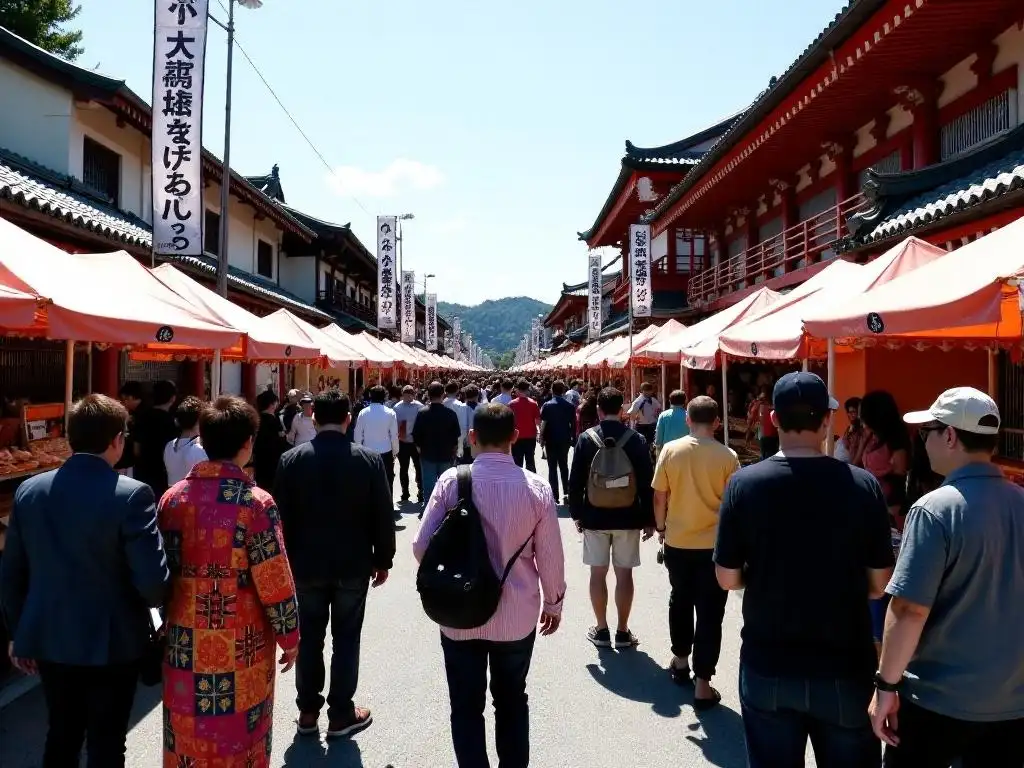
1. Takayama Matsuri: A Celebration of Spring and Autumn
Historical Significance of Takayama Matsuri
The Takayama Matsuri, celebrated in the picturesque city of Takayama in the Hida region, is renowned for its rich history and cultural significance. This festival dates back to the 16th century, initially held to pray for a good harvest. It has evolved over the centuries, intertwining Shinto and Buddhist traditions. The festival showcases the architectural beauty of the region, with its stunning floats and ceremonial processions reflecting the craftsmanship of the Edo period.
Unique Features of the Festival
One of the most striking features of the Takayama Matsuri is its elaborately decorated floats, known as "yatai." These floats are adorned with intricate carvings, textiles, and sometimes even puppets. During the spring festival, which takes place in April, visitors can witness the "Sanno Matsuri," while the autumn festival, held in October, features the "Hachiman Matsuri." Both festivals highlight traditional music, dance, and the vibrant community spirit that characterizes Takayama.
Recommended Activities and Experiences
When attending Takayama Matsuri, consider these activities for a memorable experience:
- Float Viewing: Explore the majestic yatai on display, especially the "yatai parade" where these floats are pulled through the streets.
- Local Cuisine: Savor traditional Hida beef and other local delicacies at food stalls throughout the festival.
- Cultural Workshops: Participate in workshops that offer insights into local crafts, such as sake brewing and wood carving.
- Nighttime Illuminations: Don’t miss the stunning nighttime display of floats illuminated by lanterns, creating a magical atmosphere.
2. Oni Matsuri: The Festival of the Demons
Origins and Myths Behind Oni Matsuri
Oni Matsuri, or the "Festival of the Demons," is a unique and lesser-known festival celebrated in various regions of Japan, particularly in the town of Himeji. This peculiar festival has roots in ancient Japanese folklore, where the Oni, or demons, are believed to ward off evil spirits. The festival typically takes place in mid-February, coinciding with the lunar calendar, and serves as a rite to ensure the protection of the community against malevolent forces.
Key Events and Rituals
The Oni Matsuri is characterized by vibrant parades featuring individuals dressed as Oni, complete with fearsome masks and elaborate costumes. Key events include:
- Oni Procession: A lively parade where participants don Oni costumes and make their way through the streets, often accompanied by drums and traditional music.
- Ritual Offerings: Local residents make offerings at shrines to appease the Oni, seeking blessings for prosperity and protection.
- Fire Rituals: Some regions incorporate fire rituals, where fiery torches are carried throughout the procession, symbolizing the dispelling of evil.
Tips for Attending: What to Expect
If you plan to attend Oni Matsuri, keep these tips in mind:
- Dress Comfortably: Expect large crowds and moving parades, so wear comfortable shoes and clothing.
- Plan Ahead: Research local accommodation options early, as this festival attracts many visitors.
- Engage with Locals: Interact with festival participants to learn more about the myths and traditions associated with the Oni.
- Capture the Moment: Bring your camera to document the colorful costumes and dynamic performances, but be respectful when taking photos of participants.
Exploring these lesser-known cultural festivals in Japan not only enriches your travel experience but also deepens your understanding of Japan’s diverse cultural heritage.
3. Katsuura Tuna Festival: A Culinary Celebration
The History of Tuna Fishing in Katsuura
Katsuura, located in Chiba Prefecture, has a rich history steeped in tuna fishing that dates back centuries. The town's strategic coastal position along the Pacific Ocean made it an ideal location for fishermen to catch various fish species, with bluefin tuna emerging as a prized catch. Traditionally, Katsuura has been known for its highly skilled fishermen who utilize time-honored techniques, such as pole and line fishing, to sustainably harvest tuna. This commitment to quality and tradition has not only shaped the local economy but also fostered a vibrant community centered around seafood.
The Katsuura Tuna Festival, which began in the early 2000s, celebrates this longstanding heritage. It serves as an homage to the hard work of local fishermen and the cultural significance of tuna in the region. Each year, the festival attracts thousands of visitors eager to learn about the fishing practices and enjoy the culinary delights that Katsuura has to offer.
Highlights of the Tuna Festival Experience
The Katsuura Tuna Festival is a sensory delight that captivates visitors with its exhilarating atmosphere and mouthwatering offerings. One of the festival's main features is the “Tuna Cutting Show,” where skilled chefs demonstrate the art of filleting a giant tuna, showcasing the precision and expertise involved in this culinary craft. This live demonstration is often accompanied by explanations of the different cuts of tuna, educating attendees about the fish's anatomy and culinary uses.
Taste testing is a key highlight, with stalls offering a wide array of tuna-based dishes, including sushi, sashimi, and grilled tuna. The festival also features cooking competitions, local craft vendors, and traditional performances, creating a festive environment that highlights the region's cultural richness. Additionally, visitors can participate in workshops to learn about tuna preparation, making the festival an interactive experience.
Where to Find Authentic Tuna Dishes
For those looking to savor authentic tuna dishes beyond the festival, Katsuura is home to several renowned restaurants specializing in seafood. Sushi restaurants such as "Katsuura Sushi" and "Uomura" are highly recommended for their fresh and expertly prepared tuna sushi and sashimi. These establishments pride themselves on using locally sourced fish, ensuring that the flavors reflect the ocean's bounty.
Moreover, many local eateries offer unique dishes like grilled tuna steak and tuna donburi (rice bowl), allowing visitors to experience the versatility of this beloved fish. Exploring Katsuura's bustling fish markets can also provide opportunities to discover fresh tuna and other seafood products, making it a culinary adventure for any food lover.
4. Awa Odori: The Dance of the Awakened Spirits
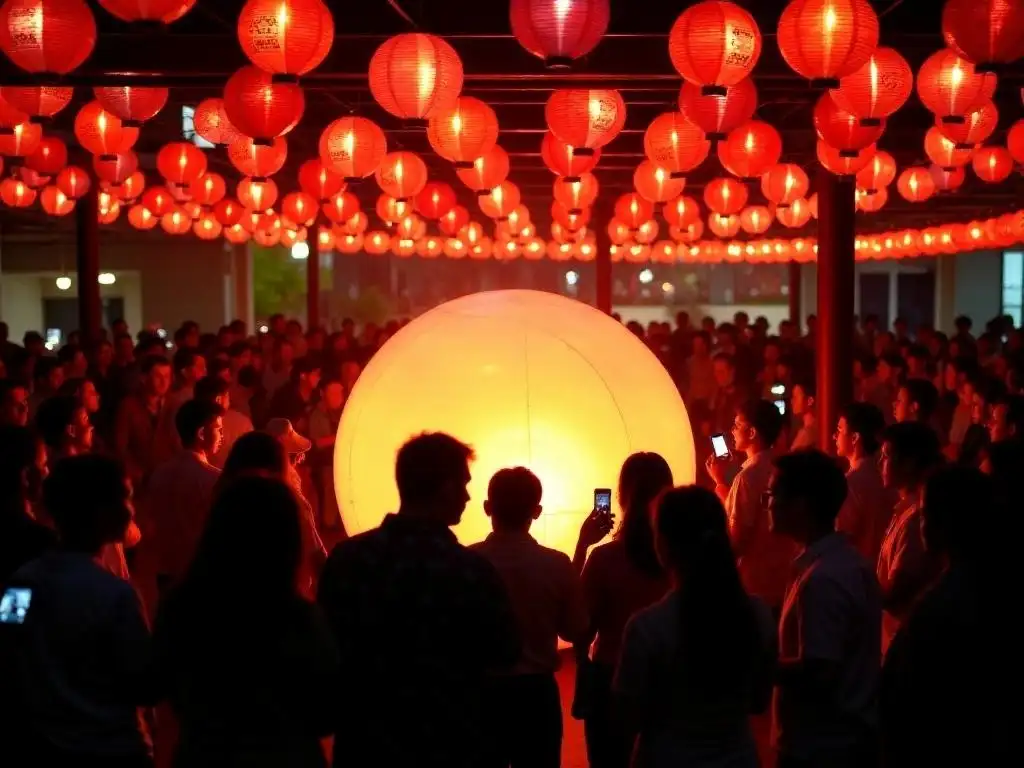
Cultural Roots of Awa Odori
Awa Odori, which translates to “Awa Dance,” is a traditional Japanese dance that originated in Tokushima Prefecture during the Edo period. The dance is part of the Awa Odori Festival, held annually in mid-August to celebrate Obon, a Buddhist tradition honoring deceased ancestors. The festival is steeped in local folklore, with stories suggesting that the dance began as a way to welcome the spirits of the dead back to the living world.
The festival is notable for its lively atmosphere, characterized by traditional music, vibrant costumes, and communal participation. Over the years, Awa Odori has transcended its local roots, becoming a symbol of Japanese culture that attracts both locals and tourists alike. The dance embodies a spirit of joy and community, inviting everyone to join in, regardless of skill level.
Dance Performances and Music: What Makes It Unique
What sets Awa Odori apart is its distinctive style that combines rhythmic footwork, flowing movements, and intricate hand gestures. Dancers typically wear “hapi” coats and “haneri” (a traditional sash), adorned in brightly colored fabrics that add to the visual spectacle. The dance incorporates an upbeat tempo, with musicians playing traditional instruments such as the shamisen (a three-stringed instrument), taiko drums, and flutes to create an infectious rhythm.
Awa Odori features two main types of dance: the “Awa Odori” performed by men and the “Onnanoko Odori” performed by women. Each dance showcases unique movements that reflect the performers' energy and spirit. The sense of unity and celebration is palpable, as participants often join hands and dance in circles, creating a sense of community and shared joy.
Best Viewing Spots and Tips for Participation
The Awa Odori Festival takes place in various locations across Tokushima, but the main event is held in the city center, where streets are closed off to accommodate large crowds. Some of the best viewing spots include Katsura River, where spectators can enjoy the performances against a picturesque backdrop, and Tokushima City Hall, which offers a more organized viewing area with seating.
For those wishing to participate, it is encouraged to wear traditional attire, adding to the festive spirit. Many local shops offer rental services for the “yukata” (a casual summer kimono), providing an authentic experience. Joining a dance group or participating in workshops prior to the festival can enhance the experience, allowing newcomers to learn the basic steps and movements, ensuring that everyone can join in the fun and celebration of Awa Odori.
5. Sapporo Snow Festival: Beyond the Ice and Snow
The Sapporo Snow Festival is not just a winter spectacle; it is an enchanting celebration of artistry, community, and the unique culture of Hokkaido. Held annually in February, this festival transforms the city of Sapporo into a winter wonderland, attracting visitors from around the globe. While it’s often overshadowed by more famous festivals, the Sapporo Snow Festival offers a rich experience that showcases the beauty of Hokkaido's winter and its cultural heritage.
Historical Context of the Sapporo Snow Festival
The origins of the Sapporo Snow Festival can be traced back to 1950, when a group of high school students built a series of snow sculptures in Odori Park. This spontaneous creation sparked interest and excitement in the community, leading to the first official festival the following year. Over the decades, the event has evolved significantly, growing in scale and complexity.
Today, it spans a week and features hundreds of ice and snow sculptures, some towering several meters high. The festival has also become a pivotal cultural event for Sapporo, symbolizing resilience and creativity in the face of harsh winter conditions. As a result, it attracts not only tourists but also international artists and participants, adding a global flair to this local celebration.
Artistry of Snow Sculptures and Ice Statues
One of the most captivating aspects of the Sapporo Snow Festival is the artistry displayed in its snow sculptures and ice statues. Talented artists from around the world come to compete and showcase their skills, creating intricate designs that range from traditional Japanese themes to modern pop culture icons.
The main venue, Odori Park, is home to massive sculptures that can reach heights of over 15 meters. These masterpieces are made from compacted snow and can take weeks to construct. Additionally, the festival includes a section dedicated to ice sculptures, featuring dazzling displays that are illuminated at night, creating a magical atmosphere.
Visitors can witness live sculpting demonstrations, giving them a chance to see the intricate process behind these stunning artworks. The attention to detail and creativity involved in each piece serves as a testament to the festival's commitment to celebrating winter in a unique and artistic way.
Family-Friendly Activities and Local Cuisine
The Sapporo Snow Festival is designed to entertain visitors of all ages, making it an ideal family outing. In addition to admiring the snow and ice sculptures, families can enjoy a variety of activities such as snow slides, snowman-building contests, and even snowshoeing. These engaging experiences allow children to immerse themselves in the winter wonderland, fostering a sense of joy and creativity.
Moreover, the festival provides an opportunity to indulge in local cuisine. The food stalls that line the festival grounds offer a delectable array of Hokkaido specialties, including:
- Jingisukan (Genghis Khan): A barbecue dish featuring lamb cooked on a convex metal grill.
- Hokkaido Soup Curry: A flavorful curry dish with a variety of vegetables and proteins.
- Sapporo Ramen: Famous for its rich miso broth and chewy noodles, this dish is a must-try.
These culinary delights not only satisfy the palate but also allow visitors to experience the rich flavors of Hokkaido’s agricultural bounty. As families enjoy the festivities and delicious food, they create cherished memories that last a lifetime, making the Sapporo Snow Festival a true hidden gem in Japan's cultural landscape.
Planning Your Trip to Lesser-Known Festivals in Japan
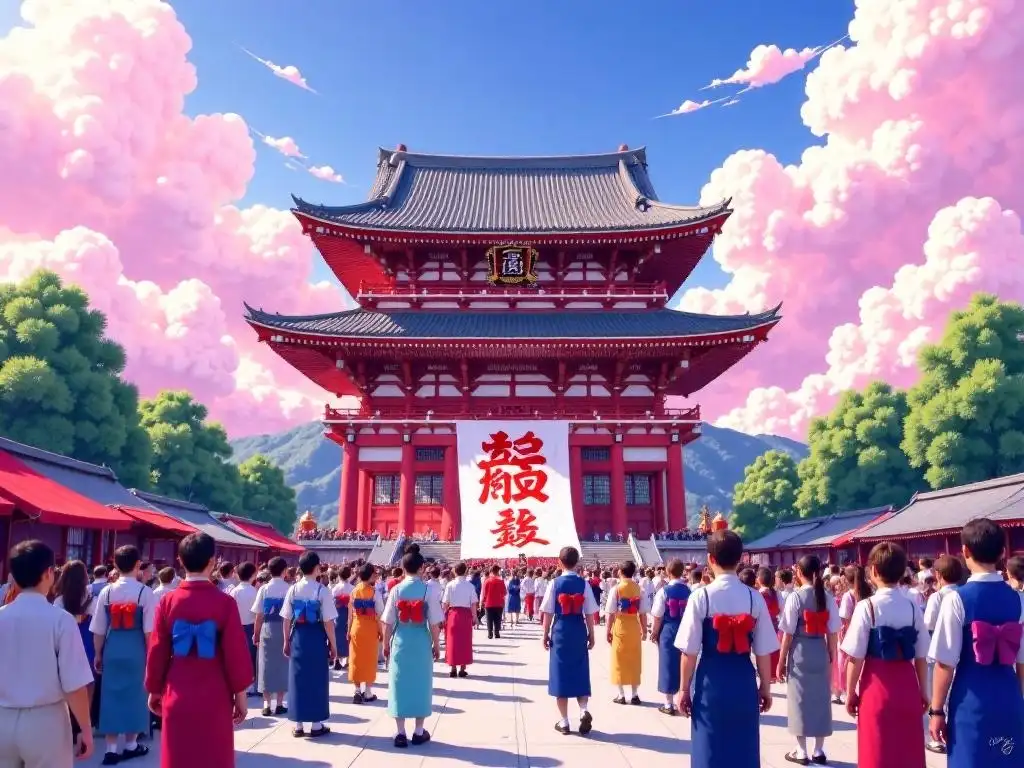
Best Times to Visit Japan for Cultural Festivals
When considering a trip to experience lesser-known Japanese cultural festivals, timing is crucial to fully immerse yourself in the vibrant traditions and festivities. Japan boasts a rich tapestry of festivals that span the seasons, each offering unique experiences:
- Spring (March to May): This season is characterized by the breathtaking cherry blossom festivals (Hanami), but also features lesser-known events like the Katsuura Tondo Matsuri in Chiba, held in mid-January, where large bonfires are lit to burn New Year's decorations. Late April also sees the Oni Matsuri in Kōchi, where locals dress as demons to ward off evil spirits.
- Summer (June to August): Summer is bustling with festivals. Noteworthy among them is the Awa Odori in Tokushima during mid-August, showcasing lively traditional dance. The Sanja Matsuri in Asakusa, Tokyo, occurs in May, but smaller local festivals like the Hōnen Matsuri in Komaki, Aichi, take place in March and celebrate fertility.
- Autumn (September to November): Autumn presents a picturesque backdrop for festivals. The Jidai Matsuri in Kyoto in mid-October honors the city's historical figures with a grand procession. Kikuma Matsuri in Shikoku, celebrated in November, features traditional music and dance.
- Winter (December to February): While winter may seem quiet, it hosts the Yuki Matsuri in Sapporo, famous for its snow sculptures, and the Kamakura Festival in Yokote, where igloos are lit with candles. These festivals celebrate the beauty of winter and the resilience of Japanese culture.
Transportation Tips for Traveling Across Japan
Navigating Japan to reach these lesser-known festivals can be an adventure in itself. Here are some key transportation tips:
- Japan Rail Pass: A cost-effective option for tourists, the Japan Rail Pass allows unlimited travel on JR trains. It's essential for reaching distant festival locations efficiently. Consider purchasing the pass before arriving in Japan.
- Local Trains and Buses: Many festivals are held in rural areas, which may not be easily accessible by bullet train. Check local train schedules and bus routes. For example, the Tottori Sand Dunes Conan Festival can be accessed via local buses from Tottori Station.
- Renting a Car: If you prefer flexibility, renting a car can be a convenient option, especially in regions like Hokkaido, where public transport may be limited. Be sure to familiarize yourself with local driving laws and parking options.
- Plan for Peak Times: During major festivals, transportation can get crowded. Book your train tickets in advance and consider traveling during off-peak hours to ensure a smoother journey.
Accommodation Recommendations Near Festival Locations
Finding suitable accommodation near your chosen festival can enhance your experience. Here are some recommendations based on popular lesser-known festivals:
- Minpaku (Private Lodging): Consider staying in a Minpaku, a type of private lodging that provides a more authentic experience. Areas like Kōchi during the Oni Matsuri offer Minpaku options where you can enjoy home-cooked meals and local hospitality.
- Traditional Ryokan: For those attending the Jidai Matsuri in Kyoto, look for ryokans (traditional inns) in the Gion district. These establishments often feature tatami-matted rooms, futons, and onsen (hot springs).
- Capsule Hotels: If you’re traveling on a budget, capsule hotels are an innovative and affordable accommodation option found throughout Japan, including cities like Tokyo and Osaka. They provide a unique experience, though they may not be available near rural festival locations.
- Hostels: Many hostels offer dormitory-style accommodations and are a great way to meet fellow travelers. Check out hostels in regions where festivals take place, such as Nara for the Nara Tōkae festival, to connect with others interested in cultural experiences.
By carefully planning your trip, considering the best times to visit, utilizing effective transportation methods, and choosing the right accommodations, you can enjoy a memorable journey through Japan's lesser-known cultural festivals.
Experiencing Authentic Japanese Culture: What To Bring and Expect
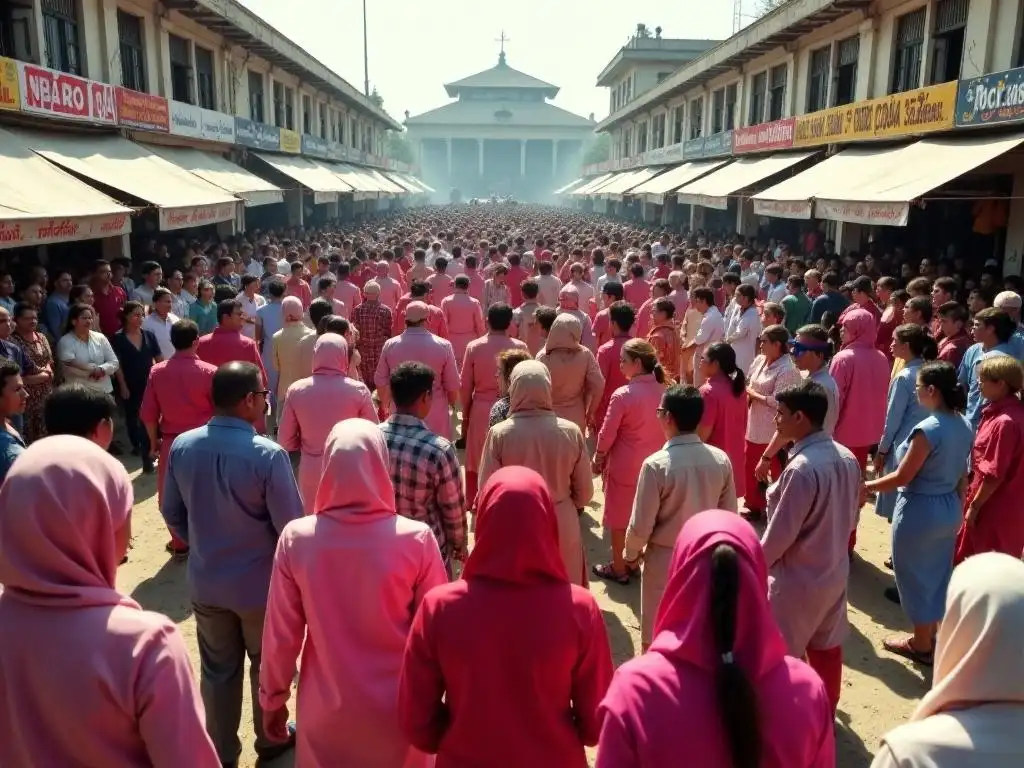
Experiencing lesser-known Japanese cultural festivals offers a unique opportunity to immerse yourself in the rich traditions and customs that define Japan's vibrant heritage. These festivals often showcase local practices, art forms, and communal spirit, making them a central part of the cultural landscape. To fully appreciate these experiences, it's crucial to know what to bring and what to expect during your visit.
Essential Items for Festival Visitors
When attending a lesser-known cultural festival in Japan, packing the right items can enhance your experience significantly. Here’s a detailed list of essential items to consider:
- Comfortable Footwear: Festivals often involve a lot of walking, so bring sturdy shoes. Traditional sandals like geta can also add to the experience.
- Lightweight Clothing: Depending on the season, wear breathable fabrics. If you’re attending a summer festival, consider a yukata, a casual summer kimono.
- Cash: Many festivals operate on a cash basis. Vendors may not accept credit cards, so carry enough yen for food, drinks, and souvenirs.
- Portable Charger: To capture the festival’s moments, ensure your phone is charged. A portable charger can be a lifesaver during long events.
- Reusable Water Bottle: Staying hydrated is essential, especially during outdoor festivals. Many festivals provide water stations, but having your own bottle is convenient.
- Foldable Umbrella or Raincoat: Weather can be unpredictable. Carrying a lightweight umbrella can protect you from both sun and rain.
Cultural Etiquette and Practices to Observe
Participating respectfully in festivals is crucial to experiencing the culture authentically. Here are some cultural etiquette tips to keep in mind:
- Dress Appropriately: Wearing traditional clothing like a yukata not only enhances your experience but shows respect for the culture.
- Be Mindful of Photography: Always ask for permission before taking photos of people, especially performers. Some festivals may have restrictions on photography in sacred areas.
- Respect Local Customs: Each festival has its own set of traditions. Observe what locals do and follow suit. For example, during a matsuri (festival), bowing and greeting the shrine may be part of the experience.
- Participate in Activities: Engage in festival activities, such as traditional games or dances. Locals appreciate visitors who show interest in their culture.
- Dispose of Trash Properly: Festivals may not have many trash bins. Bring a small bag for your waste to keep the area clean and respect the environment.
Local Souvenirs: Supporting Artisans and Communities
Buying local souvenirs at festivals is a wonderful way to support artisans and communities while taking home a piece of your experience. Consider these types of souvenirs:
- Handcrafted Items: Look for unique handmade crafts, such as pottery, textiles, and woodwork. These items often reflect the local culture and craftsmanship.
- Traditional Snacks and Sweets: Many festivals feature local delicacies. Purchasing snacks not only supports local vendors but also allows you to savor the flavors of the region.
- Artisan-made Accessories: Items like jewelry, fans, or ornaments made by local artists can serve as beautiful reminders of your experience.
- Cultural Books or Guides: Help support local authors by buying books about the history or culture of the area. These can offer deeper insights into the festival's significance.
By preparing adequately, observing cultural practices, and supporting local artisans, you can ensure a rich and rewarding experience at lesser-known Japanese cultural festivals.
Conclusion: Embrace the Uniqueness of Japan's Cultural Festivals
Embracing the richness of lesser-known Japanese cultural festivals is not just about experiencing unique events; it's a journey into the heart of Japan’s diverse heritage. These festivals, often held in the shadow of their more famous counterparts, offer a glimpse into the local customs, traditions, and community spirit that define various regions. By participating in these events, visitors gain insights into the historical narratives and cultural practices that have shaped Japanese society over centuries.
Through vibrant displays of local art, traditional music, and age-old rituals, lesser-known festivals serve as living museums of Japan’s cultural evolution. Each festival tells a story, reflecting the values, beliefs, and histories of the communities that celebrate them. For instance, the Oni Matsuri in the snowy town of Kushiro showcases the unique Ainu culture, while the Togakushi Fire Festival in Nagano highlights ancient Shinto practices.
These events not only preserve local heritage but also foster a sense of identity and belonging among residents, reinforcing the bonds within communities. As such, they are essential in maintaining the cultural fabric of Japan.
The Lasting Impact of Lesser-Known Festivals on Japanese Heritage
The impact of lesser-known Japanese cultural festivals extends beyond the immediate enjoyment of participants. These festivals play a crucial role in cultural preservation and transmission. By engaging younger generations through interactive experiences, they ensure that traditional crafts, performances, and rituals are not lost to time.
Key Aspects of Their Impact:
- Cultural Education: Festivals often include workshops and demonstrations of traditional crafts, providing educational opportunities for attendees.
- Community Engagement: They encourage local participation, fostering pride and ownership of cultural heritage.
- Economic Support: Lesser-known festivals contribute to local economies by attracting visitors, promoting regional products, and creating jobs.
For example, the Furukawa Matsuri, known for its elaborate floats, not only showcases artistry but also brings together artisans and local businesses, creating a supportive economic ecosystem. Such festivals underscore the interconnectedness of culture and community, reinforcing the importance of preserving these unique legacies.
Encouragement to Explore Beyond the Popular Tourist Spots
While Japan is renowned for its iconic festivals like Gion Matsuri in Kyoto and Nebuta Matsuri in Aomori, the true essence of Japanese cultural experiences often lies off the beaten path. Travelers are encouraged to seek out lesser-known Japanese cultural festivals to enjoy a deeper, more authentic connection with the local culture.
Here are some reasons to venture beyond the popular tourist spots:
- Authenticity: Lesser-known festivals provide a more genuine experience, often free from the commercialization seen in larger events.
- Intimacy: Smaller crowds allow for closer interactions with locals and a more personal experience of the festivities.
- Unique Traditions: Discovering unique customs and traditions, many of which have been passed down through generations, enriches one's understanding of Japan's cultural diversity.
Some festivals worth exploring include:
- Jidai Matsuri in Kyoto, focusing on historical processions.
- Tottori Sand Dunes Conan Festival, showcasing local folklore and sand sculptures.
- Sanja Matsuri in Asakusa, which celebrates the founding deities of the Senso-ji Temple.
By embracing these hidden gems, travelers not only enrich their travel experience but also contribute to the preservation of Japan’s vibrant cultural landscape. As you plan your next adventure, consider stepping outside the familiar to uncover the extraordinary stories that await in Japan’s lesser-known cultural festivals.
Frequently Asked Questions
What are some lesser-known Japanese cultural festivals to explore?
Many hidden gems include the Oni Matsuri in Kagawa, the Hina Matsuri in Hina, and the Kawagoe Festival, each offering unique cultural experiences and traditions.
When do these cultural festivals typically take place?
These festivals usually occur throughout the year, with some like the Oni Matsuri celebrated in February and others like the Kawagoe Festival in October, making them accessible for various travel itineraries.
How do these festivals reflect Japan’s feudal history?
Many of these festivals are rooted in historical traditions, showcasing rituals and customs that date back to the feudal era, allowing visitors to experience Japan's rich cultural heritage.
Are there any specific cultural practices associated with these festivals?
Yes, each festival features unique practices, such as traditional performances, local cuisines, and artisanal crafts, which provide insight into the local culture and community values.
Tourists can participate by attending the festivals, engaging with local artisans, and experiencing the culinary delights offered, immersing themselves in the vibrant cultural atmosphere.
Final Reflection: Embracing the Beauty of Lesser-Known Japanese Cultural Festivals
The exploration of lesser-known Japanese cultural festivals reveals a rich tapestry of tradition and community that is often overshadowed by more famous events. In a world increasingly driven by the mainstream, these hidden gems offer a refreshing perspective on Japan's diverse cultural heritage. They remind us that the heart of a culture often beats strongest in the quiet corners, where local customs and communal spirit flourish.
Cultural festivals are not just events; they are living expressions of identity and history that shape our understanding of a community. The lesser-known festivals we’ve uncovered in this article serve as vital links to the past and present, fostering connections among people and celebrating unique regional traditions. As the renowned Japanese author Haruki Murakami once said, The most important thing we learn at school is the fact that the most important things can't be learned at school.
This sentiment resonates deeply when we consider the invaluable lessons and experiences that these festivals provide, transcending the confines of formal education and inviting us to engage with culture in a more profound way.
As you reflect on the beauty and significance of these lesser-known festivals, I encourage you to seek out opportunities to immerse yourself in local traditions, whether in Japan or your own community. Take the time to explore, participate, and celebrate the unique cultural expressions that surround you.
By doing so, you not only enrich your own life but also contribute to the preservation and appreciation of these vibrant traditions. Let us embrace the hidden gems that lie just beyond the surface, for they hold the power to connect us to one another and to the rich tapestry of human experience.
Embark on Your Cultural Adventure!
Thank you for exploring the vibrant world of Japan's hidden festival gems! We hope this article has ignited your curiosity and appreciation for the rich tapestry of cultural experiences just waiting to be discovered. Now, let’s take that inspiration and put it into action!
- Plan your next trip to Japan around one of these remarkable festivals— experience the magic firsthand!
- Share your excitement on social media by tagging your favorite festival insights— invite others to join your journey!
- Consider organizing a local cultural event that showcases the beauty of these festivals—you can bring the spirit of Japan to your hometown!
What unique traditions would you love to see come alive in your own community?