
The Enigmatic Origins of Matsuri: Unveiling Japan's Cultural Festivals

Welcome to Feudal Japan History, where we take you on an immersive journey through the captivating tapestry of Japan’s feudal era. Here, history is not just a tale of warriors and shoguns; it’s a vibrant celebration of culture and tradition. Dive into our featured article, " The Enigmatic Origins of Matsuri: Unveiling Japan's Cultural Festivals," and discover the intriguing roots of Japan's most cherished festivals. What secrets do these matsuri hold? Join us as we unravel the stories behind the rituals, colors, and community spirit that have shaped Japan's cultural landscape through the ages. Your adventure awaits—read on!
Introduction to Japan's Cultural Festivals History
Japan's cultural festivals, known as matsuri, are vibrant events that showcase the country's rich history, traditions, and community spirit. These festivals, which often involve elaborate rituals, performances, and colorful parades, serve as a celebration of both agricultural cycles and religious beliefs. The roots of these cultural phenomena can be traced back centuries, intertwining with Japan's social, political, and economic developments.
As such, understanding the history of Japan's cultural festivals is essential for anyone seeking to grasp the complexities of Japanese society and its evolution through time. This article aims to delve into the enigmatic origins of matsuri, exploring the cultural landscapes that shaped these festivals and their significance in contemporary Japan.
Understanding Matsuri: Definition and Meaning
At its core, the term matsuri (祭り) translates to "festival" in Japanese, but its meaning encompasses much more than mere celebration. Matsuri are deeply embedded in the fabric of Japanese culture, often associated with local shrines and deities. They serve multiple purposes, including:
- Religious Observance: Many matsuri are held in honor of kami, or spirits, and involve rituals that date back to Shinto beliefs.
- Community Bonding: These festivals foster a sense of unity and belonging among community members, often drawing large crowds and encouraging participation from all ages.
- Cultural Preservation: Matsuri play a crucial role in preserving traditional arts, crafts, and performances, ensuring that these cultural expressions are passed down through generations.
The dynamic nature of matsuri reflects the diverse tapestry of Japan's regional differences, with each area showcasing its unique customs and practices.
Historical Background of Japan’s Cultural Festivals
The history of Japan’s cultural festivals is as intricate as the festivals themselves. They have evolved over time, influenced by various historical events, social changes, and cultural exchanges. Key aspects of this historical background include:
- Agricultural Roots: Many of Japan's earliest festivals were agricultural in nature, celebrating harvests and seasonal changes. For instance, the Niiname-sai festival, celebrated in November, is a ritual to give thanks for the harvest and pray for future bounties.
- Buddhist Influence: The introduction of Buddhism in the 6th century brought new elements to Japanese festivals, intertwining Buddhist rituals with indigenous Shinto practices. This syncretism resulted in unique festivals, such as Obon, which honors the spirits of ancestors.
- Samurai Culture: The feudal era saw the rise of samurai culture, which influenced the aesthetics and organization of festivals. Many matsuri were used to demonstrate the power and prestige of local warlords, often accompanied by displays of martial prowess.
- Modern Adaptations: In the contemporary era, matsuri have adapted to reflect modern society while retaining their historical essence. Today, they often incorporate contemporary art forms, music, and technology, making them accessible and appealing to younger generations.
By examining the historical evolution of matsuri, we gain insight into how these cultural festivals have not only survived but thrived, continuously shaping and reflecting the identity of Japanese society.
Types of Matsuri: A Diverse Cultural Tapestry
Matsuri, or Japanese festivals, are rich in diversity and are celebrated throughout the year, each reflecting unique local traditions, seasonal changes, and community values. The types of matsuri can generally be categorized into several groups, based on their purpose and the elements they incorporate:
- Seasonal Festivals: These matsuri celebrate the change of seasons, with many focusing on agriculture, such as the rice planting and harvest festivals (e.g., Inaho Matsuri). They often include rituals to honor the deities that oversee agricultural prosperity.
- Religious Festivals: Rooted deeply in Shinto and Buddhist practices, religious matsuri are held to honor gods and spirits. The Gion Matsuri in Kyoto is one of the most famous, featuring processions and rituals intended to appease the gods and ensure a good harvest.
- Community Festivals: These local celebrations are centered around the community and often feature parades, traditional dances, and food stalls. They foster community spirit and pride, such as the Sanja Matsuri in Asakusa, which highlights local culture and heritage.
- Historical Festivals: Some matsuri commemorate historical events or figures. The Jidai Matsuri represents the history of Kyoto through elaborate costumes and processions that depict different eras of the city’s past.
Each type of matsuri is characterized by its unique customs and festivities, making them an integral part of Japan's cultural landscape. The variety of these festivals showcases the rich tapestry of Japan's regional identities and collective memory.
Key Elements of Matsuri: Rituals and Traditions
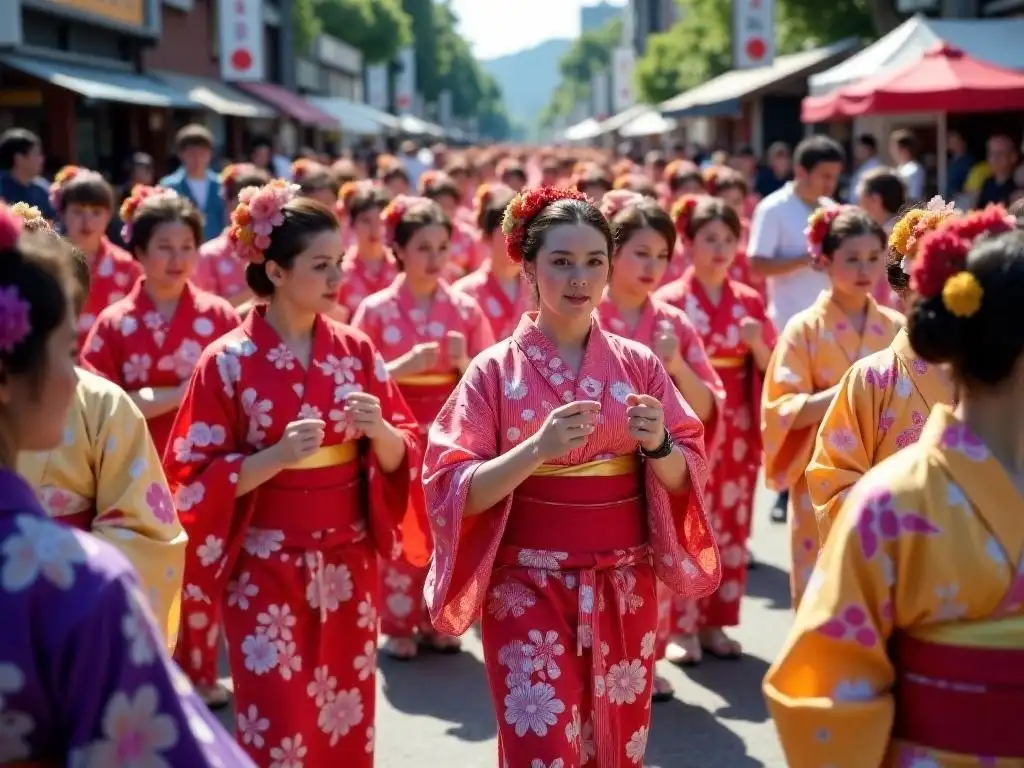
At the core of every matsuri are rituals and traditions that have been passed down through generations, signifying the community's relationship with nature, spirituality, and each other. Here are some of the key elements:
- Processions: Many matsuri feature parades where participants dressed in traditional attire carry portable shrines (mikoshi) through the streets. This symbolizes the journey of the deity from the shrine to the community.
- Offerings: Rituals often include the offering of food, sake, and other items to deities, reflecting gratitude and the hope for blessings. These offerings are integral to the ceremonies, reinforcing the spiritual connection.
- Traditional Arts and Crafts: Matsuri frequently showcase local artisans through performances of traditional music, dance, and crafts. This not only preserves cultural heritage but also engages the community in its artistic expressions.
- Food and Drink: Culinary offerings play a significant role in matsuri, with stalls selling local delicacies. Enjoying food together fosters community bonding and enhances the festive atmosphere.
- Fireworks and Light Displays: Many festivals conclude with stunning firework displays or lantern lighting, symbolizing the spirits' departure and celebrating the community’s unity.
These key elements contribute to the overall experience of matsuri, creating a vibrant atmosphere that draws both locals and tourists alike. They serve as a reminder of Japan’s rich cultural heritage and the importance of community in maintaining these traditions.
Famous Matsuri in Japan: Highlights and Attractions
Japan is home to numerous famous matsuri, each offering unique experiences and attractions. Here are some of the most notable festivals:
- Gion Matsuri (Kyoto): Held throughout July, this festival is renowned for its grand processions of ornate floats (yamaboko) and traditional costumes. The Gion Matsuri is a celebration of the Yasaka Shrine and features various rituals and events, making it one of the most celebrated festivals in Japan.
- Sanja Matsuri (Tokyo): Taking place in mid-May, this festival features lively parades, traditional music, and the carrying of mikoshi from Asakusa Shrine. It attracts millions of visitors and is famous for its energetic atmosphere.
- Aoi Matsuri (Kyoto): Celebrated on May 15, this historical festival is characterized by its elegant procession where participants dress in Heian-era clothing, showcasing Kyoto’s rich history and culture while honoring the Kamo Shrines.
- Nebuta Matsuri (Aomori): Held in early August, this festival is famous for its large, illuminated floats made of painted paper and bamboo. The vibrant colors and lively music create an electrifying atmosphere, making it a must-see event.
- Kanda Matsuri (Tokyo): Occurring in odd-numbered years in mid-May, it features grand processions of mikoshi and floats, celebrating the Kanda Shrine. This festival is a blend of tradition and modernity, attracting many spectators.
These famous matsuri not only highlight the diversity of Japan’s cultural festivals but also serve as a testament to the country's rich history and vibrant communal life. Each festival offers a unique glimpse into local customs, traditions, and the spirit of celebration that defines Japan.
The Role of Matsuri in Modern Japanese Society
Matsuri, or traditional Japanese festivals, continue to play a significant role in modern Japanese society. These vibrant events are not just relics of the past; they serve as a dynamic bridge linking contemporary life with historical traditions. Matsuri foster a sense of community, bringing people together from various backgrounds to celebrate shared cultural heritage. They create opportunities for social interaction, reinforcing interpersonal bonds among community members.
In urban settings, where the pace of life can be fast and impersonal, matsuri offer a refreshing escape. They often transform streets into lively marketplaces filled with food stalls, games, and traditional performances, creating an atmosphere of joy and camaraderie. Additionally, these festivals are crucial for preserving local customs and practices, ensuring that younger generations recognize the importance of cultural heritage.
From a broader perspective, matsuri also contribute to Japan’s economy, especially in tourism. They attract both domestic and international visitors, eager to experience the unique sights, sounds, and tastes that these festivals offer. Major matsuri, such as the Gion Matsuri in Kyoto, draw thousands of visitors, showcasing the intricate floats and traditional attire, thus securing their place as vital cultural and economic events in Japanese society.
Participating in Matsuri: A Traveler's Guide
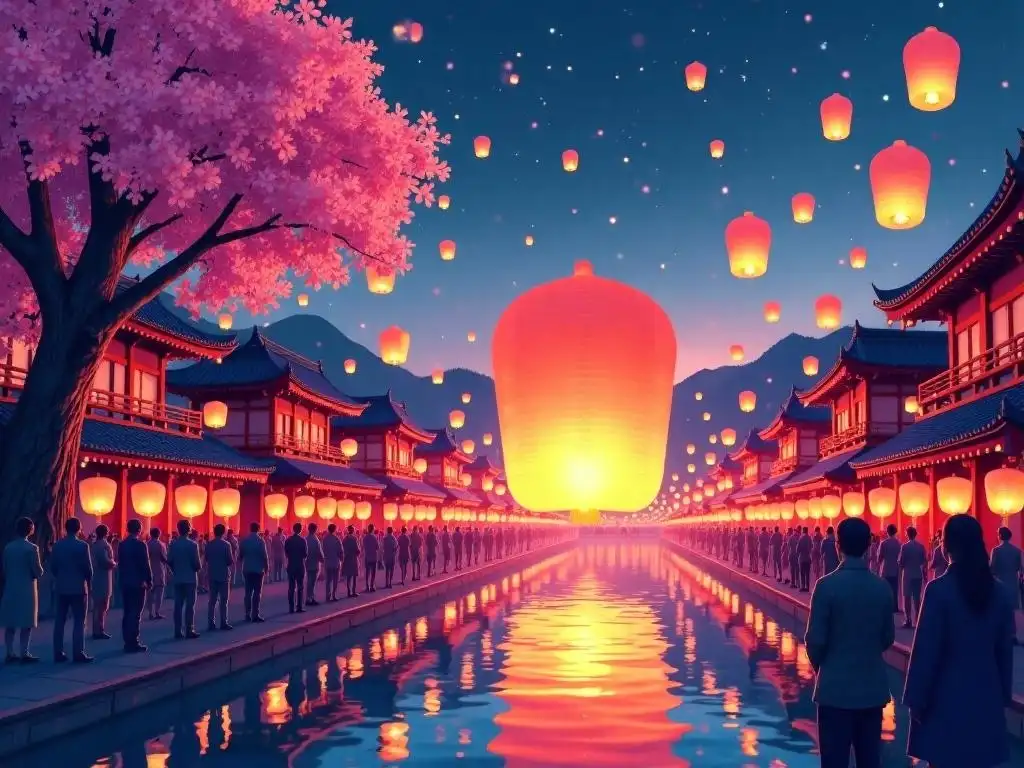
For travelers eager to immerse themselves in Japan's cultural festivals, participating in a matsuri can be a transformative experience. Here are some essential tips to ensure a fulfilling visit:
- Research Local Matsuri:
- Each region in Japan hosts its own unique matsuri, often reflecting local traditions, deities, and seasonal changes. Researching the dates and themes of these festivals can help you choose the right one to attend.
- Dress Appropriately:
- While casual attire is typically acceptable, wearing traditional clothing such as a yukata can enhance your experience. Many festival-goers don these garments, allowing you to feel more connected to the festivities.
- Engage with Locals:
- Don’t hesitate to strike up conversations with local participants. Many are eager to share the stories and significance behind their traditions, enriching your understanding of the festival.
- Try the Food:
- Matsuri are renowned for their delicious street food. Be sure to sample local delicacies, from yakitori (grilled chicken skewers) to takoyaki (octopus balls), as they are integral to the festival experience.
- Respect Traditions:
- Each matsuri has its own set of rituals and customs. Observing and respecting these traditions is essential, as they hold deep cultural significance for the participants.
- Capture the Moment:
- While enjoying the festivities, capture the vibrant atmosphere through photography. However, always ask for permission before photographing individuals, especially during religious ceremonies.
By following these guidelines, travelers can fully appreciate the richness of Japan’s cultural festivals and contribute to the lively spirit of matsuri.
Conclusion: The Legacy of Matsuri in Japan's Cultural Festivals History
The legacy of matsuri is deeply woven into the fabric of Japan’s cultural festivals history. These festivals not only celebrate the past but also adapt to the present, reflecting the changing dynamics of Japanese society. Throughout the centuries, matsuri have evolved, incorporating new elements while remaining anchored in tradition.
As modern Japan faces globalization and technological advancements, the resilience of matsuri showcases the importance of cultural identity. They serve as a reminder of the country's rich heritage, emphasizing the need to preserve and honor these customs in a rapidly changing world. The enduring popularity of matsuri highlights their significance as cultural touchstones, fostering community, continuity, and celebration.
The enigmatic origins of matsuri unveil a captivating narrative that continues to unfold. By participating in these vibrant festivals, both locals and travelers alike contribute to the legacy of Japan's cultural festivals, ensuring that these traditions endure for generations to come. The history of Japan's cultural festivals is not just a reflection of the past; it is a living, breathing celebration of life, community, and cultural pride.
Additional Resources for Exploring Japan's Cultural Festivals
When diving into the rich tapestry of Japan's cultural festivals, a plethora of resources can enhance your understanding and appreciation. Here are some invaluable tools and references to help you explore the vibrant world of matsuri and the historical context surrounding these events:
Books
-
"The Festivals of Japan" by Noriko Kudo and John R. McCarty
This comprehensive guide offers insights into the diverse range of festivals held throughout Japan, including their origins, practices, and significance in contemporary society.
-
"Matsuri: The Soul of Japan" by Anthony S. Kwan
A visually stunning book that delves into the ethos of Japanese festivals, illustrating how they connect communities and preserve cultural heritage.
-
"Japanese Festivals: A Guide to the History and Traditions" by David A. Smith
This book provides an overview of various festivals, along with the historical and cultural contexts that shape them, making it an essential read for enthusiasts.
Online Platforms
-
Japan National Tourism Organization (JNTO)
The JNTO website features a dedicated section on cultural festivals, including event calendars, festival highlights, and travel tips for experiencing these festivals firsthand.
-
YouTube Channels
Search for channels dedicated to Japanese culture, such as "Only in Japan" and "Abroad in Japan," where creators document their experiences at various matsuri, providing a visual and immersive perspective.
-
Cultural Blogs
Websites like "Japan Travel" and "The Culture Trip" often publish articles and personal narratives about specific festivals, sharing firsthand accounts and practical advice for visitors.
Documentaries and Films
-
"Matsuri: The Festivals of Japan"
This documentary explores various festivals across Japan, showcasing their unique traditions and the communities that celebrate them.
-
"The Spirit of Japan: Festivals"
A captivating film that captures the essence of Japanese cultural festivals, focusing on the rituals, preparations, and the sense of community they foster.
Academic Journals
-
Journal of Asian Studies
This publication often features articles that explore the historical and cultural significance of matsuri, providing scholarly perspectives and insights that deepen the understanding of these festivals.
-
Japanese Studies
A journal dedicated to various aspects of Japanese culture, including the socio-cultural implications of festivals and their evolution in modern Japan.
Local Resources
-
Visitor Centers
When visiting Japan, local tourist information centers can be a treasure trove of resources. They often provide brochures, maps, and expert advice on upcoming festivals in the region.
-
Community Workshops
Participating in workshops about traditional crafts or practices related to festivals can provide hands-on experience and a deeper connection to the cultural significance of matsuri.
By utilizing these resources, anyone interested in Japan's cultural festivals history can gain a richer understanding of the traditions, practices, and societal roles that matsuri play in Japanese culture. Whether you are a traveler planning to attend a festival or a scholar researching its origins, these tools will help illuminate the enchanting world of Japan's vibrant celebrations.
- Introduction to Japan's Cultural Festivals History
- Understanding Matsuri: Definition and Meaning
- Historical Background of Japan’s Cultural Festivals
- Types of Matsuri: A Diverse Cultural Tapestry
- Key Elements of Matsuri: Rituals and Traditions
- Famous Matsuri in Japan: Highlights and Attractions
- The Role of Matsuri in Modern Japanese Society
- Participating in Matsuri: A Traveler's Guide
- Conclusion: The Legacy of Matsuri in Japan's Cultural Festivals History
- Additional Resources for Exploring Japan's Cultural Festivals
Frequently Asked Questions
What are Matsuri in the context of Japanese culture?
Matsuri are traditional festivals celebrated throughout Japan that often honor local deities and seasonal changes, showcasing the rich cultural heritage of the country.
How did Matsuri originate in Japan?
The origins of Matsuri can be traced back to ancient agricultural rituals and Shinto beliefs, which evolved over centuries into the vibrant festivals we see today, reflecting various historical influences.
What role do cultural festivals play in Japanese society?
Cultural festivals, or Matsuri, serve to strengthen community bonds, preserve historical traditions, and promote local pride, while also attracting tourism and showcasing Japan's unique cultural diversity.
Are there specific Matsuri that are particularly famous?
Yes, festivals like the Gion Matsuri in Kyoto and the Nebuta Matsuri in Aomori are renowned for their elaborate floats, traditional performances, and significant historical backgrounds, drawing large crowds each year.
How do cultural festivals reflect Japan's history?
Japan's cultural festivals encapsulate the historical journey of the nation, merging religious practices, local customs, and community celebrations that illustrate the evolution of Japanese society over time.
Final Reflection: Embracing the Spirit of Japan's Cultural Festivals
In exploring the enigmatic origins of Matsuri, we uncover not just the history of Japan's cultural festivals, but also their profound relevance in today's society. These vibrant celebrations serve as a bridge connecting the past with the present, reminding us of the rich tapestry of traditions that shape our identities. As we navigate an increasingly globalized world, the importance of preserving and honoring these cultural legacies becomes ever more crucial. The essence of Matsuri transcends mere festivity; it embodies the resilience and unity of communities, echoing the sentiment that "to understand a culture, one must first embrace its celebrations."
The influence of Matsuri on Japan's cultural and social landscape is undeniable. These festivals are not just events; they are living narratives that reflect the values, beliefs, and histories of the people. From the joyous parades to the solemn rituals, each Matsuri tells a story that resonates with both locals and visitors alike. As we witness the revival and adaptation of these traditions in modern contexts, we see how they continue to foster a sense of belonging and continuity. Festivals are the heartbeat of a community, reminding us of who we are and where we come from.
As we conclude this exploration of Japan's cultural festivals, I invite you to reflect on the role of tradition in your own life. How can you embrace and celebrate the cultural narratives that shape your identity? Let the spirit of Matsuri inspire you to seek out and honor the festivals in your community, or perhaps even to create your own. By doing so, you contribute to the ongoing story of culture and connection, ensuring that these vibrant traditions continue to thrive for generations to come.
Unleash the Spirit of Matsuri Today!
Thank you for diving into the fascinating world of Matsuri and Japan's vibrant cultural festivals! You've uncovered the rich heritage and community spirit that these unique events embody. Now, it’s time to put that inspiration into action and celebrate Matsuri in your own way!
Here are a few engaging ways to get involved and bring the spirit of Matsuri into your life:
- Join a Local Festival: Find a nearby cultural or community festival and immerse yourself in the festivities. Dress in traditional attire, participate in the activities, and connect with your neighbors!
- Organize a Mini Matsuri: Gather friends and family to host your own mini Matsuri celebration at home! Prepare traditional foods, share stories, and even incorporate fun games to spread the joy of Japanese culture.
- Share Your Experience: Document your journey on social media! Use relevant hashtags and connect with others interested in Japanese culture—your story might inspire someone else to join in!
As you explore these exciting possibilities, consider what aspects of Matsuri culture resonate with you the most and how you can incorporate them into your celebrations.