
The Transformative Power of Matsuri: Community, Identity, and Belonging

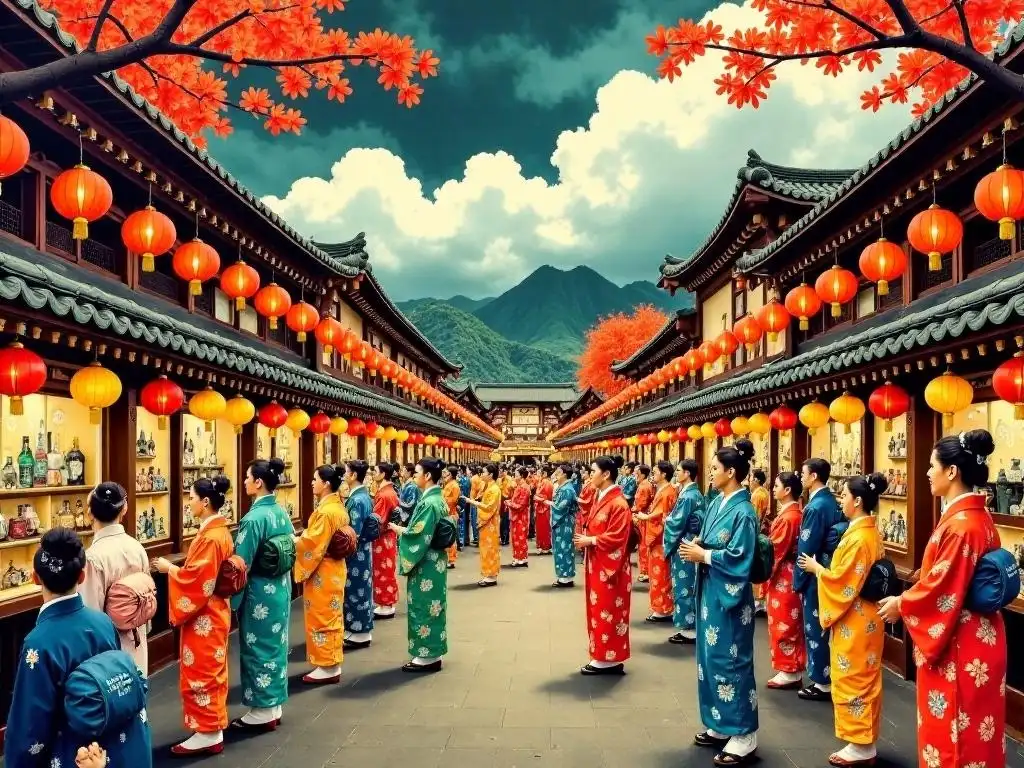
Welcome to Feudal Japan History, where we invite you to embark on a mesmerizing journey through the rich tapestry of Japan’s feudal era. Here, we delve into the vibrant world of Matsuri festivals in feudal Japan, illuminating their transformative power in shaping community, identity, and belonging. What secrets lie within these ancient celebrations? Discover how these festivals not only marked the passage of seasons but also served as a unifying force for the people. Join us as we unravel the captivating stories behind these cultural gems and ignite your curiosity to explore further!
Introduction to Matsuri Festivals in Feudal Japan
Matsuri festivals in feudal Japan are more than mere celebrations; they represent a profound cultural phenomenon that weaves together community, identity, and collective belonging. Originating from ancient Shinto rituals, these festivals evolved over centuries, becoming essential events that reflected the social fabric of Japanese life during the feudal era. Through the lens of Matsuri, we can explore how these vibrant festivals helped shape communal values and fostered a sense of identity among diverse groups in a rapidly changing society.
In feudal Japan, characterized by a complex hierarchy and regional diversity, Matsuri festivals served as a unifying force, bridging gaps between various social classes and local communities. Each festival was steeped in tradition and often tied to agricultural cycles, religious observances, and local legends. The intricate performances, colorful processions, and shared rituals created an environment where the past was honored while simultaneously nurturing a collective future.
As we delve deeper into the transformative power of Matsuri, we will uncover the multifaceted roles these festivals played in community building and cultural exchange, highlighting their lasting impact on Japanese identity and heritage.
The Role of Matsuri Festivals in Community Building
Matsuri festivals acted as vital social events that brought communities together, reinforcing bonds and promoting a sense of belonging. The following sections will elaborate on how these festivals contributed to social cohesion and cultural exchanges among various groups.
Building Social Cohesion through Matsuri
The significance of Matsuri festivals in fostering social cohesion cannot be overstated. These events provided a platform for individuals from different backgrounds to come together and participate in shared activities, thereby strengthening community ties.
- Shared Identity: By engaging in collective rituals, community members solidified their shared identity, reinforcing their connection to the land and its history.
- Collaborative Efforts: Organizing a Matsuri required the collective efforts of local residents, promoting teamwork and collaboration across social classes and age groups.
- Intergenerational Bonds: Festivals often featured traditional performances and storytelling, allowing older generations to pass down cultural knowledge and values to the youth.
The impact of Matsuri on social cohesion is evident in the way communities rallied around these festivals, creating a sense of pride and ownership that transcended individual differences.
Matsuri as a Platform for Cultural Exchange
Matsuri festivals also served as important venues for cultural exchange, where diverse communities could share their traditions, beliefs, and practices. This exchange was critical in a feudal society marked by regional disparities.
- Regional Variations: Each Matsuri showcased unique local customs and traditions, allowing visitors to experience the rich tapestry of Japan's cultural landscape.
- Artistic Collaborations: Festivals often featured performances that blended various artistic styles, fostering creativity and innovation within the community.
- Economic Exchange: Matsuri attracted visitors from neighboring regions, stimulating local economies and encouraging the sharing of goods and services.
Through these interactions, Matsuri festivals played a crucial role in promoting understanding and appreciation among different cultural groups, enriching the broader tapestry of Japanese society during the feudal era.
Matsuri Festivals and the Concept of Identity
Matsuri festivals in feudal Japan served as pivotal events that reinforced both personal and collective identities within communities. These vibrant celebrations were not just occasions for merriment; they played a crucial role in expressing cultural heritage and strengthening social bonds. Each matsuri was typically rooted in the history of a particular region, often linked to local deities or significant agricultural cycles. Through rituals, music, dance, and traditional costumes, participants linked their individual identities to the larger narrative of their community, creating a shared sense of belonging.
The diversity of matsuri festivals across Japan illustrates the varied identities shaped by local customs and traditions. For instance, the Gion Matsuri in Kyoto is renowned for its elaborate floats and historical processions, reflecting the city's rich past. In contrast, the Aomori Nebuta Matsuri features vibrant paper lanterns and energetic parades, showcasing the local artistry and communal spirit. This variety emphasizes how matsuri festivals are not only celebrations but also vital expressions of the identities embedded in different geographical and cultural contexts.
Personal and Collective Identity in Matsuri
The interplay between personal and collective identity during matsuri festivals is significant. On a personal level, participants often wear traditional attire, such as yukata or happi coats, which connects them to their cultural roots and instills a sense of pride. These garments serve as symbols of identity during the festival, reinforcing individual roles within the broader community narrative.
Collectively, matsuri festivals bring together diverse groups, allowing participants to identify with a larger community. This collective identity is often reinforced through participation in rituals, parades, and performances, enabling individuals to feel part of something greater than themselves. The shared experiences create lasting memories and foster relationships among community members, further solidifying their collective identity.
The Role of Gender and Generational Participation in Matsuri
Gender roles in matsuri festivals have historical significance, often reflecting societal structures prevalent during feudal Japan. Traditionally, men were tasked with physically demanding roles, such as carrying portable shrines (mikoshi) or leading processions, while women participated in supportive roles, contributing through music, dance, or preparation of festival foods. However, modern interpretations of these roles are evolving, allowing for greater inclusivity and participation from all genders.
Generational participation in matsuri festivals also highlights the transmission of cultural values and practices. Families often engage in these festivals together, passing down traditions from one generation to the next. This involvement not only fosters a sense of belonging but also ensures that the cultural significance of matsuri is preserved and adapted over time. Younger generations learn from their elders, creating a continuous loop of identity formation that reinforces community ties.
Belonging and Spiritual Connections in Matsuri
Matsuri festivals are deeply intertwined with spirituality, often serving as a bridge between the community and the divine. These festivals honor deities associated with agriculture, health, and prosperity, allowing participants to express gratitude and seek blessings. The spiritual aspect of matsuri fosters a sense of belonging among community members, as they collectively honor shared beliefs and values.
Matsuri Festivals as Expressions of Spirituality
The rituals performed during matsuri festivals are rich with spiritual significance. Offerings, prayers, and dances are integral components that connect the participants to their ancestral roots and the divine. For example, during the Takayama Matsuri, the procession of ornate floats symbolizes the presence of deities, creating a sacred atmosphere that enhances the spiritual experience for participants.
These festivals often involve purification rituals, such as the use of water or fire, which symbolize the cleansing of both the environment and the participants themselves. This spiritual cleansing fosters a sense of renewal and connection to the community's identity, as individuals engage in practices that have been passed down through generations.
The Emotional Impact of Participating in Matsuri
Participating in matsuri festivals evokes powerful emotions, contributing to a profound sense of connection and belonging. The excitement of preparation, the joy of communal celebrations, and the reverence of spiritual rituals all culminate in an emotionally charged experience. Participants often report feelings of happiness, nostalgia, and unity, which are heightened as they engage with their community.
Moreover, the emotional impacts extend beyond the festival itself. The memories created during these events often become cherished stories that individuals share with future generations, reinforcing the festival's significance in their personal and collective identities. Through these narratives, the emotional connections formed during matsuri festivals continue to resonate, fostering a lasting sense of belonging and community spirit long after the festivities have concluded.
Case Studies of Iconic Matsuri Festivals in Feudal Japan
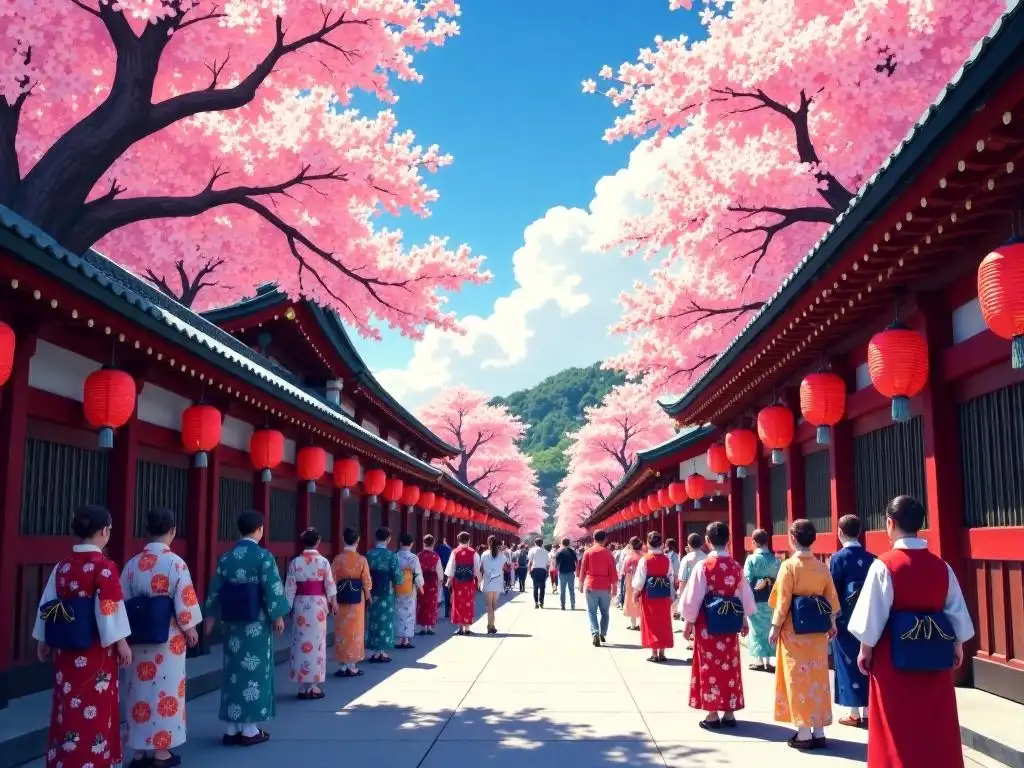
Matsuri festivals in feudal Japan were not merely occasions for revelry; they encapsulated the essence of community, spirituality, and identity. A closer look into specific festivals reveals how these events fostered social unity and reinforced cultural traditions. Two prominent examples, the Gion Matsuri and the Tenjin Matsuri, serve as case studies that illustrate the transformative power of these celebrations.
The Gion Matsuri: A Celebration of Community and Identity
The Gion Matsuri, held annually in Kyoto, is one of the most famous festivals in Japan and has roots tracing back to the 9th century. Originally initiated as a purification ritual to appease the deities believed to cause plague, it evolved into a grand celebration of community spirit.
The festival culminates in a parade of elaborately decorated floats, known as yama and hoko, which symbolize the rich cultural heritage of the region. Each float is meticulously crafted and represents different neighborhoods, fostering a strong sense of local identity. Residents dedicate their time and resources to prepare for the event, often engaging in traditional crafts and practices passed down through generations.
Moreover, the Gion Matsuri is a platform for community bonding as it involves various activities such as traditional music and dance performances, creating a lively atmosphere that promotes social interaction. This festival not only strengthens communal ties but also instills a sense of belonging among participants, reinforcing the identity of Kyoto as a cultural hub.
The Tenjin Matsuri: Spirituality and Community Unity
Another significant festival is the Tenjin Matsuri, celebrated in Osaka in honor of Sugawara no Michizane, the god of learning. Dating back to the 10th century, this festival is renowned for its unique blend of spirituality and communal celebration.
The festival features a stunning procession that includes a land parade and a spectacular boat procession on the river, symbolizing the journey of the deity. Participants, dressed in traditional costumes, carry portable shrines (mikoshi) and perform rituals that connect them spiritually to their ancestors and the divine.
The Tenjin Matsuri serves as a vital conduit for community unity, bringing together people from various backgrounds to honor education and scholarship. It fosters an environment where knowledge is celebrated, and individuals are encouraged to pursue learning, reflecting the values of feudal Japan. The event not only strengthens the bonds within the community but also instills a shared identity centered around reverence for education and tradition.
Conclusion: The Lasting Impact of Matsuri Festivals
The legacy of matsuri festivals in feudal Japan extends far beyond mere celebration; they are enduring expressions of community, identity, and belonging. Events like the Gion Matsuri and the Tenjin Matsuri illustrate how these festivals functioned as vital cultural touchstones, fostering social cohesion and reinforcing traditional values.
Through shared experiences and collective participation, matsuri festivals nurtured a sense of identity among individuals, linking them to their heritage and each other. As we continue to explore the profound impact of these festivals, it becomes clear that they played a transformative role in shaping the societal fabric of Japan during the feudal era, leaving an indelible mark on the cultural landscape that resonates even today.
Call to Action: Experience Matsuri Festivals Today
Matsuri festivals in feudal Japan were not merely events; they were vibrant expressions of community, identity, and cultural heritage. Today, these festivals continue to thrive, offering a unique opportunity for both locals and tourists to immerse themselves in the rich tapestry of Japanese culture. Whether you are a history enthusiast, a cultural explorer, or someone seeking a deeper connection with the traditions of Japan, participating in a Matsuri festival can be a transformative experience.
Explore the Diversity of Matsuri
Across Japan, there are countless Matsuri festivals, each with its own unique flavor and significance. From the famous Gion Matsuri in Kyoto, which features stunning floats and parades, to the lively Aomori Nebuta Matsuri, where illuminated floats come alive at night, the diversity is astounding. Travelers can witness traditional performances, try local delicacies, and engage with vibrant community activities that have been passed down through generations.
- Notable Matsuri to Experience:
- Gion Matsuri (Kyoto): Celebrated throughout July, featuring ornate floats and street parties.
- Aomori Nebuta Matsuri: A spectacular night festival in August, showcasing illuminated floats and traditional dances.
- Kanto Matsuri (Akita): Held in August, where participants balance tall bamboo poles with lanterns.
Connect with Local Communities
Participating in Matsuri festivals allows you to connect with local communities in a way that few other experiences can offer. Engaging with residents, learning about their traditions, and participating in the festivities fosters a sense of belonging and appreciation for the culture. Many Matsuri incorporate workshops, where visitors can learn traditional crafts or even take part in dance and music, deepening their understanding of the cultural significance behind the celebrations.
Embrace the Spirit of Matsuri
The spirit of Matsuri goes beyond mere celebration; it embodies the values of unity, gratitude, and resilience. By attending these festivals, you are not just observing a cultural event but are also becoming part of a living tradition that honors the past while embracing the present. Each Matsuri tells a story of the community it represents, allowing you to witness firsthand the pride and joy that come from celebrating shared heritage.
Plan Your Visit
To fully experience the magic of Matsuri festivals, consider planning your trip around one of the many events taking place throughout the year. Check local festival calendars, as many regions host seasonal events that highlight specific agricultural or historical themes.
- Tips for Attending:
- Timing: Familiarize yourself with the festival dates and plan ahead to avoid missing out.
- Dress Code: Embrace local customs by wearing a yukata, a traditional summer garment often worn during festivals.
- Engagement: Don’t hesitate to participate in activities and interact with local attendees—this is what Matsuri is all about!
Matsuri festivals in feudal Japan are a treasure trove of cultural experiences waiting to be discovered. By participating in these celebrations, you can gain insight into Japan's rich history, foster connections with local communities, and create lasting memories. So, gather your friends and family, and embark on a journey to experience the transformative power of Matsuri festivals today!
- Introduction to Matsuri Festivals in Feudal Japan
- The Role of Matsuri Festivals in Community Building
- Matsuri Festivals and the Concept of Identity
- Belonging and Spiritual Connections in Matsuri
- Case Studies of Iconic Matsuri Festivals in Feudal Japan
- Conclusion: The Lasting Impact of Matsuri Festivals
- Call to Action: Experience Matsuri Festivals Today
Frequently Asked Questions
What are Matsuri festivals in feudal Japan?
Matsuri festivals in feudal Japan were vibrant celebrations that served both religious and community purposes, often honoring local deities and fostering social bonds among villagers.
How did Matsuri festivals influence community identity?
Matsuri played a crucial role in shaping community identity by bringing people together, reinforcing cultural traditions, and creating a sense of belonging within the village or region.
What was the role of religion in Matsuri festivals?
Religion was a central aspect of Matsuri, as many festivals involved rituals and offerings to deities, reflecting the spiritual beliefs of communities and their connection to the natural world.
How did Matsuri festivals evolve over time?
Over time, Matsuri festivals have evolved from local traditions to more nationally recognized events, adapting to changing societal norms while retaining their core cultural significance.
Are there any notable Matsuri festivals still celebrated today?
Yes, many Matsuri festivals, such as the Gion Matsuri in Kyoto, continue to be celebrated today, showcasing traditional practices and community spirit that originated in feudal Japan.
Final Reflection: Embracing Community Through Matsuri Festivals
The essence of Matsuri festivals in feudal Japan is not just a celebration of tradition, but a profound reminder of the transformative power of community. In today's fast-paced world, where individualism often overshadows collective identity, the lessons from these vibrant festivals resonate more than ever. They remind us that our identities are intricately woven into the fabric of our communities, and that belonging is a fundamental human need.
Matsuri festivals have shaped cultural landscapes, fostering a sense of unity and belonging that transcends generations. The echoes of these celebrations remind us of the importance of coming together, sharing experiences, and honoring our roots. As we navigate the complexities of modern life, we can draw inspiration from the communal spirit of Matsuri. In every celebration, there lies a story of connection, a narrative that binds us to one another.
As we reflect on the significance of Matsuri festivals, let us carry forward the spirit of togetherness and cultural appreciation in our own lives. I invite you to explore your own community, engage with its traditions, and contribute to the tapestry of belonging that enriches us all. Embrace the transformative power of connection, and let the lessons of Matsuri inspire you to celebrate not only your identity but also the diverse identities that surround you.
Embrace the Spirit of Matsuri and Transform Your Community!
Thank you for diving into the transformative world of Matsuri with us! Your interest in community, identity, and belonging has uncovered insights that can enrich your life and those around you. Now, let’s take these ideas and turn them into action!
- Host your own Matsuri-inspired event: Gather friends, family, or neighbors to celebrate cultural traditions and foster connections. Whether it's a potluck or a small festival, let the spirit of Matsuri guide you.
- Explore local events: Check your community calendar for upcoming festivals or cultural celebrations. Engaging in these events not only broadens your perspective but also strengthens your community ties.
- Share the experience: Write about your Matsuri celebrations or experiences on social media or in your community newsletter. Invite others to share their stories, creating a tapestry of identity and belonging.
What unique ways do you envision bringing the spirit of Matsuri to your own community? Let's inspire each other!