
The Art of Calligraphy at Cultural Festivals: An Expression of Japanese Aesthetics

Welcome to Feudal Japan History, where the rich tapestry of Japan’s feudal era unfolds before you. Dive into the captivating world of Japanese calligraphy cultural festivals, where artistry and tradition intertwine to create a mesmerizing celebration of heritage. Discover how these vibrant events not only showcase the beauty of calligraphy but also offer a profound glimpse into the cultural heart of Japan. Are you ready to explore the enchanting stories and intricate techniques that define this timeless art form? Let the journey begin!
- Introduction to Japanese Calligraphy Cultural Festivals
- Historical Significance of Calligraphy in Japan
- The Connection Between Calligraphy and Japanese Aesthetics
- Major Cultural Festivals Featuring Japanese Calligraphy
- Experiencing Calligraphy at Cultural Festivals
- The Impact of Calligraphy on Cultural Tourism in Japan
- Conclusion: The Enduring Legacy of Japanese Calligraphy
- Additional Resources for Calligraphy Enthusiasts
-
Frequently Asked Questions
- What is the significance of Japanese calligraphy in cultural festivals?
- How do cultural festivals highlight the art of Japanese calligraphy?
- Are there specific festivals dedicated to Japanese calligraphy?
- What techniques are commonly showcased in calligraphy events?
- How can one participate in or learn more about Japanese calligraphy at festivals?
- Final Reflection: The Enduring Beauty of Japanese Calligraphy
- Unleash Your Inner Calligrapher Today!
Introduction to Japanese Calligraphy Cultural Festivals
Japanese calligraphy, known as shodō (書道), is not merely a form of writing but an art that encapsulates the essence of Japanese aesthetics and cultural heritage. Rooted in centuries of tradition, it intertwines beauty, discipline, and spirituality, making it a pivotal aspect of cultural expression in Japan.
This art form takes center stage during various cultural festivals across the country, where artisans showcase their skills, and visitors immerse themselves in the evocative world of ink and brush. This article provides an in-depth exploration of the role of calligraphy in these vibrant cultural festivals, highlighting its significance in Japanese society and the unique experiences these events offer to both participants and spectators.
Understanding the Essence of Japanese Calligraphy
Japanese calligraphy, with its intricate strokes and graceful forms, is more than just a visual art; it represents a philosophy. The practice emphasizes the importance of balance, harmony, and the flow of energy, or ki (気). Calligraphers dedicate years to mastering their craft, honing their technique, and developing a personal style that reflects their individuality and emotional state. The materials used—such as washi paper, sumi ink, and brushes—are carefully selected to enhance the artistic expression and are often crafted with as much care as the calligraphy itself.
The art of shodō is deeply embedded in the Japanese ethos, often perceived as a path to spiritual enlightenment. Each stroke is a meditation, and the finished piece is a moment captured in time, embodying the calligrapher's spirit and intention. Festivals celebrating this art provide a unique platform for both established masters and emerging artists to share their passion and skills, inviting the public to appreciate and engage with this traditional practice.
The Role of Calligraphy in Japanese Culture and Aesthetics
Calligraphy occupies a revered place in Japanese culture, often associated with various philosophical and historical contexts. It is interwoven with other art forms such as painting, poetry, and tea ceremonies, creating a cohesive cultural tapestry that reflects the Japanese worldview. The aesthetics of calligraphy are characterized by a deep appreciation for simplicity, elegance, and the natural beauty of imperfection, resonating with the principles of wabi-sabi (侘寂).
In addition to its aesthetic value, calligraphy serves as a medium for conveying emotions and ideas. Historical texts, poems, and proverbs are often rendered in calligraphic form, transforming them into visual art that transcends language barriers. Festivals dedicated to calligraphy showcase this multifaceted nature of the art, offering workshops, demonstrations, and exhibitions that highlight its enduring relevance and adaptability in contemporary society.
Overview of Cultural Festivals Celebrating Calligraphy
Across Japan, numerous cultural festivals celebrate the art of calligraphy, providing a vibrant space for artists and enthusiasts alike. These festivals often feature competitions, live demonstrations, and interactive workshops, allowing participants to witness the meticulous process of calligraphy creation firsthand.
Some notable festivals include:
- The Kanji Calligraphy Festival in Kanazawa, where participants create large-scale calligraphic works that resonate with the theme of the year.
- The Calligraphy and Sumi-e Festival in Kyoto, which combines calligraphy with traditional ink painting, showcasing the synergy between these two art forms.
- The International Calligraphy Festival in Tokyo, attracting artists from around the world to share their interpretations and styles.
These events not only celebrate the beauty of Japanese calligraphy but also foster a sense of community, encouraging dialogue and exchange between artists and audiences. As participants engage in the art of shodō, they become part of a living tradition that continues to evolve while honoring its rich heritage.
Historical Significance of Calligraphy in Japan
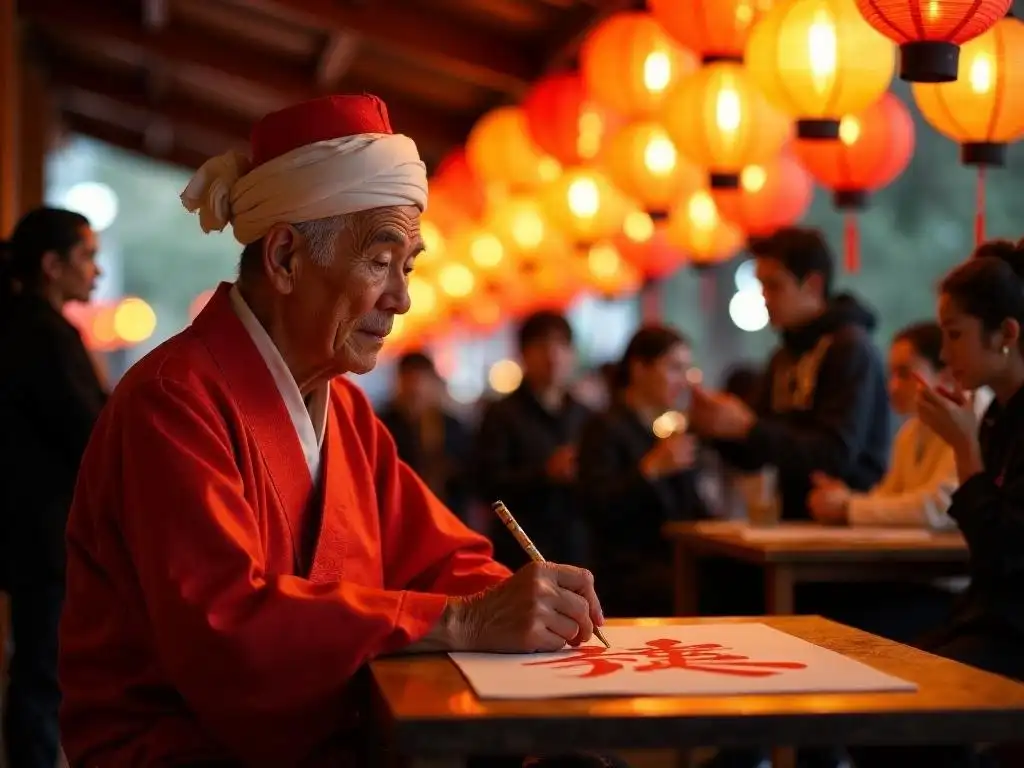
Calligraphy, known as shodō (書道) in Japanese, is not merely a form of writing; it embodies centuries of cultural significance, aesthetic principles, and philosophical depth. The historical roots of calligraphy in Japan can be traced back to the introduction of Chinese characters around the 5th century. Over the centuries, this art form evolved, reflecting the changing societal values and the aesthetic sensibilities of various periods, particularly during the feudal era.
The Evolution of Japanese Calligraphy Through the Ages
The journey of Japanese calligraphy can be divided into several key phases:
- Kofun and Asuka Periods (250-710):
- The introduction of Chinese characters laid the foundation for Japanese writing.
- Early calligraphy was heavily influenced by Chinese styles, focusing on the use of characters for religious texts and official documents.
- Nara Period (710-794):
- The establishment of the Nara capital saw the rise of manyōgana, an early phonetic script derived from kanji.
- This period marked the beginning of a distinctly Japanese calligraphic style, with a focus on the aesthetic presentation of texts.
- Heian Period (794-1185):
- The development of kana (hiragana and katakana) allowed for a more fluid and artistic expression in writing.
- Calligraphy became a cultural emblem for the aristocracy, with unique styles emerging, such as sōsho (草書), known for its cursive, flowing form.
- Kamakura Period (1185-1333):
- The rise of the samurai class brought about a shift in calligraphic practice. Calligraphy was not just an art but a means to display one's education and refinement.
- The influence of Zen Buddhism began to permeate calligraphy, emphasizing simplicity and spirituality.
- Muromachi Period (1336-1573):
- This era saw the flourishing of ink wash painting and calligraphy together, resulting in the emergence of styles that combined visual elements with literary depth.
- Notable schools, such as the Shinkō and Tachiwaki, began to formalize artistic training in calligraphy.
- Edo Period (1603-1868):
- Calligraphy became more accessible to the common people, with the rise of print culture and public education.
- Literary figures like Matsuo Bashō and Yosa Buson contributed to the integration of poetry and calligraphy, leading to a broader appreciation of the art form.
Influences of Feudal Japan on Calligraphic Styles
Feudal Japan significantly shaped the evolution of calligraphy through the intermingling of cultural, political, and social influences. The samurai class, with their emphasis on discipline and aesthetics, brought about a unique blend of martial and artistic values that permeated calligraphic practices.
- Zen Buddhism:
- Calligraphy was deeply influenced by Zen philosophy, which emphasized mindfulness and the beauty of imperfection. The practice of sumi-e (ink painting) often paralleled calligraphy, with artists striving for a spontaneous yet controlled expression.
- Social Hierarchy:
- The status of a calligrapher often reflected their position within the rigid social hierarchy of feudal Japan. Calligraphers who served the elite were expected to master various styles, showcasing their skill and education.
- Cultural Festivals:
- Cultural festivals during the feudal era often included calligraphy exhibitions, allowing artists to showcase their work publicly. These events celebrated the connection between calligraphy and other art forms, fostering a communal appreciation of Japanese aesthetics.
Notable Calligraphers of the Feudal Era
The feudal era produced a remarkable array of calligraphers whose works have had lasting influences on Japanese culture. Here are a few notable figures:
- Kōka (高佳):
- Renowned for his mastery of kaisho (楷書), Kōka’s work emphasized clarity and precision, embodying the ideals of the samurai class.
- Sōgi (宗祇):
- A prominent figure in the Muromachi period, Sōgi was known for integrating poetry and calligraphy, creating pieces that resonated deeply with the spiritual ethos of Zen.
- Yamamoto Shunso (山本春素):
- His innovative approach in the Edo period combined traditional techniques with a fresh, contemporary style, appealing to a broader audience and revitalizing interest in calligraphy.
- Hōun Kōrin (法雲公麟):
- A calligrapher and painter, Kōrin’s works were characterized by their bold strokes and expressive forms, reflecting the dynamic cultural landscape of his time.
The impact of these calligraphers continues to influence contemporary Japanese calligraphy, with modern festivals celebrating their legacies while showcasing the ongoing evolution of this revered art form. The intertwining of calligraphy with cultural festivals highlights its significance as a living tradition, deeply embedded in the aesthetics of Japanese culture.
The Connection Between Calligraphy and Japanese Aesthetics
Japanese calligraphy, or shodō, is not merely a form of art; it embodies the essence of Japanese aesthetics, reflecting the culture's deep-rooted values and philosophies. This connection becomes particularly evident during cultural festivals, where calligraphy serves as a vibrant expression of identity and tradition. The interplay between calligraphy and aesthetics can be seen in its emphasis on simplicity, asymmetry, and the natural flow of ink, all of which mirror the broader Japanese worldview.
Key Principles of Japanese Aesthetics in Calligraphy
Japanese aesthetics are built upon several key principles that influence the practice of calligraphy. These principles include wabi-sabi, ma, and mono no aware.
- Wabi-Sabi: This concept celebrates the beauty of imperfection and transience. In calligraphy, this translates to the acceptance of flaws and irregularities in brush strokes, which can enhance the overall beauty of the piece. The appreciation of a character that may not be perfectly formed but conveys emotion resonates with viewers, demonstrating the unique character of each artist's hand.
- Ma: Often translated as "space" or "pause," ma refers to the intervals between strokes or characters. It emphasizes the importance of negative space in calligraphy, allowing the viewer's eye to rest and appreciate the composition as a whole. This principle showcases the balance between form and emptiness, reflecting the harmony found in nature.
- Mono no Aware: This principle evokes a sensitivity to the ephemeral nature of beauty. In the context of calligraphy, it can be seen in the fleeting moments captured within each stroke—the ink drying, the brush lifting from the paper. This notion encourages practitioners to create with awareness that their work is part of a larger cycle of creation and decay.
Through these principles, Japanese calligraphy during cultural festivals becomes a profound expression that resonates with participants and onlookers alike.
The Importance of Brush Techniques and Materials
The art of calligraphy is deeply intertwined with the techniques and materials used, each contributing to the final aesthetic of the work. The choice of brush, ink, and paper plays a crucial role in the creation of calligraphic pieces.
- Brushes: Traditional calligraphy brushes, made from animal hair, come in various shapes and sizes. Each brush type serves specific purposes, impacting the quality and style of the strokes. For instance, a softer brush allows for fluid, expressive lines, while a firmer brush may create sharper, more defined characters. Mastering brush techniques is essential for conveying the intended aesthetic and emotional depth.
- Ink: The ink used in calligraphy is typically made from soot mixed with a binding agent, resulting in a rich, deep color. The consistency of the ink can vary, affecting the flow and texture of the strokes. Calligraphers often prepare their ink on an ink stone, a process that becomes a meditative practice in itself, enhancing the artist's connection to their work.
- Paper: The choice of paper is equally important, with traditional Japanese washi (handmade paper) being favored for its texture and absorbency. The paper's surface can affect how the ink spreads and dries, adding another layer of complexity to the calligraphic art. High-quality paper supports the aesthetic values of Japanese calligraphy, allowing the artist's strokes to stand out beautifully.
In cultural festivals, the demonstration of these techniques captivates audiences, showcasing the meticulous skill and dedication of calligraphers.
How Calligraphy Reflects Japanese Philosophies
Calligraphy serves as a window into the rich tapestry of Japanese philosophy, embodying concepts such as zen, impermanence, and the interconnectedness of all things.
- Zen Buddhism: The practice of calligraphy is often associated with Zen principles, emphasizing mindfulness and presence. Artists approach their work with a meditative mindset, focusing on each stroke as an act of meditation. This connection to Zen encourages practitioners to embrace the moment, leading to a more authentic expression of their inner thoughts and feelings.
- Impermanence: In a culture that values the fleeting nature of experiences, calligraphy reflects this philosophy through the act of creation itself. The transient quality of ink on paper serves as a metaphor for life’s impermanence. Each brush stroke is a reminder that beauty is often found in the momentary, urging viewers to appreciate the present.
- Interconnectedness: Calligraphy also highlights the interconnectedness of art, nature, and humanity. The organic flow of ink mirrors natural forms, connecting the artist to their surroundings. Each character or phrase written is a dialogue between the artist and the world, revealing the deep bond that exists within the fabric of Japanese culture.
During cultural festivals, these philosophical underpinnings are not only displayed in individual works but are also woven into the fabric of communal activities, fostering a shared appreciation for the art of calligraphy and its role in Japanese society.
Japanese calligraphy at cultural festivals serves as a powerful medium through which to explore and express the profound aesthetics and philosophies that define Japan's rich cultural heritage.
Major Cultural Festivals Featuring Japanese Calligraphy
Exploring the Kyoto Calligraphy Festival
The Kyoto Calligraphy Festival, held annually in Japan's ancient capital, is a vibrant celebration of the art of calligraphy, deeply rooted in Japanese tradition. This festival not only showcases the elegance of written characters but also serves as a platform for cultural exchange and community engagement.
The festival typically takes place in early spring, coinciding with the cherry blossom season, which adds to the enchanting atmosphere. Visitors can experience a variety of activities that highlight the aesthetics of Japanese calligraphy, including exhibitions, workshops, and live demonstrations. The event attracts both local and international participants, fostering a rich environment where the art of calligraphy can be appreciated and learned.
Highlights of the Festival and Activities
- Calligraphy Exhibitions: Renowned calligraphers display their works, ranging from classical pieces to contemporary interpretations. The exhibitions often feature a blend of traditional and modern styles, showcasing the evolution of calligraphy through the ages.
- Interactive Workshops: Attendees can participate in hands-on workshops led by skilled instructors. These sessions provide an opportunity for participants of all skill levels to learn about brush techniques, ink mixing, and the philosophy behind Japanese calligraphy.
- Live Demonstrations: Throughout the festival, live demonstrations are conducted by master calligraphers. These performances not only captivate audiences but also highlight the precision and fluidity involved in the art form.
- Cultural Performances: The festival often includes traditional music and dance performances, creating a holistic cultural experience. Visitors can enjoy the harmonious blend of visual and performing arts, reflecting the essence of Japanese aesthetics.
Featured Calligraphers and Their Works
The festival proudly showcases a range of talented calligraphers, each bringing their unique style and perspective to the art form. Some prominent figures often featured include:
- Shinichi Nakagawa: Known for his bold strokes and innovative approaches, Nakagawa's work often incorporates contemporary themes while respecting traditional techniques.
- Keiko Tanaka: A master of the delicate and intricate, Tanaka's pieces often reflect nature and the changing seasons, resonating with the audience on both an emotional and aesthetic level.
- Yuki Matsumoto: Focusing on the spiritual aspects of calligraphy, Matsumoto's works often include philosophical texts and poetry, inviting viewers to contemplate deeper meanings.
These calligraphers not only exhibit their works but also engage with festival-goers, sharing insights and techniques that inspire future generations of artists.
The Tokyo Calligraphy Expo: A Modern Interpretation
In contrast to the historical ambiance of Kyoto, the Tokyo Calligraphy Expo presents a modern take on this ancient art form. This festival draws attention to the contemporary relevance of Japanese calligraphy, showcasing innovative interpretations and techniques that appeal to a younger audience.
Held in one of the city's vibrant districts, the expo features a dynamic mix of traditional and avant-garde styles, reflecting the diverse influence of urban culture on calligraphic practices. The venue is designed to encourage interaction and exploration, making it an ideal setting for both enthusiasts and newcomers.
Workshops and Demonstrations for Attendees
The Tokyo Calligraphy Expo is renowned for its interactive approach, offering a variety of workshops and demonstrations tailored to different skill levels:
- Beginner's Calligraphy Classes: These sessions provide newcomers with essential techniques, focusing on brush handling and basic character formation.
- Advanced Techniques: For more experienced participants, advanced workshops delve into complex styles and creative expressions, such as abstract calligraphy and mixed media applications.
- Demonstrations by Renowned Artists: The expo features live performances from acclaimed calligraphers, who showcase their skills in real-time. These demonstrations are often supplemented by commentary, allowing the audience to gain insights into the artists' thought processes and techniques.
Notable Exhibitions of Calligraphy Art
The Tokyo Calligraphy Expo hosts several notable exhibitions that highlight the breadth and depth of contemporary Japanese calligraphy. Some key exhibitions include:
- "Calligraphy in Motion": This exhibition explores the dynamic relationship between calligraphy and movement, featuring pieces that incorporate kinetic elements and interactive installations.
- "Nature and Calligraphy": This collection showcases works inspired by the natural world, emphasizing the connection between the environment and the art of writing.
- "The Future of Calligraphy": Focused on innovation, this exhibition highlights emerging artists who are redefining calligraphy through the use of technology and modern materials.
The Tokyo Calligraphy Expo stands as a testament to the enduring relevance of Japanese calligraphy, bridging the gap between tradition and modernity while inspiring a new generation of artists.
The Kanazawa Cultural Festival: A Historical Perspective
The Kanazawa Cultural Festival, held annually in Kanazawa City, is a vibrant celebration that highlights the rich artistic heritage of the region, particularly its renowned calligraphy traditions. Established in the early 2000s, this festival has grown to become a focal point for both locals and visitors, showcasing the depth of Japanese calligraphy through exhibitions, workshops, and live demonstrations.
Historically, Kanazawa has been a hub for arts and culture since the Edo period, when the city flourished under the patronage of the Maeda clan. This period saw the development of various artistic disciplines, including calligraphy, which was highly valued as an intellectual pursuit. The festival honors this legacy by inviting master calligraphers from across Japan to share their skills and knowledge, emphasizing the importance of preserving traditional techniques while also embracing modern interpretations.
Throughout its history, the Kanazawa Cultural Festival has adapted to reflect contemporary societal changes, making it a dynamic platform for artistic expression. By integrating various performances and workshops that appeal to all ages, the festival fosters a sense of community and encourages the younger generation to engage with the art of calligraphy. This historical perspective not only enriches the festival’s offerings but also reinforces its role as a cultural touchstone in the broader context of Japanese arts.
Traditional vs. Contemporary Calligraphy Styles
Japanese calligraphy, or shodō, is characterized by its profound connection to tradition and the continuous evolution of styles. At the Kanazawa Cultural Festival, attendees can explore a diverse range of calligraphy styles that represent both the historical roots and modern innovations of this art form.
Traditional Calligraphy Styles:
- Kaisho (楷書): Known as the “standard script,” kaisho is the most legible and formal style, often taught to beginners. It emphasizes clarity and precision.
- Gyōsho (行書): This “running script” is more fluid and expressive than kaisho, allowing for a personal touch while maintaining readability.
- Sōsho (草書): The “cursive script” is highly stylized and often challenging to read, focusing on the beauty of brush strokes rather than legibility.
Contemporary Calligraphy Styles:
- Abstract Calligraphy: Artists experiment with forms and expressions, breaking away from conventional structures to create visually striking pieces that evoke emotion.
- Mixed Media: Modern calligraphers often incorporate other artistic elements, such as painting and digital art, blending traditional techniques with contemporary aesthetics.
- Performance Calligraphy: This innovative approach transforms calligraphy into a performative art, where artists create large-scale works in front of an audience, emphasizing the dynamic nature of the brush strokes.
Through the juxtaposition of traditional and contemporary calligraphy styles, the festival not only celebrates the historical significance of this art form but also encourages innovation, inviting new generations to reinterpret and redefine their cultural heritage.
Community Involvement and Participation
The Kanazawa Cultural Festival places a strong emphasis on community involvement and participation, making it a truly inclusive event. Local residents, schools, and organizations play a crucial role in the festival's success, contributing to a sense of ownership and pride in their cultural heritage.
- Workshops and Classes: Throughout the festival, various workshops are held, allowing participants of all skill levels to learn the basics of calligraphy from experienced masters. These interactive sessions not only teach the techniques but also instill an appreciation for the art form.
- Collaborative Projects: Community members are encouraged to collaborate on large-scale calligraphy murals or installations, fostering teamwork and creativity. These projects often reflect local themes and stories, further deepening the connection between the art and the community.
- Youth Engagement: Schools in Kanazawa actively participate by organizing field trips and calligraphy competitions, motivating students to explore their artistic potential. This involvement not only nurtures talent but also ensures that the tradition of calligraphy continues to thrive among younger generations.
The festival's commitment to community engagement exemplifies how cultural festivals can serve as platforms for learning, collaboration, and the celebration of shared heritage. By nurturing a sense of belonging and pride, the Kanazawa Cultural Festival reinforces the vital role of Japanese calligraphy in the cultural fabric of the region.
Experiencing Calligraphy at Cultural Festivals
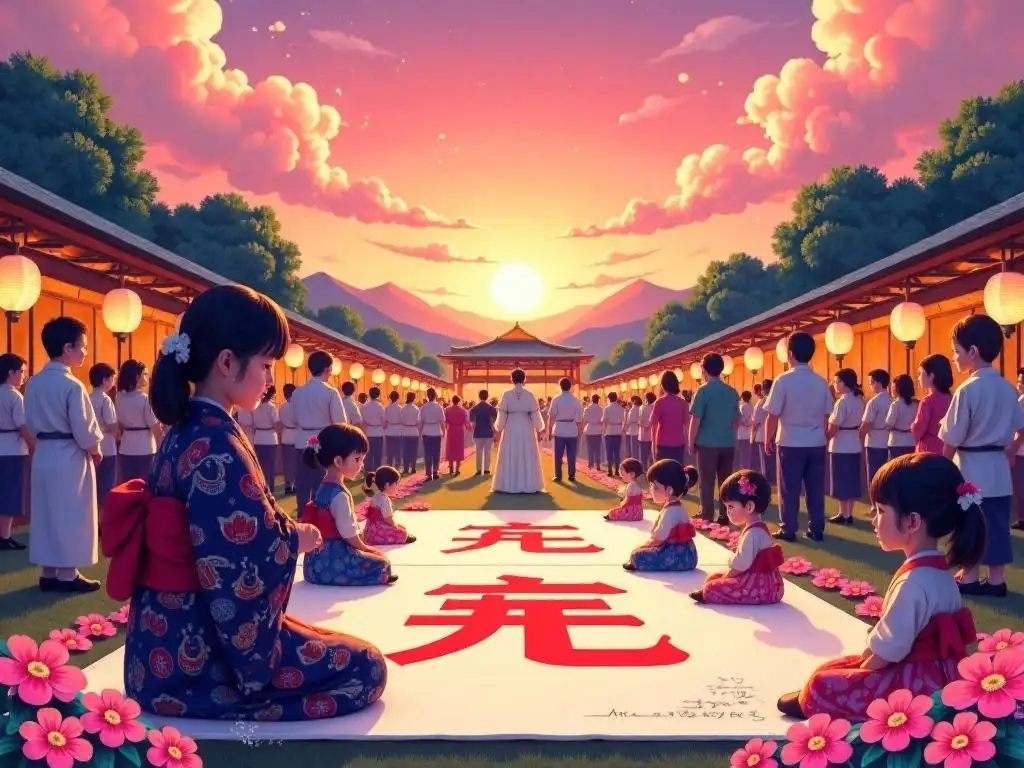
Attending Japanese calligraphy cultural festivals offers a unique opportunity to immerse oneself in the rich traditions and aesthetics of this ancient art form. These festivals not only showcase the skill of calligraphers but also provide a platform for cultural exchange, education, and appreciation of Japanese heritage.
What to Expect When Attending Japanese Calligraphy Festivals
When you arrive at a Japanese calligraphy festival, you can expect a vibrant atmosphere filled with various activities, displays, and performances. Here are some highlights:
- Demonstrations by Master Calligraphers: Witnessing skilled calligraphers in action is a breathtaking experience. They often perform live demonstrations, showcasing their techniques and the fluidity of their brushwork.
- Interactive Installations: Many festivals feature interactive installations where attendees can try their hand at calligraphy. This hands-on experience allows participants to learn the basics and appreciate the complexity of the art.
- Cultural Performances: Festivals often include traditional music and dance performances, enhancing the overall cultural experience. These performances may be accompanied by calligraphy displays, creating a harmonious blend of arts.
- Exhibitions of Calligraphy Works: You'll find a plethora of calligraphic works displayed, ranging from ancient scripts to contemporary interpretations. This exhibition allows visitors to see the evolution of styles and techniques over time.
- Workshops for All Levels: Many festivals offer workshops catering to different skill levels, from beginners to advanced practitioners. These workshops are typically led by experienced calligraphers who guide participants through various techniques and styles.
Engaging in Calligraphy Workshops and Classes
One of the most rewarding aspects of attending a Japanese calligraphy cultural festival is the opportunity to participate in workshops and classes. These sessions range from short introductory classes to more in-depth explorations of specific styles or techniques. Here’s what you can anticipate:
- Introduction to Calligraphy: Beginners will be introduced to fundamental concepts, including basic strokes, brush handling, and the importance of posture.
- Focus on Aesthetics: Workshops often emphasize the aesthetic principles of calligraphy, teaching participants how to balance beauty and technique in their work.
- Cultural Context: Instructors frequently provide insights into the historical and cultural significance of calligraphy in Japan, enriching the learning experience.
Recommended Tools and Supplies for Beginners
For those new to Japanese calligraphy, having the right tools is essential. Here’s a list of recommended supplies that beginners should consider:
- Brushes (Fude): A selection of brushes, ranging from fine to broad, is crucial for creating different stroke types.
- Ink Stick and Ink Stone (Suzuri): Traditional calligraphy uses black ink made from ink sticks and stones, allowing for a richer texture.
- Rice Paper (Washi): High-quality rice paper is ideal for calligraphy, as it absorbs ink well and provides a smooth writing surface.
- Practice Sheets: Having pre-printed practice sheets can help beginners learn essential strokes and characters.
- Sumi Ink: Pre-mixed sumi ink offers a convenient option for those who may not want to grind ink sticks.
Products for Calligraphy Enthusiasts
For those who have developed a passion for calligraphy or wish to delve deeper, there are a variety of products available to enhance your practice:
- High-Quality Brushes: Investing in a set of professional-grade brushes can significantly improve your techniques and outcomes.
- Specialty Inks: Experimenting with colored inks or metallic inks can help create unique artworks that stand out.
- Calligraphy Paper: Specialized papers, such as those with different textures or weights, can provide new challenges and opportunities for expression.
- Books and Guides: Numerous instructional books offer insights into advanced techniques, historical calligraphy styles, and contemporary practices.
- Online Resources: Many experienced calligraphers share their knowledge through online courses and tutorials, perfect for those wishing to learn at their own pace.
By participating in these cultural festivals, you not only enrich your understanding of Japanese calligraphy but also foster a deeper appreciation for its role in Japan's artistic and cultural landscape.
The Impact of Calligraphy on Cultural Tourism in Japan
How Calligraphy Festivals Attract Tourists
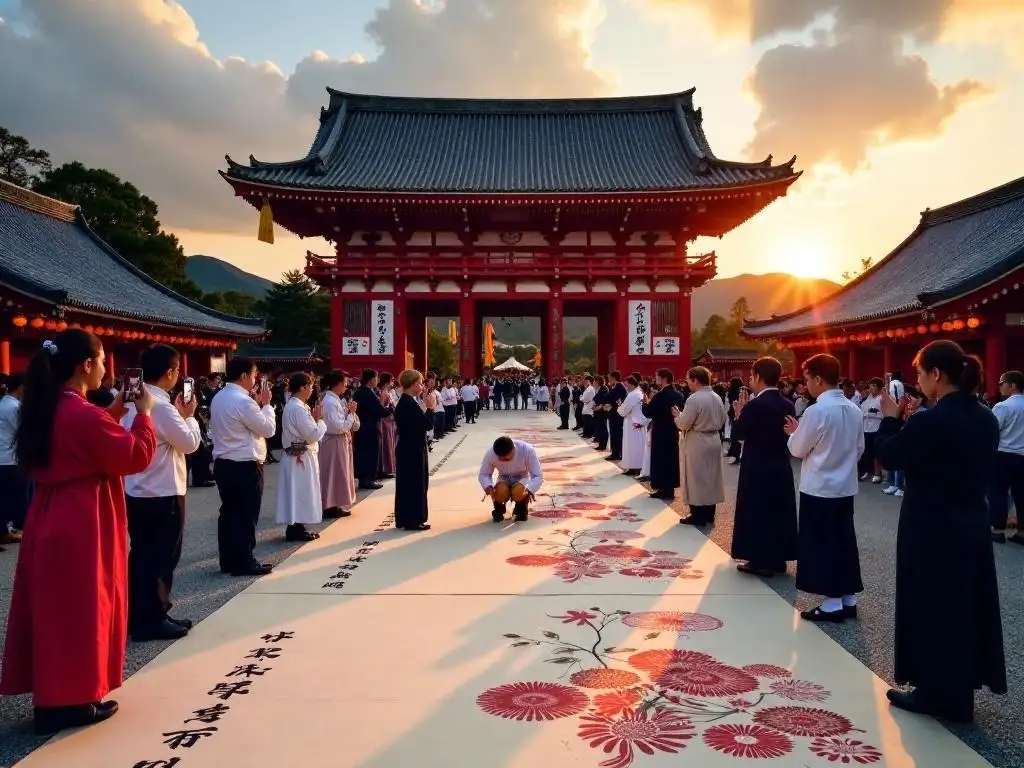
Calligraphy festivals in Japan serve as a vibrant showcase of traditional artistry that draws both domestic and international tourists. These events not only highlight the intricate beauty of Japanese calligraphy but also immerse visitors in the rich cultural heritage of Japan. Some of the key factors that attract tourists to these festivals include:
- Demonstrations by Master Calligraphers: Attendees have the unique opportunity to watch skilled calligraphers at work, which provides an authentic experience of this revered art form. Live demonstrations often include the creation of large-scale calligraphy pieces, captivating audiences and inspiring a deeper appreciation for the craft.
- Interactive Workshops: Many festivals offer hands-on workshops where visitors can learn the basics of calligraphy. This interactive element enhances the tourist experience, allowing participants to create their own calligraphy art and take home a piece of Japanese culture.
- Cultural Performances and Exhibitions: Calligraphy festivals often feature a variety of cultural performances, such as traditional music and dance, further enriching the event. These exhibitions not only celebrate calligraphy but also provide a broader context of Japanese aesthetics and traditions, making the festival appealing to a wider audience.
- Thematic Events: Some festivals are themed around specific aspects of Japanese culture, such as poetry or seasonal motifs. This thematic approach can attract niche audiences interested in particular cultural elements, thereby increasing overall attendance.
The Economic and Cultural Benefits of Calligraphy Events
Calligraphy festivals contribute significantly to local economies and cultural preservation in Japan. The economic impact of these events can be observed in several ways:
- Boost to Local Businesses: Festivals attract tourists who spend money on accommodations, food, souvenirs, and local crafts. This influx of visitors can provide a substantial boost to local businesses, from restaurants to artisanal shops.
- Employment Opportunities: Organizing calligraphy festivals creates job opportunities, from event planning and management to staffing local vendors and workshops. This can have a lasting impact on the community by providing seasonal and permanent employment.
- Cultural Exchange: These events foster cultural exchange by attracting international visitors who are eager to learn about Japanese traditions. The interaction between locals and tourists can lead to a greater understanding and appreciation of Japanese culture, promoting cultural diplomacy.
- Preservation of Traditions: Calligraphy festivals play a crucial role in preserving traditional arts. By engaging younger generations in workshops and demonstrations, these events help sustain interest in calligraphy and its significance in Japanese culture.
Case Studies of Successful Calligraphy Festivals
Several calligraphy festivals exemplify the successful integration of traditional art into cultural tourism in Japan. Here are notable examples:
- The Takayama International Calligraphy Festival: Held annually, this festival attracts artists and enthusiasts from around the globe. It features competitions, exhibitions, and workshops, creating a vibrant atmosphere that celebrates both local and international calligraphy styles. The event has significantly increased tourism in Takayama, with reports of local businesses experiencing a surge in sales during the festival period.
- The Tokyo Calligraphy Exhibition: This prominent event showcases the works of established and emerging calligraphers. The exhibition draws thousands of visitors each year and includes a variety of activities such as panel discussions, masterclasses, and live performances. Its focus on both traditional and contemporary calligraphy has made it a key event on Tokyo's cultural calendar.
- The Kanazawa Calligraphy Festival: Combining calligraphy with other cultural elements, this festival features poetry readings and traditional music performances. The integration of different art forms has made it a popular destination for tourists seeking a comprehensive cultural experience. The festival has also been recognized for its efforts in promoting local artisans and preserving traditional craft techniques.
These festivals not only highlight the beauty of Japanese calligraphy but also serve as a testament to the importance of cultural tourism in Japan, ensuring that this ancient art form continues to thrive in modern society.
Conclusion: The Enduring Legacy of Japanese Calligraphy
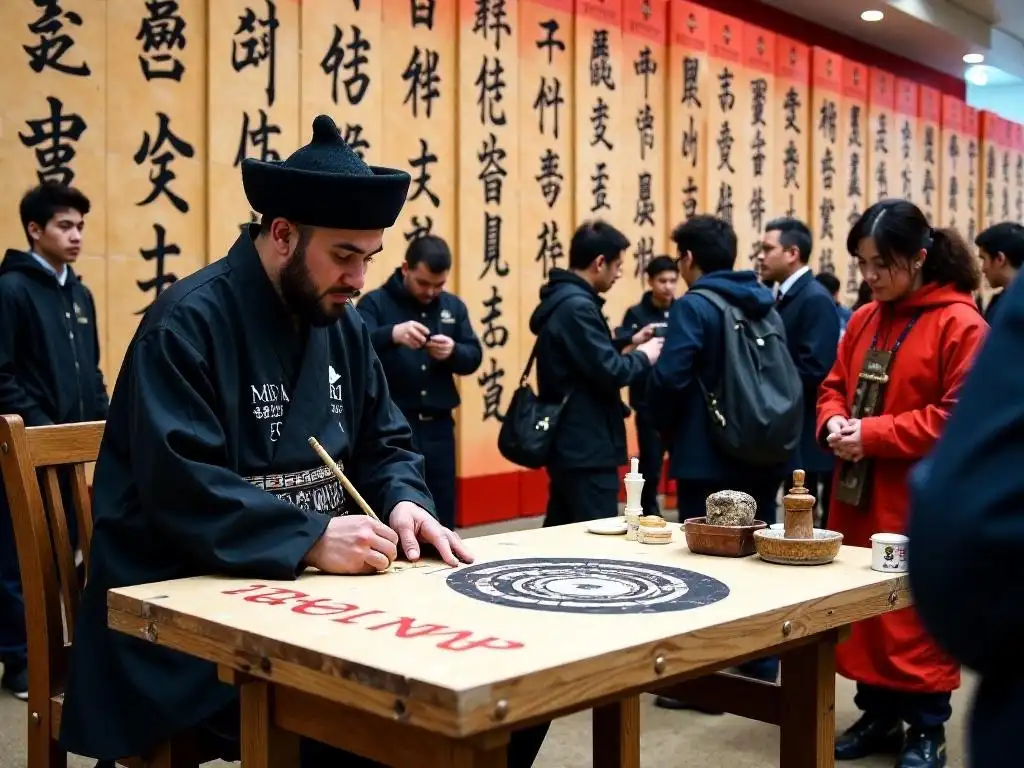
Japanese calligraphy, or Shodō, is much more than a mere art form; it is a profound expression of cultural identity and historical continuity. The legacy of this elegant practice is intricately woven into the fabric of Japanese society, especially evident during cultural festivals. These events serve as a living testament to the rich traditions and aesthetics of Japan, offering a platform for artists and enthusiasts alike to showcase their skills.
The enduring legacy of Japanese calligraphy can be seen in the way it transcends generations. With roots that trace back over a millennium, this art form continues to evolve, adapting to contemporary styles while maintaining the core principles that define it. Festivals dedicated to Japanese calligraphy not only celebrate this rich heritage but also act as a bridge for cultural exchange, inviting both locals and international visitors to engage with this beautiful tradition.
Future Trends in Japanese Calligraphy Cultural Festivals
As we look to the future, Japanese calligraphy cultural festivals are poised for significant transformation. Several trends are emerging that promise to enhance the appreciation and accessibility of this art form:
- Digital Integration: With the rise of technology, many festivals are incorporating digital platforms to showcase calligraphy. Virtual workshops, online exhibitions, and social media campaigns allow a broader audience to engage with the art form, promoting its visibility on a global scale.
- Interdisciplinary Collaborations: Future festivals are likely to witness more collaborations between calligraphy and other art forms, such as dance, theater, and music. This fusion can create a dynamic experience, attracting diverse audiences and enriching the cultural narrative surrounding Japanese calligraphy.
- Focus on Sustainability: As cultural awareness grows, many festivals are adopting eco-friendly practices. This includes using sustainable materials for tools and paper, promoting local artisans, and emphasizing the importance of preserving traditional methods in a contemporary context.
- Youth Engagement: Encouraging the younger generation to participate in calligraphy is essential for its preservation. Festivals are increasingly offering workshops and interactive sessions aimed specifically at children and teenagers, fostering a new appreciation for their cultural heritage.
Encouraging Participation in Calligraphy as a Cultural Art Form
Promoting participation in Japanese calligraphy is vital for nurturing this cultural art form and ensuring its longevity. Here are some effective strategies to encourage involvement:
- Workshops and Classes: Organizing hands-on workshops during cultural festivals allows attendees to learn the basics of calligraphy from skilled practitioners. These classes can cater to various skill levels, making it accessible for beginners and those with prior experience.
- Exhibitions and Competitions: Hosting exhibitions where both amateur and professional calligraphers can display their work fosters a sense of community. Competitions can also motivate individuals to refine their skills and gain recognition for their artistry.
- Cultural Exchange Programs: Implementing exchange programs that invite international artists to participate in Japanese calligraphy festivals can create a rich dialogue about the art form. This not only promotes cultural understanding but also inspires local artists to explore new techniques and perspectives.
- Integration into Education: Introducing calligraphy as part of school curriculums can instill appreciation for this art form from a young age. Educational institutions can collaborate with cultural festivals to provide students with firsthand experiences and opportunities to engage with calligraphy.
By embracing these strategies, Japanese calligraphy cultural festivals can thrive, fostering a vibrant community that keeps this beautiful tradition alive for future generations. Through active participation and education, the art of calligraphy will continue to flourish as a cherished aspect of Japanese culture.
Additional Resources for Calligraphy Enthusiasts
Recommended Books and Online Courses on Japanese Calligraphy
For those looking to deepen their understanding of Japanese calligraphy, a variety of resources are available. Here’s a selection of recommended books and online courses that cater to different skill levels:
Books
- "The Art of Japanese Calligraphy" by Yuuko Suzuki
- This book offers a comprehensive introduction to the history and techniques of Japanese calligraphy, featuring step-by-step guides and stunning illustrations.
- "Japanese Calligraphy: A Complete Guide" by Shodo Shihan
- A practical guide that covers the essentials of brush techniques, materials, and the philosophy behind the art form.
- "Calligraphy of the Japanese Kanji" by Michael S. O’Connor
- Focuses on the beauty of Kanji characters, providing insights into their meanings and the styles used in various contexts.
Online Courses
- Udemy: Japanese Calligraphy: The Art of Shodo
- This course is perfect for beginners, offering video lessons that cover basic strokes, character formation, and the cultural significance of shodo.
- Skillshare: Introduction to Japanese Calligraphy
- An engaging class that combines practical exercises with historical context, ideal for aspiring calligraphers looking to learn at their own pace.
These resources provide a solid foundation for anyone interested in mastering the art of Japanese calligraphy.
Local Calligraphy Classes and Events
Participation in local calligraphy classes can significantly enhance your skills and appreciation for this art form. Here are some ways to get involved:
- Community Centers and Cultural Institutes
- Many local community centers and cultural institutes offer calligraphy classes. Check your local listings for classes that focus on Japanese calligraphy techniques.
- Calligraphy Workshops at Cultural Festivals
- Festivals often feature workshops led by experienced calligraphers. Attending these can provide hands-on experience and direct feedback from professionals in the field.
- Meetup Groups
- Websites like Meetup.com often host groups dedicated to calligraphy. Joining such a group can connect you with fellow enthusiasts and provide opportunities for collaborative learning.
- University Courses
- Some universities offer courses in East Asian languages that include calligraphy as part of the curriculum. These courses can provide academic insight into the art form.
By participating in these classes and events, enthusiasts can refine their techniques and immerse themselves in the cultural significance of Japanese calligraphy.
Links to Official Festival Websites and Registration Information
To participate in cultural festivals that celebrate Japanese calligraphy, it’s essential to stay updated on official festival announcements and registration details. Below are links to notable festivals:
- Kamakura Matsuri (Kamakura Festival)
- This festival features a variety of cultural events, including calligraphy workshops.
- Kamakura Festival Official Website
- Kiyomizu-dera Temple Calligraphy Festival
- Held annually, this festival incorporates calligraphy into its events, celebrating the art in a historical context.
- Kiyomizu-dera Festival Information
- Tokyo Calligraphy Festival
- A major event showcasing the art of calligraphy, with exhibitions and interactive sessions.
- Tokyo Calligraphy Festival Details
- Hiroshima Art Festival
- This festival features various forms of art, including calligraphy, and offers workshops for participants of all levels.
- Hiroshima Art Festival Registration
Staying connected with these resources will enhance your experience at cultural festivals and deepen your appreciation for Japanese calligraphy.
Frequently Asked Questions
What is the significance of Japanese calligraphy in cultural festivals?
Japanese calligraphy plays a vital role in cultural festivals as it showcases traditional artistic expression and reflects the aesthetic values of Japanese culture.
How do cultural festivals highlight the art of Japanese calligraphy?
Cultural festivals often feature exhibitions, workshops, and live demonstrations, allowing attendees to appreciate and engage with the beauty and skill involved in Japanese calligraphy.
Are there specific festivals dedicated to Japanese calligraphy?
Yes, many festivals incorporate calligraphy as a central theme, with events such as the Kanji Calligraphy Festival, where artists and enthusiasts gather to celebrate this timeless art form.
What techniques are commonly showcased in calligraphy events?
During calligraphy events, participants often demonstrate techniques like brush handling, ink mixing, and the creation of various character styles, highlighting the diversity within the art form.
How can one participate in or learn more about Japanese calligraphy at festivals?
Individuals interested in Japanese calligraphy can participate in workshops, attend demonstrations, and engage with artists at festivals, providing an opportunity for hands-on learning and appreciation of this art.
Final Reflection: The Enduring Beauty of Japanese Calligraphy
The art of Japanese calligraphy, particularly at cultural festivals, serves as a vibrant testament to the deep-rooted aesthetics of Japan. In today's fast-paced world, where digital communication often overshadows traditional forms of expression, the revival and celebration of calligraphy at cultural festivals remind us of the beauty and mindfulness inherent in this ancient practice. It is a powerful reminder that art can transcend time and technology, connecting us to our cultural heritage.
Cultural festivals showcasing Japanese calligraphy not only preserve this art form but also enrich our social landscape by fostering community and creativity. The intricate strokes and thoughtful compositions invite both participants and spectators to engage with the essence of Japanese aesthetics, creating a shared experience that transcends language. Art is the most beautiful of all lies.
This quote resonates deeply as it encapsulates the transformative power of calligraphy, allowing individuals to express their emotions and stories through the elegance of ink and brush.
As we reflect on the significance of Japanese calligraphy in cultural festivals, I invite you to explore how this art form can inspire your own creative journey. Consider attending a local cultural festival, participating in a calligraphy workshop, or simply taking a moment to appreciate the beauty of handwritten words. Let the elegance of calligraphy remind you of the importance of patience, precision, and the profound connection between art and culture. Embrace the opportunity to express yourself and celebrate the rich tapestry of human creativity.
Unleash Your Inner Calligrapher Today!
Thank you for diving into the beautiful world of Japanese calligraphy with us! We hope you felt inspired by the rich history and stunning artistry showcased at cultural festivals. Now, it's time to take that inspiration and turn it into action!
Here's how you can immerse yourself deeper into the art of calligraphy:
- Join a Local Calligraphy Workshop: Find a class in your area and try your hand at creating elegant characters.
- Practice Your Skills at Home: Invest in quality calligraphy supplies and dedicate time each week to practice and refine your techniques.
- Share Your Creations Online: Connect with fellow enthusiasts by posting your artwork on social media and using relevant hashtags to engage with the calligraphy community.
What unique piece of art would you love to create using calligraphy? We invite you to share your thoughts in the comments below!