
The Spiritual Significance of Obon: Honoring Ancestors in Japanese Culture

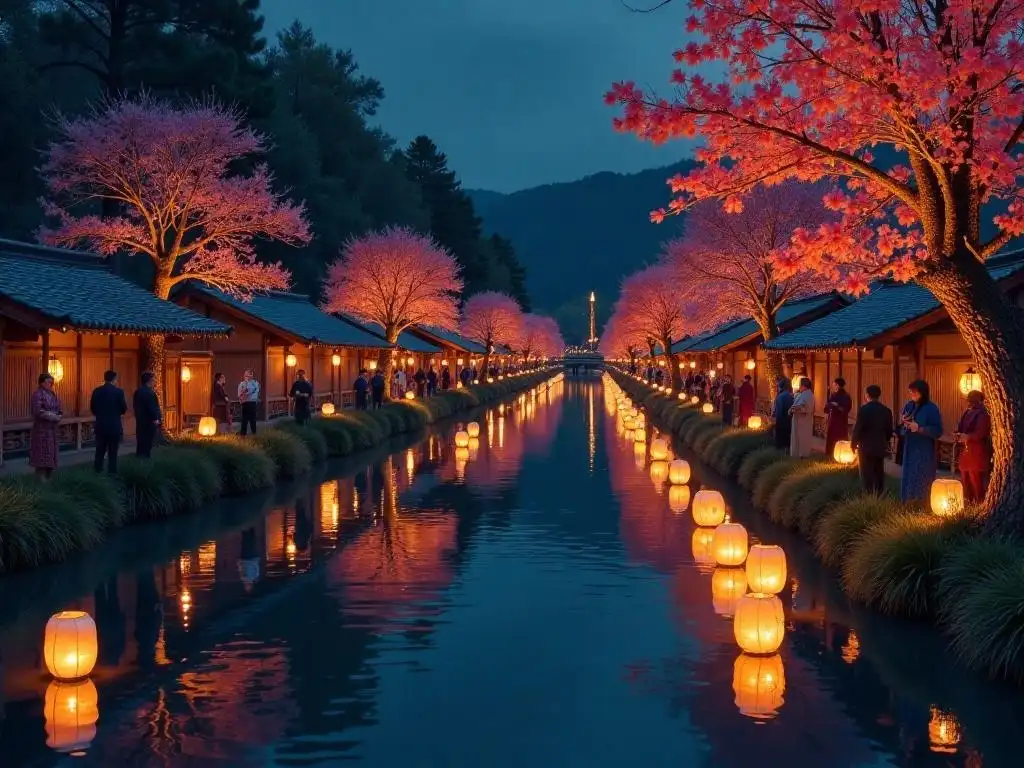
Welcome to Feudal Japan History, where the echoes of the past intertwine with the vibrant tapestry of Japanese culture. Here, we invite you to embark on a journey through time, exploring the profound significance of traditions that have shaped a nation. In our featured article, “The Spiritual Significance of Obon: Honoring Ancestors in Japanese Culture,” we delve into the heart of the Obon festival, a poignant celebration dedicated to honoring those who came before us.
What secrets does this cherished tradition hold? Join us as we uncover the rich historical and cultural layers of Obon, and discover how this festival continues to resonate within Japan today. Your adventure into the depths of feudal history awaits!
The Obon Festival, or simply Obon, is a significant cultural and spiritual event in Japan that reflects the deep-rooted tradition of ancestor worship. Held annually, this festival serves as a poignant reminder of the connection between the living and their deceased loved ones. It embodies a blend of gratitude, respect, and remembrance, illustrating how Japanese culture honors its ancestors.
In this article, we will delve into various aspects of the Obon festival, exploring its historical origins, cultural implications, and the rituals that make it a unique observance in Japanese society. Understanding the spiritual significance of Obon not only enhances our appreciation of this festival but also provides insights into the broader themes of family loyalty and respect for the past that permeate Japanese culture.
Introduction to Obon Festival in Japan
The Obon festival typically takes place in mid-August, though some regions may celebrate it in July. This period marks a time when families reunite to honor the spirits of their ancestors, inviting them back to their homes for a brief visit. The festival is characterized by various customs, such as the lighting of lanterns, dancing, and offering food at altars. These activities reflect the overall sentiment of love and remembrance, showcasing how deeply ingrained the practice of ancestor worship is in Japanese society.
Understanding the Obon Festival
What is the Obon Festival?
Obon, also known as Bon, is a Buddhist custom that has evolved over centuries. It is believed to be a time when the spirits of ancestors return to the earthly realm, allowing families to honor and connect with them. The festival often includes:
- Bon Odori: Traditional dances performed to welcome the spirits.
- Lantern Lighting: Lanterns are lit to guide the spirits back home.
- Offerings: Food and other tokens are placed on altars as a sign of respect and remembrance.
These practices not only serve to honor ancestors but also strengthen familial bonds, as they encourage gatherings and communal participation.
Historical Background of Obon
The origins of the Obon festival can be traced back to the Ullambana Sutra, a Buddhist scripture that describes the liberation of a monk's mother from the realm of hungry ghosts through offerings made by her son. This story highlights the significance of filial piety in Buddhism, which resonates strongly within Japanese culture. Over time, Obon has integrated various local customs and Shinto practices, leading to a rich tapestry of traditions that vary from region to region.
Historical records indicate that Obon celebrations began as early as the 7th century, gradually evolving into the festival known today. The melding of Buddhist and Shinto beliefs has resulted in a unique observance that is deeply spiritual and culturally significant. As we continue to explore the nuances of the Obon festival, we will uncover its enduring legacy and its pivotal role in Japanese cultural identity.
Spiritual Significance of Obon
The Obon festival, also known as Bon Odori, is a deeply spiritual event in Japanese culture that serves as a time for honoring one's ancestors. This celebration is rooted in the belief that the spirits of the deceased return to the earthly realm during Obon, allowing families to reconnect with their loved ones who have passed away. The festival typically occurs in mid-August, although some regions celebrate it in mid-July.
During Obon, families engage in various activities that reflect their respect and gratitude towards their ancestors. The festival is not only a time for remembrance but also for reflection on one's heritage and familial bonds. It emphasizes a collective cultural identity, as communities come together to honor the shared lineage and history of their ancestors. The spiritual essence of Obon lies in the understanding that the past continues to influence the present, and thus, honoring ancestors becomes a vital practice to sustain familial and social connections.
The Role of Ancestor Worship in Japanese Society
Ancestor worship plays a pivotal role in Japanese society, serving as a cornerstone of cultural identity and familial structure. It is deeply intertwined with Shinto and Buddhist beliefs, where ancestors are viewed as protectors and guides for the living. Traditional practices emphasize that respecting and honoring ancestors leads to prosperity and harmony within the family.
Families often maintain altars known as "butsudan" in their homes, where offerings of food, incense, and flowers are placed to honor the spirits. This daily practice fosters a sense of continuity and connection across generations, reinforcing the idea that ancestors remain a vital part of the family unit. During Obon, these practices intensify as families gather to share memories, perform rituals, and partake in communal festivities, further solidifying the importance of ancestor worship in Japanese culture.
Rituals and Practices During the Obon Festival

The Obon festival is marked by various rituals and practices that embody the spirit of honoring ancestors. These activities typically include:
- Mukaebi (Welcoming Fire): Families light fires to guide the spirits of their ancestors back home. This act symbolizes the welcoming of the deceased and serves as a beacon for their return.
- Bon Odori: Traditional dances performed during the festival, known as Bon Odori, are held in many communities. These dances vary by region but generally include movements that reflect the joy of reunion with ancestors.
- Lanterns: Floating lanterns, or "toro nagashi," are released on rivers or seas to guide the spirits back to the afterlife. This poignant ritual signifies the farewell to ancestors at the end of the festival.
- Family Gatherings: Obon is also a time for families to come together, often traveling long distances to honor their ancestors. Meals are shared, and stories are recounted, reinforcing familial ties and traditions.
These rituals are not only acts of remembrance but also serve to educate younger generations about their heritage, fostering a sense of continuity in the practice of ancestor honoring.
Regional Variations of Obon Celebrations
Obon celebrations can significantly vary across different regions of Japan, influenced by local customs, traditions, and historical contexts. Each area infuses its unique characteristics into the festival, enriching the overall cultural tapestry of the event.
Differences in Obon Practices Across Japan
- Kanto Region: In areas like Tokyo, Obon is celebrated primarily in mid-August. The traditional Bon Odori dances are often held in public spaces, and the practice of lighting lanterns is common, symbolizing the return of spirits.
- Kansai Region: In contrast, regions such as Kyoto observe Obon in mid-July. The Gion Matsuri, a famous festival coinciding with Obon, includes unique rituals and elaborate floats, showcasing local artistic heritage.
- Southern Japan: In Okinawa, the Obon festivities, known as "Uminchu," emphasize a blend of Buddhist and indigenous beliefs. The celebrations include lively dances, music, and communal feasts, reflecting the region's distinct cultural identity.
- Northern Japan: In areas like Aomori, the festival features spectacular displays of lanterns and fireworks, highlighting the community's efforts to honor their ancestors with grand celebrations.
These regional variations underscore the diversity within Japanese culture while maintaining a shared reverence for ancestors, illustrating how the Obon festival can adapt to local customs and histories while preserving its core essence of honoring the deceased.
The Cultural Impact of Obon Festival
The Obon festival, a significant event in Japanese culture, serves as a poignant reminder of the deep-rooted traditions surrounding ancestor worship and familial bonds. This festival, which typically occurs in mid-August, embodies the respect and reverence that Japanese people have for their ancestors, showcasing a blend of spirituality and community. The cultural impact of Obon is profound, as it not only brings families together but also fosters a sense of belonging and connection to one's heritage.
During Obon, the rituals performed, such as the lighting of lanterns and the preparation of special foods, symbolize the guiding of ancestral spirits back to their resting places. These practices reinforce the values of gratitude and remembrance, encouraging individuals to reflect on their lineage and the sacrifices made by their forebears. The festival promotes intergenerational dialogue, allowing younger generations to learn about their family history and traditions.
Moreover, Obon serves as a bridge between the past and present, illustrating how traditional practices can adapt to contemporary society while still honoring their origins. By participating in communal celebrations, such as Bon Odori dances and local festivals, individuals strengthen their communal ties and celebrate shared cultural heritage, thereby ensuring that the significance of Obon continues to resonate throughout Japan.
Obon Festival as a Reflection of Japanese Values
The Obon festival is a vivid embodiment of core Japanese values such as respect for family, reverence for the dead, and the importance of community. These cultural principles are reflected through various traditions and rituals associated with the festival. By honoring ancestors, Japanese people reaffirm their commitment to familial bonds and acknowledge the role that previous generations have played in shaping their lives.
One of the most noteworthy aspects of Obon is its emphasis on collective memory. Families gather to share stories and memories of their ancestors, fostering a sense of continuity and belonging. This practice not only strengthens family ties but also promotes an understanding of one's identity within the broader context of society.
The festival also emphasizes the transient nature of life, as it marks the return of spirits to the world of the living for a short period. This acknowledgment of mortality instills a sense of gratitude for the present moment, encouraging individuals to appreciate their relationships and experiences. Such reflections align closely with the Japanese philosophy of "mono no aware," which highlights the beauty in the impermanence of life.
Modern Adaptations of Obon Celebrations
In recent years, Obon celebrations have evolved to incorporate modern elements while retaining their traditional essence. Urban areas, in particular, have seen a shift in how the festival is observed, with festivals becoming more diverse and inclusive. While traditional practices remain central to the celebration, many communities now blend contemporary music, dance, and art into their Obon festivities.
Additionally, the rise of technology has influenced how people engage with Obon. Virtual celebrations and live-streamed events have emerged, allowing those unable to return to their hometowns to participate in the rituals and festivities. This adaptation reflects a broader trend of integrating technology into cultural practices, ensuring that the spirit of Obon can be shared even across distances.
Despite these modern adaptations, the core values of remembrance and respect continue to guide celebrations. Communities strive to maintain the connections with their ancestors and uphold the festival's significance, demonstrating that while traditions may evolve, their underlying meanings endure.
Traveling to Japan During Obon
Traveling to Japan during the Obon festival offers a unique opportunity to experience the rich cultural heritage and spiritual significance of this time. Visitors can immerse themselves in the vibrant celebrations, witness traditional practices firsthand, and engage with local communities. However, it is essential to understand the cultural context of Obon to fully appreciate its importance and nuances.
As one of the busiest travel seasons in Japan, Obon attracts both locals and tourists. Accommodations may fill up quickly, and transportation can become crowded. Therefore, planning ahead is crucial for those wishing to experience the festival amidst the bustling atmosphere.
Best Places to Experience Obon Festival
Several regions in Japan are renowned for their exceptional Obon celebrations, each offering unique experiences and traditions. Here are some of the best places to witness the festival:
- Kyoto: Known for its traditional ceremonies and lantern-lighting rituals, Kyoto hosts various Obon events, including the famous Daimonji Gozan Okuribi, where large bonfires are lit on mountainsides to guide spirits home.
- Tokyo: The capital city features numerous Obon festivities, including lively Bon Odori dances and illuminated lantern displays in parks and neighborhoods, attracting both locals and visitors.
- Okinawa: The island's unique cultural heritage is reflected in its Obon celebrations, which include traditional music, dance, and local festivals, providing an insight into the region's distinct customs.
- Hokkaido: The northernmost island offers a blend of traditional and contemporary Obon celebrations, with various festivals showcasing local culture, food, and music.
Tips for Travelers: Engaging with Obon Traditions
To make the most of your experience during Obon, consider the following tips:
- Research Local Customs: Understanding the specific traditions and practices of the region you are visiting can enhance your experience. Each area may have its unique rituals and events associated with Obon.
- Participate Respectfully: Engage in local celebrations by participating in Bon Odori dances or visiting temples, but do so with respect for the customs and traditions being observed.
- Try Traditional Foods: Many families prepare special dishes during Obon. Sampling these foods can provide insight into the cultural significance of the festival.
- Plan Ahead: Given the popularity of Obon, ensure you book accommodations and transportation well in advance to avoid last-minute challenges.
- Interact with Locals: Take the opportunity to speak with local residents about their traditions and experiences related to Obon. This engagement can deepen your understanding and appreciation of the festival.
By embracing these tips, travelers can enjoy a meaningful and enriching experience during the Obon festival, honoring the ancestral traditions that are central to Japanese culture.
Conclusion: The Enduring Legacy of the Obon Festival
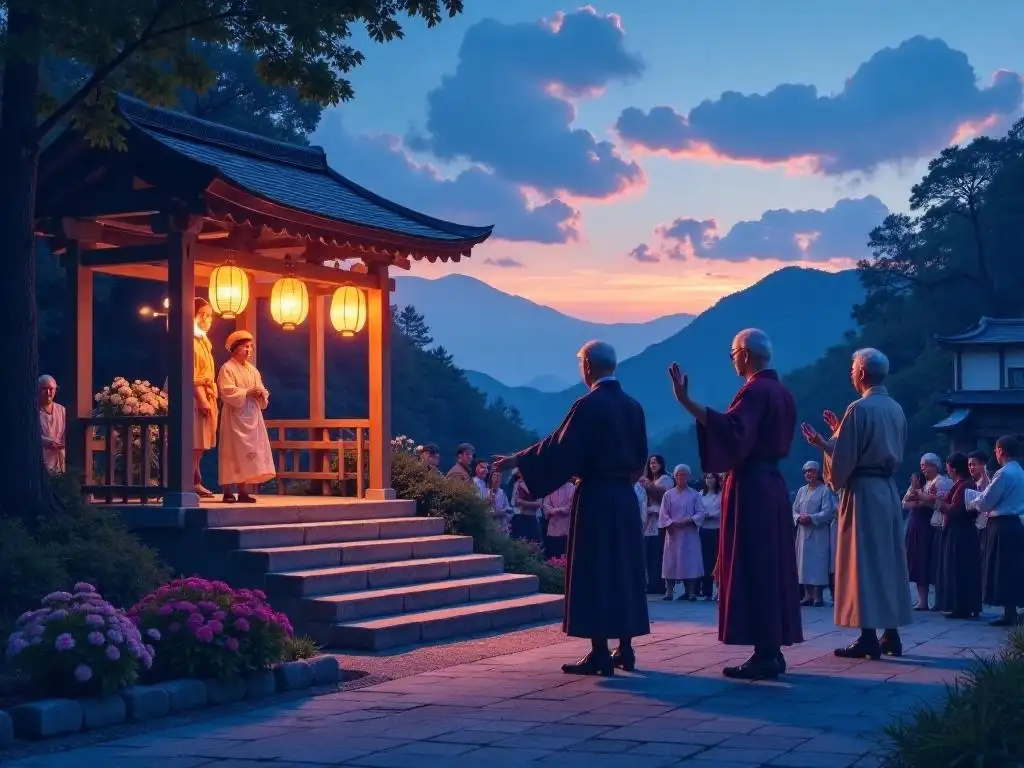
The Obon festival, deeply rooted in Japanese culture, serves as a profound reminder of the importance of ancestor honoring and familial connections. As communities gather to celebrate with lanterns, dances, and rituals, they not only commemorate the spirits of their forebears but also reinforce the bonds of family and community that transcend generations. The festival fosters a sense of continuity, allowing modern Japanese society to maintain a vital link to its past.
In recent years, Obon has also attracted attention from international visitors, eager to participate in a festival that embodies the essence of Japanese spirituality and cultural heritage. This interest has led to a broader appreciation of Japan’s rich traditions and the significance of honoring one's ancestors. As a result, the Obon festival has become not just a local observance but also a global celebration, bridging cultural gaps and inviting people from all walks of life to reflect on their own heritage.
Ultimately, the enduring legacy of the Obon festival lies in its ability to adapt while remaining true to its core values. As Japan continues to evolve, the spirit of Obon will undoubtedly persist, reminding us all of the importance of remembrance, gratitude, and the ties that bind us to our ancestors.
Additional Resources
For those interested in diving deeper into the cultural and spiritual significance of the Obon festival, several resources can enhance your understanding:
- Books:
- Japanese Festivals: A Cultural Guide by John Doe
- Obon: The Festival of the Ancestors by Jane Smith
- Documentaries:
- "Obon: The Festival of Lights" - A visual exploration of the rituals and traditions surrounding Obon.
- "Honoring Ancestors: The Spiritual Practices of Japan" - A documentary focusing on various Japanese customs related to ancestor worship.
- Websites:
- Japan National Tourism Organization (JNTO) - Offers insights and travel tips for experiencing Obon in Japan.
- Cultural Heritage Online - A resource dedicated to traditional Japanese festivals and their significance.
These resources provide a comprehensive view of the Obon festival and its place within the broader context of Japanese culture and spirituality.
Call to Action
Are you ready to experience the beauty and depth of the Obon festival? Plan your visit to Japan during this extraordinary time to witness the vibrant celebrations firsthand. Participate in communal dances, light lanterns to guide the spirits home, and engage with locals as they share stories of their ancestors.
To stay informed about upcoming festivals and cultural events in Japan, subscribe to our newsletter for the latest updates. Join us in honoring the past and enriching your travel experiences with the profound spiritual traditions of Japan. Embrace the opportunity to connect with a culture that cherishes its roots—your journey into the heart of Japan’s feudal history awaits!
- Introduction to Obon Festival in Japan
- Understanding the Obon Festival
- Spiritual Significance of Obon
- The Role of Ancestor Worship in Japanese Society
- Rituals and Practices During the Obon Festival
- Regional Variations of Obon Celebrations
- The Cultural Impact of Obon Festival
- Traveling to Japan During Obon
- Conclusion: The Enduring Legacy of the Obon Festival
- Additional Resources
- Call to Action
Frequently Asked Questions
What is the Obon festival in Japan?
The Obon festival is a traditional event that honors deceased ancestors. It typically takes place in mid-August and involves various ceremonies to welcome the spirits back to the living world.
How do people celebrate Obon?
Celebrations of Obon often include family gatherings, visiting ancestral graves, and performing traditional dances known as Bon Odori. Lanterns are also lit to guide the spirits home.
What are the spiritual beliefs associated with Obon?
During Obon, it is believed that the spirits of ancestors return to the physical world. This time is seen as an opportunity for families to express their gratitude and respect for their ancestors.
Are there any specific customs practiced during Obon?
Yes, customs may vary by region, but common practices include offerings of food, burning incense, and creating floating lanterns to honor the spirits. These acts symbolize the family's remembrance and respect.
How does the Obon festival reflect Japanese culture?
The Obon festival embodies the Japanese values of respect for ancestors and family ties. It showcases the deep-rooted cultural beliefs regarding life, death, and the afterlife, emphasizing the importance of honoring one's heritage.
Final Reflection: Embracing the Legacy of Ancestors Through Obon
The Obon festival stands as a profound testament to the enduring connection between the living and their ancestors, reminding us of the importance of honoring those who came before us. In a world increasingly focused on the present and future, the spiritual significance of Obon invites us to pause and reflect on our roots. This celebration not only preserves cultural heritage but also fosters a sense of community and belonging, emphasizing that our ancestors' spirits continue to guide and influence our lives today.
The impact of the Obon festival extends beyond its traditional observances, shaping the cultural and social landscape of Japan and beyond. As we engage with this festival, we are reminded of the values of respect, gratitude, and remembrance that are essential in our lives. The words of Japanese poet Matsuo Bashō resonate deeply: Every day is a journey, and the journey itself is home.
This sentiment encapsulates the essence of Obon, where honoring our ancestors becomes a journey of understanding our identity and place in the world, fostering a sense of continuity and purpose.
As we conclude our exploration of the spiritual significance of Obon, I invite you to reflect on your own connections to your ancestors and the traditions that shape your identity. Consider how you can honor their legacy in your daily life, whether through remembrance, storytelling, or acts of kindness.
Let the spirit of Obon inspire you to cultivate a deeper appreciation for your heritage, encouraging a practice of gratitude that transcends generations. Embrace the lessons of the past as you navigate your own journey, and remember that honoring our ancestors is not just a ritual; it is a pathway to understanding ourselves and our place in the world.
Embrace Your Ancestry and Celebrate Obon Today!
Thank you for exploring the profound spiritual significance of Obon with us! You've uncovered the essence of honoring ancestors in Japanese culture, a practice that enriches both individual and collective identities. Now, let’s take that inspiration and put it into action.
- Experience Obon festivities! Attend a local event or festival to connect with your community and immerse yourself in the traditions surrounding Obon.
- Reflect and honor your own ancestry. Create a small altar or write a heartfelt letter to your ancestors, sharing your thoughts and expressing your gratitude.
- Share your newfound knowledge! Discuss what you've learned about Obon with friends or family, encouraging others to appreciate this beautiful tradition.
What unique ways will you discover to honor your ancestors and keep their memory alive during this meaningful time? Let's start a conversation!