
The Colorful World of Shinto Festivals: Connecting Spirituality and Community

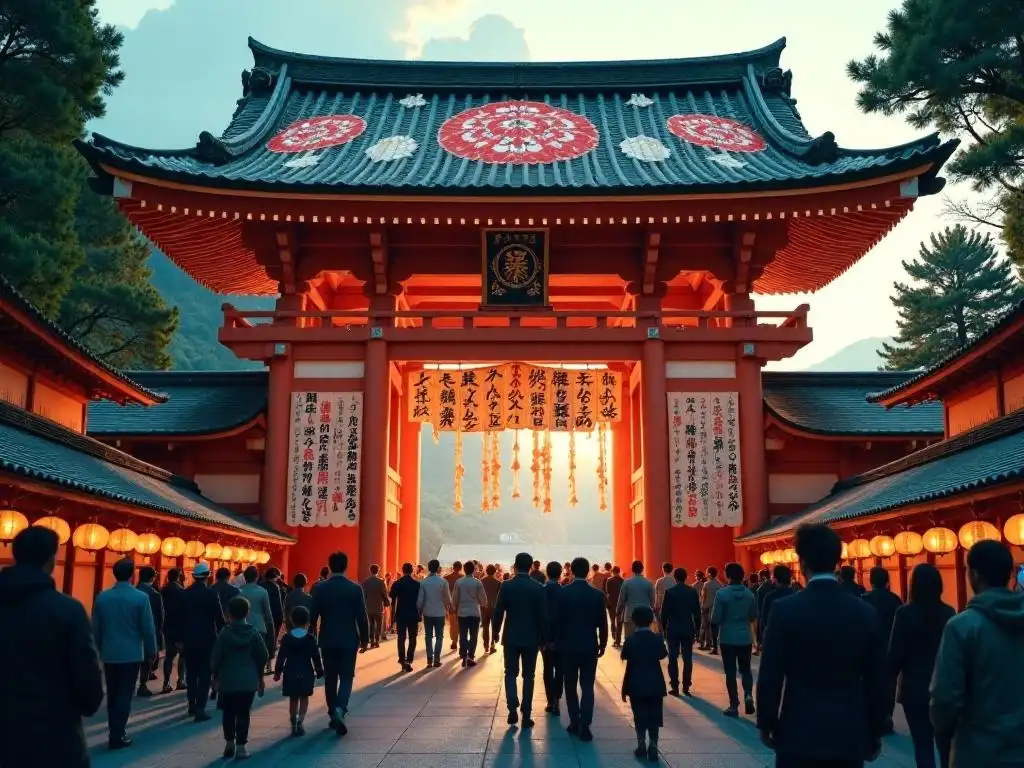
Welcome to Feudal Japan History, where we embark on a captivating journey through the vibrant tapestry of Japan’s feudal era! Here, history comes alive as we delve into the intricate cultural and societal aspects that shaped this remarkable period. In our featured article, "The Colorful World of Shinto Festivals: Connecting Spirituality and Community," we invite you to discover the enchanting traditions that celebrate Japan's rich spiritual heritage.
What secrets do these festivals hold, and how do they bind communities together? Join us as we unveil the mysteries of Shinto festivals and inspire your next adventure in the heart of Japan!
- Introduction to Shinto Festivals in Japan
- Historical Context of Shinto Festivals
- Major Shinto Festivals Across Japan
- Elements and Rituals of Shinto Festivals
- The Cultural Impact of Shinto Festivals on Japanese Society
- Planning Your Visit to Shinto Festivals in Japan
- Conclusion: The Enduring Legacy of Shinto Festivals
- Frequently Asked Questions
- Final Reflection: Embracing the Spirit of Community Through Shinto Festivals
- Embrace the Spirit: Join the Celebration of Shinto Festivals!
Introduction to Shinto Festivals in Japan
Shinto festivals, or matsuri, are vibrant celebrations deeply rooted in the spiritual and cultural fabric of Japan. These festivals serve as a connection between the community and the divine, offering a unique glimpse into the traditions that have shaped Japanese society over centuries.
From the colorful processions to the intricate rituals, Shinto festivals are not just events; they are a reflection of the values, beliefs, and communal bonds of the people. As we delve into the colorful world of Shinto festivals, we will explore their spiritual significance, the community's role in these celebrations, and how they continue to thrive in modern Japan.
Understanding the Spiritual Significance of Shinto Festivals
Shinto festivals are rich with spiritual meaning, often centered around the worship of kami, or deities, that represent natural elements and ancestral spirits. These festivals are typically held at shrines, where devotees gather to pay homage and seek blessings. The rituals performed during these events are designed to honor the kami, express gratitude, and ensure prosperity for the community.
- Key Elements of Spiritual Significance:
- Kami Worship: Each festival is dedicated to specific kami, embodying various aspects of nature and life.
- Purification Rituals: Participants often engage in misogi (purification) to cleanse themselves before the festivities, symbolizing spiritual renewal.
- Offerings and Prayers: Traditional offerings such as rice, sake, and seasonal produce are presented to the kami, signifying respect and devotion.
The colorful processions, adorned with traditional attire and vibrant decorations, create a visual spectacle that reinforces the connection between the spiritual and physical worlds. These events are not merely for entertainment; they are a profound expression of faith and community unity.
The Role of Community in Shinto Celebrations
Community plays a pivotal role in the success and vibrancy of Shinto festivals. These gatherings foster a sense of belonging and solidarity among participants, reinforcing cultural identity and shared values.
- Community Involvement:
- Volunteering: Local residents often volunteer to organize and participate in the festival activities, from planning to execution.
- Cultural Transmission: Elders pass down traditional practices and stories to younger generations, ensuring the preservation of cultural heritage.
- Strengthening Bonds: Festivals provide an opportunity for residents to come together, strengthen social ties, and promote collective well-being.
Shinto festivals are thus not only a celebration of spirituality but also a celebration of community, where individuals unite to honor their heritage and create lasting memories. As we continue to explore the myriad aspects of these festivals, we will uncover the intricate relationship between spirituality and community that defines the essence of Shinto celebrations in Japan.
Historical Context of Shinto Festivals
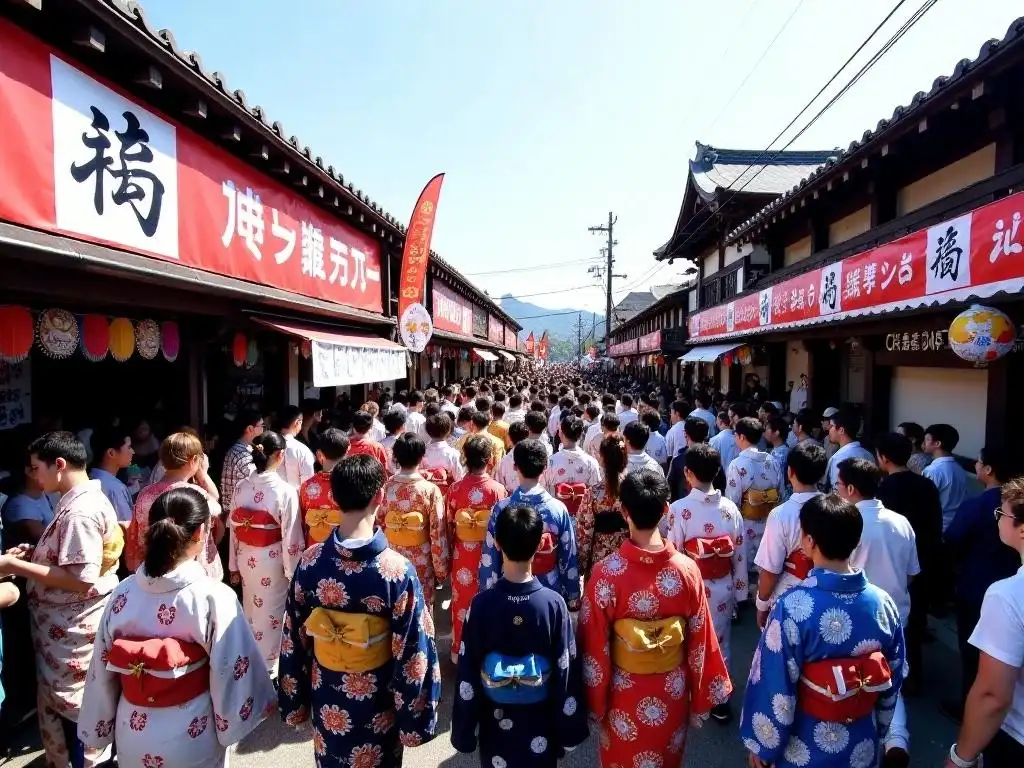
Shinto festivals, or matsuri, are an integral part of Japanese culture, interweaving spirituality with community life. These festivals celebrate the relationship between the divine and the earthly, showcasing Japan's rich tapestry of history and tradition. Understanding the historical context of these festivals requires a deep dive into their origins, evolution, and the influential figures who shaped them.
The Origins of Shinto Rituals and Festivals
Shinto, the indigenous spirituality of Japan, dates back to ancient times, with roots that can be traced as far back as the Jomon period (14,000–300 BCE). The origins of Shinto rituals and festivals are closely tied to agricultural practices, seasonal changes, and the veneration of kami (spirits or deities).
- Agricultural Festivals: Early Shinto rituals were primarily agricultural in nature, aimed at ensuring good harvests and honoring the kami believed to inhabit rice fields, mountains, and forests. For instance, the Niinamesai festival, which celebrates the first harvest, is one of the oldest Shinto rituals, reflecting the agrarian roots of Japanese society.
- Ritual Offerings: Offerings to the kami, such as rice, sake, and seasonal fruits, were central to these early festivals. These offerings were made with the belief that they would appease the spirits and invite blessings upon the community.
- Community Engagement: Shinto festivals have always been communal events, fostering a sense of belonging and unity among participants. Villagers would come together to prepare for these rituals, reinforcing social bonds and shared identities.
Evolution of Shinto Festivals Through Japan’s Feudal Era
The feudal era in Japan (approximately 1185 to 1868) marked significant transformations in the structure and nature of Shinto festivals. With the rise of powerful clans and the samurai class, these festivals adapted to reflect the changing social and political landscapes.
- Influence of the Samurai: During the Kamakura period (1185–1333), the samurai's influence grew, and they began to patronize specific shrines, leading to the establishment of more elaborate festivals. These events often included martial displays, reflecting the samurai's warrior ethos.
- Syncretism with Buddhism: The merging of Shinto and Buddhist practices during the Muromachi period (1336–1573) also influenced festival celebrations. Many festivals began to incorporate Buddhist elements, creating a unique blend of spiritual practices that enriched the overall experience.
- Regional Variations: As feudal lords established their domains, local festivals began to reflect the unique characteristics of each region. The Gion Matsuri in Kyoto, for example, evolved into a grand festival showcasing the city's cultural heritage, while others, like the Kanto Matsuri, highlighted specific regional traditions.
Key Historical Figures and Their Influence on Shinto Festivals
Throughout Japan's feudal era, several historical figures played pivotal roles in shaping Shinto festivals, influencing their direction and significance.
- Prince Shotoku (574–622): Often credited with promoting Buddhism and Shinto in early Japan, Prince Shotoku established the foundation for the syncretic practices seen in festivals today. His efforts to integrate various spiritual beliefs laid the groundwork for the rich tapestry of rituals observed in Shinto festivals.
- Toyotomi Hideyoshi (1537–1598): As a unifier of Japan, Hideyoshi recognized the importance of festivals in promoting loyalty and social order. He was instrumental in reviving and formalizing several festivals, ensuring their continuation as important cultural events.
- Emperor Meiji (1852–1912): The Meiji Restoration marked a significant shift in Japan, as the emperor sought to redefine the nation’s spiritual identity. Under his reign, there was a concerted effort to separate Shinto from Buddhism, leading to the establishment of state-sponsored Shinto festivals that emphasized national pride and unity.
The historical context of Shinto festivals offers a profound insight into Japan's cultural evolution. From their origins in ancient agricultural practices to the influences of prominent historical figures, these festivals have played a vital role in shaping the spirituality and community life of Japan. The legacy of Shinto festivals continues to thrive, reflecting the enduring connection between the people and their spiritual beliefs.
Major Shinto Festivals Across Japan
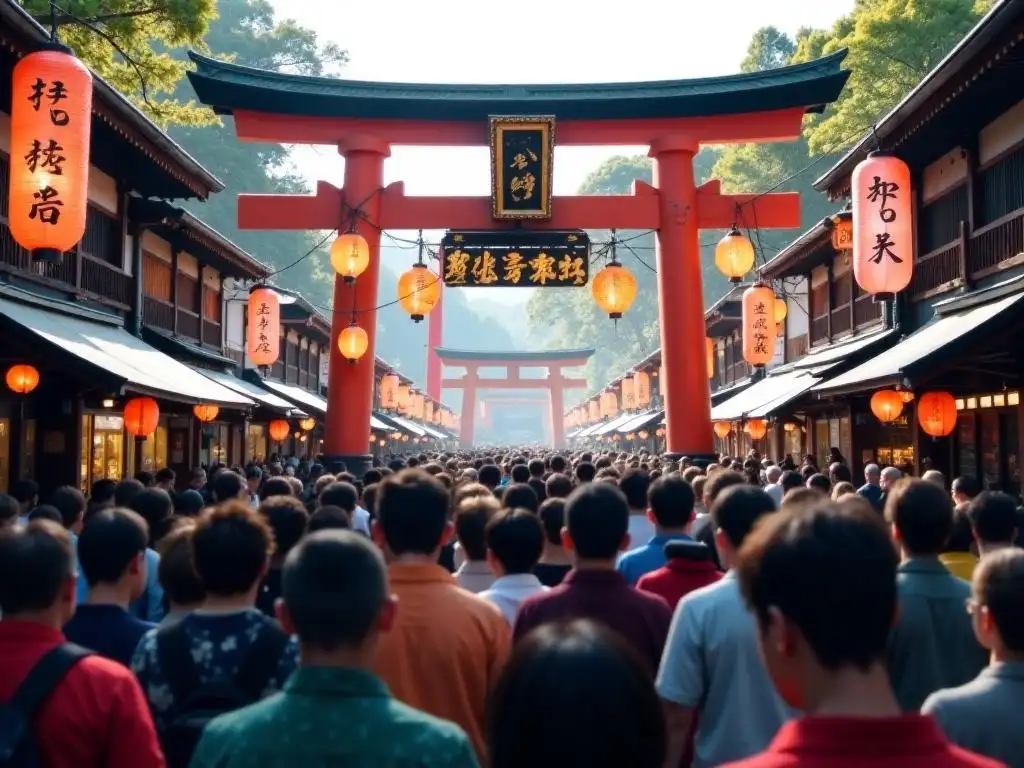
Shinto festivals, or matsuri, are vibrant celebrations that reflect the rich cultural and spiritual heritage of Japan. These events not only honor the kami (gods or spirits) of Shinto but also serve as a means of fostering community spirit and cultural continuity. In this section, we will delve into some of the most celebrated Shinto festivals throughout Japan, showcasing their unique characteristics and significance.
Overview of the Most Celebrated Shinto Festivals
Shinto festivals are characterized by their colorful parades, traditional music, dance performances, and elaborate rituals. Each festival is distinct, often tied to specific regions, local deities, or agricultural cycles. Here are a few of the most notable Shinto festivals that draw visitors from around the world:
- Cultural Significance: Each festival is steeped in local traditions and reflects the community's values and beliefs.
- Seasonal Timing: Many festivals correspond to specific seasons, particularly spring and summer, allowing for a celebration of nature's bounty.
- Participation: Local communities often take part in the preparation and execution of festivals, fostering a sense of belonging.
Gion Matsuri: A Celebration of Kyoto's Heritage
The Gion Matsuri, celebrated in July, is one of Japan's most famous festivals, taking place in Kyoto. It originally began as a purification ritual to appease the gods during a plague in the 9th century and has evolved into a month-long celebration filled with events.
- Yamaboko Junko: The highlight of the festival is the grand parade, where elaborately decorated floats, known as yamaboko, are displayed. These floats can reach up to 25 meters in height and are pulled through the streets by teams of locals.
- Cultural Events: Throughout July, various events lead up to the main parade, including traditional performances, food stalls offering local delicacies, and rituals at the Yasaka Shrine.
- Community Involvement: The Gion Matsuri is not only a celebration of heritage but also a community event, with neighborhoods participating in the decoration and preparation of floats, showcasing deep-rooted traditions.
Tenjin Matsuri: The Festival of the River in Osaka
Held annually on July 24th and 25th, the Tenjin Matsuri celebrates the deity of scholarship, Sugawara no Michizane. This festival is renowned for its spectacular river procession.
- Procession on Land and Water: The festivities include a land procession featuring traditional costumes and portable shrines ( mikoshi), followed by a boat procession on the river, where beautifully adorned boats carry offerings and performers.
- Fireworks Display: A spectacular fireworks show concludes the festival, illuminating the night sky and drawing large crowds to the riverside.
- Cultural Significance: The Tenjin Matsuri not only celebrates education and knowledge but also reinforces the community's connection to the river as a source of life and prosperity.
Kanda Matsuri: A Grand Event in Tokyo
Celebrated in odd-numbered years, the Kanda Matsuri is one of Tokyo's most significant festivals, occurring in mid-May. It honors the Kanda Myojin Shrine and is known for its grand scale and vibrant atmosphere.
- Mikoshi Processions: The festival features two main processions: one through the streets of the Kanda district and another through the historic areas of Tokyo. Hundreds of mikoshi are carried by local participants, showcasing the community's pride and devotion.
- Historical Roots: The origins of the Kanda Matsuri date back to the Edo period, where it was held to pray for a good harvest and the prosperity of the community.
- Cultural Festivities: Alongside the processions, the festival includes traditional music performances, dance, and a variety of food stalls, creating a lively atmosphere that attracts both locals and tourists.
Shinto festivals in Japan serve as a bridge between spirituality and community, offering a profound glimpse into the cultural fabric of the nation. Each festival, with its unique characteristics and traditions, plays a vital role in preserving Japan's rich heritage and fostering a sense of unity among its people.
Elements and Rituals of Shinto Festivals
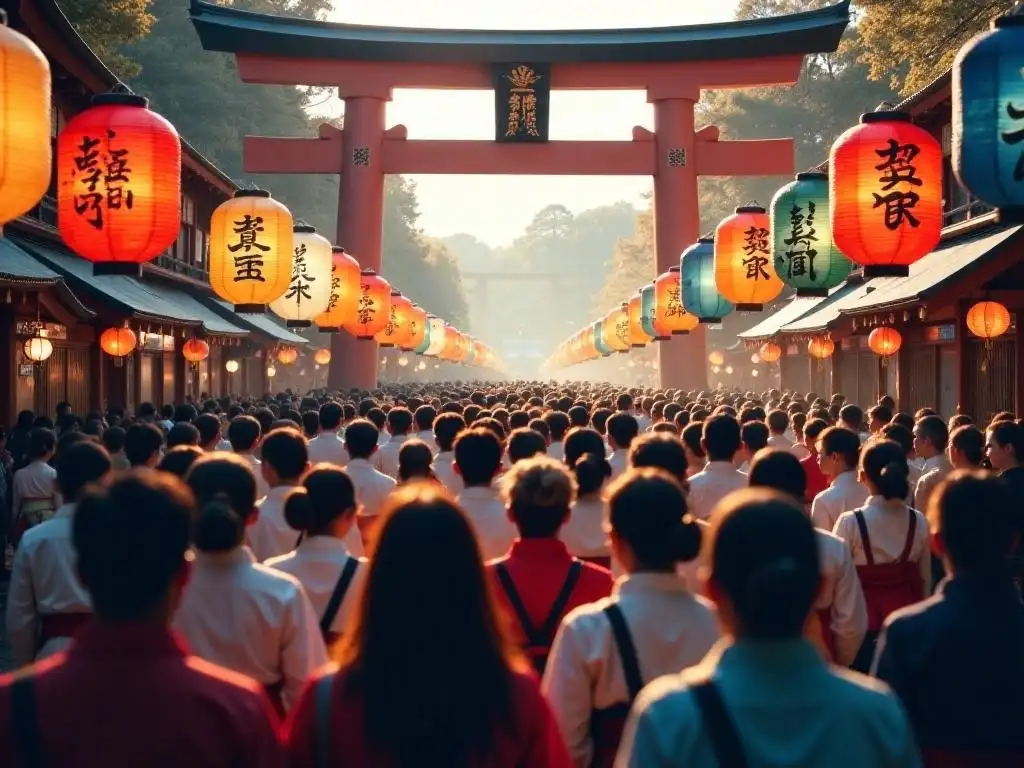
Traditional Practices and Their Meanings
Shinto festivals, or Matsuri, are vibrant celebrations that encapsulate Japan's rich spiritual heritage. These festivals are deeply rooted in traditional practices that reflect the beliefs and values of the Shinto religion. Central to these celebrations are various rituals that seek to honor the kami (gods or spirits), promote community harmony, and provide a sense of continuity in the cultural fabric of Japanese society.
One of the most prominent practices involves purification rituals, known as harai, which are conducted to cleanse participants and spaces from impurities. This ritual often includes the use of salt, sake, and water, symbolizing purification and renewal. The significance of these rituals is profound; they are believed to align the community with the spiritual world, ensuring blessings from the kami.
Additionally, offerings play a crucial role in Shinto festivals. These offerings, called shinsen, typically include rice, fish, fruits, and sake, presented to the kami at shrines. The act of presenting these offerings is not merely a gesture of respect; it signifies a reciprocal relationship between the kami and the community, where the kami bestow blessings in exchange for devotion and gratitude.
Offerings and Rituals at Shinto Shrines
At the heart of Shinto festivals are the rituals performed at shrines. Each shrine has its unique customs, but common elements include the presentation of shinsen and the recitation of norito (prayers). For instance, during the Sanja Matsuri in Asakusa, the offerings consist of seasonal fruits and specially-prepared rice, which are believed to attract the kami to the festivities.
The rituals often culminate in the omikuji (fortune-telling), where festival-goers receive written fortunes from the shrine. This practice not only adds an element of excitement but also serves as a reflection of the community's hopes and aspirations for the coming year.
The Importance of Matsuri Parades and Processions
Matsuri parades and processions are a hallmark of Shinto festivals, offering a dynamic display of cultural heritage and community spirit. These colorful events usually feature mikoshi (portable shrines), which are carried through the streets to transport the kami, allowing them to witness the celebrations of their devotees.
The processions serve to strengthen community bonds, as participants collaborate in carrying the mikoshi while chanting and drumming. This communal effort reinforces the idea of unity and shared purpose, reflecting the essence of Shinto beliefs that emphasize harmony between individuals and the divine.
The Role of Music and Dance in Shinto Festivals
Music and dance are integral to the experience of Shinto festivals, serving as conduits for spiritual expression and community celebration. The rhythms and movements of these performances are designed to invoke the presence of the kami, creating an atmosphere of reverence and joy.
Traditional Instruments Used in Festivals
Traditional Japanese instruments play a vital role in the musical accompaniment of Shinto festivals. Instruments such as the taiko (drum), shakuhachi (bamboo flute), and koto (string instrument) are commonly used. Each instrument contributes a unique sound that enhances the festive atmosphere.
For example, the taiko is known for its powerful beats that resonate with the energy of the festival, while the shakuhachi adds a melodic, serene quality that reflects the spiritual nature of the celebrations. Together, these instruments create a harmonious soundscape that embodies the essence of Shinto spirituality.
Dance Forms that Bring Spirituality to Life
Dance forms performed during Shinto festivals are not just entertainment; they are ritualistic expressions that embody the connection between the human and divine. One such dance is the Kagura, which is a sacred dance performed to entertain the kami. It incorporates intricate movements and elaborate costumes that depict various mythological stories.
Another notable dance form is the Awa Odori, characterized by its lively and energetic movements. This dance not only serves to celebrate the kami but also invites community participation, fostering a sense of collective joy and connection among festival-goers.
The elements and rituals of Shinto festivals, from offerings and processions to music and dance, play a vital role in preserving Japan's cultural heritage and fostering community spirit. These vibrant celebrations exemplify the deep connection between spirituality and community in the colorful world of Shinto festivals in Japan.
The Cultural Impact of Shinto Festivals on Japanese Society
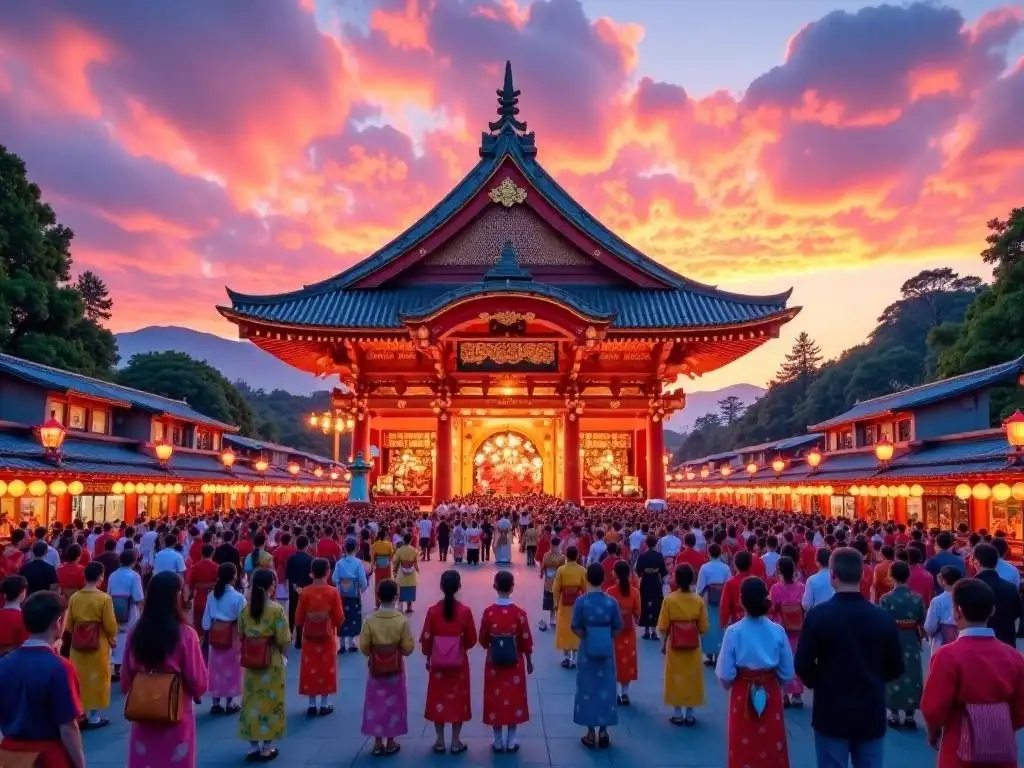
Shinto festivals, or "matsuri," are not only spiritual celebrations but also serve as a vital thread in the fabric of Japanese society. These festivals embody the essence of community, tradition, and cultural heritage, reflecting the values and beliefs that have shaped Japan over centuries.
How Shinto Festivals Foster Community Bonds
Shinto festivals play a crucial role in strengthening community ties. Each matsuri often involves local residents coming together to plan, organize, and participate in the festivities. This collaborative effort fosters a sense of belonging and camaraderie among community members.
Key elements that contribute to these community bonds include:
- Collective Participation: Residents, from children to the elderly, engage in various roles, from carrying portable shrines ( mikoshi) to performing traditional dances. This inclusivity enhances intergenerational relationships, promoting understanding and respect among different age groups.
- Cultural Preservation: Festivals offer a platform for showcasing local customs, crafts, and cuisine. By participating, community members help preserve and pass down traditions to younger generations, strengthening their cultural identity.
- Rituals and Ceremonies: Specific rituals, such as purification rites and offerings to deities, encourage communal reflection and gratitude. These shared experiences deepen the spiritual connection among participants, reinforcing a collective identity centered around shared beliefs.
Through these communal activities, Shinto festivals become a vital force in maintaining social cohesion, allowing communities to thrive amidst modern challenges.
The Influence of Festivals on Local Economies
Shinto festivals significantly impact local economies, acting as catalysts for economic growth and tourism. The influx of visitors during these events generates substantial revenue for local businesses and fosters regional development.
Several economic benefits include:
- Tourism Boost: Popular Shinto festivals attract tourists from both within and outside Japan. For instance, the Gion Matsuri in Kyoto draws over a million visitors annually, providing a considerable economic boost to local hotels, restaurants, and shops.
- Market Opportunities: Local artisans and vendors often set up stalls during festivals, selling traditional crafts and food. This creates opportunities for small businesses, encouraging the revival of traditional crafts and culinary practices.
- Job Creation: Organizing a Shinto festival requires manpower, leading to temporary job creation in areas such as event management, hospitality, and transportation. This influx of jobs can be particularly beneficial for rural areas where employment opportunities are limited.
- Infrastructure Development: The need to accommodate large crowds often leads to improvements in local infrastructure, such as transportation, sanitation, and public services. This development can have lasting benefits for the community beyond the festival period.
Shinto festivals are vital not only for their cultural significance but also for their economic contributions, helping communities flourish while keeping traditions alive.
Education and Awareness: Teaching Future Generations
Shinto festivals serve as a valuable educational tool, imparting knowledge about Japan's rich cultural heritage to younger generations. These events provide firsthand experiences that foster a deeper understanding of Shinto beliefs and practices.
Key aspects of this educational impact include:
- Experiential Learning: Children participating in festivals learn about traditional rituals, music, and dance through direct engagement. This hands-on experience is often more impactful than classroom learning, fostering a genuine appreciation for their culture.
- Cultural Exchange: Festivals often include elements of cultural exchange, where communities invite neighboring regions to participate. This exposure allows younger generations to appreciate the diversity of Shinto practices across Japan, promoting broader cultural awareness.
- Community Responsibility: Involvement in festivals teaches children about the importance of community service and collaboration. Through roles such as volunteering or helping with preparations, they learn the value of contributing to their community and upholding traditions.
- Historical Context: Many Shinto festivals are rooted in historical events or myths. By learning the stories behind these festivals, children gain insights into their cultural history, enhancing their sense of identity and belonging.
Shinto festivals play a crucial role in educating and instilling cultural pride in future generations, ensuring that Japan's rich traditions are preserved and celebrated for years to come.
Planning Your Visit to Shinto Festivals in Japan
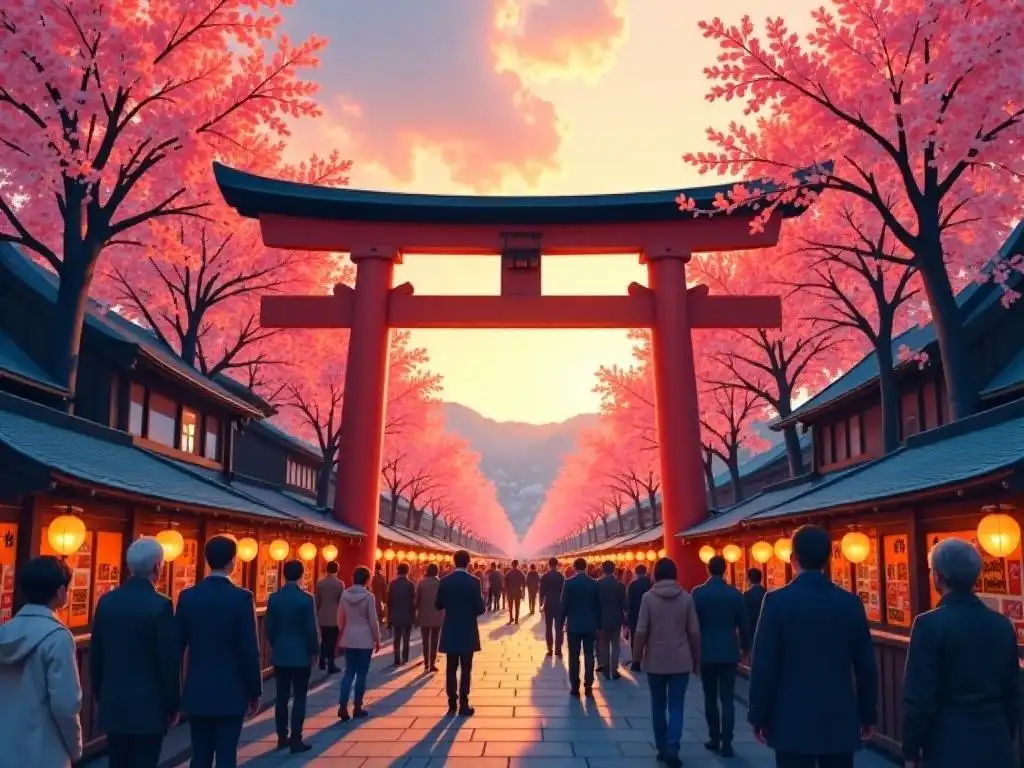
Planning a trip to experience Shinto festivals in Japan is an exciting journey that allows travelers to immerse themselves in the rich tapestry of Japanese culture and spirituality. To make the most of your visit, it is essential to consider the timing of your trip and the unique aspects of each festival.
Best Times to Experience Shinto Festivals
Japan hosts a variety of Shinto festivals throughout the year, with each season offering distinct celebrations. Here is a breakdown of some of the most notable festivals by season:
- Spring (March to May)
- Hanami (Cherry Blossom Festivals): Celebrated in various locations, notably in Tokyo and Kyoto, these festivals occur during late March to early April. They commemorate the blooming of cherry blossoms and involve picnicking under the trees.
- Kanda Matsuri (May): Held in Tokyo, this festival takes place in odd-numbered years and features a grand parade of portable shrines (mikoshi).
- Summer (June to August)
- Gion Matsuri (July): One of Japan's most famous festivals, held in Kyoto, it spans the entire month of July with its highlight being the grand parade on the 17th.
- Awa Odori (August): This lively dance festival in Tokushima features traditional folk dances and attracts thousands of participants and spectators.
- Autumn (September to November)
- Jidai Matsuri (October): This historical festival in Kyoto showcases a parade depicting various periods of Japanese history, from the Heian period to the Meiji era.
- Kikuchi Matsuri (October): Held in Kumamoto, this festival celebrates the local culture with traditional performances and food stalls.
- Winter (December to February)
- Oni Matsuri (February): Celebrated in various regions, this festival involves rituals to drive away evil spirits and welcome good fortune for the upcoming year.
Essential Tips for Travelers Attending Shinto Festivals
Attending Shinto festivals can be a unique experience, but being prepared is key to fully enjoying the festivities. Here are some essential tips:
- Research Festival Dates and Locations:
- Ensure to check dates in advance, as some festivals may change annually or have different events on different days.
- Plan Your Transportation:
- Familiarize yourself with local transportation options. Trains and buses can be crowded during festival times, so consider booking tickets ahead of time.
- Dress Appropriately:
- While casual clothing is acceptable, wearing traditional Japanese attire, such as a yukata during summer festivals, can enhance your experience and show respect for the culture.
- Try Local Cuisine:
- Festivals often feature food stalls offering local delicacies. Be adventurous and try dishes you’ve never had before!
- Participate Respectfully:
- Engage in activities, but always be mindful of the spiritual significance of the festival. Observing rituals from a respectful distance is encouraged.
Understanding Cultural Etiquette at Festivals
Cultural etiquette plays a significant role in appreciating Shinto festivals. Here are some key points to consider:
- Behave Respectfully:
- Maintain a respectful demeanor, especially when near shrines or during rituals. Avoid loud conversations or disruptive behavior.
- Photography Considerations:
- Always ask for permission before photographing individuals, especially during rituals. Some ceremonies may have restrictions on photography.
- Participate in Rituals:
- If invited, participating in traditional rituals can be a profound experience. However, ensure you understand the procedure and follow the lead of locals.
- Gift Giving:
- It is customary to offer small gifts or donations at shrines. Prepare a small amount of coins to drop into offering boxes as a sign of respect.
Recommended Accommodations Near Major Festivals
Choosing the right accommodation can enhance your experience during Shinto festivals. Here are some recommendations near significant festival sites:
| Festival | Location | Recommended Accommodations |
|---|---|---|
| Gion Matsuri | Kyoto | Hotel Granvia Kyoto, The Celestine Kyoto Gion |
| Kanda Matsuri | Tokyo | Hotel Ryumeikan Tokyo, The Tokyo Station Hotel |
| Awa Odori | Tokushima | Tokushima Grandvrio Hotel, Hotel Sunroute Tokushima |
| Jidai Matsuri | Kyoto | The Ritz-Carlton, Kyoto, Kyoto Century Hotel |
| Oni Matsuri | Various Regions | Local ryokans (traditional inns) often offer unique experiences. |
By planning your visit carefully, you can ensure a memorable experience at the Shinto festivals in Japan, filled with cultural insights and community spirit.
Conclusion: The Enduring Legacy of Shinto Festivals
Shinto festivals in Japan, known as matsuri, are not merely events; they are living embodiments of the nation's spiritual heritage and community spirit. Rooted in centuries of tradition, these festivals serve as a vital connection between the past and the present, allowing people to honor their deities, celebrate seasonal changes, and strengthen communal bonds. As the world progresses, the significance of these festivals remains steadfast, adapting without losing their essence.
The enduring legacy of Shinto festivals is seen in their ability to foster a sense of belonging and identity among participants. They remind the community of their shared values and history, while also inviting visitors to experience the richness of Japanese culture. The intricate rituals, vibrant processions, and heartfelt offerings are vivid expressions of devotion that resonate deeply with both locals and tourists alike.
Moreover, the environmental aspect of many Shinto festivals highlights the Japanese reverence for nature. Festivals often celebrate agricultural cycles and the bounty of the earth, emphasizing sustainable practices and respect for the environment. This deep-rooted connection to nature is a crucial part of Japan's cultural identity, making Shinto festivals significant not only for their spiritual implications but also for their role in promoting ecological awareness.
Reflections on the Importance of Shinto Festivals in Modern Japan
In contemporary Japan, Shinto festivals continue to play a pivotal role in shaping the social fabric of communities. They serve as a platform for cultural education, showcasing traditional arts, crafts, and performances that might otherwise be lost to time. The involvement of younger generations in organizing and participating in these events is crucial for the preservation of these cultural practices.
Furthermore, Shinto festivals are a source of economic vitality, drawing tourists from around the world. The convergence of spirituality and community engagement creates a unique atmosphere that attracts those interested in experiencing authentic Japanese culture. Local economies benefit from the influx of visitors who seek to witness and participate in the festivities, contributing to the sustainability of these events.
In modern times, Shinto festivals also provide an opportunity for personal reflection and spiritual rejuvenation. Many attendees engage in rituals that promote inner peace and a sense of connection to both the divine and their community. This dual aspect of celebration and contemplation underscores the festivals' relevance in a fast-paced, modern society, offering a respite where individuals can reconnect with their roots.
Encouragement to Experience Shinto Festivals Firsthand
Experiencing Shinto festivals in Japan is a profound way to immerse oneself in the nation's cultural tapestry. For those planning to visit, attending a local matsuri can provide invaluable insights into the spiritual and communal values that underpin Japanese society. Whether it's the dazzling floats of the Gion Matsuri in Kyoto or the lively dances of the Aomori Nebuta Matsuri, each festival offers a unique glimpse into Japan's diverse cultural heritage.
To truly appreciate the vibrancy of these events, consider participating in the rituals, sampling the local food stalls, and engaging with the community. Many festivals also welcome visitors to volunteer, allowing for a more intimate experience of the traditions and practices involved.
As you explore the colorful world of Shinto festivals, you will not only witness the beauty of Japanese culture but also gain a deeper understanding of the values that continue to shape the lives of the people. So, mark your calendars and prepare for a journey that connects you to the heart and soul of Japan through its spectacular matsuri!
Frequently Asked Questions
What are Shinto festivals in Japan?
Shinto festivals, known as matsuri, are traditional celebrations that honor deities and the changing seasons. They often involve processions, rituals, and community gatherings, reflecting the deep connection between spirituality and community.
How do Shinto festivals contribute to Japanese culture?
Shinto festivals play a vital role in preserving cultural heritage and fostering community bonds. They serve as a platform for expressing gratitude to the gods and celebrating local customs, thus enhancing cultural identity.
What types of activities are common during Shinto festivals?
Common activities during Shinto festivals include processions, traditional performances, food stalls, and various ritualistic practices. These activities not only entertain but also reinforce spiritual connections and community cohesion.
Are Shinto festivals celebrated throughout the year?
Yes, Shinto festivals are celebrated throughout the year, with some occurring seasonally or tied to specific agricultural cycles. Each festival has unique significance, often linked to the local community and its history.
How can visitors participate in Shinto festivals?
Visitors can participate by attending the festivals, respecting the rituals, and engaging with the community. It’s important to be mindful of local customs and etiquette to fully appreciate the spiritual and cultural significance of these events.
Final Reflection: Embracing the Spirit of Community Through Shinto Festivals
The vibrant tapestry of Shinto festivals in Japan serves as a profound reminder of the intricate connection between spirituality and community. In today's fast-paced world, where individualism often overshadows collective experiences, these festivals stand out as a beacon of unity and cultural heritage. They remind us that, despite our differences, we share a common thread of tradition and spirituality that binds us together.
Celebrating Shinto festivals is not just about honoring deities; it is about fostering a sense of belonging and identity within the community. The colorful parades, the rhythmic beats of taiko drums, and the shared laughter among participants create an atmosphere of joy and togetherness that transcends generations. As the renowned Japanese author Jun'ichirō Tanizaki once said, ">The beauty of the world is the beauty of the heart." This sentiment encapsulates the essence of Shinto festivals, where the heart of the community beats in harmony with the spiritual realm.
As you reflect on the lessons of Shinto festivals, I invite you to consider how you can cultivate a sense of community in your own life. Engage with your local traditions, celebrate diversity, and seek connections that enrich your spirit and the spirits of those around you. By embracing the values embodied in these festivals, we can create a more harmonious world, one where spirituality and community thrive hand in hand.
Embrace the Spirit: Join the Celebration of Shinto Festivals!
Thank you for diving into the vibrant world of Shinto festivals with us! You’ve discovered how these remarkable celebrations connect spirituality and community, enriching lives and traditions. Now, it’s time to take action and immerse yourself in this cultural experience!
- Participate in a Local Festival: Find out where the next Shinto festival is happening near you and join in the festivities to celebrate alongside the community!
- Share Your Knowledge: Spread the joy by sharing this article with friends and followers on social media. Help others uncover the beauty of Shinto traditions!
- Explore Further: Deepen your understanding by visiting local shrines or engaging with community groups that celebrate these festivals.
Which aspect of Shinto festivals are you most excited to experience or share with others? We would love to hear your thoughts!