
The Rituals of the Hina Matsuri: Celebrating Girls' Day in Japan

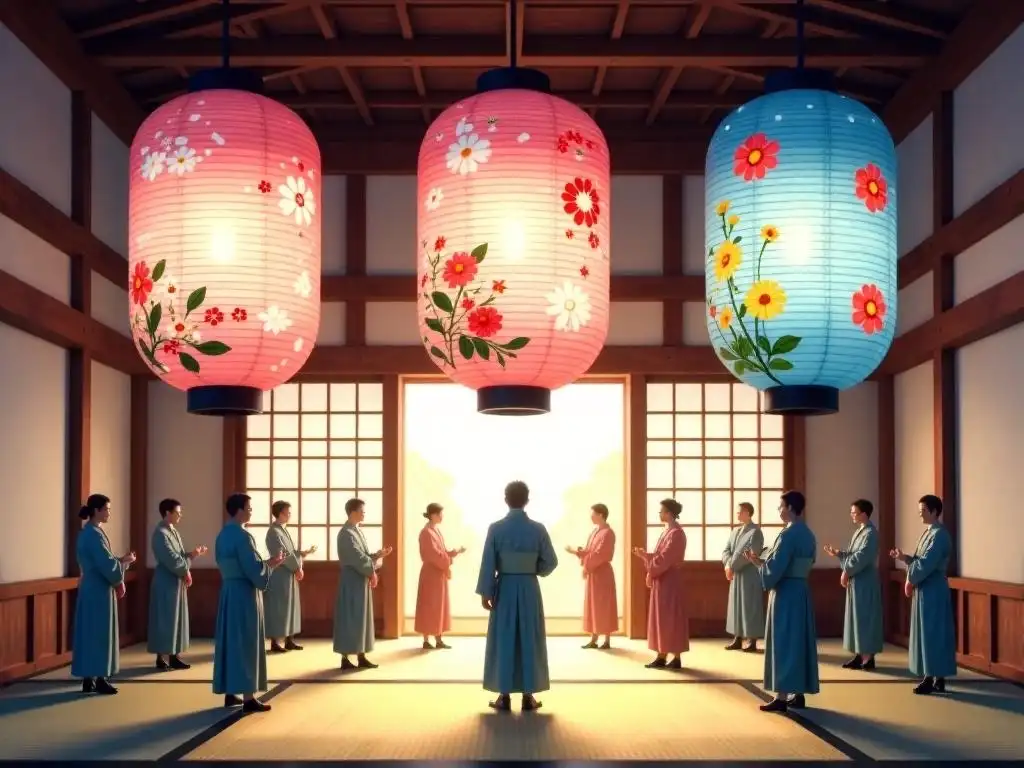
Welcome to Feudal Japan History, where the echoes of the past come alive through expert-driven insights and in-depth articles that celebrate the rich tapestry of Japan's feudal era. As you embark on this journey, prepare to uncover the enchanting Hina Matsuri traditions in Japan, a celebration steeped in history and cultural significance. What rituals and customs bring this delightful Girls' Day to life? Dive deeper into our featured article to discover the vibrant traditions that honor the spirit of femininity and the hopes for health and happiness. Your exploration begins here—let the stories unfold!
- Introduction to Hina Matsuri Traditions in Japan
- Hina Matsuri Rituals: Key Components of the Celebration
- Cultural Practices Surrounding Hina Matsuri
- The Modern Influence of Hina Matsuri on Japanese Culture
- Visiting Japan During Hina Matsuri: Travel Tips and Recommendations
- Conclusion: Embracing Hina Matsuri Traditions in Japan
- Frequently Asked Questions
- Final Reflection: Embracing Hina Matsuri Traditions for Future Generations
- Embrace the Spirit of Hina Matsuri!
Introduction to Hina Matsuri Traditions in Japan
The Hina Matsuri, also known as Girls' Day or Doll Festival, is a cherished cultural celebration in Japan that takes place annually on March 3rd. This vibrant occasion is dedicated to the health and happiness of girls, showcasing a rich tapestry of traditions, rituals, and customs that reflect Japan's historical and cultural heritage.
From the intricate display of ornamental dolls to the delicious seasonal delicacies served during the festivities, Hina Matsuri is a beautiful representation of the societal values placed on family, femininity, and the passage of time. As we delve deeper into the rituals associated with Hina Matsuri, we will uncover the profound significance this day holds for families across Japan and the historical context that has shaped its celebration over the centuries.
Understanding the Significance of Girls' Day
Hina Matsuri serves as a poignant reminder of the hopes and aspirations that families hold for their daughters. Traditionally, families with daughters display a set of ornate dolls, known as hina ningyo, which represent the Emperor, Empress, and their court, arranged on tiered platforms covered with a red carpet. This display is not merely decorative; it symbolizes the desire for girls to grow up healthy, happy, and prosperous.
The festival is steeped in symbolism, where each element—from the dolls to the food—carries meaning. For instance, the peach blossoms, which bloom around the same time, signify femininity and vitality. Families partake in rituals such as offering special foods like chirashi-zushi (scattered sushi) and shirozake (sweet white sake), each dish crafted with care to promote well-being and fortune. The celebration fosters a sense of community, as neighborhoods and schools often hold events, inviting families to partake in cultural activities that reinforce social bonds.
The Historical Background of Hina Matsuri
The origins of Hina Matsuri can be traced back to ancient Japan, where it was believed that dolls had the power to ward off evil spirits. Initially celebrated as a means to purify and protect children, the festival evolved over the centuries, intertwining with shinto traditions and the aristocratic practices of the Heian period (794-1185). During this time, the custom of displaying dolls became popular among the nobility, leading to the elaborate hina ningyo we see today.
By the Edo period (1603-1868), Hina Matsuri had become a widespread tradition, embraced by families across different social classes. It transitioned from a ceremonial observance to a cultural festival celebrated with joy and festivity. The introduction of various regional customs added diversity to the celebration, with different areas of Japan incorporating unique practices and dishes into their festivities.
As Hina Matsuri continues to be celebrated in modern Japan, it stands as a testament to the resilience of cultural traditions, adapting over time while retaining its core significance. Today, it not only highlights the cultural identity of Japan but also serves as a day of reflection for families, honoring their daughters and the values of love, care, and community.
Hina Matsuri Rituals: Key Components of the Celebration
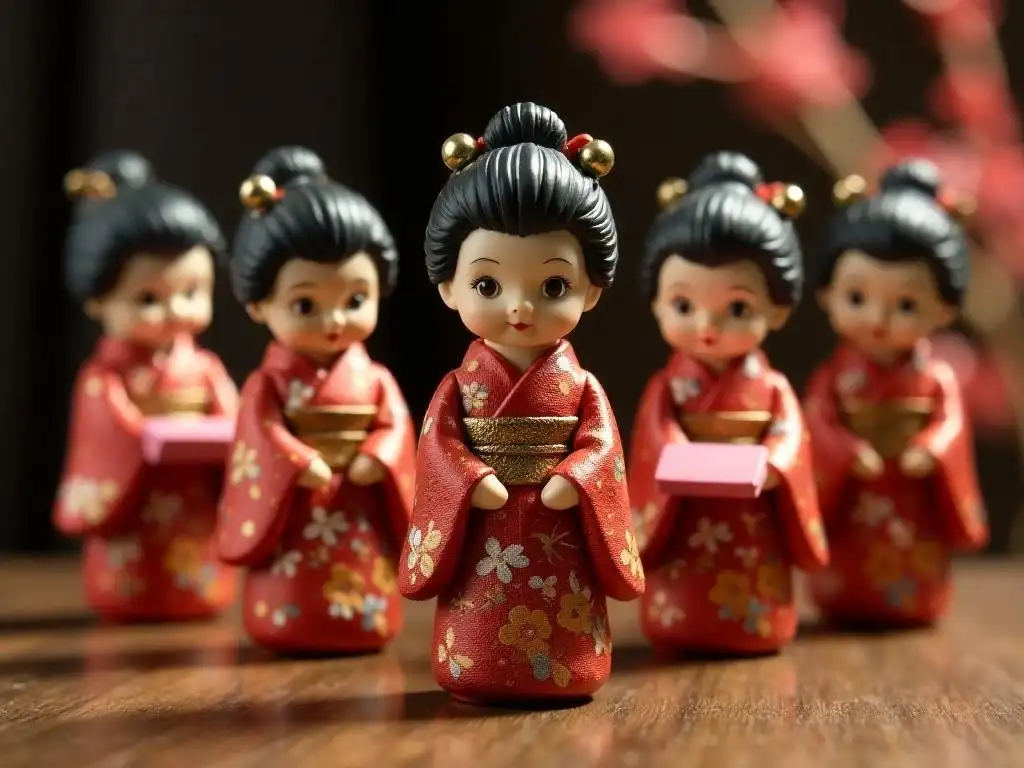
Hina Matsuri, also known as Girls' Day, is a cherished celebration held annually on March 3rd in Japan. This festival is rich in rituals that honor the health and happiness of girls. The key components of the celebration revolve around the display of traditional Hina dolls, special foods, and various customs that create a festive atmosphere.
Traditional Hina Dolls: Symbolism and Importance
The centerpiece of Hina Matsuri is the display of Hina dolls, which represent the Emperor, Empress, and their court. These dolls are not mere decorations; they embody wishes for the prosperity, health, and happiness of girls in the family. Traditionally, the dolls are crafted with meticulous attention to detail, often made from materials like silk and paper, and dressed in elaborate kimonos.
Types of Hina Dolls: A Closer Look
Hina dolls can be categorized into several types, each serving a specific role in the celebration:
- Dairi Bina: The Emperor and Empress, usually placed at the top of the tiered display.
- San-nin Kanjo: Three court ladies who attend to the Empress, showcasing their elegance and grace.
- Shinno: The two ministers who symbolize loyalty and wisdom.
- Ushiwaka: The attendants, often depicted with various instruments and accessories.
Each type of doll carries distinct symbolism, representing various virtues and roles within the imperial court.
The Arrangement of Hina Dolls: A Step-by-Step Guide
Setting up the Hina doll display is a ritual in itself. Here’s a step-by-step guide to creating an authentic arrangement:
- Select the Platform: Traditionally, a red-covered platform is used, consisting of several tiers (usually 5 or 7).
- Position the Emperor and Empress: Place the Dairi Bina dolls at the top center of the platform, facing forward.
- Arrange the Court Ladies: The San-nin Kanjo should be positioned to the right and left of the Emperor and Empress, showcasing their roles as attendants.
- Add the Ministers: Place the Shinno dolls below the court ladies, maintaining symmetry.
- Include Accessories: Arrange various accessories such as miniature furniture, food items, and traditional musical instruments around the dolls to enhance the display.
This meticulous arrangement reflects the values of harmony and respect inherent in Japanese culture.
Festive Foods and Celebratory Dishes for Hina Matsuri
The culinary aspect of Hina Matsuri is equally significant, featuring a variety of festive foods that hold symbolic meanings. These dishes are prepared with care, often reflecting seasonal ingredients and traditional cooking methods.
Popular Hina Matsuri Foods: From Chirashi-zushi to Hina-arare
Some popular dishes served during Hina Matsuri include:
- Chirashi-zushi: A colorful rice dish topped with various ingredients like seafood, vegetables, and pickles, symbolizing prosperity.
- Hina-arare: Colorful rice crackers that are a staple snack during the festival, representing the joy of the occasion.
- Shirozake: A sweet, non-alcoholic sake made from fermented rice, enjoyed for its refreshing taste and cultural significance.
These dishes not only enhance the festive atmosphere but also carry deep cultural meanings, emphasizing the importance of health, happiness, and family togetherness.
Preparing Traditional Dishes: Recipes and Tips for Authenticity
To create an authentic Hina Matsuri feast, consider the following tips:
- Use Seasonal Ingredients: Incorporate fresh, seasonal vegetables and fish to enhance the flavor of your dishes.
- Follow Traditional Recipes: Authenticity is key; use traditional recipes for Chirashi-zushi and Hina-arare to maintain the cultural essence.
- Presentation Matters: Pay attention to the aesthetics of the food, arranging dishes beautifully to reflect the celebration’s joy and elegance.
Here’s a simplified recipe for Chirashi-zushi:
**Ingredients:**
- Sushi rice
- Assorted sashimi (salmon, tuna)
- Vegetables (carrots, cucumbers)
- Pickled ginger
- Nori seaweed

**Instructions:**
1. Cook sushi rice according to package instructions.
2. Once cooked, mix the rice with vinegar, sugar, and salt.
3. Spread the rice on a serving platter and arrange the sashimi and vegetables on top.
4. Garnish with pickled ginger and nori strips before serving.
These practices not only preserve the rich traditions of Hina Matsuri but also create a memorable experience for families celebrating this special day.
Cultural Practices Surrounding Hina Matsuri
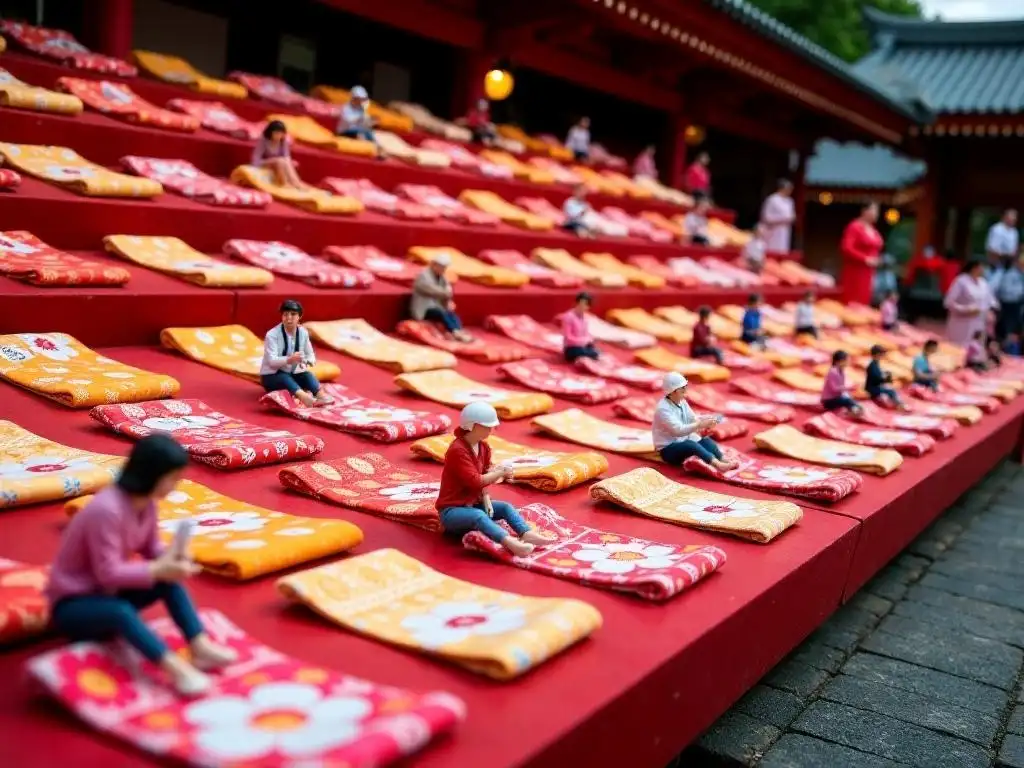
Hina Matsuri Activities: Celebrations Across Japan
Hina Matsuri, also known as Girls' Day, is celebrated annually on March 3rd and is a significant cultural festival in Japan. The day is dedicated to wishing health and happiness for girls, and it is marked by various traditional activities and rituals that vary across the country. The core of Hina Matsuri celebrations centers around the display of hina ningyo (dolls), which represent the emperor, empress, and their court.
During the festivities, families often engage in activities such as:
- Setting Up Hina Dolls: Families display elaborate dolls on a tiered platform, typically covered in red cloth. The dolls are often accompanied by miniature furnishings and decorations, symbolizing the Heian period's imperial court.
- Special Foods: Traditional foods such as chirashi-zushi (scattered sushi), hishi mochi (diamond-shaped rice cakes), and shirozake (sweet sake) are prepared and enjoyed. These delicacies symbolize health, prosperity, and joy.
- Writing Wishes: In some regions, there is a tradition of writing wishes or prayers for girls' health and happiness on decorative paper, which is then hung alongside the hina ningyo display.
- Community Events: Many local temples and shrines host communal celebrations, including festivals that showcase traditional performances, such as kagura (shrine dances) and music, attracting families and visitors.
Each of these activities helps to cultivate a sense of community and reinforce the cultural significance of Hina Matsuri as a celebration of femininity and family unity.
Regional Variations in Hina Matsuri Celebrations
While the essence of Hina Matsuri remains consistent across Japan, the ways in which it is celebrated can differ significantly from region to region.
- Kanto Region: In areas like Tokyo and surrounding prefectures, the emphasis is on the display of the dolls and hosting gatherings with family and friends. Gift-giving is also common, with families exchanging sweets and small gifts.
- Kansai Region: In places like Kyoto and Osaka, the tradition of hina matsuri includes more elaborate doll displays that may feature intricate designs and historical significance. Some families even pass down heirloom dolls that have been cherished for generations.
- Okinawa: In Okinawa, Hina Matsuri is celebrated with unique local customs, such as the creation of Hina-Ningyou made from local materials and incorporating local motifs. The festival often blends with local cultural elements, showcasing a vibrant mix of traditions.
These regional variations highlight the rich tapestry of Japanese culture, where local customs and historical influences shape the way Hina Matsuri is observed.
Unique Customs and Practices in Different Prefectures
Each prefecture can have its own unique customs that enrich the Hina Matsuri experience. For instance:
- Gifu Prefecture: Known for its Hina Matsuri festivals that feature local doll-making traditions. The town of Takayama hosts a remarkable display of dolls made from local artisans, drawing visitors from across the country.
- Toyama Prefecture: In Toyama, the festival often includes Hina Matsuri parades showcasing beautifully crafted floats adorned with dolls and flowers, providing an engaging experience for participants and spectators alike.
- Shizuoka Prefecture: Here, Hina Matsuri may include hina-arare (rice crackers) as a customary treat, symbolizing joy and celebration. Families often gather to share these treats during the festival, reinforcing community ties.
These customs reflect the diversity of Hina Matsuri celebrations and the local pride in preserving and promoting regional traditions.
The Role of Family in Hina Matsuri Traditions
At the heart of Hina Matsuri lies the importance of family. The festival serves as a time for families to gather, celebrate, and nurture bonds while participating in shared cultural practices.
Celebrating Hina Matsuri: Family Gatherings and Activities
Family gatherings are central to the Hina Matsuri celebration. Families often come together to set up the hina ningyo display, which creates an opportunity for shared storytelling and reminiscing about past generations. The act of arranging the dolls serves as a bonding experience, where parents pass down the significance of each doll and the meanings behind various foods and traditions.
Additionally, many families prepare special meals together, fostering a sense of cooperation and togetherness. The act of making and enjoying traditional dishes, such as chirashi-zushi, allows for family members to share their culinary skills and knowledge, deepening their appreciation for their heritage.
Passing Down Hina Matsuri Traditions Through Generations
The transmission of Hina Matsuri traditions from one generation to the next is a vital aspect of the festival. Older generations often take the initiative to teach younger family members about the significance of the dolls, the history of the celebrations, and the meanings behind the traditional foods.
- Storytelling: Grandparents or parents often share stories of their own experiences celebrating Hina Matsuri, reinforcing family history and cultural identity.
- Workshops: Some families participate in workshops where they teach children how to create their own hina ningyo or prepare traditional dishes, ensuring that these customs are not lost over time.
- Emphasis on Values: The festival also serves as a platform to instill values related to femininity, health, and happiness, reflecting the cultural significance of celebrating girls.
In this way, Hina Matsuri not only fosters familial connections but also plays a crucial role in preserving cultural heritage and ensuring that future generations carry on these cherished traditions.
The Modern Influence of Hina Matsuri on Japanese Culture
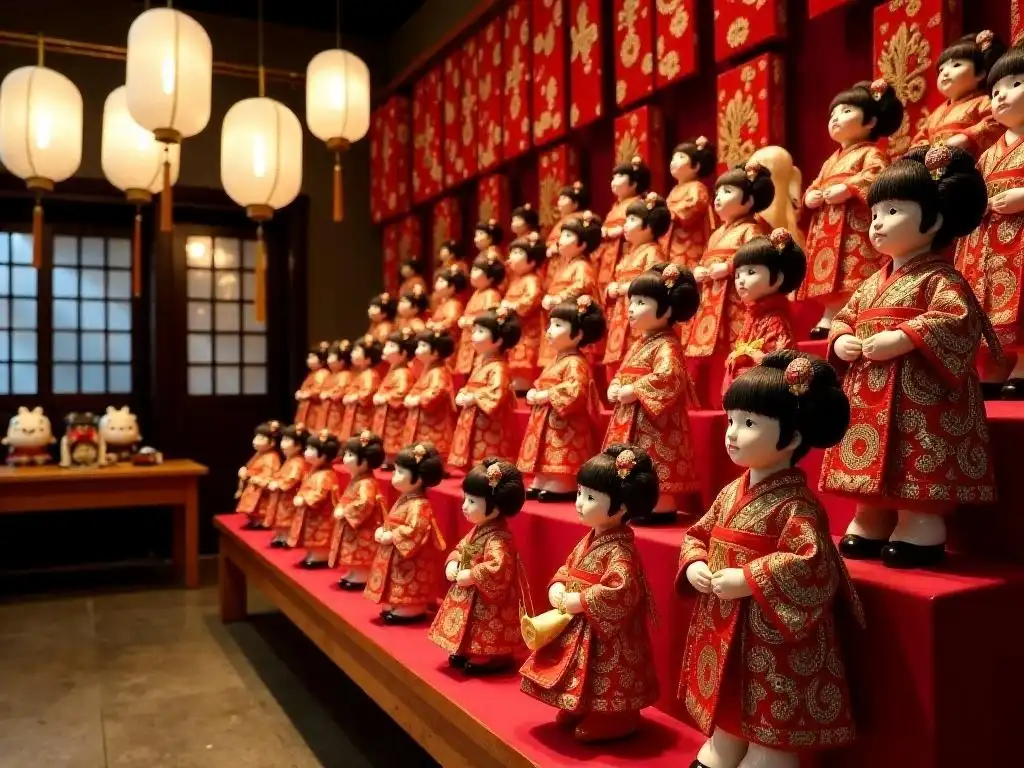
Contemporary Celebrations: How Hina Matsuri Has Evolved
Hina Matsuri, also known as Girls' Day, has transformed significantly since its origins in the Heian period (794-1185). Initially a ritual to pray for the health and happiness of girls, contemporary celebrations incorporate various elements that reflect modern Japanese culture while retaining traditional aspects.
In recent years, the festival has seen a shift towards more elaborate displays and public events. Local governments and cultural organizations often host large-scale exhibitions featuring stunning displays of hina dolls, attracting both locals and tourists. These events not only celebrate the traditions of Hina Matsuri but also serve as a platform for community engagement and cultural education.
Moreover, contemporary celebrations have embraced technology. Social media platforms are flooded with pictures of intricately arranged hina doll displays, allowing families to share their own traditions and experiences. This digital sharing fosters a sense of community and encourages a revival of interest in Hina Matsuri among younger generations who may be less familiar with its significance.
In urban areas, the festival often includes festive markets, where vendors offer traditional snacks like chirashi sushi and hishi mochi, further enhancing the celebratory atmosphere. These markets are a blend of tradition and modern consumer culture, showcasing how Hina Matsuri has adapted to contemporary lifestyles while still honoring its roots.
Hina Matsuri in Urban vs. Rural Settings
The celebration of Hina Matsuri varies significantly between urban and rural settings in Japan, reflecting the diverse cultural fabric of the country.
In urban areas, such as Tokyo and Osaka, Hina Matsuri is often celebrated with large-scale community events and public display exhibitions. Shopping districts may feature themed decorations and special promotions, enticing shoppers to partake in the festivities. The influence of globalization is evident here, as urban centers often incorporate international elements, blending traditional Japanese customs with modern influences.
Conversely, in rural regions, Hina Matsuri retains a more intimate and traditional character. Families often celebrate privately, showcasing their personal collections of hina dolls passed down through generations. These rural celebrations emphasize familial bonds and the preservation of local customs. In many cases, communities organize small gatherings where residents share food and stories, reinforcing the sense of togetherness that Hina Matsuri promotes.
The contrast between urban and rural celebrations illustrates the adaptability of Hina Matsuri traditions in Japan, allowing them to flourish in diverse environments while maintaining their core significance of honoring girls and wishing for their happiness.
The Impact of Globalization on Hina Matsuri Traditions
Globalization has had a profound impact on Hina Matsuri traditions in Japan, introducing both challenges and opportunities for cultural preservation.
As Japan becomes increasingly interconnected with the global community, aspects of Hina Matsuri have been influenced by external cultural trends. For instance, the proliferation of online shopping has made hina dolls more accessible, leading to a rise in their popularity not only within Japan but also among international audiences. This has resulted in a growing interest in Japanese culture globally, with many people outside Japan celebrating Hina Matsuri or incorporating its elements into their own cultural practices.
However, globalization also poses challenges to the authenticity of Hina Matsuri traditions. The commercialization of the festival has led to a focus on consumerism, sometimes overshadowing the deeper cultural and historical significance of the rituals. In urban areas, where large-scale events dominate, there is a tendency for the festival to become more about spectacle than the heartfelt wishes for girls' well-being that it traditionally embodies.
Despite these challenges, there are efforts to maintain the essence of Hina Matsuri. Cultural organizations and local communities are working to promote educational programs that highlight the history and significance of the festival. These initiatives aim to inspire a deeper understanding of Hina Matsuri among both Japanese citizens and global participants, ensuring that the traditions continue to thrive in an ever-changing world.
While Hina Matsuri has evolved and adapted to modern influences, it remains a cherished celebration that honors girls and their futures, reflecting the resilience and richness of Japanese culture.
Visiting Japan During Hina Matsuri: Travel Tips and Recommendations
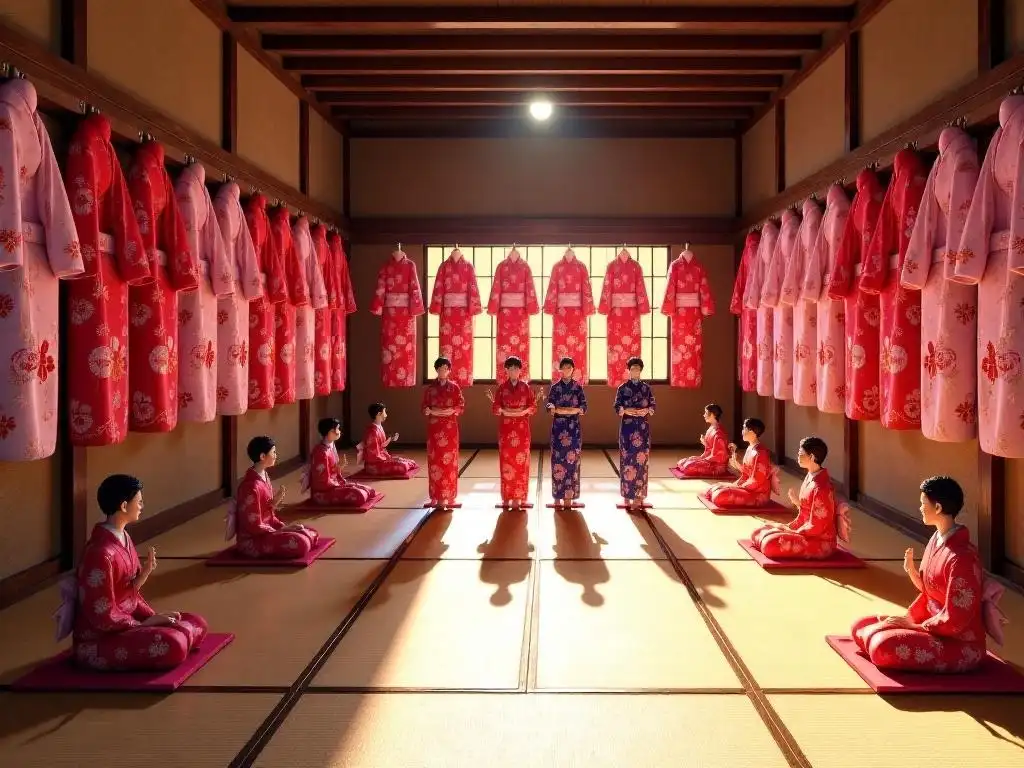
Visiting Japan during the Hina Matsuri, or Girls' Day, offers a unique opportunity to experience one of the country's most cherished traditions. Celebrated annually on March 3rd, this festival is not only a time to honor young girls but also a vibrant cultural event showcasing traditional customs, beautiful decorations, and delicious seasonal foods. Here are some essential travel tips and recommendations to make the most of your Hina Matsuri experience.
Best Places to Experience Hina Matsuri in Japan
Top Cities for Hina Matsuri Celebrations: Kyoto, Tokyo, and Beyond
When planning your visit, consider these cities, each renowned for their distinct Hina Matsuri traditions:
- Kyoto
- Known for its rich cultural heritage, Kyoto hosts several special Hina Matsuri events. The city’s historic temples and shrines often display exquisite hina dolls, and various cultural performances celebrate the festival's significance.
- Notable Locations:
- Heian Shrine: Features elaborate hina doll displays and seasonal festivities.
- Nijo Castle: Offers exhibitions of traditional hina dolls along with guided tours.
- Tokyo
- Tokyo presents a modern twist on traditional celebrations. The city’s neighborhoods come alive with festivals, parades, and special exhibitions focused on hina dolls.
- Notable Locations:
- Yanaka District: Known for its traditional atmosphere and local events that celebrate Hina Matsuri.
- National Museum of Modern Art: Often hosts exhibitions dedicated to the festival, showcasing the artistry behind hina dolls.
- Kamakura
- This historic city is famous for its temples and beautiful coastal scenery. Kamakura hosts local festivals that incorporate traditional Hina Matsuri practices, allowing visitors to immerse themselves in the culture.
- Notable Events:
- Hina Matsuri Parade: Features locals dressed in traditional kimonos, celebrating the day with music and dance.
Local Festivals and Events to Attend
In addition to the major cities, various regional festivals across Japan celebrate Hina Matsuri with unique local flavors:
- Ohara Hina Matsuri (Kyoto)
- A community event showcasing local artisans' hina dolls. Visitors can participate in traditional tea ceremonies while enjoying the festive atmosphere.
- Hina Matsuri in Takamatsu (Kagawa)
- This event features a vibrant display of hina dolls along the streets, where visitors can enjoy local crafts and delicacies.
- Katsuura Hina Matsuri (Chiba)
- Celebrated with a fishing town theme, this festival features hina dolls displayed in local shops and restaurants, creating a beautiful atmosphere by the sea.
Hina Matsuri Merchandise: Where to Buy Authentic Goods
Recommended Shops for Hina Dolls and Decorations
If you're looking to bring home a piece of Hina Matsuri, several shops across Japan offer authentic hina dolls and decorations:
- Doll Shops in Kyoto
- Kyoto is home to numerous traditional doll shops, where artisans create intricate hina dolls. Notable stores include:
- Kawaguchi Doll Shop: Specializes in handmade hina dolls that reflect the city’s rich history.
- Omiya Hina Doll Store: Offers a wide variety of hina dolls, from traditional to contemporary designs.
- Kyoto is home to numerous traditional doll shops, where artisans create intricate hina dolls. Notable stores include:
- Specialty Shops in Tokyo
- Tokyo also boasts several shops where you can find beautiful hina decorations:
- Shinjuku Takashimaya: Features a dedicated Hina Matsuri section with a range of hina dolls and festive goods.
- Ikebukuro Seibu: Hosts seasonal pop-up stores during Hina Matsuri, making it a perfect place to shop for authentic items.
- Tokyo also boasts several shops where you can find beautiful hina decorations:
Online Stores for Hina Matsuri-Themed Products
For those unable to visit Japan, several online platforms provide access to Hina Matsuri-themed products:
- Etsy
- A great resource for handmade goods, where you can find unique hina dolls and decorations crafted by artisans.
- Amazon Japan
- Offers a wide range of hina dolls and festival-related items, with international shipping options available for international customers.
- Rakuten
- Japan’s largest e-commerce platform, where you can browse through numerous shops selling authentic Hina Matsuri merchandise, including dolls, decorations, and traditional clothing.
By planning your visit during Hina Matsuri, you can immerse yourself in Japan's rich cultural heritage, enjoy local festivities, and bring home unique memories and souvenirs.
Conclusion: Embracing Hina Matsuri Traditions in Japan
The Hina Matsuri, or Girls' Day, is a vibrant celebration that not only honors the health and happiness of young girls but also encapsulates the rich tapestry of Japanese culture. As we delve into the significance of this festival, it becomes evident that preserving Hina Matsuri traditions in Japan is not merely an act of nostalgia; it is a vital connection to the nation's historical and cultural identity. The customs surrounding Hina Matsuri offer invaluable insights into the collective values, beliefs, and artistic expressions of Japanese society.
The Importance of Preserving Hina Matsuri Customs
Preserving Hina Matsuri customs is crucial for several reasons:
- Cultural Heritage: The festival is a living representation of Japan's cultural heritage. Each Hina doll, meticulously crafted and dressed, symbolizes various aspects of historical Japanese life. By maintaining these traditions, we preserve the stories and meanings embedded in each doll and the rituals associated with them.
- Educational Value: Hina Matsuri serves as a practical means to educate younger generations about their heritage. Through participation in the celebrations, children learn about traditional Japanese values such as family, health, and respect for cultural practices. This educational aspect ensures the continuity of these customs.
- Community Engagement: The festival fosters community involvement, bringing together families and neighborhoods. Local events, workshops, and parades create a sense of belonging and encourage social interaction, reinforcing community ties and shared cultural identity.
- Artistic Expression: The intricate design of Hina dolls and the decorations associated with Hina Matsuri reflect the artistic traditions of Japan. By preserving these customs, we also support local artisans and craftspeople, ensuring that traditional crafts continue to thrive.
- Rituals and Symbolism: Engaging in Hina Matsuri rituals, such as displaying the dolls and preparing special foods, carries profound meanings. These practices remind participants of the importance of health and happiness for girls, and the rituals themselves become a form of cultural storytelling.
Encouraging Participation in Hina Matsuri Celebrations
To foster a deeper appreciation for Hina Matsuri traditions in Japan, it is essential to encourage broader participation in the celebrations. Here are several ways to achieve this:
- Community Events: Organizing local festivals that include workshops, exhibitions, and performances can attract families and individuals of all ages. Such events can provide hands-on experiences with Hina Matsuri customs.
- School Involvement: Integrating Hina Matsuri into school curricula can enhance students' understanding of cultural traditions. Schools can organize events where students create their own Hina dolls or learn about the significance of the festival through interactive activities.
- Social Media Campaigns: Utilizing social media platforms to share stories, photos, and videos of Hina Matsuri celebrations can broaden awareness and appreciation. Encouraging the use of dedicated hashtags can create a sense of unity among participants.
- Cultural Exchange Programs: Promoting cultural exchange programs that invite international visitors to experience Hina Matsuri can foster global appreciation for these traditions. Such exchanges can highlight Japan's rich cultural landscape while sharing the significance of the festival.
- Support for Local Artisans: Encouraging the purchase and display of Hina dolls made by local artisans can help sustain traditional craftsmanship. Community markets and online platforms can serve as venues for artisans to showcase their work, thereby promoting the festival's customs.
By embracing and actively participating in Hina Matsuri traditions, individuals and communities can contribute to the preservation of this cherished festival, ensuring that its significance endures for generations to come. Celebrating Hina Matsuri not only honors the past but also enriches the cultural fabric of contemporary Japan.
Frequently Asked Questions
What is Hina Matsuri?
Hina Matsuri, also known as Girls' Day, is a traditional Japanese festival celebrated on March 3rd. It honors the health and happiness of young girls, featuring elaborate dolls displayed on tiered platforms.
What are the key rituals associated with Hina Matsuri?
The main rituals include displaying Hina dolls, offering food and sake, and performing special ceremonies to ensure the well-being of girls. Families often create beautiful altars adorned with the dolls to celebrate the day.
How do families celebrate Hina Matsuri?
Families typically prepare traditional foods like chirashi sushi and hishi mochi, and partake in activities that promote family bonding and the wishes for their daughters' happiness and health during this special day.
What are the origins of Hina Matsuri?
Hina Matsuri dates back to the Heian period (794-1185) when it was believed that the dolls could ward off evil spirits. Over time, it evolved into a celebration of girlhood and a day for families to express their hopes for their daughters' futures.
Are there any specific items associated with Hina Matsuri?
Yes, key items include Hina dolls, typically representing the Emperor and Empress, along with various ornamental decorations such as peach blossoms and traditional foods that symbolize prosperity and health for girls.
Final Reflection: Embracing Hina Matsuri Traditions for Future Generations
The Hina Matsuri traditions in Japan serve as a vibrant reminder of the importance of cultural heritage and the celebration of femininity. In a world increasingly influenced by globalization, these rituals not only preserve the rich history of Japan but also foster a sense of identity and belonging among young girls. The beauty of Hina Matsuri lies in its ability to unite families and communities, creating lasting memories that transcend generations.
The influence of Hina Matsuri extends beyond mere celebration; it shapes the cultural landscape by instilling values of respect, love, and hope in future generations. This festival is a poignant reminder of the significance of nurturing and empowering young girls, allowing them to embrace their identities with pride. As the renowned Japanese author Haruki Murakami once said, "> The best way to escape your problem is to solve it." The Hina Matsuri traditions encourage us to confront societal expectations and celebrate the unique journeys of girls, fostering a culture of support and encouragement.
As we reflect on the importance of Hina Matsuri, let us take a moment to consider how we can incorporate these lessons into our own lives. I invite you to celebrate the girls in your life, honor their dreams, and encourage their growth, just as families do during this cherished festival. By embracing the spirit of Hina Matsuri, we can contribute to a future where every girl feels valued and empowered, ensuring that these beautiful traditions continue to thrive for generations to come.
Embrace the Spirit of Hina Matsuri!
Thank you for exploring the rich traditions surrounding Hina Matsuri, where you’ve discovered the beauty and significance of celebrating Girls' Day in Japan. Now that you're inspired by these cherished rituals, why not take the next step to connect further with this vibrant culture?
Here are some simple yet meaningful actions you can take:
- Create your own Hina Matsuri display at home, showcasing your favorite dolls and inviting family to join in the celebration!
- Share this article with friends or on social media to spread the joy and educate others about this wonderful tradition.
- Consider immersing yourself in Japanese culture by attending local events or workshops that highlight various fascinating aspects of Japan's rich heritage.
What unique twist would you add to your own Hina Matsuri celebration to honor the spirit of this beautiful tradition?