
The Historical Significance of the Yamaboko Junko: A Float Procession in Kyoto

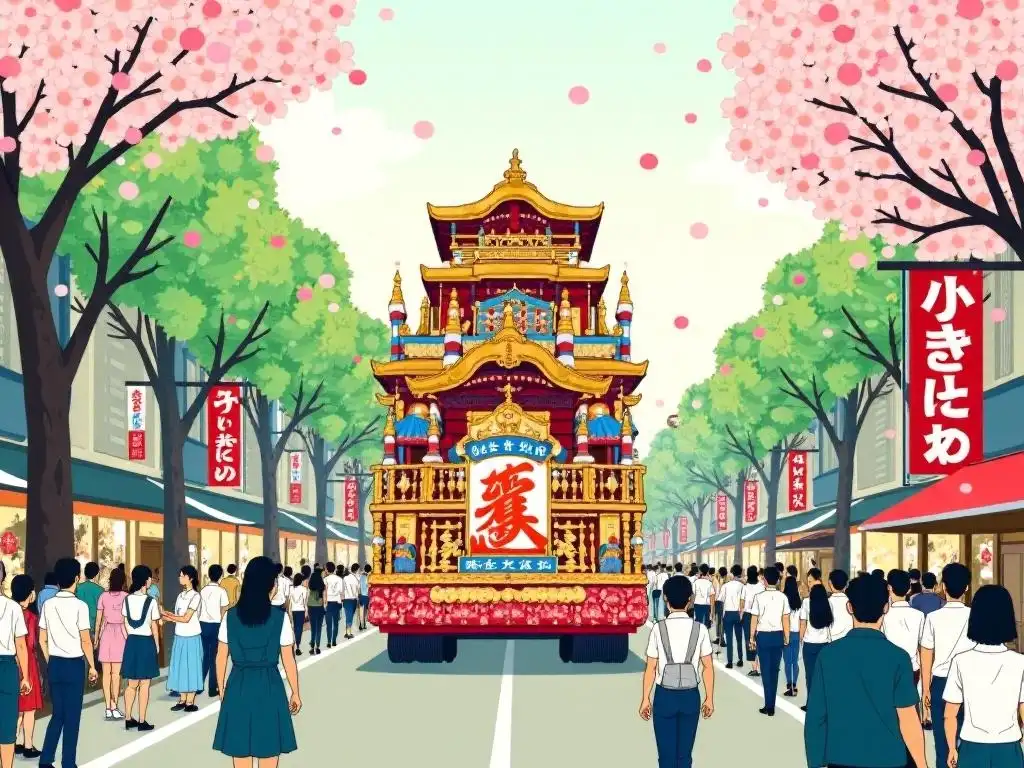
Welcome to Feudal Japan History, where we invite you to embark on a captivating journey through the rich tapestry of Japan’s feudal era. Here, you’ll uncover the intricate layers of historical, cultural, and societal narratives that have shaped this extraordinary period. Dive into our featured article, “The Historical Significance of the Yamaboko Junko: A Float Procession in Kyoto,” and discover how this vibrant festival encapsulates the spirit of a bygone age. Join us as we unravel the stories that connect the past with the present, igniting your curiosity to explore deeper into the wonders of feudal Japan.
The Yamaboko Junko is not merely a captivating spectacle; it embodies centuries of cultural heritage and historical significance within Japan's rich tapestry. This vibrant float procession, held annually in Kyoto, serves as a living testament to the traditions and societal values that flourished during the feudal era. As we delve into the intricacies of the Yamaboko Junko, we uncover the layers of history, artistry, and community spirit that define this remarkable event.
From its origins rooted in ancient rituals to its role in shaping Kyoto's cultural landscape, the Yamaboko Junko stands as a symbol of resilience and continuity in Japan's historical narrative. This article explores the multiple facets of the procession, highlighting its importance not only as a festival but also as a crucial component of Japan's feudal history.
Introduction to Yamaboko Junko
The Yamaboko Junko is an annual festival celebrated during the Gion Matsuri in Kyoto, typically taking place in July. This spectacular event features elaborately decorated floats, known as yamaboko, which parade through the streets of the city, showcasing intricate craftsmanship and artistic expression. Each float represents different districts of Kyoto and is pulled by teams of locals, creating a vibrant atmosphere filled with music, dance, and traditional performances.
The festival has its roots in the Heian period (794–1185), originally intended as a purification ritual to appease the gods during a time of plague. Over the centuries, it evolved into a grand celebration that integrates religious significance, community pride, and artistic achievement. The Yamaboko Junko not only highlights the craftsmanship of the floats but also serves as a platform for cultural exchange and social cohesion, reflecting the values and traditions of the people of Kyoto.
The Origins of Yamaboko Junko
The origins of the Yamaboko Junko date back to the 9th century when it was first recorded as a ritual aimed at warding off epidemics. The festival started as a procession of yamaboko—floats made from wood and adorned with textiles, lanterns, and various ornaments. These floats were originally used to carry portable shrines, or mikoshi, which were believed to house divine spirits.
As time progressed, the festival incorporated various elements of local culture and folklore, leading to the creation of distinct float designs, each with its unique story and representation. The first recorded float was constructed in the 15th century, marking a pivotal moment when the Yamaboko Junko transitioned from a purely religious observance to a grand public celebration. The integration of music, dance, and theatrical performances during the procession further enriched its cultural significance, making it a reflection of the community's identity and artistic prowess.
The Cultural Significance of Yamaboko Junko in Feudal Japan
The Yamaboko Junko holds immense cultural significance in the context of feudal Japan. During this era, festivals served as vital expressions of community identity and social hierarchy. The involvement of various guilds and local organizations in the construction and decoration of the floats highlighted the collaborative spirit and craftsmanship that characterized the time.
Moreover, the festival provided an opportunity for the samurai class and commoners to interact, breaking down social barriers and fostering a sense of unity. The elaborate floats, with their intricate designs and rich symbolism, also conveyed stories of valor, mythology, and the aesthetic ideals of the time, serving as a visual narrative of Japan’s cultural evolution.
The Yamaboko Junko is not only a celebration of artistry and community but also a significant cultural artifact that encapsulates the essence of feudal Japan. As we continue to explore its historical significance, we gain a deeper appreciation for the traditions that have shaped Japan's identity and cultural landscape.
Key Elements of the Yamaboko Junko
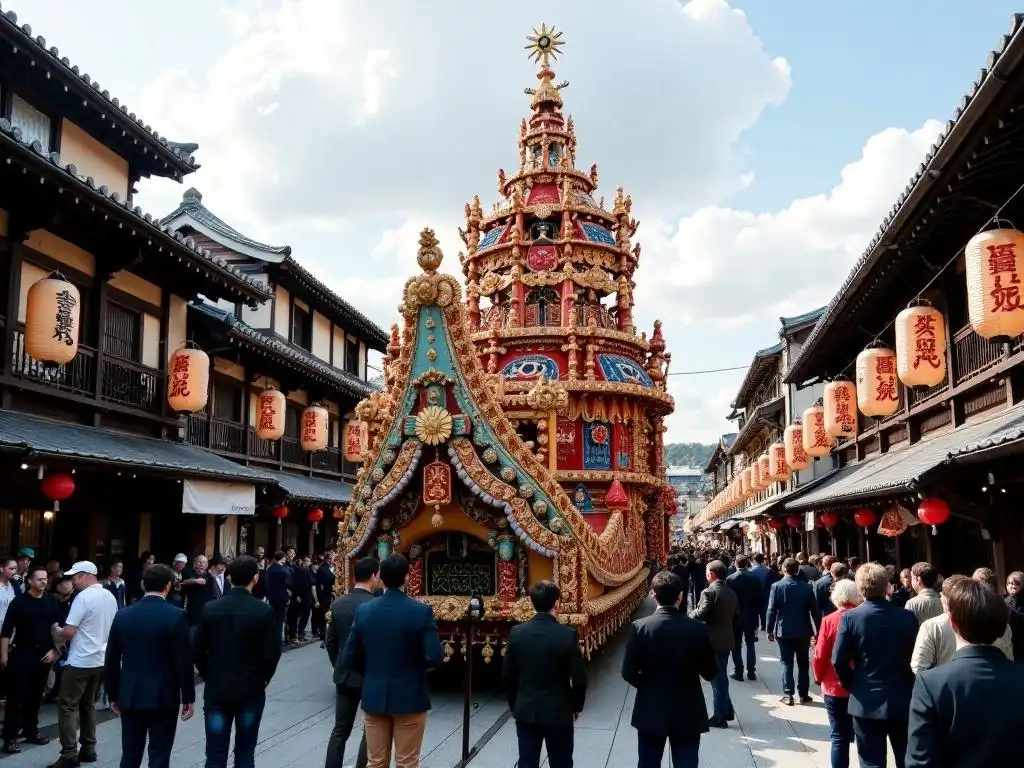
The Yamaboko Junko is a vibrant and intricate festival celebrated in Kyoto, particularly during the Gion Matsuri in July. Central to this event are the yama and hoko, which are elaborately decorated floats that serve as the focal point of the procession. These floats are crafted from wood and adorned with rich textiles, tapestries, and traditional Japanese decorations, showcasing the skill and artistry of local craftsmen.
Each float represents different neighborhoods in Kyoto, reflecting the community's pride and history. The yama floats are typically smaller and carried by hand, while the hoko floats are larger and drawn by ropes or vehicles. The floats are notable not just for their size and beauty but also for the unique cultural significance of their designs, which often incorporate symbolic elements from Japanese mythology and history.
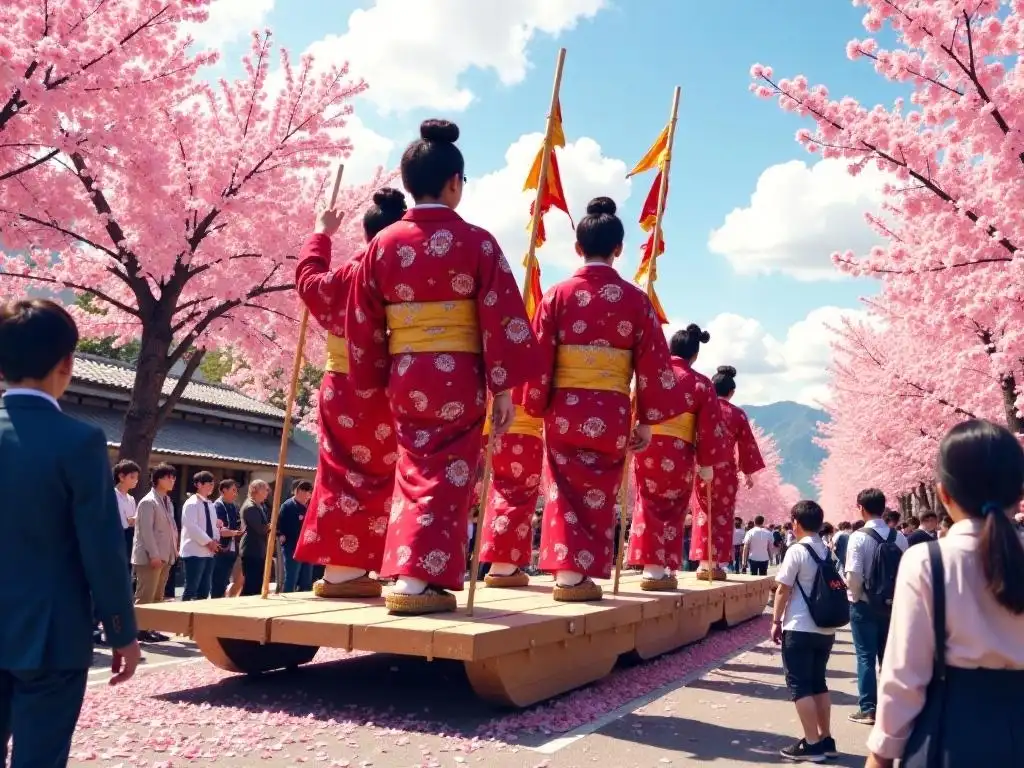
Another key element is the musical accompaniment, which features traditional instruments such as drums, flutes, and gongs, creating a festive atmosphere throughout the streets of Kyoto. Additionally, the procession includes participants dressed in kimono, often representing historical figures or local deities, contributing to the festival's rich tapestry of cultural expression.
The festival culminates in the Yoiyama nights leading up to the parade, where the floats are beautifully illuminated, and the streets are filled with stalls offering traditional food and crafts, drawing thousands of visitors each year.
The Yamaboko Junko Today
In contemporary times, the Yamaboko Junko remains a cornerstone of Kyoto's cultural heritage, drawing both locals and tourists from around the world. The event has adapted to modern sensibilities while striving to preserve its historical roots. Today, the festival takes place over several days in mid-July, culminating in the grand float procession on July 17th.
Technological advancements have also played a role in enhancing the festival experience. Live broadcasts and social media coverage allow people to engage with the event even from a distance, expanding its reach and relevance. The floats are meticulously maintained and restored using traditional techniques, ensuring that the craftsmanship remains true to its historical origins.
Moreover, the festival has been recognized by UNESCO, which designated the Gion Matsuri as an Intangible Cultural Heritage, further solidifying its significance on both a national and international level. This recognition not only honors the tradition but also promotes cultural tourism, encouraging a deeper appreciation of Japanese history and customs.
Societal Impact of Yamaboko Junko
The Yamaboko Junko plays a crucial role in reinforcing community bonds and cultural identity among the residents of Kyoto. The preparation for the festival fosters collaboration among various neighborhoods, as residents come together to construct, decorate, and transport the floats. This shared effort strengthens local ties and instills a sense of pride in their heritage.
From an economic perspective, the festival significantly boosts local businesses and tourism. The influx of visitors leads to increased revenue for restaurants, shops, and hotels, contributing to Kyoto's economy. The event also provides a platform for artisans to showcase their crafts, promoting traditional Japanese art forms and skills.
Moreover, the Yamaboko Junko serves as an educational opportunity, as schools and cultural organizations often participate in activities and workshops related to the festival. This helps cultivate an appreciation for Japanese history and culture among younger generations, ensuring that the traditions of the Yamaboko Junko continue to be celebrated in the future.
The Yamaboko Junko is not just a festival; it is a vital expression of Kyoto's cultural heritage that impacts social cohesion, economic vitality, and educational outreach, making it an enduring symbol of the city's historical significance.
Yamaboko Junko in Popular Culture
The Yamaboko Junko has transcended its origins as a mere religious festival to become a symbol of Kyoto’s cultural identity. Its depiction in various forms of media, including literature, films, and visual arts, showcases the festival's deep-rooted significance in Japanese heritage. One prominent example is in traditional Japanese literature, where the vibrant floats and the accompanying ceremonial aspects are often celebrated as manifestations of communal spirit and artistic excellence.
In contemporary culture, the Yamaboko Junko has inspired numerous artists and filmmakers. Documentaries exploring its rich history highlight the meticulous craftsmanship of the floats and the dedication of the participants. Additionally, anime and manga often reference or include elements of the festival, portraying it as a backdrop for stories that explore themes of community, tradition, and resilience.
Moreover, the festival's colorful imagery and dynamic performances have made their way into international art exhibitions, where they are viewed as representations of Japan's cultural vibrancy. This cultural interplay not only elevates the festival's status but also fosters a greater appreciation for Japan’s traditions on a global scale.
Visiting Kyoto for the Yamaboko Junko
For those looking to experience the Yamaboko Junko firsthand, planning a visit to Kyoto during the festival is essential. Held annually in July, the event is divided into two main processions: the Yoiyama leading up to the main parade on July 17th. Visitors should consider booking accommodations well in advance, as hotels and guesthouses fill up quickly during this peak tourism season.
The best way to enjoy the festival is to immerse oneself in the festivities. Streets are lined with food stalls offering traditional delicacies such as yudofu (tofu hot pot) and yakitori (grilled chicken skewers). Participating in the various activities, such as making offerings at local shrines or engaging in traditional games, enhances the experience.
Additionally, viewing the floats at night during the Yoiyama is particularly enchanting. The floats are beautifully illuminated, creating a magical atmosphere that encapsulates the spirit of the festival. For photography enthusiasts, capturing the intricate details of the floats and the festive crowds makes for memorable keepsakes.
Conclusion: The Enduring Legacy of Yamaboko Junko
The Yamaboko Junko stands as a testament to Japan's rich history and cultural heritage. Its enduring legacy lies not only in its spectacular displays and communal participation but also in its role as a bridge connecting generations. The festival serves as a reminder of the importance of tradition in modern society, fostering a sense of belonging and identity among participants and spectators alike.
As the Yamaboko Junko continues to thrive, it adapts to contemporary influences while retaining its core values. The dedication of local communities ensures that the festival will remain a vibrant part of Kyoto's cultural landscape. For both locals and visitors, the Yamaboko Junko represents a celebration of life, history, and the unbreakable bonds formed through shared experiences. This remarkable float procession will undoubtedly continue to captivate hearts and minds for years to come, affirming its place in the annals of Japanese history.
- Introduction to Yamaboko Junko
- The Origins of Yamaboko Junko
- The Cultural Significance of Yamaboko Junko in Feudal Japan
- Key Elements of the Yamaboko Junko
- The Yamaboko Junko Today
- Societal Impact of Yamaboko Junko
- Yamaboko Junko in Popular Culture
- Visiting Kyoto for the Yamaboko Junko
- Conclusion: The Enduring Legacy of Yamaboko Junko
Frequently Asked Questions
What is the Yamaboko Junko?
The Yamaboko Junko is a traditional float procession held during the Gion Matsuri in Kyoto, featuring elaborately decorated floats that showcase historical artistry.
How does the Yamaboko Junko reflect cultural heritage?
This procession symbolizes the cultural heritage of Kyoto, showcasing the craftsmanship and artistic traditions that have been preserved for centuries, making it a vital aspect of Japanese identity.
Why is the Yamaboko Junko considered historically significant?
Its historical significance lies in its origins dating back to the 8th century, representing the communal spirit and religious devotion of the local people, while also serving as a celebration of prosperity.
What role does the Yamaboko Junko play in modern Japan?
Today, the Yamaboko Junko plays a crucial role in promoting tourism and cultural education, allowing visitors to experience the rich traditions and history of Japan's feudal era.
How can one participate in the Yamaboko Junko?
Visitors can participate by attending the Gion Matsuri festival in July, where they can witness the procession, enjoy various cultural events, and engage with the local community.
Final Reflection: Embracing the Yamaboko Junko's Enduring Legacy
The historical significance of the Yamaboko Junko is not merely a relic of the past; it is a vibrant thread woven into the fabric of Kyoto's cultural identity today. As we navigate a world increasingly disconnected from its traditions, the Yamaboko Junko stands as a powerful reminder of the importance of heritage and community. This float procession, steeped in centuries of history, continues to resonate with contemporary audiences, illustrating how cultural practices can bridge generations and foster a sense of belonging.
The Yamaboko Junko has profoundly influenced Kyoto's cultural landscape, serving as a catalyst for community engagement and artistic expression. Each float, meticulously crafted and adorned, tells a story that transcends time, inviting both locals and visitors to participate in a living tradition. As noted by cultural historian Dr. Haruki Tanaka, Traditions like the Yamaboko Junko are not just celebrations; they are the heartbeat of a community, reminding us of our shared history and collective aspirations.
This ongoing celebration of heritage fosters a deep connection among participants, reinforcing the idea that culture is a dynamic force that evolves while remaining rooted in its origins.
As we reflect on the lessons embedded in the Yamaboko Junko, let us embrace the call to honor our own traditions and histories. Consider how you can engage with your community, celebrate your heritage, and contribute to the preservation of cultural practices that define who we are.
In doing so, we not only pay homage to the past but also pave the way for future generations to experience the richness of their cultural legacies. The Yamaboko Junko teaches us that every float, every song, and every moment of celebration is a step toward understanding our place in the world and the stories that unite us all.
Unveil the Magic of Yamaboko Junko!
Thank you for diving into the rich tapestry of Kyoto's Yamaboko Junko! Your curiosity helps keep the traditions of Feudal Japan alive and thriving. The historical insights you've gained today are just the beginning of your journey. Now, let’s take that knowledge further and immerse ourselves in the vibrant culture!
Here’s how you can deepen your experience:
- Join a Local Festival: Experience the Yamaboko Junko in person! Check local listings for festivals and celebrations in your area and participate in the excitement.
- Research and Share: Delve deeper into the history! Explore more about Feudal Japan and share your findings with friends or through social media to spark conversations.
- Connect with a Community: Engage with enthusiasts! Join online forums or local groups focusing on Japanese culture and history to share and learn together.
What traditional Japanese festival would you love to experience firsthand, and why? We invite you to share your thoughts in the comments!