
Seasonal Changes in Shinto Practices: Celebrating Nature's Cycles


Welcome to Feudal Japan History, where we invite you to journey through the captivating tapestry of Japan’s feudal era. In our latest article, “Seasonal Changes in Shinto Practices: Celebrating Nature's Cycles,” we delve into the intricate relationship between Shinto practices and the ever-changing seasons. Discover how these ancient traditions not only reflect the beauty of nature but also shape the cultural and spiritual landscape of Japan.
Prepare to be intrigued as we uncover the profound significance of seasonal rituals and their enduring impact on society. Join us in exploring this fascinating intersection of religion and philosophy—your adventure into the heart of Japan's rich history starts here!
- Introduction to Shinto Practices and Seasonal Changes
- The Four Seasons and Their Significance in Shinto Practices
- Seasonal Changes in Shinto Rituals and Offerings
- The Influence of Nature on Shinto Practices
- Conclusion: Embracing Nature's Cycles through Shinto Practices
-
Frequently Asked Questions
- What are Shinto practices related to seasonal changes?
- How do seasonal changes influence Shinto festivals?
- Can you give examples of Shinto festivals that celebrate seasonal changes?
- How do Shinto practices reflect the cultural significance of nature in Japan?
- What role do kami play in Shinto practices related to the seasons?
- Final Reflection: Embracing Nature's Cycles Through Shinto Practices
- Embrace the Seasons – Connect with Nature's Rhythm!
Introduction to Shinto Practices and Seasonal Changes
Shinto, the indigenous spirituality of Japan, has long been intertwined with the rhythms of nature and the changing seasons. This connection is particularly pronounced during Japan's feudal era, where agricultural cycles dictated not only the economy but also the spiritual practices and celebrations of the people.
In this article, we will delve into the rich tapestry of Shinto practices and how they evolve with the seasons, illuminating the deep respect and reverence that Shinto followers hold for the natural world. By understanding the seasonal changes in Shinto practices, we can gain insight into the broader cultural and societal values that shaped Japan's feudal landscape.
Overview of Shintoism in Japan's Feudal Era
Shintoism, as a belief system, emerged in Japan long before the feudal era, but it played a pivotal role during this period (approximately the 12th to the 19th century). The feudal system, characterized by a hierarchy of lords and vassals, influenced not only the political landscape but also the spiritual practices of the time.
- Kami Worship: At the heart of Shintoism is the worship of kami, which are spirits or deities associated with natural elements, such as mountains, rivers, and trees. This reverence for kami was particularly significant in the feudal context, where local lords would often seek blessings for bountiful harvests and successful battles.
- Festivals and Rituals: Seasonal festivals (matsuri) were integral to Shinto practices, serving as occasions to honor the kami and celebrate the changing seasons. These festivals often coincided with agricultural milestones, such as planting and harvesting, reinforcing the connection between spiritual beliefs and daily life.
- Influence of Buddhism: During the feudal era, Buddhism also took root in Japan, leading to a unique syncretism between the two religions. This blending impacted Shinto practices, but the core focus on nature and seasonal changes remained steadfast.
Importance of Nature in Shinto Beliefs
Nature is not merely a backdrop but a central component of Shinto beliefs. The philosophy holds that the natural world is imbued with spiritual significance, and this is reflected in various practices:
- Seasonal Offerings: In Shinto, offerings of rice, fruits, and other natural products are made at shrines to express gratitude to the kami for the gifts of nature. These offerings often change with the seasons, highlighting the belief that the kami are present in the cycles of growth and decay.
- Ritual Cleansing: The concept of purification (harae) is vital in Shinto practices, especially in relation to nature. Water, often sourced from rivers and streams, is used in cleansing rituals, symbolizing renewal and the cyclical nature of life.
- Celebration of Natural Cycles: Each season brings specific celebrations that correspond with nature's cycles. For example, the cherry blossom festivals (hanami) in spring celebrate the transient beauty of life, while autumn harvest festivals express gratitude for the bounty of the earth.
The interdependence of Shinto practices and seasonal changes reveals a profound respect for nature that has been an enduring aspect of Japanese culture, particularly during the feudal era. Understanding these practices offers a window into the beliefs and values that have shaped Japan’s historical narrative.
The Four Seasons and Their Significance in Shinto Practices
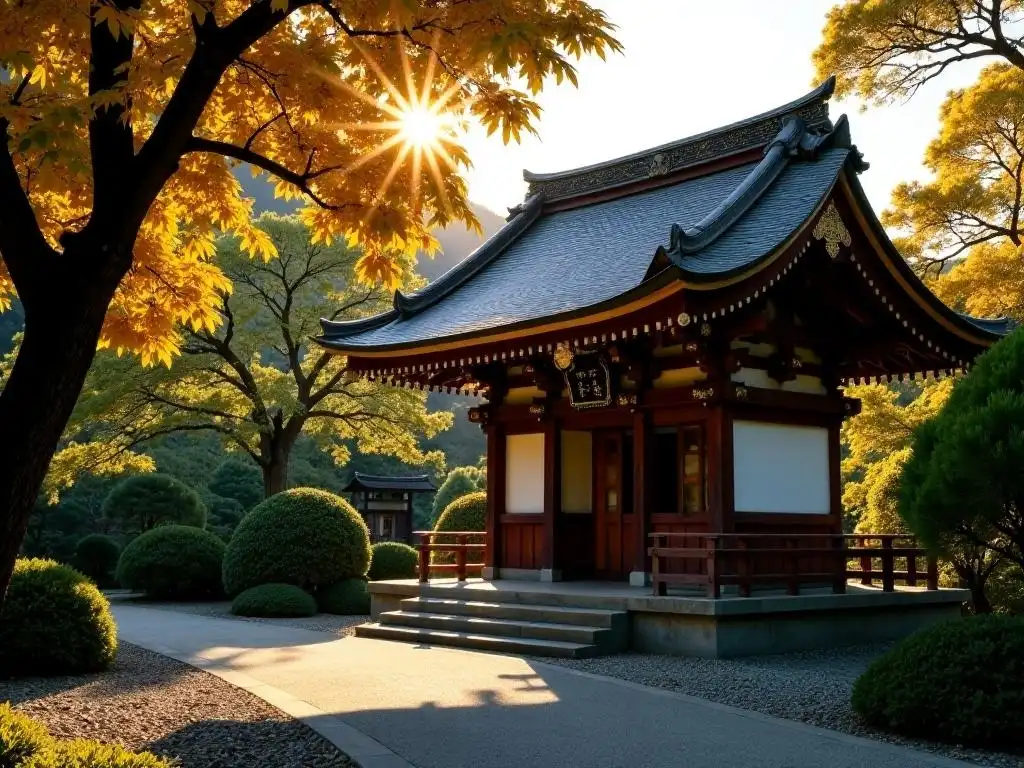
Shinto practices are deeply intertwined with the rhythms of nature, and the four seasons play a crucial role in shaping various rituals, festivals, and beliefs. Each season encapsulates distinct themes and symbols that resonate with the Shinto worldview, emphasizing the importance of harmony between humans and the natural environment. This connection to the seasons not only reflects the cyclical nature of life but also highlights the reverence for kami, or spirits, that reside within the elements of nature.
As the seasons change, so do the associated Shinto practices, creating a rich tapestry of cultural expressions that celebrate renewal, abundance, and the interconnectedness of all life. This section explores how the seasonal changes influence Shinto rituals and festivals, focusing on the unique elements of spring and summer.
Spring Celebrations: Renewal and Rebirth
Spring is a season marked by renewal and rebirth, symbolized by the awakening of nature after the dormancy of winter. This time of year is celebrated in Shinto practices through various rituals and festivals that honor the kami and the rejuvenation of life.
Key Festivals and Rituals of Spring
- Hanami (Flower Viewing):
- Celebrated during the cherry blossom season, Hanami involves gathering under blooming sakura trees to appreciate their beauty. This practice is not only a social event but also a ritual to pay respects to the kami associated with nature’s beauty.
- Shunki Reitaisai:
- This festival, held at many shrines in early spring, involves rituals that express gratitude for the blessings of the past year and prayers for a bountiful harvest. Offerings are made to the kami, and various traditional dances and performances take place.
- Rice Planting Ceremonies:
- As agriculture is central to Japanese life, rice planting rituals in late spring signify the beginning of the farming season. These ceremonies invoke the blessings of the rice deity, Inari, ensuring a successful crop.
Symbolism of Cherry Blossoms in Shinto
The cherry blossom, or sakura, holds profound significance in Shinto and Japanese culture. It symbolizes the fleeting nature of life and beauty, reminding practitioners of the impermanence of existence. The blossoms' short-lived beauty encourages an appreciation for the present moment, aligning with the core Shinto belief in living harmoniously with nature.
Moreover, cherry blossoms are often associated with various kami and are seen as a manifestation of their presence. During the Hanami season, rituals are performed to honor these spirits, reinforcing the connection between human life and the natural world.
Summer Observances: Harmony and Abundance
As spring transitions into summer, Shinto practices shift to embrace themes of harmony and abundance. This season is characterized by vibrant festivals that celebrate the bounty of the earth and the importance of community.
Major Summer Festivals in Shinto Practices
- Obon:
- A significant festival held in mid-August, Obon honors the spirits of ancestors. It involves various rituals such as the Bon Odori dance, lantern lighting, and offering of food at family altars. This festival emphasizes the connection between the living and the spiritual world.
- Gion Matsuri:
- Celebrated in Kyoto, this festival spans the entire month of July and features elaborate floats, traditional costumes, and various rituals aimed at appeasing the kami. The Gion Matsuri is a manifestation of gratitude for a successful harvest and is a vibrant celebration of community spirit.
- Yasaka Shrine's Summer Festival:
- This festival involves various events, including traditional music and dance, and culminates in a grand procession. It serves to honor the kami associated with agriculture and prosperity.
The Role of Water and Rice in Seasonal Celebrations
Water is a vital element in Shinto practices, especially during the summer months when the need for irrigation and sustenance is paramount. Rituals often involve purification with water, symbolizing both physical and spiritual cleansing.
Additionally, rice holds immense cultural significance as a staple food and a sacred offering to kami. Summer festivals often include rice-related rituals, such as the harvesting of rice and the preparation of offerings, reinforcing the relationship between the people, their sustenance, and the divine.
The interplay of water and rice in Shinto practices during summer reflects the broader themes of harmony, gratitude, and the cyclical nature of life, encapsulating the essence of Shinto beliefs in relation to seasonal changes.
Autumn Traditions: Gratitude and Harvest
Autumn in Japan is a season deeply intertwined with the themes of gratitude and harvest, reflecting the agrarian roots of Shinto practices. As the bountiful crops are gathered, Shinto rituals during this time often express thankfulness to the kami (spirits or deities) for the abundant harvest. This season is marked by vibrant colors and a sense of community as families and villagers come together to celebrate the fruits of their labor.
The rituals not only focus on gratitude but also on the preparation for the coming winter. People engage in various customs, such as decorating their homes with autumnal offerings, which typically include rice, fruits, and vegetables. These offerings symbolize the gifts from the earth and are presented at household altars as a way to honor the kami and seek their blessings for future prosperity.
Furthermore, autumn is a time for reflection on the cycle of life and death, paralleling the natural world’s transition. This is a fundamental aspect of Shinto belief, emphasizing the importance of harmony with nature and the acknowledgment of its cycles. The connection between the human experience and the seasonal changes is poignantly felt during this time, as families remember ancestors and celebrate life’s continuity.
Important Autumn Festivals and Their Rituals
Autumn is rich with festivals in Japan, each with its own unique rituals that emphasize gratitude and community involvement. One of the most significant is Niinamesai, the Festival of the First Fruits, celebrated in November. During this festival, the Emperor offers the year’s first rice harvest to the kami, expressing gratitude for the bounty. This ritual underscores the importance of rice in Japanese culture, symbolizing sustenance and prosperity.
Another notable festival is Mikoshi Matsuri, where portable shrines (mikoshi) are paraded through towns. This event celebrates the kami who protect the harvest and brings the community together in a vibrant display of festivity, music, and dance. Participants often dress in traditional attire, enhancing the cultural significance of the occasion.
Additionally, Shichi-Go-San is a traditional rite of passage celebrated by children aged three, five, and seven, held on November 15. Families visit shrines to pray for their children's health and growth, further highlighting the connection between seasonal changes and familial bonds.
Connection Between Shinto Practices and Agricultural Cycles
The connection between Shinto practices and agricultural cycles is profound, as the rhythm of nature dictates many rituals and celebrations. In Shinto belief, the kami are seen as guardians of agriculture, and seasonal changes directly influence agricultural productivity.
During autumn, the culmination of the growing season is celebrated with rituals that signify the end of one cycle and the beginning of another. For instance, the practice of Oseibo, or end-of-year gifting, often involves sharing seasonal harvests with friends and family, reinforcing community ties and gratitude to the kami.
Moreover, the agricultural calendar is intricately woven into Shinto rituals, with many ceremonies timed to specific agricultural events, such as planting and harvesting. This synchronization emphasizes the belief in the divine nature of the land and the interconnectedness of human activities with the seasonal cycles.
Winter Ceremonies: Reflection and Resilience
As the seasons shift to winter, Shinto practices take on a reflective tone, focusing on resilience and purification. Winter represents a time of introspection, where individuals and communities come together to reaffirm their connections with the kami and seek purification from past transgressions. The cold, quiet landscape serves as a backdrop for contemplation and renewal.
Winter ceremonies often include practices aimed at cleansing both the body and spirit, preparing for the new year ahead. The idea of "misogi," or ritual purification, is central to many winter rituals, emphasizing the importance of starting anew with a clear mind and spirit.
In addition to reflection, winter is also a time to honor ancestors, with many families participating in Obon, a festival that occurs in mid-August but continues to influence winter practices. This celebration serves to welcome the spirits of deceased loved ones back to their homes, reinforcing the bonds between the living and the dead.
Winter Festivals and Their Cultural Significance
Winter festivals in Japan are vibrant expressions of community spirit and cultural identity. One of the most celebrated is Shōgatsu, or New Year’s festival, which is marked by various rituals and traditions that emphasize renewal and hope. Families clean their homes, prepare special foods, and visit shrines to pray for good fortune in the coming year.
The Hatsu-mode is another significant winter ritual where people visit shrines for the first time in the new year, seeking blessings and expressing gratitude. Offerings during this time often include rice cakes (mochi) and other seasonal foods, symbolizing sustenance and prosperity.
Furthermore, the Yuki Matsuri, or Snow Festival held in Sapporo, showcases the beauty of winter through creative ice sculptures and snow art. This festival not only celebrates the aesthetic of winter but also fosters community spirit and tourism, highlighting the resilience and creativity of the Japanese people during the colder months.
The Concept of Purity in Winter Shinto Practices
Purity is a fundamental concept in Shinto, especially during winter ceremonies. The harshness of winter is often associated with both physical and spiritual purification. Rituals are designed to cleanse the spirit, preparing individuals to welcome the new year with renewed intentions.
One of the key practices is Kagura, a form of ritual music and dance performed at shrines to entertain the kami and purify the space. These performances often take place during winter festivals, serving as a reminder of the importance of harmony and balance in life.
Additionally, the act of purification through water, known as "temizu," is frequently emphasized during winter rituals. Individuals cleanse their hands and mouths at shrine entrances before participating in ceremonies, symbolizing the removal of impurities and the readiness to receive the kami's blessings.
Overall, winter Shinto practices reinforce the importance of reflection, renewal, and purity, allowing individuals to connect deeply with the natural cycles of life and the kami that govern them.
Seasonal Changes in Shinto Rituals and Offerings
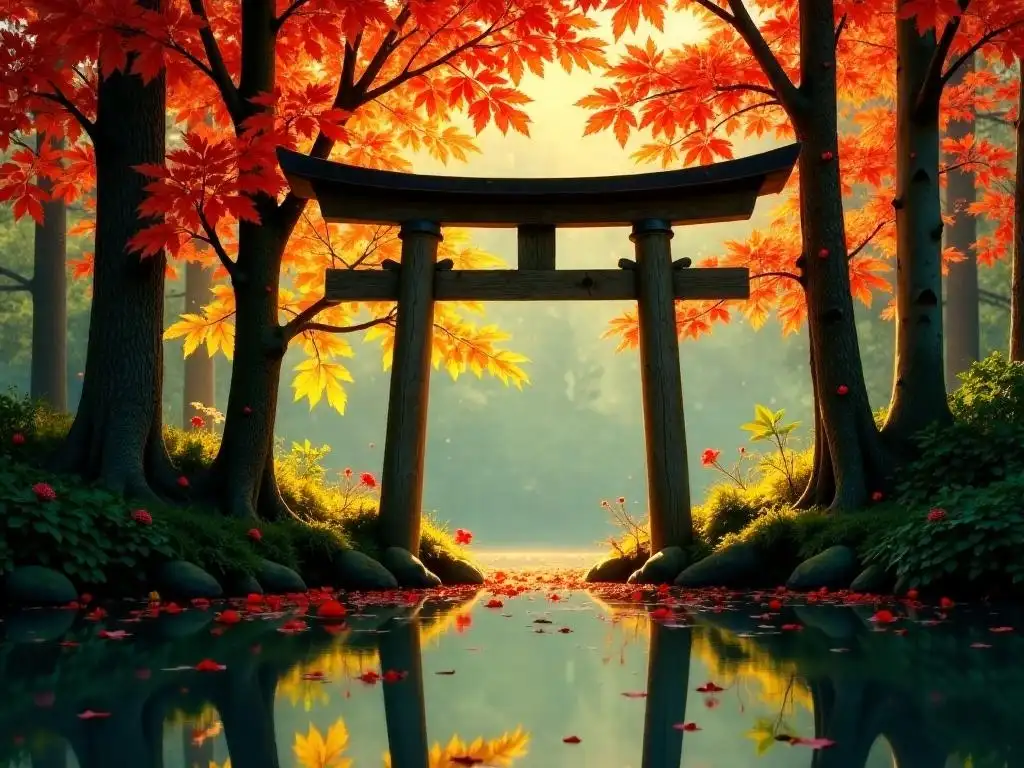
Shinto practices are deeply intertwined with the natural world, and the seasonal changes play a pivotal role in shaping various rituals and offerings. Each season not only influences the type of offerings made but also dictates the specific rituals performed to honor kami (deities or spirits). This connection underscores the Shinto belief in the sacredness of nature and the importance of aligning human activities with the rhythms of the environment.
How Offerings Vary with the Seasons
In Shinto, offerings (shinsen) are made to kami to express gratitude, seek blessings, or commemorate significant events. These offerings are closely linked to the seasons, reflecting the agricultural calendar and the availability of natural resources.
- Spring (Haru):
- During this season, offerings often include fresh flowers and early harvests, symbolizing rebirth and renewal. For instance, rice seedlings may be offered to kami to ensure a bountiful rice harvest.
- Summer (Natsu):
- As the heat intensifies, offerings shift to seasonal fruits and vegetables like cucumbers and eggplants. The practice of offering cold sake (nihonshu) is also common, as it represents refreshment during the warm months.
- Autumn (Aki):
- Autumn is a time of harvest, and offerings typically include rice, chestnuts, and persimmons. The famous festival, Niiname-sai, celebrates the first fruits of the harvest, where new rice is offered to the kami.
- Winter (Fuyu):
- In winter, offerings often consist of dried food items, such as persimmon and chestnuts, reflecting the scarcity of fresh produce. The New Year celebrations (Shōgatsu) include special offerings called osechi, which are prepared and presented with great care.
This cyclic pattern of offerings not only honors the kami but also reinforces the community's connection to the land and its seasonal bounty.
Ritual Practices that Reflect Seasonal Changes
Beyond offerings, ritual practices in Shinto are also adapted to reflect seasonal changes. These rituals serve various purposes, from purification to celebrations that honor the kami and the spirit of the season.
- Purification Rituals:
- Seasonal purification ceremonies (harai) are conducted to cleanse individuals and spaces, aligning them with the natural transitions. For example, Misogi, a purification ritual involving water, often takes place in the spring to welcome the new growth.
- Seasonal Festivals:
- Festivals (matsuri) are held throughout the year to honor kami associated with different seasons. For instance, the Aoi Matsuri in May celebrates the arrival of spring with a procession that includes offerings of greenery to signify renewal.
- Observances of Natural Phenomena:
- Shinto practices often coincide with natural occurrences, such as solstices and equinoxes. Rituals during these times may involve ceremonies that express gratitude for the changing seasons and the cycles of life.
- Community Involvement:
- Many rituals involve the community coming together to participate in seasonal celebrations, reinforcing social bonds. The practice of planting rice together in spring or gathering for harvest festivals in autumn exemplifies this communal aspect.
Through these varied practices, Shinto not only fosters a sense of connection to nature but also cultivates a rhythm of life that honors the past, acknowledges the present, and anticipates the future. The interplay of Shinto practices and seasonal changes illustrates a profound respect for the environment and the cycles of life that define the human experience in Japan.
The Influence of Nature on Shinto Practices
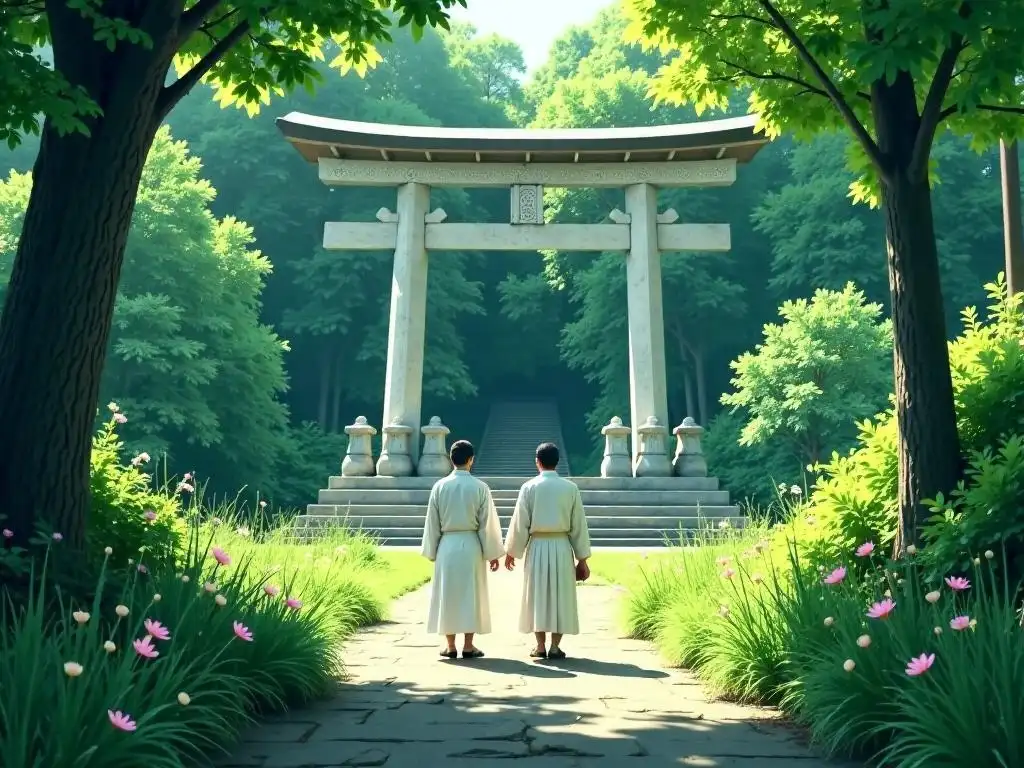
In the realm of Shinto, nature is not merely a backdrop; it is a fundamental aspect of spiritual practice and belief. Recognizing the intrinsic connection between the natural world and the divine, Shinto adherents celebrate seasonal changes as manifestations of spiritual significance. This influence is deeply woven into various rituals, ceremonies, and daily practices, reflecting a profound respect for the cycles of nature.
Shinto practices are often rooted in the observation of natural phenomena. The Japanese landscape, with its mountains, rivers, and forests, is believed to be inhabited by kami, or spirits, that embody these natural elements. This belief manifests in the veneration of specific locations, such as sacred mountains like Mount Fuji and ancient trees that are regarded as dwellings of the kami.
The changing seasons are particularly significant in Shinto because they symbolize the eternal cycle of life, death, and rebirth. Each season brings its own unique rituals, reflecting the characteristics of that time of year. For instance, autumn is a time for harvest festivals, while spring is celebrated with rituals that honor new life and growth.
Natural Elements in Shinto Rituals and Their Symbolism
Natural elements play a pivotal role in Shinto rituals, often representing deeper spiritual concepts. Here are some key elements and their associated symbolism:
- Water: Considered a purifying force, water is integral to many Shinto rituals. It is used for purification (misogi) before entering shrines and during various ceremonies. The act of washing hands and rinsing the mouth at a temizuya (purification font) before approaching the kami is a common practice.
- Trees: Trees, particularly ancient ones, are revered as living representations of the kami. Sacred groves and individual trees are often marked with shimenawa (sacred rope) to signify their holiness. The act of offering prayers or gifts at these trees symbolizes a connection to the divine.
- Rocks and Mountains: Many Shinto shrines are located at the base of mountains, which are believed to be the homes of kami. The elevation and permanence of mountains symbolize steadfastness and the divine presence. Rituals performed at these sites often invoke blessings and protection.
- Seasonal Flora: Seasonal flowers, such as cherry blossoms in spring and chrysanthemums in autumn, are used in Shinto offerings. These flowers symbolize beauty, transience, and the cyclical nature of life, echoing the Shinto belief in the impermanence of existence.
Shinto rituals often incorporate these natural elements, creating a holistic experience that resonates with the cycles of nature. The offerings made during these rituals—often consisting of rice, sake, fruits, and flowers—are not just gifts to the kami; they are expressions of gratitude for the bounties of nature.
Seasonal Changes and Their Impact on Spirituality in Shinto
The impact of seasonal changes on spirituality in Shinto is profound, as each season brings unique opportunities for reflection, celebration, and connection with the kami. Here’s a closer look at how each season influences Shinto practices:
- Spring: As the season of rebirth and renewal, spring is marked by celebrations such as Hanami (flower viewing). During Hanami, locals gather to appreciate the beauty of cherry blossoms, a symbol of the fleeting nature of life. This season also sees the initiation of new agricultural cycles, prompting rituals that invoke blessings for a prosperous harvest.
- Summer: The summer months are characterized by festivals (matsuri) that celebrate community and gratitude to the kami. These festivals often include lively processions, dances, and offerings. The warmth of summer is associated with vitality and abundance, making it a time for expressing appreciation for nature’s gifts.
- Autumn: As the harvest season, autumn is a time for thanksgiving rituals, such as Niiname-sai, where the first fruits of the harvest are offered to the kami. This season emphasizes gratitude and reflection on the cycle of life, as nature prepares for the dormancy of winter.
- Winter: Winter represents a time of rest and introspection. During this season, rituals often focus on purification and renewal. The New Year (Shogatsu) is celebrated with special rituals that honor the kami and seek blessings for the year ahead.
The seasonal changes in Shinto practices are not just reflective of the natural world but are also deeply embedded in the spiritual consciousness of practitioners. Each season is a reminder of the interconnectedness of life, the cycles of nature, and the ongoing relationship between humans and the kami. By honoring these seasonal transitions, Shinto practitioners cultivate a profound appreciation for the rhythms of life and the spiritual essence inherent in nature.
Conclusion: Embracing Nature's Cycles through Shinto Practices
In examining the intricate relationship between Shinto practices and seasonal changes, it becomes evident that these traditions are deeply rooted in the understanding and reverence for nature's cycles. Shinto, as a religion, emphasizes the importance of harmony with the natural world, and seasonal festivals are a manifestation of this belief. Each season brings unique rituals that reflect the characteristics of nature during that time, from the blossoming of cherry trees in spring to the harvest celebrations in autumn.
The practice of seasonal observances—such as Hanami (flower viewing) in spring and Momijigari (autumn leaf viewing)—not only celebrates the beauty of nature but also fosters a sense of community and connection among practitioners. These practices encourage individuals to engage with their environment, acknowledging the transient beauty of life and the importance of gratitude for nature's bounty.
The Ongoing Relevance of Seasonal Changes in Modern Shinto
Even in contemporary Japan, the significance of seasonal changes within Shinto practices remains strong. Modern Shinto shrines continue to host traditional festivals that honor the changing seasons, drawing both local and international visitors. These festivals often incorporate traditional music, dance, and food, allowing participants to experience the rich cultural heritage of Japan.
Key aspects of modern seasonal celebrations include:
- Cultural Preservation: Many shrines actively work to maintain the authenticity of their seasonal festivals, ensuring that traditional practices are passed down through generations.
- Community Engagement: Seasonal events serve as opportunities for communities to come together, reinforcing social bonds and fostering a collective appreciation for their natural surroundings.
- Environmental Consciousness: In an era marked by environmental challenges, Shinto practices that honor nature's cycles encourage a sustainable mindset, promoting respect for the Earth and its resources.
Moreover, seasonal changes are often reflected in the aesthetics of shrine architecture and rituals, where offerings and decorations align with the time of year. For instance, during the New Year, shrines are adorned with pine and bamboo, symbolizing resilience and prosperity, while cherry blossoms grace rituals in spring, embodying renewal and beauty.
Final Thoughts on Shinto Practices and the Environment
Shinto practices and seasonal changes are more than mere traditions; they represent a profound philosophy that encourages a reciprocal relationship with nature. By celebrating the cycles of the environment, practitioners cultivate a mindset of reverence and gratitude. This spiritual connection to the natural world not only enriches individual lives but also promotes a broader cultural ethos of sustainability and respect.
As we move forward, the lessons embedded within Shinto practices can inspire modern society to embrace environmental stewardship. The acknowledgment of seasonal changes as sacred moments encourages an appreciation for the beauty and fragility of our planet.
Shinto practices serve as a powerful reminder of the interconnectedness of life, urging us to honor and protect the delicate balance of nature's cycles. Embracing these traditions can lead to greater awareness and action toward preserving the environment, ensuring that future generations can continue to celebrate the beauty of our world through the lens of Shinto.
Frequently Asked Questions
Shinto practices often celebrate nature's cycles through various festivals and rituals that align with the changing seasons, reflecting the deep connection between the Japanese people and the natural world.
How do seasonal changes influence Shinto festivals?
Seasonal changes play a vital role in Shinto festivals, as they are often timed to coincide with harvest periods, solstices, or other natural events, allowing communities to express gratitude and seek blessings from the kami.
Can you give examples of Shinto festivals that celebrate seasonal changes?
Yes, notable examples include Hanami (cherry blossom viewing) in spring and Matsuri festivals that celebrate the harvest in autumn, both showcasing the importance of seasonal appreciation in Shinto beliefs.
How do Shinto practices reflect the cultural significance of nature in Japan?
Shinto practices emphasize a respectful relationship with nature, where rituals and offerings acknowledge the spiritual essence of natural elements, thereby fostering a deeper cultural connection to the environment.
In Shinto, kami are the spiritual beings associated with natural phenomena, and they are honored during seasonal celebrations to ensure harmony and prosperity, highlighting their integral role in the cyclical relationship between humans and nature.
Final Reflection: Embracing Nature's Cycles Through Shinto Practices
Seasonal changes are not just a backdrop to our lives; they are integral to the very essence of Shinto practices. As we navigate through the rhythms of nature, we are reminded of the deep connection between the environment and our spiritual beliefs. The way Shinto rituals celebrate the changing seasons serves as a powerful reminder of our responsibility to honor and protect the natural world. In a time where environmental concerns loom large, understanding these practices can inspire us to cultivate a more harmonious relationship with nature.
The influence of Shinto practices on contemporary culture is profound and ongoing. As we witness a resurgence of interest in sustainability and environmental stewardship, the seasonal observances within Shinto offer a framework for living in alignment with nature's cycles. These practices encourage mindfulness and gratitude, fostering a sense of community and belonging. To be in harmony with nature is to be in harmony with oneself.
This sentiment resonates deeply today, as we seek to reconnect with the earth and each other amidst the chaos of modern life.
As you reflect on the themes of this article, consider how you can incorporate the wisdom of Shinto practices into your own life. Embrace the changing seasons as opportunities for renewal and reflection. Whether through simple acts of gratitude for nature's gifts or by participating in local environmental initiatives, each step you take can contribute to a more sustainable future. Let the cycles of nature guide you, and may your journey be enriched by the profound teachings of Shinto.
Embrace the Seasons – Connect with Nature's Rhythm!
Thank you for diving into the fascinating world of Shinto practices and the beauty of nature's seasons. Your interest is essential for understanding these cultural celebrations. Now that you've grasped the significance of seasonal changes, it's time to take action!
Here’s how you can deepen your connection to Shinto practices and the cycles of nature:
- Participate in a seasonal festival in your community or virtually—experience the joy of tradition and togetherness firsthand!
- Explore the local plants and wildlife, and take a moment to reflect on the seasonal transformations happening around you. Document your observations in a nature journal!
- Share your insights about the importance of nature in your life with friends or on social media—let's inspire others to appreciate the beauty of these natural cycles!
How do you plan to honor nature's cycles in your life this season? Share your thoughts below!