
Samurai and Shinto: How Warrior Ethics Influenced Religious Conflicts


Welcome to Feudal Japan History! Here, we invite you to embark on a captivating journey through the intricate tapestry of Japan's feudal era, where the echoes of the past continue to shape the present. Our latest article, "Samurai and Shinto: How Warrior Ethics Influenced Religious Conflicts," delves deep into the profound impact that samurai had on Shinto beliefs, revealing the fascinating interplay between warrior ethics and spirituality. As you explore our expertly crafted content, prepare to uncover the hidden narratives and cultural connections that define this remarkable period in history. Your quest for knowledge begins now—dare to dive deeper!
- Introduction to Samurai Influence on Shinto Beliefs
- Historical Context of Samurai and Shinto
- Core Samurai Ethics and Their Relation to Shinto
- Shinto Beliefs Shaped by Samurai Ideals
- Religious Conflicts Influenced by Samurai Ethics
- The Legacy of Samurai Influence on Modern Shinto
- Conclusion: The Interconnection of Samurai and Shinto
-
Frequently Asked Questions
- What is the main focus of the article "Samurai and Shinto: How Warrior Ethics Influenced Religious Conflicts"?
- How did Samurai ethics impact Shinto beliefs?
- What role did religious conflicts play in the relationship between Samurai and Shinto?
- Can you explain the significance of Samurai in shaping Japanese culture?
- How does the article support its claims about Samurai influence on Shinto beliefs?
- Final Reflection: The Enduring Legacy of Samurai Influence on Shinto Beliefs
- Embrace the Legacy of the Samurai Spirit!
Introduction to Samurai Influence on Shinto Beliefs
The relationship between the samurai and Shinto beliefs is a fascinating interplay of ethics, spirituality, and cultural identity that played a significant role in shaping feudal Japan. As the warrior class, the samurai were not just skilled fighters; they were also deeply influenced by the spiritual and ethical tenets of Shinto, which is Japan's indigenous religion.
This article delves into how the samurai's warrior ethics influenced religious conflicts, providing insight into the complex dynamics between martial values and spiritual beliefs. By exploring the historical context and the evolving relationship between these two pillars of Japanese society, we aim to uncover the profound impact the samurai had on Shinto beliefs and practices, ultimately highlighting their enduring legacy in contemporary Japan.
Overview of Samurai Culture in Feudal Japan
The samurai emerged as a distinct class during the Heian period (794-1185) and became prominent figures in Japanese society by the Kamakura period (1185-1333). They were characterized by a strict code of conduct known as Bushido, which emphasized values such as loyalty, honor, and discipline. These principles not only guided their martial endeavors but also shaped their interactions with various aspects of daily life, including religion.
- Key Characteristics of Samurai Culture:
- Loyalty: Samurai were expected to be fiercely loyal to their lords, often to the point of sacrificing their lives in battle.
- Honor: Maintaining one's honor was paramount; actions that brought shame could lead to ritual suicide (seppuku).
- Discipline: Rigorous training and personal development were essential, with samurai often practicing martial arts and studying philosophy.
The intertwining of samurai culture with Shinto beliefs created a unique spiritual landscape where martial prowess and religious devotion coexisted. This synergy facilitated the rise of warrior deities within Shinto, reflecting the samurai's reverence for their craft and their gods.
Significance of Shinto in Japanese Society
Shinto, as the indigenous faith of Japan, holds immense significance in the cultural and spiritual landscape of the nation. It is characterized by a deep connection to nature, veneration of kami (spirits), and a rich tapestry of rituals and festivals that celebrate various aspects of life.
- Core Aspects of Shinto:
- Kami Worship: Shinto practitioners revere kami, which are spirits associated with natural elements, ancestors, and historical figures.
- Rituals and Festivals: Numerous rituals, such as purification rites (harae) and seasonal festivals (matsuri), are integral to Shinto practice, aiming to maintain harmony with the kami.
- Connection to the Land: Shinto emphasizes the importance of place, with shrines built in natural settings to honor the kami associated with that location.
The samurai's engagement with Shinto was not merely a spiritual practice but a reflection of their identity and ethos. By intertwining their martial ethics with Shinto beliefs, they established a framework that influenced not only their own lives but also the broader societal conflicts that arose during Japan's feudal era. Understanding this relationship is crucial to comprehending the complexities of religious conflicts and the cultural dynamics of feudal Japan.
Historical Context of Samurai and Shinto
The Emergence of Samurai in Japanese History
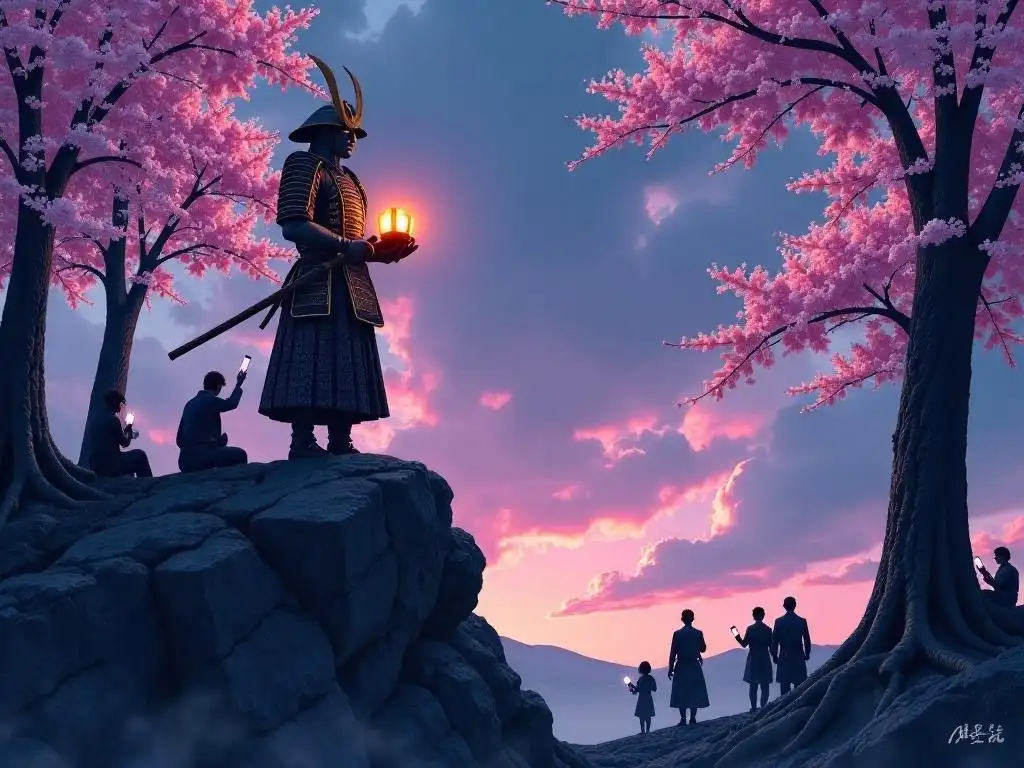
The samurai class emerged in Japan during the late Heian period (794-1185) as a response to the growing need for military protection and governance. Initially acting as local chieftains or warriors for hire, they gradually evolved into a distinct social class with significant political power. The establishment of the Kamakura shogunate in 1192 marked a pivotal moment in samurai history, as it solidified their role as the ruling military elite.
Samurai were not only warriors but also adhered to a strict code of conduct known as Bushido, which emphasized honor, loyalty, and discipline. This code was deeply intertwined with their social status and shaped their interactions with the broader society. As they gained influence, samurai began to see themselves as protectors of the realm, which led to the intertwining of their identity with nationalistic sentiments.
The samurai were more than mere warriors; they were the embodiment of the spirit of Japan.
Their emergence also coincided with significant socio-political upheaval, including constant warfare between rival clans. This period of conflict necessitated a robust military ethos and the consolidation of power, further entrenching the samurai's role in Japanese society.
Development of Shinto as a Major Religion
Shinto, as Japan's indigenous religion, has roots that predate recorded history. It is characterized by the worship of kami, or spirits, which inhabit natural elements, ancestors, and significant locations. Over centuries, Shinto evolved from a collection of rituals and practices into a more formalized belief system, gaining prominence during the early medieval period.
The Nara period (710-794) was crucial for Shinto's development, as it saw the codification of many Shinto practices alongside the introduction of Buddhism. However, Shinto maintained its unique characteristics, emphasizing the connection between the Japanese people and their land. The Heian period further enriched Shinto, as courtly practices began to incorporate kami worship, establishing rituals that fused the spiritual with the political.
While Shinto was primarily a polytheistic faith, it underwent transformations to accommodate the sociopolitical climate, blending with Buddhist practices. This adaptability allowed Shinto to flourish as a major religion, influencing and being influenced by the samurai class as they rose to power.
Interaction Between Samurai Ethics and Shinto Principles
The interaction between samurai ethics and Shinto principles created a unique cultural and spiritual landscape in feudal Japan. The samurai's adherence to Bushido was significantly influenced by Shinto beliefs, which emphasized purity, loyalty, and respect for nature and the kami.
- Loyalty and Honor: Central tenets of Bushido, such as loyalty to one's lord and the importance of honor in life and death, echoed Shinto's reverence for ancestral spirits and the kami. The samurai often viewed their service as a sacred duty, intertwining their martial responsibilities with spiritual obligations.
- Ritual Practices: Many samurai engaged in Shinto rituals to seek blessings for success in battle. They believed that the kami could influence their fate, leading to a fusion of military and religious practices. Rituals such as purification ceremonies became common before battles, underscoring the belief that spiritual cleanliness was essential for success.
- Death and the Afterlife: Shinto's views on death and the afterlife also resonated with samurai beliefs. The concept of seppuku (ritual suicide) was often viewed not only as an act of honor but also as a way to ensure a proper transition to the afterlife, thus maintaining a connection with the kami and ancestors.
The samurai's influence on Shinto beliefs shaped not only their ethical framework but also the religious landscape of feudal Japan. This intricate relationship between warrior ethics and religious practices continues to be a significant area of study for understanding Japan's historical and cultural identity.
Core Samurai Ethics and Their Relation to Shinto

The relationship between samurai ethics and Shinto beliefs is a profound one, rooted in the historical and cultural landscape of feudal Japan. At the heart of this connection lies the samurai's code of conduct, known as Bushido, which translates to "the way of the warrior." This code not only guided the samurai in their martial duties but also shaped their spiritual beliefs and practices, intertwining with the indigenous Shinto faith.
Bushido: The Way of the Warrior
Bushido emerged as a moral framework that emphasized honor, loyalty, and bravery among the samurai class. This code was influenced by various philosophical and religious traditions, including Confucianism and Zen Buddhism, but its core remained distinctly Japanese. The principles of Bushido resonated deeply with Shinto values, which celebrate the connection between humanity and the kami (spirits).
- Honor: For the samurai, honor was paramount. The idea of dying with honor rather than living in shame was deeply ingrained in their ethos. This concept mirrors Shinto beliefs, where maintaining a pure heart and good deeds are essential for gaining favor from the kami.
- Loyalty: Loyalty to one's lord and family was a defining trait of a samurai. This aspect of Bushido aligns with Shinto's emphasis on familial ties and respect for ancestors, reinforcing the spiritual connection between the living and the dead.
- Courage: The samurai's valor in battle was not just about physical strength but also an expression of spiritual fortitude, reminiscent of the Shinto belief in facing the unknown with bravery.
Key Ethical Principles of Samurai
The ethical principles that governed samurai behavior can be categorized into several key pillars, each reflecting their influence on Shinto beliefs:
- Rectitude (Gi): The samurai's commitment to justice and righteousness parallels the Shinto concept of makoto, or sincerity, emphasizing the importance of truthfulness in interactions with the kami and fellow humans.
- Courage (Yū): Beyond physical bravery, this principle signifies the strength to uphold one's convictions, a trait that resonates with the Shinto belief in the power of resolve and intention when addressing the kami.
- Benevolence (Jin): Compassion and kindness towards others were vital in Bushido, reflecting the Shinto value of wa, or harmony, which promotes peaceful coexistence and respect for all life.
- Politeness (Rei): The samurai's courteousness towards others is akin to the Shinto practice of ritsuryō, involving rituals of respect and offerings to the kami.
- Honesty (Makoto): This principle fosters a deep sense of integrity, which is essential for maintaining a harmonious relationship with the kami, ensuring that one's actions are in alignment with their true self.
Influence of Samurai Virtues on Shinto Practices
The virtues espoused by the samurai not only informed their personal conduct but also permeated Shinto practices, leading to a unique synthesis of warrior ethics and spiritual observance.
- Rituals and Offerings: Samurai often engaged in Shinto rituals, offering prayers and sacrifices to the kami before battles, seeking divine favor and guidance. This practice demonstrated the direct influence of Bushido on the samurai's relationship with their spiritual beliefs.
- Shrine Patronage: Many samurai became patrons of local shrines, recognizing the importance of Shinto in their communities. Their support helped preserve and promote Shinto traditions, embedding samurai ethics into the fabric of religious practices.
- Moral Education: Samurai families often integrated Shinto teachings into their upbringing, instilling values of loyalty, honor, and respect for the kami in their children. This perpetuated a cycle of ethical behavior that reinforced both samurai and Shinto ideals over generations.
- Art and Literature: The influence of samurai ethics on Shinto is also evident in Japanese art and literature, where themes of honor, loyalty, and the divine often converge, reflecting a cultural reverence for both the warrior spirit and spiritual beliefs.
The intricate relationship between samurai ethics and Shinto beliefs illustrates how deeply intertwined these aspects of Japanese culture are. The samurai's influence on Shinto practices not only shaped their own societal norms but also enriched the religious landscape of feudal Japan, creating a legacy that resonates to this day.
Shinto Beliefs Shaped by Samurai Ideals

Shinto, the indigenous spirituality of Japan, is deeply intertwined with the cultural and ethical framework established by the samurai. The samurai, known for their adherence to the bushido code, emphasized values such as honor, loyalty, and bravery, which resonated with Shinto beliefs. This section delves into how these warrior ethics have significantly influenced Shinto practices and beliefs over the centuries.
Concepts of Honor and Loyalty in Shinto
The samurai's concept of honor, or meiyo, plays a crucial role in Shinto beliefs, emphasizing the importance of integrity and respect. In Shinto, honor is not merely a personal attribute but a collective value that strengthens community bonds and societal harmony.
- Loyalty to the Emperor: Samurai warriors were expected to demonstrate unwavering loyalty to their lord, which also translated into a broader commitment to the Japanese Emperor, seen as a divine figure in Shinto. This loyalty is reflected in various Shinto practices, where rituals often include prayers for the emperor's health and prosperity.
- Rituals of Honor: Numerous Shinto rituals celebrate honor, including ceremonies held at shrines dedicated to fallen samurai. These rituals serve to honor the samurai's spirit and reinforce the values of loyalty and sacrifice, which are central to both samurai culture and Shinto.
The samurai's code of honor aligns perfectly with Shinto's emphasis on purity and devotion to the kami (spirits), creating a rich tapestry of ethical and spiritual life in feudal Japan.
The Role of Rituals and Offerings
Rituals and offerings are fundamental aspects of Shinto, and the samurai contributed significantly to these practices by incorporating their own ethical values into the rituals performed at shrines.
- Offerings as Expressions of Loyalty: Samurai would often make offerings at Shinto shrines to demonstrate their loyalty to their lord and the kami. These offerings could range from simple rice and sake to elaborate displays that reflected the samurai's social status and commitment to the divine.
- Rituals of Purification: Purification rituals, known as harai, are integral to Shinto practices. Samurai warriors would participate in these rituals to cleanse themselves of any impurities before entering sacred spaces. This act of purification is emblematic of the samurai's quest for moral and spiritual integrity, which is central to both their identity and Shinto beliefs.
| Ritual Type | Description | Samurai Influence |
|---|---|---|
| Offerings | Gifts to the kami to seek favor and protection | Reflects loyalty to lords and kami |
| Purification | Cleansing rituals to remove spiritual impurities | Ensures readiness for battle and sacred duties |
The Integration of Samurai Values into Shinto Shrines
Shinto shrines have evolved as symbols of the integration of samurai values, showcasing the fusion of martial and spiritual ideals.
- Architecture and Design: Many shrines, especially those built or renovated during the feudal era, exhibit architectural styles that reflect samurai aesthetics. The use of strong, natural materials and fortified designs symbolizes the strength and resilience of the samurai ethos.
- Warrior Guardians: Some Shinto shrines feature statues of legendary samurai or warrior gods as guardians. These figures not only protect the shrine but also embody the values of bravery and honor that the samurai upheld. This integration signifies a blend of martial values and spiritual devotion, reinforcing the idea that physical and spiritual realms are interconnected.
- Festivals Celebrating Samurai Heritage: Certain Shinto festivals celebrate the legacy of the samurai, featuring parades and rituals that honor their contributions to Japanese culture. These events highlight the enduring influence of samurai ethics on Shinto practices and reinforce the community's collective memory of loyalty and valor.
The samurai's influence on Shinto beliefs is profound, shaping concepts of honor, loyalty, and ritual practices. Through their integration into the spiritual fabric of Japan, samurai values continue to resonate within Shinto, illustrating the complex interplay between warrior ethics and religious life.
Religious Conflicts Influenced by Samurai Ethics
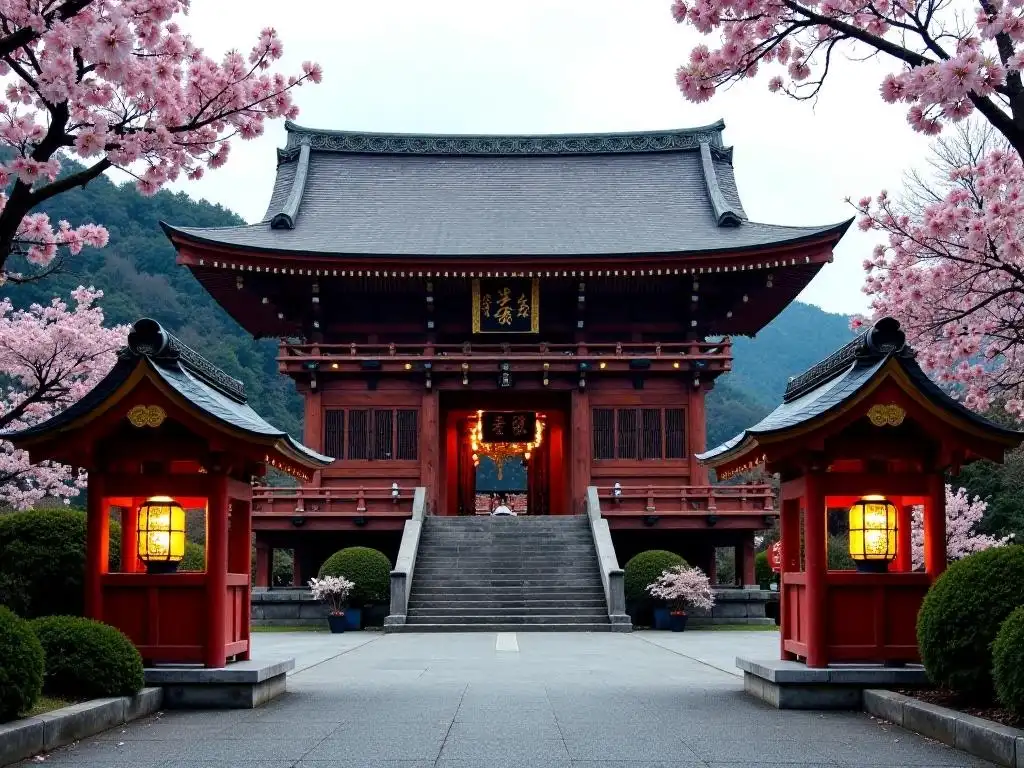
The intersection of samurai ethics and Shinto beliefs created a unique cultural landscape during Japan's feudal era, where warrior values often influenced religious practices and conflicts. The samurai, bound by a strict code of conduct known as Bushido, not only served as military leaders but also played significant roles in shaping the spiritual and religious dynamics of their time. This influence often led to tensions and conflicts between different religious factions, particularly as samurai sought to assert their power and authority through their beliefs.
Case Study: Samurai Involvement in Religious Wars
One of the most notable instances where samurai ethics directly influenced religious wars is the Genpei War (1180-1185). This conflict was primarily between the Taira and Minamoto clans, but it also had significant religious undertones. Both sides claimed divine favor, invoking Shinto deities to bolster their causes. For example, the Minamoto clan relied heavily on the patronage of the deity Hachiman, the god of war and protector of warriors.
- Key Events:
- Battle of Dan-no-ura (1185): The climactic naval battle saw samurai warriors engage in not only physical combat but also spiritual warfare, as both clans sought divine intervention.
- Shinto Influence: The samurai performed rituals and offerings to their respective deities, believing that their ethical conduct and dedication would sway divine support in their favor.
This case exemplifies how samurai ethics intertwined with religious beliefs, leading to conflicts that were as much about spiritual authority as they were about territorial control.
Analysis of Notable Conflicts Involving Samurai and Shinto
The influence of samurai on Shinto beliefs can be traced through various conflicts throughout Japan's feudal history. Here are some notable examples:
- The Onin War (1467-1477):
- This conflict marked the beginning of the Sengoku period, characterized by widespread social upheaval and constant military conflict. Different samurai factions aligned themselves with various Buddhist sects and Shinto shrines, leading to clashes not only over land but also over religious legitimacy.
- Ethical Dilemmas: Samurai were often faced with the challenge of balancing their Bushido principles with the demands of loyalty to their lords and the protection of their faith.
- The Shimabara Rebellion (1637-1638):
- In this uprising, predominantly composed of Christian peasants and samurai, the conflict arose from the oppressive policies of the Tokugawa shogunate against Christianity, which was often viewed as a threat to the established Shinto order.
- Cultural Confrontation: The samurai who supported the rebellion found themselves in a moral quandary, as they had to reconcile their loyalty to the shogunate with their ethical beliefs and the plight of the oppressed.
These conflicts illustrate how samurai ethics could both inspire and complicate religious tensions, as warriors navigated their roles as both protectors of their faith and enforcers of their lords' agendas.
The Impact of Samurai Ethics on Religious Tensions
The samurai code of Bushido fostered a unique set of values that shaped the religious landscape of feudal Japan. Key aspects of samurai ethics that influenced religious tensions include:
- Loyalty: The unwavering loyalty of samurai to their lords often meant that they prioritized their feudal obligations over their spiritual beliefs. This created friction between different religious factions, particularly when lords sought to expand their influence through military means.
- Honor: The concept of honor was paramount in samurai culture. Engaging in conflicts to uphold one's honor often led to battles that had significant religious implications. Samurai would justify their actions through the lens of spiritual righteousness, further complicating the relationship between different religions.
- Rituals and Offerings: Samurai frequently engaged in Shinto rituals to seek blessings for victory in battle. This practice not only reinforced their commitment to their faith but also heightened tensions with rival factions that viewed such actions as a challenge to their spiritual authority.
The samurai's influence on Shinto beliefs and the resulting religious conflicts are a testament to the complex interplay between warrior ethics and spirituality in feudal Japan. The legacy of these influences continues to shape Japan's cultural and religious identity today.
The Legacy of Samurai Influence on Modern Shinto
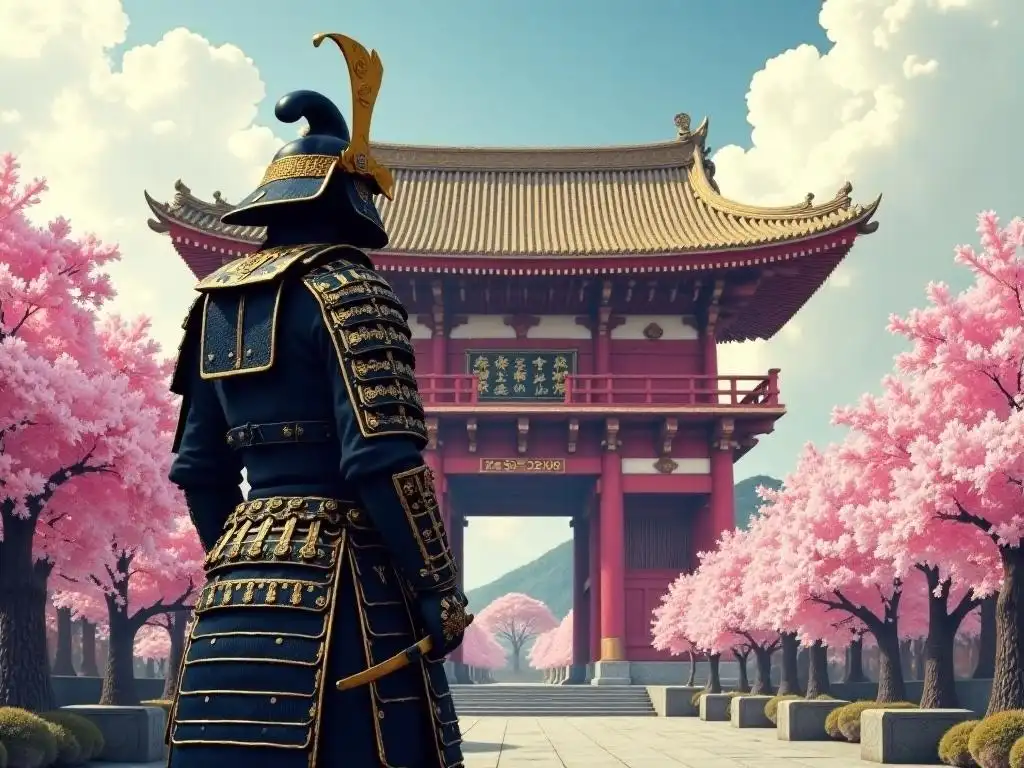
The influence of the samurai on Shinto beliefs has left a profound legacy that extends into contemporary practices and societal values in Japan. This enduring impact is rooted in the ethical framework established by the samurai class, which has been woven into the fabric of Shinto rituals, community interactions, and national identity.
Ongoing Impact of Samurai Ideals in Contemporary Shinto Practices
The samurai ethos, encapsulated in concepts such as bushido (the way of the warrior), emphasizes virtues like loyalty, honor, and courage. These ideals continue to resonate within Shinto practices, shaping the way adherents engage with their faith.
- Rituals and Ceremonies: Many Shinto rituals still incorporate principles derived from samurai ethics. For instance, ceremonies honoring the spirits of ancestors, known as ohanami, reflect the samurai's deep respect for lineage and heritage. This practice not only nurtures a sense of belonging but also reinforces the samurai's value of loyalty to family.
- Moral Teachings: The teachings of bushido have been integrated into Shinto’s moral philosophy, emphasizing virtues such as bravery and integrity. Modern Shinto priests often invoke these ethical principles during teachings and community events to inspire moral conduct among followers.
- Cultural Festivals: Many cultural festivals in Japan, such as the Gion Matsuri, showcase the samurai’s historical significance and their connection to Shinto deities. The vibrant parades and rituals often feature samurai armor and traditional attire, creating a visual link to the past while celebrating contemporary Shinto life.
In this way, the samurai's influence on Shinto is not merely historical; it is an active and evolving component of Japanese spirituality.
Reflection on Samurai Ethics in Modern Japanese Society
The samurai's ethical framework continues to shape modern Japanese society, influencing various aspects of life beyond religious practices. The principles of honor, discipline, and loyalty that characterized the samurai have found expression in numerous contemporary settings:
- Work Ethic: Many Japanese people adopt a work ethic that mirrors samurai values, prioritizing dedication and commitment to their roles. This can be seen in the corporate culture of Japan, where employees often embody the samurai spirit through diligence and a strong sense of responsibility to their companies.
- Social Interactions: The samurai's emphasis on respect and loyalty permeates social relationships in modern Japan. Interpersonal connections often reflect a deep-seated need for harmony and mutual respect, paralleling the samurai’s code of conduct.
- National Identity: The samurai legacy remains a cornerstone of Japanese national identity. Public figures and politicians frequently reference samurai virtues to inspire patriotism and a sense of unity, reinforcing the idea that these ancient ideals still bear relevance today.
The samurai influence on Shinto beliefs serves as a vital thread in the tapestry of Japanese culture and identity. The principles established during the feudal era continue to resonate within modern practices, shaping both spiritual expressions and societal values in profound ways.
Conclusion: The Interconnection of Samurai and Shinto
Summary of Key Points on Samurai Influence on Shinto Beliefs
The relationship between the samurai and Shinto beliefs is both intricate and profound, shaping the cultural and spiritual landscape of feudal Japan. Here are the key points summarizing this interconnection:
- Warrior Ethos and Spirituality: Samurai were not only warriors but also adherents to a strict ethical code known as Bushido, which was deeply intertwined with Shinto beliefs. This code emphasized virtues such as honor, loyalty, and bravery, which mirrored the principles of Shinto.
- Ritual Practices: The samurai participated in various Shinto rituals to seek divine favor before battles. These rituals often included purification rites and offerings at shrines, reflecting their belief in kami (spirits) that governed both nature and human destiny.
- Protection of Shrines: Samurai were often tasked with defending Shinto shrines, which were seen as sacred sites. This responsibility further solidified their role as protectors of the faith and reinforced the bond between martial prowess and spiritual duty.
- Cultural Synthesis: Over time, the samurai's influence led to the integration of Shinto elements into their military practices. This synthesis manifested in the way samurai viewed their role in society, seeing themselves as not just warriors but as spiritual guardians of the land.
- Political Implications: The samurai's alignment with Shinto beliefs also had significant political implications. During different periods in feudal Japan, rulers leveraged this relationship to legitimize their power, often invoking divine right through Shinto to rally support among the samurai class.
Final Thoughts on the Historical Significance of This Relationship
The relationship between samurai and Shinto beliefs holds remarkable historical significance, as it showcases the intertwining of martial culture and spirituality in Japan. The samurai's adherence to Shinto principles not only shaped their identity but also influenced the broader societal norms of feudal Japan.
- Legacy of Samurai Ethics: The ethical framework established by the samurai continues to resonate in modern Japanese culture. The emphasis on honor, loyalty, and respect is reflected in contemporary Japanese values and practices, illustrating how deeply rooted these concepts are.
- Cultural Identity: Understanding the samurai's influence on Shinto beliefs provides insights into Japan's cultural identity. It highlights how historical narratives are often shaped by the interplay of religion and social structures, offering a richer comprehension of Japan's past.
- Ongoing Research: The study of the samurai's impact on Shinto and vice versa remains a vital area for research. Scholars continue to explore how these dynamics influenced not only historical events but also the evolution of Japanese spirituality and cultural practices.
The samurai's influence on Shinto beliefs is a testament to the complex tapestry of feudal Japan's history, where religion and warrior ethics coalesced to create a unique cultural legacy that endures to this day.
Frequently Asked Questions
What is the main focus of the article "Samurai and Shinto: How Warrior Ethics Influenced Religious Conflicts"?
The article explores the interrelationship between Samurai ethics and Shinto beliefs, detailing how the warrior class's values shaped religious practices and conflicts in feudal Japan.
How did Samurai ethics impact Shinto beliefs?
Samurai ethics, rooted in honor, loyalty, and discipline, directly influenced Shinto practices by embedding these values into religious rituals and the overall spiritual framework of the time.
What role did religious conflicts play in the relationship between Samurai and Shinto?
Religious conflicts often arose due to the Samurai's influence on Shinto, as their warrior ideals sometimes contradicted traditional Shinto principles, leading to significant tensions within Japanese society.
Can you explain the significance of Samurai in shaping Japanese culture?
The Samurai were not just warriors; their ethical codes and cultural practices laid the foundation for much of Japanese culture, influencing arts, literature, and even modern Japanese identity.
How does the article support its claims about Samurai influence on Shinto beliefs?
The article provides expert analysis and historical examples, drawing on various primary sources and scholarly interpretations to illustrate the complex dynamics between Samurai ethics and Shinto beliefs.
Final Reflection: The Enduring Legacy of Samurai Influence on Shinto Beliefs
The intricate relationship between the samurai and Shinto beliefs remains profoundly relevant today, as we navigate a world still shaped by historical conflicts and ethical dilemmas. The samurai's warrior ethics, rooted in honor, loyalty, and discipline, have left an indelible mark on Japanese culture and spiritual practices. Understanding this influence not only sheds light on past conflicts but also invites us to reflect on how these values can guide our contemporary lives.
Culturally, the samurai's impact on Shinto beliefs continues to resonate, shaping societal norms and personal identities. The principles of bushido, or the way of the warrior, have transcended time, influencing modern interpretations of honor and duty in various contexts. As we explore this ongoing influence, we are reminded of the words of philosopher Daisaku Ikeda: The true warrior is one who conquers himself.
This perspective encourages us to consider how the samurai's ethical framework can inform our personal and collective journeys toward self-mastery and integrity.
As we conclude this exploration of samurai influence on Shinto beliefs, I invite you to reflect on how these historical lessons can be applied in your own life. Consider the values of honor, loyalty, and discipline in your daily actions and decisions. Embrace the opportunity to cultivate a deeper understanding of your own ethical beliefs, drawing inspiration from the samurai's legacy to navigate the complexities of modern life with courage and purpose.
Embrace the Legacy of the Samurai Spirit!
Thank you for diving into the intricate relationship between Samurai ethics and Shinto beliefs! We hope this article has enriched your understanding of how their values shaped the religious landscape of feudal Japan. Now it's your turn to explore and engage further with this fascinating topic.
Here’s how you can take action:
- Dive Deeper: Investigate the philosophy behind Bushido and discover how it continues to influence modern ethics and leadership.
- Join the Conversation: Share your thoughts on our discussion forum or social media about the impact of Samurai culture on today’s society.
- Discover More: Explore virtual exhibits or documentaries on Shinto and Samurai history to broaden your perspective on this captivating era.
What aspects of Samurai ethics do you believe resonate most with contemporary ideals of honor and duty? We’d love to hear your insights!