
The Dichotomy of Zen: Balancing Tradition and Modernity in a Changing Japan


Welcome to Feudal Japan History, where we embark on a comprehensive exploration of Japan's rich feudal era. Here, history intertwines with culture and society, unveiling the intricate tapestry of a time that shaped modern Japan. In our featured article, "The Dichotomy of Zen: Balancing Tradition and Modernity in a Changing Japan," we delve into the profound influence of the Zen tradition, illuminating how its ancient practices resonate in today's fast-paced world.
Join us as we uncover the captivating journey of Zen, revealing the delicate balance between timeless wisdom and contemporary life. Your adventure into the heart of Japan's feudal legacy awaits—read on to discover more!
Introduction to Zen Buddhism in Japan
Zen Buddhism stands as a pivotal component of Japan's rich cultural and spiritual tapestry. With its roots deeply embedded in the historical landscape of Japanese society, Zen has not only shaped religious practices but has also influenced arts, philosophy, and daily life. This article delves into the Zen tradition in modern Japan, exploring how it navigates the complex interplay between age-old customs and the swift currents of contemporary life. As Japan evolves, so too does the interpretation and practice of Zen, prompting a fascinating dialogue between its traditional values and modern adaptations.
Overview of Zen Tradition in Japan
Zen Buddhism, known as Zen in Japanese, is characterized by its emphasis on meditation, mindfulness, and the direct experience of enlightenment. It originated from Chan Buddhism in China and was introduced to Japan in the late 12th century. Zen encourages practitioners to transcend intellectual understanding and experience reality directly, often through zazen (seated meditation) and koan study (paradoxical anecdotes or riddles).
The influence of Zen is widespread, permeating various aspects of Japanese culture, including:
- Art and Aesthetics: Zen principles have profoundly influenced traditional arts such as tea ceremonies, ink painting, and flower arranging ( ikebana).
- Martial Arts: Many martial arts, including kendo and aikido, incorporate Zen principles to enhance focus and discipline.
- Architecture: Traditional Zen gardens and temples reflect the simplicity and tranquility valued in Zen philosophy.
Despite its traditional roots, Zen has continually adapted to the changing societal context of Japan, leading to a rich and complex relationship between the past and present.
Historical Context of Zen Buddhism
The historical journey of Zen Buddhism in Japan is marked by various phases of development and transformation.
- Introduction and Early Development (12th-14th Century):
- Zen was initially embraced by the samurai class as a means to cultivate mental discipline.
- The establishment of significant Zen sects, such as Rinzai and Soto, laid the foundation for its practice.
- Muromachi Period (14th-16th Century):
- A flourishing of Zen culture occurred, with the patronage of shoguns and the integration of Zen aesthetics in the arts.
- The creation of renowned Zen gardens, such as the Ryoan-ji, exemplifies this period's artistic achievements.
- Edo Period (17th-19th Century):
- Zen experienced a revival, as it became more accessible to the general populace.
- The development of popular Zen texts and teachings contributed to its integration into everyday life.
- Modern Era (20th Century-Present):
- The impact of modernization and Westernization has prompted new interpretations of Zen.
- Contemporary Zen practices adapt to address the challenges of urban life and global influences.
This historical context sets the stage for understanding how Zen tradition is being reshaped in modern Japan.
The Evolution of Zen Tradition in Modern Japan
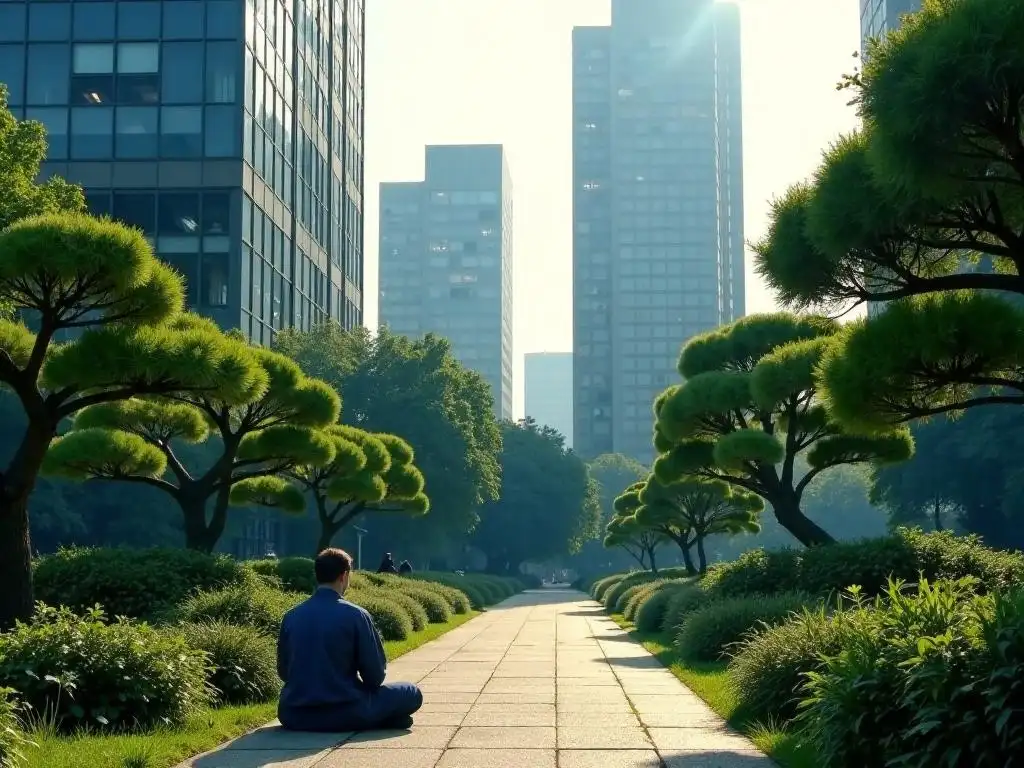
As Japan navigates the complexities of modernity, the Zen tradition has evolved in response to shifting cultural landscapes and societal needs.
Impact of Western Influence on Zen Practices
The arrival of Western thought and culture in the late 19th and early 20th centuries introduced new dimensions to Zen practice. Some of the notable impacts include:
- Adaptation of Zen Teachings: Western interpretations of Zen have led to a fusion of traditional practices with contemporary philosophies, often emphasizing mindfulness and stress relief.
- Globalization of Zen: Zen centers and communities have emerged worldwide, promoting practices that resonate with a global audience while maintaining core elements of Japanese Zen.
- Commercialization: The popularity of Zen concepts in wellness and self-help industries has sparked discussions about authenticity and the potential dilution of traditional practices.
While these influences present challenges, they also offer opportunities for Zen to engage with a broader audience and adapt to modern life.
The Role of Zen in Contemporary Society
Today, Zen continues to play a significant role in various aspects of Japanese society, reflecting both its enduring legacy and its adaptability.
- Mindfulness and Mental Health: The practice of mindfulness, rooted in Zen meditation, has gained traction as a tool for mental well-being, particularly in urban environments.
- Cultural Preservation: Zen temples and practices serve as custodians of Japan's cultural heritage, providing a sense of identity amid rapid change.
- Environmental Consciousness: Many contemporary Zen practitioners emphasize ecological awareness, drawing on traditional teachings that advocate harmony with nature.
The Zen tradition in modern Japan is a dynamic interplay of history, culture, and contemporary challenges, demonstrating a remarkable capacity for resilience and transformation. As we delve deeper into this exploration, we will further examine the nuances and complexities of Zen's evolution in the face of modernity.
The Cultural Significance of Zen in Modern Japan
Zen Buddhism, a major school of thought within the broader framework of Buddhism, continues to significantly influence Japanese culture, even in the face of modernization. The cultural significance of Zen in modern Japan is evident in various aspects of life, from art and architecture to literature and social practices. This influence is rooted in the principles of simplicity, mindfulness, and a deep appreciation for nature, which resonate with the contemporary Japanese ethos.
In modern Japan, Zen serves as a counterbalance to the fast-paced, technology-driven lifestyle that many people experience. The principles of Zen encourage individuals to find peace and tranquility amidst chaos, fostering a sense of inner calm that is increasingly sought after in a world filled with distractions. This cultural shift towards mindfulness and the appreciation of Zen values can be observed in the growing popularity of meditation practices, wellness retreats, and even urban gardens that echo traditional Zen aesthetics.
Moreover, the integration of Zen principles into contemporary Japanese education and corporate culture has fostered a communal mindset focused on harmony and collaboration. Many organizations are now incorporating Zen meditation practices into their work environments to promote mental well-being among employees, highlighting Zen's relevance in fostering a balanced life in the modern era.
Zen Aesthetics and Modern Art Forms
Zen aesthetics have profoundly influenced various modern art forms in Japan, transcending traditional boundaries and creating a unique fusion of old and new. The minimalist approach inherent in Zen philosophy has inspired contemporary artists, architects, and designers, leading to innovative expressions that reflect simplicity and profound beauty.
One of the most striking examples is the influence of Zen on modern architecture. Contemporary buildings often emphasize natural materials, open spaces, and a seamless connection with the surrounding environment. This architectural philosophy is reminiscent of traditional Zen temples, which prioritize harmony with nature and invite contemplation.
In the realm of visual arts, Zen-inspired artists often explore themes of impermanence and the beauty of nature. Works that evoke tranquility and simplicity can be seen in both traditional ink paintings and modern installations. The concept of "wabi-sabi," which appreciates the beauty of imperfection, has also gained traction among contemporary artists, further bridging the gap between historical Zen practices and modern artistic expression.
Additionally, Zen aesthetics have permeated the world of fashion and design, where minimalist styles and eco-conscious choices reflect the underlying principles of Zen. This aesthetic shift not only appeals to the Japanese populace but also resonates with global audiences seeking authenticity and mindfulness in their lifestyles.
Zen Practices in Daily Life: Meditation and Mindfulness
The practice of Zen meditation, or zazen, is a cornerstone of Zen Buddhism, and its influence has permeated daily life in modern Japan. Many individuals have embraced meditation as a means to cultivate mindfulness and enhance overall well-being. This resurgence can be attributed to a growing recognition of the mental health benefits associated with regular meditation practice.
In urban areas, meditation centers and classes have become increasingly popular, providing a space for individuals to engage in zazen and learn about Zen philosophy. These centers often offer workshops on mindfulness, which emphasize present-moment awareness and stress reduction techniques. The integration of Zen practices into everyday routines has led to a more profound connection with oneself and a greater appreciation for the present.
Moreover, the concept of mindfulness has expanded beyond formal meditation practices to encompass daily activities. Many people now strive to infuse mindfulness into their routines, whether it’s through mindful eating, walking, or even working. This holistic approach to Zen practices highlights the adaptability of Zen in modern contexts, allowing individuals to cultivate a sense of presence and appreciation for life's simple pleasures.
Challenges to Zen Tradition in a Modern Context
Despite its enduring significance, the Zen tradition faces numerous challenges in the context of modern Japan. As society evolves, the preservation of Zen practices and values becomes increasingly complex, necessitating a critical examination of how these traditions can coexist with contemporary life.
The Conflict Between Tradition and Modern Values
One of the most pronounced challenges to Zen tradition in modern Japan is the inherent conflict between traditional values and contemporary societal norms. As Japan continues to embrace globalization and modernization, there is a growing tension between the age-old principles of Zen and the fast-paced, often materialistic nature of modern life.
Younger generations, influenced by Western ideals and lifestyles, may struggle to reconcile Zen's emphasis on simplicity and detachment with the demands of modern society, which often prioritizes achievement and consumption. This disconnect can lead to a dilution of Zen practices, where the depth of tradition is overshadowed by surface-level engagement with the philosophy.
Additionally, the rapid technological advancements and the proliferation of social media have altered communication and interpersonal relationships. The contemplative solitude encouraged by Zen practices can seem at odds with the hyper-connected nature of modern life, raising questions about how to maintain authentic Zen practices in an increasingly digital world.
Commercialization and Misinterpretation of Zen
Another significant challenge to the Zen tradition is its commercialization and misinterpretation in contemporary culture. As Zen practices gain popularity, they are often commodified, leading to a superficial understanding of the philosophy. Yoga studios, wellness retreats, and mindfulness apps frequently market Zen concepts without a genuine understanding of their roots, prioritizing profit over authenticity.
This commercialization can dilute the essence of Zen, transforming profound spiritual practices into mere trends. The risk is that individuals may engage with Zen superficially, without comprehending its deeper meanings and historical significance. This misinterpretation can further alienate traditional practitioners and diminish the value of Zen teachings.
Moreover, the proliferation of "Zen-inspired" products, from home decor to lifestyle brands, often perpetuates a skewed perception of what Zen truly represents. The challenge lies in preserving the integrity of Zen tradition while adapting to the demands of a modern consumer-driven society, ensuring that the core principles of mindfulness, simplicity, and authenticity remain intact.
Revitalization of Zen Practices
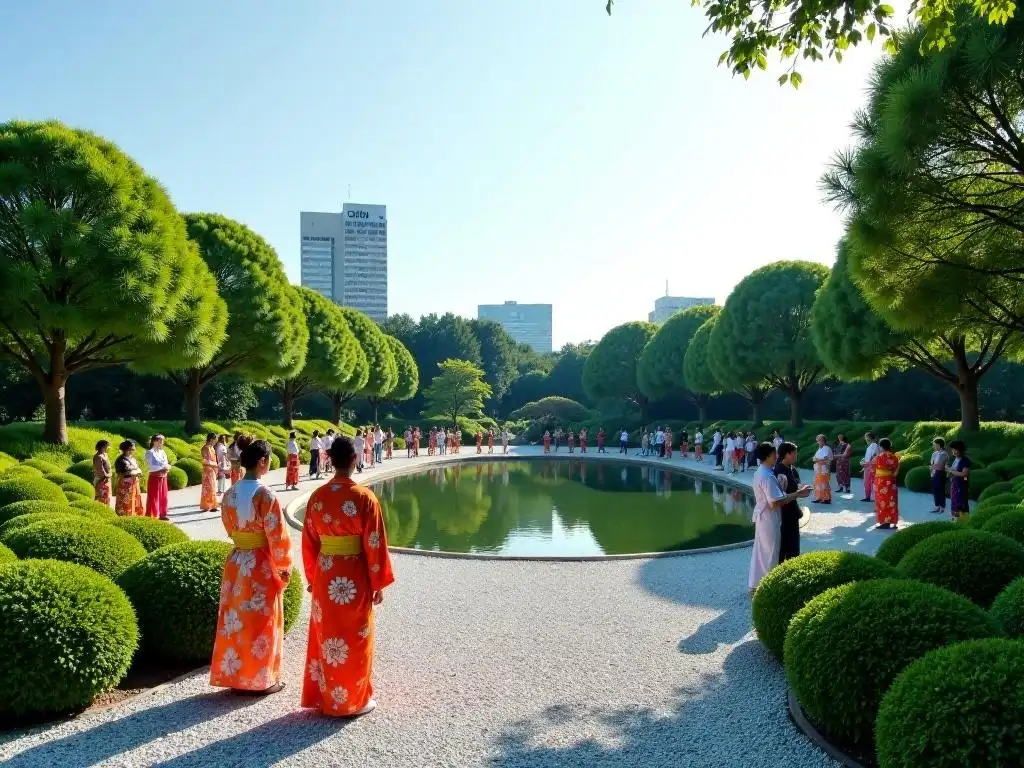
In recent years, there has been a noticeable revitalization of Zen practices as they are increasingly embraced within modern Japanese society and beyond. This resurgence can be attributed to a growing awareness of mental health, mindfulness, and the search for meaning in an increasingly fast-paced world. Zen, with its core emphasis on meditation and simplicity, offers a counterbalance to the chaos of contemporary life, making it appealing to both traditional practitioners and newcomers alike.
Many Zen temples are now adapting their practices to accommodate modern lifestyles. For instance, shorter meditation sessions and more accessible teachings are being introduced to attract a wider audience. This flexibility allows individuals to incorporate Zen practices into their busy schedules, fostering a deeper connection to the tradition while meeting their contemporary needs. Additionally, the rise of mindfulness programs in workplaces and educational institutions has further popularized Zen philosophy, demonstrating its relevance in diverse settings.
Efforts to Preserve Zen Tradition
Despite the modern adaptations of Zen practice, there are concerted efforts to preserve its rich traditions. Zen temples are actively engaging in cultural preservation initiatives, ensuring that ancient rituals, teachings, and practices are passed down through generations. This includes the meticulous documentation of oral histories, teachings, and traditional arts associated with Zen, such as calligraphy and tea ceremonies.
Furthermore, many Zen communities are promoting educational programs that focus on the historical and philosophical foundations of Zen Buddhism. These initiatives aim to deepen practitioners' understanding of the tradition, fostering a greater appreciation for its heritage. By integrating modern teaching methods with traditional wisdom, these efforts help maintain the essence of Zen while making it accessible to a contemporary audience.
Innovations in Zen Teaching and Practice
Innovations in Zen teaching and practice have emerged as part of the broader revitalization movement. Many Zen teachers are now incorporating contemporary psychological insights and scientific research into their teachings. This blending of traditional Zen philosophy with modern psychology allows for a more holistic approach to mental well-being, emphasizing the therapeutic benefits of meditation and mindfulness.
Additionally, technology is playing a significant role in the evolution of Zen practice. Online meditation sessions, virtual retreats, and social media platforms have made Zen teachings more accessible to a global audience. These innovations enable practitioners to connect with each other and with teachers from around the world, fostering a sense of community that transcends geographical boundaries.
Case Studies: Zen Temples and Practices Today
Examining specific Zen temples and their approaches provides valuable insights into how the tradition is adapting to modernity while preserving its core values. Two notable examples are Daitoku-ji Temple in Japan and the San Francisco Zen Center in the United States, both of which illustrate the dynamic interplay between tradition and innovation in Zen practice.
Daitoku-ji Temple and Its Approach to Modernity
Daitoku-ji Temple, located in Kyoto, is a significant center of Zen practice known for its stunning gardens and rich history. In recent years, the temple has embraced modernity by incorporating educational workshops and cultural events aimed at engaging a broader audience. These initiatives include art exhibitions, tea ceremonies, and mindfulness retreats that draw both locals and international visitors.
The temple has also adapted its meditation practices to be more inclusive, offering sessions that cater to beginners alongside traditional practices for seasoned practitioners. This dual approach not only preserves the temple's historical significance but also ensures its relevance in contemporary society, allowing it to serve as a bridge between the past and the present.
San Francisco Zen Center and Its Community Impact
The San Francisco Zen Center (SFZC) is a prime example of how Zen practices can thrive in a modern urban environment. Established in 1962, it has played a crucial role in introducing Zen Buddhism to the Western world. The center emphasizes community involvement and social engagement, with programs designed to address contemporary issues such as mental health, social justice, and environmental sustainability.
SFZC has pioneered innovative approaches to Zen practice, including the integration of social activism with spiritual growth. This holistic model not only attracts a diverse community of practitioners but also encourages them to apply Zen principles to real-world challenges. By fostering a sense of responsibility and interconnectedness, the San Francisco Zen Center exemplifies how Zen can adapt to meet the needs of a changing society while remaining rooted in its traditional teachings.
Conclusion: The Future of Zen Tradition in Modern Japan
The future of Zen tradition in modern Japan is characterized by a delicate interplay between preserving the rich cultural heritage of Zen Buddhism and adapting to the demands of contemporary society. As Japan continues to evolve, the influence of globalization and technological advancement presents both challenges and opportunities for the Zen community. The ability to maintain traditional practices while integrating modern interpretations will be crucial in ensuring that Zen remains relevant and accessible to future generations.
Zen temples are increasingly embracing innovative approaches to attract younger audiences, such as incorporating digital platforms for teachings and meditation sessions. This adaptability not only helps to sustain the practice but also serves to make Zen teachings more approachable and relatable. The challenge lies in striking a balance between honoring the traditional rituals and philosophies that have defined Zen for centuries and embracing the changing landscape of modern life.
Balancing Tradition and Modernity for Future Generations
To ensure the longevity of Zen tradition, it is essential to foster a dialogue between the old and the new. This can be achieved through various means, including:
- Education and Outreach: Zen institutions are beginning to engage with educational programs that introduce Zen philosophy to schools and universities. By teaching the principles of mindfulness, non-attachment, and compassion, these programs can inspire a new generation to appreciate and embody Zen values.
- Cultural Festivals and Events: Celebrating Zen culture through festivals, art exhibitions, and community events can help bridge the gap between traditional practices and modern interests. These gatherings create a space for cultural exchange and deepen the understanding of Zen’s significance in contemporary life.
- Interdisciplinary Collaborations: Partnering with practitioners from other fields—such as psychology, environmental studies, and social activism—can create a holistic approach to addressing modern challenges through Zen principles. This collaboration can enhance the relevance of Zen philosophy in discussions about mental health, sustainability, and social justice.
By actively engaging with the community and fostering open dialogues, the Zen tradition can adapt and thrive in modern Japan while preserving its core teachings.
The Ongoing Relevance of Zen Philosophy in a Changing World
Zen philosophy remains profoundly relevant in today's fast-paced and often chaotic world. Its emphasis on mindfulness, presence, and simplicity resonates deeply with individuals seeking solace amid the stresses of modern life. Here are several ways in which Zen philosophy continues to influence contemporary thought and practice:
- Mindfulness Practices: The global popularity of mindfulness meditation, rooted in Zen traditions, has led to a greater awareness of mental health and well-being. Many people are incorporating Zen-inspired practices into their daily routines, leading to reduced stress and enhanced emotional resilience.
- Sustainable Living: Zen's focus on non-attachment and appreciation for the present moment encourages individuals to live more sustainably. This philosophy can guide choices related to consumption, environmental stewardship, and community engagement, fostering a deeper connection to nature and one another.
- Art and Aesthetics: Zen principles continue to inspire artists, designers, and architects in Japan and beyond. The appreciation for simplicity and natural beauty is reflected in various modern art forms, architecture, and even culinary practices, creating a harmonious blend of traditional aesthetics with contemporary innovation.
- Personal Development: Zen teachings promote self-reflection and personal growth, encouraging individuals to confront their inner challenges and cultivate a sense of inner peace. This journey of self-discovery appeals to many seeking fulfillment in an increasingly complex world.
The ongoing relevance of Zen philosophy in modern Japan is a testament to its adaptability and profound wisdom. As society continues to change, the lessons of Zen remain a guiding light, offering pathways to balance, harmony, and a deeper understanding of the self and the world.
- Introduction to Zen Buddhism in Japan
- Overview of Zen Tradition in Japan
- Historical Context of Zen Buddhism
- The Evolution of Zen Tradition in Modern Japan
- The Cultural Significance of Zen in Modern Japan
- Challenges to Zen Tradition in a Modern Context
- Revitalization of Zen Practices
- Case Studies: Zen Temples and Practices Today
- Conclusion: The Future of Zen Tradition in Modern Japan
Frequently Asked Questions
What is the Zen tradition in modern Japan?
The Zen tradition in modern Japan refers to a meditative practice rooted in Buddhism that emphasizes mindfulness, simplicity, and the pursuit of inner peace. It has evolved, integrating into various aspects of contemporary Japanese culture.
How has modernity influenced the practice of Zen?
Modernity has introduced new interpretations of Zen, merging traditional practices with contemporary lifestyles. This has led to a broader appeal, making Zen accessible to a global audience while still preserving its core values.
Are there any cultural impacts of Zen in Japan today?
Yes, the cultural impacts of Zen are profound, influencing art, architecture, and even business practices. Concepts of Zen can be seen in design aesthetics, meditation techniques, and the pursuit of work-life balance in modern society.
What role do Zen gardens play in contemporary Japan?
Zen gardens serve as symbols of tranquility and reflection, promoting mindfulness in an increasingly fast-paced world. They are often found in both public spaces and private homes, acting as a reminder of the importance of nature and serenity.
How can one experience Zen practices in modern Japan?
Visitors can experience Zen practices through temple stays, meditation retreats, and workshops that focus on traditional arts like tea ceremonies and calligraphy. These experiences encourage individuals to engage deeply with Japanese culture and Zen philosophy.
Final Reflection: Embracing the Harmony of Zen in Modern Japan
The exploration of Zen tradition in modern Japan is not merely an academic exercise; it is a vital conversation that resonates deeply in today's fast-paced world. As we navigate the complexities of contemporary life, the principles of Zen offer a sanctuary of mindfulness and balance, reminding us that the essence of tradition can coexist harmoniously with the demands of modernity. In a society that often prioritizes speed and efficiency, the call to slow down and reflect becomes a striking imperative.
Culturally, the influence of Zen continues to shape not only Japanese society but also the global understanding of mindfulness and well-being. The integration of Zen practices into everyday life—from meditation to minimalist aesthetics—has sparked a broader movement towards simplicity and presence in an increasingly chaotic world. Zen is not some kind of excitement, but concentration on our usual everyday routine.
This quote encapsulates the ongoing relevance of Zen, emphasizing that the path to enlightenment lies within the ordinary moments of our lives.
As we reflect on the lessons of Zen, I invite you to consider how you can incorporate these timeless principles into your own life. What practices can you adopt to cultivate mindfulness and balance amid the noise of modern existence? By embracing the dichotomy of Zen, we can create a personal sanctuary that honors tradition while adapting to the ever-changing landscape of our lives. Let us strive to find our own equilibrium, drawing inspiration from the rich heritage of Zen as we forge our paths into the future.
Embrace the Zen Balance Today!
Thank you for diving into the fascinating world of Zen and its intricate balance between tradition and modernity in Japan. Your curiosity fuels the conversation around this pivotal cultural evolution! Now, let’s transform your insights into action. Here are some meaningful steps you can take:
- Join a local Zen meditation session to experience the tranquil essence of Zen firsthand.
- Share this article with friends and family to spark a discussion about how tradition shapes our modern lives.
- Explore your own personal balance by journaling about ways to integrate Zen principles into your daily routine.
What aspect of Zen do you feel most drawn to explore in your own life: traditional practices, contemporary interpretations, or a blend of both?