
The Intersection of Tradition and Modernity in Japan's Cultural Festivals

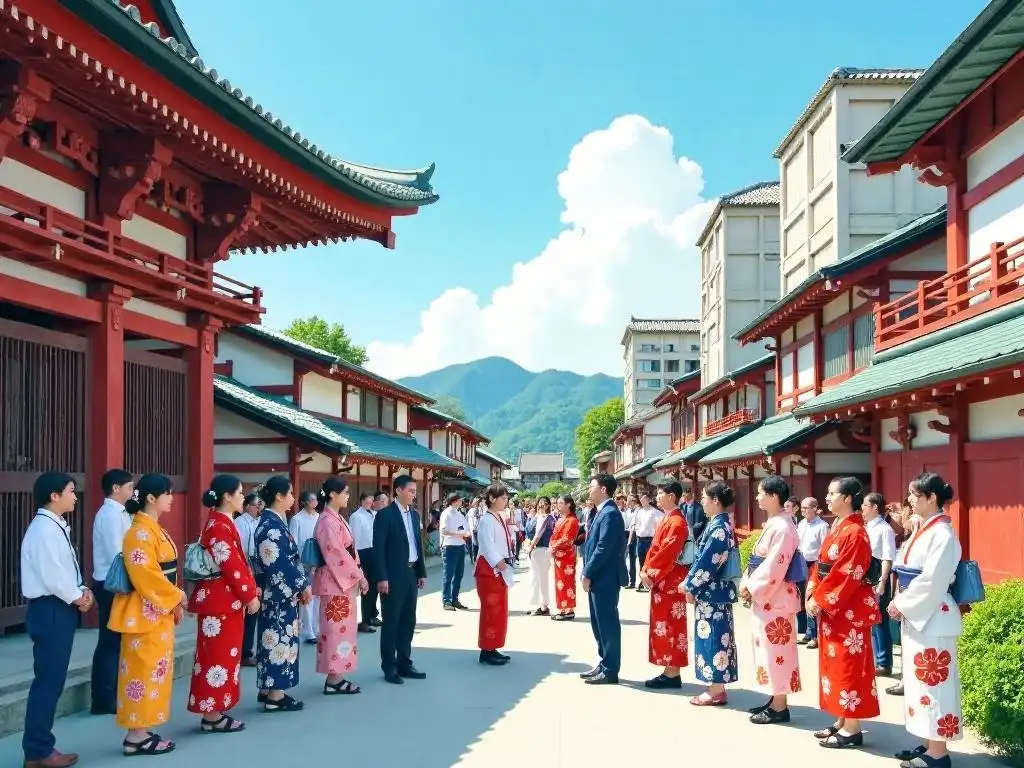
Welcome to Feudal Japan History, where we invite you to journey through the intricate tapestry of Japan's feudal era. Here, history is not just a chronicle of events but a vibrant exploration of cultural festivals that celebrate the rich traditions and evolving modernity of this fascinating time.
In our featured article, "The Intersection of Tradition and Modernity in Japan's Cultural Festivals," you'll uncover how these colorful celebrations are deeply rooted in Japan's past while also reflecting its dynamic present. Prepare to be captivated by stories that connect the dots between heritage and contemporary life—your adventure into the heart of Japan’s cultural legacy begins now!
Introduction to Japan's Cultural Festivals History
Japan's cultural festivals, or matsuri, serve as vibrant expressions of the nation's rich heritage and societal values. These festivals not only showcase traditional practices but also demonstrate how modern influences have shaped contemporary celebrations. From the dazzling parades of the Gion Matsuri in Kyoto to the serene rituals of the Aoi Matsuri, each festival tells a unique story that intertwines history, religion, and community spirit.
Understanding the history of these cultural festivals offers insights into Japan's evolution, revealing how ancient traditions persist and adapt in a rapidly changing world. This exploration into the history of Japan's cultural festivals highlights the enduring significance of these events as they bridge the past with the present, providing a captivating glimpse into the heart of Japanese culture.
Historical Context of Japan's Cultural Festivals
Japan’s cultural festivals have deep roots that trace back centuries, influenced by various historical events, religious practices, and societal changes. The complexity of these festivals reflects the multifaceted nature of Japanese history, where tradition meets modernity in a dynamic interplay. Understanding this context allows us to appreciate the festivals not just as entertainment but as vital components of cultural identity and continuity.
The Origins of Japanese Festivals
The origins of Japanese festivals can be linked to ancient agricultural practices, where rituals were performed to ensure bountiful harvests and appease deities. These early celebrations often involved:
- Shinto Rituals: Many festivals are grounded in Shinto beliefs, showcasing offerings to kami (spirits) and invoking blessings.
- Seasonal Celebrations: Festivals marked seasonal changes, such as the rice planting season or harvest time, emphasizing the connection between nature and agriculture.
- Community Involvement: Festivals fostered community bonds, as villagers came together to participate in collective activities, reinforcing social ties.
As Japan evolved, these early festivals absorbed influences from Buddhism and other cultural elements, leading to the rich tapestry of celebrations seen today.
Feudal Japan and Its Festivals
During the feudal era, Japan experienced significant social and political transformations that profoundly impacted its festivals. This period saw the emergence of samurai culture and the establishment of various feudal domains, each contributing unique traditions. Key aspects of festivals during feudal Japan included:
- Samurai Influence: Festivals often celebrated military achievements or honored samurai clans, incorporating elements of martial prowess into the festivities.
- Local Variations: Different regions developed their own distinct festivals, influenced by local customs, resulting in diverse expressions of culture across the nation.
- Religious Syncretism: The blending of Shinto and Buddhist practices during this era enriched the spiritual dimensions of festivals, making them more complex and multifaceted.
These historical nuances highlight how festivals not only served as a means of celebration but also reflected the societal structure and cultural shifts of feudal Japan, setting the stage for the modern interpretations we see today.
The Modern Evolution of Japan's Cultural Festivals
Japan's cultural festivals, known as matsuri, have undergone significant transformation throughout history, particularly in the modern era. Initially rooted in agricultural rituals and Shinto practices, many festivals have adapted to contemporary social and economic changes. This evolution reflects Japan's dynamic society, where tradition coexists with modernization.
In recent decades, festivals have increasingly become venues for showcasing local culture and attracting tourism. This shift has led to the incorporation of modern elements such as music, dance, and art installations, enriching the traditional festivities while also appealing to younger generations. For example, some festivals now feature contemporary performances alongside age-old rituals, creating a blend that honors the past while embracing the future.
Moreover, technological advancements have played a pivotal role in this evolution. The introduction of social media and digital marketing has allowed festival organizers to reach broader audiences, resulting in increased participation and visibility. Festivals that once catered primarily to local populations are now drawing international tourists, further bridging the gap between tradition and modernity.
Contemporary Influences on Traditional Festivals
The influences shaping contemporary Japanese festivals are diverse, blending local customs with global trends. One prominent factor is the impact of pop culture, particularly anime and manga. Many festivals have incorporated themes and characters from these mediums, attracting younger audiences and fostering a sense of community among fans. For instance, the Nara Tokae Festival features lantern displays that draw inspiration from popular culture, merging traditional aesthetics with modern storytelling.
Additionally, environmental concerns have prompted festivals to adopt sustainable practices. Organizers are increasingly mindful of waste management and eco-friendly materials, reflecting a broader societal commitment to sustainability. Events like the Kinosaki Onsen Winter Lantern Festival not only celebrate local culture but also emphasize ecological responsibility.
Furthermore, globalization has introduced various cultural elements into Japanese festivals, creating a rich tapestry of influences. This can be seen in the growing popularity of food stalls that offer international cuisine alongside traditional Japanese dishes, enhancing the overall festival experience.
Popular Modern Festivals in Japan
Japan is home to numerous modern festivals that exemplify the intersection of tradition and contemporary culture. Some of the most notable include:
- Awa Odori Festival: Held in Tokushima, this festival features lively dances and music, attracting participants from across the country. The traditional Awa dance is infused with modern choreography, making it appealing to younger crowds.
- Sapporo Snow Festival: Celebrated annually in Hokkaido, this festival showcases stunning ice sculptures and snow art. While it retains traditional elements, modern technology is used for the creation of intricate designs, attracting tourists worldwide.
- Harajuku Fashion Festival: This unique event celebrates youth culture and fashion trends, combining traditional Japanese attire with contemporary styles. It reflects the vibrant and eclectic nature of modern Japanese society.
- Gion Matsuri: A historic festival in Kyoto, Gion Matsuri has integrated modern elements like parades and street performances, making it a lively celebration that attracts thousands of attendees each year.
The Cultural Significance of Japan's Festivals
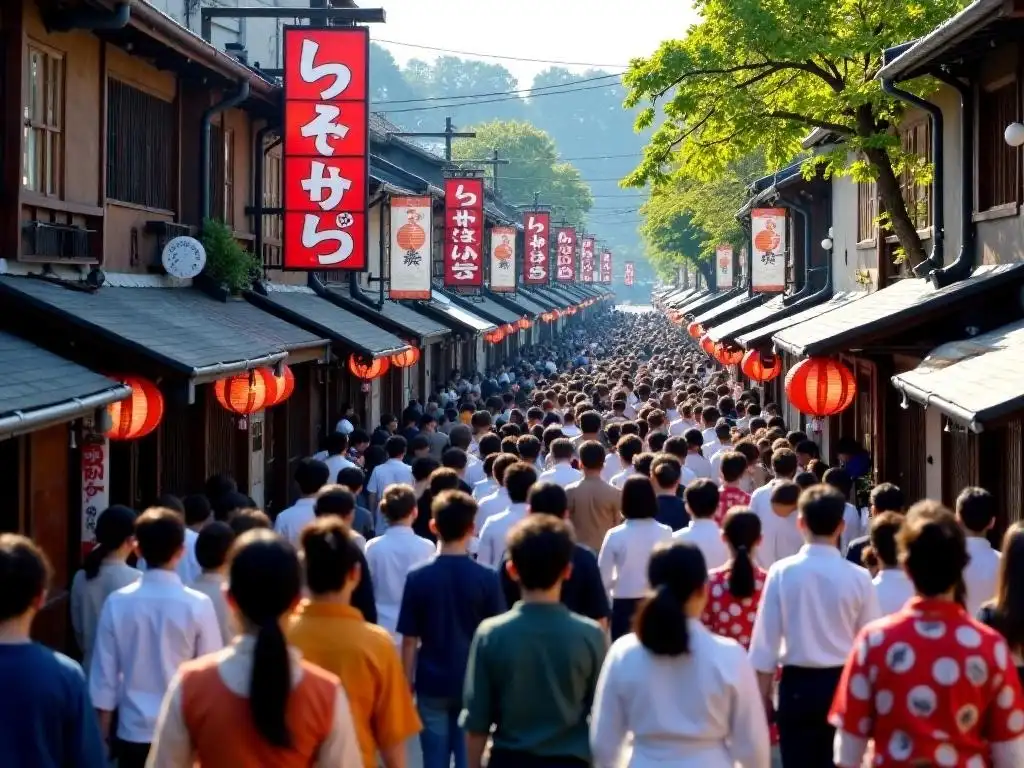
Japan's festivals serve as vital expressions of cultural identity, community solidarity, and historical continuity. They provide a platform for people to connect with their heritage, fostering a sense of belonging and pride. Each festival often commemorates seasonal changes, agricultural cycles, and local deities, reinforcing the relationship between the community and its environment.
Festivals as a Reflection of Japanese Identity
Festivals in Japan are deeply intertwined with the national identity, showcasing the unique character and values of different regions. They encapsulate age-old traditions, myths, and local histories, vividly illustrating the diverse tapestry of Japanese culture. For instance, the Nebuta Matsuri in Aomori features large floats that depict historical figures and folklore, serving as a reminder of the region's rich heritage.
Moreover, festivals foster communal ties, bringing together people from various backgrounds to celebrate shared traditions. This collective participation reinforces the notion of wa (harmony), a core principle of Japanese society. The rituals and performances act as a means of cultural transmission, passing down knowledge and practices to future generations.
The Economic Impact of Cultural Festivals
The economic implications of Japan's cultural festivals are significant, contributing to both local and national economies. Festivals attract tourists, stimulating business for local vendors, hotels, and transportation services. For example, the Kanda Matsuri in Tokyo draws around 1.5 million visitors, boosting the local economy through increased spending on food, souvenirs, and accommodation.
Additionally, festivals create job opportunities in event management, tourism, and hospitality sectors. They serve as platforms for local artisans and craftsmen to showcase their work, promoting traditional skills and crafts. This not only preserves cultural heritage but also enhances economic sustainability within communities.
Furthermore, the promotion of cultural festivals often leads to increased investment in infrastructure and tourism initiatives, benefiting broader economic development. The positive publicity generated by successful festivals can position regions as attractive destinations for both domestic and international travelers, further enhancing their economic viability.
Japan's cultural festivals are not merely events of celebration; they are vital components of the nation's identity, economy, and community life. The ongoing evolution of these festivals reflects the delicate balance between honoring tradition and embracing modernity, ensuring their relevance for generations to come.
The Future of Japan's Cultural Festivals
As Japan continues to evolve on the global stage, its cultural festivals are also adapting to meet the demands of a changing society. The future of Japan's cultural festivals holds the potential for a rich tapestry of tradition interwoven with modern influences. This transformation is being driven by various factors, including globalization, technological advancements, and shifting demographics.
One significant trend is the increasing participation of younger generations. Many traditional festivals are incorporating elements that resonate with younger audiences, such as pop culture references and contemporary art. This not only helps to attract younger attendees but also fosters a sense of ownership among them, ensuring that they remain engaged with their cultural heritage.
Additionally, the rise of digital technology is changing how festivals are organized and experienced. From live-streaming events to the use of social media for promotion and engagement, technology is making cultural festivals more accessible than ever. This digital shift allows for broader participation, transcending geographic boundaries and inviting international audiences to experience Japan’s rich cultural heritage.
Challenges Facing Traditional Festivals
Despite the promising future, traditional cultural festivals in Japan face numerous challenges that threaten their sustainability. One prominent issue is the decline in participation from local communities. As urbanization continues, many younger individuals are moving to cities, leading to a dwindling population in rural areas where many traditional festivals are held. This demographic shift creates difficulties in maintaining the labor force necessary to organize and participate in these events.
Another challenge is the preservation of authenticity amidst commercialization. As festivals attract more tourists, there is a risk of diluting their traditional elements in favor of more marketable experiences. This commercialization can lead to a loss of cultural significance, as the focus shifts from genuine cultural expression to profit-driven motives. Striking a balance between attracting tourists and preserving the essence of the festivals is crucial for their longevity.
Moreover, the impact of climate change poses a significant threat to outdoor festivals, which are often sensitive to weather conditions. Natural disasters, such as typhoons and earthquakes, can disrupt planning and attendance, leading to financial losses and cancellations. As a result, festival organizers must adapt their strategies to mitigate these risks and ensure the safety and enjoyment of attendees.
Innovations and New Trends in Japan's Festivals
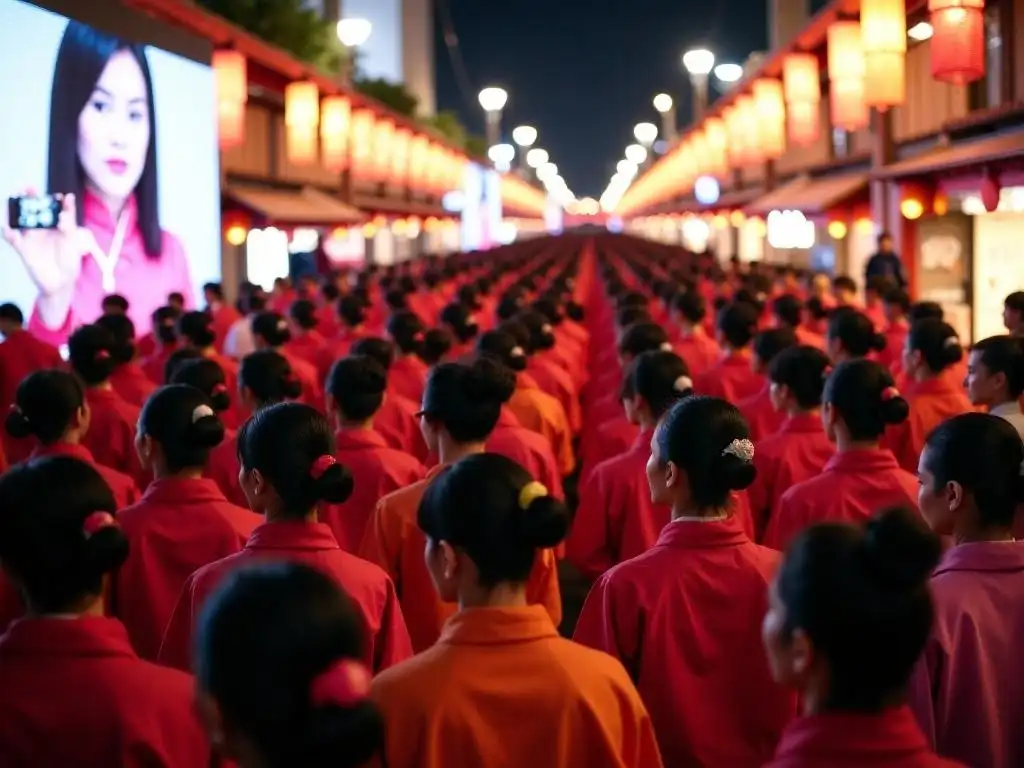
In response to the challenges they face, many cultural festivals in Japan are embracing innovation and new trends. One notable trend is the integration of sustainability practices. Many festivals are now prioritizing eco-friendly initiatives, such as reducing waste, using renewable energy sources, and promoting local artisans. This shift not only helps to protect the environment but also resonates with the growing public awareness of sustainability issues.
Furthermore, the fusion of traditional and modern art forms is becoming increasingly popular. Festivals are showcasing contemporary artists alongside traditional performances, creating a dynamic and engaging atmosphere. This blending of styles not only attracts diverse audiences but also encourages dialogue between generations, fostering a deeper appreciation for both traditional and modern cultural expressions.
Another innovation is the use of augmented reality (AR) and virtual reality (VR) technologies. These tools are being employed to enhance the festival experience, offering immersive ways for attendees to engage with cultural narratives and historical contexts. By incorporating technology, festivals can appeal to tech-savvy audiences while enriching the educational aspects of cultural heritage.
Conclusion: Bridging Tradition and Modernity in Japan's Cultural Festivals
The future of Japan's cultural festivals lies at the intersection of tradition and modernity. While challenges such as declining participation, commercialization, and environmental threats persist, the resilience and adaptability of these festivals are evident. By embracing innovations and new trends, cultural festivals can bridge the gap between traditional practices and contemporary influences, ensuring their relevance in a rapidly changing world.
As Japan navigates this complex landscape, the commitment to preserving cultural heritage while welcoming modern advancements will be key. Festivals that successfully balance these elements not only honor their history but also pave the way for future generations to engage with and celebrate Japan's rich cultural tapestry. By fostering a harmonious relationship between the old and the new, Japan's cultural festivals can continue to thrive as vibrant expressions of its identity.
Suggested Resources for Further Exploration
To gain a deeper understanding of Japan's cultural festivals and their historical significance, a variety of resources are available, ranging from books to documentaries and online platforms. Below is a curated list of suggested resources that will enhance your knowledge about Japan's rich tapestry of cultural celebrations.
Books
-
"Festivals of Japan: A Guide to the Nation's Cultural Celebrations"
This comprehensive guide explores various festivals throughout Japan, detailing their origins, rituals, and modern adaptations. It provides insights into how these events reflect the cultural heritage of different regions.
-
"The Art of Japanese Festivals"
A beautifully illustrated book that delves into the artistry behind traditional Japanese festivals, including the intricate designs of floats and costumes. It also discusses the cultural significance of these artistic expressions.
-
"Japanese Festivals: A Year of Celebration"
This book offers a month-by-month account of festivals celebrated across Japan, emphasizing the seasonal changes and their connection to agricultural practices and Shinto beliefs.
Documentaries
-
"Japan's Festivals: A Cultural Journey"
This documentary series showcases various festivals, featuring interviews with local participants and highlighting the blend of ancient traditions and modern influences. It serves as a visual feast, capturing the vibrant spirit of these events.
-
"The Heart of Japan: Festivals and Traditions"
This film explores the emotional and spiritual connections that people have with their local festivals, providing a poignant look at how these celebrations foster community bonds and cultural identity.
Online Platforms
-
Japan National Tourism Organization (JNTO)
The JNTO website offers extensive information on various cultural festivals happening across Japan throughout the year, including dates, locations, and cultural significance.
-
YouTube Channels
Channels such as "Only in Japan" and "Abroad in Japan" provide engaging video content that covers various festivals, showcasing firsthand experiences and insights into the traditions and modern adaptations.
Academic Journals
-
"Japanese Studies"
This peer-reviewed journal frequently publishes articles on cultural topics, including festivals. It provides in-depth research and analysis, offering academic perspectives on how festivals contribute to Japan's social and cultural fabric.
-
"Cultural Anthropology"
Articles in this journal often explore the intersection of culture and society, with occasional features on Japanese festivals and their role in contemporary life.
By exploring these resources, readers can gain a multifaceted understanding of Japan's cultural festivals, appreciating their historical roots while also recognizing their evolution in the modern era. Whether you prefer reading, watching, or engaging in academic discourse, these suggestions will guide you on your journey through the fascinating world of Japan's cultural celebrations.
- Introduction to Japan's Cultural Festivals History
- Historical Context of Japan's Cultural Festivals
- The Modern Evolution of Japan's Cultural Festivals
- The Cultural Significance of Japan's Festivals
- The Future of Japan's Cultural Festivals
- Challenges Facing Traditional Festivals
- Innovations and New Trends in Japan's Festivals
- Conclusion: Bridging Tradition and Modernity in Japan's Cultural Festivals
- Suggested Resources for Further Exploration
Frequently Asked Questions
What are Japan's cultural festivals?
Japan's cultural festivals are vibrant celebrations that showcase local traditions, customs, and artistry. They often include traditional performances, parades, and unique culinary offerings.
How do cultural festivals reflect Japan's history?
These festivals serve as a living history of Japan, preserving and showcasing historical practices and rituals passed down through generations, linking the past with the present.
What role do modern influences play in these festivals?
Modern influences have introduced innovative elements to traditional festivals, blending contemporary art and technology with time-honored customs, creating a unique cultural experience.
Are there specific festivals that highlight Japan's feudal history?
Yes, festivals such as Gion Matsuri and Jidai Matsuri directly reflect Japan's feudal history, featuring processions with historical costumes and rituals that honor the samurai era.
How can one experience Japan's cultural festivals today?
Visitors can engage in these festivals by checking local calendars, participating in workshops, and enjoying the atmosphere during events held throughout the year, offering a glimpse into Japan's rich cultural heritage.
Final Reflection: Embracing the Harmony of Tradition and Modernity
In exploring the rich tapestry of Japan's cultural festivals, we uncover a profound connection between the past and the present that resonates deeply in today's society. These festivals are not merely relics of history; they are vibrant expressions of identity that continue to evolve, reflecting the dynamic nature of Japanese culture. As we witness the blending of traditional practices with contemporary influences, we are reminded that cultural heritage is not static but a living, breathing entity that adapts to the times.
The ongoing influence of Japan's cultural festivals is evident in how they shape social interactions and community bonds. These celebrations serve as a reminder of our shared humanity and the importance of preserving our roots while embracing change. As the renowned Japanese author Haruki Murakami once said, Memories warm you up from the inside. But they also tear you apart.
This duality captures the essence of how tradition can both comfort and challenge us, urging us to reflect on our identities in a rapidly changing world.
As we conclude this exploration, I invite you to consider how the lessons from Japan's cultural festivals can inspire your own life. Reflect on the traditions that shape your identity and how you can honor them while remaining open to new experiences. Let the spirit of these festivals encourage you to celebrate your heritage, fostering a sense of community and belonging in an ever-evolving landscape. Embrace the dance between tradition and modernity, and allow it to enrich your journey forward.
Embrace Japan's Cultural Fusion Today!
Thank you for taking the time to explore the rich tapestry of Japan's cultural festivals! By delving into the blend of tradition and modernity, you’ve unlocked a deeper appreciation for the vibrancy of Japanese heritage. Now, let’s take steps to connect with this fascinating culture even further.
Here’s how you can engage:
- Join a local Japanese cultural event or festival to experience firsthand the unique fusion of tradition and contemporary life.
- Explore online resources or documentaries that showcase these festivals and enhance your understanding of their significance.
- Share your favorite cultural insights on social media to spark lively discussions within your community.
What aspect of Japan’s cultural festivals intrigues you the most, and how will you celebrate it in your own life?