
How Zen Buddhism Shaped Japanese Architecture: The Harmony of Space and Nature


Welcome to Feudal Japan History, where we invite you to embark on a journey through the fascinating tapestry of Japan’s feudal era. Here, history intertwines with culture and society, revealing the profound influences that shaped a nation. In our featured article, “How Zen Buddhism Shaped Japanese Architecture: The Harmony of Space and Nature,” we delve into the intriguing relationship between Zen Buddhism and the architectural marvels that grace Japan.
Discover how the principles of Zen infused serenity and balance into design, creating spaces that resonate with the natural world. Prepare to explore the depths of this captivating topic and unlock the secrets of an era that continues to inspire and influence today!
- Introduction to Zen Buddhism and Japanese Architecture
- Historical Context of Zen Buddhism in Japan
- Key Principles of Zen Buddhism that Influence Architecture
- Elements of Japanese Architecture Shaped by Zen Buddhism
- Case Studies of Notable Zen-Inspired Structures
- The Impact of Zen Aesthetics on Modern Japanese Architecture
- Conclusion: The Lasting Influence of Zen Buddhism on Japanese Architecture
- References
-
Frequently Asked Questions
- What is Zen Buddhism's influence on Japanese architecture?
- How does Zen Buddhism promote harmony in architectural design?
- What are key architectural features influenced by Zen Buddhism?
- How did Zen gardens impact Japanese architecture?
- Can you provide examples of famous structures influenced by Zen Buddhism?
- Final Reflection: The Lasting Harmony of Zen Buddhism and Japanese Architecture
- Embrace the Serenity of Zen: Transform Your Space Today!
Introduction to Zen Buddhism and Japanese Architecture
The intricate relationship between Zen Buddhism and Japanese architecture is a fascinating subject that reveals how spiritual beliefs and aesthetic principles intertwine to create harmonious living spaces. This exploration not only highlights the philosophical underpinnings of Zen but also showcases how these principles manifest in the design and structure of buildings throughout Japan's history.
From the simplicity of temple layouts to the serene gardens that accompany them, the influence of Zen Buddhism extends far beyond mere aesthetics; it is deeply rooted in a worldview that values harmony, nature, and meditation. In this article, we will delve into how Zen Buddhism has shaped Japanese architecture, examining its core philosophies, the significance of architectural forms, and the lasting legacy this relationship has on contemporary design.
Overview of Zen Buddhism
Zen Buddhism, a branch of Mahayana Buddhism, emphasizes the practice of meditation (zazen) and the direct experience of enlightenment. Originating from China in the 6th century and later flourishing in Japan, Zen encourages practitioners to transcend conventional thought and engage with the present moment. This focus on simplicity, mindfulness, and an appreciation for nature profoundly influences various aspects of Japanese culture, including art, tea ceremonies, and, most significantly, architecture.
- Core Principles of Zen:
- Simplicity: Emphasizes minimalism and the elimination of unnecessary ornamentation.
- Nature: Encourages a deep connection with the natural world, reflecting its beauty in everyday life.
- Meditation: Spaces are designed to facilitate introspection and tranquility.
The architectural manifestations of these principles can be seen in the design of Zen temples and gardens, which aim to create a serene environment conducive to meditation and reflection.
Importance of Architecture in Zen Philosophy
Architecture plays a pivotal role in Zen philosophy, serving as a physical embodiment of its principles. The design and layout of Zen structures are not merely functional but are imbued with spiritual significance.
- Key Aspects of Zen Architecture:
- Integration with Nature: Buildings are often constructed to blend seamlessly with their surroundings, using natural materials like wood and stone to create a sense of unity with the landscape.
- Emphasis on Space: The use of negative space in architecture allows for a calm and open atmosphere, encouraging mindfulness and contemplation.
- Symbolism: Every element, from the orientation of the building to the arrangement of gardens, holds symbolic meaning, often reflecting Buddhist teachings or natural phenomena.
The architectural style influenced by Zen Buddhism is characterized by its minimalist approach, natural materials, and harmonious integration with the environment. This connection between spirituality and architecture not only enhances the aesthetic appeal of the structures but also fosters a deeper sense of peace and reflection for those who inhabit these spaces.
Historical Context of Zen Buddhism in Japan
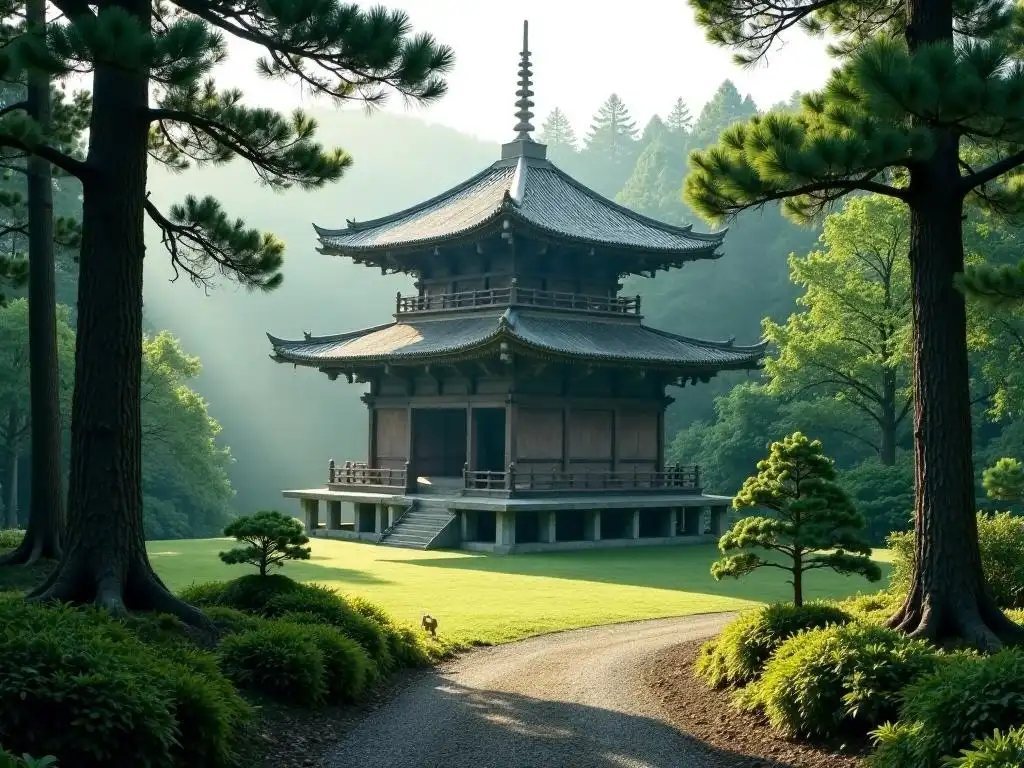
Zen Buddhism, a significant school of Mahayana Buddhism, arrived in Japan during the Kamakura period (1185–1333). Its introduction marked a pivotal moment in Japanese religious and cultural history, establishing a unique relationship between spirituality and aesthetics in various fields, particularly architecture. This section explores the historical context surrounding the arrival of Zen Buddhism in Japan and its profound influence on architectural practices.
The Arrival of Zen Buddhism in Japan
Zen Buddhism was first introduced to Japan by monks who traveled from China, bringing with them not only religious teachings but also artistic and architectural principles. The most notable figures in this transmission were Eisai and Dogen, who played key roles in establishing Zen temples and practices throughout the country.
- Eisai (1141–1215): He founded the Rinzai school of Zen and emphasized the importance of meditation (zazen) as a means to attain enlightenment. Eisai's travels to China allowed him to absorb the teachings of the Linji school, which greatly influenced the development of Zen practices in Japan.
- Dogen (1200–1253): A disciple of the Chinese Soto school, Dogen founded the Soto school of Zen in Japan. He introduced the concept of shikantaza (just sitting), which became a central practice in Soto Zen. Dogen also wrote Shobogenzo, a foundational text that reflects his philosophical insights and emphasizes the connection between meditation and the physical environment.
The initial establishment of Zen temples, such as Kencho-ji and Engaku-ji in Kamakura, provided spaces where these teachings could flourish. As Zen gained popularity among the samurai class, it began to influence various aspects of Japanese culture, including the arts, garden design, and, notably, architecture.
Zen gardens and temples began to embody principles of simplicity, tranquility, and naturalness, reflecting the Zen worldview that emphasized harmony with nature. The architecture of these spaces was designed to facilitate meditation and contemplation, reinforcing the idea that the built environment could be an extension of one's spiritual practice.
Influence of Chinese Architecture on Japanese Zen
The architectural style of Zen Buddhism in Japan was significantly influenced by Chinese counterparts, particularly the architectural principles derived from the Song dynasty. Several key features illustrate this influence:
- Simplicity and Minimalism: Zen architecture favors simple, unadorned structures that promote a sense of peace and contemplation. The use of natural materials such as wood, stone, and paper reinforces this aesthetic. The design philosophy encourages open spaces that allow for fluidity between indoor and outdoor environments.
- Integration with Nature: Zen Buddhist temples often incorporate gardens, water features, and natural landscapes into their design. This integration reflects the belief that nature is a manifestation of the divine. For instance, the famous Ryoan-ji rock garden exemplifies this principle, where carefully arranged rocks and gravel create a space for meditation and reflection.
- Asymmetrical Balance: Unlike the symmetrical designs prevalent in earlier Japanese architecture, Zen architecture embraces asymmetry to create a more dynamic and naturalistic appearance. This approach is evident in traditional Zen temple layouts, where buildings are arranged in a manner that flows with the surrounding landscape.
- Use of Shoji Screens: Shoji (sliding paper screens) are a hallmark of Zen architecture, providing flexibility in space usage while allowing natural light to permeate interiors. This enhances the connection between the interior spaces and the external environment, aligning with Zen philosophies of openness and harmony.
The synthesis of these Chinese architectural elements with indigenous Japanese aesthetics resulted in a distinctive architectural style that profoundly shaped the development of Japanese architecture during the feudal era and beyond. The enduring legacy of Zen Buddhism and its architectural principles continues to influence modern Japanese design, underscoring the lasting impact of this spiritual tradition on the built environment.
Key Principles of Zen Buddhism that Influence Architecture
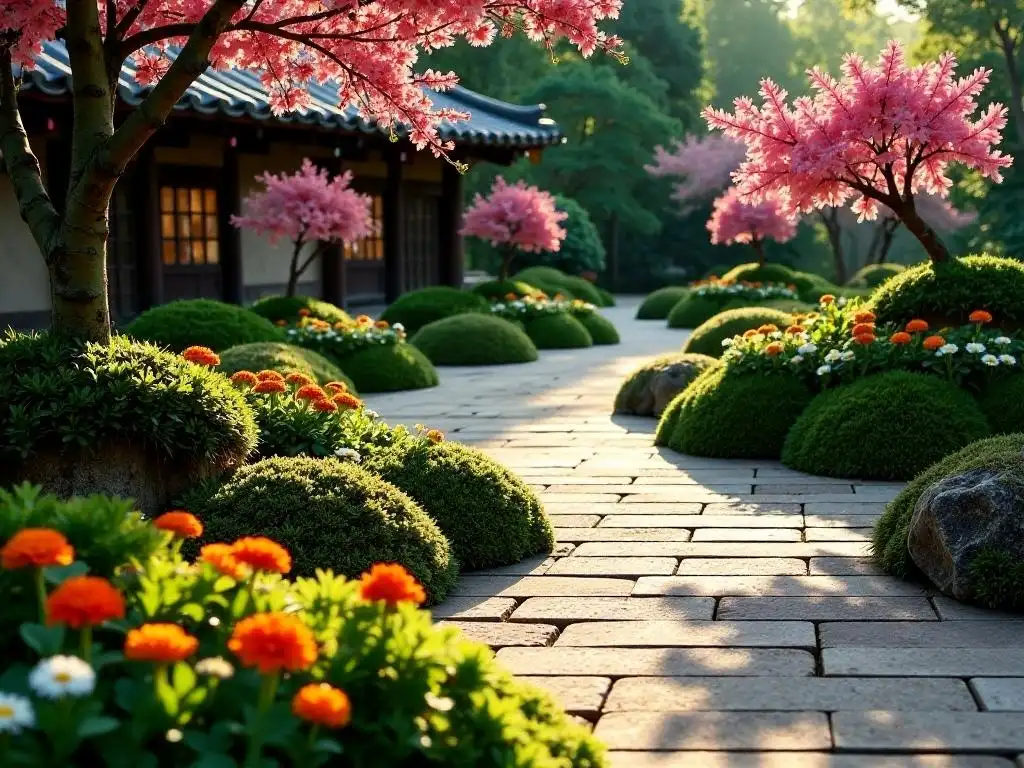
Zen Buddhism plays a pivotal role in shaping the aesthetics and philosophy of Japanese architecture. Central to this influence are several key principles that emphasize harmony, simplicity, and a profound connection with nature. These principles not only define the visual aspects of architectural design but also guide the spatial relationships and the overall experience of the built environment.
Minimalism and Simplicity in Zen Design
One of the most significant aspects of Zen Buddhism is its advocacy for minimalism and simplicity. This is evident in traditional Japanese architecture, where structures are designed to eliminate unnecessary adornments, allowing the essence of the materials and the space to shine through.
- Use of Natural Materials: Zen architecture often employs wood, stone, and paper, which resonate with the natural world. The textures and colors of these materials are celebrated, as they reflect the beauty of imperfection—a concept known as wabi-sabi.
- Open Spaces: The layout of Zen-influenced buildings typically features open floor plans that promote fluid movement and an unobstructed flow of energy. This design philosophy encourages a sense of tranquility and invites occupants to engage with their surroundings.
- Fewer Elements: Zen design emphasizes the importance of fewer elements in a space. The idea is that each object should have a purpose, eliminating clutter. This not only makes the space more functional but also creates a serene atmosphere conducive to reflection and mindfulness.
The result of these principles is architecture that feels grounded and balanced, allowing individuals to experience deep tranquility and connection with their environment.
The Concept of Nature in Zen Spaces
Nature is a fundamental element in Zen Buddhism, and its influence on architecture is profound. Zen gardens, tea houses, and temples illustrate how architectural spaces can harmonize with the natural landscape.
- Integration with the Landscape: Zen architecture often incorporates the surrounding landscape into the design. Buildings are positioned to frame views of nature, allowing the outside environment to become part of the interior experience. This blending fosters a sense of unity between man-made structures and the natural world.
- Transitional Spaces: Entrances and corridors in Zen architecture often serve as transitional spaces that connect the indoor and outdoor environments. Sliding doors ( fusuma) and tatami mat areas blur the lines between inside and outside, promoting a seamless flow and encouraging occupants to engage with nature.
- Symbolism of Elements: Architectural features frequently symbolize aspects of nature. For example, the placement of rocks in a Zen garden can represent mountains, while water features symbolize purity and tranquility. Such symbolic representations deepen the spiritual experience of the space.
By emphasizing these relationships, Zen architecture not only reflects the beauty of nature but also invites contemplation and mindfulness, essential aspects of the Zen philosophy.
The Role of Meditation in Architectural Spaces
Meditation is a core practice in Zen Buddhism, and its principles are deeply integrated into the architectural design of spaces meant for contemplation. This influence manifests in several ways:
- Quiet Spaces: Architecture designed for meditation prioritizes silence and stillness. Rooms are often constructed with sound-absorbing materials and are strategically placed to minimize external noise, creating an environment conducive to deep reflection.
- Views and Light: Large windows or carefully placed openings allow natural light to flood the space while providing views of nature. The interplay of light and shadows is intentionally designed to evoke a sense of calm and serenity, enhancing the meditative experience.
- Sacred Geometry: The design of meditation spaces often incorporates principles of sacred geometry, which align with the universe's natural order. This can include specific shapes and proportions that facilitate a sense of harmony and balance within the environment.
By weaving these elements into the fabric of architectural design, Zen Buddhism creates spaces that are not just buildings but sanctuaries for the mind and spirit, encouraging individuals to pause, reflect, and connect with their inner selves.
The key principles of Zen Buddhism profoundly influence Japanese architecture, establishing a framework that prioritizes minimalism, nature, and meditation. This harmonious approach creates spaces that not only serve functional purposes but also foster a deep sense of peace and connection with the world around us.
Elements of Japanese Architecture Shaped by Zen Buddhism
Zen Buddhism has profoundly influenced various aspects of Japanese culture, particularly its architectural styles. The principles of simplicity, nature, and harmony inherent in Zen philosophy are reflected in key elements of Japanese architecture. This section explores how these principles manifest in three distinct architectural features: traditional Japanese gardens, tatami mats, and shoji screens.
Traditional Japanese Gardens and Their Zen Influence
Traditional Japanese gardens are masterpieces of design that exemplify the core values of Zen Buddhism. These gardens are not merely decorative; they serve as a space for contemplation, meditation, and connection with nature. The essential features of Zen gardens include:
- Minimalism: Zen gardens prioritize simplicity, often using only a few elements such as rocks, gravel, and plants to convey a deeper meaning. This minimalist approach encourages tranquility and reflection.
- Asymmetry: Unlike Western gardens, which often utilize symmetrical designs, Zen gardens embrace asymmetry to reflect the natural irregularities found in nature. This design philosophy invites viewers to appreciate the uniqueness of each element.
- Symbolism: Elements in Zen gardens are often symbolic. For example, rocks can represent mountains, and gravel can symbolize water. This use of symbolism prompts deeper contemplation and understanding of the interconnectedness of all things.
The most famous example of a Zen garden is the Ryoan-ji in Kyoto, which features carefully arranged rocks and raked gravel that invites meditation and introspection.
Tatami Mats and Their Significance in Zen Spaces
Tatami mats are integral to traditional Japanese interiors, embodying the essence of Zen philosophy. These mats, made from rice straw and covered with woven rush grass, provide a unique sensory experience that enhances the Zen atmosphere in a space. Key aspects include:
- Natural Materials: The use of organic materials in tatami mats fosters a connection with nature, essential to Zen practices. The tactile quality of tatami invites individuals to engage with their environment.
- Flexibility of Space: Tatami rooms, or washitsu, are versatile and can be adapted for various uses, from meditation to tea ceremonies. The simplicity of tatami allows for a fluid transition between different activities, reflecting the Zen principle of living in the moment.
- Harmonious Aesthetics: The muted colors and textures of tatami mats contribute to a serene aesthetic. This harmonious environment is crucial for meditation and reflection, central tenets of Zen Buddhism.
The significance of tatami mats in Zen spaces transcends mere functionality; they are a physical representation of the Zen philosophy of simplicity and mindfulness.
Shoji Screens: Blending Indoor and Outdoor Environments
Shoji screens are another striking architectural feature shaped by Zen Buddhism, serving both practical and aesthetic purposes in traditional Japanese homes. These sliding doors made of a wooden frame and translucent paper exemplify several key principles:
- Light and Space: Shoji screens allow natural light to filter into spaces while providing privacy. This balance creates an open yet intimate environment, embodying the Zen focus on the interplay between indoor and outdoor spaces.
- Connection to Nature: By integrating shoji screens into architecture, builders emphasize the connection between the interior and the natural world outside. When open, these screens invite the landscape into the home, reinforcing the Zen idea of harmony with nature.
- Flexible Design: The movable nature of shoji screens allows for adaptable living spaces. Homeowners can reconfigure their environments based on their needs and the changing seasons, reflecting the Zen value of impermanence.
The use of shoji screens in Japanese architecture demonstrates how Zen Buddhism has shaped not only the aesthetics but also the functionality of living spaces, fostering a deeper connection to nature and mindfulness.
Case Studies of Notable Zen-Inspired Structures
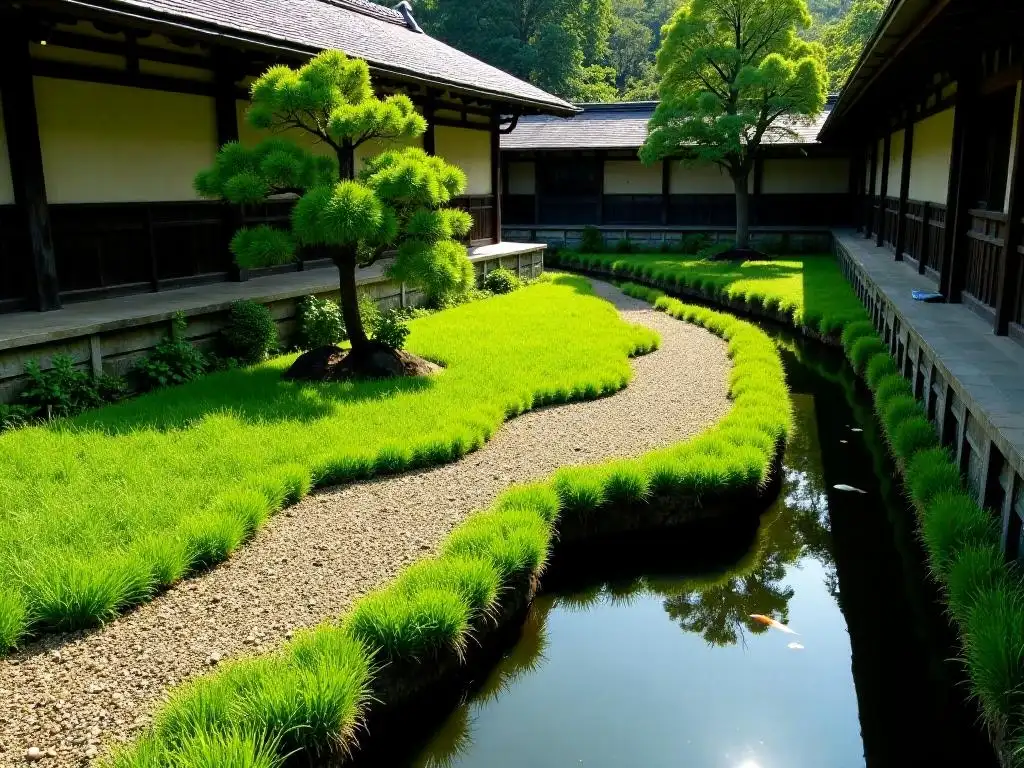
Ryoan-ji: The Iconic Zen Rock Garden
Ryoan-ji, located in Kyoto, is perhaps one of the most famous examples of a Zen rock garden, also known as a karesansui. Established in the late 15th century, this garden stands as a testament to the principles of Zen Buddhism and its profound influence on Japanese architecture. The design of Ryoan-ji embodies simplicity and minimalism, which are core tenets of Zen philosophy.
The garden features a carefully arranged composition of rocks, gravel, and moss, which invites contemplation and meditation. The gravel is meticulously raked to represent rippling water, while the stones symbolize islands or mountains. Visitors are encouraged to reflect on the harmony between these elements, promoting a sense of peace and tranquility.
A significant aspect of Ryoan-ji is its asymmetry and the use of negative space, allowing for the viewer's imagination to fill in the gaps. This design principle aligns with the Zen Buddhist belief that true understanding comes from within rather than from external forms.
Daitoku-ji: A Paradigm of Zen Monastic Architecture
Daitoku-ji is a prominent Zen temple complex that showcases the unique fusion of architecture and Zen ideals. Founded in the 14th century, Daitoku-ji is home to several sub-temples, each reflecting the distinct characteristics of Zen architecture, which emphasizes functionality, serenity, and a strong connection to nature.
One of the most notable features of Daitoku-ji is its use of natural materials, such as wood and stone, which create a harmonious atmosphere with the surrounding landscape. The layout of the temple complex is designed to guide visitors through a series of carefully curated spaces that encourage contemplation and mindfulness.
The gardens surrounding the temples, including the famous Daisen-in, further enhance the spiritual ambiance. These gardens employ a variety of elements such as ponds, bridges, and meticulously placed stones to create a serene environment. The integration of architecture and nature in Daitoku-ji exemplifies the Zen principle of achieving balance and tranquility.
Nanzen-ji: The Fusion of Nature and Spirituality
Nanzen-ji, another significant Zen temple in Kyoto, represents the zenith of Zen architectural design, showcasing the intricate relationship between spirituality and nature. Established in the 13th century, this temple complex is well-known for its grand entrance gate, Sanmon, which serves as a powerful symbol of Zen aspirations.
The layout of Nanzen-ji reflects the influence of traditional Chinese architecture, yet it is deeply rooted in Japanese aesthetics. The structures harmoniously blend with the surrounding landscape, emphasizing the Zen belief in the interconnectedness of all things. Natural elements such as streams and lush greenery are integrated into the temple grounds, creating a serene environment conducive to meditation.
One of the unique features of Nanzen-ji is its use of water, both in its gardens and its design. The sound of flowing water is often incorporated into the temple spaces, further enhancing the tranquil atmosphere. This connection to water not only symbolizes purity but also embodies the transient nature of life, a central theme in Zen Buddhism.
Through these case studies, it becomes evident how Zen Buddhism has profoundly influenced Japanese architecture, creating structures and spaces that reflect harmony, simplicity, and a deep reverence for nature. The principles of Zen continue to resonate within contemporary architectural practices, reminding us of the enduring legacy of this profound philosophy.
The Impact of Zen Aesthetics on Modern Japanese Architecture
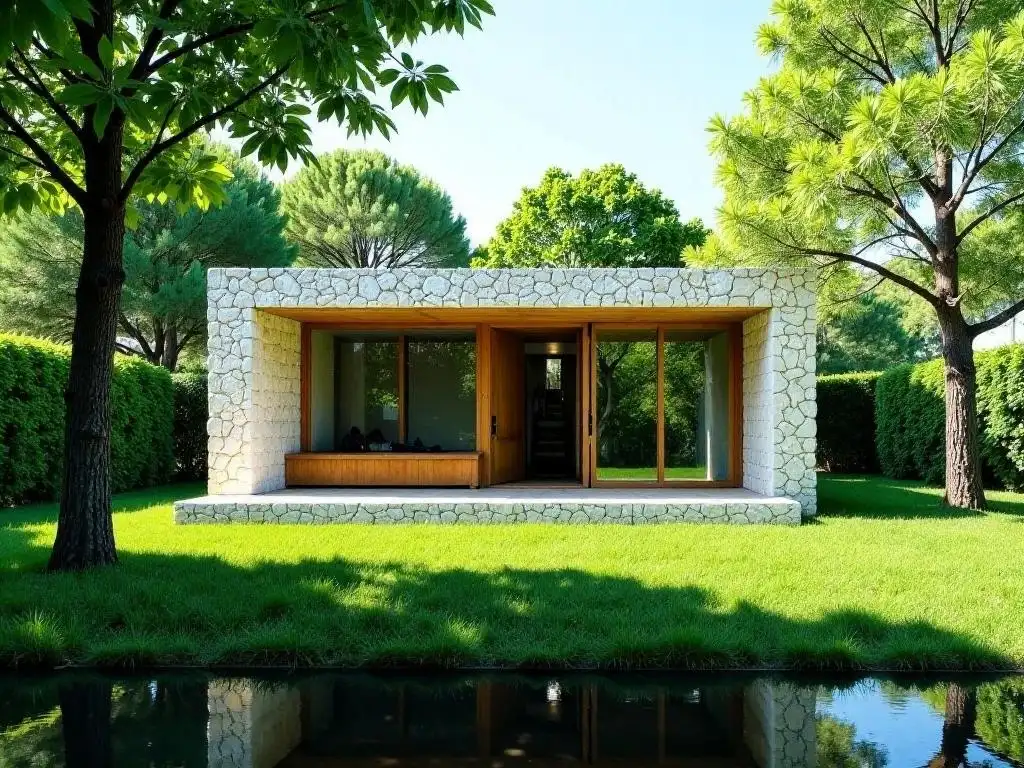
Zen Buddhism has profoundly influenced not only the spiritual and philosophical landscape of Japan but also its architectural practices. This impact is evident in the seamless integration of natural elements and minimalist design principles in contemporary Japanese architecture. By prioritizing harmony between the built environment and nature, Zen aesthetics have become a pivotal force in shaping modern architectural trends.
Contemporary Examples of Zen Buddhism in Architecture
Modern architects have embraced Zen principles, resulting in structures that reflect tranquility and a deep respect for the surrounding landscape. Some notable examples include:
- The Nanzen-ji Hojo (Nanzenji Temple Garden)
- Located in Kyoto, this temple exemplifies the use of natural materials and minimalistic design. Its garden features carefully arranged stones and water elements that invite contemplation.
- The Water Temple (Mizumadera)
- Designed by architect Tadao Ando, this temple merges with the surrounding environment, using water as a key element. The reflection of trees in the water creates a meditative experience for visitors.
- The Benesse House Museum
- Situated on Naoshima Island, this museum blends art and architecture with nature. The design includes large windows that frame views of the sea and surrounding hills, embodying the Zen concept of 'shakkei' or borrowed scenery.
These examples not only showcase the aesthetic appeal of Zen-inspired architecture but also highlight how modern designers are continuing to interpret and apply ancient principles in innovative ways.
The Legacy of Zen Principles in Today’s Architectural Designs
Zen Buddhism's influence extends beyond specific buildings; it has left a lasting legacy on contemporary architectural philosophy. Key aspects of this legacy include:
-
Minimalism
The Zen approach advocates for simplicity and the elimination of unnecessary elements. This is reflected in modern designs that favor open spaces, clean lines, and a limited color palette. The focus is on creating a sense of peace and clarity.
-
Integration with Nature
Architects today are increasingly aware of the importance of incorporating natural elements into their designs. This can be seen in the use of large windows, natural materials like wood and stone, and the incorporation of gardens and water features that encourage a dialogue between the indoors and outdoors.
-
Mindfulness in Design
The concept of mindfulness, central to Zen practice, is becoming a guiding principle in architecture. Designers are now considering how spaces will be experienced, focusing on creating environments that foster well-being, reflection, and a sense of serenity.
The enduring legacy of Zen Buddhism in Japanese architecture is manifested through a commitment to harmony, simplicity, and a profound respect for nature. As architects continue to draw inspiration from these principles, the relationship between Zen Buddhism and Japanese architecture remains vital, shaping not only how buildings are designed but also how spaces are experienced.
Conclusion: The Lasting Influence of Zen Buddhism on Japanese Architecture
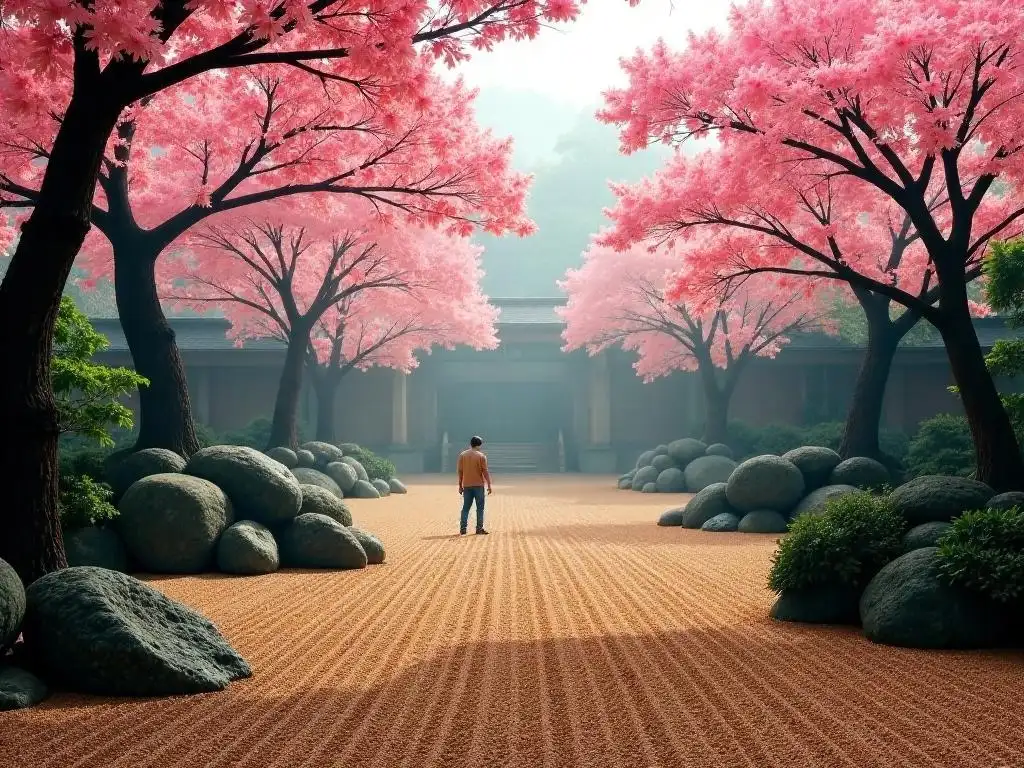
Zen Buddhism has profoundly shaped Japanese architecture, establishing a unique aesthetic that emphasizes harmony with nature, simplicity, and tranquility. The principles of Zen thought, particularly the emphasis on mindfulness and the appreciation of impermanence, have influenced not only the design of structures but also the very essence of the spaces in which people live and interact.
Reflection on the Harmony of Space and Nature
Zen Buddhist philosophy advocates for a seamless connection between human-made environments and the natural world. This synergy is vividly reflected in traditional Japanese architecture, particularly in the design of Zen temples, tea houses, and gardens.
- Natural Materials:
- The use of wood, stone, and paper in construction exemplifies the Zen principle of utilizing natural elements.
- These materials not only provide aesthetic beauty but also facilitate a sense of warmth and connection to the earth.
- Integration with Landscape:
- Zen gardens, known as karesansui, are meticulously designed to evoke the essence of nature using minimalistic elements.
- The arrangement of rocks, gravel, and moss creates a meditative space that encourages contemplation and reflection.
- Spatial Considerations:
- The layout of Zen spaces often reflects asymmetry and irregularity, which are seen as a celebration of nature’s unpredictability.
- Structures like shoin style rooms incorporate sliding doors ( fusuma) that allow for fluidity between indoor and outdoor spaces, reinforcing the idea of harmony.
- Symbolism and Meaning:
- Architectural features, such as the use of light and shadow, are deliberately designed to foster a sense of tranquility and introspection.
- Each element serves a purpose, contributing to the overall experience of presence and mindfulness.
Future Directions of Zen Architecture in Japan
As Japan continues to evolve, the principles of Zen architecture remain relevant, adapting to contemporary needs while preserving traditional values. The future of Zen architecture is poised to explore several key areas:
- Sustainable Practices:
- With increasing awareness of environmental issues, there is a growing interest in sustainable architectural practices that align with Zen principles of harmony.
- Future designs may increasingly incorporate renewable materials and energy-efficient technologies while maintaining a connection to nature.
- Urban Integration:
- As urbanization continues, the challenge lies in integrating Zen architecture within bustling cityscapes.
- Innovations might include the creation of urban Zen gardens and peaceful retreats that offer respite from the frenetic pace of modern life.
- Cultural Preservation:
- Efforts to preserve traditional Zen structures and landscapes will be critical as they face threats from urban development and climate change.
- Restoration projects may focus on maintaining historical accuracy while adapting to contemporary uses.
- Global Influence:
- The influence of Zen architecture is not confined to Japan; it has inspired architects worldwide.
- Future directions may involve cross-cultural exchanges that blend Zen principles with international architectural styles, fostering a global appreciation for this unique aesthetic.
The legacy of Zen Buddhism in Japanese architecture is not only a testament to the past but also a guiding force for the future. By continuing to explore the delicate balance between space and nature, architects and designers can create environments that foster peace, reflection, and a deeper connection to the world around us.
References
Suggested Further Reading on Zen Buddhism and Japanese Architecture
To delve deeper into the intricate relationship between Zen Buddhism and Japanese architecture, several key texts provide valuable insights. Below is a curated list of recommended readings that explore various aspects, from historical contexts to practical applications of Zen principles in architectural design:
-
"Zen and the Art of Architecture" by Robert L. Dorman
This book examines the philosophical underpinnings of Zen Buddhism and how these principles manifest in traditional Japanese architectural forms.
-
"The Zen of Japanese Architecture" by Stephen Mansfield
Mansfield's work offers a comprehensive overview of how Zen philosophy has influenced various architectural styles across Japan, from temples to residential buildings.
-
"Japanese Architecture: A Cultural History" by David B. Stewart
This text provides a broader context of Japanese architecture, including the impact of Zen Buddhism on aesthetic principles and spatial arrangements.
-
"In Praise of Shadows" by Jun'ichirō Tanizaki
Though not solely focused on architecture, Tanizaki’s reflections on light, shadow, and space resonate with Zen ideals and their influence on Japanese design.
-
"Zen Gardens: The History, Meaning, and Design of Japanese Dry Landscape Gardens" by David H. Smith
This book explores the connection between Zen gardens and architectural space, illustrating how these gardens embody Zen principles that inform Japanese architectural aesthetics.
Academic Sources on the Influence of Zen on Japanese Design
For those seeking a more scholarly examination of the influence of Zen Buddhism on Japanese architecture, the following academic sources are invaluable. They offer rigorous analyses and are grounded in extensive research:
| Title | Author | Publication | Summary |
|---|---|---|---|
| "Zen Buddhism and Architecture: An Interdisciplinary Approach" | Mary A. Huber | Journal of Asian Architecture and Building Engineering | This article investigates the intersections of Zen philosophy and architectural practices in Japan, emphasizing how Zen ideals shape spatial organization and aesthetic values. |
| "The Aesthetic of Zen: Its Influence on Traditional Japanese Architecture" | Hiroshi Takeda | Architectural Research Quarterly | Takeda discusses the aesthetic principles derived from Zen Buddhism and how they inform the design elements of traditional Japanese structures, from temples to private homes. |
| "Sacred Spaces: Zen Influence in Shinto Shrines and Buddhist Temples" | Akiko Yoshida | Asian Cultural Studies | This study compares the architectural elements of Shinto shrines and Buddhist temples, highlighting the pervasive influence of Zen thought on their design and spatial arrangement. |
| "Meditation and Architecture: The Role of Zen in Japanese Design" | Kenji Matsumoto | Journal of Japanese Studies | Matsumoto analyzes the contemplative aspects of architecture influenced by Zen meditation practices, discussing how these elements create tranquil environments conducive to reflection. |
| "Architectural Aesthetics of Zen: A Historical Perspective" | Yuki Tanaka | International Journal of Architecture, Arts and Sciences | This comprehensive review traces the historical evolution of architectural aesthetics in Japan, emphasizing the lasting impact of Zen Buddhism on contemporary design principles. |
These sources collectively provide a robust foundation for understanding how Zen Buddhism has shaped not only the physical structures of Japan but also the very philosophy that underpins their design. By engaging with these texts, readers can gain a deeper appreciation for the harmonious integration of space and nature that characterizes Japanese architecture influenced by Zen ideals.
Frequently Asked Questions
What is Zen Buddhism's influence on Japanese architecture?
Zen Buddhism has significantly shaped Japanese architecture by emphasizing simplicity, natural materials, and a strong connection with nature. These principles are reflected in various architectural styles, particularly in temples and gardens.
How does Zen Buddhism promote harmony in architectural design?
Zen Buddhism promotes harmony through the use of asymmetry, open spaces, and the integration of natural elements. This approach creates tranquil environments that encourage meditation and reflection.
What are key architectural features influenced by Zen Buddhism?
Key features include rock gardens, tatami mat flooring, shoji screens, and engawa (verandas). These elements foster a sense of balance and serenity, aligning with Zen principles.
How did Zen gardens impact Japanese architecture?
Zen gardens, or karesansui, have influenced Japanese architecture by promoting minimalist design and the use of landscape elements. They serve as contemplative spaces that highlight the relationship between built structures and their surroundings.
Can you provide examples of famous structures influenced by Zen Buddhism?
Prominent examples include the Ryoan-ji Temple and Daisen-in, both showcasing Zen principles in their layout and design. These structures exemplify the harmony of space and nature, integral to Zen Buddhist philosophy.
Final Reflection: The Lasting Harmony of Zen Buddhism and Japanese Architecture
The profound connection between Zen Buddhism and Japanese architecture continues to resonate in our modern world, reminding us of the importance of balance and tranquility in our living spaces. As we navigate the complexities of contemporary life, the principles of Zen—simplicity, natural materials, and a deep respect for nature—offer a refreshing perspective that encourages us to create environments that foster peace and mindfulness. The architectural legacy of Zen is not just a relic of the past; it is a guiding philosophy that can enhance our daily experiences.
The influence of Zen Buddhism on Japanese architecture has shaped not only the physical structures we admire but also the cultural ethos that values harmony with nature. This enduring relationship invites us to reflect on how our surroundings impact our well-being and sense of self. As architect Tadao Ando once said, The space we create can be a reflection of our inner selves.
The spaces we inhabit, inspired by Zen principles, can cultivate serenity and connection, reminding us to slow down and appreciate the beauty of the world around us.
As we conclude this exploration of Zen Buddhism and Japanese architecture, I invite you to consider how these teachings can be integrated into your own life and environment. Reflect on the spaces you occupy—are they nurturing your spirit and fostering a sense of calm? Take a moment to embrace simplicity, incorporate natural elements, and create a sanctuary that resonates with the essence of Zen. By doing so, you not only honor the rich tradition of Japanese architecture but also embark on a personal journey toward harmony and mindfulness in your everyday life.
Embrace the Serenity of Zen: Transform Your Space Today!
Thank you for taking the time to explore how Zen Buddhism has profoundly influenced Japanese architecture. We hope you’ve discovered the beauty of harmony between space and nature that this philosophy inspires. Now, let’s take that understanding and apply it to your own life!
Here are a few actionable steps you can take right now:
- Create a Zen-inspired corner: Dedicate a small area in your home or garden to nature, incorporating elements such as rocks, plants, and water features that promote tranquility.
- Visit a local Japanese garden: Immerse yourself in the principles of Zen architectural design by exploring a nearby Japanese garden or cultural center.
- Engage with others: Share your thoughts about this article on social media or in the comments section below. How does Zen philosophy resonate with your personal space?
What specific changes will you make to bring a sense of Zen harmony into your surroundings?