
Bushido Through the Ages: The Evolution of Samurai Ethics

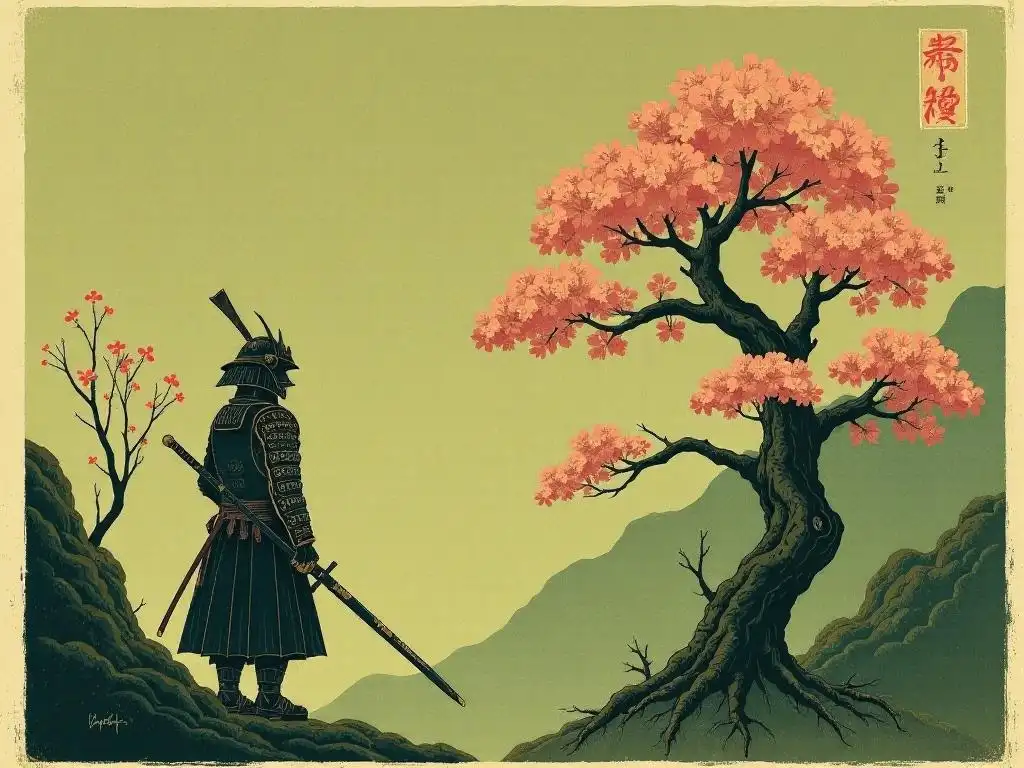
Welcome to Feudal Japan History, where we embark on a fascinating journey through the intricate tapestry of Japan’s feudal era. Here, you'll uncover the profound evolution of samurai ethics and evolution, delving into the principles that shaped one of history's most revered warrior classes. What drove these noble figures to embody such unwavering loyalty and honor?
Join us as we unravel the threads of Bushido through the ages, revealing the philosophical underpinnings that defined a culture. Prepare to be captivated as you explore the depths of religion and philosophy that influenced not only the samurai but the very fabric of society in feudal Japan. Your adventure awaits!
- Introduction to Samurai Ethics and Evolution
- Historical Context of Samurai Ethics
- The Evolution of Samurai Ethics Through the Ages
- Key Features of Samurai Ethics
- Influences on the Evolution of Samurai Ethics
- Comparisons of Samurai Ethics Across Different Eras
- The Legacy of Samurai Ethics in Modern Japan
- Conclusion: The Enduring Legacy of Samurai Ethics and Evolution
- References
- Frequently Asked Questions
- Final Reflection: The Enduring Legacy of Samurai Ethics
- Embrace the Spirit of Bushido Today!
Introduction to Samurai Ethics and Evolution
The concept of samurai ethics is an integral part of understanding Japan's rich feudal history. Emerging from a complex interplay of cultural, religious, and philosophical influences, samurai ethics—often embodied in the code of Bushido—shaped the conduct and societal roles of the samurai class throughout various eras. As we delve into the evolution of these ethical principles, we uncover not only the values and virtues that defined the samurai but also their profound impact on Japanese society at large. This exploration will reveal how samurai ethics have transcended time, influencing modern interpretations of honor, loyalty, and duty.
Overview of Bushido and Its Importance in Feudal Japan
Bushido, translating to "the way of the warrior," served as the moral framework for samurai conduct during the feudal period of Japan. This code encompassed a range of principles, including:
- Loyalty: A samurai’s unwavering allegiance to their lord was paramount, often dictating their actions and choices.
- Honor: Upholding personal and family honor was essential, leading many samurai to choose death over disgrace.
- Courage: The valor to face adversities with strength and determination was highly esteemed.
- Compassion: Despite their warrior status, samurai were expected to show mercy and benevolence.
Bushido was not merely a set of rules; it was a lifestyle that influenced everything from governance to interpersonal relationships in feudal Japan. It fostered a sense of community and duty, binding the samurai to their lords and the populace. As a reflection of the samurai’s identity, Bushido also inspired various art forms and cultural practices, leaving an indelible mark on Japan’s heritage.
Key Concepts of Samurai Ethics
Samurai ethics, while often associated with the rigid code of Bushido, encompass a broader spectrum of values that evolved over time. Key concepts include:
- Integrity: The belief that a samurai should always act with honesty and uphold their word.
- Respect: Acknowledging the worth of others, which was vital for maintaining harmony within the feudal hierarchy.
- Self-Discipline: A commitment to personal growth and mastery of combat skills, reflecting the samurai’s dedication to their craft.
- Ritual and Ceremony: The importance of rituals, such as tea ceremonies and martial arts practices, which instilled a sense of purpose and tradition.
By examining these concepts, we can appreciate how samurai ethics not only guided individual behavior but also shaped the collective identity of the samurai class. This ethical evolution highlights the adaptability of Bushido, making it relevant across different historical contexts and resonant with contemporary values.
Historical Context of Samurai Ethics
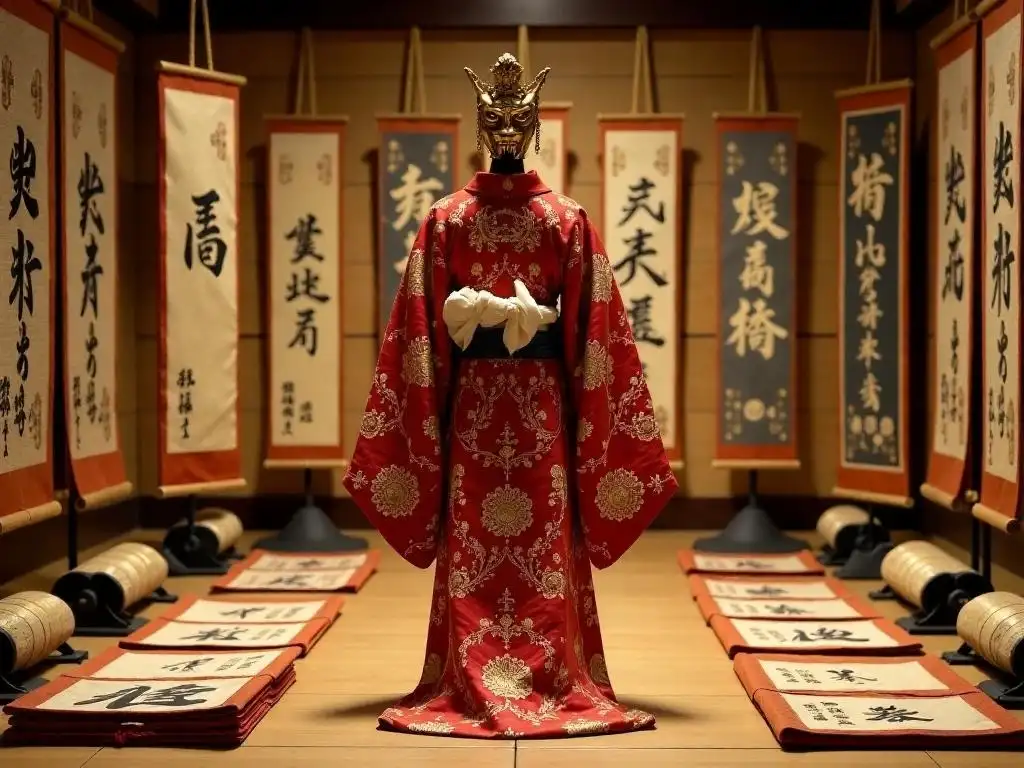
The historical context of samurai ethics is deeply intertwined with the evolution of Japanese society and its value systems during the feudal era. Understanding this context is essential for grasping how samurai ethics—often encapsulated in the term "Bushido"—developed and adapted over the centuries. The samurai class, originally warriors serving nobility, became central figures in shaping Japan's ethical landscape, influenced by religious beliefs, cultural practices, and social hierarchies.
The Origins of Samurai Ethics in Early Japan
The origins of samurai ethics can be traced back to the Heian period (794-1185), when the samurai first emerged as a distinct warrior class. Initially, samurai were not bound by a strict code of conduct; their primary focus was on martial prowess and loyalty to their lords. However, as feudalism solidified, a more defined ethical framework began to take shape.
- Loyalty and Honor: The core tenets of samurai ethics revolved around loyalty to one's lord and the importance of personal honor. This loyalty was often enforced through a sense of duty that transcended personal desires, leading to the famous samurai practice of seppuku (ritual suicide) as a means to restore honor.
- Military Virtues: Early samurai were influenced by the bushi warrior culture, which emphasized bravery, skill in battle, and discipline. These virtues became essential components of samurai ethics, shaping their identity as defenders of the realm.
- Transition to Governance: As the samurai gained political power, their ethical principles began to evolve. The need for governance and administration brought forth a more nuanced understanding of justice and morality, paving the way for the codification of samurai ethics that would follow.
Influence of Buddhism and Shinto on Samurai Values
The integration of Buddhist and Shinto beliefs played a significant role in shaping samurai ethics throughout the feudal period. These religious traditions contributed to the moral framework that guided samurai behavior and decision-making.
- Buddhism's Impact: Zen Buddhism, in particular, offered samurai a path to self-discipline and mindfulness. The practice of meditation fostered a sense of inner peace and clarity, which was crucial in high-stress combat situations. Concepts like impermanence and detachment also resonated with the samurai, reinforcing their acceptance of death as an inevitable part of life.
- Shinto Beliefs: As the indigenous spirituality of Japan, Shinto emphasized harmony with nature, ancestor worship, and purity. Samurai ethics incorporated these elements, promoting respect for the natural world and the importance of maintaining a spiritual connection to one's lineage and homeland.
- Ethical Synthesis: The convergence of these two religious traditions led to a rich ethical tapestry. Samurai ethics became a synthesis of martial virtues, loyalty, and the philosophical teachings of Buddhism and Shinto, resulting in a unique moral code that guided samurai conduct.
The Role of the Samurai Class in Feudal Society
The samurai class held a privileged position in feudal Japanese society, which significantly influenced their ethical standards and societal responsibilities.
- Warriors and Administrators: Initially regarded solely as warriors, samurai evolved into administrators and landholders, gaining responsibilities that extended beyond the battlefield. This dual role necessitated a broader ethical perspective that encompassed governance, justice, and the welfare of the peasantry.
- Cultural Custodians: Samurai were not only warriors but also cultural custodians, preserving and promoting artistic and intellectual traditions. Their patronage of the arts, literature, and philosophy contributed to a cultural renaissance that further enriched samurai ethics.
- Social Structure and Ethics: The rigid social hierarchy of feudal Japan meant that samurai ethics also reflected their obligations to both their superiors and inferiors. This hierarchical structure reinforced the values of respect, duty, and reciprocity, forming the backbone of samurai conduct and their interactions with other social classes.
The historical context of samurai ethics reveals a complex interplay of origins, religious influences, and societal roles. This rich tapestry of values not only shaped the samurai's individual identities but also had a profound impact on Japanese culture and history as a whole. Understanding these elements is essential for a comprehensive exploration of samurai ethics and their evolution throughout the ages.
The Evolution of Samurai Ethics Through the Ages
The Kamakura Period: Formation of Bushido Principles
The Kamakura Period (1185-1333) marked a crucial turning point in the evolution of samurai ethics, as it was during this time that the foundations of Bushido began to take shape. With the establishment of the Kamakura Shogunate, the samurai class transitioned from mere warriors to a distinct social class wielding political power. This period saw the emergence of a code that defined the samurai's conduct, emphasizing loyalty, honor, and discipline.
At the heart of this ethical framework was the concept of loyalty (忠義, chūgi), which dictated that samurai serve their lords with unwavering fidelity. This loyalty was not merely a social expectation; it was viewed as a spiritual commitment. The notion of giri, or duty, became central to samurai culture, intertwining personal honor with obligations to one's lord and family.
Additionally, the Kamakura Period witnessed the influence of Zen Buddhism on samurai ethics. The principles of Zen, including mindfulness and self-discipline, encouraged samurai to cultivate inner peace and resilience. This spiritual dimension added depth to the emerging code, supporting the idea that ethical conduct stemmed from both external obligations and internal self-mastery.
The Kamakura Period laid the groundwork for samurai ethics, combining loyalty to one's lord, a strong sense of duty, and the spiritual insights of Zen Buddhism. These elements would continue to evolve and influence samurai ideals in the subsequent periods.
The Muromachi Period: Adaptation and Change in Samurai Ideals
The Muromachi Period (1336-1573) brought about significant changes in samurai ethics, reflecting the turbulent socio-political landscape of the time. As Japan faced internal conflicts, including the Onin War (1467-1477), samurai ethics began to adapt to the realities of warfare and shifting allegiances.
During this period, the concept of honor (名誉, meiyo) became increasingly prominent. Samurai were expected to uphold their reputation not only through martial prowess but also through their behavior in social and political spheres. This emphasis on honor led to the development of new codes of conduct that prioritized personal valor and the reputation of the samurai class as a whole.
Furthermore, the Muromachi Period saw the rise of the tea ceremony and other cultural practices that emphasized aesthetics and refinement. This cultural shift influenced samurai ethics, as it encouraged a balance between martial skills and cultural sophistication. The samurai began to see themselves not only as warriors but also as patrons of the arts, integrating values of beauty and grace into their ethical framework.
The introduction of Noh theater and other art forms during this era also contributed to the evolution of samurai ethics. The themes of loyalty, sacrifice, and the transient nature of life resonated with samurai, further deepening their understanding of honor and duty.
In essence, the Muromachi Period was marked by a dynamic adaptation of samurai ethics, where the ideals of honor and cultural sophistication evolved in response to the complexities of an ever-changing society.
The Edo Period: Codification of Samurai Ethics
The Edo Period (1603-1868) represents a time of relative peace and stability in Japan, leading to the codification of samurai ethics into a more formalized system. During this era, the samurai class solidified its role as both military leaders and bureaucrats, necessitating a coherent ethical framework that could guide their conduct in governance and social interactions.
The Confucian philosophy became a dominant influence during the Edo Period, promoting values such as loyalty, filial piety, and righteousness. These teachings resonated with the samurai's traditional values, leading to a synthesis that further refined the bushido code. Samurai were now expected to embody not only the martial virtues of bravery and skill but also the moral virtues of wisdom and benevolence.
Furthermore, the concept of self-discipline (修養, shuyō) gained prominence. Samurai were encouraged to engage in lifelong learning and self-improvement, both in martial arts and moral philosophy. This dedication to personal development reinforced the idea that samurai ethics were not static but rather a dynamic pursuit of excellence.
The formalization of bushido during this period led to the creation of numerous texts and treatises that outlined the principles of samurai conduct. Prominent works, such as Hagakure and Bushido: The Soul of Japan, codified the virtues expected of samurai and served as guides for future generations.
The Edo Period was pivotal in the evolution of samurai ethics, as it transitioned from a fluid set of ideals to a structured code influenced by Confucianism and a commitment to self-discipline. This codification not only shaped the samurai's identity but also left a lasting legacy on Japanese culture and ethics.
Key Features of Samurai Ethics

The samurai, Japan's warrior class, epitomized a complex code of ethics known as Bushido, which guided their behavior and interactions. This code, evolving over centuries, emphasized several key features that defined samurai ethics, encapsulating a blend of martial prowess, moral integrity, and social responsibility. Understanding these features helps illuminate the profound impact of samurai ethics on Japanese culture and society.
Honor and Loyalty as Core Samurai Values
At the heart of samurai ethics lies the principle of honor (名誉, meiyo) and loyalty (忠義, chūgi). Honor dictated that a samurai's reputation was paramount; it was not just about personal pride but also about the legacy left for future generations. A samurai was expected to uphold their family's name and the values of their lord, often placing their life on the line to defend it.
- Loyalty:
- Loyalty to one's lord (daimyō) was non-negotiable. The relationship between a samurai and their lord was akin to that of a child to a parent, where loyalty was a sacred obligation.
- Seppuku, an honorable form of ritual suicide, was often performed by samurai to restore honor after a failure or disgrace, illustrating the extreme measures taken to maintain their ethical standards.
- Honor:
- The concept of “saving face” was central, as a samurai's honor could be tarnished by shameful actions, not only affecting them but also their family and clan.
- Acts of bravery and self-sacrifice were celebrated, enhancing a samurai’s honor and, by extension, their family's status.
This unwavering commitment to honor and loyalty formed the backbone of the samurai ethos, reinforcing their societal roles as protectors of the realm and exemplars of virtue.
The Role of Courage and Discipline in Samurai Life
Courage (勇気, yūki) and discipline (規律, kiritsu) were indispensable traits within the samurai's ethical framework. These qualities were cultivated through rigorous training and a deep understanding of their responsibilities.
- Courage:
- The samurai were taught to face danger without fear, embodying the spirit of bravery in battle. This courage was not merely physical; it extended to moral courage, where samurai would stand up for justice and protect the weak, even against overwhelming odds.
- Historical texts, such as The Art of War by Sun Tzu, influenced samurai philosophy, emphasizing the importance of strategic courage in conflict.
- Discipline:
- Rigorous training regimes in martial arts, archery, and horseback riding cultivated discipline. This was essential not only for combat effectiveness but also for personal development and spiritual growth.
- Discipline also encompassed adherence to the rituals and protocols of daily life, reflecting the samurai's commitment to their code and the respect for their peers and superiors.
As such, courage and discipline were not just personal attributes but were integral to the very identity of the samurai, underpinning their actions both on and off the battlefield.
Compassion and Benevolence: The Human Side of Samurai Ethics
While the samurai are often revered for their martial skills and strict codes, an essential aspect of samurai ethics is the emphasis on compassion (慈悲, jihi) and benevolence (恩恵, onkei). This facet of their character highlights the balance between warrior spirit and humane values.
- Compassion:
- Compassion was not seen as weakness; rather, it was considered a strength that distinguished a true warrior. Samurai were expected to protect the defenseless and act with kindness towards those in need, fostering a sense of community.
- This aspect of ethics was influenced by Buddhist teachings, which advocated for compassion towards all living beings, further enriching the samurai's moral framework.
- Benevolence:
- Acts of benevolence could manifest in various forms, from providing aid during natural disasters to supporting the arts and culture. Samurai often became patrons of artists, poets, and scholars, recognizing the importance of intellectual and cultural development.
- The notion of “bushi no nasake” (武士の情け), or the compassion of the warrior, underscores this commitment to benevolence, ensuring that the samurai were not merely warriors but also guardians of societal welfare.
The ethical principles of compassion and benevolence served to humanize the samurai, demonstrating that their duties extended beyond the battlefield. This holistic view of samurai ethics reflects a complex interplay of strength, honor, and humanity that has left a lasting legacy in Japanese culture.
Influences on the Evolution of Samurai Ethics

Impact of Warfare and Political Changes on Samurai Ideals
The evolution of samurai ethics is deeply intertwined with the shifting landscapes of warfare and political dynamics throughout Japan's feudal era. During periods of intense conflict, such as the Genpei War (1180-1185), the values and principles that guided the samurai were heavily influenced by the necessity of survival and the need to adapt to changing power structures.
- Feudal Loyalty: The rise of the feudal system in Japan led to a strong emphasis on loyalty to one's lord, or daimyo. This loyalty was not merely a matter of duty but was deeply tied to the samurai's identity. The obligation to serve and protect one's lord often superseded personal ethics, leading to a complex interplay between individual morals and the expectations of feudal society.
- Bushido Code Development: As warfare evolved from individual combat to organized battles, samurai began codifying their ethics into what would eventually become the Bushido code. This code emphasized values such as honor, bravery, and self-discipline, which were essential in the chaotic environment of feudal warfare. The notion of "dying with honor" became a critical aspect of samurai ethics, reinforcing the importance of reputation and legacy.
- Political Shifts: The unification of Japan under figures such as Oda Nobunaga and Tokugawa Ieyasu led to significant changes in the samurai's role. As peace was established, the focus shifted from martial prowess to governance and administration. This transition prompted a reevaluation of samurai ethics, incorporating elements of Confucianism that emphasized moral integrity and governance, thus evolving the ethical framework that guided samurai conduct.
Cultural Exchanges and Their Effects on Samurai Ethics
Cultural exchanges during the feudal period significantly influenced samurai ethics, as interactions with foreign philosophies and practices introduced new ideas that reshaped traditional values.
- Buddhism and Zen Philosophy: The introduction of Buddhism, particularly Zen, provided samurai with a framework for introspection and mental discipline. Zen teachings emphasized mindfulness and the acceptance of impermanence, which resonated deeply with the samurai's understanding of life and death. This philosophical approach encouraged a more profound sense of inner peace and ethical clarity, which complemented the martial ethos of the samurai.
- Confucianism's Role: The adoption of Confucian principles during the Tokugawa shogunate reinforced ideas of loyalty, filial piety, and proper conduct in both personal and public life. Confucian ethics advocated for the cultivation of virtue and the importance of relationships, which integrated seamlessly into the samurai's code, enhancing their moral obligations towards family and society.
- Western Influences: The arrival of Western ideologies during the late feudal period introduced new concepts of individualism and rational thought. As samurai were exposed to these ideas, their ethical framework began to evolve, leading to a more nuanced understanding of personal honor and duty. This synthesis of Western thought with traditional samurai ethics created a dynamic dialogue that further enriched their moral landscape.
The Influence of Literature and Art on Samurai Morality
Literature and art played a pivotal role in shaping samurai ethics, as these mediums were used to express and disseminate the values that defined the samurai's ethical framework.
- Epic Literature: Works such as The Tale of the Heike and The Tale of the Genji provided narratives that illustrated the virtues and vices of samurai life. These stories not only entertained but also served as moral lessons, emphasizing the importance of honor, loyalty, and the consequences of failing to uphold these values. Through these narratives, samurai ethics were reinforced and perpetuated across generations.
- Noh and Kabuki Theatre: The development of Noh and Kabuki theatre during the Edo period further propagated samurai ideals. These art forms often featured samurai characters who embodied the virtues of bravery and honor while also exploring the complexities of human emotion and ethical dilemmas. This artistic representation allowed samurai to reflect on their own values and the societal expectations placed upon them.
- Visual Arts: Samurai culture was also influenced by visual arts, including painting and calligraphy. The aesthetics of simplicity and elegance in these forms often mirrored the samurai's ethical ideals, portraying themes of nature, transience, and the beauty of imperfection. The appreciation of these art forms encouraged a deeper understanding of the samurai's place in the world and the moral responsibilities that came with it.
The evolution of samurai ethics is a multifaceted process influenced by warfare, political shifts, cultural exchanges, and the arts. Each of these elements contributed to a rich tapestry of values that defined the samurai's ethical framework, illustrating the complexity and depth of their moral landscape throughout Japan's feudal era.
Comparisons of Samurai Ethics Across Different Eras
The evolution of samurai ethics, or bushido, is a reflection of Japan's broader historical and cultural changes. By examining the differences between early and late samurai ethics, exploring regional variations, and understanding the influence of Confucianism, we can gain a comprehensive view of how these values shaped the samurai's role in society.
Differences Between Early and Late Samurai Ethics
Early samurai ethics were characterized by a warrior's loyalty, honor, and martial prowess. During the Heian period (794-1185), samurai were primarily engaged in military service and their ethical code revolved around battlefield valor and loyalty to their lords. The concept of giri (duty) was paramount, often requiring samurai to prioritize their loyalty over personal interests.
Key Aspects of Early Samurai Ethics:
- Loyalty: The samurai's unwavering allegiance to their lord was a defining characteristic.
- Courage: Valor in combat was not only respected but expected.
- Honor: A samurai's reputation was built on their ethical conduct in both life and death.
As Japan transitioned into the Edo period (1603-1868), samurai ethics began to evolve. The peace established by the Tokugawa shogunate shifted the samurai's role from warriors to bureaucrats and administrators. Consequently, ethical principles began to incorporate more philosophical and intellectual aspects.
Key Aspects of Late Samurai Ethics:
- Education: The late samurai were often literate and engaged in arts and philosophy.
- Moral Integrity: Emphasis was placed on ethical behavior in governance and personal conduct.
- Confucian Influence: The late samurai adopted Confucian ideals, which emphasized hierarchy, duty, and morality.
This transition highlights how samurai ethics evolved from a focus on martial skills to a more nuanced ethical framework that included governance and moral philosophy.
Regional Variations in Samurai Values and Practices
Samurai ethics were not monolithic; they varied significantly across different regions of Japan, influenced by local customs, social structures, and historical contexts.
- Kanto Region (e.g., Kamakura): Here, samurai ethics often emphasized militaristic values due to the region's role in feudal conflicts. Loyalty to the shogunate was particularly strong, reflecting the area's turbulent history.
- Kyushu Region: In contrast, samurai in Kyushu were influenced by trade and cultural exchange with foreign entities. This exposure led to a more cosmopolitan outlook on ethics, blending traditional samurai values with those of merchant classes.
- Hokkaido: The Ainu people, indigenous to this region, interacted with samurai in unique ways, leading to a blend of values that respected both samurai warfare ethics and Ainu communal practices.
Understanding these regional variations contributes to a nuanced view of how samurai ethics were adapted to local contexts, demonstrating the flexibility and depth of bushido.
The Influence of Confucianism on Samurai Ethics
Confucianism played a significant role in shaping the ethical framework of the samurai, particularly during the Edo period. As Japan engaged more with Chinese philosophy, Confucian ideals began to permeate the samurai code, emphasizing a moral and ethical approach to leadership and governance.
Key Confucian Concepts Influencing Samurai Ethics:
- Filial Piety: This principle underscored the importance of family loyalty, which paralleled samurai loyalty to their lords.
- Hierarchy: The Confucian emphasis on social order and hierarchy resonated with the samurai class structure, reinforcing the importance of duty to one’s superiors.
- Moral Governance: Samurai began to see themselves not just as warriors but as moral leaders, responsible for the welfare of the people, aligning with Confucian ideals of benevolent governance.
The integration of Confucianism into bushido created a richer ethical framework, allowing samurai to navigate their dual roles as warriors and administrators while maintaining their core values of honor and loyalty.
The evolution of samurai ethics reflects a dynamic interplay of historical context, regional influences, and philosophical thought, highlighting the complexity of bushido as it adapted through the ages.
The Legacy of Samurai Ethics in Modern Japan

The legacy of samurai ethics, deeply rooted in the principles of Bushido, continues to resonate within modern Japanese society. The ethical framework established by the samurai—encompassing virtues such as loyalty, honor, courage, and self-discipline—has shaped various aspects of contemporary life, from business practices to personal conduct.
How Samurai Ethics Influence Contemporary Japanese Society
In today's Japan, the influence of samurai ethics can be observed in various societal domains:
- Business Culture:
- Loyalty and Commitment: The samurai’s unwavering loyalty translates into a strong corporate culture, where employees often show long-term commitment to their companies. This is reflected in Japan's practice of lifetime employment, fostering loyalty between employer and employee.
- Group Harmony: The samurai code emphasizes collective well-being over individual desires. This ethos is evident in the Japanese workplace, where harmony and teamwork are prioritized, and decision-making often involves consensus rather than unilateral directives.
- Education and Personal Conduct:
- Discipline and Resilience: Modern educational systems in Japan instill values of discipline and perseverance, reminiscent of samurai training. Students are taught to work hard, respect their teachers, and strive for excellence.
- Moral Integrity: The samurai’s commitment to honor has evolved into a broader societal expectation of integrity and ethical behavior in both public and private life. This is reflected in the importance placed on social responsibility and community service.
- Traditional Arts and Practices:
- Cultural Preservation: Many traditional Japanese arts, such as tea ceremony (茶道, sadō) and calligraphy (書道, shodō), embody samurai ethics through their emphasis on mindfulness, respect, and mastery. Practitioners often draw inspiration from the samurai's pursuit of perfection in their craft.
The Relevance of Bushido in Modern Martial Arts
Bushido, the way of the warrior, remains a significant influence in contemporary martial arts practices in Japan and beyond. The ethical teachings of the samurai serve as guiding principles for martial artists, emphasizing not only physical prowess but also moral character.
- Dojo Ethos: In martial arts schools (道場, dōjō), students are taught to respect their instructors and fellow practitioners, mirroring the samurai’s respect for hierarchy and camaraderie. The dojo often promotes values like humility, discipline, and community service.
- Budo Philosophy: The term "budo" (武道), meaning "the way of the warrior," encapsulates the martial arts philosophy that emphasizes personal growth and self-discipline. Practitioners are encouraged to cultivate a strong ethical foundation, reflecting the samurai's pursuit of virtue.
Samurai Ethics in Popular Culture: Films, Literature, and Media
The portrayal of samurai ethics in popular culture has helped preserve and popularize these values beyond Japan. Films, literature, and other media often romanticize the samurai's code of ethics, creating a lasting impact on global perceptions of morality and honor.
- Cinema: Iconic films such as Akira Kurosawa’s "Seven Samurai" and "Yojimbo" showcase samurai ideals, depicting themes of loyalty, sacrifice, and the struggle between good and evil. These narratives continue to influence filmmakers worldwide, echoing the samurai’s ethical dilemmas and heroic journeys.
- Literature: Modern authors often reference samurai ethics in their works, exploring themes of honor, sacrifice, and moral integrity. Novels such as "Musashi" by Eiji Yoshikawa delve into the life of a samurai, reflecting on the complexities of Bushido in both historical and philosophical contexts.
- Video Games and Anime: The influence of samurai ethics extends to contemporary video games and anime, where characters often embody virtues associated with the samurai. Titles like "Ghost of Tsushima" offer players a chance to engage with samurai culture, providing an interactive exploration of their ethical landscape.
The legacy of samurai ethics is not only a relic of the past but a living, evolving influence that shapes modern Japanese society. From business practices to martial arts and popular culture, the principles of Bushido continue to inspire and guide individuals in their pursuit of honor and virtue.
Conclusion: The Enduring Legacy of Samurai Ethics and Evolution

The legacy of samurai ethics, encapsulated in the concept of Bushido, continues to resonate through Japanese culture and beyond. This set of principles—emphasizing loyalty, honor, courage, and self-discipline—has evolved over centuries, adapting to the changing socio-political landscape of Japan. The samurai's moral framework not only shaped the warrior class but also left a profound impact on societal values, influencing various aspects of Japanese life, including art, literature, and modern martial arts.
As we navigate through the annals of history, it's clear that the essence of samurai ethics, while rooted in the past, offers valuable lessons for contemporary society. The principles of Bushido encourage a sense of responsibility, respect for others, and the pursuit of excellence—qualities that are universally appreciated and sought after across cultures.
Summary of Key Points on Samurai Ethics
- Origins and Development: Samurai ethics, primarily governed by Bushido, emerged during the Kamakura period (1185-1333) and underwent significant transformations influenced by Zen Buddhism, Confucianism, and Shintoism.
- Core Tenets: The fundamental values of Bushido—loyalty, honor, courage, benevolence, and self-discipline—played critical roles in shaping the identity and behavior of samurai warriors.
- Influence on Society: The samurai code extended its reach beyond the battlefield, impacting the arts, governance, and social hierarchies. It instilled a sense of duty and ethical conduct that permeated various levels of society.
- Modern Interpretations: In contemporary times, the principles of samurai ethics have been reinterpreted and integrated into various fields, such as business ethics, personal development, and martial arts training, illustrating their ongoing relevance.
- Cultural Significance: The legacy of samurai ethics remains a cornerstone of Japanese culture, influencing national identity, traditions, and even global perceptions of Japan.
The Future of Samurai Ethics in Global Context
As the world becomes increasingly interconnected, the principles of samurai ethics may find new applications in diverse contexts. The emphasis on honor and integrity resonates with global movements advocating for ethical leadership and corporate responsibility. Countries facing moral dilemmas may draw from the samurai ethos to foster a culture of accountability and service.
Moreover, the rise of mindfulness and self-discipline practices in the West parallels the samurai's dedication to personal development. As people seek balance and purpose in their lives, the teachings of Bushido can provide a framework for cultivating resilience and character.
In the realm of martial arts, the philosophy behind samurai ethics continues to inspire practitioners worldwide. Traditional martial arts schools often integrate these ethical teachings into their training, emphasizing respect, humility, and the warrior spirit.
As we look to the future, the evolution of samurai ethics provides a rich tapestry of insights that can inform our understanding of ethical behavior, leadership, and personal growth. The enduring legacy of these principles suggests that while the context may change, the core values of Bushido remain relevant, offering guidance for generations to come.
References
In exploring the intricate tapestry of samurai ethics and the evolution of Bushido, a variety of sources provide valuable insights. These references encompass historical texts, scholarly articles, and interpretations that have shaped our understanding of the samurai's moral code throughout the ages.
Suggested Readings on Samurai Ethics and Evolution
-
"Hagakure: The Book of the Samurai" by Yamamoto Tsunetomo
This classic text offers a profound exploration of samurai ethics and the philosophy underpinning Bushido during the Edo period. It serves as a guide to the samurai way of life, emphasizing loyalty, honor, and self-discipline.
-
"Bushido: The Soul of Japan" by Inazo Nitobe
Nitobe’s work is an essential read for understanding how samurai ethics influenced modern Japanese culture and identity. It provides a comparative analysis of Bushido with Western chivalric values, highlighting the evolution of these ethical frameworks.
-
"The Book of Five Rings" by Miyamoto Musashi
Musashi's treatise on strategy, tactics, and philosophy delves into the mindset of a warrior. It illustrates the practical application of samurai ethics in martial arts while reflecting on the broader implications for personal development.
-
"Samurai Ethics: The Code of the Warrior" by William Scott Wilson
This book synthesizes various historical perspectives on samurai ethics, providing a comprehensive overview of how samurai values have evolved from the feudal era to contemporary society.
-
"The Unfettered Mind: Writings of the Zen Master to the Shogun" by Takuan Soho
Takuan Soho’s letters and essays articulate the connection between Zen Buddhism and samurai ethics, emphasizing the importance of mental clarity and emotional restraint in the life of a warrior.
Key Historical Texts on Bushido and Samurai Values
| Text | Author | Significance |
|---|---|---|
| Hagakure | Yamamoto Tsunetomo | Offers insights into the samurai's inner thoughts and the importance of loyalty and honor. |
| The Book of Five Rings | Miyamoto Musashi | A practical manual on strategy that intertwines martial arts with philosophical reflections on life and combat. |
| Bushido: The Soul of Japan | Inazo Nitobe | Discusses the historical context and moral framework of Bushido, positioning samurai ethics within broader cultural narratives. |
| The Unfettered Mind | Takuan Soho | Explores the relationship between Zen teachings and samurai ethics, focusing on the mental discipline required for a warrior's path. |
| The Tale of the Heike | Unknown | An epic chronicle that highlights the virtues and vices of samurai during the Genpei War, illustrating the societal values that shaped samurai conduct. |
The study of these texts not only illuminates the principles of samurai ethics but also reveals how these values adapted over time, influenced by changing political landscapes, cultural exchanges, and philosophical developments. By engaging with these readings, one can gain a deeper understanding of the evolution of samurai ethics and the enduring legacy of Bushido in contemporary Japan.
Frequently Asked Questions
What is Bushido?
Bushido is the code of conduct that guided the samurai class in feudal Japan, emphasizing virtues such as loyalty, honor, and courage.
How did samurai ethics evolve over time?
The evolution of samurai ethics reflects changes in societal values and political structures, transitioning from a focus on military prowess to ideals of peace and governance during the Edo period.
What role did Zen Buddhism play in samurai ethics?
Zen Buddhism significantly influenced samurai ethics by promoting self-discipline, mindfulness, and a sense of inner peace, which complemented the martial aspects of their code.
Are there modern interpretations of samurai ethics?
Yes, modern interpretations of samurai ethics continue to resonate in contemporary Japanese culture, often emphasizing principles like integrity and responsibility in both personal and professional life.
How is Bushido relevant today?
Bushido's principles remain relevant today as they inspire personal development, foster a sense of community, and encourage ethical behavior in various fields beyond martial arts.
Final Reflection: The Enduring Legacy of Samurai Ethics
The evolution of samurai ethics is not merely a historical narrative; it is a profound testament to the values that continue to shape our modern world. In an age where integrity, honor, and discipline are often overshadowed by fleeting trends and superficial values, the principles of bushido remind us of the timeless importance of ethical conduct. The samurai's commitment to their code serves as a powerful reminder that true strength lies not just in physical prowess, but in the unwavering adherence to one's principles.
Culture and society are deeply influenced by the ethical frameworks we adopt, and the legacy of samurai ethics is a prime example of this dynamic. The samurai's journey through the ages illustrates how these values have adapted yet remained steadfast, influencing not only Japanese culture but also resonating globally. The ultimate aim of the samurai is to serve and protect, embodying virtues that transcend time and geography.
This observation highlights how the essence of bushido continues to inspire individuals seeking purpose and direction in their lives, fostering a sense of responsibility and honor in the face of modern challenges.
As we reflect on the lessons of samurai ethics, let us embrace the call to integrate these timeless values into our daily lives. Consider how you can embody the principles of honor, loyalty, and courage in your own journey. Whether in personal relationships, professional endeavors, or community involvement, the spirit of bushido can guide us toward a more meaningful existence. Take a moment to ponder how you can cultivate these virtues, and in doing so, contribute to a world that values integrity and ethical conduct as much as the samurai did centuries ago.
Embrace the Spirit of Bushido Today!
Thank you for diving into the rich tapestry of Bushido and the remarkable evolution of Samurai ethics! You've uncovered key insights that not only celebrate this noble tradition but also inspire modern values. Now, let’s take what you’ve learned and transform it into meaningful action.
- Explore a local historical site or museum that highlights Samurai culture and ethics to deepen your understanding.
- Join a martial arts class that emphasizes the philosophy of discipline and respect, allowing you to apply the principles of Bushido in your daily life.
- Share your newfound knowledge with friends or on social media— encourage others to connect with this powerful legacy!
Which aspect of Bushido are you most excited to incorporate into your life?