
The Cultural Significance of Class Differences in Feudal Japan's Literature

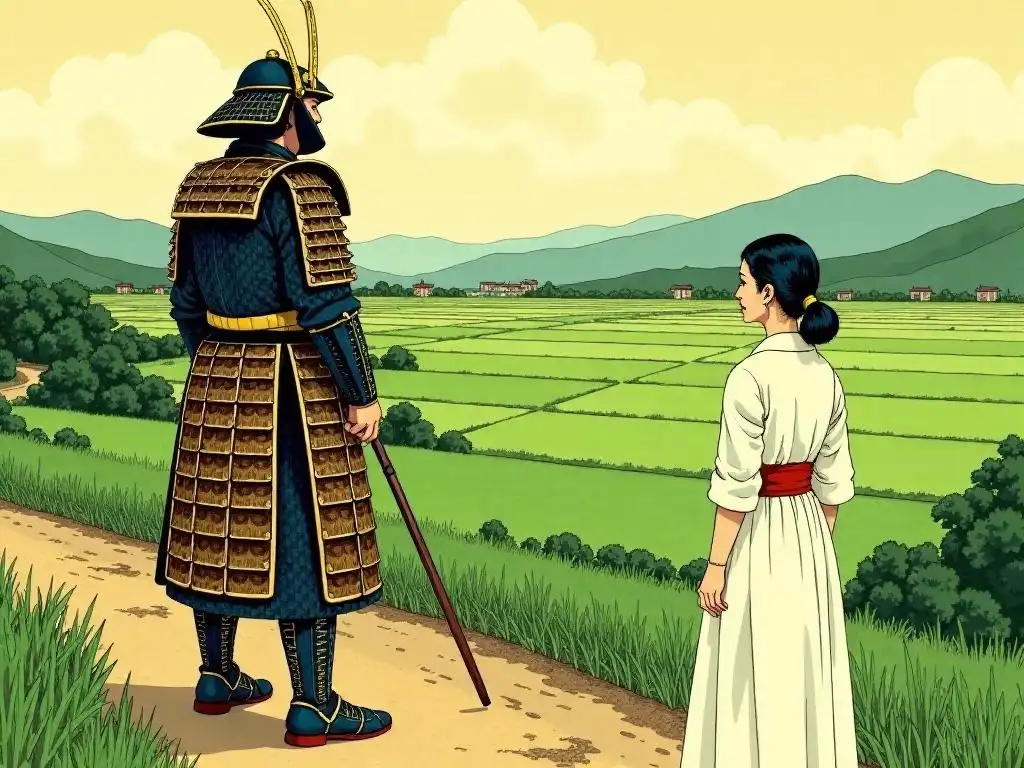
Welcome to Feudal Japan History, where we invite you to embark on a fascinating journey through the intricate tapestry of Japan’s feudal era. In our featured article, "The Cultural Significance of Class Differences in Feudal Japan's Literature," we delve into the profound impact that societal hierarchies had on artistic expression and literary works during this transformative period. What stories lie hidden within the pages of history, waiting to reveal the struggles and triumphs shaped by class distinctions?
Join us as we uncover the layers of culture, power, and identity that defined a nation, and discover how these class differences continue to resonate in today’s world. Your exploration begins here!
Understanding the cultural significance of class differences in feudal Japan's literature reveals a complex tapestry of societal roles and values that shaped the nation's history. During the feudal era, which spanned from the 12th to the 19th centuries, Japan was characterized by a rigid class structure that influenced not only the daily lives of its people but also the art and literature that emerged during this time.
The literature of feudal Japan serves as a vital lens through which we can explore the intricate relationships between the different social classes, such as the samurai, peasants, artisans, and merchants. By examining the narratives, themes, and characterizations present in literature from this period, we can gain a deeper understanding of how class differences were perceived and portrayed, and how they affected the cultural fabric of Japanese society.
Introduction to Class Differences in Feudal Japan
Overview of Feudal Japan's Social Hierarchy
Feudal Japan was organized into a distinct social hierarchy that defined the roles and responsibilities of its inhabitants. At the top of this hierarchy were the samurai, who served as military nobility and were bound by a strict code of conduct known as bushido. Below them were the peasants, primarily farmers who formed the backbone of the agrarian economy. Their labor was essential for sustaining the population, yet they often faced hardships and were subject to the demands of their feudal lords.
Artisans and merchants occupied the lower tiers of the social structure. While artisans were respected for their craftsmanship, merchants were often viewed with suspicion due to their focus on profit, which contrasted sharply with the samurai's emphasis on honor and loyalty. This stratified system not only dictated economic interactions but also influenced cultural expressions, including literature, where class distinctions were frequently highlighted.
Importance of Class in Japanese Literature
Class differences played a pivotal role in shaping Japanese literature during the feudal era. Writers often used their works to reflect and critique the social order of their time, embedding themes of class struggle and aspiration within their narratives. Literature served as a platform for expressing the values, challenges, and aspirations of various social classes, providing insight into the lived experiences of the people.
The portrayal of characters from different classes allowed authors to explore complex themes such as loyalty, honor, ambition, and resilience. Through allegory and storytelling, literature became a means to comment on the societal norms and expectations that governed feudal life, making it an essential component of Japan's cultural heritage.
The Class Structure of Feudal Japan
The Samurai Class: Warriors and Their Influence
The samurai were not just warriors; they were the ruling elite of feudal Japan and wielded considerable power. Their influence extended beyond the battlefield; they were also patrons of the arts, contributing to the development of literature, poetry, and theater. Works such as The Tale of the Heike and The Book of Five Rings exemplify the samurai's philosophical and cultural contributions, portraying their values and the struggles they faced during a time of political turmoil.
The Peasantry: Farmers as the Backbone of Society
Despite their lower social status, the peasantry played a crucial role in sustaining the economy. They were often depicted in literature as resilient figures, embodying the hardships of rural life while also demonstrating deep connections to nature and community. The Tale of Genji, for example, touches upon the lives of commoners, illustrating their significance in the broader narrative of feudal Japan.
The Role of Artisans and Merchants in Feudal Society
Artisans and merchants, while often marginalized in the literature of feudal Japan, were essential to the economy's functioning. Their contributions to craftsmanship and trade provided the goods necessary for societal development. However, literature often portrayed them with a degree of ambivalence, reflecting societal tensions regarding wealth accumulation and social mobility. The Merchant's Tale in various folktales highlights the intricate relationship between wealth and class, offering a nuanced view of their place in the feudal hierarchy.
The exploration of class differences in feudal Japan's literature reveals a rich and intricate social fabric, reflecting the values, struggles, and aspirations of its inhabitants. Understanding these dynamics is key to appreciating the cultural significance of this era and its literary contributions.
Literary Reflections of Class Differences
Literature in feudal Japan serves as a critical lens through which we can examine the intricate class structures that defined this era. From the noble courts to the struggling peasantry, literary works not only reflect societal hierarchies but also engage with the complexities of class differences. The narratives and characters in these texts often embody the struggles, aspirations, and grievances of their respective classes, providing insights into the cultural psyche of feudal Japan.
The portrayal of various classes in literature reveals much about the values and norms of the time. The samurai, for instance, are often depicted as the ideal warriors, embodying loyalty and honor. In contrast, the lower classes, such as peasants or merchants, might be portrayed in a more critical light, reflecting societal prejudices and the prevailing attitudes towards their roles in the feudal hierarchy. Through these literary reflections, we gain a deeper understanding of how class differences influenced not only personal identities but also community dynamics and governance.
Themes of Class Struggle in Feudal Literature

Class struggle emerges as a prominent theme in the literature of feudal Japan, often highlighting the tensions between the ruling elite and the lower classes. Works from this period frequently explore the discord arising from social inequality, illustrating the plight of those at the bottom of the hierarchy. Narratives may depict uprisings, dissent, and the harsh realities faced by peasants, thus shedding light on the pervasive discontent that simmered beneath the surface of the seemingly stable feudal order.
In addition, the theme of class struggle is often intertwined with concepts of loyalty and duty, particularly within the samurai class. Literature might reflect the samurai's obligations to their lords while simultaneously questioning the moral implications of their roles in perpetuating class oppression. This duality enriches the narrative landscape, allowing for a nuanced exploration of class relationships that resonates through the ages.
Representation of the Samurai in Japanese Literature
The samurai hold a central place in the literature of feudal Japan, often depicted as the embodiment of virtue, bravery, and loyalty. Their representation in various works serves to reinforce the ideals of bushido, the way of the warrior, which emphasized honor, duty, and self-discipline. However, this glorification of the samurai often overlooks the complexities of their lives and the societal expectations placed upon them.
Literary portrayals of samurai also reflect the tensions within their class. As Japan transitioned through various political landscapes, the samurai's role evolved, leading to internal conflicts and identity crises. Works that capture these nuances shed light on the pressures faced by samurai to uphold their status while grappling with personal desires and moral dilemmas. This multifaceted representation allows readers to appreciate the depth of character and the societal implications of samurai culture.
The Voice of the Peasantry: Literature of the Lower Classes
While samurai literature often dominates discussions of feudal Japan, the voices of the lower classes, particularly peasants, offer an essential counterpoint. Literature from the perspective of the peasantry reveals their struggles, dreams, and resilience, often portraying a stark contrast to the romanticized depictions of the samurai. These narratives serve as a crucial reminder of the everyday realities faced by the majority of the population.
Peasant literature frequently addresses themes of hardship, injustice, and the desire for social mobility. The stories highlight the impact of oppressive taxation, harsh labor conditions, and the struggle for survival in a rigid class structure. By giving voice to the lower classes, these works challenge the dominant narratives of the time, allowing for a richer understanding of the societal fabric in which feudal Japan was woven.
Case Studies of Notable Works
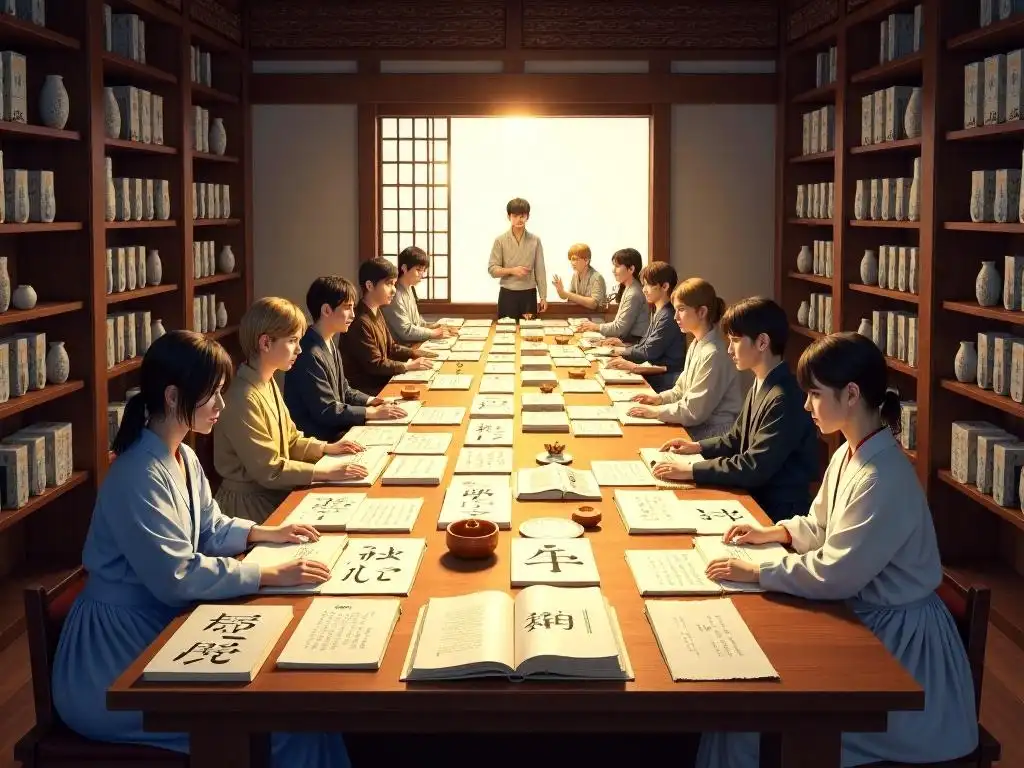
"The Tale of Genji": Class and Gender Dynamics
"The Tale of Genji," often regarded as the world's first novel, intricately weaves themes of class and gender within its narrative. The protagonist, Hikaru Genji, navigates the complexities of court life, where class distinctions play a crucial role in personal relationships and social standing. The novel explores the lives of women in the court, revealing the limited agency they possess due to their gender and class.
The interactions between Genji and women from various classes highlight the disparities in their experiences and expectations. For instance, while noblewomen engage in sophisticated courtly rituals, those of lower status face societal constraints and limited opportunities. This nuanced portrayal invites readers to reflect on how class and gender intersect, shaping the identities and destinies of individuals in feudal Japan.
"The Heike Monogatari": Warrior Ethos and Class Conflict
"The Heike Monogatari" serves as a powerful narrative of the rise and fall of the Taira clan, presenting a vivid account of the conflicts between the samurai classes. This epic not only chronicles the historical events of the Genpei War but also delves into the underlying class struggles that fuel these conflicts. The text emphasizes the warrior ethos, where honor and loyalty dictate actions amidst the chaos of battle.
Through its portrayal of both victors and vanquished, "The Heike Monogatari" reflects the transient nature of power and the inevitability of change within the feudal hierarchy. The emotional weight of loss and the consequences of class conflict resonate throughout the narrative, illustrating the profound impact of these struggles on both individuals and society as a whole.
"The Pillow Book": Insights into Court Life and Class Disparities
"The Pillow Book," written by Sei Shonagon, provides a unique glimpse into the life of the Heian court, reflecting both the privileges and limitations of those within the upper echelons of society. Through her observations and musings, Shonagon captures the aesthetic sensibilities and cultural practices of the noble class while also hinting at the disparities that exist between them and the lower classes.
Her work reveals the complexities of relationships within the court, where class distinctions dictate social interactions and influence personal dynamics. The contrast between the opulent lives of the courtiers and the struggles of the peasantry underscores the deep-seated inequalities that pervaded feudal Japan. Shonagon's keen insights into court life enrich our understanding of class differences, providing a multifaceted view of a society marked by both beauty and disparity.
Cultural Impact of Class Differences on Literature
The cultural impact of class differences in feudal Japan was profound, shaping not only the themes and subjects of literary works but also the accessibility and styles employed by various authors. The rigid social hierarchy of this period, which included the samurai, farmers, artisans, and merchants, created distinct perspectives that influenced the literary landscape. Each class had its own experiences, values, and priorities, which were reflected in their narratives.
Literature from the samurai class often emphasized themes of loyalty, honor, and duty, mirroring their roles in society as warriors and protectors. In contrast, works from the merchant class frequently highlighted economic themes, aspirations for upward mobility, and the complexities of urban life. This divergence in themes not only served to entertain but also to educate and inform the reader about their respective societal roles and the broader cultural context of the time.
Furthermore, the accessibility of literature varied significantly across classes. The elite had the means to produce and consume literature, while the lower classes relied on oral traditions and folk tales. This disparity fostered a rich tapestry of storytelling that intertwined both highbrow and popular literary forms, thus enriching the cultural heritage of Japan.
How Class Influenced Literary Styles and Genres
Class differences in feudal Japan significantly influenced the literary styles and genres that emerged during this period. The samurai class produced a wealth of poetry, such as haiku and renga, that often reflected their values of nature, simplicity, and the transience of life. The most notable example is Matsuo Bashō, whose haiku captured the essence of the samurai ethos while also touching on universal themes that resonate across time.
In contrast, the merchant class contributed to the development of ukiyo-e (pictures of the floating world) and jidaigeki (historical dramas), which depicted the pleasures and challenges of urban life. These genres often employed a more accessible and entertaining style, using humor and satire to comment on societal issues. Notable works from this genre include the plays of Chikamatsu Monzaemon, which portrayed the struggles of the lower classes in a manner that was both poignant and relatable.
The interplay between these literary forms resulted in a diverse body of work that not only reflected the societal structure of feudal Japan but also challenged it. The blending of styles fostered a dynamic literary culture that encouraged cross-class dialogue and understanding, albeit within the constraints of the existing hierarchy.
The Legacy of Class Differences in Modern Japanese Literature
The legacy of class differences in feudal Japan continues to influence modern Japanese literature, both in themes and narrative structures. Contemporary authors often draw inspiration from the complex social hierarchies of the past, using historical context to explore issues of identity, class struggle, and societal expectations. The works of authors like Haruki Murakami and Yukio Mishima illustrate how the historical class system informs their narratives, often presenting characters grappling with feelings of alienation and cultural dislocation.
Moreover, the genre of historical fiction has gained popularity as modern writers seek to reinterpret and reimagine the experiences of different classes during the feudal era. By integrating historical research with imaginative storytelling, these authors bring to life the struggles and aspirations of those who lived within the constraints of their social standing.
This continued exploration of class differences not only enriches the literary landscape of Japan but also invites readers to reflect on the enduring impact of these societal structures in contemporary life, prompting discussions about class, privilege, and social mobility.
Conclusion: The Enduring Significance of Class Differences in Feudal Japan’s Literature
The exploration of class differences in feudal Japan’s literature reveals a rich cultural tapestry that continues to resonate today. By examining how these divides shaped artistic expression, we gain insights into the values, conflicts, and aspirations of the time.
Summary of Key Points on Class and Culture
- Influence on Themes: Literary works varied significantly by class, with samurai literature focusing on honor and loyalty, while merchant narratives often explored economic themes and urban life.
- Diverse Genres: Different classes fostered distinct literary styles, from the refined poetry of the samurai to the accessible dramas of the merchant class.
- Modern Reflections: Contemporary Japanese literature continues to reflect on class differences, using historical context to explore modern societal issues.
Final Thoughts on the Relevance of Feudal Class Structures Today
The relevance of feudal class structures in today's society cannot be underestimated. As we navigate contemporary issues of inequality and social stratification, the literary heritage of feudal Japan serves as a mirror, reflecting the ongoing challenges related to class and culture. Understanding this past can provide valuable lessons on the importance of empathy, social responsibility, and the need for dialogue across different societal segments, emphasizing that literature remains a powerful medium for both reflection and change.
- Introduction to Class Differences in Feudal Japan
- The Class Structure of Feudal Japan
- Literary Reflections of Class Differences
- Themes of Class Struggle in Feudal Literature
- Representation of the Samurai in Japanese Literature
- The Voice of the Peasantry: Literature of the Lower Classes
- Case Studies of Notable Works
- Cultural Impact of Class Differences on Literature
- Conclusion: The Enduring Significance of Class Differences in Feudal Japan’s Literature
- What are the main class divisions in feudal Japan?
- How did class differences affect literature in feudal Japan?
- What role did the samurai play in feudal literature?
- How did the merchant class impact cultural development in feudal Japan?
- Why is understanding class differences important in studying feudal Japan?
Frequently Asked Questions
What are the main class divisions in feudal Japan?
Feudal Japan had a strict class hierarchy consisting of the samurai, farmers, artisans, and merchants. Each class had its own roles and responsibilities, influencing the social structure of that era.
How did class differences affect literature in feudal Japan?
Class differences significantly shaped literary themes and character portrayals. Works often reflected the values and struggles of different classes, providing insight into the societal norms of the time.
What role did the samurai play in feudal literature?
The samurai were often depicted as honorable warriors in feudal literature, embodying ideals such as loyalty and bravery. Their experiences and philosophies became central themes, influencing various literary works.
How did the merchant class impact cultural development in feudal Japan?
The merchant class, though often looked down upon, played a crucial role in the economic growth of feudal Japan. Their contributions helped shape urban culture and fostered new literary genres reflecting their lifestyles.
Why is understanding class differences important in studying feudal Japan?
Understanding class differences is vital for comprehending the complexity of social interactions and cultural expressions in feudal Japan. It provides a deeper perspective on the historical context that shaped the nation’s literature and society.
Final Reflection: The Enduring Echoes of Class Differences in Feudal Japan
The exploration of class differences in feudal Japan's literature reveals not only the societal hierarchies of the past but also their lingering impact on contemporary culture. The intricate narratives woven by authors of that era serve as a mirror reflecting the complexities of human relationships shaped by social stratification. Today, as we navigate a world still grappling with issues of inequality, the lessons drawn from feudal Japan's literary landscape resonate profoundly, reminding us that the past is never truly behind us.
The cultural significance of class differences in feudal Japan continues to influence our understanding of social dynamics and power structures. Literature from this period not only documents the lives of the samurai, merchants, and peasants but also invites us to reflect on our own societal roles and responsibilities. As noted by literary scholar Haruki Murakami, In every story, there lies a deeper truth about the human condition, revealing the struggles and triumphs that transcend time and culture.
This observation underscores the importance of examining historical narratives to better understand our present.
As we conclude this exploration, I invite you to reflect on the lessons of class differences in feudal Japan and consider their relevance in your own life. How can we apply the insights gained from this rich literary tradition to foster empathy and understanding in our diverse society? Let us strive to bridge the gaps between classes, recognizing that our shared humanity is the foundation upon which we can build a more equitable future. Embrace the stories of the past, for they hold the keys to unlocking a more compassionate world.
Unveil the Richness of Feudal Literature Today!
Thank you for diving into the fascinating world of class differences in Feudal Japan's literature! You've discovered how deeply ingrained societal roles shaped artistic expression and storytelling. Now, it's time to take your insights to the next level!
Here are some ways to deepen your understanding and appreciation of this topic:
- Explore more works from that era— consider reading classic texts such as "The Tale of Genji" or "The Tale of Heike."
- Join discussions: Share your thoughts on online forums or social media platforms dedicated to historical literature to connect with fellow enthusiasts.
- Visit local libraries or online resources for lectures or workshops on Japanese literature—this could lead to unexpected discoveries!
What aspect of Feudal Japan's class dynamics surprised you the most, and how has it influenced your perspective on modern societal structures?