
The Cultural Exchange Between Daimyo and Foreign Traders

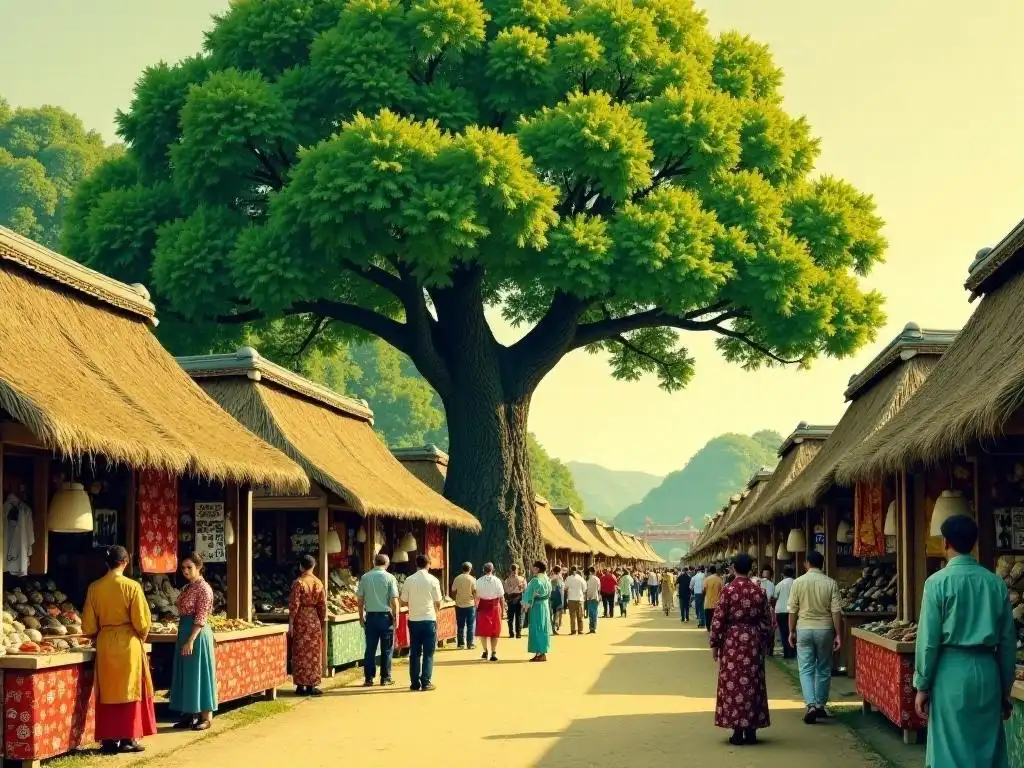
Welcome to Feudal Japan History, where we embark on a fascinating journey through the intricate tapestry of Japan’s feudal era. Here, we delve deep into the rich historical, cultural, and societal aspects that shaped a nation. In this article, we shine a light on the dynamic cultural exchange in feudal Japan, focusing on the pivotal interactions between daimyo and foreign traders.
What secrets did these exchanges reveal about Japan's relationship with the outside world? Join us as we uncover the layers of influence and innovation that transformed the landscape of feudal Japan, sparking curiosity and inviting you to explore further!
Introduction to Cultural Exchange in Feudal Japan
The concept of cultural exchange in feudal Japan is a rich tapestry woven from the interactions between the influential daimyo and foreign traders. During this transformative era, Japan was not only a land of samurai and shoguns but also a dynamic hub of cross-cultural encounters. This article aims to delve deeply into how these exchanges shaped Japanese society, culture, and politics. Understanding the nuances of these interactions is crucial for grasping the complexities of Japan's historical development and its eventual emergence on the global stage.
Definition of Cultural Exchange
Cultural exchange refers to the process through which different cultures influence one another through the sharing of ideas, customs, and practices. In the context of feudal Japan, this exchange was particularly significant as it involved the movement of knowledge, technology, and goods between Japan and various foreign entities.
- Key Elements of Cultural Exchange:
- Trade of Goods: The introduction of foreign products such as firearms, textiles, and food.
- Ideas and Knowledge: The spread of Western philosophies, religions, and technologies.
- Art and Aesthetics: The influence of foreign artistic styles and techniques on Japanese art.
Importance of Cultural Exchange in Feudal Japan
The importance of cultural exchange during feudal Japan cannot be overstated. It played a pivotal role in the evolution of Japanese culture, economics, and politics. Some key points include:
- Economic Growth: Trade with foreign nations led to the influx of wealth and resources, facilitating the development of local economies.
- Technological Advancements: The adoption of new technologies, such as firearms, revolutionized warfare and defense strategies in Japan.
- Cultural Enrichment: The integration of foreign customs and ideas contributed to the diversification of Japanese culture, influencing everything from cuisine to art.
Historical Context of Daimyo and Foreign Traders
Overview of Daimyo in Feudal Japan
Daimyo were powerful feudal lords who held significant land and influence during Japan's feudal era (1185-1868). They played a central role in the political and military landscape of the time, often engaging in alliances and conflicts with one another.
- Roles of Daimyo:
- Land Management: Overseeing agricultural production and taxation.
- Military Command: Leading samurai warriors in battle.
- Cultural Patronage: Supporting artists, scholars, and craftsmen.
Emergence of Foreign Trade in Japan
Foreign trade began to flourish in Japan during the 16th century, primarily due to the arrival of European traders. This marked a significant shift in Japan's isolationist policies, leading to increased interactions with the outside world.
- Key Developments:
- Portuguese Arrival (1543): Introduction of firearms and Christianity.
- Dutch Trade (1600): Establishment of a trading post in Nagasaki, focusing on commerce over missionary activities.
- English Engagement (1613): Attempts to establish trade relations and cultural ties.
Key Foreign Traders: Portuguese, Dutch, and English
The interactions between daimyo and foreign traders were largely dominated by three key players: the Portuguese, Dutch, and English. Each brought unique contributions and challenges to Japanese society.
- Portuguese:
- Introduced firearms and new religious ideologies, significantly impacting samurai warfare and culture.
- Dutch:
- Focused on trade and scientific exchange, becoming the sole European nation allowed to trade with Japan during the Edo period.
- English:
- Engaged in trade and diplomacy, although their influence was less pronounced compared to the Portuguese and Dutch.
Through this exploration of cultural exchange between daimyo and foreign traders, we gain a deeper understanding of the intricate relationships that shaped feudal Japan's history and cultural landscape.
Mechanisms of Cultural Exchange
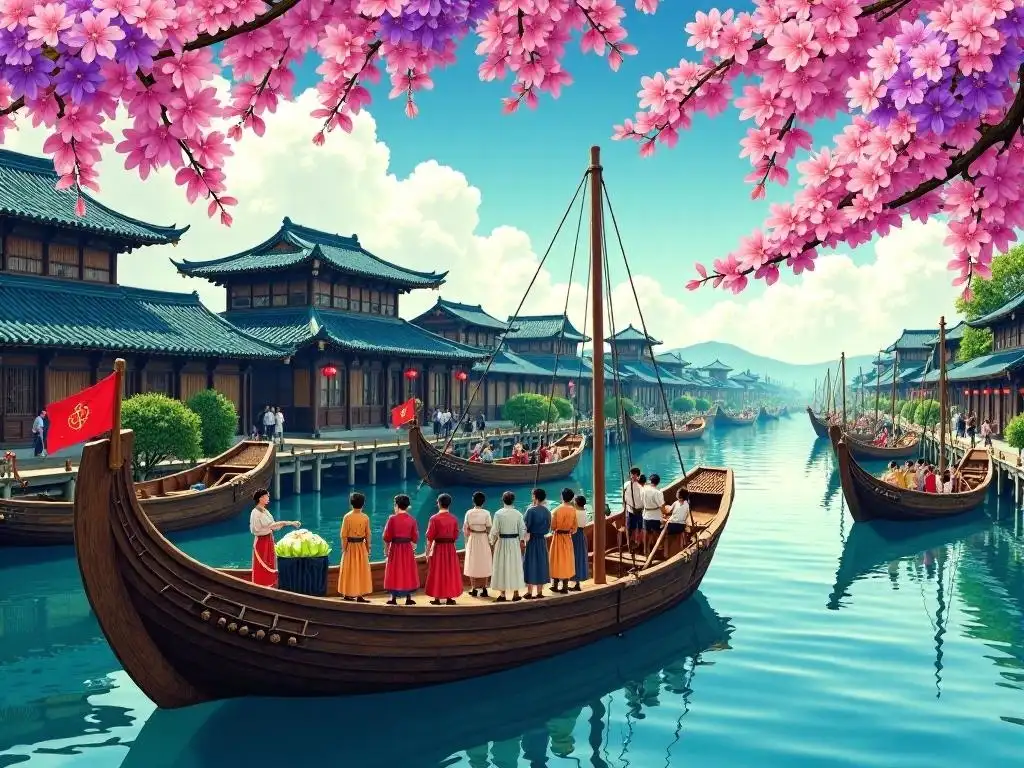
Cultural exchange in feudal Japan was intricately woven into the fabric of its political and economic systems, particularly through the interactions between the daimyo and foreign traders. The mechanisms of this exchange were diverse, including trade, diplomacy, and even conflict, which facilitated a two-way flow of ideas, goods, and cultural practices.
Daimyo, the powerful feudal lords, played a pivotal role in shaping these exchanges. They established trade agreements and diplomatic relations with various foreign entities, notably the Portuguese, Dutch, and Spanish during the 16th and 17th centuries. These interactions were not merely transactional in nature; they often led to the introduction of new ideas and customs into Japanese society.
Importantly, cultural exchange was also facilitated through the movement of people. Foreign traders often settled in Japan, establishing communities and interacting with local populations, which helped diffuse cultural practices and languages. The presence of these foreign groups allowed for a rich tapestry of cultural interactions, influencing everything from social norms to artistic expressions.
Trade Routes and Economic Impact
The trade routes established during the feudal era were crucial for facilitating cultural exchange. The maritime routes connecting Japan to Europe and Asia opened up new avenues for trade and communication. Key ports like Nagasaki became melting pots of not only goods but also ideas, where Japanese and foreign cultures could intermingle.
Economically, the influx of foreign goods had a significant impact on local markets. Exotic items such as textiles, ceramics, and even weapons were traded, which not only influenced Japanese craftsmanship but also spurred local industries to adapt and innovate. The demand for these foreign products led to changes in production methods and styles, reflecting a blend of Japanese and foreign influences.
Furthermore, the economic benefits of trade allowed the daimyo to enhance their power and influence. By controlling trade routes and engaging with foreign traders, they could accumulate wealth and resources, which were instrumental in maintaining their domains and supporting their samurai classes. This economic exchange, thus, became a foundation for broader cultural interactions.
Cultural Artifacts and Their Significance
Cultural artifacts from this period serve as tangible evidence of the exchanges that occurred between the daimyo and foreign traders. Items such as imported porcelain, textiles, and artwork reflect the fusion of styles and techniques from both Japanese and foreign traditions.
For instance, the introduction of Western-style paintings and techniques led to the development of unique art forms in Japan, such as Nanban art, which depicted foreign traders and their interactions with the Japanese populace. These artifacts not only provide aesthetic pleasure but also serve as historical documents that illustrate the level of engagement between Japan and the outside world.
Moreover, the significance of these artifacts extends beyond their artistic value; they are symbols of the broader cultural and economic exchanges that took place. They highlight how foreign influences were assimilated into Japanese culture, leading to a richer and more diverse cultural landscape.
Language and Communication Between Daimyo and Traders
Language played a critical role in facilitating cultural exchange between daimyo and foreign traders. The need for effective communication led to the development of pidgin languages and the learning of foreign tongues among Japanese merchants and diplomats.
Daimyo often employed interpreters or individuals fluent in foreign languages to engage with traders. This not only enabled smoother transactions but also allowed for the sharing of knowledge and ideas. The exchange of language was reciprocal; foreign traders also sought to learn Japanese to better navigate their dealings and integrate into local customs.
Additionally, the translation of texts and the introduction of foreign literature had a significant impact on Japanese society. Works on science, philosophy, and technology were translated, introducing new concepts and ideas that would eventually influence various fields in Japan, including education and governance.
Influence of Foreign Traders on Japanese Culture
Introduction of Western Technologies and Innovations
The influx of foreign traders brought with it a wave of Western technologies and innovations that significantly impacted Japanese society. For instance, the introduction of firearms by Portuguese traders revolutionized warfare in Japan, altering the traditional samurai combat techniques and strategies.
Moreover, Western shipbuilding techniques and navigational tools were adopted and adapted by Japanese craftsmen and sailors. This not only improved Japan's maritime capabilities but also facilitated further trade and cultural exchange with other nations.
The influence of foreign innovations extended beyond military and naval advancements. Agricultural techniques, such as new crop varieties and cultivation methods, were introduced, which enhanced food production and contributed to population growth. These technological exchanges laid the groundwork for Japan's eventual modernization and industrialization.
Impact on Art and Aesthetics
Foreign traders brought new artistic styles and influences that profoundly affected Japanese art and aesthetics. The introduction of Western painting techniques, such as perspective and shading, inspired Japanese artists to experiment with their own styles, leading to unique hybrid forms of art.
One notable example is the Nanban art movement, which depicted scenes of European traders and their interactions with the Japanese. This genre illustrates the blending of European and Japanese artistic traditions, resulting in vibrant and culturally rich artworks that celebrate the cultural exchanges of the time.
Furthermore, the influence of foreign motifs and themes can be observed in various forms of art, including ceramics and textiles. The incorporation of Western designs into traditional Japanese crafts not only expanded artistic expression but also showcased the adaptability and creativity of Japanese artisans.
Changes in Culinary Practices and Ingredients
The culinary landscape of Japan underwent significant transformations due to the influence of foreign traders. The introduction of new ingredients, such as potatoes, tomatoes, and various spices, enriched Japanese cuisine and led to the creation of novel dishes.
The arrival of Portuguese traders, in particular, marked a pivotal moment in Japanese culinary history. They introduced techniques such as frying, which influenced the development of popular dishes like tempura. Similarly, the incorporation of foreign spices and cooking methods led to a diversification of flavors and recipes in Japanese cooking.
Moreover, the cultural exchange extended to dining customs and etiquette, as foreign traders brought their own culinary traditions and practices. This blending of culinary practices not only enriched the Japanese dining experience but also fostered a greater appreciation for global cuisines, setting the stage for future culinary innovations in Japan.
Influence of Daimyo on Foreign Traders
The interaction between daimyo and foreign traders significantly shaped the cultural landscape of feudal Japan. These regional lords, wielding considerable power and influence, became crucial players in the dynamics of trade, extending their reach beyond local markets to engage with foreign entities. The daimyo's interests in commerce often fostered relationships with foreign traders, leading to a complex web of cultural exchanges that influenced both Japanese society and the foreign traders' practices and perceptions.
The daimyo's influence was not merely economic; it also encompassed political and cultural dimensions. By establishing trade routes and facilitating foreign interactions, daimyo could enhance their standing in Japan and secure resources that would strengthen their domains. Furthermore, these exchanges allowed foreign traders to adapt to Japanese customs and practices, leading to a mutual influence that shaped the character of trade in the era.
Political Alliances and Diplomatic Relations
The daimyo often engaged in political alliances with foreign traders to bolster their power and influence within Japan. By forming partnerships, they could secure military support, access to foreign goods, and even technological advancements. These alliances were crucial during periods of conflict when daimyo sought to strengthen their positions against rival clans.
For instance, the relationship between the Portuguese traders and certain daimyo facilitated the introduction of firearms into Japan, dramatically altering the landscape of warfare. The political implications of such exchanges were profound, as they not only influenced military strategies but also shifted the balance of power among feudal lords.
Moreover, foreign traders often acted as intermediaries in diplomatic relations between Japan and their home countries. This role enabled them to facilitate negotiations, peace treaties, and other agreements that benefited both the daimyo and their foreign partners, creating a complex interplay of diplomacy that further enriched cultural exchanges.
Cultural Adaptations by Foreign Traders
Foreign traders in feudal Japan quickly recognized the importance of cultural sensitivity in order to thrive in this unique environment. They adapted to Japanese customs, language, and social norms, which not only fostered goodwill but also facilitated smoother trade relations. For example, traders from the Netherlands and Portugal learned Japanese to communicate effectively with their daimyo partners, demonstrating respect for local customs.
Additionally, foreign traders began to incorporate Japanese artistic and cultural elements into their own practices. This blending of cultures led to the introduction of new ideas and techniques in various fields, including art, cuisine, and craftsmanship. The willingness of foreign traders to adapt not only enriched their own practices but also contributed to the broader cultural tapestry of Japan, fostering a spirit of collaboration and mutual respect.
The Role of Daimyo in Shaping Trade Policies
Daimyo played a pivotal role in shaping trade policies that influenced the flow of goods and cultural exchanges in feudal Japan. Their authority allowed them to regulate trade activities within their domains, setting tariffs, and establishing trade agreements that aligned with their political and economic interests. This regulatory power enabled them to control the types of goods imported and exported, directly impacting the cultural landscape.
One significant aspect of this control was the daimyo's ability to limit foreign access, thereby managing the influence of foreign cultures within their territories. For example, while some daimyo embraced foreign trade and cultural exchange, others were more restrictive, leading to a patchwork of regulatory environments across Japan. This variability in trade policies resulted in diverse cultural influences, reflecting the unique characteristics of each daimyo's approach to foreign relations.
Case Studies of Notable Cultural Exchanges
Case Study 1: The Arrival of Christianity and Its Reception
The arrival of Christianity in Japan, led by Jesuit missionaries in the mid-16th century, marked a significant cultural exchange between daimyo and foreign traders. Initially, some daimyo welcomed the missionaries, seeing the potential for economic benefits and alliances with European powers. Notable figures like Oda Nobunaga and Toyotomi Hideyoshi engaged with Christian missionaries, allowing them to establish a foothold in Japan.
However, the reception of Christianity was not universally positive. As the influence of missionaries grew, so did the concerns among traditionalists. The eventual suppression of Christianity in the early 17th century illustrates the complex interplay between cultural exchange and the preservation of indigenous beliefs and practices. This case highlights the challenges faced by daimyo in balancing foreign influences with their own cultural identity.
Case Study 2: The Influence of Dutch Learning (Rangaku)
Dutch learning, or Rangaku, became a pivotal cultural exchange during the Edo period, particularly after the Dutch established trade relations with Japan in the early 17th century. Unlike other foreign powers, the Dutch were allowed to trade at Nagasaki under strict regulations, which facilitated a unique exchange of knowledge and technology.
The impact of Rangaku extended to various fields, including medicine, astronomy, and military technology. Daimyo recognized the value of this new knowledge, leading to the establishment of schools and institutions focused on studying Dutch texts and practices. This cultural adaptation not only enriched Japanese scholarship but also played a crucial role in Japan's modernization efforts in the 19th century.
Case Study 3: Art Exchange: Ukiyo-e and Western Techniques
The cultural exchange between daimyo and foreign traders also significantly influenced the art world, particularly through the medium of Ukiyo-e, or "pictures of the floating world." This genre of woodblock printing began to flourish in Japan during the Edo period, showcasing scenes of landscapes, kabuki actors, and beautiful women.
As foreign traders introduced new artistic techniques and perspectives, Japanese artists began to incorporate these influences into their work. The interaction with Western art styles led to innovative techniques, such as the use of linear perspective and shading, which transformed the traditional Ukiyo-e style. This exchange culminated in the global popularity of Ukiyo-e prints in the 19th century, demonstrating the profound impact of cultural exchange in shaping artistic practices in feudal Japan.
Challenges and Conflicts in Cultural Exchange
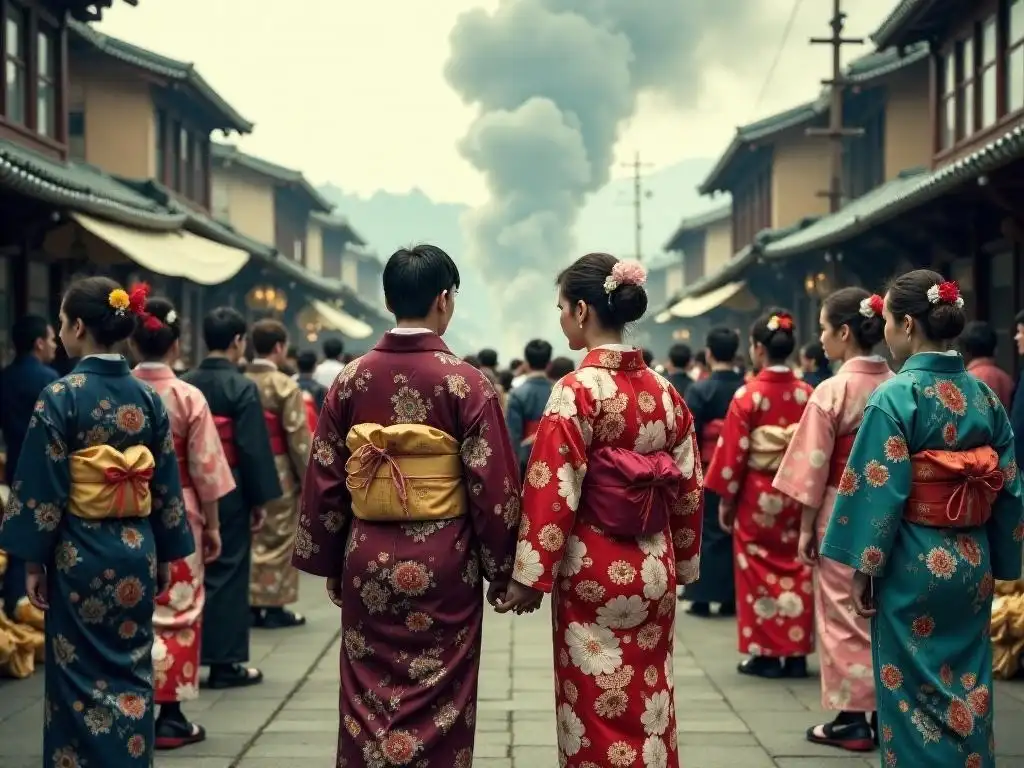
The cultural exchange between the daimyo and foreign traders in feudal Japan was fraught with challenges and conflicts. These interactions, while enriching, often faced significant hurdles that stemmed from differing worldviews, political motivations, and social structures. The complexities of these exchanges were shaped by the unique historical context of Japan during this period.
Resistance to Foreign Influence
One of the primary challenges in cultural exchange was the resistance to foreign influence. Many daimyo viewed foreign traders with suspicion, fearing that their presence could destabilize the existing social order and undermine traditional Japanese values. This resistance was often fueled by a desire to maintain autonomy and control over their domains. For instance, the arrival of European missionaries in the 16th century sparked significant controversy. While some daimyo welcomed the new religious ideas and technologies, others actively opposed them, leading to conflicts between local leaders and foreign powers.
The internal power dynamics also played a role in resistance, as some daimyo sought to assert their authority by rejecting foreign influence. This resulted in a patchwork of acceptance and rejection across different regions, with some areas embracing foreign ideas and others staunchly opposing them. The tension between embracing innovation and preserving tradition was a recurring theme in the cultural exchanges of the era.
The Impact of Isolationist Policies (Sakoku)
The implementation of the Sakoku policy in the 17th century had a profound impact on cultural exchange in feudal Japan. This isolationist policy effectively closed Japan off from most foreign interactions, restricting trade to a few select ports and limiting the presence of foreign traders and missionaries. The Sakoku policy was primarily driven by a desire to eliminate the perceived threats posed by foreign influences, particularly Christianity, which was seen as a challenge to the authority of the shogunate.
As a result, the opportunities for cultural exchange diminished significantly. While some daimyo had previously engaged in trade and cultural interactions with Europeans and other Asian nations, the Sakoku policy curtailed these activities. The limited trade that continued, primarily with the Dutch in Nagasaki, was heavily regulated and controlled. This enforced isolation stunted the potential for a broader cultural exchange, leading to a more insular Japanese society that prioritized traditional values and customs over foreign influences.
Consequences of Cultural Misunderstandings
Cultural misunderstandings often arose during exchanges between daimyo and foreign traders, leading to conflict and miscommunication. The differences in language, customs, and worldviews created barriers that were difficult to bridge. For example, foreign traders frequently misinterpreted Japanese social norms and practices, leading to awkward situations that strained relationships.
Moreover, the lack of mutual understanding could lead to the dissemination of inaccurate information, resulting in stereotypes and myths about each other's cultures. These misunderstandings sometimes escalated into diplomatic conflicts, as foreign traders and daimyo struggled to navigate their differing perspectives. The consequences of these miscommunications not only affected individual interactions but also shaped the overall narrative of cultural exchange during this period.
Lasting Effects of Cultural Exchange in Feudal Japan
Despite the challenges and conflicts, the cultural exchange between daimyo and foreign traders left a lasting legacy on Japan. The interactions during this period contributed to the development of various cultural elements that persisted long after the feudal era ended.
Legacy of Cultural Exchange on Modern Japan
The legacy of cultural exchange during the feudal era is evident in modern Japan, where many aspects of Western culture have been assimilated and adapted. The introduction of new technologies, artistic styles, and culinary practices during this time laid the groundwork for the rapid modernization that Japan experienced in the 19th and 20th centuries.
For instance, the influence of foreign art styles can be seen in ukiyo-e prints, which incorporated techniques learned from European artists. Additionally, the introduction of Western science and philosophy during the Edo period sparked intellectual movements that ultimately shaped Japan's modernization efforts. The cultural exchange that occurred in feudal Japan thus has had a profound impact on Japan's trajectory into the contemporary world.
Continuing Influence of Daimyo and Traders in Contemporary Culture
The influence of daimyo and their interactions with foreign traders can still be felt in contemporary Japanese culture. Traditions and practices that emerged from these exchanges continue to resonate in various aspects of life, from cuisine to festivals.
For example, certain culinary techniques and ingredients introduced by foreign traders have become integral to Japanese cuisine, enriching the culinary landscape. Festivals that celebrate cultural exchange, such as those honoring foreign traders or historical events related to maritime trade, serve as reminders of this vibrant historical period.
In literature and media, the romanticized portrayals of the daimyo and their foreign counterparts reflect the enduring fascination with this era of cultural exchange. Overall, the legacy of the daimyo and foreign traders remains a significant part of Japan's cultural identity, influencing both historical narratives and modern expressions of culture.
Conclusion
The cultural exchange between daimyo and foreign traders during Japan's feudal era was a pivotal aspect of the period that shaped not only Japan's economy but also its cultural identity. This exchange facilitated a two-way flow of ideas, goods, and customs that enriched both Japanese society and the foreign entities involved. As Japan opened its doors to merchant countries like Portugal, Spain, and later the Dutch and English, it became a melting pot of diverse influences that included religion, art, technology, and culinary practices.
Summary of Key Points on Cultural Exchange in Feudal Japan
- Trade Relations and Economic Impact: The introduction of foreign goods such as firearms, textiles, and exotic foods significantly impacted local economies and trade practices. The daimyo, recognizing the value of these goods, often fostered relationships with foreign traders to enhance their wealth and military capabilities.
- Cultural Influences: The arrival of European traders brought new religious ideas, particularly Christianity, which had profound effects on Japanese society. Furthermore, artistic exchanges led to the introduction of Western painting techniques, resulting in unique hybrid art forms.
- Technological Advancements: The exchange of knowledge included advancements in navigation, shipbuilding, and agricultural techniques. This transfer of technology played a crucial role in enhancing the efficiency of local industries and maritime capabilities.
- Diplomatic Engagements: The daimyo engaged in diplomatic relations with foreign powers, which included sending envoys abroad. These interactions not only solidified trade agreements but also opened avenues for political alliances and mutual understanding.
Reflection on the Importance of Understanding Historical Interactions
Understanding the cultural exchanges between daimyo and foreign traders provides valuable insights into how Japan transformed during the feudal era. It illuminates the complexities of globalization even in historical contexts, demonstrating that cultural interactions are not a modern phenomenon but have deep roots in the past. Recognizing these interactions aids in comprehending Japan's eventual transition from isolation to modernization during the Meiji Restoration, reflecting on how historical perspectives shape contemporary cultural identities.
Moreover, it emphasizes the significance of dialogue and exchange in fostering mutual respect and understanding among nations. As we look back, the lessons learned from these historical interactions can inform current global exchanges, highlighting the necessity of embracing diversity and cooperation in an increasingly interconnected world.
- Introduction to Cultural Exchange in Feudal Japan
- Definition of Cultural Exchange
- Importance of Cultural Exchange in Feudal Japan
- Historical Context of Daimyo and Foreign Traders
- Mechanisms of Cultural Exchange
- Influence of Foreign Traders on Japanese Culture
- Influence of Daimyo on Foreign Traders
- Case Studies of Notable Cultural Exchanges
- Challenges and Conflicts in Cultural Exchange
- Lasting Effects of Cultural Exchange in Feudal Japan
- Conclusion
- What were the main influences of foreign traders in feudal Japan?
- How did the Daimyo interact with foreign traders?
- What role did Christianity play in cultural exchanges during this period?
- How did the Sakoku policy affect cultural exchange?
- What were some notable cultural artifacts resulting from these exchanges?
Frequently Asked Questions
What were the main influences of foreign traders in feudal Japan?
Foreign traders brought new ideas, technologies, and commodities that significantly impacted Japanese culture, including art, cuisine, and craftsmanship.
How did the Daimyo interact with foreign traders?
The Daimyo, powerful feudal lords, engaged in trade with foreigners, facilitating cultural exchanges that enriched their domains and helped them gain political leverage.
What role did Christianity play in cultural exchanges during this period?
Christianity, introduced by European traders, led to a complex relationship with Japanese society, influencing art and education while also causing tensions with the local authorities.
How did the Sakoku policy affect cultural exchange?
The Sakoku policy, which isolated Japan from the outside world, limited cultural exchanges but also preserved certain Japanese traditions and practices from foreign influence.
What were some notable cultural artifacts resulting from these exchanges?
Artifacts such as European-style paintings, ceramics, and textiles emerged from the interaction between Japanese artisans and foreign traders, showcasing a blend of styles and techniques.
Final Reflection: The Enduring Legacy of Cultural Exchange in Feudal Japan
The intricate dance of cultural exchange between daimyo and foreign traders during feudal Japan remains profoundly relevant today. As we navigate an increasingly interconnected world, the lessons from this historical period remind us of the power of collaboration and understanding across diverse cultures. The rich tapestry woven by these interactions not only shaped Japan’s identity but also laid the groundwork for global trade and diplomacy that we still experience in our modern society.
Cultural exchange has always been a catalyst for growth and innovation, influencing art, language, and societal norms. The impact of these exchanges can be seen in the way contemporary Japan embraces both tradition and modernity, reflecting a harmonious blend of influences. As noted by historian John W. Hall, The history of Japan is a history of cultural exchanges, where each interaction has left an indelible mark on its society.
This ongoing dialogue between cultures continues to enrich our global community, reminding us that our differences can be a source of strength and creativity.
As you reflect on the lessons of cultural exchange in feudal Japan, consider how you can apply these insights in your own life. Embrace the diversity around you, seek to understand different perspectives, and foster connections that transcend cultural boundaries. By doing so, you contribute to a legacy of openness and collaboration that honors the past while paving the way for a more inclusive future. Let us carry forward the spirit of exchange that has shaped our histories and commit to building bridges in our own communities.
Unveil the Rich Tapestry of Cultural Exchange!
Thank you for diving into the fascinating world of the cultural exchanges between Daimyo and foreign traders. We hope you found new insights into how these interactions shaped feudal Japan and laid the groundwork for its future. Now, let’s take that knowledge and expand upon it!
Here’s how you can deepen your understanding and engage with this remarkable history:
- Dive Into Research: Explore additional resources on the intricacies of trade relationships during feudal Japan. Consider reading books or watching documentaries that provide vivid representations of this era!
- Join the Conversation: Share your thoughts and newfound knowledge with friends or in online forums. Discuss how cultural exchanges have influenced modern Japan!
- Visit a Museum: Take a step beyond the screen. Plan a visit to a local museum featuring exhibits on Japanese history or cultural exchanges to experience artifacts firsthand.
What aspect of the relationship between the Daimyo and foreign traders intrigues you most, and how do you believe these exchanges continue to shape global culture today?