
Trade or Isolation? The Economic Dilemma of Feudal Japan's Sakoku Era

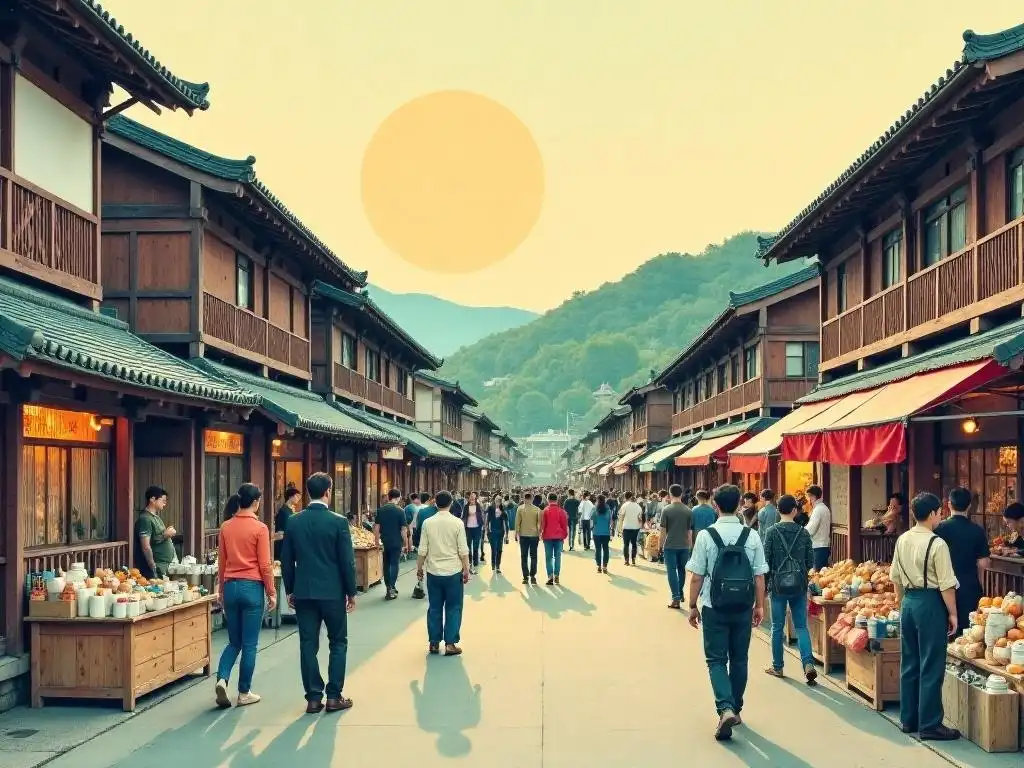
Welcome to Feudal Japan History, where we delve deep into the intricate tapestry of Japan's feudal era, revealing the historical, cultural, and societal nuances that shaped this remarkable period. In our featured article, “Trade or Isolation? The Economic Dilemma of Feudal Japan's Sakoku Era,” we invite you to explore the profound economic impact of the Sakoku policy—a time when Japan turned inward, raising questions about trade, isolation, and the very fabric of its society.
Are you ready to uncover the complexities behind this pivotal era? Continue exploring with us and discover how these historical decisions echo into the modern world!
- Introduction to the Sakoku Era
- The Concept of Sakoku
- Economic Impacts of the Sakoku Era
- Comparison of Trade and Isolation
- Cultural Implications of Economic Policies
- The End of the Sakoku Era
- Conclusion
- Frequently Asked Questions
- Final Reflection: The Enduring Legacy of the Sakoku Era's Economic Impact
- Unveil New Perspectives on Trade and Isolation!
Introduction to the Sakoku Era
The Sakoku Era, a term that translates to "closed country," represents a pivotal chapter in Japan's history, spanning from the early 17th century to the mid-19th century. This period was marked by a deliberate policy of isolationism implemented by the Tokugawa shogunate, which aimed to limit foreign influence and maintain social order. While many view this era primarily through the lens of cultural and political implications, it also presents a complex economic dilemma.
The question arises: did isolation benefit Japan, or did it hinder its economic potential? This article delves into the Sakoku Era's economic impact, exploring the intricate balance between trade and isolation, and the long-term effects on Japan's economy and society.
Overview of the Sakoku Era
The Sakoku Era began in 1635 when the shogunate instituted strict regulations that severely restricted foreign trade and contact. This policy was a response to the perceived threats from European powers and Christian missionaries, as well as a means to consolidate power domestically. Key elements of the Sakoku policy included:
- Limited Trade: Foreign trade was confined primarily to the Dutch and Chinese, with the Dutch being allowed to trade only at the port of Nagasaki.
- Banning of Christianity: The shogunate actively persecuted Christians, leading to the expulsion of missionaries and the suppression of religious practices.
- Internal Stability: The isolationist policies contributed to a period of relative peace and stability known as the Edo period, allowing for cultural development and economic self-sufficiency.
Despite the restrictions, the Sakoku Era was not entirely devoid of economic activity. The Japanese economy saw the rise of domestic markets and the flourishing of local industries, even as international trade remained limited.
Historical Context of Isolationism in Japan
The roots of Japan's isolationist policies can be traced back to the chaotic political landscape of the late 16th century. Following the unification of Japan under Tokugawa Ieyasu, the new shogunate sought to prevent the return of civil strife and foreign domination. Several key factors influenced the adoption of isolationism:
- Influence of Christianity: The rapid spread of Christianity, particularly in the 16th century, alarmed the shogunate. Fearing that foreign missionaries could undermine the traditional social order, the government moved to eradicate the faith.
- European Colonial Expansion: The expansionist ambitions of European nations raised concerns about potential colonization. Japan's leaders aimed to protect their sovereignty by limiting foreign interactions.
- Economic Self-Sufficiency: The desire for a self-sustaining economy led to policies that favored local production and consumption over reliance on foreign goods.
The interplay of these historical factors set the stage for the Sakoku Era, leading to significant implications for Japan's economic development and international relations during this time. In examining these themes, we can gain insights into the broader economic impact of the Sakoku policy and its legacy in shaping modern Japan.
The Concept of Sakoku

The Sakoku era, which translates to "locked country," refers to Japan's isolationist policies that were implemented during the Edo period, specifically from the early 17th century until the mid-19th century. This period is characterized by a strict limitation on foreign relations and trade, aimed at preserving Japanese culture and political stability. The Sakoku policy fundamentally reshaped Japan's economic landscape, impacting trade dynamics, societal structure, and even cultural exchanges.
Definition of Sakoku and Its Origins
Sakoku is defined as a series of measures taken by the Tokugawa shogunate to restrict foreign influence in Japan. The origins of Sakoku can be traced back to the early 1600s when Tokugawa Ieyasu, the founder of the Tokugawa shogunate, sought to consolidate power and maintain peace in a country that had experienced centuries of civil strife. The increasing presence of European missionaries and traders posed a significant threat to the established order.
- Early Measures: In 1614, Christianity was banned, and missionaries were expelled, marking the beginning of a strict control over foreign religious and cultural influence.
- Trade Restrictions: By the 1630s, the shogunate instituted comprehensive trade regulations. Only a few selected Dutch and Chinese traders were allowed to engage in commerce, and they were confined to the island of Dejima near Nagasaki.
- Cultural Preservation: The isolationist policies aimed not only to control trade but also to preserve the unique aspects of Japanese culture, preventing the erosion of traditional values by foreign influences.
The Sakoku era lasted for over 200 years, resulting in a unique period of self-contained development in Japan, which significantly influenced its economic structure.
Key Policies of the Sakoku Era
The Sakoku policy consisted of several key regulations that defined Japan's isolationist stance during this period. These policies had a profound economic impact, altering trade routes, market dynamics, and the overall economy of Japan.
- Limited Trade:
- Japan engaged in limited trade with the Dutch and Chinese, which allowed for some economic activity but severely restricted access to foreign goods and ideas.
- No other nations were allowed to trade, effectively preventing competition and maintaining a monopoly on foreign imports.
- Strict Maritime Controls:
- The shogunate implemented strict maritime laws to control the movement of Japanese ships. Many coastal areas were monitored to prevent unauthorized trade with foreign nations.
- Shipbuilding was regulated, and the construction of large vessels was prohibited to limit overseas travel.
- Internal Trade Flourishment:
- With limited access to foreign markets, domestic trade flourished. The development of a vibrant merchant class emerged, particularly in urban centers.
- The creation of a network of roads and infrastructure led to increased internal commerce, effectively making the domestic economy more robust.
- Censorship and Cultural Control:
- The shogunate enforced censorship laws to control the flow of information. Books and materials promoting foreign ideas were banned, fostering a homogenous cultural identity.
- This censorship supported the economic isolation by reducing the influence of foreign economic theories and practices.
- Taxation and Agricultural Focus:
- The feudal system reinforced agricultural production, as the economy relied heavily on rice cultivation. The shogunate imposed taxes based on rice yields, creating a stable revenue source.
- This focus on agriculture limited industrial development but ensured that the majority of the population remained engaged in farming.
The Sakoku era's policies laid the groundwork for Japan's unique economic landscape, creating a balance between self-sufficiency and limited external influence. The legacy of these policies continues to be a topic of study, highlighting their significant economic impact on Japan during the feudal period.
Economic Impacts of the Sakoku Era
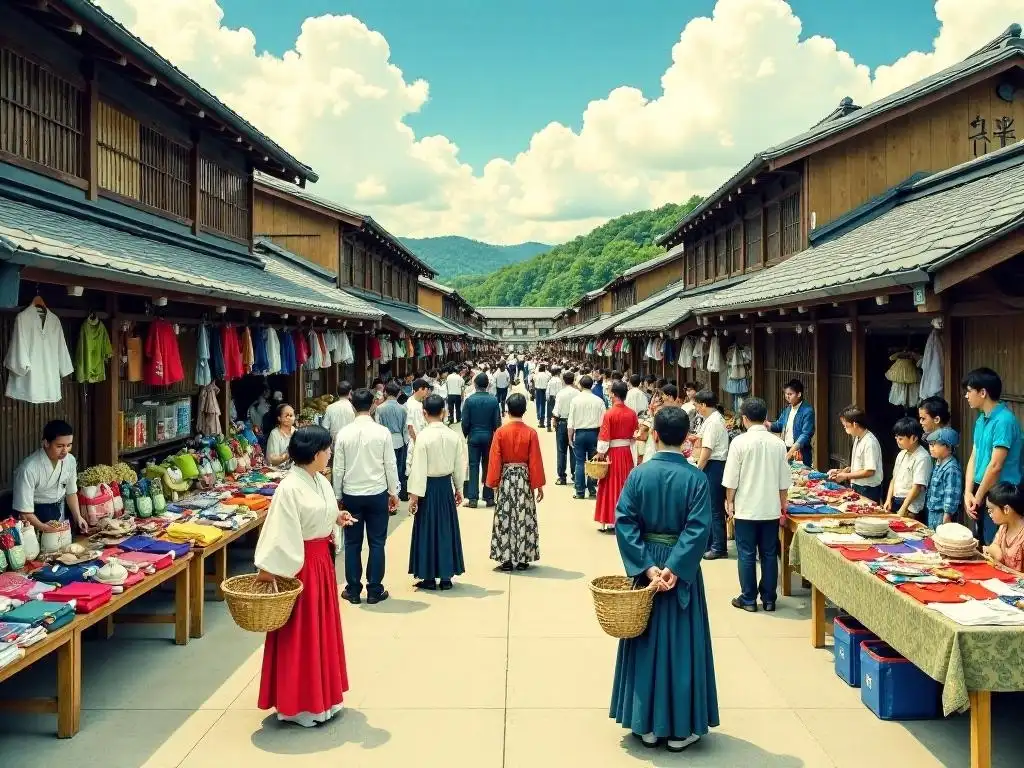
Overview of the Sakoku Era Economic Impact
The Sakoku Era, spanning from the 1630s to the mid-19th century, marked a pivotal period in Japan's history characterized by deliberate isolationist policies. These policies were implemented by the Tokugawa shogunate to curb foreign influence, particularly from Western nations and Christianity. The economic impact of the Sakoku Era is multifaceted, shaping both the internal market and Japan's international relations.
During this period, Japan experienced significant changes in its economic structure. While foreign trade was largely restricted, domestic commerce flourished in various regions. The shogunate's policies aimed to create a self-sufficient economy, leading to the development of domestic industries and agricultural advancements. However, these isolationist measures also had far-reaching consequences, including the stifling of innovation and the eventual economic challenges that would arise in the face of global trade dynamics.
Trade Restrictions and Their Consequences
The Tokugawa shogunate enforced strict trade restrictions, limiting international commerce primarily to the Dutch and Chinese. This control over foreign trade had several notable consequences:
- Limited Market Access: The restrictions meant that Japanese products had a severely limited market outside the country. Only a select few ports, such as Nagasaki, were designated for foreign trade, which curtailed potential economic growth through international exchanges.
- Smuggling and Black Markets: Despite the restrictions, smuggling became prevalent as local merchants sought to engage in forbidden trade with other nations. This underground economy undermined the shogunate's authority and created a bifurcated market where goods could be traded outside official channels.
- Stagnation of Technological Advancement: The isolation from foreign influences led to a stagnation of technological advancements. Unlike other nations that were benefiting from the Industrial Revolution, Japan fell behind in adopting new technologies and practices that could have bolstered its economy.
- Cultural Exchange Limitations: Trade restrictions also limited cultural exchanges, which often accompany economic interactions. The lack of exposure to foreign ideas and practices hindered innovation in various sectors, including agriculture and manufacturing.
Domestic Economy Under Isolationist Policies
The domestic economy during the Sakoku Era saw significant transformations, largely shaped by the isolationist policies of the Tokugawa shogunate. The emphasis on self-sufficiency led to the following developments:
- Agricultural Improvements: The shogunate implemented various land reforms that improved agricultural productivity. Techniques such as crop rotation and the use of fertilizers became common, enhancing food supply and supporting population growth.
- Rise of Merchant Class: With trade limited to select areas, local merchants began to thrive within Japan. The emergence of a powerful merchant class played a crucial role in the economic landscape, leading to the development of urban centers and market towns.
- Regional Specialization: Different regions began to specialize in specific products, such as silk in the Kanto region and rice in the Kinki region. This regional specialization created a complex trade network within Japan, facilitating the exchange of goods and services.
- Crisis and Challenges: Despite these advancements, the isolationist policies also led to economic challenges. The lack of competition from foreign markets meant that domestic industries could become complacent, leading to inefficiencies and eventual economic stagnation.
While the Sakoku Era's isolationist policies fostered a degree of domestic economic stability and growth, they also imposed significant limitations that would later challenge Japan's adaptation to a rapidly changing global economy. The effects of these policies are a crucial aspect of understanding the broader economic impact of the Sakoku Era.
Effects on Agriculture and Local Industries
The Sakoku Era, lasting from the early 17th century until the mid-19th century, significantly shaped Japan's agricultural landscape and local industries. The policy of isolation, while preventing foreign influence, also led to distinct changes in how agriculture and local industries evolved during this period.
Agricultural Developments
During the Sakoku period, Japan's agricultural practices saw both innovation and stagnation. With limited interaction with foreign nations, the government focused on self-sufficiency. This resulted in several key developments:
- Rice Cultivation: Rice remained the cornerstone of Japanese agriculture, serving as the primary staple food. The Tokugawa shogunate implemented strict land surveys and tax systems based on rice production, which incentivized farmers to increase yields. Techniques such as improved irrigation and crop rotation emerged, leading to enhanced productivity.
- Diversification of Crops: Farmers began diversifying their crops to reduce reliance on rice alone. This included the cultivation of millet, barley, and various vegetables. Such diversification helped to stabilize local food supplies and allowed regions to develop unique agricultural products.
- Regional Specialization: Different areas of Japan began to specialize in certain agricultural products due to geographical advantages. For example, the fertile plains of the Kanto region became known for rice, while areas like Osaka became hubs for soy sauce production. This specialization fostered local economies and created a network of trade in agricultural goods.
Impact on Local Industries
The Sakoku policy also had profound implications for local industries, shaping their development in the absence of foreign competition:
- Craftsmanship and Artisanal Production: With the isolationist policies in place, local artisans concentrated on enhancing their traditional crafts. Industries such as pottery, textiles, and metalwork flourished as artisans refined techniques and produced high-quality goods. This led to a unique Japanese aesthetic that still influences art today.
- Market Expansion: While international trade was limited, internal trade networks expanded significantly. The growth of castle towns and urban centers facilitated the exchange of goods, leading to a vibrant domestic market. Merchants played a vital role in this economy, creating a class of wealthy traders who supported local industries and agriculture.
- Economic Stagnation: Despite advancements, the Sakoku Era also led to some economic stagnation. The lack of foreign competition meant that industries did not innovate at the same pace as those in other countries. Over time, this resulted in some sectors becoming inefficient and unable to compete when Japan finally opened to the world in the mid-19th century.
Conclusion
The effects of the Sakoku Era on agriculture and local industries were multifaceted. While isolation led to advancements in agricultural practices and local craftsmanship, it also fostered economic stagnation in certain areas. The legacy of the Sakoku period is a complex interplay of self-sufficiency, regional specialization, and the development of a unique Japanese cultural identity that would ultimately influence Japan's modernization in the following centuries.
Comparison of Trade and Isolation
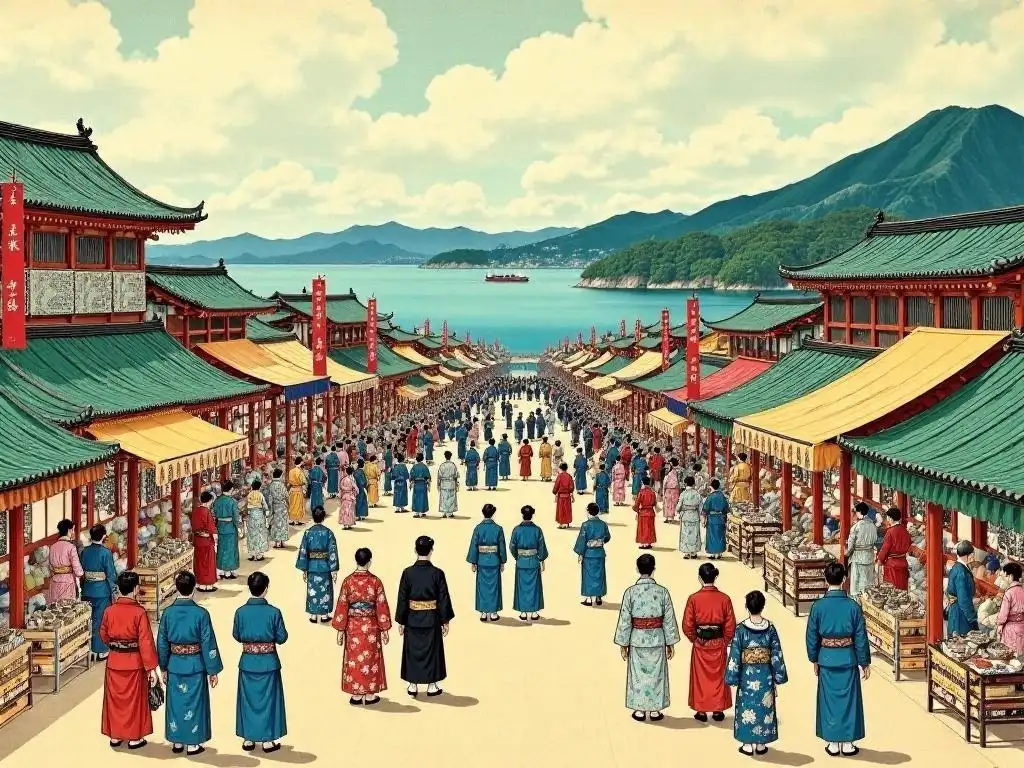
The Sakoku Era, which spanned from the early 17th century to the mid-19th century, presents a fascinating case study in the economic impacts of isolationism versus trade. This period was characterized by a strict policy of national seclusion instituted by the Tokugawa shogunate, which limited foreign interactions and heavily regulated trade. Understanding the advantages and disadvantages of trade and isolation during this time reveals the complex dynamics that shaped Japan's economic landscape.
Advantages of Trade During Feudal Japan
Trade during the feudal era brought numerous benefits that significantly influenced Japan's development. Here are some key advantages:
- Economic Growth: The influx of foreign goods and ideas stimulated local economies. For instance, the introduction of Western technologies and techniques in agriculture and manufacturing led to increased productivity.
- Cultural Exchange: Trade facilitated cultural interactions, enriching Japan's cultural tapestry. The arrival of European goods, such as textiles and firearms, influenced local craftsmanship and production methods.
- Market Expansion: Engaging in trade allowed Japan to expand its markets beyond domestic boundaries. This created a diverse economic environment, where different regions specialized in various goods, enhancing overall economic resilience.
- Access to Resources: Trade provided access to essential resources unavailable in Japan, such as silver and certain spices. This allowed for a more varied economic structure and mitigated resource scarcity.
Disadvantages of Economic Isolationism
While isolationism had its benefits in terms of stability and control, it also came with significant drawbacks that affected Japan's long-term economic health:
- Stagnation of Innovation: The Sakoku policy severely limited foreign influence, which stifled technological and scientific advancements. Japan missed out on the Industrial Revolution that transformed many Western nations during this period.
- Limited Market Opportunities: By restricting trade, Japan confined its economic activities to domestic markets. This lack of exposure to international competition reduced incentives for local industries to innovate and improve.
- Resource Scarcity: Limited trade meant restricted access to critical resources and goods. As a result, Japan had to rely heavily on its agricultural base, which could not support a growing population without external trade.
- Cultural Insularity: Isolationism led to a cultural rigidity, inhibiting the flow of new ideas and philosophies that could have enriched Japanese society. This insularity risked creating a homogeneous culture that struggled to adapt to changing global dynamics.
Case Studies: Trade vs. Isolation Outcomes
Examining specific case studies during the Sakoku Era provides insight into the economic impacts of trade and isolation. Here are two notable examples:
-
The Dutch Trade at Nagasaki
- Outcome: The Dutch were the only Europeans allowed to trade with Japan, which led to a unique relationship. While limited, this trade brought valuable knowledge of Western science and technology. The Dutch hosted scholarly exchanges, contributing to the Rangaku (Dutch Learning) movement, which influenced Japanese medicine and cartography.
Aspect Trade with Dutch Economic Isolation Access to Knowledge Yes No Technological Exchange Limited None Cultural Influence Moderate Minimal -
The Impact of Rice Trade
- Outcome: During the Edo period, rice was the primary currency and staple in Japan. Regional trade in rice not only fostered local economies but also allowed for the establishment of a more sophisticated financial system, including the development of the rice exchange market in Edo (Tokyo). In contrast, regions that adhered strictly to isolationist practices often found themselves economically marginalized.
Region Trade Opportunities Economic Outcomes Edo High Economic Prosperity Isolated Regions Low Economic Stagnation
The comparison of trade versus isolation during the Sakoku Era highlights the profound impact these policies had on Japan's economy. While trade fostered growth and cultural exchange, isolationism led to stagnation and limited opportunities. Understanding these differences is crucial when analyzing the Sakoku Era economic impact, as they provide context for Japan's eventual emergence from isolation in the mid-19th century.
Cultural Implications of Economic Policies
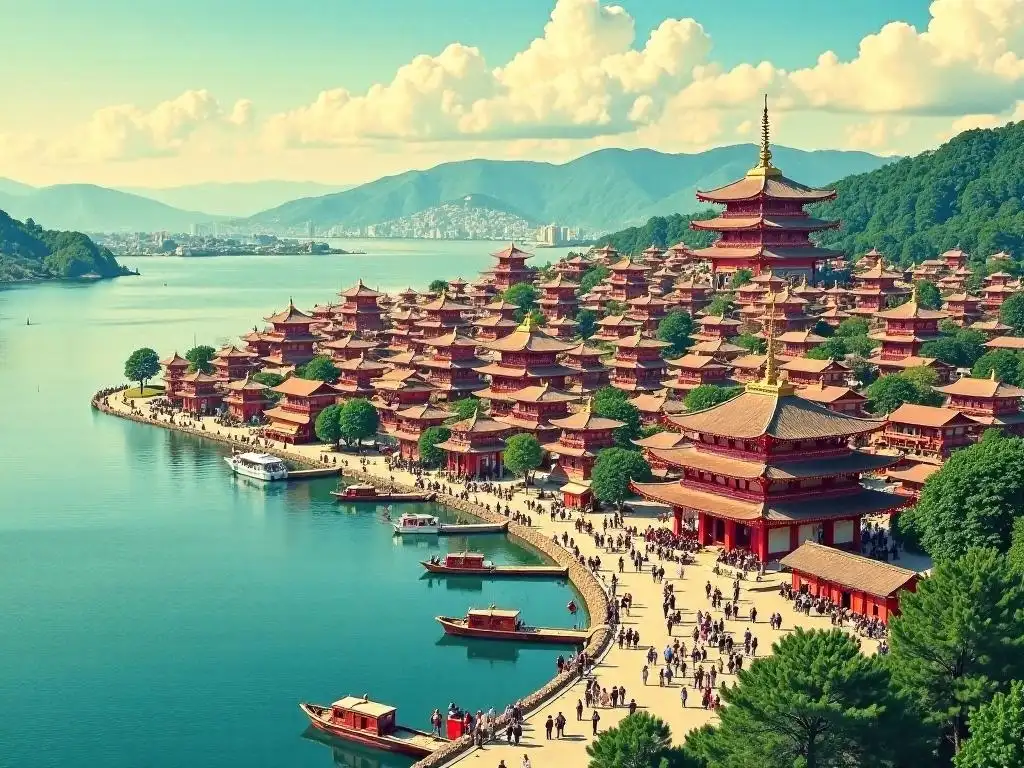
The Sakoku Era, characterized by its strict isolationist policies, had profound effects on Japanese society and culture. The economic strategies employed during this period were not merely about trade restrictions but were deeply intertwined with the cultural fabric of the nation. This isolation facilitated a unique cultural development, as Japan focused on internal growth rather than external influences.
Influence on Japanese Society and Culture
The economic policies of the Sakoku Era fostered a distinctive societal structure. With limited foreign interaction, Japan cultivated its art, literature, and philosophy, leading to a flourishing of indigenous culture. The following highlights illustrate this cultural evolution:
- Art and Aesthetics: The lack of foreign artistic influences allowed traditional Japanese art forms to evolve uniquely. For instance, Ukiyo-e (woodblock prints) became prominent, depicting landscapes, kabuki actors, and scenes of everyday life.
- Literature: The period saw the rise of literature that reflected the internal social dynamics and philosophies of the time. Works such as The Tale of Genji remained central to Japanese cultural identity, emphasizing the importance of court life and aristocracy.
- Philosophy and Religion: With Buddhism and Shintoism as dominant influences, economic policies during this era also shaped religious practices, leading to the establishment of temples and shrines that became integral to community life. The economic stability provided by isolation allowed for the patronage of these religious institutions.
The Sakoku Era's economic impact was not merely about restricting foreign trade; it also created a society that found value in self-sufficiency and internal cohesion, which shaped its cultural identity for generations.
The Role of the Samurai Class in the Economy
The samurai class played a crucial role in the economic landscape of the Sakoku Era. Their position as both military and administrative leaders influenced economic policies and practices in significant ways:
- Land Management and Agriculture: Samurai were often granted land by the ruling shogunates, and their role as landowners made them pivotal in managing agricultural production. This led to a focus on rice cultivation, which was the backbone of the economy. The samurai's management practices also encouraged innovations in farming techniques.
- Taxation and Revenue: The samurai class was responsible for collecting taxes from peasant farmers, which provided the necessary revenue for the shogunate. This system ensured that the economy remained stable, as the samurai relied on agricultural productivity for their livelihoods.
- Cultural Patrons: Beyond their economic roles, samurai were significant patrons of culture and the arts. Their wealth allowed them to support artisans, scholars, and performers, leading to a rich cultural life that thrived despite Japan's isolation.
The samurai's dual role as warriors and economic managers underlines the intricate relationship between feudal governance and economic practices during the Sakoku Era. This relationship not only reinforced the social hierarchy but also enabled the flourishing of a uniquely Japanese culture amidst isolation.
The Sakoku Era's economic policies had lasting cultural implications that shaped Japanese society and reinforced the role of the samurai class as economic stewards and cultural patrons. Understanding these dynamics provides insight into the complexities of Japan's feudal history and the long-term effects of isolationist policies on its economic development.
The End of the Sakoku Era
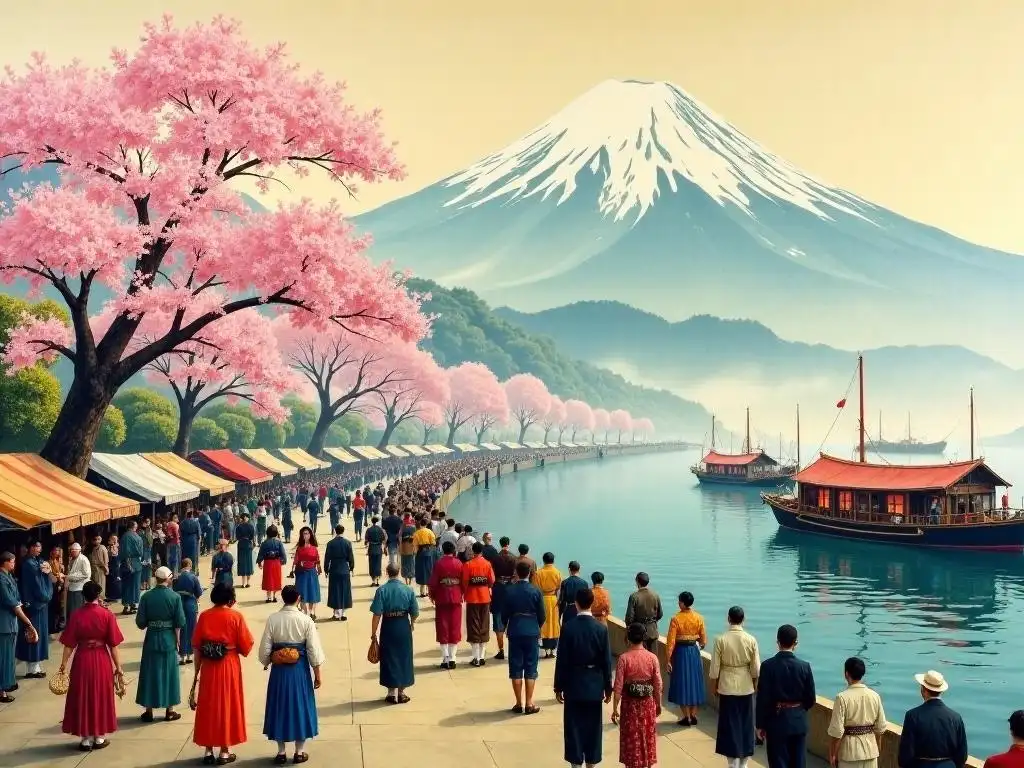
The Sakoku Era, which lasted from the early 17th century until the mid-19th century, was characterized by Japan's strict isolationist policies. However, by the time of the Meiji Restoration in 1868, a series of significant factors contributed to the end of this isolation. The culmination of these factors not only transformed Japan’s political landscape but also had profound implications for its economic structure.
Factors Leading to the Reopening of Japan
Several key elements played a crucial role in the dismantling of the Sakoku policy:
-
Western Pressure:
The arrival of Commodore Matthew Perry's "Black Ships" in 1853 marked a turning point. The U.S. aimed to establish trade relations and forced Japan to reconsider its isolationist stance. The unequal treaties that followed, particularly the Treaty of Kanagawa in 1854, opened Japanese ports to American ships, signaling the start of modernization efforts.
-
Internal Strife and Instability:
The Tokugawa shogunate faced mounting internal pressures from discontented samurai, peasants, and merchants. Economic hardships, exacerbated by natural disasters and poor harvests, led to uprisings and calls for reform. The increasing dissatisfaction paved the way for pro-foreign elements within Japan to gain influence, advocating for trade and modernization.
-
Influence of Western Ideas:
The exposure to Western philosophies and technologies played a vital role in shaping public opinion. Intellectuals and political leaders began to recognize the benefits of engaging with foreign nations, advocating for a shift from isolationism to a more open stance that would allow for technological and economic advancements.
-
Economic Pressures:
The Sakoku era had created a largely agrarian economy with limited access to global markets. As the world economy evolved, the need for new trade opportunities became apparent. The realization that isolation hindered Japan’s potential for growth was a significant factor in the shift toward reopening.
-
International Developments:
The global context also played a role. The expansion of European colonial empires and the competition for resources heightened Japan’s awareness of its vulnerability. To avoid subjugation, leaders recognized the necessity of modernization and engagement with the outside world.
Long-term Economic Effects Post-Sakoku
The end of the Sakoku Era ushered in transformative economic changes that shaped modern Japan:
-
Industrialization:
The Meiji Restoration marked the beginning of rapid industrialization. Japan shifted from a feudal agrarian economy to a more diversified industrial one, focusing on textiles, machinery, and infrastructure development. This industrial growth laid the foundation for Japan’s emergence as a global economic power.
-
Trade Expansion:
The opening of Japan's ports led to increased trade with Western nations and neighboring Asian countries. This expansion not only diversified Japan's economy but also allowed for the importation of Western technologies and ideas, further spurring economic growth.
-
Financial Reforms:
The government implemented significant financial reforms, including the establishment of a modern banking system. These reforms facilitated capital accumulation, investment in infrastructure, and the growth of domestic industries, which were essential for supporting an emerging market economy.
-
Social Changes:
The economic transformations brought about by the end of isolation prompted shifts in social structures. The rise of a merchant class and the gradual decline of the samurai class altered traditional power dynamics, leading to a more meritocratic society.
-
Global Integration:
Japan's reengagement with the world economy positioned it as a key player in international trade. By the turn of the 20th century, Japan had become one of the leading economic powers in Asia, competing with Western nations on equal footing.
The end of the Sakoku Era marked a pivotal moment in Japan's history, leading to profound economic and social transformations that laid the groundwork for its modernization and integration into the global economy. The Sakoku Era economic impact continues to be felt in Japan's ongoing evolution as a major economic force.
Conclusion
Summary of the Sakoku Era Economic Impact
The Sakoku Era, which spanned from 1635 to 1853, marked a significant period in Japanese history characterized by strict isolationist policies. Despite Japan's self-imposed seclusion, the economic impact of this era was complex and multifaceted.
During the Sakoku period, Japan engaged in limited trade primarily through the port of Nagasaki, where the Dutch and Chinese were allowed to conduct business. This selective approach enabled Japan to control foreign influences while still benefiting from trade. The economic impact included:
- Trade Limitations: Only a few foreign entities were permitted to interact with Japan, which restricted the flow of goods, ideas, and technologies.
- Domestic Economic Growth: The isolation allowed for the cultivation of a unique domestic economy, leading to advancements in agriculture, crafts, and local industries.
- Market Stabilization: With reduced competition from foreign markets, local businesses thrived, and traditional Japanese products gained prominence.
- Cultural Exchange: Despite isolation, there was a limited exchange of knowledge, especially in fields like medicine and science, primarily through the Dutch, who introduced Western techniques and ideas.
This era's economic policies laid the groundwork for future economic structures, demonstrating that isolation can foster self-reliance and innovation, albeit at the cost of global engagement.
Reflections on Trade vs. Isolation in Historical Context
The debate between trade and isolation during the Sakoku Era invites deep reflection on the broader implications of Japan's policies. While isolation undoubtedly preserved Japan's unique culture and traditions, it also raised questions regarding the sustainability of such practices in the face of a rapidly changing world.
- Cultural Preservation vs. Economic Growth
- Preservation: By limiting foreign influence, Japan was able to maintain its cultural identity and social structures. Traditional arts, crafts, and societal norms flourished without the disruption of outside forces.
- Growth: However, the trade restrictions also meant that Japan missed out on technological advancements and ideas that could have spurred greater economic growth and development.
- National Security vs. Economic Resilience
- Security: The Sakoku policies were partly motivated by a desire to protect Japan from colonial powers and maintain sovereignty. This focus on security was critical in a time when many nations were expanding their empires.
- Resilience: On the flip side, the isolationist stance may have hindered Japan's ability to adapt to changing economic realities, leading to challenges when the nation eventually opened its borders in the mid-19th century.
- Long-term Implications
- As Japan transitioned out of the Sakoku Era, the country faced the repercussions of its isolation. The eventual opening led to rapid modernization but also highlighted the vulnerabilities created by years of self-imposed seclusion.
The Sakoku Era economic impact serves as a poignant reminder of the delicate balance between trade and isolation. The era illustrates how isolationist policies can both protect and constrain a nation, leaving a lasting legacy on its economic and cultural landscape. Understanding this historical context enriches our perspective on contemporary economic dilemmas faced by nations worldwide.
Frequently Asked Questions
What was the Sakoku Era in Japan?
The Sakoku Era, also known as the Edo period, lasted from 1603 to 1868, characterized by national isolation and limited foreign trade. This policy aimed to maintain social stability and control over foreign influences.
How did the Sakoku Era affect Japan's economy?
During the Sakoku Era, Japan experienced economic growth despite its isolation. The focus on domestic trade and agriculture led to increased wealth among the samurai class and urban merchants, fostering a unique economic landscape.
What were the primary trade restrictions during the Sakoku Era?
The Sakoku policy imposed strict limits on foreign trade, allowing only a few ports like Nagasaki to engage with specific countries. This led to a monopoly on trade and significantly influenced Japan's economic relationships.
How did the Sakoku Era impact Japanese society?
The Sakoku Era reinforced a class-based society, with the samurai and merchant classes gaining prominence. It also stimulated the development of Japanese culture, arts, and local industries due to the limited interaction with the outside world.
What were the long-term economic implications of the Sakoku Era?
The Sakoku Era laid the groundwork for Japan's rapid modernization post-isolation. The skills and industries developed during this time were crucial in Japan's transition from a feudal society to an industrialized nation in the late 19th century.
Final Reflection: The Enduring Legacy of the Sakoku Era's Economic Impact
The economic policies of the Sakoku Era continue to resonate today, illustrating the delicate balance between trade and isolation. In a world increasingly interconnected through globalization, the lessons learned from Japan's historical period of seclusion remind us of the complexities and consequences of economic decisions. The Sakoku Era serves as a powerful example of how isolation can foster unique cultural developments while simultaneously limiting economic growth and international relationships.
The Sakoku Era has left an indelible mark on Japan's cultural and social landscape, shaping its identity in ways that are still felt today. The careful navigation between trade and isolation during this period not only influenced Japan's economic trajectory but also its cultural richness and societal norms. As historian John W. Hall aptly noted, The Sakoku policy was not merely a strategy of isolation; it was a profound statement of identity and self-determination.
This observation underscores the ongoing relevance of the Sakoku Era, as nations today grapple with similar dilemmas of openness versus protectionism.
As we reflect on the lessons of the Sakoku Era, let us consider how these historical insights can guide our actions in the present. How can we strike a balance in our own lives between embracing global opportunities and nurturing our unique identities?
I invite you to ponder the implications of trade and isolation in your personal and professional spheres. By understanding the past, we can make informed choices that honor our heritage while engaging with the world around us, ensuring that we do not repeat the mistakes of history but instead build a future that is both prosperous and inclusive.
Unveil New Perspectives on Trade and Isolation!
Thank you for diving into the fascinating world of Feudal Japan during the Sakoku Era! We hope you found valuable insights into the intricate balance between trade and isolation that shaped the nation’s history. Now that you’ve explored these themes, it’s time to take action!
- Dive Deeper: Read more about the impact of globalization on Japan’s economic development today. Explore our recommended articles that draw parallels between historical contexts and modern scenarios.
- Join the Conversation: Share your thoughts on the dynamics of trade versus isolation! Leave a comment below and engage with fellow history enthusiasts.
- Spread the Knowledge: Share this article with your friends or on your social media platforms to spark discussion and raise awareness about this pivotal era in history.
What aspects of the Sakoku Era do you find most relevant in today’s global economy? Your insights could inspire a rich discussion!