
The Role of Artisans in Samurai Society: Craftsmanship and Loyalty

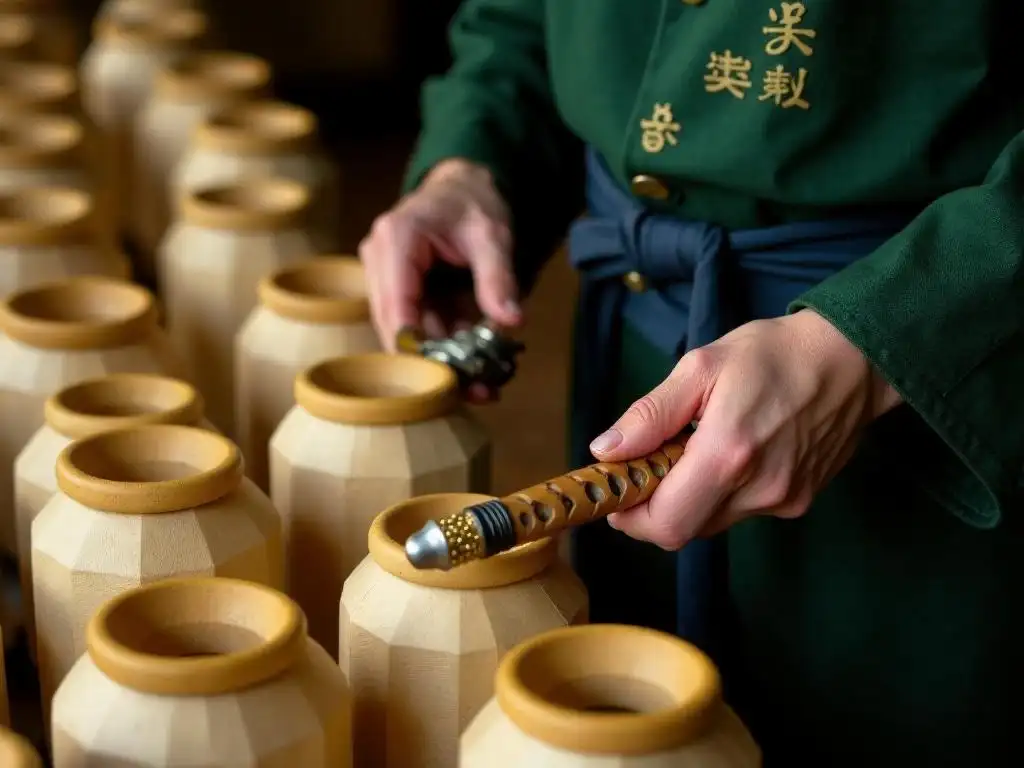
Welcome to Feudal Japan History, where the captivating tales of a bygone era come to life! Dive into the intricate world of artisans in samurai society, a pivotal yet often overlooked facet of Japan's feudal landscape. Discover how these skilled craftsmen balanced their loyalty to the samurai with their artistry, shaping the cultural fabric of their time. As you explore our in-depth articles, prepare to uncover the fascinating interplay between craftsmanship and feudal loyalty that defined an age. Your journey into the heart of feudal Japan begins here—are you ready to delve deeper?
Introduction to Artisans in Samurai Society
The role of artisans in samurai society is often overlooked in the grand narrative of Japan's feudal era, which predominantly highlights the exploits of samurai warriors and their noble patrons. However, these skilled craftsmen were integral to the cultural and economic fabric of this period, producing everything from weaponry to intricate textiles that not only served practical purposes but also reflected the aesthetic values of the time.
As Japan transitioned through various phases of its feudal history, the artisans evolved into vital contributors who melded artistry with functionality, embodying the loyalty and craftsmanship that characterized the samurai ethos. This exploration delves into the multifaceted roles artisans played in supporting samurai society, emphasizing their influence on both the material and cultural landscapes of feudal Japan.
Overview of the Feudal Era in Japan
The feudal era in Japan, spanning from the late 12th century to the mid-19th century, was marked by a hierarchical social structure dominated by the samurai class. This period saw the establishment of military governments, notably the Kamakura shogunate, which gave rise to a society where loyalty and honor dictated interpersonal relationships. The samurai, as the warrior elite, relied heavily on various societal roles, including those of artisans, to maintain their status and fulfill their duties.
- Social Structure:
- Emperors and Nobility: The highest ranks in society, often detached from day-to-day governance.
- Samurai: The warrior class, tasked with upholding law and order.
- Artisans and Merchants: Positioned below the samurai, these groups were essential for economic sustenance and cultural development.
- Cultural Influence: The arts flourished during this period, influenced by the samurai's appreciation for aesthetics and craftsmanship.
Importance of Artisans within Samurai Society
Artisans held a critical position within samurai society, not merely as laborers but as custodians of tradition and culture. Their work was deeply intertwined with the values of the samurai, where loyalty and dedication to craft paralleled the samurai's commitment to their lords.
- Cultural Preservation: Artisans were responsible for creating items that were not only utilitarian but also encapsulated the spirit of bushido, the way of the warrior.
- Economic Backbone: They contributed significantly to the economy, producing goods necessary for the samurai's lifestyle, such as weapons, armor, and ceremonial objects.
- Social Mobility: Skilled artisans could gain respect and influence, sometimes ascending the social ladder through their exceptional craftsmanship.
Historical Context of Artisans in Feudal Japan
Understanding the historical context of artisans during the feudal era provides insight into their emergence and societal standing within samurai culture.
The Emergence of Artisans during the Samurai Era
The rise of artisans can be traced back to the establishment of the samurai class, as the demand for specialized goods increased alongside the militarization of society. The need for high-quality weapons and tools led to the growth of various crafts, such as:
- Swordsmithing: The creation of katana required intricate knowledge and skill, with artisans revered for their ability to forge the finest blades.
- Textile Production: Artisans produced clothing and armor that reflected both status and functionality, often incorporating symbolism and artistry.
- Ceramics and Pottery: Essential for everyday life, these items were crafted with both beauty and utility, showcasing the artisan's skill.
Social Hierarchy and the Status of Artisans
While artisans were positioned below the samurai in the rigid social hierarchy, their status was not without merit. Their contributions were essential for the samurai's way of life, and their skills often garnered them a level of respect within their communities.
- Class Distinctions: Artisans were part of the lower classes, yet their expertise allowed for certain privileges, such as participation in local governance or trade guilds.
- Patronage Relationships: Many artisans operated under the patronage of samurai, receiving protection and support in exchange for their crafts, which further solidified their role in society.
The artisans in samurai society played a crucial role in shaping the cultural and material landscape of feudal Japan. Their craftsmanship not only fulfilled the needs of the samurai but also reflected the values of loyalty, honor, and dedication that were cornerstones of the era.
Craftsmanship in Samurai Society
Artisans played a pivotal role in samurai society, not only by providing essential goods but also by contributing to the cultural identity of the era. Their craftsmanship was deeply intertwined with the values of loyalty, honor, and dedication that characterized samurai life. The skills and artistry of these craftsmen were seen as a reflection of their commitment to quality and excellence. Craftsmen produced a wide array of products that catered to the needs of the samurai class, from weapons and armor to everyday items, all distinguished by meticulous attention to detail and high-quality materials.
The relationship between artisans and samurai was built on mutual respect and recognition of each other's roles within the hierarchical structure of feudal Japan. While samurai were warriors and leaders, artisans were the skilled hands that crafted the tools of their trade, bridging the gap between martial prowess and the aesthetic values of the time. This relationship fostered a sense of community and collaboration that was essential for the functioning of samurai society.
Types of Artisans: Specializations and Craft Techniques
Within the realm of craftsmanship, various types of artisans emerged, each specializing in distinct techniques and materials. The diversity of artisans in samurai society included:
- Metalworkers: Responsible for forging weapons and armor, they utilized techniques like folding iron to create strong and flexible materials.
- Potters: They crafted functional and decorative pottery, often employing glazes and methods that reflected regional styles and preferences.
- Textile Workers: These artisans produced intricate fabrics, often using techniques such as dyeing and weaving to create garments for samurai and their families.
- Woodworkers: Skilled in crafting furniture, tools, and architectural elements, woodworkers played a significant role in daily life and the aesthetic of samurai residences.
Each artisan brought unique skills and innovations to their craft, contributing to the overall quality and prestige of samurai goods. Their techniques were often passed down through generations, ensuring that traditional methods of craftsmanship were preserved.
The Art of Weapon Making: Swordsmiths and Armorers
Among the most revered artisans were swordsmiths and armorers, whose work directly influenced the effectiveness and status of the samurai.
- Swordsmiths: The creation of a katana was a highly ritualized process, demanding years of training and mastery. Swordsmiths used a combination of high-carbon and low-carbon steel to forge blades known for their resilience and sharpness. Each sword was imbued with spiritual significance, often accompanied by a unique signature that reflected the smith's identity.
- Armorers: Similarly, armorers crafted protective gear that was both functional and decorative. They designed intricate armor sets that combined metal, leather, and textiles, balancing mobility with protection. The artistry involved in creating armor often included elaborate motifs that represented the samurai's clan and personal values.
Both swordsmiths and armorers were essential to the samurai's identity, as their creations not only served practical purposes but also symbolized honor and prestige.
Traditional Crafts: Pottery, Textiles, and Woodwork
In addition to weaponry, traditional crafts such as pottery, textiles, and woodwork flourished in samurai society. Each craft contributed to the daily life and cultural expression of the era:
- Pottery: Japanese pottery often featured intricate designs and was used for both practical and ceremonial purposes. Techniques like Raku and Shino pottery became prominent, showcasing regional styles that reflected local aesthetics and traditions.
- Textiles: The art of textile-making involved complex dyeing techniques, such as indigo dyeing and Yuzen, which created beautiful patterns on fabrics. Kimono production was a significant aspect of samurai clothing, often adorned with family crests and symbols of status.
- Woodwork: Woodworkers created everything from furniture to temples, employing methods such as joinery that did not rely on nails. Their craftsmanship not only served functional needs but also contributed to the beauty of samurai homes and public spaces.
These traditional crafts highlighted the artisans' connection to nature and their cultural heritage, reinforcing the values of craftsmanship that were esteemed in samurai society.
Loyalty and Relationships between Artisans and Samurai
The relationship between artisans and samurai was characterized by a deep sense of loyalty and mutual dependence. This bond was crucial in maintaining the social fabric of feudal Japan, where honor and respect were paramount.
The Role of Loyalty in Samurai Culture
Loyalty was a defining characteristic of samurai culture, extending beyond mere allegiance to a lord. It encompassed loyalty to one’s craft and the artisans who supported the samurai lifestyle. Artisans often viewed their work as a service to the samurai, embodying the principles of dedication and honor. Conversely, samurai respected and valued the artisans' contributions, understanding that their craftsmanship was vital for both daily living and warfare.
This shared loyalty fostered a unique bond where both parties took pride in their roles. The samurai's success in battle was often seen as a reflection of the artisans' craftsmanship, while artisans found purpose in their work as an extension of samurai values.
Patronage: How Samurai Supported Artisans
The patronage system played a significant role in the relationship between samurai and artisans. Samurai would often commission specific works from artisans, providing them with financial support and resources in exchange for their craftsmanship. This arrangement ensured that artisans could focus on their craft while receiving protection and stability from their samurai patrons.
In many cases, samurai would employ artisans within their households, creating a direct relationship that facilitated collaboration and loyalty. This patronage not only supported the artisans' livelihoods but also allowed samurai to access high-quality goods that reflected their status.
Case Studies of Artisan-Samurai Relationships
Several historical examples illustrate the intricate relationships between artisans and samurai:
- Masamune, the Legendary Swordsmith: Renowned for his exceptional swordsmithing skills, Masamune crafted blades for prominent samurai, including the famous warrior, Minamoto no Yoritomo. His swords were prized for their beauty and effectiveness in battle, illustrating how an artisan's work could elevate a samurai's status.
- Textile Artisans and the Uesugi Clan: The Uesugi clan was known for its support of textile artisans, commissioning intricate kimonos that showcased clan symbols. This patronage not only provided artisans with financial stability but also ensured that the clan's identity was expressed through their garments.
These examples highlight the mutual respect and interdependence that characterized artisan-samurai relationships, showcasing the integral role of craftsmen in the fabric of samurai society.
Economic Contributions of Artisans to Samurai Society

Artisans played a crucial role in the economic structure of samurai society during the feudal era of Japan. Their specialized skills and craftsmanship not only supplied the needs of the samurai class but also contributed significantly to the broader economy. The artisans, who were often organized into guilds, produced a variety of goods ranging from weapons and armor to textiles and pottery. This engagement allowed for the flourishing of trade and the establishment of local markets, which were vital for sustaining the economy.
Artisans as Economic Pillars in Feudal Japan
In feudal Japan, the artisan class was integral to the economic framework that supported samurai society. Artisans were known for their expertise in specific crafts such as metalworking, woodworking, and textile production. They provided essential goods that the samurai relied upon for their daily lives and military endeavors. For instance, blacksmiths created the iconic katanas, while armorers fashioned protective gear. These products were not only functional but also represented the artistry and skill of the craftsmen.
Artisans enjoyed a certain level of status due to their vital contributions, often being regarded as economic pillars. They operated within a hierarchical structure that allowed them to earn a respectable living, and their successes were closely tied to the patronage of the samurai. This relationship fostered a system of loyalty and obligation, where artisans would produce high-quality goods in exchange for protection and support from their samurai patrons.
Trade and Commerce: The Artisan's Role in Local Markets
Artisans played a significant role in local markets, serving as both producers and traders. Their workshops often doubled as marketplaces where they sold directly to consumers, including both samurai and commoners. This direct interaction facilitated the exchange of goods and services, promoting local economies.
The artisans’ ability to innovate and adapt their products to meet market demands further enhanced their economic impact. For example, during periods of war, the need for weapons and armor surged, leading artisans to expand their production capabilities. Conversely, in times of peace, they might focus on creating decorative items and luxury goods that appealed to the samurai's aesthetic sensibilities.
Local festivals and markets became essential venues for artisans to showcase their craftsmanship, allowing them to build reputations and establish networks. These interactions not only promoted trade but also fostered a sense of community and loyalty among the different classes within samurai society, including the artisans.
Cultural Significance of Artisans in Samurai Society
Beyond their economic contributions, artisans played a pivotal role in shaping the cultural landscape of samurai society. Their work often reflected the values, beliefs, and aesthetics of the time, making them vital contributors to Japan's cultural heritage. The intricate designs and craftsmanship found in various art forms served to elevate the status of the samurai while also preserving traditional practices.
Preservation of Craft Traditions and Cultural Heritage
Artisans were the custodians of craft traditions, ensuring that skills and techniques passed down through generations remained alive. Many artisans belonged to families with long histories in their respective trades, allowing for the preservation of unique styles and methods. This continuity was vital in maintaining cultural heritage, as each craft often held symbolic meanings that resonated with samurai ideals.
For instance, the delicate art of kimono-making not only involved technical skill but also an understanding of the cultural significance of colors and patterns, which often conveyed messages about status and identity. Similarly, the craftsmanship found in sword-making was steeped in a rich tradition that emphasized the spiritual connection between the sword and the samurai's honor.
Influence of Artisans on Samurai Aesthetics and Lifestyle
The artisans' influence extended into the aesthetics and lifestyle of the samurai. Their craftsmanship shaped the visual culture of the era, with samurai adopting artistic elements in their clothing, weaponry, and even in the architecture of their residences. The integration of artisan goods into samurai life reflected a blend of functionality and artistry.
Moreover, artisans often collaborated with samurai to create bespoke items that met their specific preferences. For example, a samurai might commission a unique set of armor that not only provided protection but also showcased intricate designs and personal insignias. This relationship between artisans and samurai fostered a culture that valued both martial prowess and artistic expression.
Artisans were not merely skilled laborers; they were essential contributors to the economic and cultural fabric of samurai society. Their craftsmanship, loyalty, and ability to adapt to the needs of the samurai elevated their status and solidified their role as critical players in the feudal system of Japan.
Challenges Faced by Artisans in Samurai Society
Artisans in samurai society encountered a variety of challenges that shaped their roles and contributions. While they were essential for the production of goods and services, their existence was often fraught with societal limitations, economic pressures, and the overarching influence of war. Understanding these challenges provides insight into the complex relationship between artisans and the samurai class, highlighting the balance of craftsmanship and loyalty that defined this era.
Societal Limitations and Restrictions
In feudal Japan, artisans faced numerous societal restrictions that dictated their status and opportunities. Unlike the samurai class, who were afforded privileges and honor, artisans were often viewed as commoners, which limited their social mobility. They were typically bound to their craft and could not easily transition into other professions. This rigidity was compounded by the caste system, which categorized individuals based on their professions and lineage.
- Guild Regulations: Many artisans were organized into guilds, which were controlled by local lords or samurai. These guilds established strict rules regarding production, pricing, and the distribution of goods. Artisans had to adhere to these regulations, which sometimes stifled innovation and creativity.
- Tax Burdens: Artisans were often required to pay high taxes on their goods, which were imposed by the samurai class to fund their military and administrative needs. This economic pressure made it difficult for many artisans to thrive and invest in their craft.
- Limited Patronage: While some artisans received patronage from samurai or wealthy merchants, many struggled to find consistent support. Their reliance on the samurai class for commissions meant that their livelihoods were directly tied to the whims of their patrons.
The Impact of War on Artisan Communities
The constant warfare that characterized much of Japan's feudal era had profound effects on artisan communities. As samurai engaged in battles, the demand for certain goods would fluctuate, leading to both opportunities and hardships for artisans.
- Disruption of Trade: War often disrupted trade routes and supply chains, making it difficult for artisans to acquire raw materials and sell their finished products. This instability could lead to economic downturns in artisan communities, forcing craftsmen to adapt quickly to changing circumstances.
- Shift in Demand: During times of conflict, the demand for weapons, armor, and other military supplies surged. Artisans who specialized in these areas could benefit, but those who focused on non-military crafts might face declining sales and increased competition.
- Community Bonds: In the face of adversity, artisan communities often banded together for mutual support. This solidarity fostered a sense of loyalty among craftsmen and reinforced their identity as a distinct group within samurai society.
Conclusion: The Lasting Legacy of Artisans in Samurai Society
The legacy of artisans in samurai society extends far beyond their immediate contributions to craftsmanship. Their work, loyalty, and resilience have left a lasting imprint on Japanese culture, shaping the values and aesthetics that continue to be celebrated today.
Reflection on Craftsmanship and Loyalty in Historical Context
Artisans were not merely laborers; they embodied a unique blend of craftsmanship and loyalty that was essential to the samurai ethos. Their dedication to their craft often paralleled the samurai's commitment to their lord. This relationship is exemplified in the meticulous attention to detail found in weaponry, armor, and even everyday items, illustrating how the ideals of loyalty and honor permeated all levels of society.
- Cultural Heritage: The craftsmanship of artisans has become a vital part of Japan’s cultural heritage, influencing traditional arts such as ceramics, textiles, and metalwork. Their techniques and styles are still revered and practiced by modern artisans, ensuring that the spirit of the samurai era continues to thrive.
The Influence of Samurai Artisans on Modern Japanese Culture
The impact of samurai artisans can be observed in various aspects of contemporary Japanese culture. Their contributions to aesthetics, craftsmanship, and values resonate in today's society.
- Artistic Traditions: Many traditional Japanese crafts, such as pottery and woodworking, trace their roots back to the artisans of the samurai period. These crafts are celebrated for their beauty and precision, reflecting the high standards set by their predecessors.
- Cultural Festivals: Modern festivals often pay homage to the craftsmanship of the past, showcasing traditional artisans and their skills. This not only preserves history but also fosters appreciation for the dedication and artistry that characterized the samurai era.
The artisans in samurai society exemplified the intricate interplay of craftsmanship and loyalty, facing significant challenges yet leaving an indelible mark on Japan’s cultural landscape. Their legacy continues to inspire and influence modern Japanese culture, reminding us of the vital role that artisans played in shaping history.
- Introduction to Artisans in Samurai Society
- Historical Context of Artisans in Feudal Japan
- Craftsmanship in Samurai Society
- Loyalty and Relationships between Artisans and Samurai
- Economic Contributions of Artisans to Samurai Society
- Cultural Significance of Artisans in Samurai Society
- Challenges Faced by Artisans in Samurai Society
- Conclusion: The Lasting Legacy of Artisans in Samurai Society
- What was the significance of artisans in samurai society?
- How did artisans maintain their loyalty to samurai?
- What types of crafts did artisans specialize in during the feudal era?
- Were artisans considered part of the samurai class?
- How did the relationship between artisans and samurai evolve over time?
Frequently Asked Questions
What was the significance of artisans in samurai society?
Artisans played a crucial role in samurai society, providing essential craftsmanship that supported the military elite. Their skills contributed to the production of weapons, armor, and other necessary goods.
How did artisans maintain their loyalty to samurai?
Artisans often pledged loyalty to their samurai patrons, ensuring a stable relationship where mutual respect and support flourished. This loyalty was integral for their livelihoods and social standing.
What types of crafts did artisans specialize in during the feudal era?
Artisans specialized in various crafts, including metalwork, ceramics, and textiles. Each craft contributed to the cultural fabric of samurai society, enhancing both utility and artistry.
Were artisans considered part of the samurai class?
No, artisans were not part of the samurai class but held a respected position within the social hierarchy. They were often seen as essential contributors to the samurai's military and cultural needs.
How did the relationship between artisans and samurai evolve over time?
The relationship evolved from simple patronage to a more interdependent connection, where artisans gained recognition for their skills, leading to a greater appreciation of their cultural contributions within samurai society.
Final Reflection: The Enduring Legacy of Artisans in Samurai Society
The intricate relationship between artisans and samurai society underscores a vital truth: craftsmanship is not merely a skill but a profound expression of loyalty and cultural identity. In today's world, where mass production often overshadows individual artistry, the significance of artisanship remains as relevant as ever. The dedication and meticulous attention to detail that artisans displayed in samurai society serve as a powerful reminder of the value of craftsmanship in fostering community and preserving heritage.
Artisans were the backbone of samurai culture, shaping not only the physical tools of warfare but also the very ethos of loyalty and honor. Their contributions transcended mere utility; they were integral to the identity of the samurai and the societal structure of feudal Japan. As we navigate our contemporary landscape, the influence of these skilled craftsmen can still be felt. Art is the most beautiful of all lies.
This quote encapsulates the essence of artisanship, highlighting how the beauty created by artisans can inspire and elevate society, even in the face of adversity.
As you reflect on the lessons of artisans in samurai society, consider how you can incorporate the values of craftsmanship and loyalty into your own life. Embrace the art of your own passions, whether they be in your career, hobbies, or relationships. Let the legacy of these artisans inspire you to cultivate a deeper commitment to your craft and to honor the connections that bind us together. In doing so, you not only pay homage to the past but also contribute to a future where artistry and loyalty continue to thrive.
Unleash the Spirit of Craftsmanship!
Thank you for exploring the fascinating world of artisans in Samurai society. You've discovered how their exceptional craftsmanship and unwavering loyalty shaped the fabric of feudal Japan. Now, it’s time to take that inspiration further!
Here are some powerful actions you can take:
- Explore local craftsmanship: Seek out artisans in your community and learn about their work. Supporting local crafts not only fosters creativity but also honors ancient traditions.
- Share your appreciation for artisan crafts: Post about your favorite artisan works on social media to inspire others and raise awareness about the importance of craftsmanship throughout history.
- Engage with history: Join forums or discussion groups focused on feudal Japan to connect with others who share your passion—dive deeper into the roots of Samurai culture!
How do you think today’s artisans can preserve the spirit of craftsmanship that the Samurai valued so highly?