
Beyond Matcha: Exploring the Diverse Types of Tea Used in Ceremonies

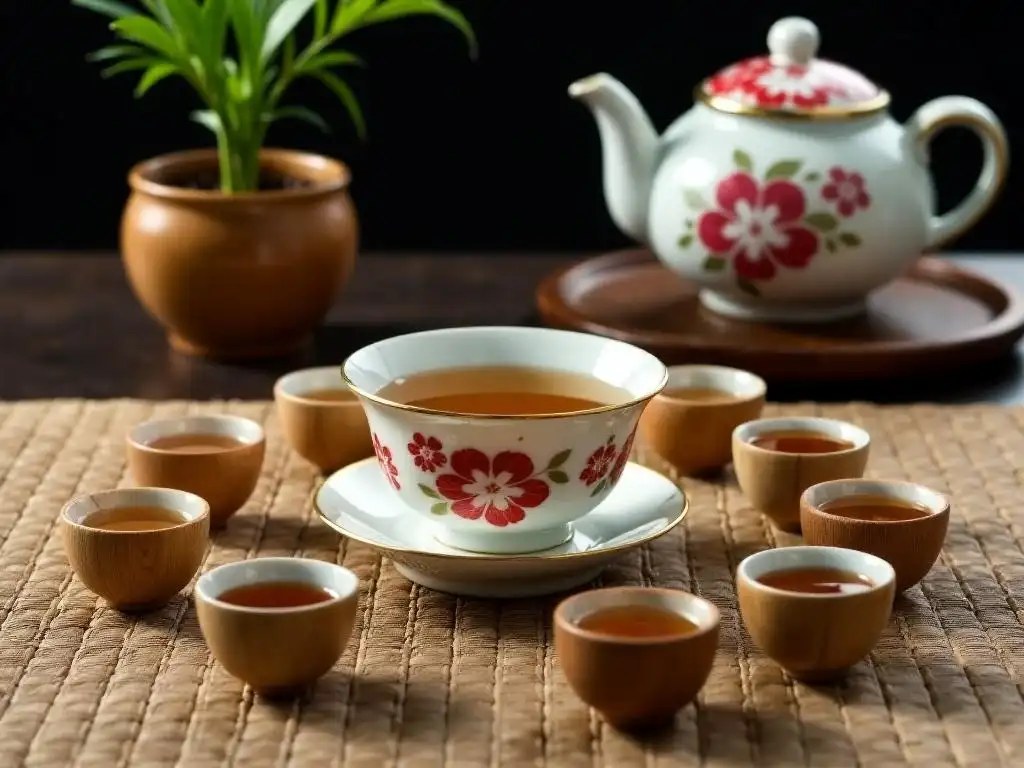
Welcome to Feudal Japan History, where we invite you to journey through the intricate tapestry of Japan’s feudal era. Here, we delve deep into the rich historical, cultural, and societal threads that shaped this fascinating period. In our featured article, “Beyond Matcha: Exploring the Diverse Types of Tea Used in Ceremonies,” we uncover the exquisite varieties of tea that transcended mere beverage status to become a pivotal element in the Japanese tea ceremony.
What secrets do these teas hold, and how have they influenced the art of this timeless ritual? Join us as we sip from the cup of history and explore the depths of Japanese culture. Your adventure begins now!
In the rich tapestry of Japan's feudal era, tea has played a pivotal role, transcending mere consumption to become a profound cultural practice. The Japanese tea ceremony, or chanoyu, is often synonymous with matcha, the finely ground green tea that has become emblematic of this tradition. However, the world of Japanese tea ceremonies is far more diverse, showcasing a variety of teas that reflect the complex layers of historical, cultural, and societal influences in Japan.
This article delves into the various types of tea utilized in ceremonies beyond the well-known matcha, exploring their unique characteristics, the significance they hold, and how they contribute to the overall tea experience. From the delicate flavors of sencha to the earthy notes of hojicha, each tea variety offers a distinct perspective on Japan's intricate relationship with this beverage.
As we embark on this exploration, we will uncover not only the types of tea used but also the historical context that shaped their use in ceremonies, the cultural meanings behind them, and how these practices continue to evolve today. Join us on this journey through time and taste as we reveal the diverse world of Japanese tea ceremony varieties.
- Introduction to Japanese Tea Ceremony Varieties
- Types of Tea Used in Japanese Ceremonies
- Lesser-Known Tea Varieties in Japanese Ceremonies
- The Cultural Importance of Tea Ceremony Varieties
- Conclusion: Embracing the Diversity of Japanese Tea Ceremony Varieties
-
Frequently Asked Questions
- What are the main types of tea used in Japanese tea ceremonies?
- How does the choice of tea affect the tea ceremony?
- Can you describe the significance of the tea ceremony in Japanese culture?
- Are there regional differences in tea varieties used?
- How can one learn more about the different types of tea used in ceremonies?
- Final Reflection: Embracing the Rich Tapestry of Japanese Tea Ceremony Varieties
- Unveil the World of Tea Ceremonies!
Introduction to Japanese Tea Ceremony Varieties
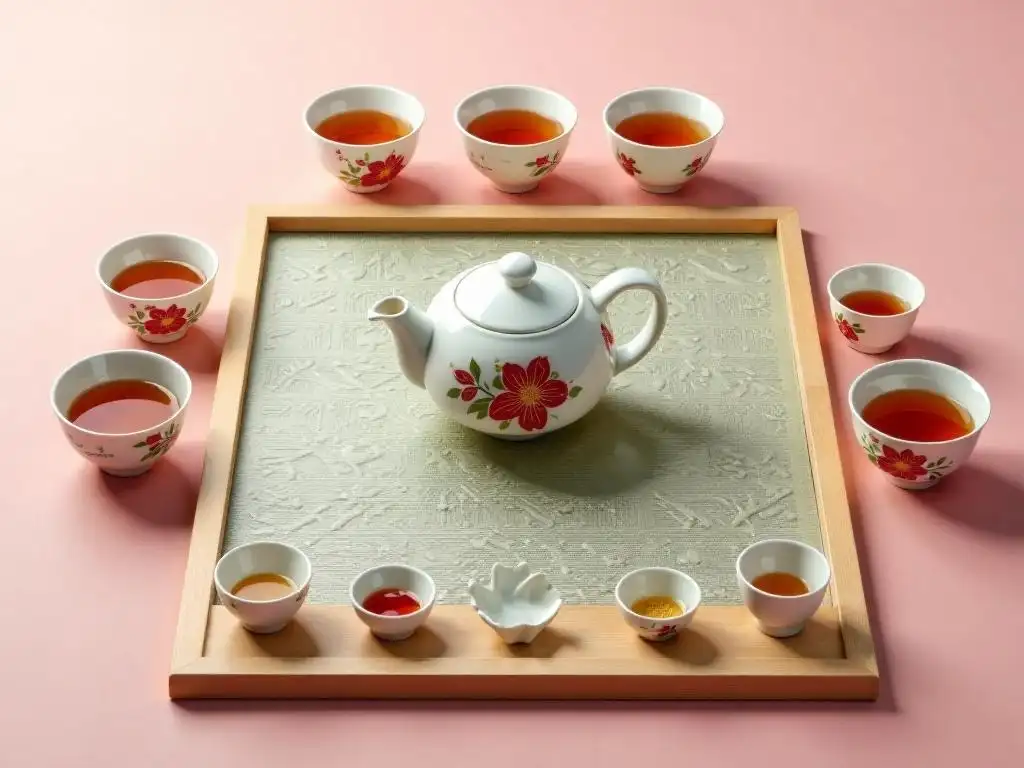
The Japanese tea ceremony, known as "chanoyu" or "sado," is not merely a ritual of serving tea; it is a profound cultural experience steeped in history, philosophy, and artistry. Within this ceremonial context, various types of tea are employed, each bringing its unique flavor, aroma, and significance. Understanding the different Japanese tea ceremony varieties is essential for a deeper appreciation of this multifaceted tradition.
The Significance of Tea in Japanese Culture
Tea in Japan transcends its role as a beverage. It embodies values such as harmony, respect, purity, and tranquility, principles deeply rooted in Zen Buddhism. Each cup of tea is an invitation to mindfulness, reflecting a moment to pause and appreciate the beauty of simplicity.
- Cultural Symbolism: Tea is often seen as a medium to connect people and foster relationships. The act of sharing tea signifies hospitality and an intention to create a serene environment.
- Spiritual Aspect: The preparation and consumption of tea are viewed as meditative practices, allowing individuals to engage in self-reflection and connect with nature.
- Artistic Expression: The variety of tea and the accompanying utensils, such as the tea bowl ( chawan), whisk ( chasen), and scoop ( chashaku), contribute to the aesthetics of the ceremony, showcasing the artistry and craftsmanship inherent in Japanese culture.
In essence, the significance of tea in Japanese culture is woven into the fabric of daily life, nurturing community ties and individual introspection.
Overview of the Japanese Tea Ceremony
The Japanese tea ceremony is characterized by its meticulous attention to detail, with each step performed with precision and intention. Below are the key components that define the ceremony, along with the primary types of tea used:
Key Components of the Ceremony
- Utensils:
- Tea Bowl (Chawan): A vessel for the tea, often handcrafted and unique in design.
- Whisk (Chasen): Used to blend matcha with hot water, creating a frothy beverage.
- Scoop (Chashaku): A bamboo tool for measuring the right amount of matcha.
- Steps of the Ceremony:
- Preparation (Shitsuke): The host prepares the tea space, ensuring everything is clean and arranged.
- Serving (Nairai): The host serves the tea to guests, performing all actions with grace and mindfulness.
- Consumption (Shuzen): Guests receive the tea, express gratitude, and savor the flavor, often admiring the bowl's craftsmanship.
Types of Tea Used in the Ceremony
- Matcha: The most recognized tea for ceremonies, matcha is finely powdered green tea that is whisked with hot water. It embodies the essence of the tea ceremony, emphasizing the aesthetics and flavors of the tea.
- Gyokuro: A high-quality green tea that is shade-grown before harvest, gyokuro offers a delicate flavor profile and is typically steeped at lower temperatures. Although less common in formal ceremonies, it may be enjoyed in more intimate settings.
- Sencha: This is the most popular tea in Japan, made from steamed green tea leaves. While not traditionally used in formal ceremonies, it can be served in casual gatherings, showcasing its refreshing taste.
- Hojicha: Roasted green tea with a distinctive nutty flavor, hojicha is often enjoyed after meals. Its unique profile makes it a delightful addition to less formal tea drinking occasions.
The Japanese tea ceremony is a rich tapestry of cultural practices, with each variety of tea adding its unique thread to the overall experience. By exploring the Japanese tea ceremony varieties, one can gain insights into the historical and cultural significance of tea in Japan, enriching the understanding of this timeless tradition.
Types of Tea Used in Japanese Ceremonies
Matcha: The Most Recognized Variety
Matcha, a finely ground powder made from specially grown green tea leaves, is perhaps the most iconic tea used in Japanese tea ceremonies. This vibrant green tea is celebrated not only for its unique flavor but also for its cultural significance and the meticulous ritual surrounding its preparation and serving.
History of Matcha in Japanese Tea Ceremonies
The history of matcha in Japan dates back to the Tang Dynasty in China, where powdered tea was first introduced. However, it wasn't until the 12th century that matcha found its way to Japan, brought over by Buddhist monks who recognized its stimulating properties and health benefits. By the 15th century, matcha had evolved into an integral part of the Japanese tea ceremony, particularly under the influence of tea masters like Sen no Rikyū, who refined the practice into a spiritual and aesthetic experience.
The significance of matcha extends beyond its consumption; it embodies the principles of harmony, respect, purity, and tranquility that are central to the tea ceremony. During the Edo period, matcha became a symbol of sophistication and status, often reserved for the samurai and nobility, thus solidifying its place in Japanese culture.
Preparation and Serving of Matcha
The preparation of matcha is a carefully choreographed ritual that emphasizes mindfulness and precision. The process begins with the selection of high-quality matcha, often sourced from Uji or Nishio regions, known for their premium tea production.
- Tools Required:
- Chawan: A tea bowl.
- Chasen: A bamboo whisk.
- Chashaku: A bamboo scoop.
- Kettle: For heating water.
- Steps for Preparation:
- Measuring: Using the chashaku, scoops of matcha are placed into the chawan.
- Water Temperature: Water is heated to around 70-80°C (158-176°F) to avoid bitterness.
- Whisking: Hot water is added, and the mixture is whisked vigorously with the chasen until frothy.
- Serving: The prepared matcha is served in the chawan, often accompanied by a small sweet (wagashi) to balance its bitterness.
Sencha: The Everyday Green Tea
Sencha is another significant variety of tea in Japan, known for its refreshing flavor and vibrant aroma. Unlike matcha, sencha is made from whole tea leaves that are steamed and then dried, producing a tea that is rich in catechins and vitamins.
Characteristics of Sencha
Sencha is characterized by its bright green color and distinct flavor profile, which can range from sweet and grassy to slightly astringent, depending on the growing conditions and processing methods. The tea is typically categorized into various grades, from higher-quality first flush sencha (shincha) to more everyday varieties.
- Flavor Profile:
- Umami: A rich, savory taste.
- Astringency: A refreshing, crisp note.
- Sweetness: A delicate sweetness that emerges when brewed correctly.
- Health Benefits: Sencha is packed with antioxidants and is known to boost metabolism, enhance mental clarity, and promote overall well-being.
Role of Sencha in Tea Ceremonies
While matcha often takes center stage in formal tea ceremonies, sencha holds a prominent role in more casual gatherings and daily life. It embodies the concept of "ichigo ichie," or "one time, one meeting," emphasizing the importance of appreciating each moment.
In tea ceremonies, sencha is typically served in a more relaxed atmosphere, allowing participants to enjoy conversation and connection. The preparation of sencha involves steeping the leaves in hot water, with careful attention paid to temperature and steeping time to maximize flavor.
- Brewing Techniques:
- Temperature: Water should be around 70-80°C (158-176°F) for optimal extraction.
- Steeping Time: Generally 1-2 minutes, depending on personal preference.
- Serving: Sencha is poured into individual cups, allowing for a more communal experience compared to the individual serving of matcha.
Both matcha and sencha play vital roles in Japanese tea ceremonies, each with its unique characteristics and significance, reflecting the rich cultural heritage of Japan.
Gyokuro: The High-Quality Shade-Grown Tea
Gyokuro is a premium Japanese green tea renowned for its exquisite flavor and distinctively rich aroma. This tea is cultivated under shade for several weeks before harvesting, a technique that enhances its sweetness and umami notes while reducing bitterness. The meticulous growing process, combined with the careful hand-picking of the youngest leaves, distinguishes Gyokuro as one of the highest quality teas in Japan. Its vibrant green leaves, shaped like needles, are a testament to the skill and dedication of the tea farmers.
The name "Gyokuro" translates to "jade dew," a reference to the tea's beautiful color and the delicate, dew-like droplets that form on the leaves during the shading process. This tea is traditionally prepared using lower temperatures, which helps to preserve its delicate flavors and aromas, making it a sought-after choice for tea connoisseurs.
Unique Features of Gyokuro
Gyokuro is characterized by several unique features that set it apart from other green teas:
- Shade-Growing Technique: The tea plants are covered with straw or shade cloths for about three weeks prior to harvest, resulting in reduced sunlight exposure. This process increases chlorophyll production and enhances the tea's sweetness.
- High Amino Acid Content: The shading method boosts the levels of the amino acid L-theanine, which contributes to Gyokuro's signature umami flavor. This makes the tea smooth and rich, providing a pleasant mouthfeel.
- Visual and Olfactory Appeal: Gyokuro leaves are vibrant green and glossy, indicating freshness. When brewed, the tea produces a bright green infusion with a sweet aroma, further enhancing the sensory experience.
- Health Benefits: Rich in catechins, vitamins, and minerals, Gyokuro is not only a delicious beverage but also offers numerous health benefits, including antioxidant properties and stress-reducing effects due to its L-theanine content.
Gyokuro's Place in Formal Ceremonies
In the context of formal Japanese tea ceremonies, Gyokuro holds a prestigious position. Its preparation is often regarded as an art form, requiring precision and attention to detail. The tea is typically served in small cups to allow participants to savor its complex flavors fully.
Gyokuro is frequently used during special occasions or gatherings, where it symbolizes respect and hospitality. The brewing process itself is a meditative act, emphasizing the importance of mindfulness in the tea ceremony. The attendees can appreciate not only the tea's taste but also the care and intention that went into its preparation.
In many formal ceremonies, Gyokuro may be paired with seasonal sweets, enhancing the overall experience by balancing the tea's umami notes with the sweetness of the treats. This pairing exemplifies the harmony sought in Japanese aesthetics, making Gyokuro an essential element of the ceremonial practice.
Hojicha: The Roasted Green Tea
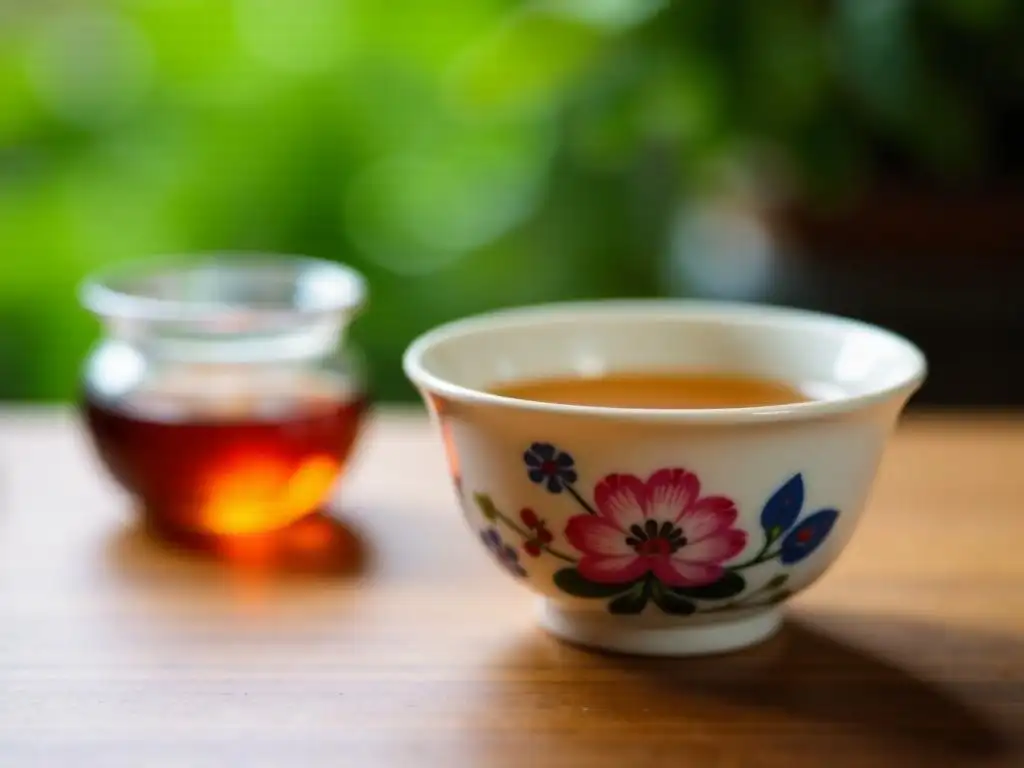
Hojicha is a unique Japanese green tea that undergoes a distinct roasting process, setting it apart from other varieties. Originating in Kyoto, this tea is made from the leaves, stems, and even twigs of the tea plant, which are roasted at high temperatures. This roasting not only changes the color of the tea leaves to a reddish-brown but also imparts a toasty, caramelized flavor profile that appeals to many tea drinkers.
The lower caffeine content of Hojicha, resulting from the roasting process, makes it an excellent choice for evening consumption. Its warm, comforting characteristics have contributed to its popularity both in Japan and internationally.
Flavor Profile of Hojicha
Hojicha is celebrated for its distinctive flavor profile, which is markedly different from that of most green teas:
- Toasty and Nutty Notes: The roasting process gives Hojicha a robust, toasty flavor with hints of nuttiness. Some drinkers describe the flavor as reminiscent of roasted chestnuts or caramel.
- Lower Astringency: Unlike many green teas, Hojicha has a smooth and mellow taste, with a significant reduction in astringency. This makes it easily enjoyable for those who may be sensitive to the sharper flavors found in other teas.
- Warm and Comforting Aroma: The aroma of Hojicha is inviting and warm, often evoking a sense of comfort. Its scent is less grassy than traditional green teas, making it suitable for a wide range of palates.
- Versatile Pairing: Hojicha pairs well with various foods, especially savory dishes, making it a versatile choice for different occasions.
Usage of Hojicha in Casual Ceremonies
Hojicha is commonly used in casual tea gatherings and is appreciated for its approachable nature. Its easy-going flavor makes it a favorite among those who may not prefer the more delicate profiles of traditional green teas.
In casual settings, Hojicha is often served alongside simple snacks or sweets. The tea's warm, comforting qualities foster an inviting atmosphere, perfect for relaxed gatherings with friends and family.
Additionally, Hojicha's lower caffeine content allows it to be enjoyed throughout the day, making it a popular choice for casual afternoon tea sessions. Its unique flavor can also be enjoyed iced or mixed into various beverages, such as lattes, further expanding its reach beyond traditional tea ceremonies.
The accessibility and versatility of Hojicha have made it a beloved staple in Japanese culture, bridging the gap between formal and informal tea experiences.
Genmaicha: The Brown Rice Tea
Genmaicha, often referred to as "brown rice tea," is a unique blend of green tea and roasted brown rice. This tea has a rich history that dates back to the 15th century and was originally consumed by the lower classes in Japan as a means to stretch the limited supply of more expensive tea leaves. Today, Genmaicha is celebrated for its distinct flavor and health benefits, making it a cherished variety in Japanese tea ceremonies.
Composition and Taste of Genmaicha
Genmaicha is primarily made from a combination of sencha or bancha green tea and roasted brown rice. The roasting process gives the rice a nutty flavor that beautifully complements the grassy notes of the green tea.
- Ingredients:
- Green Tea: Typically sencha or bancha, providing the foundational flavor.
- Roasted Brown Rice: Adds a toasty aroma and flavor, creating a balance with the green tea.
The result is a tea that is both refreshing and comforting, with a slightly sweet, nutty taste profile. The color of brewed Genmaicha is usually a light greenish-yellow, and its aroma is characterized by a warm, toasted fragrance.
In terms of preparation, Genmaicha is usually steeped at lower temperatures (around 80°C or 176°F) for shorter durations, ensuring that the delicate flavors are preserved without becoming bitter. This careful brewing technique highlights the harmonious blend of the tea and rice, making it a favorite among both tea aficionados and casual drinkers.
Cultural Significance of Genmaicha in Ceremonies
Genmaicha holds a special place in Japanese tea culture, often associated with warmth and hospitality. Its historical roots as a drink for the common people contribute to its symbolic value in ceremonies, representing humility and the sharing of simple pleasures.
- Ceremonial Use:
- While not as formal as matcha, Genmaicha can be featured in more casual tea gatherings or as a welcoming drink for guests.
- Symbol of Community:
- The tea embodies the spirit of togetherness and friendship, often served during communal meals or family gatherings.
In contemporary tea ceremonies, Genmaicha is appreciated for its versatility and ability to pair well with a variety of traditional Japanese sweets (wagashi). Its comforting nature makes it a popular choice for easing guests into the ceremonial experience, allowing for a moment of relaxation and conversation before the more structured elements of the tea ceremony begin.
Overall, Genmaicha is not just a beverage; it is a reflection of Japanese cultural values, emphasizing simplicity, community, and the enjoyment of nature's bounty.
Lesser-Known Tea Varieties in Japanese Ceremonies
While matcha often steals the spotlight in discussions about Japanese tea ceremonies, several lesser-known tea varieties play significant roles in these rituals. Among them, Kamairicha and Kukicha stand out for their unique characteristics and cultural significance. Exploring these teas provides a deeper understanding of the diversity within Japanese tea ceremony varieties.
Kamairicha: The Pan-Fired Green Tea
Kamairicha is a distinctive type of green tea that undergoes a unique pan-firing process instead of the more common steaming method used for most Japanese green teas. This technique gives Kamairicha its characteristic flavors and aromas that set it apart from other varieties.
Characteristics and Flavor of Kamairicha
- Appearance: Kamairicha leaves are typically dark green and twisted, showcasing the pan-firing technique that differentiates them from steamed green teas like sencha.
- Flavor Profile: The flavor of Kamairicha is often described as rich and complex, with a notable roasted note reminiscent of chestnuts. This distinctive profile is enhanced by its smooth mouthfeel and slight sweetness, making it a unique offering during tea ceremonies.
- Aroma: The tea possesses a warm, toasty aroma that evokes a sense of comfort, contrasting sharply with the grassy notes found in other green teas.
Kamairicha's flavor is a result of its cultivation in specific regions, notably in the Kumamoto and Kagoshima prefectures. The climate and soil in these areas contribute to the tea's unique taste, making it a prized selection for connoisseurs.
Occasions for Using Kamairicha
Kamairicha is often chosen for informal tea gatherings or during specific celebrations due to its approachable flavor and warming qualities. Some occasions include:
- Seasonal Celebrations: Its unique profile makes it an ideal choice for seasonal festivities, where the warmth of the tea complements the atmosphere.
- Tea Tastings: Kamairicha is a popular selection for tea tastings, as its unique characteristics provide a contrast to more familiar teas, enhancing the overall experience.
- Family Gatherings: The tea's comforting nature makes it a favorite among families, providing a sense of tradition and warmth during reunions.
Kukicha: The Twig Tea
Kukicha, also known as twig tea, is made from the stems, twigs, and leaves of the tea plant. This unique composition gives Kukicha a distinct flavor and a place in various Japanese tea ceremonies.
Understanding Kukicha's Unique Composition
- Composition: Kukicha is primarily composed of the stems and twigs of the tea plant, which are typically discarded during the production of other teas. However, these parts contribute a different flavor profile and nutritional benefits.
- Flavor and Aroma: The flavor of Kukicha is often described as mild and slightly sweet, with a nutty undertone. It has a light body and a smooth texture, making it an excellent choice for those who prefer a less astringent tea. The aroma is fresh and herbal, evoking a sense of tranquility.
Kukicha's composition can vary depending on the specific tea cultivar used, with some varieties offering more pronounced nutty flavors or grassy notes.
Kukicha's Role in the Tea Ceremony
Kukicha holds a special place in the Japanese tea ceremony due to its symbolic meanings and the unique experience it offers participants. Here are some of its roles:
- Symbolism of Balance: The use of Kukicha in ceremonies symbolizes balance and harmony, reflecting the principles of Zen that underpin many aspects of Japanese culture.
- Casual Gatherings: Often served during casual gatherings, Kukicha encourages conversation and connection among participants, creating an inviting atmosphere.
- Nutritional Benefits: Recognized for its health benefits, Kukicha is sometimes chosen for ceremonies focused on wellness and mindfulness, allowing participants to enjoy tea while embracing a holistic approach to health.
Both Kamairicha and Kukicha showcase the diversity of Japanese tea ceremony varieties beyond matcha. Their unique flavors, compositions, and roles in ceremonies enrich the cultural tapestry of Japan's tea traditions, inviting tea enthusiasts to explore and appreciate these lesser-known varieties.
The Cultural Importance of Tea Ceremony Varieties
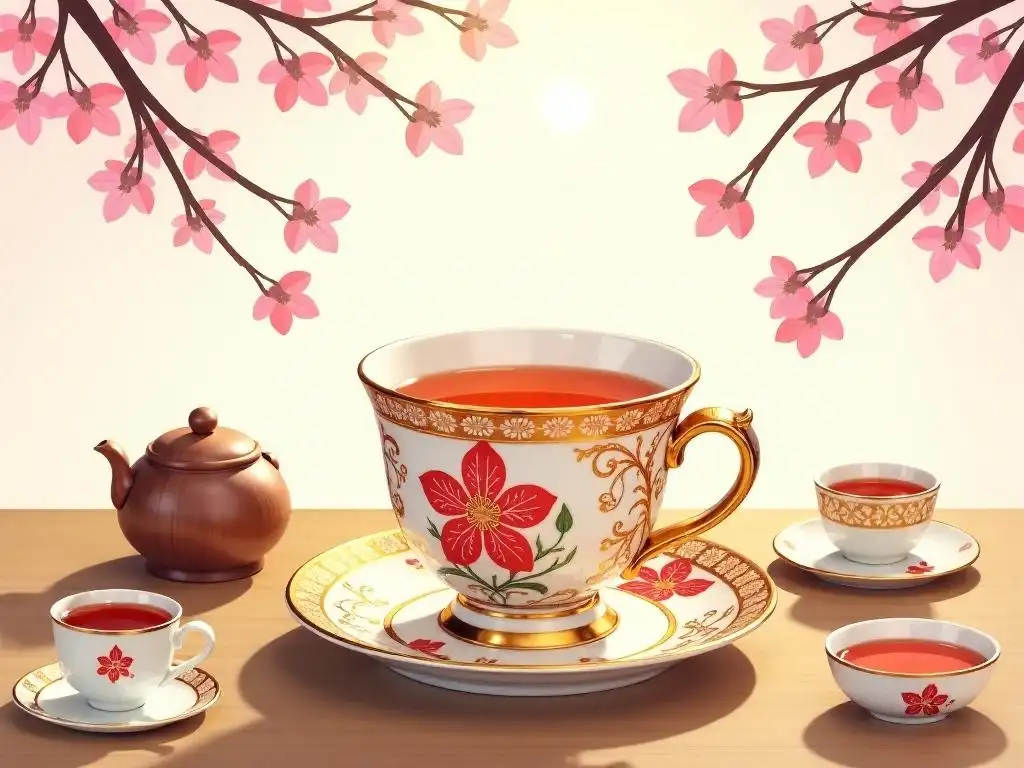
The Japanese tea ceremony, or chanoyu, is a profound cultural practice that transcends mere beverage preparation. It is a ritual steeped in history, philosophy, and artistry, where the variety of tea used holds significant cultural importance. Each type of tea not only enhances the sensory experience but also embodies distinct meanings and traditions that resonate deeply within Japanese society.
Symbolism of Different Teas in Rituals
In the context of the tea ceremony, different tea varieties are imbued with symbolic meanings that reflect various aspects of Japanese culture and philosophy.
- Matcha: The most recognized tea in the ceremony, matcha symbolizes purity and tranquility. Its vibrant green color represents life and vitality. Traditionally, matcha is whisked into a frothy preparation, which emphasizes the meditative aspect of the ritual. The process of preparing matcha reflects mindfulness and presence, echoing Zen principles.
- Sencha: This infused green tea is often used in more casual tea gatherings. Sencha signifies connection and conviviality, as it is typically brewed in a teapot and shared among guests. The act of communal drinking fosters a sense of togetherness and harmony, reinforcing social bonds.
- Hojicha: This roasted green tea offers a unique flavor profile characterized by its warm, earthy tones. Hojicha is often associated with comfort and relaxation, making it a favored choice for informal gatherings. Its inclusion in a tea ceremony can symbolize warmth and hospitality, welcoming guests with a sense of ease.
- Genmaicha: A blend of green tea and roasted brown rice, genmaicha embodies simplicity and humility. Its rustic flavor and aroma evoke a sense of nostalgia, connecting participants to everyday life and the beauty of nature. This tea is often served during ceremonies that emphasize gratitude and appreciation for the simple pleasures in life.
The symbolism of these teas not only enhances the ceremonial experience but also provides insights into the values and philosophies that underpin Japanese culture.
How Tea Varieties Reflect Japanese Aesthetics
The aesthetic principles of wabi-sabi, which embrace imperfection and transience, are intricately woven into the choice of tea varieties used in ceremonies. Each tea type reflects the beauty of simplicity and the importance of nature, which are central to Japanese aesthetics.
- Visual Appeal: The vibrant green of matcha, the golden hue of hojicha, and the earthy tones of genmaicha each contribute to the visual experience of the ceremony. The careful presentation of tea, including the utensils and the tea itself, exemplifies the Japanese appreciation for beauty in everyday objects.
- Taste Harmony: The flavor profiles of different tea varieties are meticulously considered to create a harmonious balance within the ceremony. The contrast between the boldness of matcha and the subtlety of sencha illustrates the Japanese pursuit of balance in flavor, reflecting a philosophy that values moderation and restraint.
- Seasonal Reflection: Japanese culture places great importance on the changing seasons, and this is mirrored in the choice of tea. For instance, lighter teas might be preferred in spring, symbolizing renewal, while richer, roasted teas are favored in autumn, echoing the warm colors of falling leaves. This seasonal awareness enhances the sensory experience and deepens the connection to nature.
- Mindful Consumption: The act of preparing and serving tea is executed with precision and care, emphasizing the aesthetic of mindfulness. Each movement is deliberate, and the focus on the present moment echoes the spiritual essence of the tea ceremony. This mindfulness extends to the appreciation of the tea itself, where the flavors and aromas are fully experienced.
The diverse types of tea used in Japanese tea ceremonies are not merely beverages; they are vessels of cultural expression that reflect the complexities of Japanese aesthetics, philosophy, and social values. The careful selection of tea varieties enriches the ritual, making each ceremony a unique and meaningful experience.
Conclusion: Embracing the Diversity of Japanese Tea Ceremony Varieties
Summary of Key Points
The Japanese tea ceremony, or chanoyu, is a profound cultural practice steeped in history and tradition. While matcha often takes center stage, it is crucial to recognize the diverse varieties of tea that enrich this ceremonial landscape. Here are some of the key points discussed:
- Types of Tea: Beyond matcha, other types of tea such as sencha, gyokuro, and hojicha each bring unique flavors and characteristics to the ceremony.
- Cultural Significance: Each tea variety contributes to the overall aesthetic and philosophical elements of the tea ceremony, emphasizing harmony, respect, purity, and tranquility.
- Preparation and Presentation: The preparation process varies significantly among different tea types, affecting not only the taste but also the ceremonial experience. For instance, the delicate handling of gyokuro contrasts with the more robust approach to hojicha.
- Seasonal Variations: The choice of tea can reflect seasonal changes, allowing practitioners to celebrate nature's cycles through their selection.
- Regional Influences: Different regions of Japan, like Uji or Shizuoka, produce teas with distinctive qualities, offering a rich tapestry of flavors that can be explored during ceremonies.
Encouragement to Explore Beyond Matcha
As you delve deeper into the world of Japanese tea ceremonies, it is vital to broaden your understanding beyond the commonly celebrated matcha. Exploring various tea varieties not only enhances your appreciation of the ceremony itself but also connects you to the rich cultural heritage of Japan.
- Try Different Teas: Attend a tea ceremony where different types of tea are featured. Experience firsthand how the unique characteristics of each tea variety influence the atmosphere and the overall experience.
- Learn About Regional Teas: Research the specific characteristics of teas from different regions in Japan. Each region has its own traditions and flavors that contribute to the diversity of the tea ceremony.
- Engage with Experts: Consider engaging with tea masters or attending workshops to gain insights into the subtleties of each tea variety and their respective ceremonial practices.
In embracing the diversity of Japanese tea ceremony varieties, you not only enrich your own understanding but also honor the time-honored traditions that have shaped this exquisite cultural practice. 🍵
Frequently Asked Questions
What are the main types of tea used in Japanese tea ceremonies?
The Japanese tea ceremony primarily features matcha, but also includes sencha, gyokuro, and bancha. Each type has its unique flavor profile and preparation method, enriching the ceremony's experience.
How does the choice of tea affect the tea ceremony?
The choice of tea variety significantly influences the ceremony's atmosphere and flavor. For instance, matcha is known for its vibrant color and rich taste, while sencha offers a refreshing and lighter experience.
Can you describe the significance of the tea ceremony in Japanese culture?
The tea ceremony is not just about drinking tea; it embodies Japanese aesthetics, mindfulness, and hospitality. It serves as a way to cultivate social bonds and appreciate the beauty of simplicity.
Are there regional differences in tea varieties used?
Yes, different regions in Japan cultivate distinct tea varieties. For example, Uji is famous for its high-quality matcha, while Shizuoka is known for its sencha, showcasing the diversity of Japanese tea culture.
How can one learn more about the different types of tea used in ceremonies?
To explore more about the varieties of tea used in ceremonies, consider attending tea workshops, reading specialized literature, or visiting tea houses that offer demonstrations and tastings.
Final Reflection: Embracing the Rich Tapestry of Japanese Tea Ceremony Varieties
The exploration of Japanese tea ceremony varieties reveals a profound connection between tradition and modernity. As we delve into the diverse types of tea used in these ceremonies, we uncover not only the rich flavors and aromas that each variety brings but also the cultural significance that resonates in today's world. The art of tea is not merely about the beverage itself; it embodies a philosophy of mindfulness, respect, and harmony that is increasingly relevant in our fast-paced lives.
Cultural practices, such as the Japanese tea ceremony, continue to shape our social interactions and personal reflections. The variety of teas used—each with its unique history and preparation method—invites us to appreciate the subtleties of life and the beauty of shared moments. As the renowned tea master Sen no Rikyū once said, "> The way of tea is a way of life." This sentiment underscores the ongoing influence of tea ceremonies, reminding us that they are not just rituals but pathways to deeper connections with ourselves and others.
As you reflect on the insights shared in this article, I invite you to consider how you can incorporate the principles of the Japanese tea ceremony into your own life. Take a moment to savor your daily rituals, whether it’s a cup of tea or a simple pause in your day. Embrace the opportunity to cultivate mindfulness, foster connections, and celebrate the beauty of simplicity. In doing so, you honor not only the tradition of tea but also the timeless values it embodies, enriching your life and those around you.
Unveil the World of Tea Ceremonies!
Thank you for diving into the fascinating exploration of tea in ceremonial practices! You’ve discovered the rich tapestry of flavors and traditions that various types of tea bring to these rituals. Now, it’s time to take your newfound knowledge and elevate your own tea experiences!
Here are a few engaging actions you can take:
- Host your own tea ceremony! Gather friends or family to celebrate the art of this tradition by incorporating a selection of different teas.
- Explore local tea shops for unique blends you’ve learned about and support the artisans in your community.
- Share your findings! Post about your favorite tea types and experiences on social media or in tea enthusiast groups to ignite discussions and inspire others.
What unique tea rituals or experiences have you tried that transformed your perspective on tea? Let's discuss in the comments below!