
Unraveling the Myths: The Truth Behind Feudal Japan’s Religious Wars

Welcome to Feudal Japan History, where we embark on a captivating journey through the intricate tapestry of Japan’s feudal era. Dive deep into the enigmatic world of feudal Japan's religious wars, as we unravel the myths and reveal the truths that shaped this fascinating period. With expert-driven insights and in-depth articles, we invite you to explore the historical, cultural, and societal aspects that intertwine with these monumental conflicts.
What secrets lie behind the battles of faith that once echoed through the lands? Join us as we uncover the stories that have shaped a nation and continue to resonate through time.
Introduction to Feudal Japan's Religious Wars
The feudal era of Japan, spanning from the late 12th century to the early 17th century, was a complex period marked by political intrigue, social stratification, and significant cultural evolution. Central to this era were various religious conflicts that shaped not only the spiritual landscape of the time but also influenced the broader socio-political framework of Japanese society.
Understanding these feudal Japan religious wars requires a deep dive into the intricacies of faith, power struggles, and the interplay between different factions. This exploration aims to unravel the myths surrounding these conflicts and shed light on the multifaceted nature of religion in feudal Japan.
Overview of Feudal Japan and Its Religious Landscape
Feudal Japan was characterized by a decentralized political structure, where power was held by local lords known as daimyōs, with the emperor serving as a figurehead. During this time, the religious landscape was rich and diverse, encompassing Shinto, Buddhism, and Confucianism, among other beliefs.
- Shinto: The indigenous spirituality of Japan, focusing on kami (spirits) and rituals.
- Buddhism: Introduced from the Asian mainland, it evolved into various sects, including Zen and Pure Land Buddhism.
- Confucianism: Influencing ethical governance and social hierarchy, it coexisted harmoniously with other traditions.
These religions did not exist in isolation; rather, they often intersected and influenced one another, which led to both cooperation and conflict among adherents.
Importance of Understanding Religious Wars in Feudal Japan
Understanding the religious wars of feudal Japan is crucial for several reasons:
- Historical Context: It provides insight into the motivations behind various conflicts that shaped Japan’s history.
- Cultural Insight: The interactions between differing faiths reflect broader cultural exchanges and the evolution of Japanese identity.
- Legacy: The outcomes of these wars laid the groundwork for the modern religious landscape in Japan and influenced contemporary societal norms and values.
Common Myths about Feudal Japan Religious Wars
In discussing feudal Japan's religious wars, several myths have emerged that oversimplify or misrepresent the complexities of these conflicts.
Myth 1: Religious Wars Were Solely about Religion
One of the most prevalent myths is that these wars were solely motivated by religious fervor. While religion played a significant role, many conflicts were deeply intertwined with political ambitions, territorial disputes, and personal rivalries among the samurai class. For instance, the battles between Buddhist sects in the late 15th century often had underlying political motivations, as different factions vied for control over land and resources.
Myth 2: Samurai Were the Only Participants in Religious Conflicts
Another common misconception is that samurai were the only participants in these religious wars. In reality, conflicts often involved a broad spectrum of society, including peasants, monks, and even women. The Ikko-ikki uprisings, for example, saw peasant farmers banding together under the banner of a particular Buddhist sect, challenging the authority of samurai and daimyōs alike.
Myth 3: All Religious Wars Were Violent and Destructive
While some religious conflicts in feudal Japan were indeed violent, not all can be characterized as purely destructive. Many disputes led to negotiations, alliances, and even periods of coexistence. The relationship between Buddhist sects and Shinto shrines, for instance, often resulted in syncretism rather than outright war, demonstrating a more nuanced reality behind the so-called religious wars.
By debunking these myths, we can gain a clearer and more comprehensive understanding of the complex tapestry of feudal Japan's religious wars, recognizing them as a significant part of the nation's rich history.
The Reality of Feudal Japan’s Religious Wars
Feudal Japan's religious wars are often shrouded in myth and misunderstanding. While it is true that various religious groups were involved in conflicts, the idea that these wars were solely about religion oversimplifies a complex interplay of political, social, and economic factors. The reality is that religious motivations were often intertwined with issues of power, land, and local governance. In many cases, leaders leveraged religious affiliations to bolster their legitimacy or galvanize support among their followers, but the underlying causes of these conflicts frequently had more to do with territorial disputes and rivalries between feudal lords.
The narrative of religious wars in this era can sometimes paint a picture of widespread chaos driven by fanaticism. However, evidence suggests that many of these conflicts were localized and contained, often resolving through negotiation or compromise rather than outright warfare. For instance, while certain sects of Buddhism and Christianity did face persecution, they also coexisted alongside Shinto practices, indicating a more nuanced relationship between these belief systems than outright warfare might suggest.
Historical Context of Religious Conflicts in Feudal Japan
To understand the religious conflicts in feudal Japan, one must first examine the historical context of the period. Feudal Japan, spanning from the late 12th century to the early 17th century, was characterized by a decentralized political structure where power was held by various daimyos (feudal lords). This fragmentation often led to local power struggles, creating an environment ripe for conflict.
The introduction of Buddhism from Korea and China in the 6th century significantly shaped Japanese spirituality and culture, leading to the emergence of various sects. Over time, these sects often found themselves in competition not just for followers but also for influence and resources. Additionally, the arrival of European missionaries in the 16th century introduced Christianity, further complicating the religious landscape. The interactions between these diverse belief systems fostered both cooperation and conflict, setting the stage for religious wars.
Key Religious Groups Involved in the Wars
Several religious groups played pivotal roles in the religious wars of feudal Japan.
- Buddhism: Various sects, such as Pure Land and Nichiren, often found themselves at odds with one another and with secular authorities. The rise of militant Buddhist groups, like the Ikko-Ikki, illustrated how religious fervor could translate into armed resistance against feudal lords.
- Shinto: As the indigenous belief system, Shinto maintained its influence throughout the feudal era. It often served as a unifying force for samurai and local communities, intertwining with political identity and power.
- Christianity: Introduced by European missionaries in the 16th century, Christianity quickly gained followers, leading to tensions with both Buddhist and Shinto practices. The response from the Tokugawa shogunate resulted in the persecution of Christians, illustrating how religious affiliation could become a matter of political control.
These groups were not monolithic; their interactions were complex and often driven by the overarching political dynamics of the time.
Political and Social Factors Influencing Religious Wars
The political landscape of feudal Japan was characterized by constant power struggles among local lords, which significantly influenced the occurrence of religious wars. Political alliances were often forged through shared religious beliefs, and conflicts could arise when these alliances fractured. For instance, a daimyo might rally support from Buddhist monks to strengthen his claim over a territory, only to find himself in conflict with rival lords who sought the same religious backing.
Social factors also played a crucial role. The samurai class, with its own code of conduct (Bushido), often aligned itself with specific religious groups to legitimize their authority and actions. The desire for land, power, and social status frequently motivated samurai to engage in battles that were portrayed as religious conflicts, masking the true nature of their ambitions.
Major Religious Wars in Feudal Japan
Several significant religious wars marked feudal Japan, each shaped by the unique interplay of religious and political factors. These conflicts often escalated from local grievances into wider confrontations, reflecting the volatile nature of an era defined by both spiritual devotion and fierce territorial competition.
The Onin War: A Case Study in Religious Conflict
The Onin War (1467-1477) stands as a notable example of how religious affiliations intersected with political rivalries. Initially sparked by disputes over succession within the Ashikaga shogunate, the war drew in various factions, including militant Buddhist groups who took sides based on their loyalties to particular daimyos.
As the conflict escalated, the war transformed into a chaotic struggle for power, with Kyoto becoming a battleground. While religious motives were present, particularly among the Ikko-Ikki, the war primarily reflected the fracturing of authority and the struggle for territorial control. The aftermath of the Onin War led to significant social and political changes, ultimately paving the way for the rise of the Tokugawa shogunate.
The Role of Buddhism in Feudal Japan's Religious Wars
Buddhism played a critical role in the religious wars of feudal Japan, influencing both the motivations behind conflicts and the methods employed in warfare. Certain Buddhist sects, particularly those with militant tendencies like the Ikko-Ikki, not only preached spiritual doctrines but also organized armed resistance against oppressive feudal lords.
These groups often positioned themselves as defenders of the faith, rallying local communities against perceived injustices. The ideological underpinnings of their actions were rooted in the belief that they were fighting for a righteous cause, which sometimes led to violent confrontations. The influence of Buddhism on warfare was not limited to conflict; it also shaped the moral and ethical considerations that guided samurai conduct in battle, intertwining spiritual beliefs with the samurai code.
Shintoism and Its Influence on Samurai Warfare
Shintoism, as the indigenous belief system of Japan, had a profound impact on samurai warfare. The concept of kami (spirits) and the associated rituals played a significant role in legitimizing the actions of samurai in battle. Many samurai believed they were acting under the divine protection of kami, which encouraged a sense of duty and honor in warfare.
Moreover, Shinto shrines often served as rallying points for samurai, reinforcing their identity and purpose in conflicts. The intertwining of Shinto beliefs with samurai culture exemplifies how religion could be mobilized to support military endeavors, framing battles not just as struggles for land but also as sacred duties. The reverence for ancestors and the divine justified the samurai's actions, creating a powerful narrative that persisted throughout the feudal era.
Analysis of the Impact of Religious Wars on Society
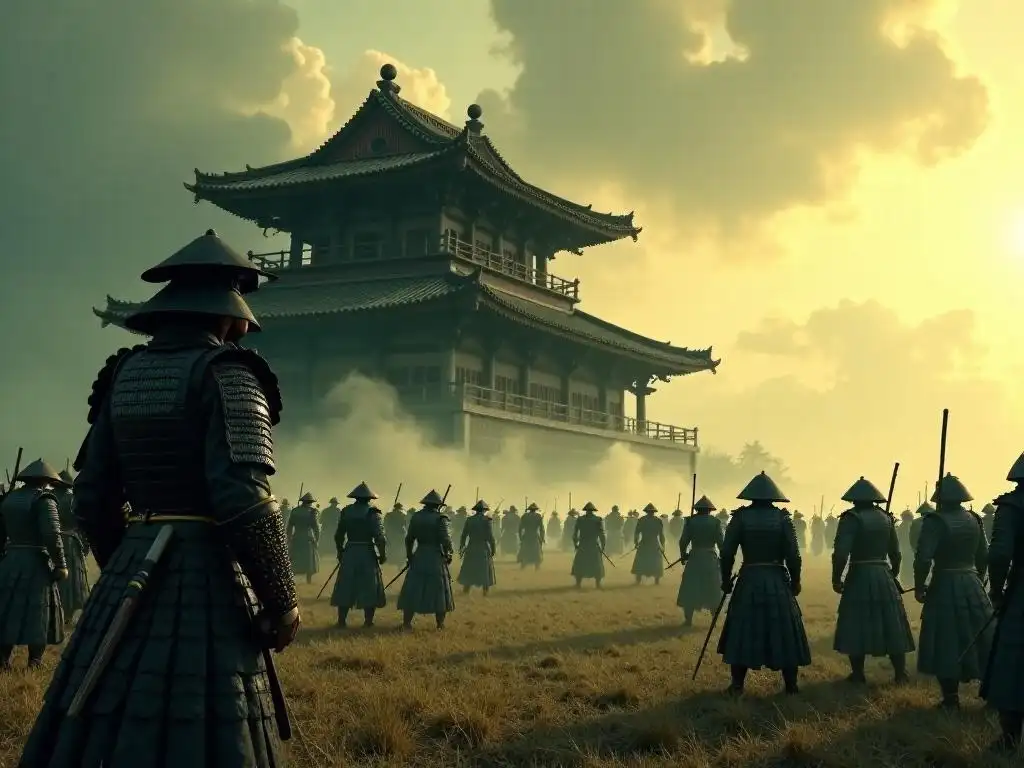
The religious wars during feudal Japan, particularly between the 15th and 17th centuries, had profound effects on society. These conflicts were not merely battles of faith; they were interwoven with political, social, and economic threads that transformed the Japanese landscape. The power struggles among warlords, often under the guise of religious motivations, resulted in significant territorial shifts and altered the balance of power among various clans.
One of the most notable impacts was the increased militarization of society. As various factions vied for control, the samurai class became more prominent, leading to a society where warrior culture was revered. This shift not only elevated the status of samurai but also influenced the social hierarchy, creating divisions between classes that would persist well beyond the feudal era. Furthermore, the wars necessitated the establishment of alliances, which often included marriages and political agreements that shaped familial ties and clan loyalty.
Additionally, these religious conflicts led to a greater centralization of power. By the end of the Sengoku period, the unification efforts by figures like Oda Nobunaga and Toyotomi Hideyoshi were partly fueled by the desire to end the chaos caused by these wars. The consolidation of power also allowed for the implementation of policies that would promote stability, such as land reforms and the standardization of governance, which ultimately facilitated Japan's transition towards a more unified state.
Societal Changes Resulting from Religious Conflicts
The societal changes brought about by the religious wars in feudal Japan were multifaceted. Firstly, the frequent conflicts led to a heightened sense of regional identity. As clans fought for dominance, local populations began to align themselves more closely with their regional leaders, fostering a sense of loyalty that was often rooted in religious affiliation. The emergence of local deities and the practice of Shintoism became more pronounced as communities sought to bolster their identity amidst the turmoil.
Moreover, the wars prompted shifts in economic structures. With lands being contested, agricultural production was often disrupted, leading to famine and economic hardship in some regions. Conversely, areas that remained stable or were victorious in battles experienced economic booms through land acquisition and increased trade, particularly with the rise of merchant classes that began to flourish in the wake of feudal conflict.
The social fabric of Japan was also altered. As religious institutions, such as the Buddhist sects, gained both power and influence, they became critical players in the political arena. This led to a unique intertwining of religion and governance, where temples and shrines often acted as centers of community life, offering not only spiritual guidance but also social services and education. The aftermath of these conflicts saw a new social dynamic where religious institutions played a key role in everyday life, shaping both culture and community relations.
The Role of Religion in Shaping Feudal Japanese Culture
Religion served as a pivotal element in shaping the culture of feudal Japan. The interplay between Shintoism, Buddhism, and the indigenous practices of various clans created a rich tapestry of beliefs that informed everyday life. During the religious wars, these beliefs were often mobilized to justify conflict and rally support for particular factions. For instance, Buddhist sects like the Ikko-ikki became known for their militant actions during this time, demonstrating how religious fervor could translate into social and political activism.
Furthermore, religious festivals and rituals flourished amid the chaos. They provided a sense of continuity and community amidst the strife, as people sought solace and meaning through their faith. These practices not only reinforced cultural identity but also served as a means of resistance against the violence of the era. The arts, too, were influenced by religious themes, with literature, painting, and theater often reflecting the struggles and aspirations of the time.
The teachings of various religious leaders also contributed to the moral and ethical frameworks within society. Concepts of loyalty, honor, and sacrifice were emphasized in both Buddhist and samurai ethics, which played a crucial role in the societal expectations of behavior. The blending of these religious ideals with bushido, the way of the warrior, created a unique cultural ethos that defined feudal Japan.
Long-term Effects on Japanese Philosophy and Religion
The long-term effects of feudal Japan's religious wars on philosophy and religion are significant. The conflicts led to a reevaluation of the role of religion in governance and society. As Japan transitioned into the Edo period, a time marked by peace and stability, there was a shift towards a more secular approach to governance. This change allowed for the flourishing of philosophical thought, as scholars began to explore ideas independent of the strict religious frameworks that had previously dominated.
Additionally, the wars resulted in a blending of religious practices and philosophies. The syncretism of Shinto and Buddhism, which had been evolving for centuries, accelerated as communities sought to find common ground in the aftermath of conflict. This syncretism influenced various aspects of Japanese culture, from art and literature to daily rituals and practices.
The legacy of these religious wars also prompted a critical examination of historical narratives. Scholars and philosophers began to question the motivations behind religious conflicts, leading to a more nuanced understanding of the complexities of faith in Japanese history. This reflective nature has contributed to contemporary discourse on the importance of tolerance and coexistence among different belief systems in modern Japan.
Conclusion: Debunking Myths and Understanding Reality
The exploration of feudal Japan's religious wars reveals a landscape far more complex than the simplistic narratives often portrayed. Rather than solely being wars of faith, these conflicts were deeply intertwined with the socio-political dynamics of the time. The motivations behind these wars were multifaceted, involving struggles for power, territorial control, and the quest for stability in a fractured society.
Summary of Key Points on Feudal Japan's Religious Wars
To summarize, the religious wars of feudal Japan had a profound impact on society, leading to significant societal changes, the militarization of culture, and the centralization of power. The role of religion in shaping cultural identity was pivotal, with conflicts prompting shifts in economic structures and social dynamics. Furthermore, the long-term effects on Japanese philosophy and religion have fostered a more diverse and tolerant understanding of faith in contemporary society.
The Importance of Accurate Historical Narratives
Accurate historical narratives are crucial for understanding the complexities of feudal Japan's religious wars. Misinformation and oversimplified views can perpetuate myths that obscure the nuanced realities of the time. By critically examining these events through a comprehensive lens, we can foster a better understanding of the interplay between religion, culture, and politics in Japan's rich historical tapestry. This knowledge not only honors the past but also helps inform present and future discussions on faith and conflict in a global context.
Further Reading and Resources on Feudal Japan Religious Wars
To gain a deeper understanding of the complex and multifaceted religious conflicts that characterized feudal Japan, various books, articles, documentaries, and online resources can provide valuable insights. These sources delve into the historical, cultural, and philosophical aspects of the religious wars, enabling readers to unravel the myths surrounding this tumultuous period.
Recommended Books and Articles for Deeper Understanding
-
"The Samurai and the Sacred" by John M. K. Kikkawa
This book explores the intersection of samurai culture and Shinto beliefs, illustrating how spirituality influenced warfare during feudal Japan. Kikkawa's detailed analysis helps readers understand the religious motivations behind samurai actions.
-
"Religious Conflicts in Japan: A Historical Overview" by Michael P. Watanabe
Watanabe provides a comprehensive historical account of various religious conflicts, including the role of Buddhism and Shintoism. This article contextualizes the feudal wars within Japan's broader religious landscape.
-
"The Battle for the Soul of Japan: Religion and Nationalism" by Yoko Fujimoto
This book examines the relationship between religion and nationalism in Japan, particularly during the feudal era. Fujimoto's work sheds light on how these forces shaped the conflicts of the time.
-
"Fighting for Faith: The Role of Religion in Japan's Feudal Wars" by Hiroshi Tanaka
Tanaka offers an in-depth look at how religious beliefs fueled conflicts during feudal Japan. His detailed accounts and analyses provide a nuanced view of the motivations behind the wars.
-
"Feudal Japan: A History" by Eiko Ikegami
Ikegami's comprehensive history of feudal Japan includes discussions on the religious wars that shaped the era. This work is essential for anyone seeking a thorough understanding of the socio-political context of these conflicts.
Documentaries and Online Resources for Exploring Feudal Japan's Religious History
-
"Feudal Japan: The Age of the Samurai" (Documentary Series)
This documentary series provides an engaging overview of the samurai era, with specific episodes dedicated to the religious wars and their implications on Japanese society.
-
"Religion and Warfare in Japan" (Online Lecture by Dr. Akira Tanaka)
Available on educational platforms, this lecture offers an expert's perspective on the interplay between religion and warfare in Japan, focusing on key events and figures from the feudal period.
-
The Japan Society's Online Archive
This resource features a wealth of articles, essays, and videos dedicated to various aspects of Japanese history, including specific sections on religious conflicts during the feudal era.
-
YouTube Channels like "History of Japan"
Channels such as this provide visually engaging content that covers significant events, including the religious wars of feudal Japan, making complex topics more accessible.
-
Online Courses on Japanese History
Websites like Coursera or edX offer courses that include modules on the religious aspects of feudal Japan, providing a structured way to learn about this topic.
These resources will enhance your understanding of the intricate relationships between religion and warfare during feudal Japan, allowing you to explore the subject beyond surface-level narratives.
- Introduction to Feudal Japan's Religious Wars
- Common Myths about Feudal Japan Religious Wars
- The Reality of Feudal Japan’s Religious Wars
- Major Religious Wars in Feudal Japan
- Analysis of the Impact of Religious Wars on Society
- Conclusion: Debunking Myths and Understanding Reality
- Further Reading and Resources on Feudal Japan Religious Wars
- What were the main causes of the religious wars in feudal Japan?
- How did Buddhism and Shinto influence the religious wars?
- What impact did the religious wars have on Japanese society?
- Were there any notable figures involved in the religious wars?
- How do historians view the narrative of feudal Japan's religious wars today?
Frequently Asked Questions
What were the main causes of the religious wars in feudal Japan?
The religious wars in feudal Japan primarily stemmed from power struggles between different sects and the influence of political factions seeking control over territories and resources.
How did Buddhism and Shinto influence the religious wars?
Both Buddhism and Shinto played significant roles in shaping the cultural dynamics of feudal Japan, often leading to conflicts as competing ideologies sought to dominate and unify followers under a single belief system.
What impact did the religious wars have on Japanese society?
The religious wars drastically altered social structures, leading to the rise of warrior clans and the eventual establishment of shogunates, which centralized power and shaped the future of Japan.
Were there any notable figures involved in the religious wars?
Yes, figures like Oda Nobunaga and Toyotomi Hideyoshi were instrumental during this period, often using religious affiliations as leverage in their quest for political dominance.
How do historians view the narrative of feudal Japan's religious wars today?
Modern historians often challenge traditional narratives, emphasizing the complex interplay of politics, culture, and religion rather than a simple dichotomy of faith-based conflicts.
Final Reflection: Understanding the Legacy of Feudal Japan’s Religious Wars
The exploration of feudal Japan's religious wars reveals not only the complexities of historical conflicts but also their enduring relevance in today's world. As we dissect the intricate interplay between religion, politics, and culture during this tumultuous period, we uncover lessons that resonate deeply with contemporary society. The struggles of the past remind us that the roots of conflict often lie in misunderstandings and the manipulation of belief systems, a reality that continues to shape our global landscape.
Culture and society are perpetually influenced by the narratives we choose to uphold. The religious wars of feudal Japan serve as a poignant reminder of how ideologies can ignite violence and division. As we reflect on these historical events, we must acknowledge their impact on modern identity and community dynamics. History is not a burden on the memory but an illumination of the spirit.
This quote encapsulates the importance of understanding our past, as it allows us to navigate the complexities of our present and future.
As you ponder the insights gleaned from the religious wars of feudal Japan, I invite you to consider how these lessons can be applied in your own life. Reflect on the narratives you encounter and the beliefs you hold; challenge yourself to seek understanding rather than division. In doing so, you contribute to a more harmonious society, one that learns from history rather than repeating its mistakes. Let us carry forward the wisdom of the past as we strive for a future marked by empathy and unity.
Embrace the Truth: Take Action on What You’ve Learned!
Thank you for diving into this exploration of the complex religious wars of Feudal Japan. Your interest in uncovering the truth behind these historical narratives is a vital step toward understanding this fascinating period. Now, let’s turn that knowledge into meaningful action!
Here are some practical steps you can take to deepen your engagement:
- Share your insights with friends or on social media to spark discussions about feudal beliefs and their impact on society.
- Join online forums or local history groups where you can exchange ideas and learn more about this intriguing era.
- Explore additional resources, such as books or documentaries, to gain a broader perspective on the dynamics of religion and warfare in Feudal Japan.
What aspect of Feudal Japan’s religious conflicts do you find most surprising, and how has this exploration influenced your understanding?