
The Impact of Modernization on Shinto Practices in Contemporary Japan

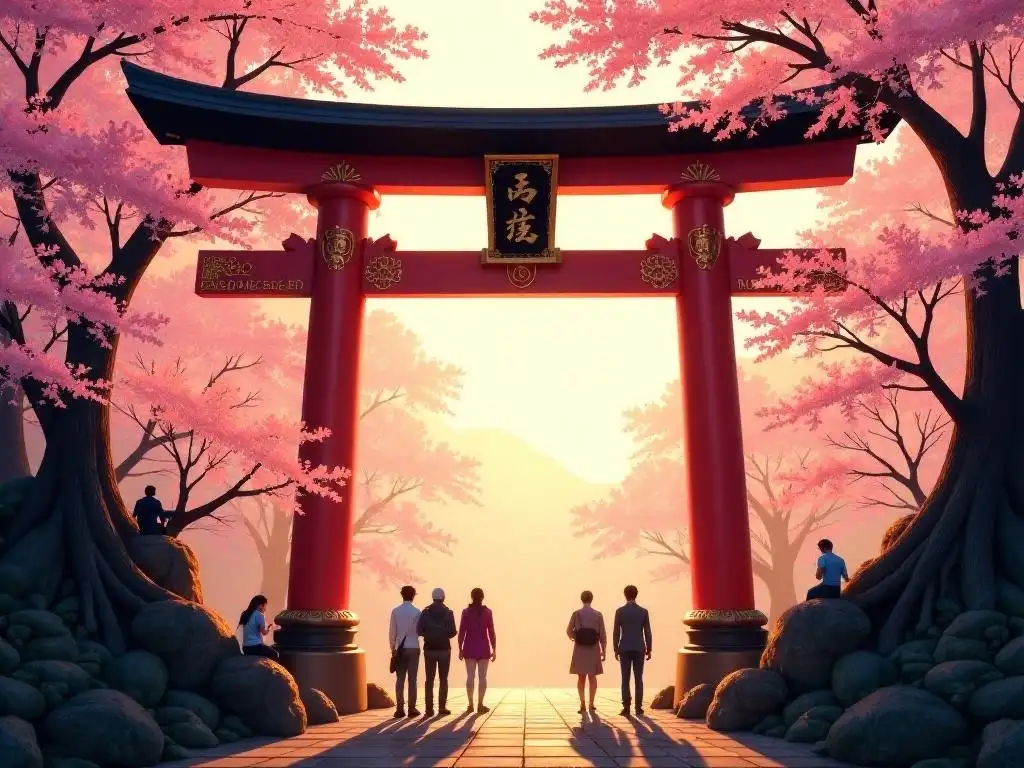
Welcome to Feudal Japan History, where we delve into the rich tapestry of Japan's feudal era, unraveling its historical, cultural, and societal intricacies. In this captivating journey, we turn our gaze towards the evolving landscape of spirituality with our featured article: "The Impact of Modernization on Shinto Practices in Contemporary Japan."
Discover how the ancient traditions of Shinto have adapted and transformed in the face of modern influences, and what this means for Japan's identity today. Prepare to be intrigued as we explore the delicate balance between the old and the new—your adventure into the heart of Japan's spiritual evolution begins here!
- Introduction to Modern Shinto Practices in Japan
- The Influence of Modernization on Shinto Practices
- Contemporary Shinto Practices in Japan
- Case Studies of Modern Shinto Practices
- Challenges Facing Modern Shinto Practices
- The Future of Shinto Practices in a Modernizing Japan
- Conclusion: The Lasting Impact of Modernization on Shinto
-
Frequently Asked Questions
- What is the focus of the article "The Impact of Modernization on Shinto Practices in Contemporary Japan"?
- How has modernization affected traditional Shinto rituals?
- Are there any new Shinto practices that have emerged in modern Japan?
- How do modern Shinto practices reflect Japan's societal changes?
- What role do Shinto shrines play in contemporary Japanese society?
- Final Reflection: Embracing Tradition in a Modern World
- Embrace the Evolution of Tradition
Introduction to Modern Shinto Practices in Japan
The evolution of Shinto practices in Japan is a fascinating journey that intertwines the rich tapestry of history, culture, and modernization. As Japan transitioned from its feudal era to a modern state, Shinto—a belief system deeply rooted in the nation's identity—has adapted while retaining core elements that define its essence.
This article delves into the impact of modernization on Shinto practices in contemporary Japan, exploring how societal changes, globalization, and technological advancements have influenced rituals, beliefs, and the overall significance of Shinto in the lives of modern Japanese people. By examining the interplay between tradition and modernity, we aim to provide a comprehensive understanding of modern Shinto practices in Japan and their relevance today.
Overview of Shinto and its Historical Context
Shinto, often referred to as the "Way of the Kami," is Japan's indigenous spiritual practice, characterized by its veneration of kami (deities or spirits) and a deep connection to nature. The origins of Shinto can be traced back to prehistoric times, evolving through the centuries as it absorbed influences from Buddhism, Confucianism, and other religious practices.
Historically, Shinto was not just a religion but a way of life, intertwined with the daily activities and governance of ancient Japan. The feudal era, marked by the rule of samurai and regional lords, saw Shinto practices become closely associated with political power and national identity. Temples and shrines were built, rituals were institutionalized, and Shinto became a means of legitimizing the authority of the ruling class.
As Japan opened up to the world during the Meiji Restoration in the late 19th century, Shinto underwent significant transformation. The government promoted Shinto as a state religion, aiming to unify the nation under a common belief system. This period marked the beginning of a modern Shinto that sought to reconcile traditional practices with a rapidly changing society.
Significance of Shinto in Contemporary Japanese Society
In contemporary Japan, Shinto continues to play a vital role in the cultural and spiritual lives of many Japanese people. Despite the influences of modernization and Westernization, Shinto practices remain deeply ingrained in societal norms and traditions.
- Rituals and Festivals: Many annual festivals (matsuri) and rituals, such as New Year's celebrations (Shogatsu) and marriage ceremonies, incorporate Shinto elements, reflecting the enduring significance of these practices in marking important life events.
- Community and Identity: Shinto shrines serve as community hubs, fostering a sense of belonging and identity among local populations. The act of visiting shrines for blessings and rituals reinforces social bonds and cultural heritage.
- Environmental Connection: The Shinto belief in kami as part of the natural world fosters a deep reverence for nature, which has become increasingly relevant in the face of modern environmental challenges. This connection encourages contemporary practices that promote sustainability and environmental stewardship.
- Adaptation and Change: Modern Shinto practices have also adapted to contemporary lifestyles, incorporating elements that resonate with younger generations, such as the use of technology in rituals and the integration of Shinto principles into daily life.
While modernization has undoubtedly influenced Shinto practices in Japan, the core values and beliefs remain resilient, adapting to the needs and contexts of contemporary society. The interplay between tradition and modernity continues to shape the landscape of Shinto, ensuring its relevance and vitality in the lives of modern Japanese people.
The Influence of Modernization on Shinto Practices
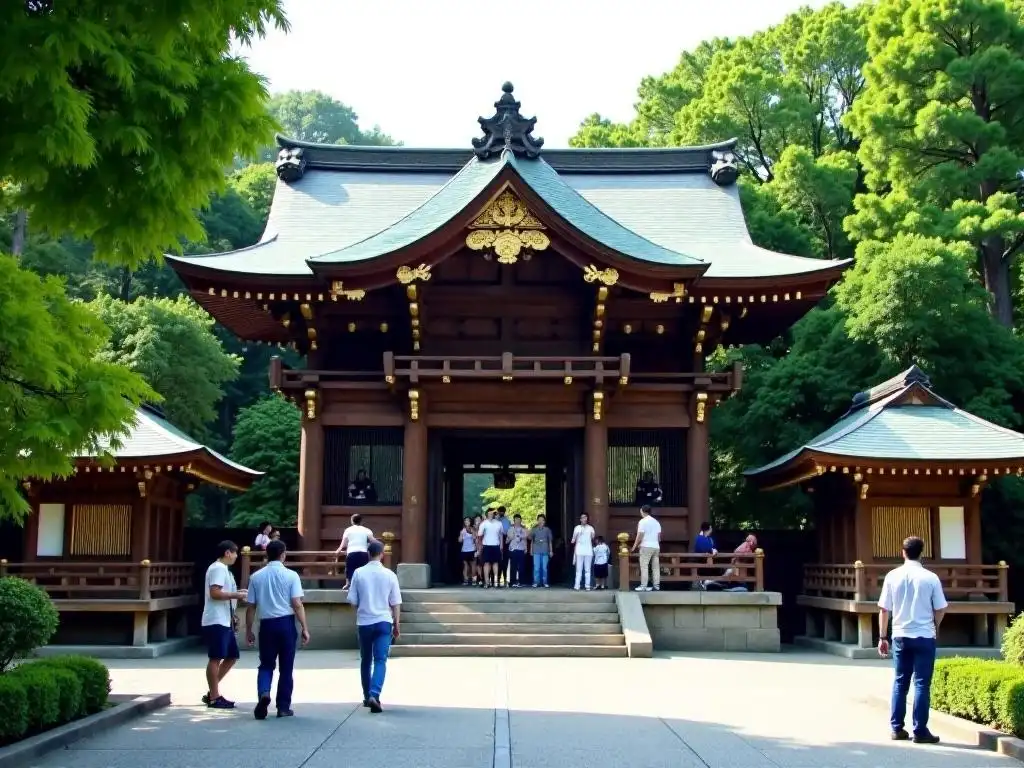
Definition of Modernization in the Context of Japan
Modernization in Japan refers to the transformative processes that began in the late 19th century and significantly accelerated during the Meiji Restoration (1868-1912). This period marked Japan's transition from a feudal society to a modern state, characterized by industrialization, westernization, and the adoption of new political and social structures. In the context of Shinto, modernization involves the adaptation and re-interpretation of traditional practices, beliefs, and rituals to align with contemporary societal norms and values.
Modern Shinto practices in Japan often reflect a blend of ancient traditions with modern influences. This includes the incorporation of new technologies in rituals, changes in the role of Shinto shrines within communities, and the evolving relationship between Shinto and the state. As Japan continues to navigate its identity in a globalized world, understanding how modernization shapes Shinto is crucial for grasping the religion's contemporary relevance.
Historical Overview of Shinto Before Modernization
Before the onset of modernization, Shinto was deeply intertwined with the cultural, political, and social fabric of Japan. Shinto, characterized by its animistic beliefs and veneration of kami (deities or spirits), served not only as a religious practice but also as a means of unifying the Japanese people under a common cultural identity.
During the Edo period (1603-1868), Shinto underwent a renaissance, increasingly being codified and systematized. The rise of Confucianism and Buddhism also influenced Shinto practices, leading to a more structured approach to rituals and beliefs. Temples and shrines flourished, with the state promoting Shinto as a means of reinforcing national identity and loyalty to the emperor.
Key features of pre-modern Shinto included:
- Local Deities: Each region often had its own kami, reflecting local beliefs and practices.
- Rituals and Festivals: Seasonal festivals (matsuri) played a vital role in community life, celebrating agricultural cycles and honoring kami.
- Shrine Architecture: The design and layout of shrines were symbolic, reflecting the relationship between the physical and spiritual worlds.
This historical foundation set the stage for the profound changes that would follow with modernization.
Key Changes in Shinto Rituals and Beliefs Due to Modernization
Modernization has led to several key changes in Shinto practices and beliefs, reflecting the dynamic nature of the religion in contemporary society. These changes can be categorized into the following areas:
- Ritual Adaptation:
- Incorporation of Technology: With advancements in technology, many Shinto rituals have adapted to include electronic offerings or online ceremonies, making practices more accessible to urban populations.
- Simplification of Rituals: In response to modern lifestyles, some rituals have been simplified, allowing for a quicker, more efficient participation in ceremonies.
- Shrine Functionality:
- Community Centers: Shrines are increasingly serving as community hubs, hosting events unrelated to traditional Shinto practices, such as cultural festivals and educational workshops.
- Tourism and Commercialization: The rise in domestic and international tourism has led to the commercialization of some shrines, impacting the authenticity and purpose of certain rituals.
- Shinto and Globalization:
- Cross-Cultural Influences: Modern Shinto is influenced by global spiritual movements, leading to the blending of practices and beliefs. For example, Shinto rituals may incorporate elements from Buddhism or New Age philosophies.
- Ecological Awareness: In a world facing environmental challenges, some Shinto practitioners are emphasizing the connection between Shinto beliefs and ecological sustainability, promoting rituals that honor nature and encourage conservation.
- Changing Demographics:
- Youth Engagement: Younger generations are seeking new ways to connect with Shinto, leading to the creation of modern interpretations of traditional practices, often through social media platforms and digital communities.
- Secularization: As Japan becomes increasingly secularized, some traditional practices may be observed more as cultural heritage than as religious obligations, prompting discussions about the future of Shinto in a modern context.
The impact of modernization on Shinto practices in contemporary Japan reflects a complex interplay of tradition and change. While many elements of Shinto have been preserved, there is a clear evolution in how these practices are understood and performed today. Understanding these dynamics is essential for appreciating the role of Shinto in modern Japanese society.
Contemporary Shinto Practices in Japan
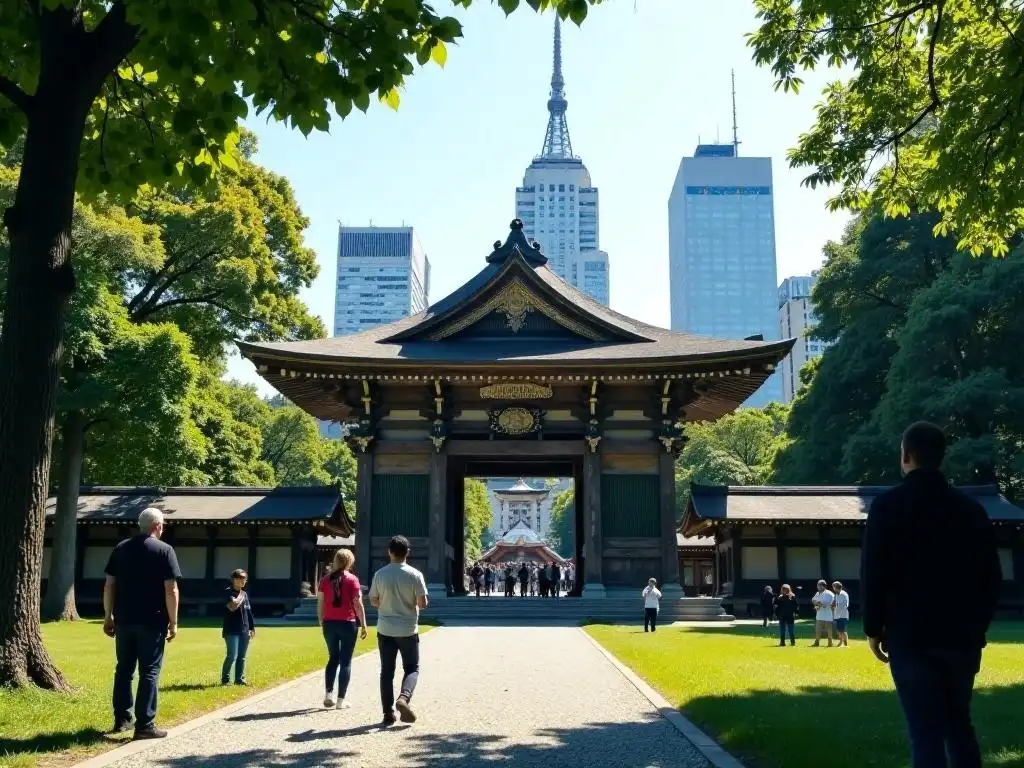
Evolution of Shinto Rituals in Modern Times
The evolution of Shinto rituals in contemporary Japan reflects the dynamic relationship between tradition and modernization. While many rituals have remained unchanged, others have adapted to fit the needs of modern society. For example, traditional rites such as Shichi-Go-San, a celebration for children aged three, five, and seven, have seen modifications in their celebration styles. Families now often choose to commemorate this event in shrines that offer more accessible services rather than adhering strictly to regional customs.
Moreover, the role of technology cannot be overlooked. With the rise of digital platforms, many shrines have begun to offer virtual prayers and rituals. This innovation enables individuals unable to visit in person—due to geographical or health constraints—to partake in spiritual practices. For instance, the Kanda Myojin Shrine in Tokyo has embraced this shift by allowing online reservations for blessings and rituals, showcasing a blend of tradition with modern convenience.
In addition, the influence of globalization has introduced new elements into Shinto practices. The incorporation of Western-style weddings held at Shinto shrines, known as Shinto-style weddings, is a notable example. These ceremonies often combine traditional Shinto rites with contemporary aesthetics, allowing couples to celebrate their union while honoring Japan’s spiritual heritage.
Integration of Shinto Practices in Daily Life
Modern Shinto practices in Japan are deeply interwoven into the daily lives of many Japanese people. While formal rituals may not be performed routinely, the essence of Shinto continues to manifest in everyday practices. Many Japanese individuals maintain a kamidana, a small household shrine, where they offer daily prayers, rice, and sake to the kami, or spirits, as a form of respect and gratitude. This practice exemplifies a personal connection to Shinto that transcends time and modernity.
Furthermore, seasonal observances such as New Year (Shōgatsu) celebrations prominently feature Shinto traditions. Activities such as visiting shrines on January 1st for the Hatsumode (the first shrine visit of the year) are customary. This blend of tradition and modern lifestyle is visible in how families participate in rituals that mark the passage of time while fostering community and familial bonds.
The increasing focus on environmental consciousness in modern society has also led to a renewed interest in Shinto’s respect for nature. Many individuals and communities are embracing the Shinto belief in the sacredness of natural elements, leading to initiatives that promote sustainability. This alignment not only reinforces cultural identity but also encourages a harmonious relationship with the environment.
Adaptation of Shinto Festivals to Modern Society
Shinto festivals, or matsuri, have undergone significant adaptations to remain relevant in modern society. While many traditional elements persist, festivals are increasingly designed to appeal to contemporary audiences. The Gion Matsuri in Kyoto, for instance, has expanded its programming to include various cultural events that attract both locals and tourists, integrating modern entertainment while honoring its historical roots.
Another important shift can be observed in the emphasis on inclusivity during festivals. Many shrines now encourage participation from individuals of diverse backgrounds and beliefs, fostering a sense of community. Events such as the Sanja Matsuri in Asakusa not only celebrate Shinto traditions but also welcome various performances and showcases from different cultures, creating a vibrant atmosphere that resonates with a broader audience.
Moreover, the use of social media has transformed the way festivals are communicated and experienced. Shrines actively promote their events online, providing information to a global audience and inviting participation from those unable to attend in person. This digital presence has become crucial in sustaining interest in Shinto festivals and practices among younger generations, ensuring the continuation of these rich traditions.
Contemporary Shinto practices in Japan are characterized by a delicate balance of preservation and evolution. Rituals are adapting to fit modern lifestyles, while the spirit of Shinto remains an integral part of the cultural fabric. Emphasizing personal connection, community involvement, and environmental respect, modern Shinto practices illustrate how tradition can thrive amid the complexities of contemporary life.
Case Studies of Modern Shinto Practices
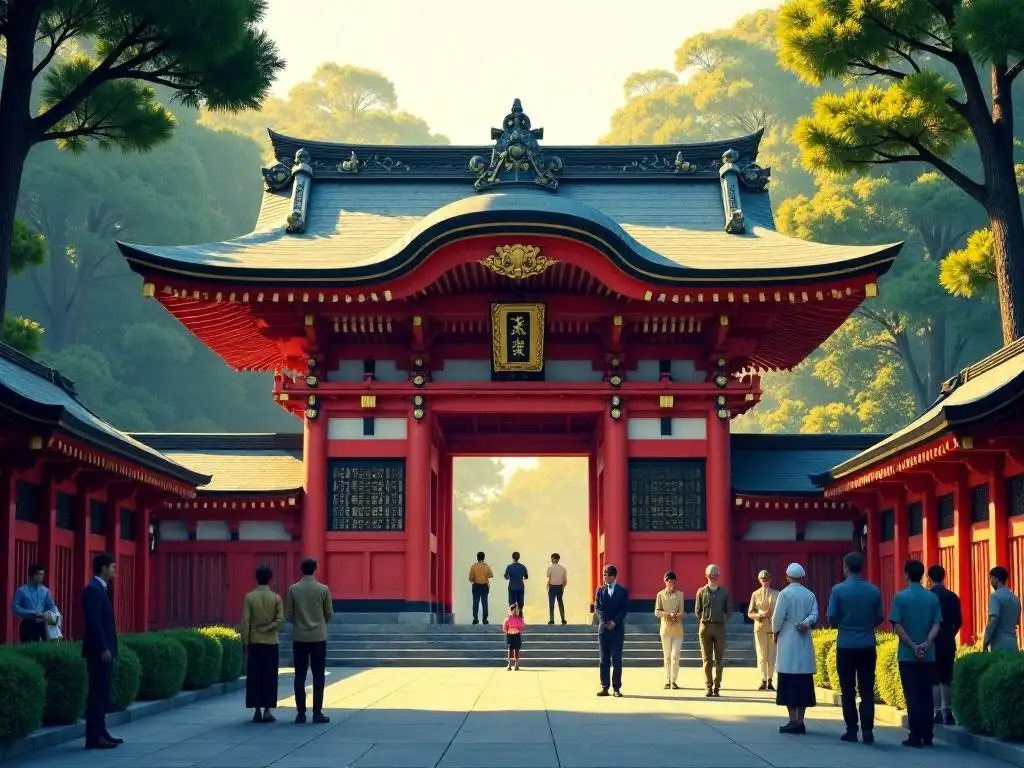
Urban Shrines and Their Role in Modern Japan
Urban shrines, or jinja, have taken on new significance in contemporary Japan as centers of spiritual life amidst the hustle and bustle of city living. These shrines often serve as a refuge from the fast-paced urban environment, providing a space for reflection and connection to tradition.
Key Features of Urban Shrines:
- Accessibility: Located within city limits, urban shrines are easily accessible to residents and commuters alike. This convenience has led to an increase in visitors, particularly during festivals and special events.
- Cultural Events: Many urban shrines host traditional festivals that draw in large crowds, blending ancient practices with modern urban culture. Events like Omikoshi (portable shrine parades) and seasonal rituals attract participants of all ages, enriching community ties.
- Integration with Local Life: Urban shrines often adapt their practices to the needs of the community, offering services such as blessings for businesses and homes, thus reinforcing their relevance in modern society.
The revitalization of these urban shrines exemplifies how traditional Shinto practices can coexist with contemporary lifestyles, fostering a sense of identity and belonging among city dwellers.
Shinto and the Japanese Community: A Study of Local Practices
Local Shinto practices are deeply woven into the fabric of Japanese communities, reflecting the unique cultural heritage of each region. These localized traditions often adapt to the specific needs and values of the community, showcasing the dynamic nature of Shinto.
Characteristics of Local Practices:
- Regional Variations: Different areas of Japan celebrate unique festivals and rituals, such as the Gion Matsuri in Kyoto or the Kanda Matsuri in Tokyo. These events often include processions, traditional performances, and communal feasting, highlighting local customs and history.
- Community Engagement: Local shrines play a pivotal role in community cohesion. Residents often come together for shrine clean-ups, festivals, and other initiatives, reinforcing social bonds and a collective identity.
- Intergenerational Transfer: Elders often pass down Shinto customs and practices to younger generations, ensuring the continuity of tradition. This transmission helps instill pride in local heritage and fosters respect for spiritual customs.
As communities navigate modernization, these local Shinto practices remain vital, adapting to contemporary needs while preserving their cultural essence.
Influence of Technology on Shinto Rituals
The rise of technology has profoundly affected Shinto practices, introducing new ways for individuals to engage with their faith. The integration of digital tools and platforms into religious practices has created innovative approaches to spirituality.
Technological Innovations in Shinto:
- Online Offerings: Many shrines have embraced technology by allowing believers to make offerings online. This practice gained popularity during the COVID-19 pandemic, as it provided a safe way for individuals to connect with their faith.
- Virtual Participation: Live-streaming of rituals and ceremonies has enabled participation from those unable to attend in person. This trend has expanded access to Shinto practices, allowing a broader audience to experience traditional rituals.
- Mobile Apps: Various mobile applications provide information about local shrines, upcoming events, and rituals. These apps serve as guides for both locals and tourists, bridging the gap between tradition and modern convenience.
The intersection of technology and Shinto illustrates a growing adaptability within the faith, as practitioners find new ways to express their spirituality in an increasingly digital world. This evolution not only preserves the essence of Shinto but also ensures its relevance in contemporary Japan.
Challenges Facing Modern Shinto Practices
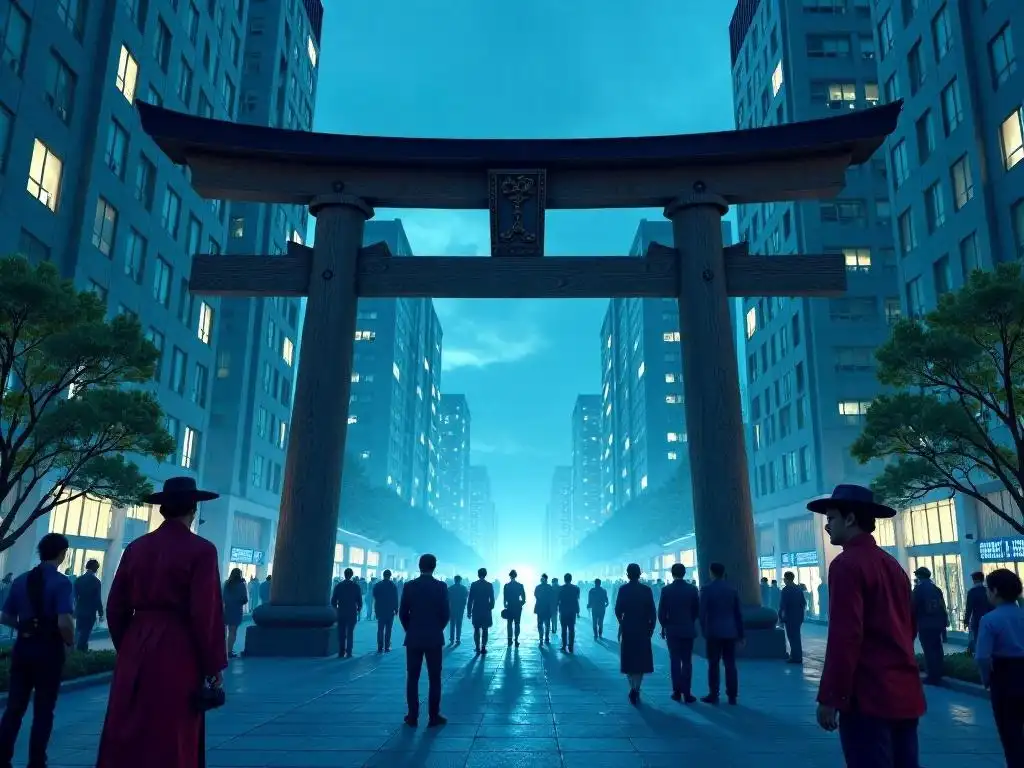
Declining Participation in Traditional Shinto Rituals
In recent years, declining participation in traditional Shinto rituals has become a notable challenge for practitioners and shrines across Japan. Factors contributing to this decline include urbanization, changing lifestyles, and a generational shift in values. Many young people are increasingly detached from the customs and rituals that their ancestors practiced, often prioritizing secular activities over spiritual engagements.
- Urbanization: As more people migrate to urban centers for work and education, the connection to rural shrines and their community events diminishes. This shift often leads to fewer attendees at ceremonies such as Shichi-Go-San (celebrating the growth of children) and Hatsumode (the first shrine visit of the New Year).
- Changing Lifestyles: The fast-paced modern lifestyle leaves little room for the time-consuming practices associated with Shinto rituals. Many individuals opt for convenience, leading to a reliance on technology and digital interactions over traditional communal gatherings.
- Generational Shift: Younger generations, influenced by globalization and differing cultural values, may view Shinto as outdated or irrelevant. This sentiment can result in a lack of participation in significant life events, such as weddings and funerals, traditionally marked by Shinto ceremonies.
The decline in participation poses a risk of losing cultural heritage, as knowledge about rituals and their significance may not be passed down effectively.
Balancing Tradition and Modernity in Shinto Practices
Navigating the balance between tradition and modernity is crucial for the evolution of Shinto practices in contemporary Japan. As society evolves, there is a growing need for Shinto to adapt while maintaining its core values.
- Modern Adaptations: Some shrines have begun to incorporate modern elements into their practices. For instance:
- Digital Offerings: Many shrines now accept digital donations through mobile apps, catering to tech-savvy individuals who prefer online transactions.
- Virtual Ceremonies: In response to the COVID-19 pandemic, some shrines offered live-streamed ceremonies, allowing individuals to participate from the safety of their homes.
- Educational Efforts: To bridge the gap between tradition and modernity, educational programs are being developed to teach younger generations about the importance of Shinto beliefs and practices. Workshops, school programs, and community events foster a deeper understanding and appreciation of Shinto among the youth.
- Inclusive Practices: Some shrines are adopting more inclusive practices, welcoming diverse interpretations of spirituality and accommodating non-traditional families. This inclusivity can help attract a broader audience and rejuvenate interest in Shinto rituals.
Finding a balance between honoring age-old customs and embracing modernity is pivotal for the continued relevance of Shinto in contemporary society.
Addressing Misconceptions about Shinto in Contemporary Culture
Misconceptions about Shinto in contemporary culture can hinder its acceptance and practice. Understanding and addressing these misconceptions is essential in promoting a more accurate representation of Shinto beliefs and practices.
- Shinto as a Religion: Many people mistakenly view Shinto solely as a religion similar to Christianity or Buddhism, without recognizing its unique characteristics. Shinto is more of a collection of practices and beliefs than a structured religion with dogmas. This perception can lead to misunderstandings about its role in Japanese culture.
- Syncretism with Buddhism: The blending of Shinto and Buddhist practices can also create confusion. While many Japanese people engage in both traditions, it is important to differentiate the two. Shinto is primarily concerned with kami (deities) and the natural world, while Buddhism focuses on spiritual enlightenment and the afterlife.
- Modern Misinterpretations: In popular culture, Shinto is often oversimplified or misrepresented. Media portrayals may focus on superficial aspects, neglecting the depth and complexity of the traditions. This can lead to a diluted understanding of Shinto by both locals and foreigners.
By actively addressing these misconceptions through outreach, education, and community engagement, practitioners can foster a more nuanced and respectful understanding of Shinto practices in contemporary Japan.
The Future of Shinto Practices in a Modernizing Japan
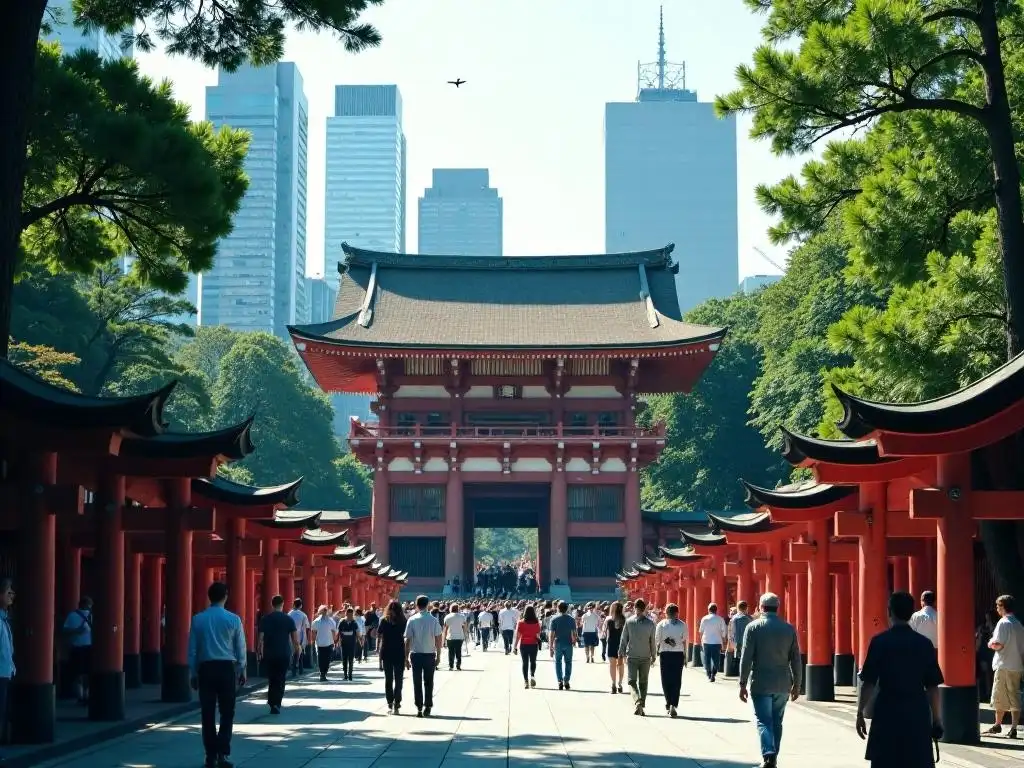
Predictions for the Evolution of Shinto in Upcoming Years
As Japan continues to modernize, the evolution of Shinto practices is likely to reflect broader societal changes. One significant prediction is the adaptation of traditional rituals and ceremonies to fit contemporary lifestyles. For example, younger practitioners may favor shorter, more accessible rituals that can be integrated into busy schedules. This shift could lead to:
- Digitalization: Online services for rituals such as weddings or memorials may become more common, allowing individuals to participate remotely while maintaining a connection to their heritage.
- Community Engagement: There could be an increase in community-based Shinto events that blend modern entertainment with traditional practices, attracting a wider audience, especially the youth.
Furthermore, the influence of globalization may introduce new elements into Shinto practices, creating a fusion of traditional beliefs with international perspectives. This could manifest in:
- Interfaith Dialogues: As Japan becomes more multicultural, Shinto may increasingly interact with other religions, leading to shared ceremonies and collaborative community projects.
- Environmental Focus: Given the global emphasis on sustainability, future Shinto practices might place a heightened focus on nature conservation and environmental stewardship, aligning spiritual beliefs with ecological awareness.
Role of Younger Generations in Preserving Shinto Traditions
The younger generations in Japan play a crucial role in the preservation and transformation of Shinto practices. Their engagement—or lack thereof—will significantly influence the future of these traditions. Key factors include:
- Innovation in Rituals: Young practitioners are more likely to innovate existing rituals, making them more relevant to contemporary social issues. For instance, ceremonies addressing mental health and community support may become commonplace.
- Social Media Influence: The rise of social media platforms allows for the sharing of Shinto practices in creative ways, such as through live-streaming ceremonies or creating viral content that educates others about Shinto beliefs and rituals.
- Cultural Events: Young people often spearhead cultural events that celebrate Shinto traditions, such as festivals or art exhibitions that incorporate Shinto symbolism and themes. This not only preserves the practices but also makes them accessible and engaging to a broader audience.
- Education and Awareness: Increased access to education about Shinto and its significance can empower younger generations to appreciate their cultural heritage and advocate for its relevance in modern society.
Potential Innovations in Shinto Practices
Looking toward the future, Shinto practices may see a variety of innovative adaptations that reflect both the needs of contemporary society and the desires of younger generations. Some potential innovations include:
- Themed Festivals: Traditional festivals may evolve to include modern themes, such as celebrating technology, pop culture, or environmental sustainability, thereby attracting diverse participants.
- Interactive Ceremonies: Innovations in ceremonial practices could involve interactive elements where participants actively engage in rituals, fostering a deeper connection to their spirituality.
- Art and Shinto: Collaborations between artists and Shinto practitioners may produce new forms of expression that integrate Shinto themes into modern art installations, performances, and multimedia projects.
- Wellness Practices: As mental health becomes an increasingly important topic, Shinto practices may incorporate wellness elements, such as mindfulness and meditation, into traditional rituals to promote overall well-being.
These innovations could contribute to a revitalization of Shinto in contemporary Japan, ensuring that it remains a vital part of Japanese identity while adapting to the changing social landscape.
Conclusion: The Lasting Impact of Modernization on Shinto
Summary of Key Points
The interaction between modernization and Shinto practices in Japan has resulted in a complex transformation that reflects both continuity and change. Throughout the 20th and 21st centuries, several key factors have influenced this evolution:
- Cultural Adaptation:
- Shinto has shown a remarkable ability to adapt to modern societal changes, incorporating new elements while retaining core beliefs.
- The integration of technology in rituals, such as virtual ceremonies, illustrates Shinto's flexibility.
- Secularization:
- As Japan has become more industrialized and urbanized, there has been a noticeable shift towards secularism, impacting traditional practices.
- Many individuals engage with Shinto less from a religious perspective and more as a cultural heritage, attending rituals primarily during significant life events.
- Globalization:
- The global interest in Shinto has led to the dissemination of its practices beyond Japan, prompting a re-evaluation of its significance domestically.
- Modern Shinto practices often incorporate aspects that appeal to international audiences, such as simplified rituals and enhanced accessibility.
- Environmental Concerns:
- The rise of environmentalism has rekindled interest in Shinto's naturalistic elements, leading to a resurgence of practices that honor the kami (spirits) of nature.
- Contemporary Shinto shrines often engage in eco-friendly initiatives, reflecting a modern understanding of sustainability.
- Community and Identity:
- Shinto remains a vital component of Japanese identity and community cohesion, even as its practices evolve.
- Festivals and rituals serve to strengthen social bonds, illustrating the community's reliance on cultural traditions amidst modernization.
Reflection on the Importance of Shinto in Modern Japan
Shinto continues to hold significant relevance in contemporary Japanese society, acting as a bridge between the past and present. It is a source of comfort and continuity for many, providing a sense of belonging and identity in an increasingly globalized world.
- Cultural Heritage: Modern Shinto practices contribute to the preservation of Japan's cultural heritage. They serve not only as religious observances but also as cultural celebrations that foster community identity and collective memory.
- Social Functions: The role of Shinto in public life facilitates social cohesion. Events such as Shinto weddings and New Year celebrations remain popular, highlighting its importance in marking life transitions and seasonal changes.
- Spiritual Connection: For many, Shinto offers a way to connect with the spiritual aspects of life, even amid modernization. The practice of visiting shrines for blessings, especially during significant life events, underscores the enduring appeal of Shinto beliefs.
- Modern Interpretations: As society evolves, so too do interpretations and practices of Shinto. New forms of worship, including online rituals and communal gatherings, reflect a synthesis of tradition and modernity, ensuring that Shinto remains vibrant and relevant.
While modernization has undeniably influenced Shinto practices in Japan, the essence of Shinto—its connection to nature, community, and cultural identity—endures. As Japan continues to navigate the complexities of modern life, Shinto will likely evolve further, maintaining its significance in the hearts and minds of the Japanese people.
Frequently Asked Questions
What is the focus of the article "The Impact of Modernization on Shinto Practices in Contemporary Japan"?
The article explores how modernization has influenced Shinto practices in Japan, examining the cultural and societal changes that have occurred.
How has modernization affected traditional Shinto rituals?
Modernization has led to a adaptation of traditional rituals, with many Shinto practices becoming more accessible and relevant to contemporary society, while still maintaining their core significance.
Are there any new Shinto practices that have emerged in modern Japan?
Yes, new Shinto practices have emerged, often integrating elements of contemporary culture, such as digital offerings and community events, to appeal to younger generations.
How do modern Shinto practices reflect Japan's societal changes?
Modern Shinto practices reflect Japan's evolving values, incorporating themes of inclusivity and environmental consciousness, thus resonating with the current societal climate.
What role do Shinto shrines play in contemporary Japanese society?
Shinto shrines continue to serve as cultural hubs, offering a space for community gatherings, festivals, and rites of passage, while also adapting to the modern needs of society.
Final Reflection: Embracing Tradition in a Modern World
The intersection of modernization and Shinto practices in contemporary Japan is a profound testament to the resilience of cultural identity. As we navigate an increasingly globalized world, the ways in which traditional beliefs adapt and evolve become crucial in understanding our shared human experience. The ongoing dialogue between modernity and tradition not only shapes the practices of Shinto but also influences how individuals connect with their heritage in today's society.
Cultural practices are not static; they are living entities that grow and change with the times. The evolution of Shinto in response to modernization highlights the dynamic nature of spirituality and community. As we witness these transformations, it becomes clear that traditions can coexist with contemporary values, enriching both. Tradition is not the worship of ashes, but the preservation of fire.
This quote encapsulates the essence of how Shinto practices continue to thrive, igniting a sense of belonging and purpose amidst the rapid changes of modern life.
As you reflect on the themes presented in this article, consider how you can integrate the lessons of adaptability and respect for tradition into your own life. Embrace the rich tapestry of your cultural heritage while remaining open to the influences of the modern world. By doing so, you not only honor the past but also contribute to a vibrant future where tradition and innovation coexist harmoniously. Let us all strive to find that balance, fostering a deeper understanding of ourselves and the world around us.
Embrace the Evolution of Tradition
Thank you for taking the time to explore the fascinating intersection of modernization and Shinto practices in contemporary Japan. Your engagement with this topic highlights the intricate balance between tradition and change that defines our cultural heritage today. Now, let’s take the next step in deepening your understanding and connection with these transformative practices!
- Dive deeper: Visit a local Shinto shrine to engage with the rituals. Observe how contemporary influences have shaped their practices and infrastructure.
- Share your insights: Discuss your thoughts on the impact of modernization on Shinto with friends or in online communities to foster an enriching conversation.
- Explore further: Read literature about the history and evolution of Shinto to uncover its rich tapestry and future direction.
How do you think the modernization of ancient traditions shapes cultural identity in today’s world?