
The Untouchables: Exploring the Outcasts of Feudal Japan and Their Societal Impact

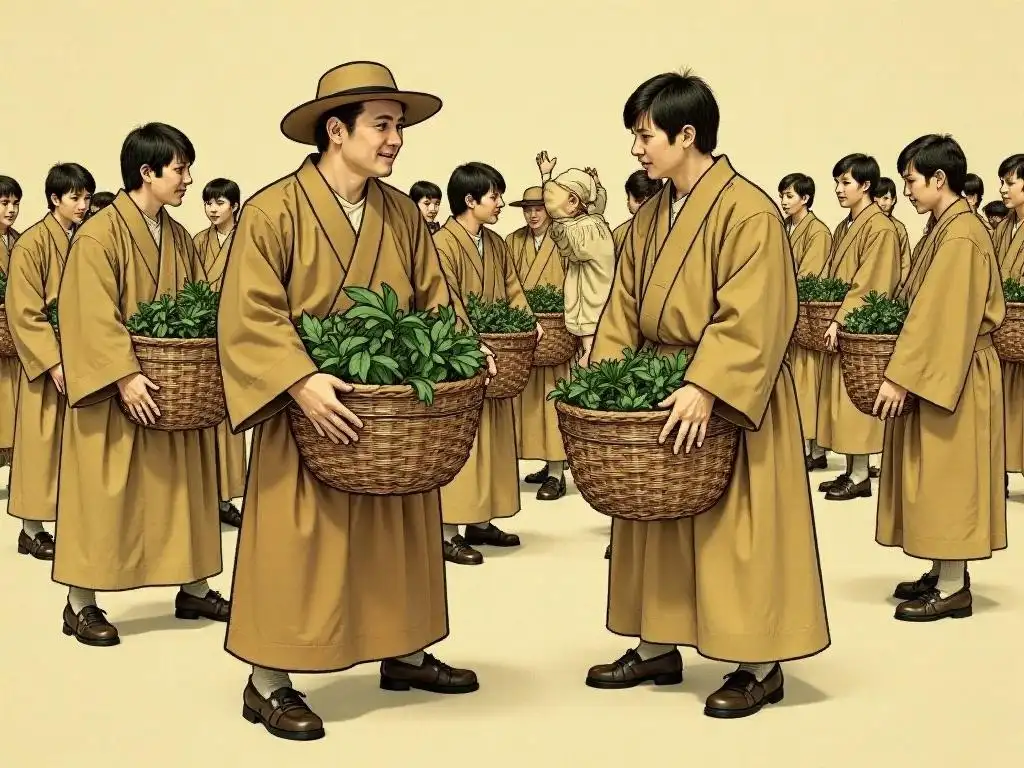
Welcome to Feudal Japan History! Dive into the shadows of Japan's intriguing past as we unravel the stories of those often overlooked—the outcasts in feudal Japan. In our featured article, "The Untouchables: Exploring the Outcasts of Feudal Japan and Their Societal Impact," we shed light on the lives, struggles, and resilience of these marginalized groups. What roles did they play in shaping society?
How did their existence challenge the rigid hierarchies of the time? Prepare to embark on a captivating journey through history that will deepen your understanding of the complexities of social structure in this fascinating era. Continue reading to discover more!
Introduction to Outcasts in Feudal Japan
The feudal era of Japan, spanning from the 12th to the 19th centuries, was characterized by a complex social hierarchy that dictated the lives of its citizens. Within this structure, a marginalized group known as the outcasts emerged, often referred to as the "burakumin" or "eta."
This article delves into the plight of these individuals, examining their historical context, societal roles, and the impact they had on feudal Japanese society. By understanding the experiences of outcasts in feudal Japan, we can gain deeper insights into the broader implications of social stratification and the enduring legacy of discrimination in Japanese history.
Defining Outcasts in Feudal Japanese Society
Outcasts in feudal Japan were individuals who lived on the fringes of society, often subjected to discrimination and isolation. Their status was primarily determined by their occupations, which were deemed "unclean" or "impure" according to the prevailing Buddhist and Shinto beliefs. This included professions such as:
- Butchers: Those who handled animal carcasses.
- Tanners: Workers involved in the treatment of animal skins.
- Executioners: Individuals responsible for carrying out capital punishment.
The stigma surrounding these professions led to social ostracism, creating a distinct class of people who were often denied basic rights and privileges. The term "burakumin," which literally means "hamlet people," is a reflection of their historical segregation into specific areas, further reinforcing their status as outcasts.
Historical Context of Feudal Japan's Class Structure
To fully appreciate the position of outcasts within feudal Japan, it is essential to understand the broader historical context of the time. The feudal system was characterized by a rigid class structure consisting of the samurai at the top, followed by farmers, artisans, and merchants. This hierarchy was deeply influenced by Confucian ideals that emphasized loyalty and social order, which in turn marginalized those who did not fit within the established roles.
The emergence of the outcast class can be traced back to the Heian period, where societal norms began to crystallize around purity and pollution. As the Kamamoto and Muromachi periods progressed, the segregation of outcasts became more pronounced, culminating in the Tokugawa shogunate, which solidified their status as societal pariahs.
Overview of Class Structure in Feudal Japan
The feudal class structure in Japan was hierarchical and rigid, with each class having distinct roles, responsibilities, and privileges. Below is a simplified overview of this structure:
| Class | Description |
|---|---|
| Samurai | Warrior class, landowners, and protectors of the realm. |
| Farmers | Responsible for agriculture, the backbone of the economy. |
| Artisans | Skilled craftsmen creating goods for trade and consumption. |
| Merchants | Traders who facilitated commerce, often viewed with suspicion. |
| Outcasts | Marginalized individuals engaged in "impure" occupations. |
The Role of Samurai, Farmers, Artisans, and Merchants
Each of these classes played a critical role in the functioning of feudal Japan.
- Samurai were the elite warriors, serving their lords and maintaining order. Their code of conduct, Bushido, emphasized honor and loyalty.
- Farmers worked the land, producing rice and other crops, which were essential to both sustenance and taxation.
- Artisans contributed to cultural and economic growth through their craftsmanship, producing tools, textiles, and art.
- Merchants facilitated trade and were crucial for economic expansion, despite their low social status due to perceptions of greed.
Position of Outcasts in the Social Hierarchy
Outcasts occupied the lowest rung of the feudal hierarchy, often forced into isolated communities. Their work, considered necessary yet unclean, subjected them to immense prejudice. The societal impact of this discrimination extended beyond mere social interaction; it influenced legal rights, marriage prospects, and even access to education.
Exploring the lives of outcasts in feudal Japan reveals the complexities of a society defined by rigid class structures and deeply ingrained social prejudices. Understanding their experiences not only sheds light on the historical narrative of Japan but also prompts reflections on the broader themes of inequality and social justice that resonate through history.
Historical Origins of Outcasts in Japan

The concept of outcasts in feudal Japan can be traced back to ancient societal structures and the rigid class hierarchy that characterized the era. Initially, social stratification was heavily influenced by the Chinese Confucian model, which prioritized a clear delineation between classes. Within this framework, certain occupations, particularly those associated with death and impurity, were viewed with disdain. This led to the emergence of groups that were marginalized and forced into specific, often menial, roles within society.
The Emergence of Outcast Communities
As Japan transitioned from the Heian period (794-1185) to the Kamakura period (1185-1333), the need for laborers in various sectors grew, particularly in agriculture and manual labor. This need led to the establishment of distinct outcast communities. Those who engaged in occupations considered impure—such as leatherworking, butchery, or execution—began to form isolated groups, often residing on the outskirts of towns. Their social exclusion was formalized through laws and customs that dictated their interactions with the broader society, further entrenching their marginalized status.
Cultural Influences on the Status of Outcasts
Cultural beliefs greatly influenced the perception of outcasts in feudal Japan. Shinto practices, which emphasized purity and pollution, played a significant role in shaping societal attitudes. Those involved in activities that were deemed impure were often associated with spiritual contamination, leading to their ostracization. Buddhism also contributed to this dynamic, as certain sects viewed individuals engaged in "unclean" professions as karmically inferior. These cultural narratives reinforced the social stigma surrounding outcast communities, perpetuating cycles of discrimination and exclusion.
The Evolution of Outcasts Through Different Eras
Over the centuries, the status of outcasts in Japan evolved significantly, influenced by political, economic, and social changes. During the Edo period (1603-1868), the rigid class structure solidified, categorizing outcasts into specific groups, including the Burakumin and Hinin. However, amid the growing influence of Western ideologies and modernization in the late 19th century, some aspects of the outcast system began to be challenged. The Meiji Restoration (1868) introduced legal reforms that aimed to abolish the social stratification based on birth and occupation. Yet, despite these reforms, the legacy of discrimination persisted, illustrating the complex interplay between tradition and modernity.
Types of Outcasts in Feudal Japan
The feudal era in Japan saw the emergence of various outcast groups, each with unique characteristics and societal roles. Understanding these groups provides insight into the social dynamics of the time.
The Burakumin: Origins and Social Stigma
The Burakumin are perhaps the most well-known outcast group in Japan. Their origins can be traced back to individuals involved in professions that dealt with death, such as executioners, butchers, and tanners. Despite their essential roles in society, they were subjected to severe social stigma, often regarded as "untouchables." This stigma manifested in various forms, including restrictions on marriage, land ownership, and public interaction. Even into the modern era, the Burakumin have faced discrimination, though efforts have been made to improve their social standing and rights.
The Hinin: Status and Societal Perception
The Hinin, or "non-people," were another significant outcast group in feudal Japan. This category included individuals such as beggars, itinerant performers, and those who engaged in occupations that were considered socially undesirable. Unlike the Burakumin, the Hinin were often seen as lacking a defined social role, contributing to their marginalization. Their status was precarious, and they were frequently subjected to harsh treatment by authorities and society at large. The perception of the Hinin reflects a broader societal tendency to ostracize individuals based on their economic and social contributions.
Other Notable Groups of Outcasts in Feudal Japan
In addition to the Burakumin and Hinin, several other groups of outcasts existed in feudal Japan. These included:
- The Kaji: Artisans and craftsmen who worked with materials considered impure, such as leather.
- The Sōhei: Warrior monks who, due to their violent roles in conflicts, were sometimes ostracized.
- The Ainu: Indigenous peoples of Japan who faced discrimination and exclusion from the dominant Japanese culture.
Each of these groups faced unique challenges and societal perceptions, contributing to the complex tapestry of outcast identities in feudal Japan. The interplay between occupation, social status, and cultural beliefs significantly shaped their experiences, underscoring the intricate dynamics of class and exclusion during this period.
Life and Daily Challenges Faced by Outcasts
In feudal Japan, outcasts, often referred to as "burakumin", faced a multitude of daily challenges that were rooted in both economic hardship and social stigma. These individuals were relegated to the lowest tier of the social hierarchy, often engaged in occupations deemed impure or unclean, such as leatherworking, butchering, and sanitation. The societal perception of outcasts as "untouchables" not only restricted their economic opportunities but also severely limited their social interactions.
Daily life for outcasts was marred by discrimination; they often lived in segregated areas, known as "buraku", which were physically and socially isolated from the rest of society. Access to basic services like education, healthcare, and even marriage was frequently denied or heavily restricted. This resulted in a cycle of poverty and marginalization that perpetuated their status as outcasts. The psychological implications of such isolation fostered a sense of hopelessness and resignation, making it difficult for individuals to envision a future beyond their prescribed societal roles.
Economic Hardships of Outcast Communities
The economic challenges faced by outcast communities in feudal Japan were profound and multifaceted. Primarily, outcasts were limited to low-paying, menial jobs that often involved work considered dirty or taboo. As a result, they were unable to accumulate wealth or improve their social standing. The "kaji" or "family trade" system, which dictated that occupations were inherited and maintained within specific social classes, further entrenched their economic difficulties.
Additionally, outcasts were subjected to higher taxation rates and discriminatory practices that hindered their ability to engage in trade or business. Many were forced to rely on the goodwill of others for sustenance, leading to a constant state of financial insecurity. This economic marginalization not only shaped their daily existence but also contributed to the broader economic landscape of feudal Japan, where the contributions of these communities remained largely unrecognized.
Social Discrimination and Isolation
Social discrimination against outcasts in feudal Japan was systemic and pervasive. From a young age, children labeled as outcasts were taught to understand their inferior status, leading to internalized stigma and self-doubt. Interactions with individuals from higher social classes were often fraught with prejudice, resulting in social isolation that extended beyond mere economic factors.
The caste system, deeply entrenched in Japanese society, prevented outcasts from participating in community events and rituals, further alienating them from the cultural fabric of their regions. Forbidden from entering certain spaces, such as temples or schools, outcasts were effectively erased from the narrative of Japanese society. This isolation fostered a sense of community among outcasts, as they banded together to support one another in the face of discrimination, yet it also reinforced their status as societal pariahs.
Cultural Practices and Traditions Among Outcasts
Despite their marginalized status, outcasts in feudal Japan cultivated unique cultural practices and traditions that served as a form of resistance and identity. Many communities developed their own festivals, rituals, and art forms that reflected their experiences and struggles. For instance, they often celebrated "Kibune Matsuri," a festival that honored deities linked to their occupations, showcasing their rich cultural heritage despite societal rejection.
Artistic expression among outcasts is evident in various forms, including literature, music, and performance arts, which often addressed themes of hardship, resilience, and betrayal. Oral traditions and storytelling were vital for passing down history and cultural values within these communities, helping to foster a sense of solidarity and shared identity. These cultural practices not only provided a means of coping with their societal status but also contributed to the broader cultural tapestry of Japan, albeit often in obscured ways.
The Impact of Outcasts on Feudal Japanese Society
The societal impact of outcasts in feudal Japan extends beyond their marginalized existence, as they played integral roles in various aspects of Japanese life. Their contributions, often overlooked, have left a lasting legacy that resonates through history.
Contributions of Outcasts to Japanese Culture
Outcasts made significant contributions to Japanese culture, particularly in domains such as craftsmanship, music, and art. Many outcast communities became skilled artisans, producing goods that were essential to daily life. For example, leatherwork and textile production, though associated with lower social status, were vital for clothing and equipment.
Moreover, outcasts influenced the evolution of certain cultural practices. Their unique perspectives and experiences enriched Japanese folklore and theater, particularly in the form of "Noh" and "Kabuki", which occasionally depicted themes of social injustice and the struggles of marginalized peoples. This cultural interplay highlights the complexity of outcast contributions, which, while often relegated to the margins, shaped the cultural narrative of Japan.
The Role of Outcasts in Economic Development
The economic contributions of outcasts were crucial to feudal Japan's development, particularly in agriculture and trade. Many outcasts worked in roles that supported the agrarian economy, such as farming, which was essential for sustaining the population. Despite societal restrictions, some outcasts managed to engage in trade, often dealing in goods that the upper classes deemed undesirable.
Their labor ensured that essential services were maintained, particularly in sanitation and waste management. While often invisible, outcasts were foundational to the functioning of society, as their work allowed other social classes to thrive. This intricate relationship underscores the paradox of their existence: essential yet marginalized, contributing to society while being denied recognition.
Case Studies: Significant Outcast Figures in History
Several figures from outcast communities have emerged throughout Japanese history, exemplifying the impact and resilience of these marginalized groups. One notable example is Ishikawa Goemon, a legendary bandit and folk hero, who is often romanticized in Japanese culture despite his outcast status. His life story, marked by rebellion against the ruling class, has been immortalized in literature and theater, symbolizing the spirit of resistance among outcasts.
Another significant figure is Tōgō Heihachirō, a naval commander who, despite his humble beginnings and association with an outcast family, rose to prominence during the late Edo period. His success story challenges the stereotypes surrounding outcasts and highlights their potential for greatness within a rigid social structure.
These case studies reveal the complexity of the outcast experience in feudal Japan, illustrating that while they were often relegated to the margins, their contributions and narratives have shaped the historical landscape in profound ways.
Changing Perceptions of Outcasts in Later Periods
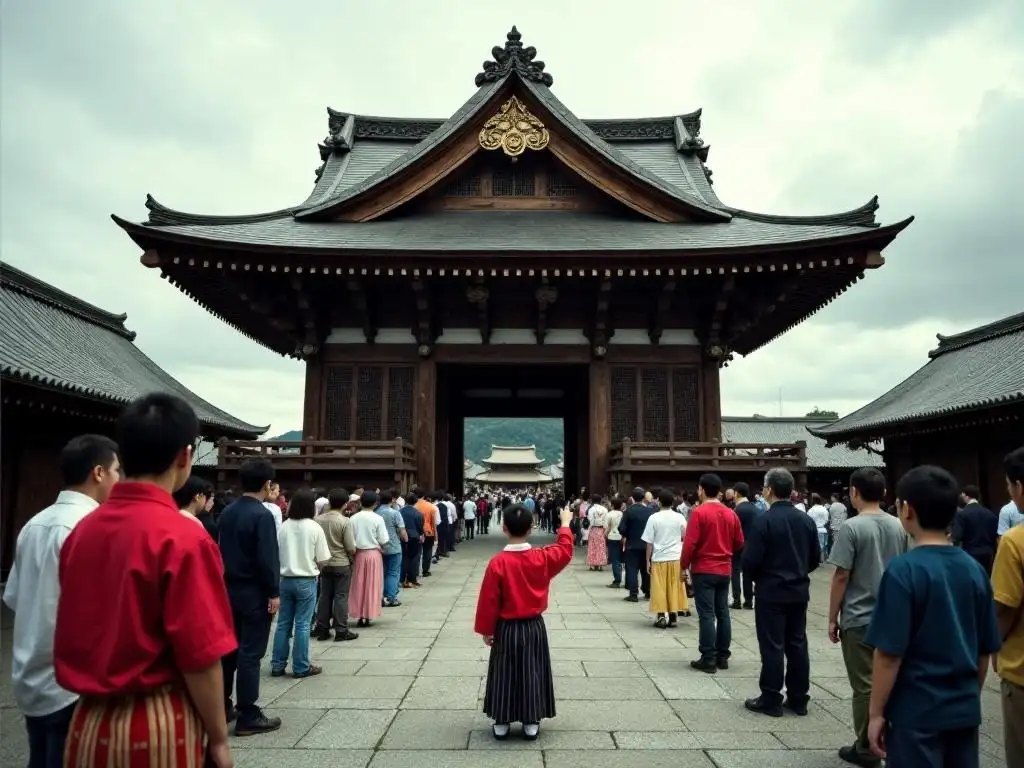
The perception of outcasts in Japan, particularly those known as "burakumin," underwent significant transformations as the nation transitioned from the feudal system to a more modern society. Initially viewed as untouchables and marginalized due to their association with occupations deemed impure or undesirable, these individuals faced systemic discrimination rooted in the rigid class structures of feudal Japan. However, as Japan entered the Meiji period in the late 19th century, shifting socio-political dynamics began to challenge these entrenched views.
The introduction of Western ideologies and modernization efforts prompted a reevaluation of social hierarchies. The Meiji Restoration, which aimed to strengthen Japan by adopting Western systems, also led to the gradual dismantling of the caste system. New educational policies and labor reforms began to integrate outcasts into broader society, altering their roles and status. This period marked the beginning of a long yet ongoing journey toward social equality for those previously ostracized.
The Transition from Feudalism to Modern Japan
With the fall of the Tokugawa shogunate in 1868, Japan transitioned from a feudal system characterized by rigid class structures to a nation-state influenced by Western modernization. During this transition, societal views on outcasts began to shift as the need for a more cohesive national identity emerged. The government implemented various reforms aimed at unifying the populace, which included the abolition of the feudal class distinctions that had long relegated certain groups to the status of outcasts.
As the new government sought to modernize the economy and military, the labor of previously marginalized individuals became increasingly essential. This shift allowed many outcasts to find employment in various industries, albeit often still facing societal stigma. The rise of the concept of citizenship based on merit rather than birthright further encouraged the integration of outcasts into mainstream society, albeit slowly and unevenly.
Legal Reforms and Their Effects on Outcasts
The legal landscape for outcasts in Japan began to change significantly with the enactment of the Emancipation Edict in 1871. This landmark legislation aimed to abolish the discriminatory practices that had defined the lives of the burakumin and other marginalized groups. It marked an official recognition of their rights and a move towards greater social inclusion.
Despite these legal reforms, the effects were not immediate or uniform. Many outcasts continued to experience discrimination at social and economic levels, as deep-seated prejudices persisted within communities. However, the legal framework established a foundation for future activism and advocacy. Over time, movements advocating for the rights and dignity of outcasts emerged, further challenging societal norms and contributing to gradual changes in public perception.
Modern Implications of Historical Outcast Status
The legacy of outcast status in feudal Japan has profound implications in contemporary society. While legal discrimination has been largely abolished, the remnants of historical prejudice can still be felt today. Many burakumin descendants report ongoing discrimination in employment, marriage, and social interactions, revealing the deep-rooted nature of stigma.
Modern Japan continues to grapple with issues related to social justice and equality, and understanding the historical context of outcasts plays a crucial role in this conversation. Educational initiatives aimed at raising awareness about the history of outcasts can foster empathy and promote inclusivity, helping to dismantle lingering biases and pave the way for a more equitable society.
Conclusion: The Legacy of Outcasts in Feudal Japan
Summary of Societal Impact
The outcasts of feudal Japan, often marginalized and ostracized, played a significant role in shaping the social fabric and economy of their time. Their contributions, despite the stigma attached to their status, were essential to the functioning of society, particularly in areas such as sanitation, leatherworking, and other occupations viewed as impure. The historical narrative of these groups is not merely one of victimization but also one of resilience and adaptation in the face of systemic discrimination.
The societal impact of outcasts extends beyond their immediate contributions; it invites us to reflect on the broader implications of class structures and social hierarchies. As Japan evolved, the gradual integration of outcasts into society highlighted the potential for change and the importance of recognizing the value of every individual, regardless of their background.
Reflection on the Importance of Understanding Outcasts in History
Understanding the history of outcasts in Japan is crucial for several reasons. Firstly, it provides insights into the complexities of social stratification and the enduring effects of discrimination. By studying this history, we can better appreciate the struggles faced by marginalized groups and the systemic barriers that persist today.
Secondly, it fosters a greater awareness of the importance of inclusivity and the need to challenge societal norms that perpetuate inequality. As contemporary Japan continues to confront issues related to discrimination, reflecting on the legacy of outcasts serves as a reminder of the progress made and the work that still lies ahead in the pursuit of a more just society. By honoring this history, we can build a future that values diversity and promotes unity among all individuals.
Understanding the complex social dynamics of Feudal Japan requires a deeper dive into the lives of its outcasts, known as the "eta" or "hinin." These individuals existed on the fringes of society, often facing discrimination and marginalization. While their contributions to crafts, labor, and even entertainment were significant, their societal standing was severely diminished due to rigid class structures and cultural stigmas.
To gain a more nuanced perspective, we encourage readers to engage with various sources, including historical texts, documentaries, and scholarly articles that examine the interplay between the outcasts and the broader societal framework. This exploration can illuminate how societal attitudes toward these groups have evolved and how their historical narratives influence modern perceptions of class and social equity in Japan.
Suggested Readings and Resources on Outcasts in Feudal Japan
-
"Outcasts in Japan: The Eta and Hinin" by Richard H. Mitchell
A comprehensive study that delves into the lives of the eta and hinin, exploring their historical roles, daily lives, and the stigma they faced.
-
"The Burakumin: Japan's Outcastes" by William P. McCormack
This book provides an in-depth look at the Burakumin, a group that emerged from the outcast status, detailing their struggles and resilience throughout Japanese history.
-
"Feudal Japan: A History" by John W. Hall
While not solely focused on outcasts, this text offers essential context about the class structures of Feudal Japan and the implications for marginalized groups.
-
Documentary: "The Untouchables of Japan"
An insightful film that visually narrates the challenges faced by outcasts in Japan, featuring interviews with historians and descendants of marginalized communities.
-
Academic Journals
Look for articles in journals such as "Japanese Studies" or "Social History" that focus on class structure, discrimination, and the historical significance of outcast groups in Japan.
Opportunities for Research and Study on Japanese Class Structure
For scholars and students interested in exploring the complexities of class structures in Feudal Japan, several research opportunities are available:
- University Programs: Many universities offer specialized courses in Japanese history, cultural studies, and social anthropology that include modules on the outcast communities. Look for programs with a focus on social hierarchies and historical inequalities.
- Field Research: Engage in field research within regions historically linked to outcast communities. For example, the areas around Osaka and Kyoto have rich histories regarding the Burakumin, allowing for direct observation and interviews with local historians.
- Collaborative Projects: Seek opportunities to collaborate with historians or cultural anthropologists studying Japan. These projects can provide access to rare documents, oral histories, and local insights that enrich understanding.
- Conferences and Seminars: Attend academic conferences focusing on Asian studies, social history, or human rights, where discussions about marginalization and class structures in Japan may be featured.
- Online Archives and Libraries: Explore digital collections from institutions like the National Diet Library of Japan, which houses a wealth of primary sources related to the lives of outcasts and the societal norms of the time.
By pursuing these avenues, researchers can contribute to the ongoing dialogue about class and social justice in Japan, shedding light on the enduring legacy of outcasts and their role in shaping Japanese society.
- Introduction to Outcasts in Feudal Japan
- Defining Outcasts in Feudal Japanese Society
- Historical Context of Feudal Japan's Class Structure
- The Social Hierarchy of Feudal Japan
- Historical Origins of Outcasts in Japan
- Types of Outcasts in Feudal Japan
- Life and Daily Challenges Faced by Outcasts
- The Impact of Outcasts on Feudal Japanese Society
- Changing Perceptions of Outcasts in Later Periods
- Conclusion: The Legacy of Outcasts in Feudal Japan
- Call to Action: Further Exploration of Feudal Japan's Social Dynamics
- What were the main groups considered outcasts in feudal Japan?
- How did the societal status of outcasts affect their daily lives?
- What role did religion play in the treatment of outcasts?
- Were there any notable figures among outcasts in feudal Japan?
- How has the perception of outcasts changed in modern Japan?
Frequently Asked Questions
What were the main groups considered outcasts in feudal Japan?
The primary groups known as outcasts included the Burakumin, who were marginalized due to their association with unclean professions, and the Hinin, who were often beggars and performers.
How did the societal status of outcasts affect their daily lives?
Outcasts faced severe discrimination, often being denied basic rights and forced to live in segregated communities, which significantly impacted their livelihood and social interactions.
What role did religion play in the treatment of outcasts?
Many religious beliefs reinforced the idea of purity and pollution, leading to the stigmatization of outcasts. This was often justified through Buddhist and Shinto teachings that emphasized social hierarchy.
Were there any notable figures among outcasts in feudal Japan?
Yes, some outcasts rose to prominence, such as certain Burakumin who became influential in their communities or served as warriors. Their stories highlight the potential for social mobility despite the prevailing prejudices.
How has the perception of outcasts changed in modern Japan?
Today, the historical stigma associated with outcasts is being challenged, and there is a growing movement towards inclusion and equal rights. However, remnants of discrimination persist, necessitating ongoing social reforms.
Final Reflection: Embracing the Legacy of Outcasts in Feudal Japan
The stories of the outcasts in feudal Japan resonate deeply in today's society, reminding us of the enduring struggle against discrimination and the quest for dignity. As we navigate a world still grappling with social hierarchies and stigmas, the lessons learned from the lives of these marginalized individuals compel us to confront our own biases and advocate for inclusivity. The plight of the outcasts serves as a powerful reminder that every voice matters, and that history is often written by those who dare to challenge the status quo.
Culturally, the impact of these outcasts extends far beyond their historical context; they have shaped narratives that continue to influence our understanding of social justice and human rights. The resilience of the outcasts in feudal Japan illustrates the strength found in community and the importance of recognizing the humanity in every individual, regardless of their societal standing. Injustice anywhere is a threat to justice everywhere.
– Martin Luther King Jr. This quote encapsulates the essence of our shared responsibility to uplift those who have been marginalized, echoing the struggles faced by the outcasts of the past.
As we reflect on the lessons from the outcasts of feudal Japan, I invite you to consider how you can contribute to a more equitable society. Take a moment to examine your own perceptions and actions towards those who may be deemed 'different' or 'lesser' in today's world. Let their stories inspire you to advocate for change, foster understanding, and create spaces where everyone can thrive. Together, we can honor the legacy of these outcasts by ensuring that their struggles lead to a more inclusive future for all.
Unveil the Impact of Japan's Outcasts: Take Action Today!
Thank you for exploring the intriguing world of the Untouchables in Feudal Japan! You have gained valuable insights into their lives and the profound impact they had on society. Now, it’s time to take what you've learned and engage further with this rich history.
Here are some actionable steps you can take:
- Explore deeper: Visit our resource section for recommended books and documentaries on the Untouchables to enhance your understanding.
- Share your thoughts: Join the conversation in our community forum to discuss your reflections and insights about these fascinating figures.
- Challenge perceptions: Consider writing an article or blog post about the modern implications of societal outcasts, drawing inspiration from the legacy of the Untouchables.
What resonated with you the most about the Untouchables, and how might their story influence today’s societal norms?