
The Role of Shinto Priests: Guardians of Tradition and Faith


Welcome to Feudal Japan History, where we embark on a fascinating journey through the intricate tapestry of Japan's feudal era. Here, we delve deep into the cultural, historical, and societal nuances that shaped this remarkable period. In our featured article, "The Role of Shinto Priests: Guardians of Tradition and Faith," we unravel the significant influence of Shinto priests in feudal Japan, exploring their vital roles as spiritual leaders and custodians of ancient traditions.
Prepare to be captivated as we uncover how their practices and beliefs not only shaped religious life but also intertwined with the fabric of samurai culture and governance. Dive in and discover the mysteries that await!
-
The Role of Shinto Priests in Feudal Japan: Guardians of Tradition and Faith
- Introduction to Shintoism in Feudal Japan
- Shinto Priests: Definition and Responsibilities
- Historical Context of Shinto Priests in Feudal Japan
- Origins of Shinto Practices
- Evolution of the Shinto Priesthood Throughout the Feudal Era
- The Functions of Shinto Priests in Society
- The Relationship Between Shinto Priests and Political Power
- Shinto Rituals and Practices Conducted by Priests
- Challenges Faced by Shinto Priests in Feudal Japan
- The Legacy of Shinto Priests in Japanese History
- Conclusion: The Enduring Significance of Shinto Priests
- References
- Frequently Asked Questions
- Final Reflection: Embracing the Legacy of Shinto Priests in Feudal Japan
- Embrace the Spirit of Tradition and Discover Shinto!
The Role of Shinto Priests in Feudal Japan: Guardians of Tradition and Faith
The role of Shinto priests in feudal Japan was not just a matter of religious duty; it was deeply intertwined with the cultural, social, and political fabric of the time. As guardians of tradition and faith, these priests upheld the ancient practices and beliefs that defined Japanese identity.
The feudal era, spanning from the 12th to the 19th centuries, was marked by a complex interplay between religion and governance, with Shintoism playing a pivotal role in legitimizing authority, fostering community bonds, and preserving the unique spiritual heritage of Japan. This article delves into the significance of Shinto priests during this period, exploring their responsibilities and the overarching impact they had on Japanese society.
Introduction to Shintoism in Feudal Japan
Overview of Shinto Beliefs
Shinto, the indigenous spirituality of Japan, is centered around the worship of kami, or spirits, which can be found in natural elements, ancestors, and sacred places. At its core, Shinto emphasizes purity, harmony with nature, and the importance of ritual practices. The concept of kami is not limited to deities; it encompasses a wide range of spiritual beings that are believed to influence human affairs. The reverence for these spirits is expressed through various rituals and offerings, establishing a deep connection between the people and the divine.
Importance of Shinto in Japanese Culture
During feudal Japan, Shinto was more than a religion; it was a way of life that permeated every aspect of society. It provided a moral framework and influenced art, literature, and political thought. Festivals and rituals celebrated the changing seasons and agricultural cycles, fostering community cohesion and a sense of identity. Shinto beliefs also played a critical role in the legitimization of the ruling authorities, with the emperor often regarded as a direct descendant of the kami, thus reinforcing the divine right to rule.
Shinto Priests: Definition and Responsibilities
Who are Shinto Priests?
Shinto priests, known as kannushi, are the spiritual leaders responsible for conducting rituals, maintaining shrines, and serving as intermediaries between the kami and the people. Traditionally, they were drawn from noble families, although, over time, the role became more accessible to commoners. Their training involved not only religious education but also a deep understanding of the cultural practices and historical context of Shintoism. The respect afforded to kannushi was reflective of their vital role in society, as they were seen as the keepers of sacred traditions.
Key Duties of Shinto Priests in Feudal Society
The duties of Shinto priests were diverse and multifaceted. Among their primary responsibilities were:
- Conducting Rituals: Performing ceremonies for various occasions, including weddings, funerals, and seasonal festivals.
- Shrine Maintenance: Ensuring that shrines were clean and well-kept, which was essential for maintaining a connection with the kami.
- Divination and Counseling: Offering guidance and interpretation of the will of the kami through divination practices, helping individuals and families navigate challenges in their lives.
- Community Leadership: Acting as leaders in their communities, fostering a sense of unity and shared identity through religious observances.
Shinto priests in feudal Japan played an indispensable role in upholding the spiritual and cultural heritage of the nation, ensuring the continuity of traditions that shaped Japanese society for centuries.
Historical Context of Shinto Priests in Feudal Japan
Shinto priests played a pivotal role in the spiritual and cultural landscape of feudal Japan, serving as custodians of Shinto beliefs and practices. Their influence can be traced back to the early formation of Japanese society, where spirituality was deeply intertwined with everyday life. The feudal era, which spanned from the 12th to the 19th centuries, saw the establishment of a hierarchical society governed by samurai warriors, and the role of Shinto priests evolved significantly within this context.
In this period, Shinto was not merely a religion but a fundamental aspect of Japanese identity, shaping the values, customs, and rituals of the people. The priests, known as "kannushi," were responsible for maintaining the shrines, performing rituals, and ensuring the proper worship of kami, the deities or spirits revered in Shinto. They became essential figures in the community, embodying the connection between the divine and the mundane.
Origins of Shinto Practices
The roots of Shinto practices can be traced to ancient animistic beliefs and rituals that predate recorded history in Japan. These early practices were characterized by a reverence for nature and the spirits believed to inhabit natural elements, such as mountains, rivers, and trees. As these beliefs evolved, they coalesced into a more organized system of worship centered around kami.
The formation of Shinto as a distinct religious framework emerged during the Yayoi period (300 BCE - 300 CE) and further solidified during the Kofun period (300-710 CE). The establishment of shrines, rituals, and priestly roles became prominent, with the first historical records, such as the "Nihon Shoki" (Chronicles of Japan), documenting these practices. By the time of the Heian period (794-1185), Shinto had developed a more structured priesthood, with specific roles and responsibilities assigned to its practitioners.
Evolution of the Shinto Priesthood Throughout the Feudal Era
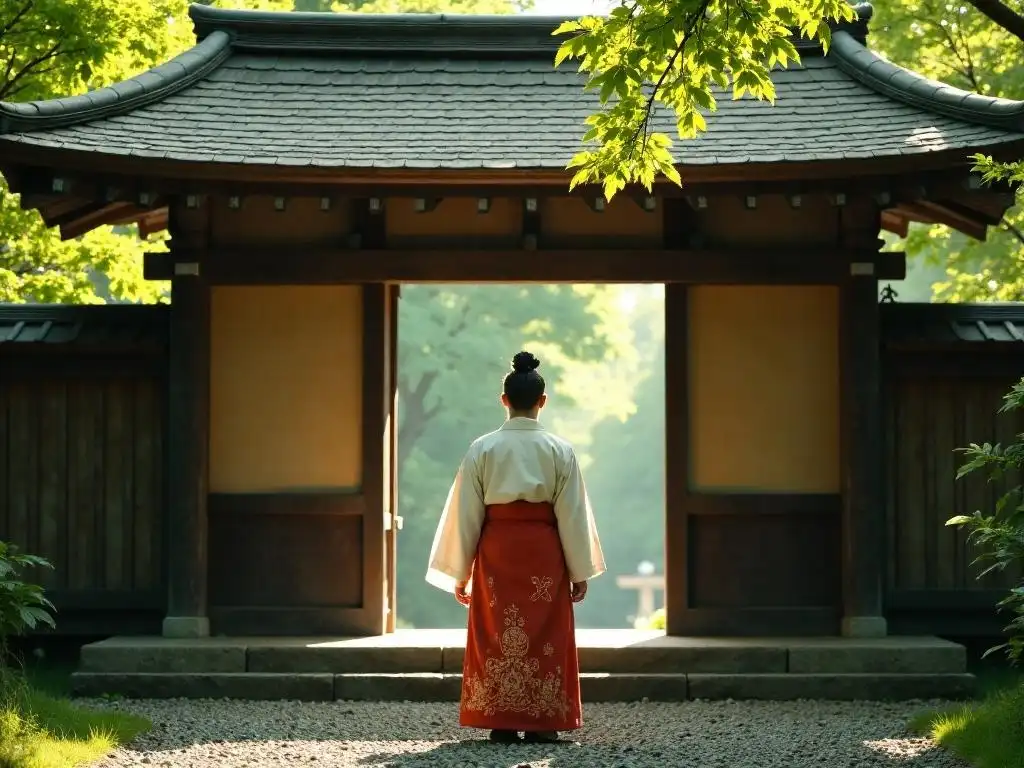
Throughout the feudal era, the Shinto priesthood witnessed significant transformations influenced by political, social, and religious changes. Initially, Shinto priests held considerable authority in local communities, serving as mediators between the kami and the people. However, as Buddhism gained prominence during the Nara (710-794) and Heian periods, the relationship between Shinto and Buddhism became more complex, leading to a syncretism known as "Shinbutsu shūgō."
During the Kamakura period (1185-1333), the rise of the samurai class further altered the dynamics of the Shinto priesthood. As the samurai sought legitimacy and divine favor for their rule, many priests aligned themselves with feudal lords, becoming advisors and spiritual leaders to the warrior class. This period saw the consolidation of power among certain shrines, which became affiliated with the ruling elite, thereby increasing the influence of Shinto priests.
By the Edo period (1603-1868), the Tokugawa shogunate's establishment of a centralized government led to a more regulated and formalized priesthood. The government recognized Shinto as a state religion, further embedding the priests into the political framework. This era solidified the duality of the Shinto priest's role as both a spiritual leader and a political figure, reinforcing their significance within the feudal system.
The Functions of Shinto Priests in Society
Shinto priests held multifaceted roles that were crucial to the fabric of feudal Japanese society. They were not only spiritual leaders but also community figures who guided the populace through cultural and religious practices. Their functions can be categorized into several key areas that underline their importance.
Spiritual Leaders and Community Guides
Shinto priests served as spiritual leaders, providing guidance and support to their communities. They conducted rituals and rites of passage, such as births, marriages, and funerals, which were integral to the social fabric of the time. By performing these ceremonies, priests helped individuals navigate the significant life events that shaped their existence.
Additionally, priests often held educational roles, teaching the community about Shinto beliefs, ethics, and practices. They were seen as the embodiment of wisdom and tradition, preserving the cultural heritage of the Japanese people. Their presence at local shrines fostered a sense of belonging and continuity, reinforcing community bonds.
Role in Rituals and Festivals
The role of Shinto priests in rituals and festivals was paramount to the cultural identity of feudal Japan. They were responsible for organizing and conducting seasonal festivals, or "matsuri," which celebrated agricultural cycles, kami, and historical events. These festivals not only honored the deities but also reinforced community cohesion and cultural identity.
During these events, priests performed various rituals, including offerings, prayers, and dances, to invoke the blessings of the kami. Such practices were believed to ensure good harvests, health, and prosperity for the community. The priests’ involvement in these rituals underscored their importance as mediators between the divine and the people, enhancing their status within society.
Shinto Priests as Advisors to the Samurai Class
As feudal Japan progressed, Shinto priests increasingly became advisors to the samurai class, whose status was predicated on honor and spiritual legitimacy. Many samurai sought the counsel of priests to gain divine favor and guidance in their military endeavors. This relationship was mutually beneficial; while samurai provided support and protection for shrines, priests offered spiritual validation to the samurai's actions.
Priests often participated in rituals that invoked blessings for military campaigns, ensuring that the samurai retained the favor of the kami. Moreover, the association with powerful samurai families enhanced the priests’ social standing, leading to the establishment of influential shrines that served as centers of both religious and political activity.
Through these interactions, Shinto priests solidified their roles as vital components of the feudal structure, balancing their spiritual responsibilities with the demands and expectations of the warrior class. The intertwining of Shinto practices with the samurai ethos contributed to the enduring legacy of Shinto in Japanese history.
The Relationship Between Shinto Priests and Political Power
The intricate relationship between Shinto priests and political power during feudal Japan was a defining aspect of the era. As spiritual leaders, Shinto priests were not only responsible for conducting rituals and maintaining shrines but also played a crucial role in the sociopolitical landscape. Their authority was deeply intertwined with the ruling class, as they acted as mediators between the divine and the earthly realms. This connection endowed them with significant influence over feudal lords, who sought the priests' blessings to legitimize their rule and ensure the prosperity of their domains.
During this period, Shinto priests often gained considerable political sway, particularly when their religious practices aligned with the interests of the samurai class. Feudal lords recognized that the support of Shinto priests could bolster their legitimacy, especially during times of unrest or power struggles. Consequently, many lords established close ties with local shrines, providing them with resources and protection in exchange for spiritual endorsement. This mutual benefit reinforced the priests' positions within the feudal hierarchy, allowing them to preserve traditional beliefs while navigating the complex political landscape.
Influence on Feudal Lords and Governance
The influence of Shinto priests on feudal lords and governance in Japan was profound. Priests often served as advisors to rulers, offering guidance on matters that combined spiritual insight with practical governance issues. Their role as spiritual leaders provided them with a unique perspective on the moral and ethical implications of political decisions. This advisory capacity was especially important in a society where supernatural beliefs were woven into the fabric of daily life.
Many feudal lords participated in Shinto rituals to gain favor with the kami (deities) and seek blessings for military endeavors or agricultural success. The priests, in turn, facilitated these rituals, which often involved offerings and prayers at shrines. Such practices not only reinforced the social hierarchy but also highlighted the dependency of political power on divine favor. The intertwining of religion and governance ultimately solidified the priests' role as essential figures in the maintenance of political stability and social order.
The Role of Shinto Priests in Legitimizing Authority
Shinto priests played a pivotal role in legitimizing the authority of feudal lords throughout Japan's history. By conducting rituals that invoked the protection and endorsement of kami, priests helped ensure that rulers were seen as divinely sanctioned leaders. This connection between the divine and political authority was crucial, especially for emerging powers seeking to establish their legitimacy in a highly stratified society.
Ceremonies such as the Kamakura Period’s enthronement rituals often involved priests, who would bless the new shogun and conduct rites that reinforced his divine right to rule. The visibility of priests in these ceremonies underscored their importance in the political landscape and served to strengthen the loyalty of vassals and subjects alike. Through their sacred duties, Shinto priests not only preserved religious traditions but also actively participated in shaping the political narratives that defined feudal Japan.
Shinto Rituals and Practices Conducted by Priests
Shinto rituals and practices conducted by priests were central to the religious life of feudal Japan. These rituals served various purposes, including the appeasement of kami, the promotion of agricultural fertility, and the protection of communities. Shinto priests were responsible for performing these rituals, which were often elaborate and deeply symbolic. They utilized a range of offerings, including food, sake, and symbolic objects, to honor the kami and seek their blessings for the people.
The significance of these rituals extended beyond the spiritual realm; they played a vital role in community cohesion and identity. By participating in these ceremonies, individuals felt a connection to their heritage and the natural world, reinforcing the communal bonds that were essential in feudal society. The priests' role as facilitators of these practices solidified their standing within the community, making them integral to both spiritual and social life.
Overview of Major Shinto Rituals
Several major Shinto rituals were conducted by priests during feudal Japan, each with distinct purposes and meanings. Here are some key examples:
- Ise Grand Shrine Pilgrimages: These pilgrimages involved traveling to the Ise Shrine, dedicated to the sun goddess Amaterasu, and were crucial for fostering national unity and devotion.
- Seed-sowing and Harvest Festivals: Celebrated to ensure bountiful crops, these rituals included offerings to the kami for fertility and protection of the land.
- New Year Celebrations (Shōgatsu): Marked by rituals to purify homes and welcome the kami, these festivities emphasized renewal and community spirit.
- Rites of Passage: Various life-cycle rituals, such as birth, coming of age, and marriage ceremonies, were conducted to invoke blessings from the kami for individuals and families.
These rituals not only served religious purposes but also reinforced social hierarchies and community ties, highlighting the dual role of Shinto priests as both spiritual leaders and facilitators of cultural practices.
Sacred Sites and Shrines Managed by Shinto Priests
Shinto priests were tasked with managing numerous sacred sites and shrines throughout feudal Japan, each playing a significant role in the spiritual and cultural landscape. Notable shrines included:
- Ise Jingu: One of the most revered Shinto shrines, dedicated to Amaterasu, it served as a pilgrimage site for many, reinforcing national identity.
- Katori Jingu: Known as the head shrine of Katori shrines, it was significant for its connection to martial spirits and was often visited by samurai seeking divine protection.
- Fushimi Inari Taisha: Famous for its thousands of vermillion torii gates, this shrine was dedicated to Inari, the kami of rice, and played a crucial role in agricultural rituals.
The priests at these shrines performed daily rituals, maintained the sacred spaces, and ensured that the traditions associated with the kami were upheld. These sites not only served as places of worship but also as cultural hubs where community events and festivals took place, reinforcing the lasting legacy of Shinto practices in the social fabric of feudal Japan.
Challenges Faced by Shinto Priests in Feudal Japan
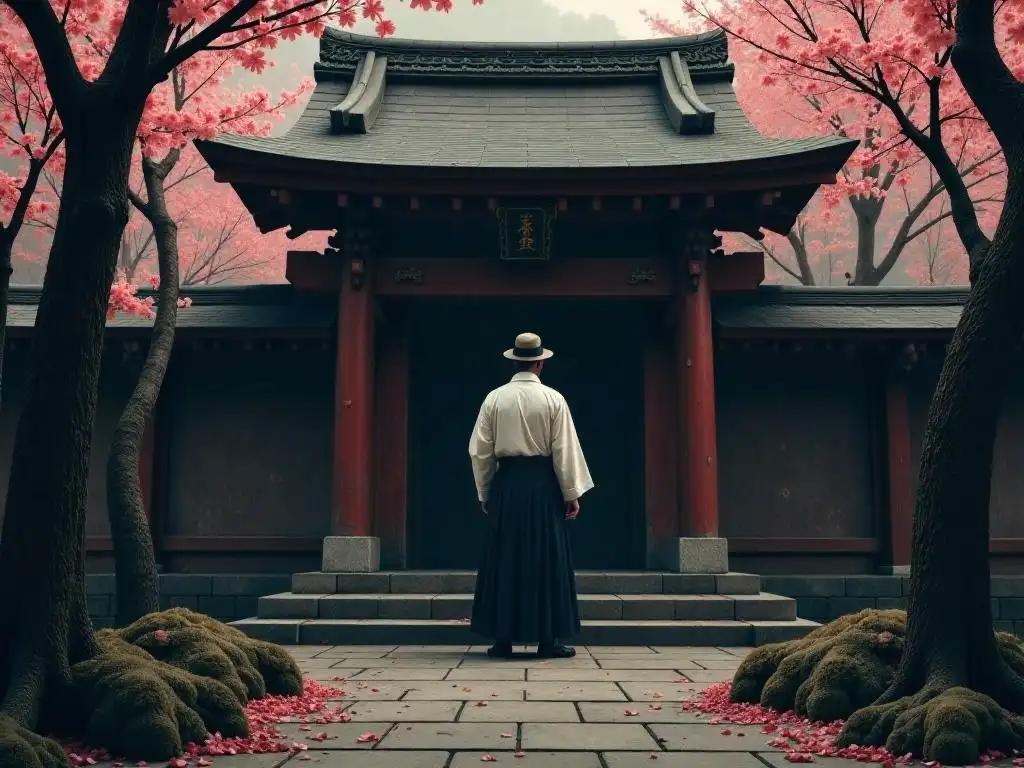
Shinto priests in feudal Japan encountered a variety of challenges that significantly impacted their roles and practices. The shifting political landscape, the encroachment of other religions, and the evolving cultural norms often tested their authority and relevance within society.
The Impact of Buddhism and Other Religions
One of the most significant challenges was the rise of Buddhism, which began to spread in Japan during the 6th century. As Buddhism gained popularity, it often overshadowed Shinto practices and beliefs. Shinto priests had to navigate this complex religious environment, sometimes adopting Buddhist rituals to retain followers. This syncretism led to the development of Shinbutsu shūgō, a fusion of Shinto and Buddhist practices, which, while helping preserve Shinto elements, also blurred the lines between the two religions.
Furthermore, the introduction of Confucianism and Taoism added layers of philosophical thought and religious practice that influenced Japanese society. Shinto priests had to adapt to these new ideologies, which often positioned themselves as more modern or sophisticated compared to traditional Shinto practices. This adaptation was crucial for maintaining relevance in a rapidly changing spiritual landscape.
Political Turmoil and Shifts in Power Dynamics
The feudal era in Japan was marked by constant political turmoil, including the rise and fall of numerous clans, civil wars, and shifts in power dynamics. During these tumultuous times, Shinto priests often found themselves caught in the crossfire. As local warlords (daimyō) sought to legitimize their power, they frequently turned to Shinto shrines and priests for support. This relationship sometimes forced priests to align with particular factions, compromising their religious neutrality.
Moreover, the establishment of the Kamakura shogunate in the late 12th century and subsequent shogunates often led to the centralization of authority, which diminished the autonomy of local priests. The priests had to adapt their roles to suit the new political realities, sometimes sacrificing their spiritual responsibilities to ensure the survival of their shrines and communities.
The Legacy of Shinto Priests in Japanese History
The enduring influence of Shinto priests in Japan's historical narrative is profound, as they played a vital role in shaping national identity, cultural practices, and spiritual beliefs. Their contributions to Japanese society have left an indelible mark that continues to resonate today.
Influence on Modern Shinto Practices
The legacy of Shinto priests is particularly evident in the continued evolution of modern Shinto practices. Many rituals, festivals, and ceremonies that are central to contemporary Shintoism can be traced back to the traditions upheld by priests during the feudal era. For instance, the practice of purification (harai) and offerings (miyage) at shrines remain integral aspects of Shinto worship, reflecting the continuity of ancient customs.
Moreover, the emphasis on kami (spirits) and the relationship between the physical and spiritual worlds, fostered by Shinto priests, remains a foundational principle in modern Shinto beliefs. This continuity underscores the resilience of Shinto traditions, demonstrating how the teachings and practices of feudal-era priests have adapted yet persisted through centuries.
Preservation of Traditions and Cultural Heritage
In addition to their religious roles, Shinto priests acted as custodians of Japan's cultural heritage. They preserved ancient texts, rituals, and oral histories that might have otherwise been lost amid the rapid changes of the feudal period. Their commitment to safeguarding these traditions has ensured that future generations are connected to their historical roots.
Furthermore, Shinto festivals (matsuri), many of which were established during the feudal era, continue to be celebrated today, attracting visitors and fostering a sense of community and cultural identity. The dedication of Shinto priests to maintaining these practices has played a crucial role in the preservation of Japan's unique heritage, linking the past to the present in a vibrant tapestry of spiritual and cultural life.
Conclusion: The Enduring Significance of Shinto Priests
Shinto priests played a vital role in shaping the spiritual landscape of feudal Japan. Their influence extended beyond religious practices; they were integral to the cultural and societal fabric of the time. By performing rituals, maintaining shrines, and guiding the populace in spiritual matters, Shinto priests not only preserved ancient traditions but also adapted to the evolving needs of society. Their presence ensured that Shinto beliefs remained a central aspect of Japanese identity during an era marked by political upheaval and social change. As guardians of tradition, these priests laid the groundwork for Japan's enduring spiritual heritage.
Summary of Their Role in Feudal Japan
In feudal Japan, Shinto priests, or "kannushi," served as intermediaries between the kami (gods) and the people. They conducted essential rituals that were critical for agricultural success, community cohesion, and spiritual well-being. Their responsibilities included:
- Conducting Rituals: Shinto priests performed ceremonies to appease the kami, celebrate seasonal festivals, and conduct rites of passage.
- Shrine Maintenance: They were responsible for the upkeep of shrines, ensuring that sacred spaces remained pure and accessible to worshippers.
- Community Leadership: Beyond their religious duties, priests often played a role in local governance, providing counsel and support to community leaders and the samurai class.
The multifaceted role of Shinto priests allowed them to exert considerable influence within feudal society, intertwining spirituality with daily life.
Reflection on the Importance of Shinto Priests Today
The legacy of Shinto priests continues to resonate in modern Japan. Even today, their traditions and rituals are celebrated, reflecting the deep-rooted connection between Shinto practices and Japanese culture. Shinto shrines remain popular sites for worship and community events, with many individuals seeking blessings for health, prosperity, and success in life.
Moreover, the principles upheld by Shinto priests, such as purity, harmony, and respect for nature, align with contemporary values surrounding environmental conservation and social responsibility. As Japan navigates the complexities of a modern world, the teachings of Shinto priests serve as a reminder of the importance of maintaining cultural heritage and fostering a respectful relationship with the natural world.
References
Suggested Reading on Shinto and Feudal Japan
- Shinto: The Kami Way by Sokyo Ono
- The Essence of Shinto: Japan's Spiritual Heart by Nobutaka Inoue
- Japan’s Feudal Era: A Complete History by Hiroshi Yamamoto
Academic Sources for Further Research
- "Shinto Priests in the Context of Japanese Society" - Journal of Asian Studies
- "Ritual and Religion in the History of Japan" - Religious Studies Review
- "Feudal Japan: The Role of Religion in Social Structure" - Japanese Historical Review
Frequently Asked Questions
What was the role of Shinto priests in feudal Japan?
Shinto priests served as guardians of spiritual practices, overseeing rituals and festivals that maintained the connection between the people and the kami (gods).
How did Shinto beliefs influence feudal society?
Shinto beliefs shaped the cultural and societal norms, reinforcing the authority of leaders and providing a sense of community through shared rituals.
Were Shinto priests involved in political matters?
Yes, Shinto priests often held significant political power, advising samurai and rulers, and legitimizing their authority through religious ceremonies.
How did the role of Shinto priests change over time?
As feudal Japan progressed, the role of Shinto priests evolved, adapting to shifts in societal structure and the influence of other religions, notably Buddhism.
What impact did Shinto rituals have on daily life in feudal Japan?
Shinto rituals were integral to daily life, marking important events, agricultural practices, and seasonal changes, thus fostering a sense of continuity and tradition within communities.
Final Reflection: Embracing the Legacy of Shinto Priests in Feudal Japan
The role of Shinto priests in feudal Japan remains profoundly relevant today, as it highlights the enduring connection between spirituality and cultural identity. In a world increasingly driven by technology and globalization, the practices and beliefs upheld by these guardians of tradition remind us of the importance of preserving our heritage. The legacy of Shinto priests teaches us that faith is not merely a personal journey but a collective experience that shapes communities and societies.
The influence of Shinto priests extends far beyond the historical context of feudal Japan; their practices continue to resonate in contemporary Japanese culture and spirituality. The rituals, festivals, and teachings they established serve as a bridge between the past and present, fostering a sense of belonging and continuity. As the renowned scholar Joseph Campbell once said, "> The myths are the stories that we tell ourselves to make sense of our lives." This sentiment underscores the importance of understanding the narratives woven by Shinto priests, as they provide valuable insights into our shared human experience.
As we reflect on the significance of Shinto priests, let us consider how we can honor and incorporate these lessons into our own lives. I invite you to explore your own traditions and beliefs, recognizing the value they bring to your identity and community. By engaging with the past and embracing the teachings of those who came before us, we can cultivate a deeper appreciation for our own heritage and contribute to a more harmonious and interconnected world.
Embrace the Spirit of Tradition and Discover Shinto!
Thank you for taking the time to explore the fascinating world of Shinto priests and their vital role in preserving tradition and faith. Your engagement helps keep these cultural narratives alive!
Now, let’s move from understanding to action—here’s how you can deepen your connection with this enriching heritage:
- Dive deeper into Shinto: Visit your local Shinto shrine or a Japanese cultural center to experience the rituals and practices firsthand. Engaging with the community can ignite your passion for these traditions!
- Share your insights: Discuss what you’ve learned with friends or on social media to foster interest and build awareness about Shinto practices and beliefs.
- Join a workshop or seminar: Look for online events or local gatherings where you can participate in discussions about Shinto and its rich historical context.
What aspect of Shinto tradition do you find most intriguing, and how will you incorporate it into your everyday life?