
The Significance of Ink and Paper: Choosing the Right Materials for Calligraphy

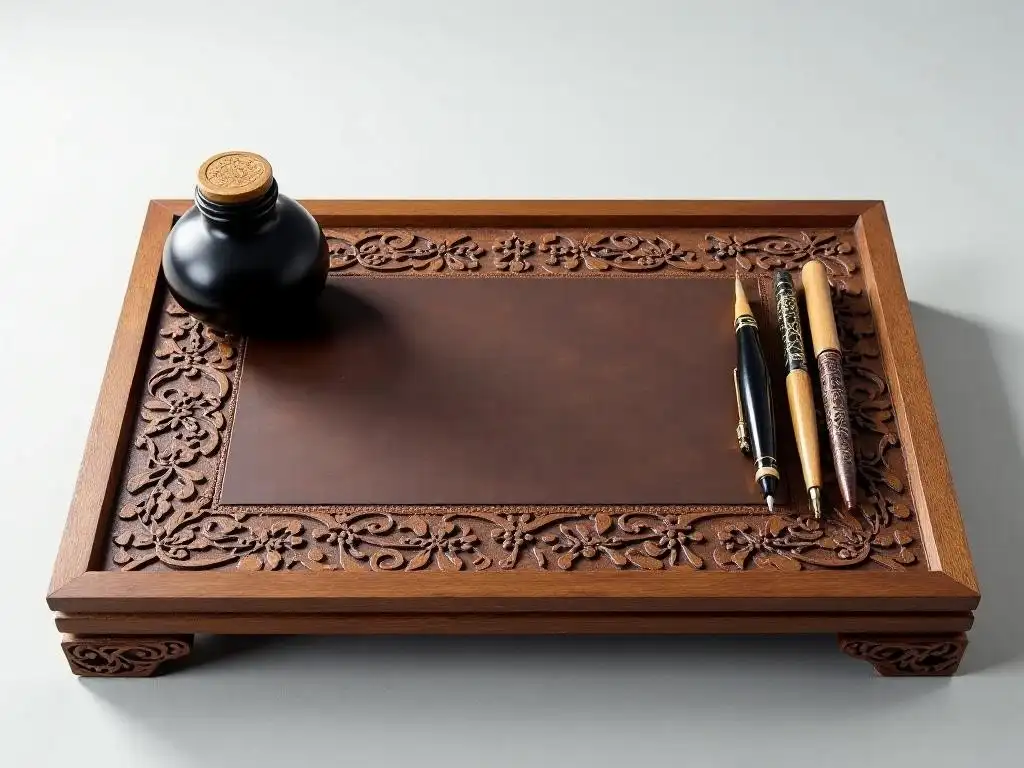
Welcome to Feudal Japan History, where we invite you to embark on a fascinating journey through the rich tapestry of Japan's feudal era. Here, history comes alive as we delve into the intricate cultural and societal aspects that shaped this remarkable period. Our featured article, "The Significance of Ink and Paper: Choosing the Right Materials for Calligraphy," unravels the artistry and importance behind selecting the perfect materials for this timeless craft.
Curious about how these elements influenced not only the art itself but also the society in which it thrived? Dive deeper with us and discover the secrets of Japanese calligraphy that echo through the ages!
- Understanding Japanese Calligraphy Materials Guide
- Types of Ink for Japanese Calligraphy
- Choosing the Right Paper for Japanese Calligraphy
- Essential Tools for Calligraphy
- How to Select the Best Calligraphy Materials
- Product Recommendations: Best Japanese Calligraphy Materials
- Tips for Caring for Your Calligraphy Materials
- Conclusion: Elevate Your Calligraphy with the Right Materials
- Call to Action
- Frequently Asked Questions
- Final Reflection: The Enduring Art of Calligraphy and Its Materials
- Unveil the Art of Calligraphy Today!
Understanding Japanese Calligraphy Materials Guide
Japanese calligraphy, or shodō, is a revered art form that intertwines aesthetics, philosophy, and craftsmanship. At its core, the practice hinges on the materials used, particularly ink and paper, which not only influence the outcome of each artwork but also embody centuries of tradition and cultural significance.
This comprehensive guide delves into the essential materials required for Japanese calligraphy, exploring their historical context, the intricacies of selection, and the impact on the creative process. Whether you are a seasoned practitioner or a novice eager to learn, understanding the nuances of these materials is crucial to mastering the art of calligraphy and expressing your unique voice through this beautiful medium.
The Role of Materials in Japanese Calligraphy
Materials play a pivotal role in Japanese calligraphy, impacting both the technique and the final presentation of the work. The primary components—ink, paper, and brushes—are not just tools; they are part of a time-honored tradition that has evolved over centuries. Each element has unique characteristics that contribute to the overall effectiveness of a calligraphic piece.
- Ink: Traditionally made from soot and animal glue, the quality of ink can greatly affect the flow, texture, and permanence of the strokes. Different types of ink, such as sumi (Japanese ink) and colored inks, offer various properties that can enhance the calligraphic expression.
- Paper: The choice of paper is equally important. Japanese calligraphy often utilizes washi (Japanese paper), known for its unique texture and absorbency. The right paper can absorb ink effectively while allowing for the desired ink flow, which can significantly influence the visual impact of the writing.
- Brushes: While not explicitly mentioned in the title, brushes are an integral part of the materials used in calligraphy. The type of brush—its size, shape, and bristle quality—affects the stroke technique and overall style of writing.
As you explore the world of Japanese calligraphy, understanding the role and characteristics of these materials will enhance your practice, allowing for more expressive and refined results.
Importance of Quality Ink and Paper in Calligraphy Practice
The quality of ink and paper used in calligraphy cannot be overstated. High-quality materials can elevate a calligraphic piece from ordinary to extraordinary, providing artists with the tools they need to express their vision fully.
- Ink Quality: Using high-quality ink ensures that the color remains vibrant and consistent throughout the piece. Poor-quality ink may result in fading or uneven coloration, which can detract from the overall aesthetic. Furthermore, quality ink flows smoothly from the brush, allowing for precise control and expression of each stroke.
- Paper Characteristics: Quality paper, such as traditional washi, is designed to complement the unique properties of Japanese ink. It provides the right balance of absorption and texture, allowing for clean strokes and intricate details. Inferior paper may bleed or warp when ink is applied, compromising the integrity of the work.
- Long-term Preservation: Quality materials not only enhance the immediate practice but also contribute to the longevity of the artwork. Calligraphy created with high-quality ink and paper is more likely to endure the test of time, preserving the artist's expression for future generations to appreciate.
Selecting the right materials is essential for anyone practicing Japanese calligraphy. By investing in quality ink and paper, artists can fully realize their creative potential while honoring the rich traditions of this beautiful art form.
Types of Ink for Japanese Calligraphy
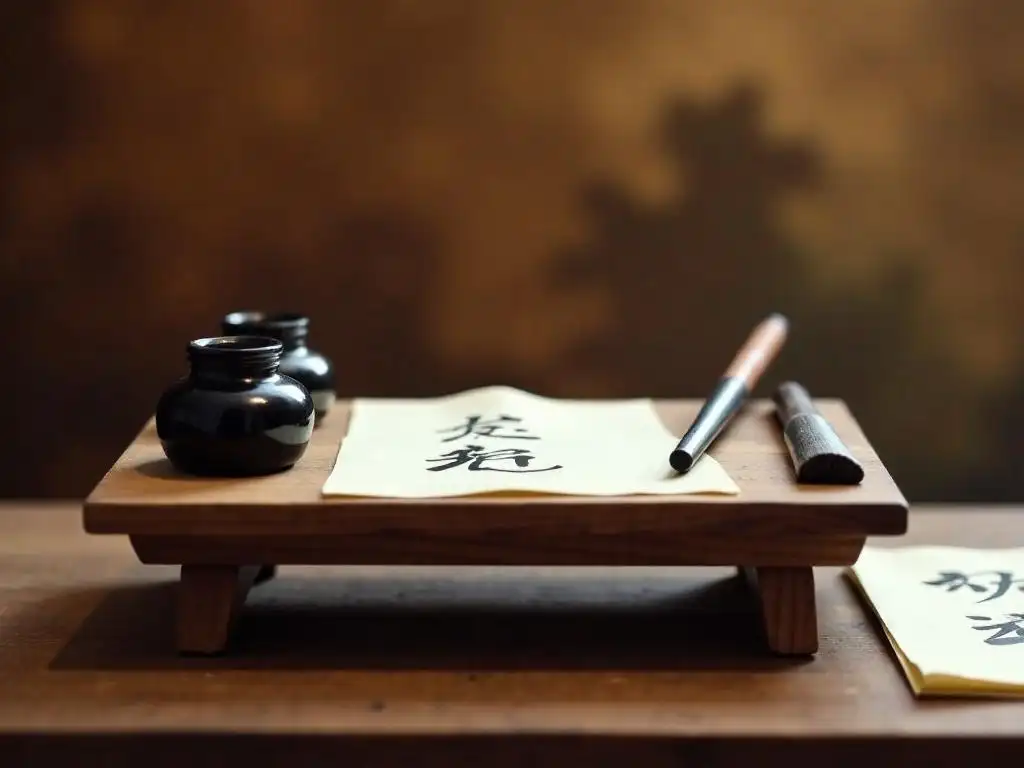
Japanese calligraphy, or shodō, is a revered art form that requires not only skill but also a deep understanding of the materials used. Ink plays a crucial role in achieving the desired effects in calligraphic works. This section delves into the various types of ink available to calligraphers, each offering unique features and benefits.
Traditional Sumi Ink: Features and Benefits
Traditional sumi ink is a staple in Japanese calligraphy, renowned for its rich history and authenticity. This ink is made from soot (often derived from pine or other natural materials) and animal glue, which binds the particles together. Here are some key features and benefits of using sumi ink:
- Rich Pigmentation: Sumi ink produces deep, bold strokes that can range from rich blacks to lighter grays, depending on the dilution with water. The variety of tones allows for expressive calligraphy.
- Smooth Application: When properly prepared, sumi ink flows smoothly from the brush, enabling fluid movements and precise control over line thickness.
- Durability: Once dry, sumi ink becomes water-resistant, ensuring that the artwork withstands the test of time. It is also less prone to fading compared to some modern inks.
- Cultural Significance: Using traditional sumi ink connects the artist to centuries of Japanese calligraphy history, enriching the creative process with cultural depth.
Modern Inks: Comparing Options for Calligraphers
While traditional sumi ink remains popular, modern inks have emerged, offering calligraphers a wider range of options. Here are some common types of modern inks and their characteristics:
- Pigment Inks:
- Composition: Made from finely ground pigments suspended in a liquid medium.
- Advantages: Highly lightfast and water-resistant, making them suitable for various surfaces. They produce vibrant colors and are often used for mixed media projects.
- Dye Inks:
- Composition: Derived from organic or synthetic dyes dissolved in a liquid.
- Advantages: Generally more transparent and available in a broader color spectrum. However, they may fade over time, and they are less water-resistant than pigment inks.
- Fountain Pen Inks:
- Composition: Specifically formulated for fountain pens but can also be used in brush pens.
- Advantages: Often available in a variety of colors and formulations, including waterproof options. They provide convenience, especially for calligraphers who prefer a pen over a brush.
| Ink Type | Pigment Inks | Dye Inks | Fountain Pen Inks |
|---|---|---|---|
| Durability | High | Moderate | Varies (check label) |
| Color Range | Varied but limited | Broad | Extensive |
| Water Resistance | Excellent | Often low | Varies |
| Application | Brush or dip pen | Brush or pen | Fountain pen |
Specialty Inks: Exploring Unique Colors and Textures
For calligraphers seeking to add a distinctive flair to their work, specialty inks offer exciting possibilities. These inks come in various formulations that can enhance calligraphy through unique colors, textures, and effects. Here are some notable types of specialty inks:
- Metallic Inks: Infused with metallic particles, these inks create a shimmering effect that can elevate the visual appeal of calligraphic pieces. They are often used for decorative elements and invitations.
- Fluorescent Inks: Bright and eye-catching, fluorescent inks bring a modern twist to traditional calligraphy. They glow under UV light and can be used for events or artwork requiring high visibility.
- Textured Inks: Some specialty inks include additives that create a textured finish. These could be gritty or glossy, adding depth to the strokes and providing a tactile experience.
- Natural Inks: Derived from natural sources, these inks can include plant-based dyes or even inks made from tea or coffee. They offer an organic feel and can produce beautiful earthy tones.
Incorporating specialty inks into Japanese calligraphy can lead to innovative and contemporary interpretations of this ancient art form, allowing artists to express their individuality while respecting tradition.
By understanding the various types of ink available, calligraphers can make informed choices that align with their artistic goals and enhance their creative expression.
Choosing the Right Paper for Japanese Calligraphy
When delving into the world of Japanese calligraphy, the choice of paper is paramount. The right paper can enhance the flow of ink, affect the overall aesthetics of the finished piece, and even influence the artist's technique. Understanding the characteristics of various paper types is crucial for both beginners and experienced calligraphers.
Rice Paper vs. Bamboo Paper: Which is Best?
Rice paper and bamboo paper are two of the most commonly used materials in Japanese calligraphy, each with its own unique properties and benefits.
- Rice Paper: Traditionally made from the fibers of the rice plant, this paper is known for its delicate texture and absorbent qualities. It allows for smooth ink application and provides rich color saturation. However, the fragile nature of rice paper means that it requires careful handling, especially when wet. This paper is ideal for works that require intricate brush strokes and fine detailing.
- Bamboo Paper: Made from the pulp of bamboo plants, this paper is generally more robust than rice paper. It offers a slightly textured surface, which can create interesting effects with ink. Bamboo paper is less prone to tearing and can handle heavier ink applications, making it suitable for larger pieces or calligraphy that incorporates bold strokes.
Both types of paper have their merits, so the choice ultimately depends on the individual artist's style and the specific requirements of the piece being created.
Weight and Texture: How They Affect Your Calligraphy
The weight and texture of calligraphy paper significantly influence the writing experience and the final outcome.
- Weight: The weight of paper is measured in grams per square meter (gsm). Heavier papers (around 200 gsm or more) are generally more durable and can absorb more ink without bleeding. This is essential for calligraphy techniques that require multiple layers or dense ink coverage. Lighter papers (below 100 gsm) may be suitable for practice but can lead to smudging and bleeding with heavier ink applications.
- Texture: The texture of the paper can range from smooth to rough. Smooth papers are ideal for fine, precise brush strokes, allowing for a clean finish. Rougher textures can add character to the calligraphy, creating a more organic look. However, they may also require more skill to navigate, as the brush may catch or skip over the surface.
A careful balance of weight and texture can enhance the calligraphy process, allowing for greater expression and creativity.
Recommended Brands of Calligraphy Paper for Beginners and Experts
Choosing the right brand of calligraphy paper can make a significant difference in your practice. Here are some highly regarded brands suitable for both beginners and seasoned calligraphers:
- Hansei: Known for its high-quality rice paper, Hansei offers a variety of weights and textures, making it a favorite among traditionalists.
- Kuretake: This brand provides a range of calligraphy papers, including both rice and bamboo options. They are well-regarded for their smooth finish and durability.
- Shinoda: Offering an extensive collection of handmade papers, Shinoda is perfect for those seeking unique textures and weights.
- Mizuhiki: Specializing in decorative papers, Mizuhiki is ideal for calligraphy projects that require a touch of elegance and artistry.
- Yamamoto: Known for its bamboo paper, Yamamoto is a great choice for calligraphers looking for a strong, textured option that holds ink well.
By experimenting with different brands and types of paper, calligraphers can find the materials that best suit their individual styles and preferences, ultimately enhancing their craft and enjoyment of Japanese calligraphy.
Essential Tools for Calligraphy
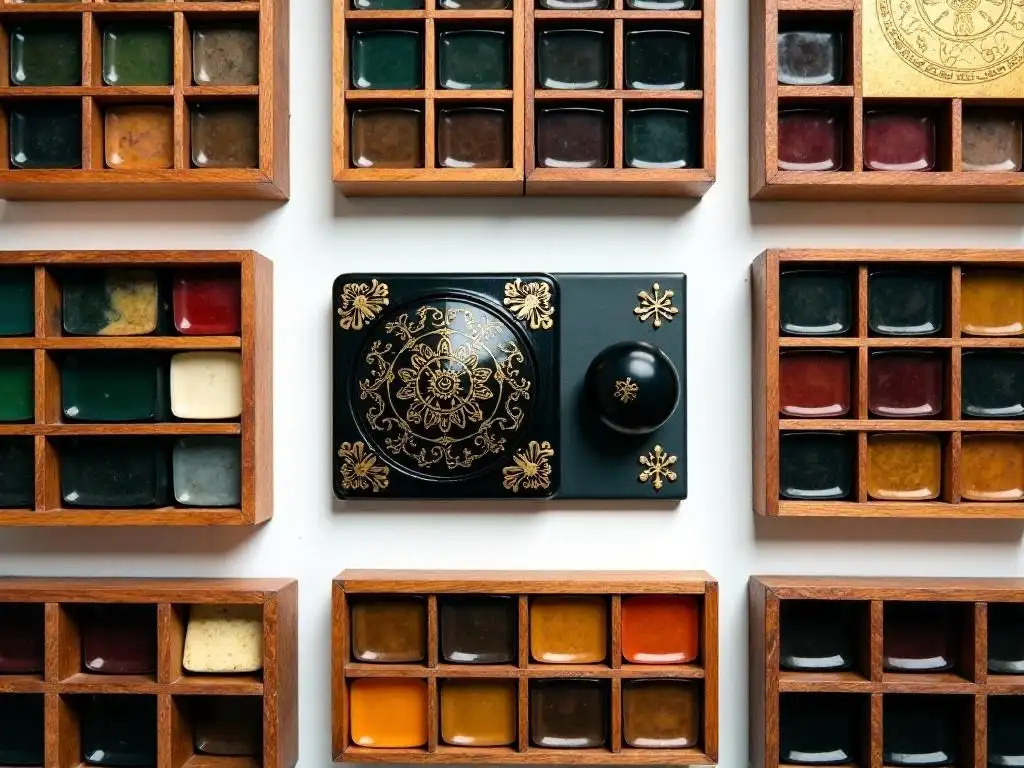
When embarking on the journey of Japanese calligraphy, selecting the right materials is crucial to achieving the desired results. The tools you choose can significantly influence the quality of your work and the ease with which you create beautiful characters. Below, we delve into the essential tools that every calligrapher should consider, focusing on brushes, ink stones, and additional accessories to enhance your practice.
Brushes: Types, Sizes, and Their Impact on Your Art
In Japanese calligraphy, brushes (or fude) are fundamental tools that come in various types and sizes, each serving a specific purpose. Understanding the nuances of these brushes can greatly affect the outcome of your artwork.
- Types of Brushes:
- Soft Brushes: Made from animal hair (such as goat or horse hair), these brushes allow for fluid strokes and delicate details. They are ideal for larger characters and expressive styles.
- Hard Brushes: Constructed from stiffer hairs (like weasel or squirrel), hard brushes provide greater control and precision. They are perfect for intricate work and fine lines.
- Sizes of Brushes:
- Small Brushes (0-2): Used for fine details and smaller characters, these brushes are essential for intricate designs.
- Medium Brushes (3-5): Versatile for both detail and broader strokes, making them a staple for most calligraphers.
- Large Brushes (6 and above): Ideal for bold strokes and larger characters, they lend themselves well to expressive calligraphy.
Choosing the right brush size and type can dramatically impact your calligraphy style. For instance, using a large, soft brush for small characters may lead to a lack of precision, while a small, hard brush might struggle to create the bold strokes that larger pieces require.
Ink Stones and Wells: Importance in Traditional Calligraphy
The preparation of ink is a vital part of the calligraphy process, and the tools used to create it—ink stones and wells—play a significant role in this tradition.
- Ink Stones (suzuri):
- Traditionally made from stone, ink stones provide a durable surface for grinding ink sticks with water. The texture of the ink stone can affect the ink's consistency; a rough surface yields thicker ink, while a smoother surface produces a finer ink.
- Types of Ink Stones:
- Flat Ink Stones: Offer a larger area for grinding and are ideal for creating more ink at once.
- Concave Ink Stones: Designed for precise ink grinding, these stones allow for better control over ink viscosity.
- Ink Wells:
- Used to hold the prepared ink, wells can vary in size and shape. Selecting a well that complements your working style can enhance your efficiency during practice.
- Material Considerations: Ink wells made from ceramic or stone tend to maintain ink consistency better than plastic options.
Understanding the significance of your ink preparation tools not only enhances your calligraphy practice but also connects you to the rich history of Japanese calligraphy traditions.
Additional Accessories: Making Your Practice Efficient
Beyond brushes and ink, several accessories can facilitate a smoother and more enjoyable calligraphy experience. Here are some essential tools to consider:
- Paper:
- High-quality rice paper, or washi, is often preferred for its texture and ability to absorb ink beautifully. Additionally, different weights and textures of paper can yield different artistic effects.
- Calligraphy Weights:
- These are small weights used to hold down your paper while working, preventing it from sliding or crumpling during the writing process.
- Calligraphy Mats:
- Mats provide a stable surface for writing and often come with grids to help maintain consistent character sizing and positioning.
- Cleaning Supplies:
- Keeping your brushes and tools clean is essential for maintaining their longevity. Having a soft cloth and cleaning solution specifically for calligraphy brushes will help preserve their quality.
The right accessories can streamline your practice, allowing you to focus on the art of calligraphy itself. By investing in quality materials and tools, you can elevate your calligraphy experience and express your creativity more effectively.
How to Select the Best Calligraphy Materials
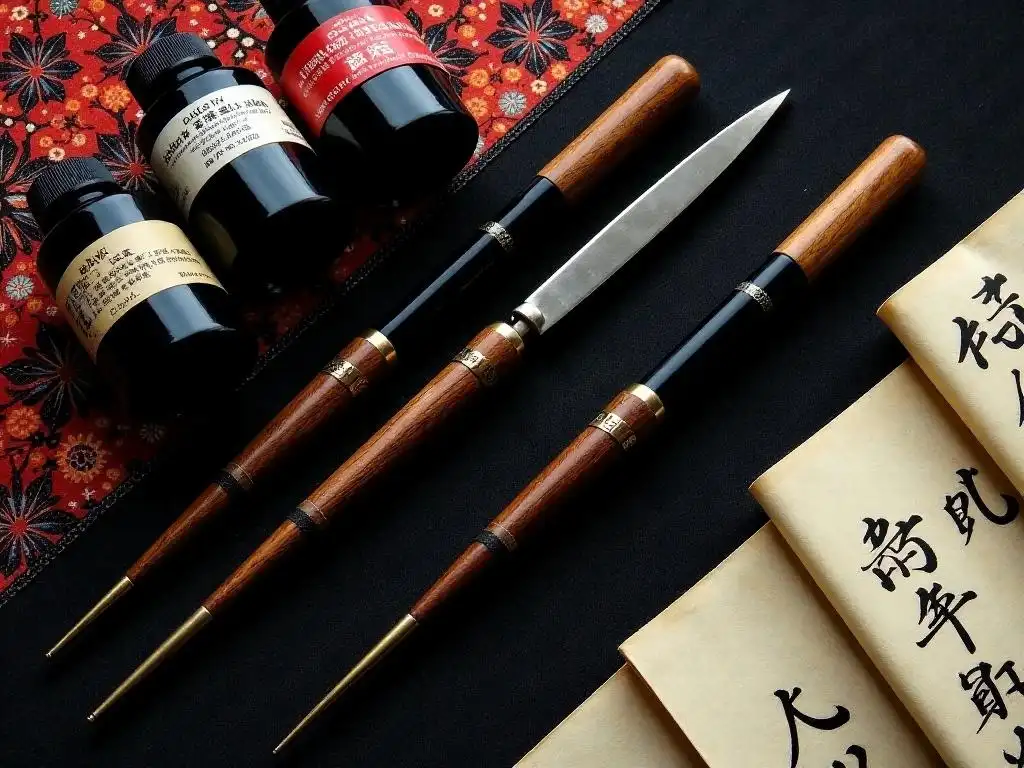
Selecting the right materials for Japanese calligraphy is crucial for achieving the desired aesthetic and ensuring a smooth writing experience. The choice of ink and paper can significantly influence not only the appearance of the final piece but also the ease of execution during the writing process. Here, we will delve into the key aspects that should guide your selection of calligraphy materials.
Factors to Consider When Choosing Ink and Paper
When it comes to Japanese calligraphy, there are several factors that should be considered to ensure you choose the best ink and paper for your projects:
- Ink Type:
- Sumi Ink: Traditional Japanese calligraphy often uses sumi ink, made from soot and animal glue. It offers rich blacks and a range of shades depending on dilution.
- Liquid Inks: These are convenient but might lack the depth of sumi ink. Ideal for beginners or casual use.
- Pigment Inks: Known for their permanence and vibrancy, these inks are suitable for more artistic applications.
- Paper Quality:
- Washi Paper: This traditional Japanese paper is made from mulberry and offers excellent absorbency, making it perfect for ink work.
- Weight and Texture: Heavier papers can withstand more ink without bleeding, while textured papers can enhance the visual interest of your calligraphy.
- Absorbency:
- The absorbency of the paper affects the ink's spread and drying time. Papers like washi absorb ink beautifully, creating soft edges that enhance the character strokes.
- Finish:
- Matte vs. Glossy: Matte finishes are often preferred for traditional calligraphy, as they prevent smudging and enhance ink absorption.
- Size and Format:
- Consider the dimensions of your paper. Larger sheets allow for expansive works, while smaller sizes are great for practice or smaller pieces.
Matching Materials to Your Calligraphy Style
Different styles of Japanese calligraphy may require specific materials to achieve the intended effect. Here are some styles and their material recommendations:
- Kaisho (Block Style):
- Ink: Sumi ink for bold, defined strokes.
- Paper: Smooth, high-quality washi to support precise writing.
- Gyousho (Semi-Cursive Style):
- Ink: A medium viscosity sumi ink allows for fluidity.
- Paper: Slightly textured washi can enhance the organic flow of the characters.
- Sou (Cursive Style):
- Ink: Thinner ink for softer strokes.
- Paper: Textured paper to capture the spontaneity of the style.
Utilizing the right combination of materials can elevate your calligraphy, allowing for a more authentic expression of your artistic style.
Budgeting for Quality Calligraphy Supplies
Investing in quality materials is essential for both the longevity of your work and the overall experience of practicing calligraphy. Here are some tips for budgeting effectively:
- Initial Investment:
- Expect to spend more on high-quality sumi ink and washi paper, but remember that these materials can last for a long time with proper care.
- Cost vs. Quality:
- While it may be tempting to opt for cheaper alternatives, lower-quality materials can lead to frustration and unsatisfactory results. Consider setting aside a budget for premium supplies.
- Value Packs:
- Look for value packs that offer a combination of ink and paper. These can often be more cost-effective than purchasing items separately.
- Local Art Stores vs. Online Retailers:
- Compare prices between local art stores and online retailers to find the best deals. Sometimes, local shops offer discounts for students or bulk purchases.
By carefully considering the factors mentioned and matching your materials to your calligraphy style, you can not only enhance your practice but also enjoy the art of Japanese calligraphy to its fullest. Remember, investing in quality materials is a step towards mastering this beautiful craft.
Product Recommendations: Best Japanese Calligraphy Materials
In the world of Japanese calligraphy, the choice of materials significantly influences the quality and expression of the artwork. From inks to papers, each element plays a crucial role in achieving the desired aesthetic. Below, we explore some of the top recommendations for Japanese calligraphy materials, helping both beginners and seasoned artists find the right tools for their craft.
Top Sumi Inks for Calligraphy Enthusiasts
Choosing the right sumi ink is essential for achieving rich, vibrant strokes. Here are some of the top options available on the market:
Kuretake Sumi Ink: Features and Price Comparison
Kuretake is a renowned brand in the calligraphy community, known for its high-quality sumi inks.
- Features:
- Pigment-Based: Offers deep and consistent pigmentation.
- Water-Resistant: Once dry, the ink is resistant to water, making it ideal for various projects.
- Versatile Use: Suitable for both fine line work and bold strokes.
- Price Comparison:
- Typically ranges from $10 to $20 for a 60 ml bottle, depending on the retailer.
| Feature | Kuretake Sumi Ink |
|---|---|
| Pigment Type | Pigment-Based |
| Water Resistance | Yes |
| Average Price | $10 - $20 |
Yasutomo Sumi Ink: User Reviews and Recommendations
Yasutomo sumi ink has garnered a strong following due to its affordability and quality.
- User Reviews:
- Many users praise its smooth flow and quick drying time.
- Commonly recommended for beginners due to its ease of use.
- Recommendations:
- Ideal for practice and experimentation, as it is less expensive without compromising quality.
| Review Rating | Common Feedback |
|---|---|
| ⭐⭐⭐⭐ (4/5) | Smooth application |
| ⭐⭐⭐⭐ (4/5) | Affordable for beginners |
Best Calligraphy Papers for Every Skill Level
The choice of paper can enhance the calligraphy experience, affecting both the ink's behavior and the final appearance of the work. Below are some top paper options:
Hahnemühle Rice Paper: Advantages and Unique Selling Points
Hahnemühle rice paper is favored for its unique texture and quality.
- Advantages:
- Natural Fibers: Made from natural fibers, providing excellent ink absorption.
- Durability: Resistant to tearing, making it suitable for extensive practice.
- Texture: The fine texture allows for intricate details and smooth strokes.
- Unique Selling Points:
- Often used by professional artists for high-quality works due to its archival quality.
| Feature | Hahnemühle Rice Paper |
|---|---|
| Material | Natural Fibers |
| Ink Absorption | Excellent |
| Average Price | $20 for a pack of 10 sheets |
Canson Bamboo Paper: Where to Buy and Pricing
Canson bamboo paper is an eco-friendly option that appeals to environmentally conscious artists.
- Where to Buy:
- Available at most art supply stores and online retailers like Amazon.
- Pricing:
- Typically priced around $15 for a pad of 20 sheets.
| Feature | Canson Bamboo Paper |
|---|---|
| Eco-Friendly | Yes |
| Average Price | $15 for 20 sheets |
Selecting the right materials for Japanese calligraphy can greatly enhance the creative process. Whether you're opting for Kuretake or Yasutomo inks, or choosing between Hahnemühle and Canson papers, understanding the characteristics and benefits of these materials will ensure that your calligraphy practice is both enjoyable and fulfilling.
Tips for Caring for Your Calligraphy Materials
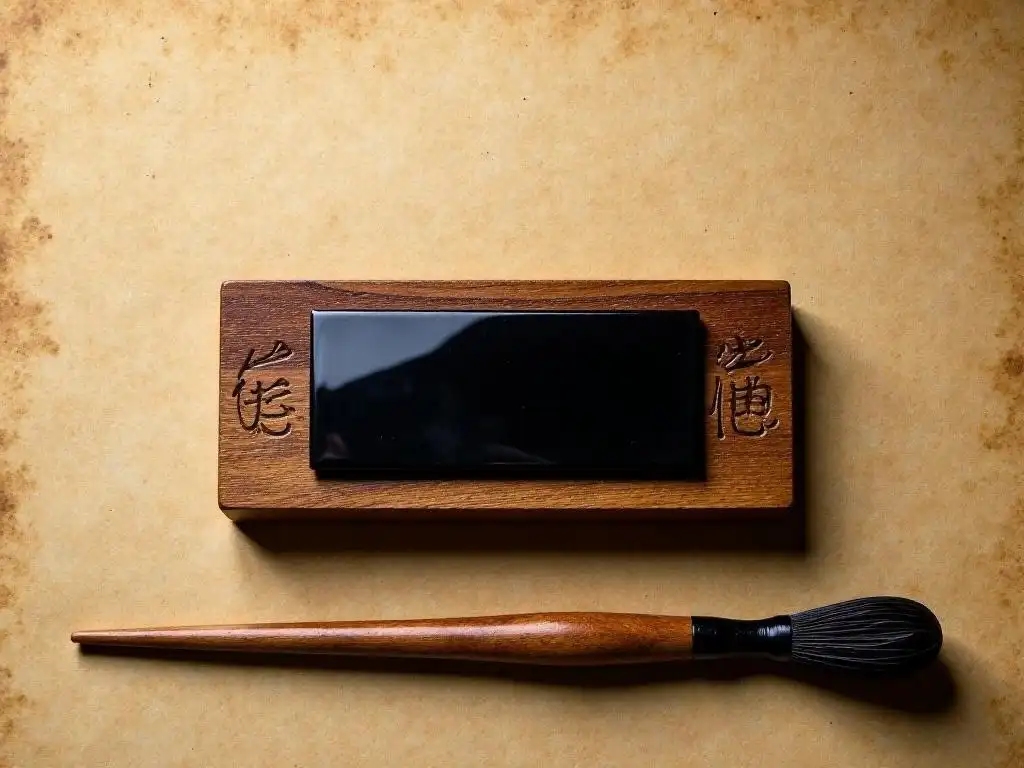
Maintaining the quality and longevity of your Japanese calligraphy materials is essential for producing beautiful works and ensuring that your tools remain functional over time. Here are some important tips that will guide you in preserving your ink, paper, and brushes.
Storing Ink and Paper Properly to Ensure Longevity
Proper storage of ink and paper is crucial to maintaining their quality. Here are some guidelines to follow:
- Ink Storage:
- Container Choice: Use airtight containers to prevent ink from drying out. Glass jars or plastic bottles with secure lids are ideal.
- Temperature Control: Store ink in a cool, dry place away from direct sunlight. Extreme temperatures can alter the consistency and color of the ink.
- Avoiding Contamination: Always close the ink container tightly after use, and never dip brushes directly into the ink container. Instead, pour a small amount into a separate dish for your work.
- Paper Storage:
- Flat and Dry: Store paper flat to avoid creasing or bending. Use acid-free tissue paper to separate sheets and reduce friction.
- Climate Control: Keep paper in a stable environment, as humidity can warp or damage it. A humidity level of around 40-50% is ideal for paper preservation.
- Away from Light: Protect paper from prolonged exposure to light to prevent fading or discoloration. Use folders or boxes for additional protection.
Cleaning Brushes: Techniques for Maintaining Quality
Cleaning your brushes is vital to preserve their shape and functionality. Here are some effective techniques:
- Immediate Rinsing: After each use, rinse the brush with water to remove excess ink. Avoid using soap unless absolutely necessary, as it can damage the bristles.
- Gentle Cleaning: For thorough cleaning, use lukewarm water and gently swipe the brush back and forth on a flat surface or palm to remove ink. Take care not to bend the bristles.
- Drying Techniques: Lay brushes flat on a clean towel to dry. Hanging brushes with the bristles facing down can lead to water pooling in the ferrule, which may loosen the bristles over time.
- Regular Conditioning: Occasionally, use a small amount of brush conditioner or olive oil to maintain the bristles’ flexibility and luster. Apply sparingly and rinse well afterward.
Preserving Finished Calligraphy Pieces: Best Practices
Once you’ve created your calligraphy masterpiece, it’s essential to preserve it properly. Here are some best practices:
- Framing: Use UV-protective glass when framing your calligraphy to shield it from light damage. Choose acid-free mats and backing to prevent deterioration.
- Storage Solutions: If you’re not displaying the piece, store it in a portfolio or folder made of archival-quality materials. Avoid folding or rolling the paper.
- Environmental Conditions: Keep finished pieces away from high humidity and temperature fluctuations. A climate-controlled environment is best for preserving the integrity of your work.
- Regular Checks: Periodically check stored pieces for any signs of deterioration, such as discoloration or mold. Address any issues immediately to prevent further damage.
By following these tips, you can ensure that your Japanese calligraphy materials remain in excellent condition, allowing you to create stunning works of art for years to come.
Conclusion: Elevate Your Calligraphy with the Right Materials
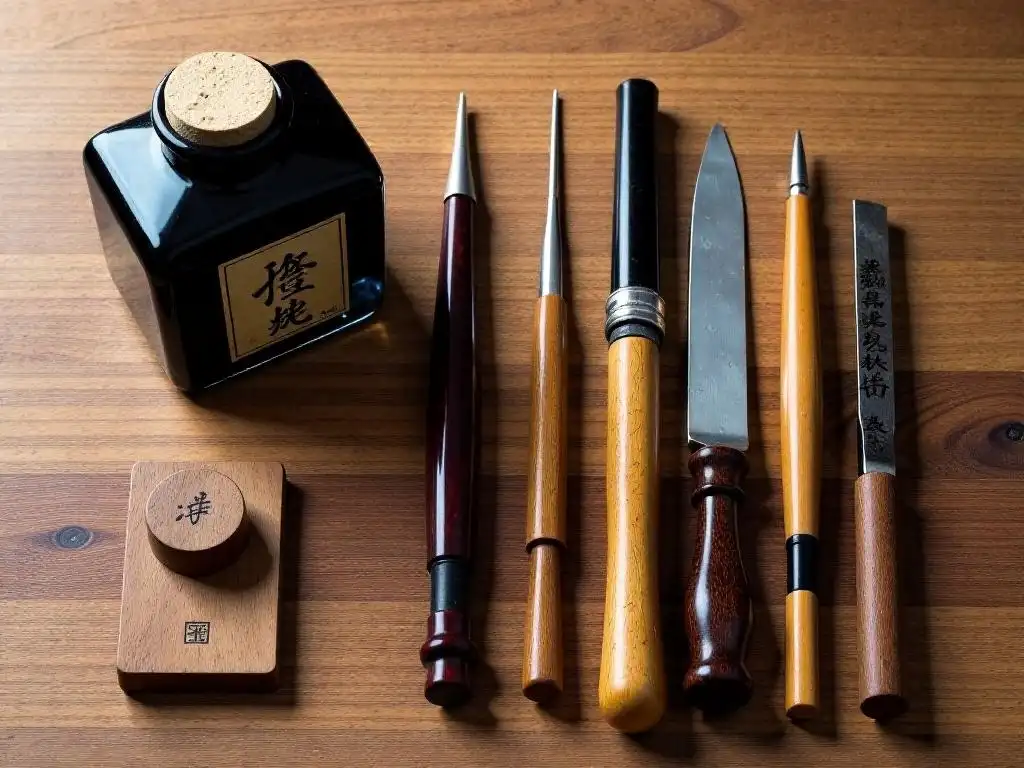
Recap of Key Points on Japanese Calligraphy Materials
In this guide, we have explored the essential materials that form the backbone of Japanese calligraphy, highlighting their significance in achieving the desired aesthetic and craftsmanship. Here’s a recap of the key points discussed:
- Types of Paper: Different types of paper such as washi, shikishi, and sumi paper each offer unique textures and absorbency levels that influence the flow and appearance of the ink. For instance, washi is renowned for its durability and delicate aesthetic, while sumi paper is favored for its ability to handle ink without bleeding.
- Ink Variations: The choice of ink, whether it's traditional sumi ink or modern alternatives, plays a crucial role in the overall outcome of your calligraphy. Sumi ink, made from soot and animal glue, provides rich, deep blacks that are essential for authentic calligraphy.
- Brush Selection: The type of brush used can greatly affect the stroke quality. Brushes made from animal hair, such as goat or weasel, offer different flexibilities and absorbency, impacting how ink is applied to paper.
- Supporting Tools: Additional tools such as ink stones, seal stones, and brush holders can enhance your calligraphy practice, providing stability and aiding in the preparation of inks.
Understanding these materials equips you with the knowledge to select the right tools that will elevate your calligraphy practice, allowing for greater expression and finesse in your artwork.
Encouragement to Experiment with Different Products
As you delve deeper into the world of Japanese calligraphy, remember that experimentation is key to finding your unique style. Here are some suggestions to guide your exploration:
- Mix and Match: Don’t hesitate to combine various papers and inks. For example, try using washi paper with sumi ink to see how the textures interact. You may discover unexpected results that resonate with your artistic vision.
- Test Brushes: Invest in a few different brushes to understand how their varying sizes and hair types affect your strokes. You might find that a larger brush offers a bold statement, while a finer brush allows for intricate details.
- Document Your Findings: Keep a journal of your experiments. Note the combinations you try, the outcomes, and your preferences. This record will be invaluable as you refine your technique and develop your voice in calligraphy.
- Join a Community: Engage with fellow calligraphy enthusiasts. Online forums or local workshops can provide insights and recommendations on materials that you may not have considered, enhancing your learning experience.
By embracing the variety of available materials and allowing yourself the freedom to experiment, you will not only improve your technical skills but also deepen your appreciation for the art of Japanese calligraphy. Happy writing!
Call to Action
Engaging in the art of Japanese calligraphy offers a unique window into the rich history and cultural significance of this ancient practice. Whether you're a beginner or an experienced calligrapher, understanding the right materials is essential for achieving the desired results in your artwork.
If you’re ready to delve deeper into the world of Japanese calligraphy, now is the perfect time to explore our resources. From tutorials to product recommendations, we provide all the tools you need to enhance your skills and express your creativity.
Explore More in Our Japanese Calligraphy Tutorials
Our Japanese Calligraphy Tutorials section is designed to cater to artists at all levels. Here, you will find:
- Step-by-Step Guides: Comprehensive tutorials that walk you through various techniques and styles.
- Expert Tips: Insights from seasoned calligraphers that can elevate your practice.
- Cultural Context: Articles that provide background on the historical significance of different styles and materials.
- Practice Exercises: Activities designed to help you develop your skills progressively.
Each tutorial is crafted with care, ensuring you gain not only technical proficiency but also an appreciation for the artistry behind Japanese calligraphy.
Discover Quality Products for Your Calligraphy Journey
Selecting the right materials can make all the difference in your calligraphy practice. Here’s what to consider:
- Ink Types:
- Sumi Ink: Traditional ink made from soot; known for its rich color and smooth application.
- Water-Based Inks: Easier to clean and available in various colors, suitable for modern styles.
- Paper Choices:
- Washi Paper: Handcrafted paper that absorbs ink beautifully, enhancing the final artwork.
- Rice Paper: Lightweight and ideal for beginners, providing a smooth surface for practice.
- Brushes:
- Japanese Brushes (Fude): Come in various shapes and sizes, essential for achieving different strokes.
- Synthetic Brushes: Affordable alternatives that mimic the feel of traditional brushes.
By investing in quality materials, you can ensure that your calligraphy reflects the beauty and precision of this esteemed art form.
Explore our curated selection of products, each chosen for their quality and suitability for both novices and experienced artists alike. Your calligraphy journey awaits!
Frequently Asked Questions
What are the essential materials needed for Japanese calligraphy?
The essential materials include ink, paper, and brushes. Each component plays a crucial role in achieving the desired aesthetic and quality of the artwork.
Why is the choice of ink important in calligraphy?
The choice of ink is vital as it affects the flow, opacity, and final appearance of the strokes. Using high-quality ink enhances the expressiveness of the calligraphy.
How does paper type influence calligraphy results?
Different types of paper can absorb ink in various ways, impacting the texture and sharpness of the strokes. For example, rice paper is commonly preferred for its ideal absorbency.
Can beginners use the same materials as experienced calligraphers?
Yes, beginners can use the same materials, but they may choose more affordable options. As skills improve, investing in higher-quality materials can enhance their work.
Where can I find a guide to Japanese calligraphy materials?
You can find a comprehensive Japanese calligraphy materials guide on specialized art websites and forums. These resources provide detailed information about choosing the right materials for your practice.
Final Reflection: The Enduring Art of Calligraphy and Its Materials
In our fast-paced digital age, the significance of choosing the right materials for Japanese calligraphy remains profoundly relevant. The tactile experience of ink meeting paper is not just a practical consideration; it is an intimate connection to centuries of tradition and artistry. As we navigate a world increasingly dominated by screens, the act of creating with ink and paper serves as a reminder of the beauty and mindfulness inherent in the art of calligraphy.
Calligraphy is more than just a visual art form; it is a cultural expression that continues to shape our social landscape. The materials we choose are not merely tools; they are vessels of history and emotion, allowing us to convey our thoughts and feelings in a way that transcends words.
As the renowned calligrapher Shozo Sato once said, "> Calligraphy is the art of the heart; it is a way to express the inexpressible." This ongoing influence of calligraphy encourages us to appreciate the nuances of our craft and the stories behind each stroke, fostering a deeper connection to our heritage and ourselves.
As you reflect on the insights shared in this article, I invite you to explore the world of Japanese calligraphy materials with a renewed sense of purpose. Consider how the choices you make in your artistic journey can enrich not only your work but also your understanding of this timeless art form. Whether you are a seasoned calligrapher or a curious beginner, let the significance of ink and paper inspire you to create with intention, honoring the legacy of those who have come before you while paving your own path in this beautiful craft.
Unveil the Art of Calligraphy Today!
Thank you for diving into the world of calligraphy with us! You've discovered the importance of selecting the right ink and paper, which are essential for creating breathtaking works of art. Now it's time to put that knowledge into action!
Here are a few practical steps you can take to deepen your calligraphy practice:
- Start your own calligraphy project: Choose a meaningful quote and gather high-quality ink and paper to bring it to life.
- Join a local or online calligraphy group: Connect with fellow enthusiasts to share tips, techniques, and inspiration for your creative journey.
- Experiment with unconventional materials: Try using different surfaces like fabric or wood. This can lead to exciting surprises and may offer new textures and effects.
What quote or phrase will you turn into your next masterpiece? Share your thoughts, and let’s start a conversation!