
The Impact of Urbanization on Feudal Governance in Edo

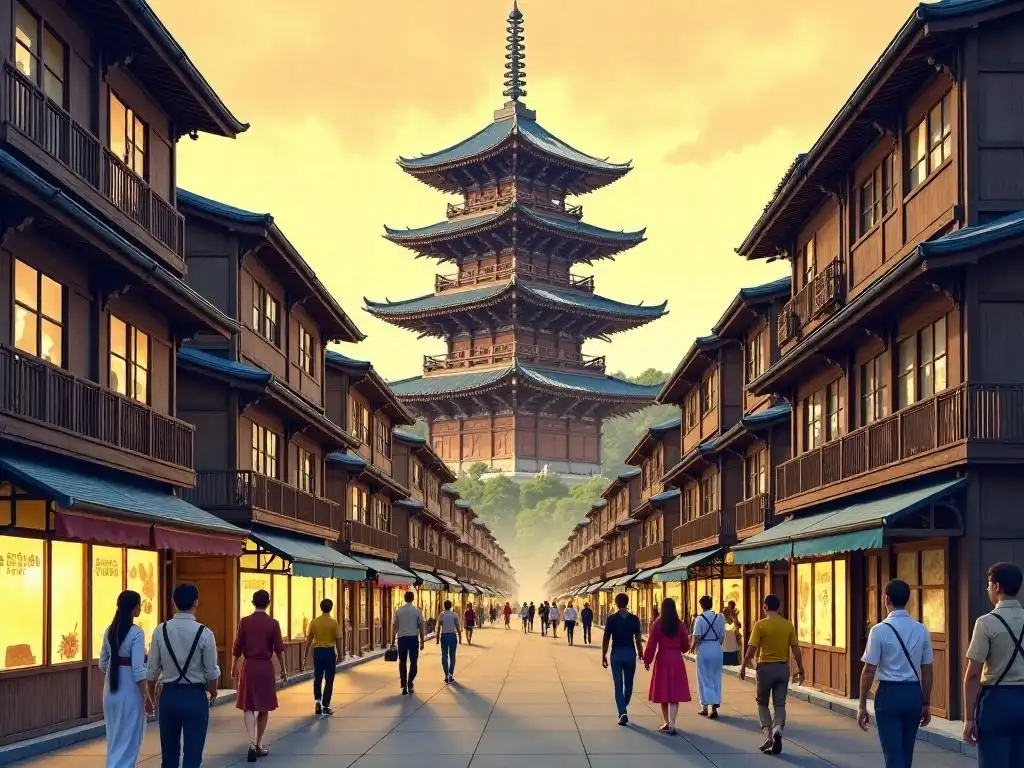
Welcome to Feudal Japan History, where we embark on a captivating journey through the intricate tapestry of Japan’s feudal era. In this exploration, we delve into the profound effects of urbanization on Edo governance, unveiling how the bustling growth of cities transformed societal structures and political power dynamics. Are you ready to discover the hidden connections between urban life and governance in one of history's most fascinating periods? Join us as we unravel the complexities of this pivotal era, sparking your curiosity and inviting you to explore the depths of our expert-driven articles.
Introduction to Urbanization in Edo
The era of Edo, spanning from 1603 to 1868, marked a transformative period in Japanese history characterized by significant urbanization. As the capital of the Tokugawa shogunate, Edo (modern-day Tokyo) evolved into one of the largest cities in the world, with a population exceeding one million by the mid-18th century. This remarkable urban growth had profound effects on feudal governance, altering social structures, economic practices, and political dynamics.
Understanding the relationship between urbanization and governance in Edo is crucial for grasping the complexities of Japan's historical trajectory during this era. This article delves into the multifaceted impact of urbanization on feudal governance in Edo, exploring how the burgeoning urban landscape influenced the Tokugawa shogunate's control over its territories and the lived experiences of its citizens.
Definition of Urbanization in the Context of Edo
Urbanization, in the context of Edo, refers to the process by which rural populations migrated to urban centers, leading to the expansion of cities and the development of new social, economic, and political structures. This movement was fueled by various factors, including the promise of economic opportunities, access to goods and services, and the allure of urban cultural life. In Edo, urbanization not only changed the physical landscape but also reshaped the governance model of the Tokugawa shogunate, which had to adapt to the complexities of a rapidly growing metropolis.
Overview of Edo Period Governance
The governance of Edo during the Tokugawa period was characterized by a strict hierarchical structure, where power was concentrated in the hands of the shogunate and the samurai class. The shogunate employed a system of feudal lords (daimyōs) to oversee various regions, maintaining control through a combination of military power and political alliances.
As Edo blossomed into a bustling urban center, the governance model had to incorporate the needs of an increasingly diverse population, including merchants, artisans, and commoners. This shift necessitated a reevaluation of traditional governance practices, leading to both challenges and adaptations in the shogunate's approach to maintaining order and authority.
Historical Context of Edo's Urbanization
Factors Leading to Urban Growth in Edo
Several key factors contributed to the urban growth of Edo, including:
- Political Stability: The Tokugawa shogunate established a long-lasting peace known as the Pax Tokugawa, which encouraged trade and economic activity.
- Infrastructure Development: The construction of roads and transportation networks facilitated the movement of goods and people, linking Edo to other regions.
- Economic Opportunities: The rise of a merchant class created new economic prospects, drawing individuals from rural areas to the city in search of wealth and success.
- Cultural Flourishing: The Edo period saw a blossoming of arts, theater, and literature, attracting cultural enthusiasts and intellectuals to the urban center.
Timeline of Urban Development in Edo
The evolution of Edo as a major urban center can be traced through key milestones:
| Year | Event |
|---|---|
| 1603 | Tokugawa Ieyasu establishes Edo as the seat of the shogunate. |
| 1636 | Edo becomes a designated city for daimyōs to reside during alternate attendance (sankin-kōtai). |
| 1750 | Population of Edo exceeds one million, making it one of the largest cities in the world. |
| 1853 | Commodore Perry's arrival opens Edo to international trade, further accelerating urban growth. |
This timeline highlights the rapid transformation of Edo from a modest castle town to a thriving metropolis, underscoring the profound impact urbanization had on governance and society during the feudal era.
Urbanization Effects on Edo Governance
The urbanization of Edo during the early modern period significantly influenced the governance structures and practices of the time. As Edo transformed from a small castle town into one of the largest cities in the world, the demands on the feudal government increased. This rapid urbanization led to a need for more complex administrative systems to manage the growing population and the social dynamics that came with it. As a result, the Tokugawa shogunate implemented various reforms to adapt to these changes, fundamentally altering the nature and efficacy of feudal governance in Edo.
One of the most notable effects of urbanization was the decentralization of power. As the city expanded, local officials gained more authority to address the immediate needs of their communities. This shift allowed the shogunate to maintain control indirectly, as local leaders were tasked with implementing shogunal policies while also managing the unique challenges posed by urban life. Furthermore, the population boom led to increased social stratification, which required governance that could accommodate diverse interests and demands.
Changes in Administrative Structures
The administrative structures of Edo underwent significant changes in response to urbanization. To manage the complexities of a burgeoning population, the Tokugawa shogunate established more defined local governance systems. This included the appointment of magistrates, who were responsible for law enforcement and maintaining order in the rapidly growing urban environment. Their roles expanded beyond mere enforcement of laws; they also engaged in urban planning and infrastructure development, such as the construction of roads and bridges.
Additionally, the emergence of specialized bureaucracies helped streamline governance. Departments focused on taxation, public works, and social welfare were established to address the specific needs of an urban populace. This specialization allowed for more efficient administration and the implementation of policies tailored to urban challenges, such as sanitation and housing. The increased complexity of governance mirrored the intricate social fabric of Edo, reflecting the diverse needs of its inhabitants.
Influence of Population Growth on Governance
Population growth in Edo had a profound impact on governance, necessitating a shift in how the shogunate interacted with its citizens. The influx of people from rural areas seeking opportunities in the city led to a demographic transformation that challenged traditional feudal hierarchies. As the population surged, the shogunate had to develop new strategies to maintain order and provide for the needs of its residents.
The rise in population also gave way to increased civic engagement. Citizens became more vocal about their rights and expectations, prompting the government to address issues such as public safety, food supply, and housing. This growing demand for accountability led to a gradual evolution of governance, where officials were expected to be more responsive to the needs of the populace. The urban environment fostered a sense of community and collective identity, which, in turn, influenced political dynamics and governance practices.
Economic Implications of Urbanization on Edo Governance
The economic landscape of Edo was dramatically altered by urbanization, which in turn affected governance. Increased trade and commerce not only contributed to Edo's wealth but also necessitated a reevaluation of economic policies and practices. The shogunate recognized that a thriving economy was crucial for maintaining stability and control, leading to various reforms aimed at enhancing economic productivity and governance.
Urbanization spurred the development of new industries and increased the volume of goods being traded. This economic boom provided the shogunate with additional tax revenue, allowing for investments in public infrastructure and services. However, it also required careful management to prevent corruption and ensure equitable distribution of resources, reflecting the complexities of governance in a rapidly changing urban environment.
Transformation of Trade and Commerce
As Edo grew into a bustling metropolis, trade and commerce underwent a significant transformation. The emergence of a merchant class played a crucial role in this economic evolution. Merchants not only facilitated the exchange of goods but also became important stakeholders in the urban economy, influencing local governance through their economic activities.
The shogunate established regulations to oversee trade practices and protect local industries, leading to the development of marketplaces as central hubs of economic activity. These marketplaces became vital in shaping the local economy and governance, as they served as places for commerce, interaction, and the dissemination of information. The regulation of trade also increased the shogunate's authority, allowing it to maintain control over economic practices while fostering growth.
Role of Marketplaces in Feudal Administration
Marketplaces were not only economic centers but also played a crucial role in the administration of feudal governance in Edo. They served as venues for the enforcement of shogunal policies and local regulations. The presence of local magistrates in marketplaces ensured that the governance was closely tied to economic activities, allowing for immediate response to any issues that arose.
Moreover, marketplaces acted as social spaces where citizens could voice their concerns and grievances, thereby influencing governance. This interaction between the populace and local authorities helped to create a feedback loop that informed administrative decisions. The dynamic nature of these marketplaces contributed to a more participatory form of governance, reflecting the needs and aspirations of Edo's urban population while maintaining the underlying structure of feudal authority.
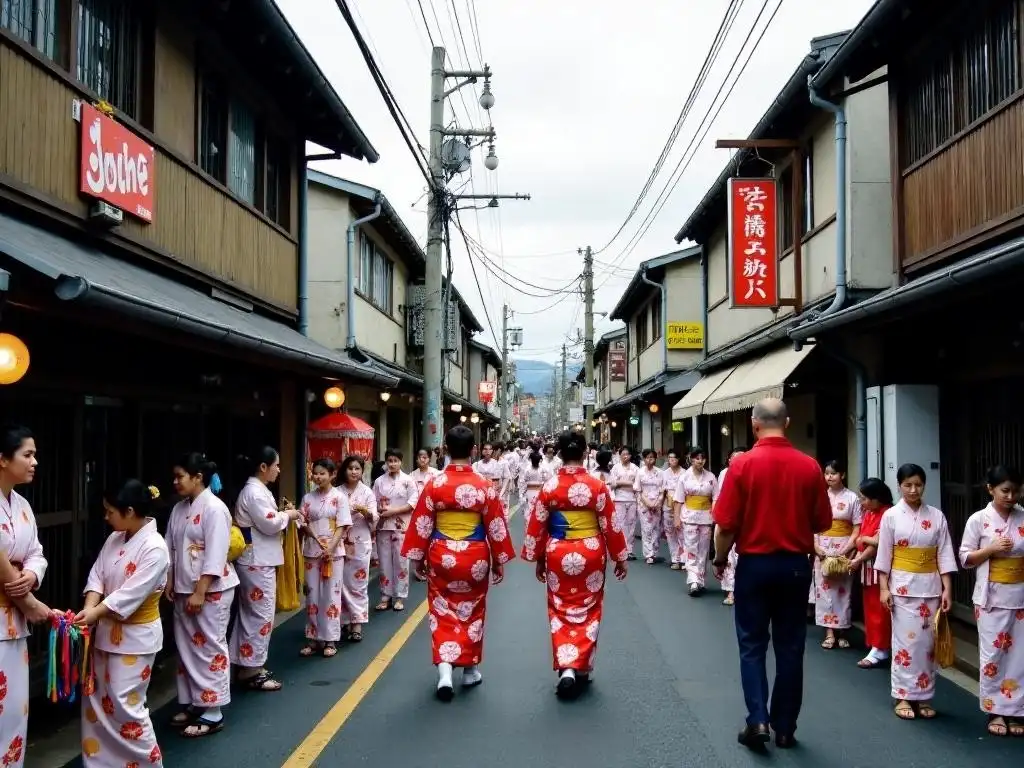
Urbanization in Edo during the early modern period marked a significant transformation in Japanese society. As Edo grew from a small castle town to one of the largest cities in the world, its rapid population increase brought about profound social changes. The migration of people from rural areas to the burgeoning urban center fostered an environment where new social dynamics emerged. The traditional hierarchies began to shift, paving the way for a more complex social structure.
One of the most notable social changes was the rise of a merchant class, known as the chōnin. This class gained considerable wealth and influence, challenging the previously dominant samurai class. The increase in commerce and trade led to a burgeoning economy, which allowed the chōnin to wield power through economic means, often funding infrastructure and cultural projects that enhanced their status within Edo society.
Emergence of New Social Classes
The growth of Edo saw the emergence of distinct social classes that were not strictly aligned with the traditional feudal hierarchy. The samurai, traditionally seen as the ruling class, found their status challenged by the wealth and influence of the chōnin. This new merchant class brought about a change in social mobility, where economic success could elevate individuals beyond their hereditary positions.
In addition to the chōnin, a new class of artisans and laborers also emerged. These groups contributed to the cultural landscape of Edo by creating goods and services that catered to the growing urban population. The interplay between these classes fostered a sense of community and interdependence, which was previously less pronounced in the more rigid feudal structure.
Shifts in Power Dynamics Among Feudal Lords
The urbanization of Edo also resulted in significant shifts in power dynamics among feudal lords. As the city swelled, the Tokugawa shogunate consolidated power, yet local daimyō (feudal lords) found their influence diminishing in urban areas. The increasing economic significance of cities like Edo meant that control over commerce became a critical factor in governance.
This shift led to the centralization of authority, with the shogunate implementing regulations that affected trade, taxation, and local governance. Although daimyō retained their lands and titles, their power over the urban populace was increasingly limited. The need for order and regulation in a rapidly growing city often placed the shogunate in direct competition with local lords, who had to adapt to the new realities of urban governance.
Cultural Impact of Urbanization on Edo Society
Urbanization in Edo not only altered social structures but also had a profound cultural impact. The city became a melting pot of ideas, customs, and artistic expressions, leading to a rich cultural tapestry that reflected the complexities of urban life. This dynamic environment facilitated cultural exchange, which was essential in shaping the identity of Edo society.
Urbanization and Cultural Exchange
The influx of people into Edo from various regions brought with it a diversity of customs and traditions. This cultural exchange was particularly evident in festivals, cuisine, and religious practices, which began to blend and evolve. Edo became a hub for cultural interactions, where artisans and intellectuals from different backgrounds collaborated and shared their ideas.
The urban marketplaces served as a focal point for this cultural exchange. Merchants from various provinces brought unique goods, introducing new flavors and crafts to the Edo populace. Additionally, the establishment of theaters and literary circles encouraged the sharing of artistic ideas, resulting in the fusion of regional styles and forms. This vibrant cultural life not only enriched Edo society but also laid the groundwork for the development of distinct Edo-period arts.
Influence on Arts and Literature in Edo
The urbanization of Edo had a significant influence on the arts and literature, giving rise to new genres and styles that reflected the experiences of urban life. Ukiyo-e, or "pictures of the floating world," became a popular art form, depicting scenes from everyday life, landscapes, and kabuki theater. These artworks captured the essence of the vibrant urban culture and made it accessible to a wider audience.
In literature, the period saw the emergence of new genres such as narrative fiction and haiku, which often explored themes of love, nature, and the complexities of urban existence. Writers like Saikaku and Shikitei Sanba gained recognition for their works that resonated with the urban populace. The literary salons and kabuki theaters became essential venues for cultural expression, allowing for the exploration of societal issues and the celebration of daily life in Edo.
The urbanization of Edo not only transformed its social and power structures but also fostered a rich cultural environment that significantly influenced the arts and literature of the time. The interplay between these elements underscores the profound impact of urbanization on Edo governance and society as a whole.
Challenges Faced by Feudal Governance Due to Urbanization
The urbanization of Edo during the Tokugawa period brought significant changes that challenged the traditional structures of feudal governance. As the population surged and cities expanded, the administrative and social systems that had sustained feudal Japan faced unprecedented pressures. The rapid influx of people into urban centers transformed not only the economic landscape but also the political dynamics, presenting a myriad of challenges that the Tokugawa shogunate had to navigate.
Strain on Resources and Infrastructure
One of the most immediate challenges posed by urbanization was the strain on resources and infrastructure. Edo, which became one of the largest cities in the world by the early 18th century, experienced a dramatic increase in population. This growth necessitated significant expansions in infrastructure, including housing, transportation, and sanitation.
- Housing Shortages: The demand for housing skyrocketed, leading to overcrowded living conditions and the rapid development of makeshift dwellings. The government struggled to provide adequate housing, which resulted in increased tensions among residents.
- Transportation Challenges: The expansion of urban areas required an efficient transportation network to facilitate movement within the city and to surrounding regions. The existing roads and waterways often became congested, complicating the transport of goods and people.
- Sanitation Issues: With a growing population came rising concerns regarding public health. Sanitation systems were overwhelmed, leading to outbreaks of disease. The shogunate faced criticism for its inability to manage these public health crises effectively.
These infrastructural strains not only affected everyday life in Edo but also posed serious challenges to the governance and regulation of the city, demanding innovative responses from the authorities.
Resistance from Traditional Power Structures
Urbanization also led to resistance from traditional power structures that were integral to feudal governance. The Tokugawa shogunate relied heavily on a hierarchical system of samurai and local lords (daimyō) to maintain control. However, as cities like Edo grew, new social classes emerged, including merchants and artisans, who began to demand greater influence and autonomy.
- Emergence of the Merchant Class: The rise of a wealthy merchant class challenged the established social order. Merchants, who became economically powerful through trade, sought political influence and often resisted the authority of the samurai class. This shift created friction between the traditional elite and the burgeoning urban populace.
- Local Governance Conflicts: As urban areas expanded, local governance became more complex. Samurai and daimyō struggled to maintain their authority in regions where the merchant class held significant economic power. This resulted in conflicts over taxation, law enforcement, and resource allocation, complicating the shogunate's efforts to exert centralized control.
- Cultural Shifts: The cultural dynamics of urban life also contributed to resistance against feudal governance. Urban centers became hubs of new ideas and social movements, which sometimes contradicted the traditional values upheld by the samurai class. This cultural shift posed a challenge to the Tokugawa regime, which sought to preserve the status quo.
The combination of economic power among merchants and the evolving social landscape created an environment where traditional governance structures faced increasing scrutiny and opposition.
Case Studies: Specific Examples of Urbanization Effects
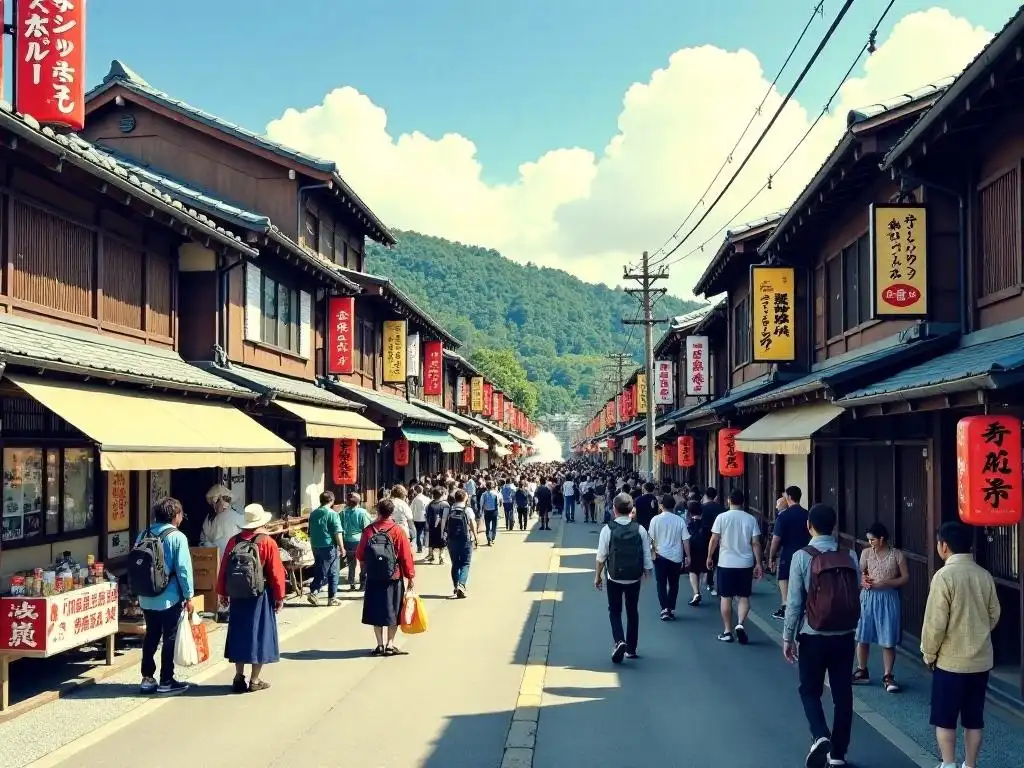
To illustrate the impact of urbanization on feudal governance in Edo, two significant case studies can be examined: the development of the Nihonbashi district and the governance strategies employed by Tokugawa Ieyasu.
Case Study 1: The Development of Nihonbashi District
The Nihonbashi district serves as a prime example of urbanization's effects on governance in Edo. Originally a small fishing village, Nihonbashi transformed into a bustling commercial center, becoming the heart of trade in the city.
- Economic Hub: As merchants flocked to Nihonbashi, it became the focal point for commerce, connecting various trade routes. This economic boom shifted power dynamics, as merchants gained wealth and influence, challenging the established samurai authority.
- Urban Planning and Regulation: The growth of Nihonbashi necessitated new urban planning and regulatory measures. The Tokugawa shogunate implemented policies to manage commerce, including the establishment of market regulations and taxation systems. However, these regulations often faced pushback from merchants who sought to operate independently.
- Civic Engagement: The rise of Nihonbashi also fostered civic engagement among its residents. As the area became more populated, community organizations began to form, leading to a nascent sense of urban identity that contrasted with feudal loyalties.
The development of Nihonbashi highlights the complexities of governance in an urbanizing society, as traditional authority faced challenges from economic shifts and emerging social structures.
Case Study 2: The Governance of Tokugawa Ieyasu
Tokugawa Ieyasu, the founder of the Tokugawa shogunate, implemented various governance strategies in response to the urbanization of Edo. His leadership laid the groundwork for managing a rapidly growing city while maintaining control over the feudal system.
- Centralized Control: Ieyasu established a centralized government that aimed to oversee the burgeoning urban populations. He instituted a system of direct control over key resources and infrastructure, which allowed the shogunate to retain authority amidst urban growth.
- Promotion of Trade: Understanding the economic potential of urbanization, Ieyasu promoted trade and commerce as a means to strengthen the shogunate's financial base. He encouraged the development of markets and infrastructure that facilitated trade, thus integrating Edo into national and international trade networks.
- Cultural Policies: Ieyasu also recognized the importance of cultural cohesion in governance. He supported the arts and education, which helped cultivate a shared identity among Edo's diverse residents. This cultural investment aimed to mitigate social tensions arising from urbanization, fostering loyalty to the shogunate.
Through these case studies, we can see how urbanization affected the governance of Edo, prompting both challenges and adaptations that shaped the trajectory of feudal Japan.
Conclusion: The Lasting Legacy of Urbanization on Edo Governance
The urbanization of Edo, which transformed the city into one of the largest urban centers of its time, left a profound impact on feudal governance in Japan. This transformation shaped not only the economic landscape but also the social and political structures that defined the Edo period (1603-1868). As Edo grew, it became a melting pot of diverse cultures, ideas, and social dynamics, which influenced the ruling Tokugawa shogunate's policies and governance strategies. The need to manage a burgeoning urban population led to innovative approaches in administration and infrastructure, which ultimately laid the groundwork for modern governance in Japan.
Urbanization resulted in the emergence of a complex societal hierarchy, where merchants and artisans gained influence, challenging the traditional samurai dominance. This shift necessitated a reevaluation of power dynamics within the feudal system, prompting the shogunate to adapt its governance to maintain order and control. Consequently, the legacy of Edo's urbanization is evident in the blend of traditional feudal structures with the emerging capitalist economy, reflecting a significant turning point in Japan's historical trajectory.
Summary of Key Findings
- Economic Growth: The rapid urbanization of Edo stimulated economic activity, leading to the rise of a merchant class that played a crucial role in the city's development and the broader economy.
- Social Mobility: Urbanization facilitated greater social mobility, enabling individuals from lower classes to ascend economically and influence the political landscape, thus reshaping feudal hierarchies.
- Administrative Innovations: The challenges posed by a large urban population prompted the Tokugawa shogunate to develop innovative governance strategies, including improved tax systems and public works initiatives.
- Cultural Flourishing: The urban environment fostered cultural exchanges and artistic developments, which had lasting effects on Japanese culture and identity.
- Resistance and Adaptation: The changing dynamics led to tensions between traditional feudal lords and the emerging urban merchant class, forcing adaptations in governance to address these conflicts.
Implications for Understanding Feudal Governance in Japan
The effects of urbanization on Edo governance provide critical insights into the complexities of feudalism in Japan. It highlights how economic pressures and social changes can reshape political structures, challenging the notion of a static feudal system.
Understanding these dynamics is essential for analyzing the evolution of governance in Japan, as the Tokugawa shogunate's responses to urban growth reveal the adaptability and resilience of feudal institutions in the face of modernization. Furthermore, the legacy of Edo's urbanization underscores the importance of considering urban centers as pivotal actors in historical governance discussions, influencing both policy and societal norms in ways that extend beyond the feudal era.
References and Further Reading
Recommended Books on Edo and Urbanization
-
"Edo: The City That Became Tokyo" by Stephen T. Asma
This book offers a comprehensive look at the transformation of Edo into Tokyo, exploring its urban development and cultural significance.
-
"The World of the Shining Prince: Court Life in Ancient Japan" by Ivan Morris
While focusing on earlier periods, this work provides context for understanding the cultural foundations that influenced Edo's urban culture.
-
"Urban Life in Japan: The Evolution of City Culture" by William P. McCormack
This title examines the development of urban culture in Japan, with a focus on the Edo period's impact on modern Japanese society.
Key Academic Articles on Feudal Governance and Urban Growth
-
"Urbanization and the Evolution of Governance in Edo Japan" by Takashi Fujitani
This article analyzes the relationship between urban growth and governance strategies employed by the Tokugawa shogunate.
-
"The Impact of Economic Change on Feudal Power Structures in Edo" by Hiroshi Watanabe
A critical examination of how economic shifts due to urbanization affected feudal hierarchies and power dynamics.
-
"Cultural Innovations in Urban Edo: A Historical Perspective" by Yuki Tanaka
This article explores the cultural developments in Edo as a result of urbanization, highlighting the interplay between culture and governance.
- Introduction to Urbanization in Edo
- Historical Context of Edo's Urbanization
- Urbanization Effects on Edo Governance
- Economic Implications of Urbanization on Edo Governance
- Social Changes Resulting from Urbanization in Edo
- Cultural Impact of Urbanization on Edo Society
- Challenges Faced by Feudal Governance Due to Urbanization
- Case Studies: Specific Examples of Urbanization Effects
- Conclusion: The Lasting Legacy of Urbanization on Edo Governance
- References and Further Reading
- What was the primary effect of urbanization on Edo governance?
- How did urbanization influence social structures in Edo?
- What role did the samurai play in urban governance during the Edo period?
- How did urbanization affect economic activities in Edo?
- Were there any negative consequences of urbanization on Edo governance?
Frequently Asked Questions
What was the primary effect of urbanization on Edo governance?
Urbanization led to significant changes in governance, as the growing population necessitated new administrative structures to manage resources and public order effectively.
The rise of urban centers resulted in a more diverse social hierarchy, with merchants and artisans gaining influence, challenging the traditional power of the samurai class.
What role did the samurai play in urban governance during the Edo period?
Samurai maintained their authority in urban areas by overseeing law enforcement and local governance, despite the increasing power of merchant classes due to urbanization.
How did urbanization affect economic activities in Edo?
Urbanization spurred economic growth, leading to a flourishing market economy that transformed Edo into a hub for trade and commerce, impacting governance policies.
Were there any negative consequences of urbanization on Edo governance?
Yes, urbanization led to overcrowding and resource strain, which sometimes resulted in social unrest and challenges in maintaining order and effective governance.
Final Reflection: The Transformative Power of Urbanization on Edo Governance
The effects of urbanization on Edo governance are not just a historical phenomenon; they resonate profoundly in today's rapidly changing world. As cities expand and populations grow, the dynamics of governance must adapt, reflecting the complexities of modern urban life. The transformation witnessed in Edo during its urbanization serves as a powerful reminder of how societal shifts can redefine power structures and influence the very fabric of governance.
Edo's transition from a feudal system to a more centralized form of governance illustrates the ongoing evolution of political authority in response to urban pressures. The lessons learned from this period continue to shape contemporary discussions about governance in urban settings. As we navigate the challenges of modern cities, we can draw inspiration from the past. The city is not a mere collection of buildings; it is a living organism that reflects the values and aspirations of its inhabitants.
This quote encapsulates the essence of how urbanization can foster new governance models that prioritize community engagement and responsiveness.
As you reflect on the insights gained from the impact of urbanization on Edo governance, consider how these lessons can be applied in your own life and community. What role do you play in shaping the governance of your urban environment? Embrace the opportunity to engage with your local governance structures, advocate for inclusive policies, and contribute to the ongoing dialogue about urban development. By doing so, you not only honor the historical significance of Edo's transformation but also become an active participant in the evolution of governance in your own urban landscape.
Embrace the Future: Transform Your Understanding of Feudal Governance!
Thank you for diving into this fascinating exploration of how urbanization shaped feudal governance in Edo. Your interest in this pivotal aspect of history not only enriches your knowledge but also invites thoughtful discussions about the dynamics of social structures and governance. Now, it's time to take that knowledge further!
Here are a few actionable steps to deepen your exploration:
- Research a specific urban center in Edo that exemplified these changes and reflect on its unique governance challenges.
- Engage with our community by sharing your thoughts on how urbanization has influenced societies throughout history—join our discussion forum!
- Explore related articles on the history of feudal Japan to uncover more layers of this complex era and its implications for modern governance.
What aspects of urbanization do you think had the most profound impact on governance, not just in Edo but in other historical contexts as well?