
Edo's Education System: Shaping the Urban Intellectual Landscape


Welcome to Feudal Japan History, where we embark on an intriguing journey through the captivating world of Japan's feudal era. Here, you'll uncover the rich tapestry of historical, cultural, and societal dynamics that shaped this fascinating period. Dive into our featured article, "Edo's Education System: Shaping the Urban Intellectual Landscape," and discover how the educational framework of the Edo period laid the groundwork for an enlightened urban society.
What secrets of knowledge and innovation did this system hold? Join us as we peel back the layers of time and explore the profound impact of education on Japan’s economic history. Your adventure awaits!
- Edo Period Education System: A Historical Overview
- Structure of the Edo Education System
- Curriculum and Teaching Methods
- Impact of the Edo Period Education System on Society
- Challenges and Limitations of the Edo Education System
- Legacy of the Edo Period Education System
- Conclusion
- Frequently Asked Questions
- Final Reflection: The Enduring Legacy of Edo's Education System
- Unveil the Future of Education!
Edo Period Education System: A Historical Overview
The Edo period, spanning from 1603 to 1868, was not only a time of political stability and economic growth in Japan but also a significant era for the development of education. During this period, the education system underwent substantial transformations, particularly in urban centers such as Edo (modern-day Tokyo).
This article delves into the intricacies of the Edo period education system, exploring how it shaped the intellectual landscape of urban Japan and influenced the cultural and societal norms of the time. From the establishment of schools to the promotion of literacy among different social classes, the educational advancements of this era played a pivotal role in fostering a more informed populace and a vibrant urban life.
Introduction to the Edo Period Education System
The Edo period education system emerged in response to the burgeoning urbanization and the need for an educated citizenry capable of contributing to the economic and cultural development of cities. With the rise of the merchant class and the flourishing of commerce, education became a vital component for social mobility and economic success. Various types of educational institutions were established, each catering to different social strata, including:
- Terakoya (Temple Schools): Primarily serving the common people, these schools focused on basic literacy and practical skills.
- Hankō (Domain Schools): These were operated by the samurai class and provided a more formal education, often emphasizing Confucian teachings and military strategy.
- Yōfukusho (Western Learning Schools): As Western influence began to seep into Japanese society, these schools introduced new subjects such as science and mathematics.
As a result, the education system during the Edo period became multifaceted, promoting a wide range of knowledge and skills across different classes.
Importance of Education in Urban Edo
Education in urban Edo was not merely a privilege for the elite; it became a cornerstone for the entire society, influencing various aspects of daily life. The significance of education during this time can be highlighted through several key factors:
- Literacy and Cultural Exchange: The emphasis on literacy led to a surge in the production of literature, including novels, poetry, and plays, contributing to a rich cultural landscape. This literary boom allowed for the exchange of ideas and cultural practices among different social classes.
- Economic Empowerment: An educated populace was better equipped to engage in commerce and trade, fostering economic growth. Merchants and artisans, in particular, benefited from educational opportunities, allowing them to improve their business acumen.
- Social Mobility: The availability of education created pathways for individuals from lower classes to rise in social status. Education became a means for social advancement, challenging the rigid class structures of the time.
- Political Awareness: Increased literacy and education also led to a more politically aware citizenry, contributing to the discussions around governance and society that would eventually lay the groundwork for Japan's modernization.
The Edo period education system was a transformative force in shaping the urban intellectual landscape of Japan. Its impact on literacy, economic empowerment, social mobility, and political awareness forged a more dynamic society that would influence the trajectory of Japanese history in the years to come.
Structure of the Edo Education System
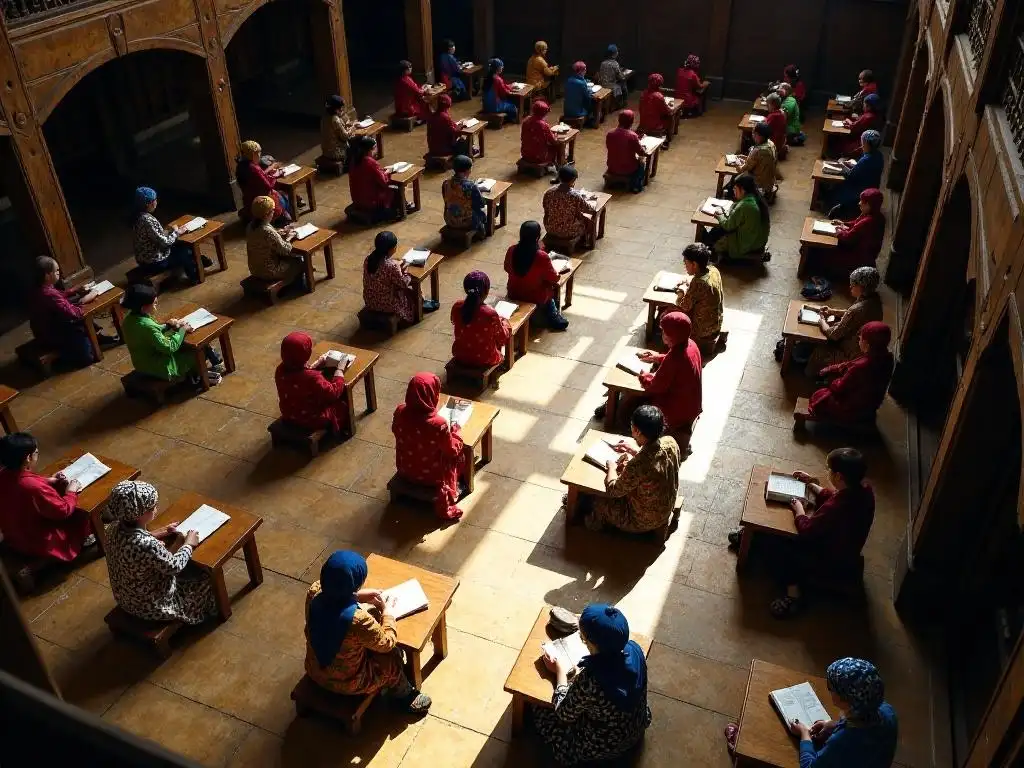
The Edo period education system was intricately designed to cater to the various social classes within Japanese society. With a focus on the urban intellectual landscape, this educational framework played a significant role in shaping the cultural and social dynamics of Edo, now known as Tokyo. The system consisted of a range of educational institutions, each tailored to meet the needs of specific segments of the population.
Types of Educational Institutions in Edo
The Edo education system featured a variety of institutions, each serving distinct purposes and demographics, which contributed to the flourishing intellectual environment of the era. Below are the primary types of educational establishments that emerged during this time:
Terakoya: The Commoner's School
Terakoya, or "temple schools," were grassroots educational institutions primarily aimed at the common people. Established by Buddhist temples or local community leaders, these schools provided basic education to children from merchant and farming families.
Key Features of Terakoya:
- Curriculum: The curriculum focused on practical skills, including reading, writing, and arithmetic, often using the Japanese syllabary (hiragana and katakana). Moral teachings and Confucian ideals were also integrated into lessons.
- Accessibility: Terakoya were widely accessible; they often operated on a pay-what-you-can basis, ensuring that even economically disadvantaged families could afford education for their children.
- Community Role: These schools fostered a sense of community involvement and local culture, often incorporating local history and traditions into their teachings.
Han Schools: Regional Education Initiatives
Han schools, or "han gakkō," were established by the various feudal domains (han) under the Tokugawa shogunate. These schools aimed to educate the samurai class and the children of local leaders, focusing on both practical governance skills and Confucian teachings.
Characteristics of Han Schools:
- Curriculum: The curriculum emphasized Confucian philosophy, ethics, and classical Chinese literature, preparing students for roles in administration and governance.
- Structure: Han schools were often structured hierarchically, with a clear distinction between the education of lower and higher-ranking samurai, reflecting the rigid social hierarchy of the time.
- Regional Variance: Each han school tailored its curriculum to reflect regional needs and the specific interests of the ruling samurai, thus promoting localized governance strategies.
Samurai Academies: Elite Education for the Warrior Class
Samurai academies represented the pinnacle of education during the Edo period, catering specifically to the samurai class. These institutions were more formal and structured than terakoya and han schools, focusing on preparing elite warriors for leadership and military strategy.
Distinctive Features of Samurai Academies:
- Advanced Curriculum: The curriculum included advanced studies in philosophy, military strategy, literature, and the arts. Students were often taught by renowned scholars and leaders, making this education prestigious.
- Cultural Emphasis: In addition to martial training, academies placed a strong emphasis on the arts, including calligraphy, poetry, and traditional tea ceremonies, reflecting the samurai's role as cultural as well as military leaders.
- Networking Opportunities: Samurai academies served as vital networking hubs, where future leaders could form alliances and foster relationships that would benefit them in their political and military careers.
The Edo period education system was multifaceted, catering to the diverse needs of society and emphasizing the importance of education in an urbanized Japan. Through institutions like terakoya, han schools, and samurai academies, the era cultivated a rich intellectual culture that would influence generations to come.
Curriculum and Teaching Methods
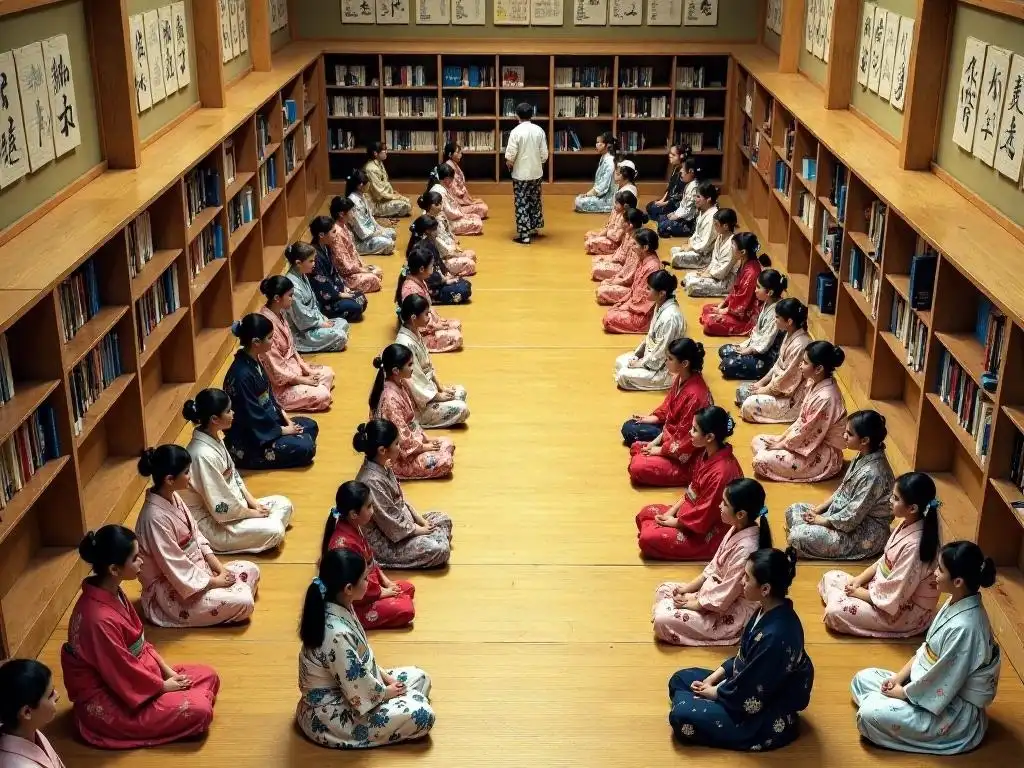
Core Subjects in Edo Period Education
The Edo period education system was multifaceted, focusing on various subjects that contributed to the intellectual growth of the urban populace. Schools, known as terakoya (temple schools), emerged primarily in urban areas, making education accessible to a broader segment of society, including merchants and commoners. The curriculum was designed to cater not only to the elite samurai class but also to the emerging merchant class, reflecting the societal shifts of the time.
Reading and Writing: The Foundation of Learning
At the core of the Edo period education system was literacy. Reading and writing were emphasized, as they were crucial for both administrative duties and personal correspondence. The use of hiragana and katakana, alongside kanji, allowed students to engage with various texts, from literary works to practical documents.
- Textbooks: The primary instructional materials included classics like the Tale of Genji and practical guides on governance and commerce.
- Methods: Teachers employed rote learning and recitation to instill these skills, often using calligraphy as a means of reinforcing writing proficiency.
Mathematics and Practical Skills: Preparing for Daily Life
Mathematics was another essential subject in the Edo period education system. It equipped students with the skills necessary for commerce, agriculture, and daily life.
- Arithmetic: Students learned basic arithmetic operations, which were vital for merchants in conducting transactions.
- Practical Applications: Practical skills, such as measurement and land surveying, were also taught, reflecting the needs of a rapidly urbanizing society.
Ethical Teachings: The Role of Morality in Education
Morality and ethics were integral to the curriculum, with a strong emphasis on social responsibility and civic virtue.
- Confucian Influence: Confucian texts were often included in the curriculum to instill values such as loyalty, filial piety, and respect for authority.
- Character Development: Schools aimed not only to educate students academically but also to shape their character, preparing them to contribute positively to society.
Teaching Methods and Pedagogical Approaches
The teaching methods employed during the Edo period were diverse, reflecting the evolving educational landscape.
The Use of Confucianism in Curriculum
Confucianism played a pivotal role in shaping the educational philosophy of the time.
- Moral Education: The inclusion of Confucian texts highlighted the importance of moral education, focusing on the cultivation of virtuous character.
- Role of the Teacher: Teachers were seen as moral exemplars, guiding students not only in academic pursuits but also in ethical behavior.
Oral Tradition vs. Written Texts
The Edo period education system grappled with the balance between oral tradition and written texts.
- Oral Tradition: Many teachings were transmitted orally, particularly in rural areas, where access to written materials was limited.
- Written Texts: In urban centers, written texts became increasingly prominent, facilitating a more structured and formalized approach to education.
Overall, the Edo period education system was instrumental in shaping the intellectual landscape of urban Japan, reflecting the broader societal changes occurring during this dynamic era. Through a well-rounded curriculum and varied teaching methods, it laid the groundwork for future generations to engage with an ever-evolving world.
Impact of the Edo Period Education System on Society
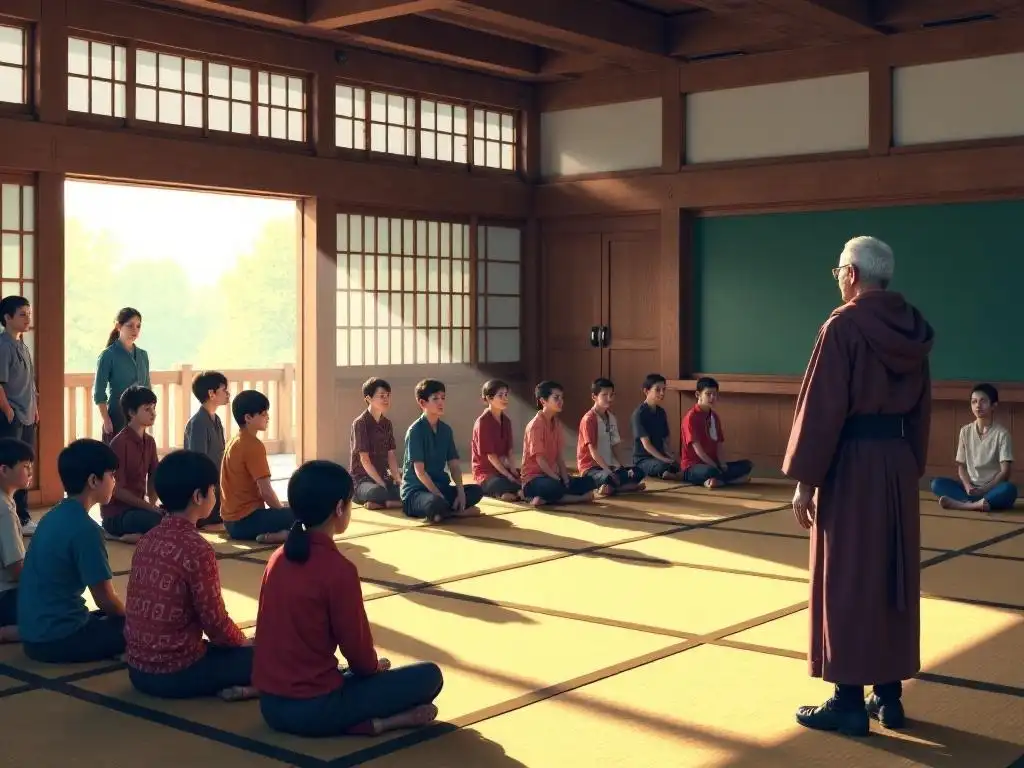
The Edo period (1603-1868) marked a significant transformation in Japan's educational landscape, profoundly influencing societal structures and cultural development. The education system during this era was characterized by its accessibility and adaptability, which fostered a vibrant urban intellectual life, facilitated social mobility, and contributed to economic progress.
Influence on Urban Intellectual Life
The Edo period education system played a pivotal role in cultivating an urban intellectual environment that thrived within the bustling cities of Edo (modern-day Tokyo), Osaka, and Kyoto. The establishment of terakoya (temple schools) and han schools (feudal domain schools) allowed for the dissemination of knowledge among various social classes. These institutions primarily focused on literacy, mathematics, and moral instruction, catering to the children of samurai, merchants, and farmers alike.
- Cultural Flourishing: The rise of literacy and education led to a cultural renaissance in Edo, where literature, arts, and philosophy flourished. Notable works from this era include the popular ukiyo-e woodblock prints and the literary masterpieces of Ishikawa Takuboku and Mizuno Sōseki.
- Intellectual Discourse: The availability of education encouraged public discourse among the educated classes, fostering a culture of debate and discussion. This intellectual engagement was crucial in shaping public opinion and social norms.
The accessibility of education contributed to a sense of civic responsibility and cultural identity among urban residents, as they engaged with contemporary issues and philosophies.
The Edo period education system significantly impacted social mobility, allowing individuals from lower social strata to improve their status through education. While the samurai class maintained a privileged position, the educational opportunities extended to commoners enabled a shift in the traditional class hierarchy.
- Pathways to Advancement: Many merchants and artisans took advantage of terakoya to educate their children, leading to a growing middle class that contributed to economic and cultural development.
- Scholarship and Meritocracy: The emphasis on merit over birthright began to emerge, as individuals who excelled in education could attain positions of influence. For instance, some commoners became scholars or even advisors to the ruling class, demonstrating the potential for upward mobility.
This shift laid the groundwork for a more dynamic social structure, where knowledge and skills became vital commodities in the evolving urban landscape.
The Role of Education in Economic Development
The Edo period education system also played a crucial role in the economic development of Japan. By enhancing literacy and practical skills, the education system contributed to the emergence of a more informed and capable workforce.
- Skilled Labor Force: An educated populace was essential for the growth of various industries, particularly in commerce and craftsmanship. As education spread, artisans began to innovate, leading to improved production techniques and the proliferation of goods in urban markets.
- Economic Policies and Trade: The focus on education also aligned with the Tokugawa shogunate's policies that promoted economic stability and growth. Knowledge of trade practices, financial management, and agricultural techniques became integral to the success of the economy.
The Edo period education system was a catalyst for societal change, fostering an urban intellectual landscape that facilitated social mobility and economic development. Its legacy continues to influence Japan's educational practices and societal structures even today.
Challenges and Limitations of the Edo Education System
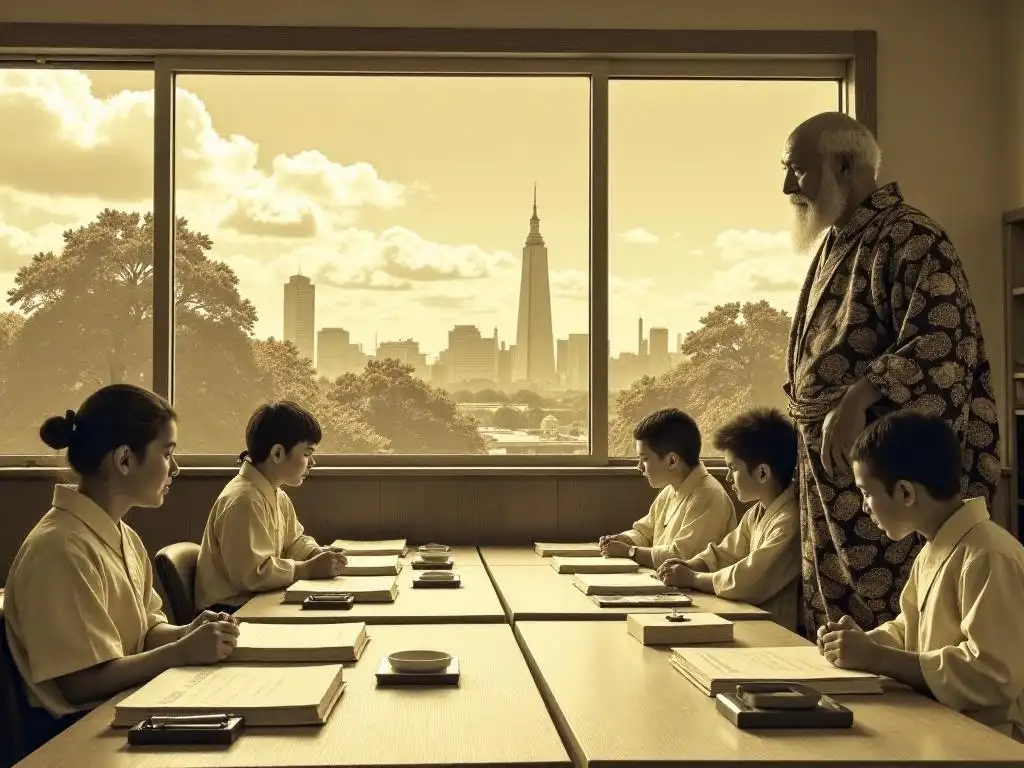
The Edo period education system, while notable for its advancements in urban intellectual development, faced several challenges and limitations that ultimately shaped its effectiveness and reach. These challenges were multifaceted, affecting access, inclusivity, and the evolution of educational practices. Understanding these limitations provides a clearer picture of the educational landscape during this transformative era in Japan.
Accessibility Issues: Education for the Lower Classes
Despite the proliferation of schools and educational institutions during the Edo period, access to education was largely stratified along class lines. The ruling samurai and wealthier merchant classes had greater access to education, while the lower classes, including peasants and laborers, faced significant barriers.
- Limited Schooling for Commoners: The majority of commoners were often excluded from formal education. While some village schools (terakoya) emerged, they were primarily focused on basic literacy and practical skills rather than a comprehensive education.
- Cost Barriers: Even when schools were available, the costs associated with education, such as fees for materials and instruction, could be prohibitive for lower-class families, limiting their ability to provide their children with educational opportunities.
- Geographic Constraints: Access to schools was also geographically limited. Many rural areas lacked educational institutions, compelling families to rely on informal instruction or local temple schools, which were not uniformly regulated.
These accessibility issues contributed to a significant educational disparity within Edo society, leaving many lower-class individuals without the skills needed to improve their social standing or participate fully in the burgeoning urban intellectual landscape.
Gender Disparities in Edo Education
The Edo period education system was also characterized by stark gender disparities. While there were opportunities for men, women faced considerable restrictions regarding their educational pursuits.
- Limited Educational Opportunities for Women: Women in the Edo period had far fewer opportunities to receive formal education compared to their male counterparts. Schools for girls were rare, and most women were expected to focus on domestic responsibilities.
- Cultural Norms and Expectations: The prevailing cultural norms emphasized a woman's role within the household, often sidelining the importance of education. This societal expectation discouraged families from investing in their daughters' education, as it was deemed unnecessary for their future roles as wives and mothers.
- Informal Learning: While some women sought knowledge through informal means, such as learning from family members or engaging in community activities, this was not consistent or comprehensive. Women who did seek education often faced societal backlash or were limited to specific subject areas like arts or crafts.
This gender disparity resulted in a significant gap in educational attainment that persisted beyond the Edo period, affecting women's roles in society and limiting their contributions to cultural and intellectual advancements.
Resistance to Change: Traditional Views on Education
The Edo education system was also challenged by resistance to change stemming from traditional views on education and the role of knowledge in society.
- Conservatism in Educational Methods: Many educators adhered to longstanding Confucian ideals, which emphasized rote learning and memorization over critical thinking and creativity. This conservative approach limited the scope of education and stifled innovation.
- Skepticism Towards New Ideas: The introduction of Western ideas and educational reforms faced skepticism from traditionalists who believed that change could undermine the social order. This resistance created a barrier to the integration of modern educational practices that could have enriched the Edo education system.
- Hierarchy of Knowledge: The existing hierarchy in knowledge dissemination favored the elite, perpetuating a system where only the privileged received comprehensive education. This reluctance to democratize education further entrenched social divisions and limited intellectual growth across different strata of society.
While the Edo period education system played a crucial role in shaping Japan's urban intellectual landscape, it was not without its challenges and limitations. Accessibility issues, gender disparities, and resistance to change all contributed to an educational framework that, despite its achievements, left many individuals and groups at a disadvantage. Addressing these challenges would be essential for the evolution of education in Japan in the years to come.
Legacy of the Edo Period Education System
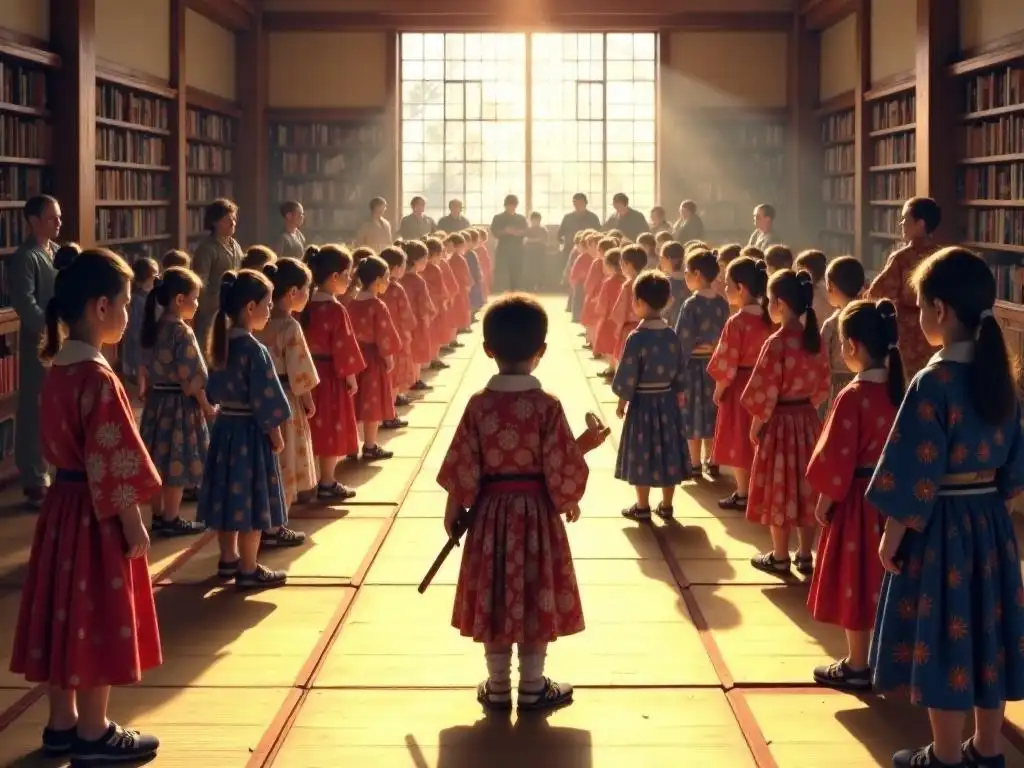
The Edo period (1603-1868) was a transformative era in Japan that laid the foundation for modern education systems. The Edo period education system was characterized by a unique blend of Confucian ideals, local governance, and the burgeoning merchant class, creating a framework that influenced the educational landscape for generations.
Lasting Effects on Modern Japanese Education
The educational practices established during the Edo period have had profound and lasting effects on contemporary Japanese education. One of the most significant impacts can be seen in the emphasis on moral education and civic responsibility. Schools during the Edo period, particularly the terakoya (temple schools), focused not only on academic subjects like reading, writing, and arithmetic but also on instilling ethical values rooted in Confucian philosophy. This moral framework continues to influence Japan's educational curriculum today, where character education remains a critical component.
In addition, the Edo period's focus on accessibility of education has echoed into modern practices. The establishment of terakoya made education available to a broader segment of the population, including the merchant and lower classes, which was revolutionary for its time. This democratization of education paved the way for Japan's post-Meiji Restoration education reforms, leading to compulsory education laws that further promoted literacy and learning among all citizens.
Moreover, the Edo education system promoted a sense of community and local culture through the integration of regional history and customs into the curriculum. This approach has persisted, with modern education in Japan often emphasizing local heritage and identity, fostering a strong sense of belonging among students.
Preservation of Edo Educational Practices
Despite the sweeping changes that modern Japan has undergone, several practices from the Edo period education system have been preserved and are still observed today. One notable aspect is the focus on rote learning and memorization, which originated in Edo schools. This method was seen as essential for mastering the classics and has continued to influence teaching styles in Japan, where examinations often emphasize memorized content.
Additionally, the concept of lifelong learning, championed during the Edo period through informal education and community-based learning, remains relevant. Community educational initiatives, such as juku (cram schools), reflect the Edo ethos of continuous personal development and knowledge acquisition beyond formal schooling.
Furthermore, the emphasis on etiquette and social conduct in Edo education is still present in modern classrooms. Teaching manners, respect for teachers, and discipline are integral to the learning environment in Japan, echoing the values instilled in students during the Edo period.
The legacy of the Edo period education system is a rich tapestry of historical practices that continue to shape Japan's educational landscape. From its moral foundations to its commitment to accessibility and community involvement, the influences of this era are deeply entrenched in the fabric of modern Japanese education, ensuring that the intellectual legacy of Edo lives on.
Conclusion
Summary of Key Insights on the Edo Period Education System
The Edo period education system (1603-1868) in Japan was a complex and multifaceted structure that played a pivotal role in shaping the intellectual and cultural landscape of urban society. A few key insights stand out:
- Emergence of Terakoya: Local temple schools, known as terakoya, became the backbone of education during the Edo period. They provided basic literacy and numeracy skills to children of all social classes, including merchants and commoners. These schools emphasized practical subjects, thus fostering a more educated populace.
- Rise of the Samurai Class: The education system also catered to the samurai class, who focused on Confucian texts, ethics, and martial arts. This duality in education reflected the socio-political hierarchy, ensuring that the samurai were both intellectually and physically equipped for their roles.
- Influence of Confucianism: Confucian ideals heavily influenced the curriculum, promoting moral education that shaped the ethical framework of society. Institutions like the shuyōkan (private academies) arose, where scholars taught various subjects that encouraged critical thinking and civic responsibility.
- Literary and Cultural Flourishing: The Edo period saw a significant increase in literacy rates, which spurred the growth of literature, theater, and arts. The education system contributed to a vibrant intellectual culture, evident in the popularity of ukiyo-e prints and kabuki theater.
- Government Regulation and Support: The Tokugawa shogunate recognized the importance of education in maintaining social order and stability. As a result, it implemented policies to regulate and support educational institutions, ensuring that knowledge dissemination aligned with government interests.
Reflection on the Urban Intellectual Landscape Shaped by Education in Edo
The Edo period education system fundamentally transformed the urban intellectual landscape, leading to a society that valued learning and cultural expression. The following points highlight this transformation:
- Increased Accessibility to Education: The proliferation of terakoya schools made education more accessible to the lower classes, diminishing the exclusivity of knowledge previously held by the elite. This democratization of education fostered a more informed citizenry, capable of engaging in civic discourse.
- Cultural Exchange and Innovation: As urban centers flourished, the education system encouraged cultural exchange between different societal groups. The interaction of samurai, merchants, and artisans in educational settings led to innovative ideas and practices, enriching the cultural fabric of Edo.
- Emergence of Intellectual Movements: The rise of urban intellectualism birthed movements that challenged traditional norms and promoted new ideas. Scholars and thinkers began to question established practices, leading to advancements in various fields, including philosophy, science, and the arts.
- Legacy of Edo Education: The foundations laid during the Edo period significantly influenced subsequent educational reforms in Japan. The emphasis on literacy and moral education remained a staple in later educational policies, shaping modern Japan's approach to learning and civic engagement.
The Edo period education system was not just a means of imparting knowledge; it was a catalyst for social change, fostering a vibrant urban intellectual landscape that resonated through Japan's history. The legacy of this educational framework continues to be felt in contemporary society, illustrating the enduring impact of Edo's commitment to learning and cultural development.
Frequently Asked Questions
What was the primary focus of the Edo period education system?
The Edo period education system primarily focused on Confucian ideals, promoting moral and ethical development alongside practical skills necessary for urban life.
How did education access change during the Edo period?
Access to education expanded significantly during the Edo period, with the establishment of temple schools and private academies, allowing more social classes to receive an education.
What role did the terakoya play in Edo period education?
Terakoya, or "temple schools," were instrumental in providing basic education to children, teaching reading, writing, and arithmetic, thus shaping the intellectual landscape of urban areas.
How did the Edo period influence modern Japanese education?
The Edo period laid the foundation for modern Japanese education by emphasizing universal education principles and creating a structured curriculum that influenced later educational reforms.
What subjects were commonly taught in Edo period schools?
Schools during the Edo period typically taught subjects such as literacy, mathematics, calligraphy, and Confucian philosophy, fostering a well-rounded intellectual environment.
Final Reflection: The Enduring Legacy of Edo's Education System
The Edo period education system was not merely a historical phenomenon; it laid the groundwork for modern educational practices that continue to resonate today. In a world where knowledge is more accessible than ever, the principles of learning, community engagement, and intellectual growth established during the Edo period remind us of the importance of a well-rounded education. The emphasis on moral education and civic responsibility during this time serves as a powerful reminder that education is not just about acquiring knowledge, but also about shaping character and society.
Clearly, the Edo education system has left an indelible mark on Japan's cultural and social landscape. Its focus on inclusivity and accessibility paved the way for a more educated populace, fostering a sense of community and shared responsibility. As we reflect on this historical context, we can appreciate the words of philosopher John Dewey: Education is not preparation for life; education is life itself.
This sentiment echoes the essence of the Edo period, where education was intertwined with the very fabric of daily existence, influencing not only individual lives but also the collective identity of society.
As we move forward, let us take a moment to reflect on how we can apply the lessons from Edo's education system in our own lives. Consider how you can foster a love for learning, promote community engagement, and encourage moral development in yourself and others. In a rapidly changing world, the principles of the Edo period remind us that education is a lifelong journey, one that shapes not only our personal growth but also the future of our communities. Embrace this opportunity to cultivate knowledge and character, and become an active participant in the ongoing narrative of education.
Unveil the Future of Education!
Thank you for diving into the fascinating journey of Japan's education system during the Edo period! You've uncovered how this unique approach shaped urban intellectualism and contributed to a vibrant cultural landscape. Now, let's take the next steps together to expand on these insights.
Here are a few actions to consider that will inspire your own learning journey:
- Explore a local historical site or museum that showcases educational artifacts or practices from Japan's past.
- Share your thoughts on the impact of Edo’s educational system by starting a conversation with friends or sharing your insights on social media.
- Join an online forum or discussion group focused on historical education systems to engage with others who share your passion for this topic.
What aspect of Japan's Edo period education system do you believe could be implemented in today's schools to enrich modern learning?