
Trade Routes of Feudal Japan: Connecting Artisans to the World

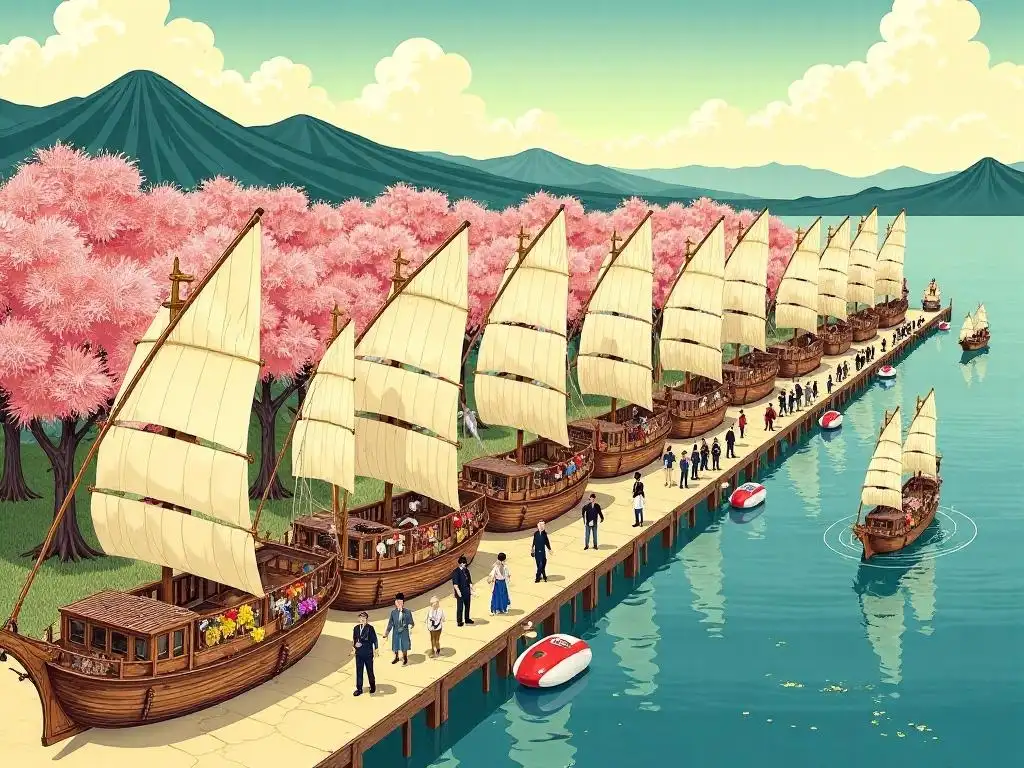
Welcome to Feudal Japan History, where we embark on a fascinating journey through the intricate tapestry of Japan's feudal era. Have you ever wondered how artisans connected with the world beyond their villages? Our latest article, "Trade Routes of Feudal Japan: Connecting Artisans to the World," delves into the rich history of trade routes that transformed social and economic landscapes during this captivating period.
Join us as we uncover the stories behind these vital connections, and discover how they shaped not only the lives of individuals but also the culture of an entire nation. Your adventure into Japan's feudal past begins here—read on to explore the threads that wove this remarkable history together!
- Introduction to Feudal Japan Trade Routes History
- Historical Context of Trade Routes in Feudal Japan
- Major Feudal Japan Trade Routes
- Artisans and Their Role in Feudal Japan Trade
- Cultural Exchange Along Feudal Japan Trade Routes
- Challenges Faced by Trade Routes in Feudal Japan
- Conclusion: Legacy of Feudal Japan Trade Routes History
- Further Reading and Resources on Feudal Japan Trade Routes History
-
Frequently Asked Questions
- What were the primary trade routes in Feudal Japan?
- How did trade routes influence artisan culture in Feudal Japan?
- What role did ports play in Feudal Japan's trade?
- How did the government regulate trade routes during the feudal era?
- What impact did trade routes have on Japanese society during this period?
- Final Reflection: The Enduring Legacy of Feudal Japan's Trade Routes
- Explore the Extraordinary Trade Routes of Feudal Japan!
Introduction to Feudal Japan Trade Routes History
Feudal Japan, spanning from the late 12th century to the mid-19th century, is a captivating period marked by significant cultural, social, and economic transformations. One of the crucial elements that shaped this era was the development of trade routes, which connected diverse artisans and merchants across the archipelago and beyond.
This intricate network not only facilitated commerce but also fostered cultural exchange, enabling the flow of goods, ideas, and innovations. In this article, we will delve into the history of trade routes in feudal Japan, exploring their impact on the economy and society, and highlighting the vital role they played in shaping the lives of artisans and merchants.
Overview of Feudal Japan's Economic Landscape
During the feudal era, Japan's economy was predominantly agrarian, relying heavily on agriculture and local craftsmanship. The class structure was distinct, with the samurai at the top, followed by peasants, artisans, and merchants. Each of these classes played a significant role in the economy:
- Samurai: Landowners and warriors, they held political power and controlled land.
- Peasants: The backbone of the economy, they cultivated rice and other crops, providing sustenance to society.
- Artisans: Skilled workers who created tools, clothing, and fine crafts, contributing to both local economies and the cultural heritage of Japan.
- Merchants: Though often looked down upon, they were crucial for the distribution of goods and the flow of wealth.
Trade routes emerged as a response to the increasing demand for goods and the need for resources that local production could not meet. These routes developed both overland and maritime, connecting various regions and facilitating the exchange of not just materials but also cultural practices and technologies.
Importance of Trade Routes in Feudal Japan
The trade routes in feudal Japan served multiple essential functions that significantly impacted the social and economic structure of the period:
- Economic Growth: By linking different regions, trade routes enabled the flow of rice, textiles, ceramics, and other goods, stimulating local economies and enhancing the wealth of merchants and artisans.
- Cultural Exchange: These routes were conduits for cultural interactions, allowing for the dissemination of ideas, art forms, and technologies. This exchange enriched Japanese culture and laid the groundwork for future innovations.
- Development of Urban Centers: Many towns and cities developed along key trade routes, becoming bustling marketplaces where artisans could showcase their crafts and merchants could facilitate trade.
- Political Dynamics: Control over trade routes often translated into power and influence, leading to strategic alliances and conflicts between feudal lords.
Understanding the complex web of trade routes during this era not only sheds light on the economic landscape of feudal Japan but also highlights the intricate relationships between different societal classes and the enduring legacy of this period in Japan’s history.
Historical Context of Trade Routes in Feudal Japan
The Emergence of Trade in the Heian Period
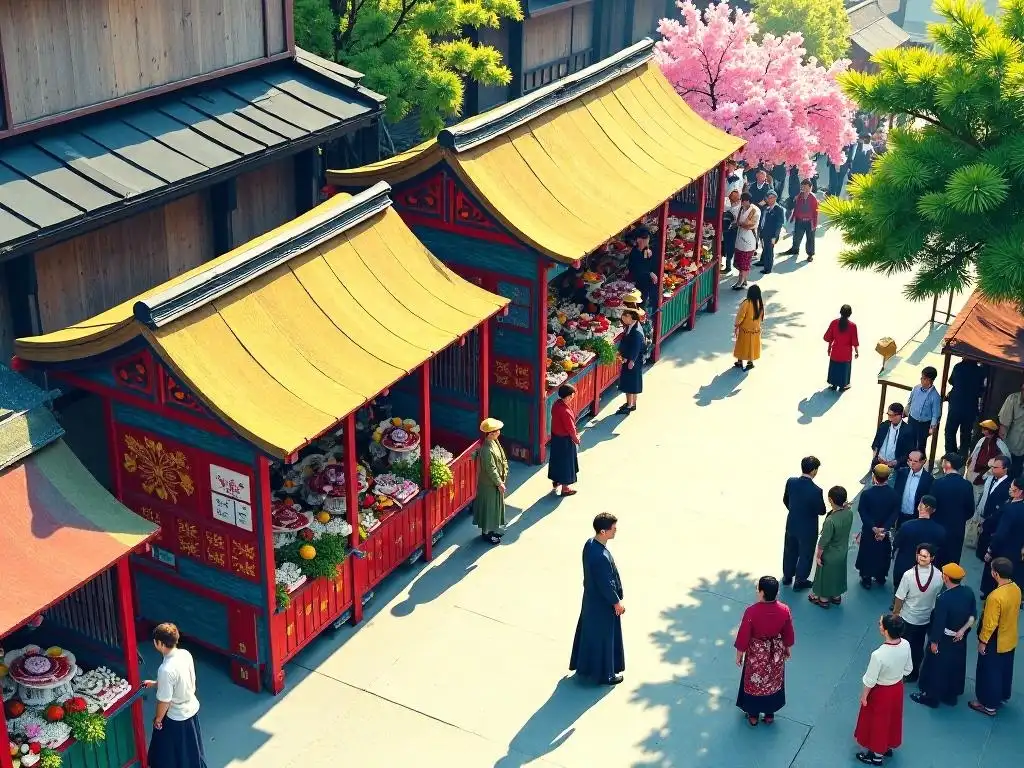
The Heian Period (794-1185) marked a significant turning point in the trade dynamics of Japan, laying the groundwork for the complex trade routes that would develop throughout the feudal era. During this time, the capital was established in Kyoto, which became a bustling center for culture and commerce.
- Cultural Exchange: The Heian Period was characterized by a blossoming of the arts and literature, leading to increased demand for various goods. The flourishing aristocratic culture created a need for artisans, who produced exquisite textiles, ceramics, and metalwork.
- Market Development: Local markets began to emerge, especially in urban areas. This facilitated the exchange of goods between artisans and merchants, promoting trade not only within Kyoto but also with other regions.
- Transportation Innovations: The development of better roads and waterways during this period enabled more efficient movement of goods. Rivers such as the Yodo and the Kamo became essential for transport, allowing artisans to reach wider audiences.
The establishment of trade networks during the Heian period laid the foundation for the growth of commerce in subsequent eras, fundamentally shaping the Feudal Japan trade routes history.
Key Historical Developments Influencing Trade Routes
Several key historical developments influenced the evolution of trade routes throughout feudal Japan, transforming the landscape of commerce and artisan production.
- The Rise of the Samurai Class:
- As the samurai class emerged, the political landscape shifted. The samurai’s need for resources and weaponry stimulated trade, particularly in regions where raw materials like iron and wood were abundant. The bushi (warriors) often facilitated trade agreements, which allowed artisans to access materials and markets.
- The Kamakura Shogunate (1185-1333):
- This era saw the establishment of a centralized military government that promoted trade as a means of generating revenue. The Kamakura Shogunate encouraged the development of trade routes connecting the capital with provincial towns, boosting the flow of goods such as rice, silk, and pottery.
- The Ming Dynasty's Influence:
- Contact with the Ming Dynasty (1368-1644) significantly impacted Japanese trade. Chinese goods became highly sought after, influencing Japanese artisans to adapt their production methods to meet consumer demands. Maritime routes became increasingly important, especially for coastal towns engaged in trade with China and Korea.
- The Role of Merchant Guilds:
- By the late feudal period, merchant guilds began to form, creating structured networks that facilitated trade. These guilds regulated commerce, established prices, and maintained quality standards for goods. Thus, they played a critical role in the stability and expansion of trade routes.
- International Trade Relations:
- The establishment of trade relations with the Portuguese and Dutch in the 16th century opened up new markets for Japanese artisans. This led to the export of traditional crafts, such as kintsugi pottery and kimono textiles, enhancing the global reach of Japanese artisans.
Through these developments, the trade routes of feudal Japan evolved into a complex system that connected artisans with the wider world, ultimately enriching Japan's cultural tapestry and economic landscape.
Major Feudal Japan Trade Routes
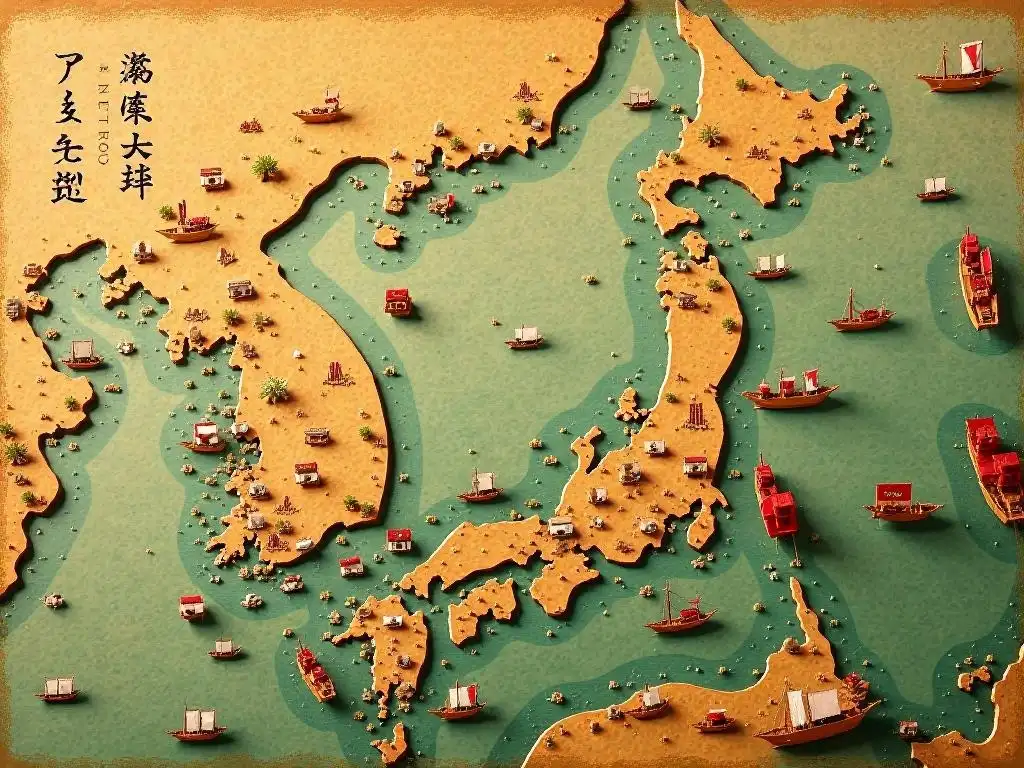
The trade routes of feudal Japan played a crucial role in connecting artisans to broader markets, facilitating the exchange of goods, culture, and ideas. These routes, both inland and maritime, were instrumental in shaping Japan's economy during the feudal era. They not only allowed for the distribution of local crafts and resources but also integrated Japan into the larger tapestry of Asian trade networks.
Inland Trade Routes: Connecting Artisans and Markets
Inland trade routes in feudal Japan were vital for connecting remote rural areas with urban centers. Key routes included the Tōkaidō, Nakasendō, and Kisoji, which linked major cities such as Kyoto, Edo (modern-day Tokyo), and Osaka.
- Tōkaidō: This route stretched along the Pacific coast, making it one of the most significant paths for transporting goods. Artisans from the Kansai region often traveled this route to sell their crafts in the bustling markets of Edo.
- Nakasendō: This inland route provided a vital link between the eastern and western parts of Japan, allowing for the transport of silk, ceramics, and other artisanal products.
- Kisoji: A less traveled yet important route, it connected the mountainous regions, facilitating trade between local artisans and larger urban centers.
The establishment of post towns along these routes, such as Mikawashima and Otsu, enabled merchants and artisans to rest and exchange goods. These towns became hubs of cultural exchange, where local crafts and innovations could be shared with travelers, further enriching the artisan community.
Maritime Trade Routes: Ports and Their Significance
Maritime trade routes were equally crucial in the history of feudal Japan. With its extensive coastline, Japan developed several key ports that served as gateways for international trade.
- Kagoshima and Nagasaki: These southern ports facilitated trade with countries such as China and the Netherlands, allowing Japanese artisans to access foreign materials and techniques.
- Kamakura: This port was significant during the Kamakura period, serving as a crucial point for exchanging goods and culture with the Asian mainland.
The importance of these maritime routes can be illustrated through the trade of specific goods:
| Goods Traded | Origin | Destination |
|---|---|---|
| Silk | China | Japan |
| Spices | Southeast Asia | Japan |
| Pottery | Korea | Japan |
| Artwork | Various regions | Japan |
These ports not only facilitated the exchange of goods but also introduced new artistic styles and cultural practices, which artisans integrated into their work, leading to innovations in design and technique.
The Role of the Silk Road in Japan’s Trade History
While often associated with continental trade, the Silk Road had a profound influence on Japan’s trade history. Though Japan was not directly on the Silk Road, it participated in the broader network of trade that emerged from this ancient route.
- Cultural Exchange: The Silk Road was instrumental in introducing Buddhism and other cultural elements into Japan, which influenced artistic practices among artisans.
- Material Goods: Japanese artisans gained access to luxurious silk and spices that were traded along the Silk Road, enhancing the quality and diversity of their products. This led to the development of unique Japanese styles that blended foreign influences with local traditions.
The interaction with Silk Road traders allowed Japanese craftsmen to evolve their techniques, contributing to the rich tapestry of feudal Japan trade routes history. As these networks expanded, they fostered not only economic growth but also cultural richness, laying the foundations for Japan's future artistic and commercial endeavors.
The trade routes of feudal Japan were more than mere pathways for goods; they were vital arteries of cultural exchange and economic prosperity, shaping the lives of artisans and merchants alike.
Artisans and Their Role in Feudal Japan Trade
Types of Artisans: Craftsmanship and Specialization
In Feudal Japan, artisans played a pivotal role in the economy, contributing to the richness and vibrancy of Japanese culture through their specialized skills and craftsmanship. The feudal era, spanning from the late 12th century to the mid-19th century, saw a diverse array of artisans emerging, each honing their craft to produce high-quality goods that would become sought after both locally and internationally.
Some notable categories of artisans include:
- Textile Artisans: This group encompassed weavers, dyers, and embroiderers who created intricate fabrics like silk, cotton, and hemp. Their work not only catered to local markets but also facilitated trade with regions such as China and Korea.
- Metalworkers: Skilled in forging and casting, metalworkers produced everything from tools and weapons to decorative pieces. Their craftsmanship included unique techniques such as the production of katana blades, which were revered for their strength and beauty.
- Ceramicists: Known for their exquisite pottery, ceramic artisans played an essential role in both daily life and ceremonial practices. The tea ceremony, for example, relied heavily on the artistry of ceramicists who crafted delicate tea bowls, which became symbols of refinement.
- Woodworkers: This category included carpenters and joiners who created furniture, architecture, and intricate carvings. Their contributions to the construction of temples and castles reflected not only their skill but also the cultural significance of their work.
- Calligraphers and Painters: These artists specialized in the visual arts, producing scrolls, screens, and decorative objects that captured the aesthetic ideals of the time. Their works often found their way into trade routes, influencing art styles across Asia.
The specialization of artisans led to the establishment of guilds, known as za, which regulated practices and maintained high standards in production. These guilds not only ensured quality but also facilitated training for apprentices, ensuring that skills were passed down through generations.
The Influence of Artisans on Trade Routes and Economic Growth
Artisans were instrumental in shaping the trade routes of Feudal Japan, which served as vital arteries for cultural and economic exchange. Their products, characterized by superior craftsmanship, became commodities that merchants sought to trade both domestically and internationally.
Economic Contributions
- Local Markets: Artisans provided essential goods for local communities, contributing to a vibrant economy. Items such as textiles, pottery, and tools were not only necessities but also luxury items, enhancing the status of local marketplaces.
- Export Opportunities: As demand for Japanese goods grew, artisans found opportunities in exporting their products. For example, the unique aesthetics of Japanese ceramics attracted buyers from neighboring countries, and silk textiles became highly coveted in international markets.
- Trade Networks: The establishment of trade networks enabled artisans to connect with merchants who facilitated the exchange of goods. Key trade routes, such as the Tōkaidō, which connected Kyoto and Edo (modern-day Tokyo), became bustling corridors of commerce where artisans showcased their crafts.
- Cultural Exchange: Through these trade routes, artisans not only exported their goods but also imported foreign techniques and materials, enriching their craft. This cultural exchange led to innovations in art and craftsmanship, such as the integration of Chinese ceramic techniques into Japanese pottery.
Impact on Society
Artisans influenced social structures as well. Their role in the economy allowed for the emergence of a prosperous middle class, which began to challenge the rigid social hierarchies of the time. The wealth generated by artisans and merchants contributed to the growth of urban centers, where cultural activities flourished, including festivals, theater, and art exhibitions.
The trade routes of Feudal Japan were significantly shaped by the contributions of artisans. Their specialized skills not only drove economic growth but also fostered cultural exchange, ultimately leaving a lasting legacy on Japanese society. Understanding the Feudal Japan trade routes history highlights the profound impact that artisans had on both the economy and culture during this vital period.
Cultural Exchange Along Feudal Japan Trade Routes

Introduction of Foreign Goods and Ideas
The trade routes of Feudal Japan played a pivotal role in introducing a variety of foreign goods and ideas that significantly influenced Japanese society. These routes, primarily maritime, connected Japan to neighboring regions such as China, Korea, and Southeast Asia, facilitating an exchange of not only materials but also cultural practices, technologies, and philosophies.
Among the most notable imports were silk, spices, ceramics, and metals. For instance, the introduction of Chinese silk had a profound impact on local fashion, leading to the development of intricate kimono styles that incorporated foreign techniques and designs. Furthermore, the spice trade brought exotic flavors into Japanese cuisine, enriching local gastronomy and influencing dishes that are still popular today.
In addition to tangible goods, ideas flowed along these routes. Buddhism, which entered Japan from China and Korea through these trade channels, transformed the spiritual landscape of the nation. The integration of Buddhist philosophies into Japanese culture can be seen in various aspects, including art, architecture, and even political thought.
- Key Imports:
- Silk: Enhanced textile production and fashion.
- Spices: Diversified Japanese cuisine.
- Ceramics: Inspired local pottery techniques.
- Metals: Improved weaponry and tools.
This influx of foreign goods and ideas not only shaped the material culture of Japan but also fostered a sense of curiosity and openness toward the world beyond its shores. The blending of foreign influences with indigenous practices created a unique cultural tapestry that defined the era.
Impact on Japanese Art and Culture
The cultural exchange facilitated by Feudal Japan's trade routes significantly influenced various forms of Japanese art and culture. As foreign goods and ideas permeated Japanese society, they inspired a transformation in artistic expression, leading to the emergence of new styles and techniques.
Artistic Innovations
One of the most profound impacts was on visual arts, particularly in painting and pottery. The introduction of new materials, such as colorful pigments and foreign pottery styles, encouraged artisans to experiment with their craft. For example, the Ming Dynasty ceramics were highly valued and sought after, prompting Japanese potters to develop their own unique styles, which combined traditional techniques with foreign influences.
Literature and Philosophy
The trade routes also facilitated the exchange of literary works and philosophical ideas. Chinese literature, especially poetry, left a lasting mark on Japanese writers, leading to the development of a rich literary tradition that included forms such as haiku and narrative prose. Philosophical concepts from Confucianism and Buddhism, introduced through trade, influenced the moral and ethical frameworks of Japanese society, shaping the way individuals viewed their relationships with each other and with the state.
Architecture and Urban Planning
Moreover, architectural styles were also impacted by foreign influences. The introduction of new building techniques and designs led to the creation of structures that combined functionality with aesthetic appeal. For instance, the Shinto shrines and Buddhist temples began to exhibit features that were inspired by Chinese and Korean architecture, resulting in the unique styles that characterize historical sites in Japan today.
The trade routes of Feudal Japan were more than just conduits for goods; they were vital channels for cultural exchange that left a profound impact on Japanese art, literature, and overall societal development. The integration of foreign elements not only enriched the local culture but also laid the groundwork for a dynamic and evolving artistic landscape that continues to be celebrated in contemporary Japan.
Challenges Faced by Trade Routes in Feudal Japan
Natural Disasters and Their Effects on Trade
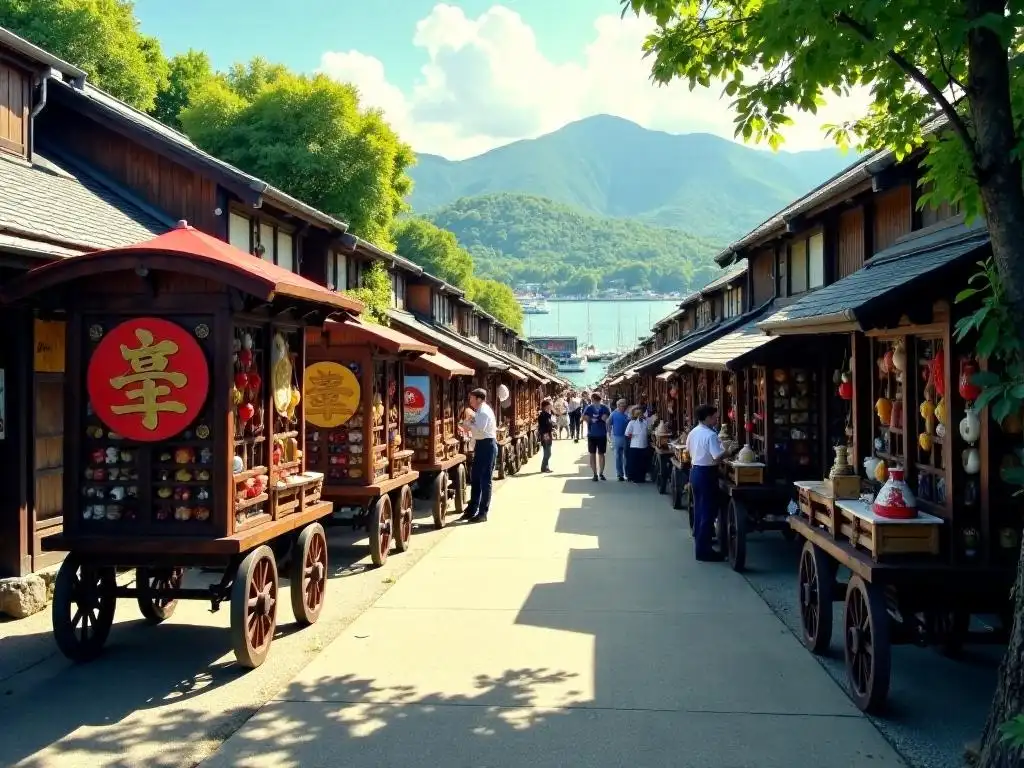
Natural disasters were a significant challenge for trade routes in Feudal Japan, impacting both the physical infrastructure and the flow of goods. Japan's geographical location on the Pacific Ring of Fire made it prone to various natural calamities, including earthquakes, tsunamis, and typhoons. Each of these disasters could devastate towns and disrupt vital trade networks.
- Earthquakes: Major earthquakes often resulted in the destruction of roads, ports, and warehouses. For instance, the Ansei Edo earthquake in 1855 led to severe damage in Edo (modern-day Tokyo), causing delays in the transportation of goods and impacting local economies.
- Tsunamis: Following earthquakes, tsunamis could further complicate recovery efforts. The tsunami of 1707, which followed the Hōei earthquake, flooded coastal areas, destroying fishing industries and essential trade hubs that relied on maritime transport.
- Typhoons: Seasonal typhoons frequently altered shipping schedules and damaged vessels. The typhoon of 1782, for example, destroyed numerous ships in the Seto Inland Sea, significantly affecting the movement of goods between the islands.
These natural disasters not only posed immediate threats to trade but also had long-term consequences, leading to shifts in trade routes and an increased need for infrastructure resilience.
Political Instability and Trade Route Disruptions
Political instability in Feudal Japan created an unpredictable environment for merchants and artisans, often leading to disruptions in trade routes. The era was marked by a series of conflicts, including the Genpei War (1180-1185) and the Sengoku period (1467-1603), which saw constant warfare among different feudal lords (daimyōs).
- Warfare: During the Sengoku period, the absence of a centralized authority led to frequent battles over territory, which disrupted the safety of trade routes. Merchants often faced extortion or violence from warring factions, resulting in decreased trade volumes and increased costs.
- Feudal Obligations: The hierarchical structure of feudalism meant that trade routes were often subject to the whims of local lords, who could impose taxes or restrict movement through their domains. This led to a patchwork of trade regulations that varied significantly from region to region, complicating the trading process.
- Diplomatic Relations: Changing alliances among daimyōs could also affect trade. For example, when the Tokugawa shogunate rose to power in the early 17th century, it established a more stable political environment that ultimately facilitated trade. However, the preceding periods of instability had lasting impacts on established trade routes, requiring merchants to adapt continuously.
The challenges faced by trade routes in Feudal Japan were deeply intertwined with natural disasters and political instability, shaping the landscape of trade and commerce during this dynamic period in Japanese history.
Conclusion: Legacy of Feudal Japan Trade Routes History
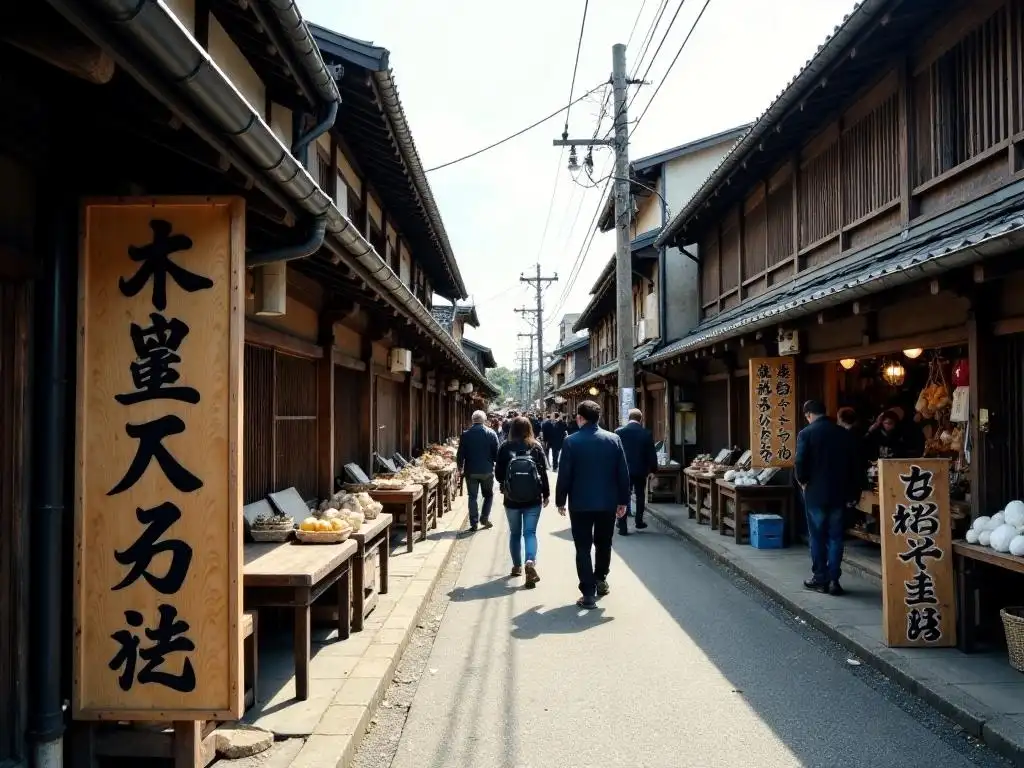
The trade routes of feudal Japan played a pivotal role in shaping not only the economic landscape of the era but also the cultural and societal frameworks that emerged. These intricate networks connected artisans and merchants to distant markets, facilitating the exchange of goods, ideas, and technologies. As we reflect on the legacy of these trade routes, it becomes evident that their influence extends far beyond their historical context, continuing to resonate in modern Japanese society.
Lasting Impact on Modern Japanese Society
The remnants of feudal Japan's trade routes can still be seen in contemporary Japan, where the spirit of craftsmanship and trade remains vibrant. Many traditional crafts, such as pottery, textiles, and woodblock printing, have their roots in the techniques and materials exchanged along these ancient paths. Cities like Kyoto and Kanazawa, once bustling trade hubs, are now renowned for preserving these artisanal traditions.
- Cultural Preservation: The commitment to maintaining traditional crafts has fostered a sense of cultural identity among Japanese people today. Events like the Kansai Craft Festival celebrate local artisans and attract visitors interested in Japan's rich artistic heritage.
- Economic Influence: Modern-day artisans often draw inspiration from feudal practices, creating a thriving market for handcrafted goods. This echoes the historical significance of trade routes, where artisans sought to expand their reach and customer base.
Furthermore, the globalized nature of today's economy can be traced back to the interconnected networks established during the feudal era. As Japan continues to engage with international markets, the foundational principles of trade—resource exchange, collaboration, and cultural appreciation—remain deeply embedded in its economic practices.
Reflections on the Artisans' Contributions to Trade
Artisans in feudal Japan were not merely skilled craftsmen; they were vital players in the trade network that shaped the nation. Their contributions to trade were multifaceted and had far-reaching implications for both the local and national economies.
- Innovation and Adaptation: Artisans often adapted their skills to meet the demands of changing markets. For instance, the introduction of new materials from foreign trade, such as silk and metals, encouraged innovation in crafting techniques. This adaptability allowed them to remain relevant and competitive.
- Cultural Exchange: The trade routes facilitated not only the movement of goods but also the exchange of cultural practices and ideas. Artisans learned from foreign influences, leading to the development of hybrid styles that enriched Japanese aesthetics. For example, the introduction of Western painting techniques influenced Japanese artists during the Edo period, resulting in unique art forms.
- Community Building: Trade fostered connections among artisans, merchants, and consumers, creating vibrant communities. These networks laid the groundwork for guilds, which provided support and resources for artisans, helping to sustain their trades through challenging times.
The trade routes of feudal Japan were instrumental in shaping the nation's artisanal culture and economy. Their legacy continues to thrive in modern Japan, reflecting the enduring impact of the artisans who contributed to this rich history. By understanding the significance of these trade routes, we can appreciate the deep-rooted connections between past and present, highlighting the importance of artisans in both historical and contemporary contexts.
Further Reading and Resources on Feudal Japan Trade Routes History
Recommended Books and Articles
-
"The Making of Modern Japan" by Jonah S. Rubin
This comprehensive work explores Japan's transition from feudalism to modernity, touching on the significance of trade routes in shaping economic and cultural exchanges. The book provides an in-depth analysis of how trade facilitated interactions between artisans and merchants.
-
"Japan's Feudal Era: A History of the Samurai and the Merchant" by Michael L. Smith
In this insightful publication, Smith examines the intricate relationships between samurai, merchants, and artisans during the feudal period. The book showcases the vital role of trade routes in the distribution of goods and cultural influences.
-
"The Silk Roads: A New History of the World" by Peter Frankopan
Although not exclusively focused on Japan, Frankopan's work provides context on the broader trade networks, including the routes that connected Japan with other parts of Asia and beyond. It emphasizes the impact of these connections on local artisans and industries.
-
"Feudal Japan: The Age of the Samurai" by Paul Varley
Varley's detailed account of feudal Japan highlights the socio-economic structures of the time, with particular attention to how trade routes enabled artisans to flourish and connect with global markets.
-
"Japanese Art: A Cultural History" by T. M. H. Sato
This book illustrates the artistic developments during feudal Japan and examines how trade routes influenced the exchange of artistic ideas and materials, enriching the country's cultural heritage.
Online Resources for Deeper Exploration
-
The National Diet Library of Japan
This digital library offers access to various historical documents, articles, and resources related to Japan's trade routes and economic history.
-
The Japan National Tourism Organization (JNTO)
The JNTO website provides insights into historical trade routes, including maps and descriptions of significant locations that played a role in the artisan and merchant trade.
-
The Asia-Pacific Journal: Japan Focus
An online platform that features scholarly articles and essays on various aspects of Japanese history, including trade routes during the feudal era. It serves as a valuable resource for researchers and enthusiasts alike.
-
The Metropolitan Museum of Art: Japan
The Met's online collection includes artifacts and artworks that reflect Japan's feudal trade practices. Detailed descriptions and scholarly articles accompany many pieces, providing context to the cultural exchanges facilitated by trade routes.
-
The World History Encyclopedia
This website offers accessible articles and resources that cover various historical topics, including the trade dynamics of feudal Japan. It provides a well-rounded overview of the subject, supported by visuals and timelines.
Frequently Asked Questions
What were the primary trade routes in Feudal Japan?
The primary trade routes included both land and sea pathways, facilitating commerce between regions and connecting Japan to Asian markets and beyond.
How did trade routes influence artisan culture in Feudal Japan?
Trade routes allowed artisans to access diverse materials and ideas, leading to a blending of techniques and the development of unique crafts that reflected both local and foreign influences.
What role did ports play in Feudal Japan's trade?
Ports served as vital hubs for international trade, where goods from abroad were exchanged, impacting the economy and helping to establish cultural exchanges with other nations.
How did the government regulate trade routes during the feudal era?
The government enforced regulations on trade routes to control the flow of goods, levy taxes, and maintain political power, ensuring that trade benefited the feudal lords.
What impact did trade routes have on Japanese society during this period?
Trade routes significantly impacted Japanese society by promoting economic growth, fostering urbanization, and enhancing cultural exchange, which shaped the social dynamics of the time.
Final Reflection: The Enduring Legacy of Feudal Japan's Trade Routes
The intricate web of trade routes in Feudal Japan not only shaped the economy of its time but also fostered a rich cultural exchange that resonates even today. As we explore the history of these trade routes, we uncover how they connected artisans to global markets, allowing for the flourishing of unique crafts and artistic expressions that have left an indelible mark on both Japanese culture and the world at large. The legacy of these connections is a testament to the power of trade in bridging diverse cultures and ideas.
The influence of Feudal Japan's trade routes extends far beyond the past, continuing to inspire modern artisans and entrepreneurs alike. The exchange of goods and ideas during this period laid the groundwork for Japan's distinctive artistic identity, which is still celebrated and emulated today. As the historian John W. Hall once said, The history of Japan is a history of connections, both within and beyond its shores.
This observation highlights the ongoing relevance of these trade routes, reminding us that the spirit of collaboration and exchange is vital in our increasingly interconnected world.
As we reflect on the lessons learned from the trade routes of Feudal Japan, let us consider how we can apply these principles in our own lives. Embrace the spirit of connection and collaboration, whether through supporting local artisans or engaging with diverse cultures. By fostering relationships and sharing ideas, we can create a vibrant tapestry of creativity and innovation that honors the past while paving the way for a brighter future. Take a moment to reflect on how you can contribute to this legacy of connection in your own community.
Explore the Extraordinary Trade Routes of Feudal Japan!
Thank you for taking the time to dive into the fascinating world of Feudal Japan's trade routes! You’ve discovered how these connections transformed the lives of artisans and shaped the culture of that era. Now, it’s time to carry that inspiration forward!
Here’s how you can take action:
- Engage with the Craft: Visit a local artisan market or gallery to support those who continue the rich traditions of craftsmanship that were pivotal during Feudal Japan.
- Share Your Knowledge: Discuss this topic with friends or on social media. Start a conversation about how global trade influences today’s artisans!
- Join the Community: Explore online forums or groups dedicated to Japanese history and trade. Share your thoughts and gain insights from fellow enthusiasts!
What aspect of these trade routes intrigues you the most, and how do you think they’ve influenced global culture today? Let’s discuss!