
The Symbolism of Samurai Armor: What Each Piece Represents

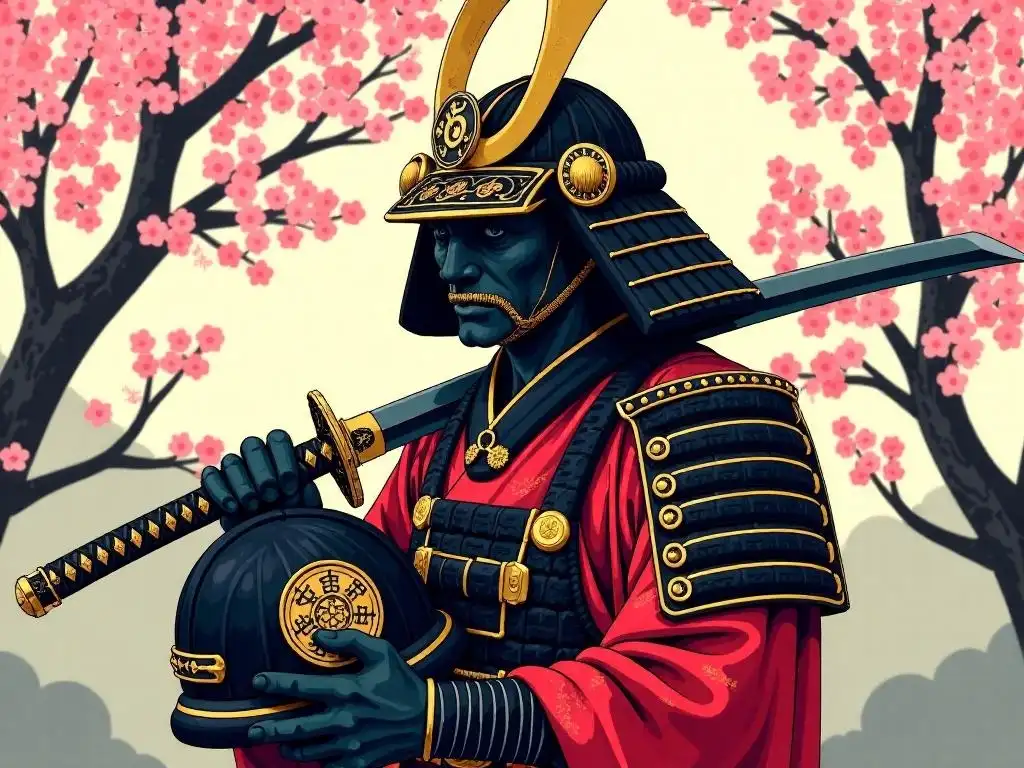
Welcome to Feudal Japan History, where we unravel the intricate tapestry of Japan's feudal era and its rich cultural heritage. In our latest article, “The Symbolism of Samurai Armor: What Each Piece Represents,” we delve into the profound meanings behind the armor that once adorned these legendary warriors. Discover how each piece reflects not only a samurai's status and identity but also the deeply rooted traditions that shaped their world. Prepare to embark on a journey that uncovers the fascinating interplay of history and culture—your exploration begins here!
- The Symbolism of Samurai Armor: Understanding Each Piece's Representation
- The Components of Samurai Armor: A Breakdown of Symbolism
- Cultural Significance: The Broader Context of Samurai Armor
- The Legacy of Samurai Armor in Modern Times
-
Frequently Asked Questions
- What is the significance of Samurai armor in feudal Japan?
- What are the main components of Samurai armor?
- How did the design of Samurai armor reflect social hierarchy?
- Can you explain the cultural significance of the colors used in Samurai armor?
- How does the symbolism of Samurai armor influence modern Japanese culture?
- Final Reflection: The Enduring Legacy of Samurai Armor Symbolism
- Unveil the Legacy: Connect with the Spirit of Samurai Armor!
The Symbolism of Samurai Armor: Understanding Each Piece's Representation
Introduction to the Symbolism of Samurai Armor
The symbolism of samurai armor is a profound reflection of the values, beliefs, and artistry that characterized feudal Japan. Each component of this intricate protective gear served not only a practical purpose in battle but also conveyed deep cultural significance. From the vibrant colors and patterns to the materials used, every aspect of samurai armor was imbued with meaning, representing the warrior's status, clan affiliation, and even personal virtues such as bravery and loyalty.
In a time when the samurai class held immense power and influence, their armor became a canvas for expressing identity and ideals. Understanding the symbolism behind each piece can offer us insights into the historical and societal context of the era. This exploration will guide us through the various elements of samurai armor, shedding light on how these artifacts are not merely relics of warfare, but also rich representations of Japanese heritage.
As we delve deeper, we will uncover the layers of meaning behind the kabuto (helmet), dō (chest armor), sode (shoulder guards), and other components, examining how they functioned as both protective gear and symbols of the samurai's ethos. Join us on this journey to appreciate the intricate artistry and significance of samurai armor, especially as it relates to the captivating world of samurai armor replicas for display.
The Components of Samurai Armor: A Breakdown of Symbolism
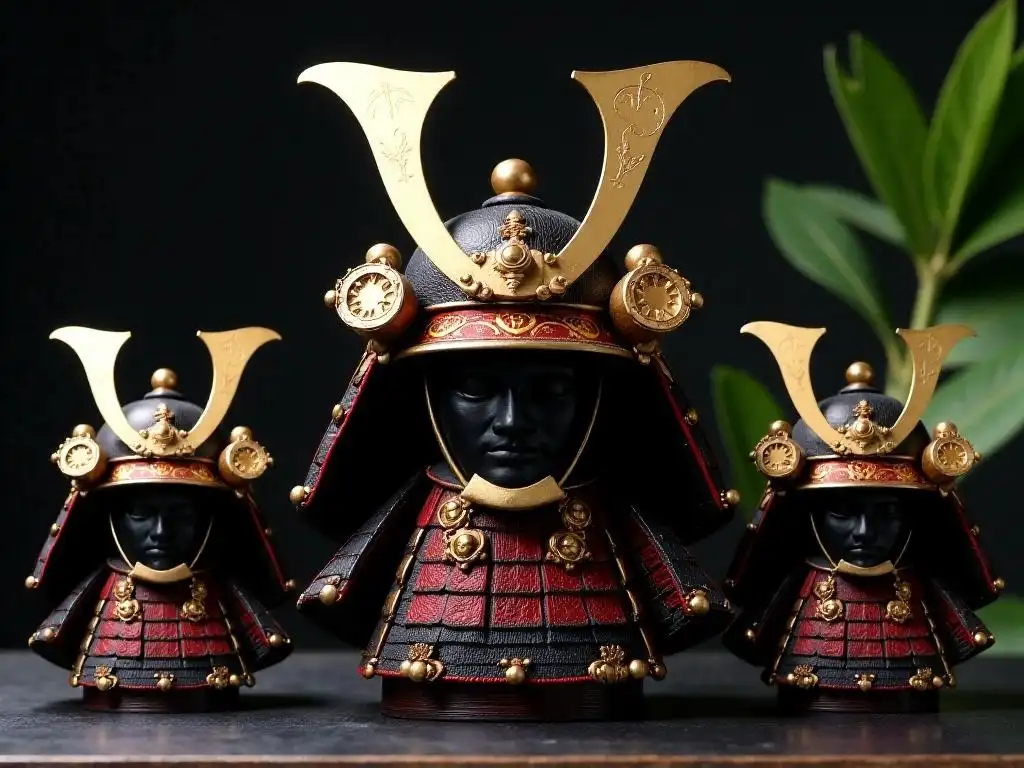
In the rich tapestry of feudal Japan, samurai armor was not merely a form of protection but a profound symbol of status, duty, and the warrior's ethos. Each component of the armor carried significant meaning, reflecting the values and beliefs of the samurai class. Understanding these elements is crucial for appreciating the intricate symbolism of samurai armor, especially when considering samurai armor replicas for display.
Kabuto (Helmet): The Crown of the Warrior
The kabuto, or helmet, is arguably the most iconic element of samurai armor. Its design often symbolizes the warrior's status and personal identity. The kabuto served several purposes:
- Protection: Primarily, it protected the head during battles, which was vital as a head injury could be fatal.
- Intimidation: The ornate designs and crests on the kabuto were crafted to instill fear in enemies. They often featured motifs such as horns or elaborate decorations, signifying power and ferocity.
- Symbol of Leadership: The kabuto was often viewed as a crown, showcasing the wearer’s rank. Different styles indicated various samurai clans and their histories.
The symbolism of the kabuto is not limited to its physical form; it represents the spirit and pride of the samurai. Wearing a kabuto was akin to donning the mantle of duty, embodying the principles of loyalty, honor, and readiness for battle.
Do (Chest Armor): The Heart of the Samurai
The do, or chest armor, is a critical component that symbolizes the very essence of a samurai's being. Its significance encompasses various aspects:
- Protection of Vital Organs: The do safeguarded the chest, where the heart and lungs reside, symbolizing the protection of life itself.
- Cultural Identity: The design and material of the do often reflected the samurai's clan affiliation. Ornate patterns or family crests were common, signifying loyalty to one's lineage and heritage.
- Representation of Strength: The structure of the do was robust, emphasizing the physical strength and resilience of the wearer. It was a testament to the samurai's dedication to martial prowess and honor.
Beyond its protective qualities, the do embodies the courage and resolve of a samurai. Wearing the do signifies a commitment to uphold the samurai code (Bushido), which emphasizes bravery and moral integrity.
Sode (Shoulder Guards): Shields of Responsibility
The sode, or shoulder guards, play a vital role in both defense and symbolism within samurai armor. Their significance can be understood through several lenses:
- Protection and Mobility: The sode provided essential protection to the shoulders and upper arms, crucial in combat scenarios where a warrior needed to be agile yet defended.
- Responsibility in Warfare: The sode symbolizes the burden of leadership and responsibility that samurai bore during conflicts. They were reminders of the duty to protect one's comrades and clan.
- Connection to the Divine: In many designs, the sode featured motifs inspired by nature or spiritual symbols, representing the samurai's connection to higher forces and the belief in protecting the realm.
The sode not only serves as a protective element but also embodies the sacred responsibility that comes with being a samurai. They remind the wearer that their role extends beyond mere combat; it involves the protection of honor, family, and the community at large.
Understanding the symbolism of samurai armor provides deeper insight into the values upheld by these warriors. Each piece, from the kabuto to the do and sode, not only served practical purposes but also conveyed profound meanings, making them essential components of the samurai's identity. As such, samurai armor replicas serve as more than mere decorative items; they encapsulate the rich legacy of the samurai culture, allowing modern enthusiasts to connect with Japan's storied past.
Kote (Armored Sleeves): The Extensions of the Samurai
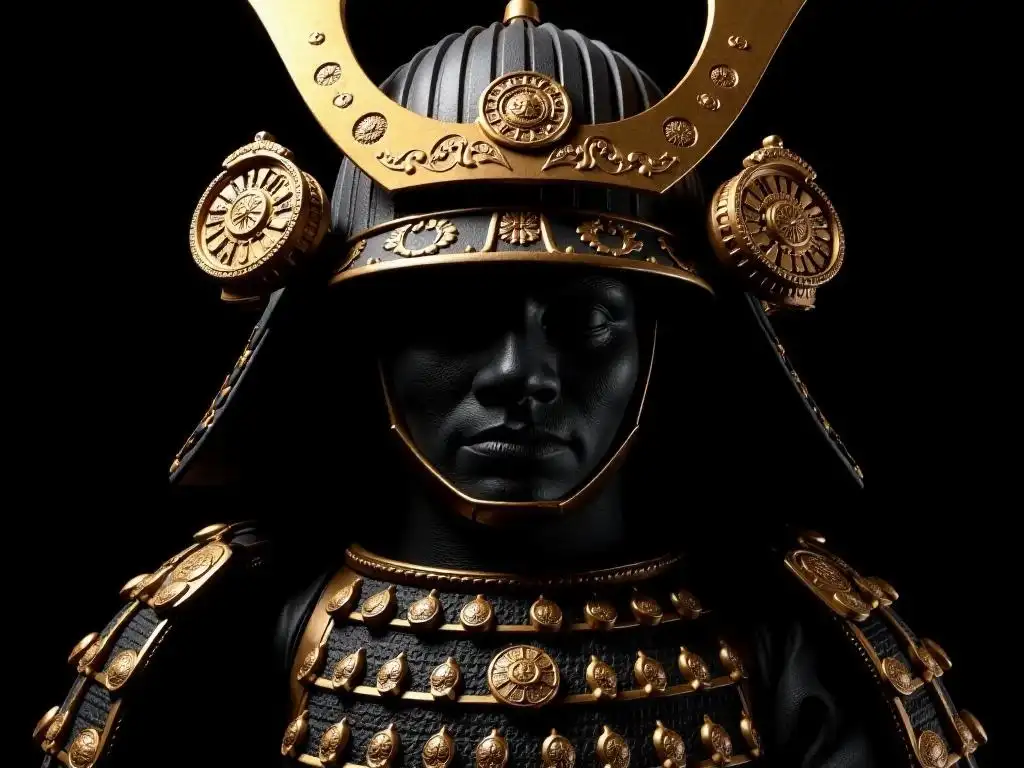
Kote, the armored sleeves of a samurai's armor, serve both practical and symbolic purposes that reflect the samurai's identity and values. Traditionally made from a combination of materials, including iron and leather, kote offer protection to the forearms while allowing for flexibility and movement during battle. This duality of function—protection and mobility—highlights the samurai's need to be both a warrior and a tactician.
Symbolically, the kote represent the extension of the samurai’s will and strength. The way they are designed, often featuring intricate patterns and colors, indicates the samurai's clan affiliation and status. For instance, a beautifully crafted pair of kote adorned with family crests could symbolize the honor and legacy of the samurai's lineage, signifying pride in one’s heritage.
Additionally, the materials used in the construction of kote can convey deeper meanings. For example, the choice of leather might indicate a connection to nature, reflecting the samurai's harmony with the environment. The layering of materials in the armor can also symbolize the complexity of the samurai's role in society—fierce on the battlefield yet bound by duty and honor.
Haori (Jacket): The Identity of the Samurai
The haori, a traditional jacket worn over the armor, plays a significant role in defining the identity of the samurai. Unlike other components of the armor, the haori is often made from fabric that showcases elaborate designs, colors, and clan motifs. This vivid representation of artistry serves not only as a protective layer but also as a canvas for the samurai’s personal expression and social status.
Symbolically, the haori represents the samurai's individuality and their commitment to their values. The choice of colors and patterns can reflect a wide array of meanings—from courage and loyalty to tranquility and wisdom. For instance, a haori in deep blue might symbolize calmness under pressure, while red could represent valor and strength in battle.
Moreover, the haori serves as a reminder of the samurai’s role as a leader and protector. When worn during ceremonies or peaceful gatherings, it signifies the samurai’s readiness to uphold peace and justice. This duality of the haori—serving both as part of the battle gear and a symbol of social identity—embodies the essence of the samurai, who navigates the complexities of warfare and diplomacy with grace and honor.
Each piece of samurai armor, including the kote and haori, is imbued with rich symbolism, reflecting the values, identity, and heritage of the samurai in feudal Japan.
Cultural Significance: The Broader Context of Samurai Armor
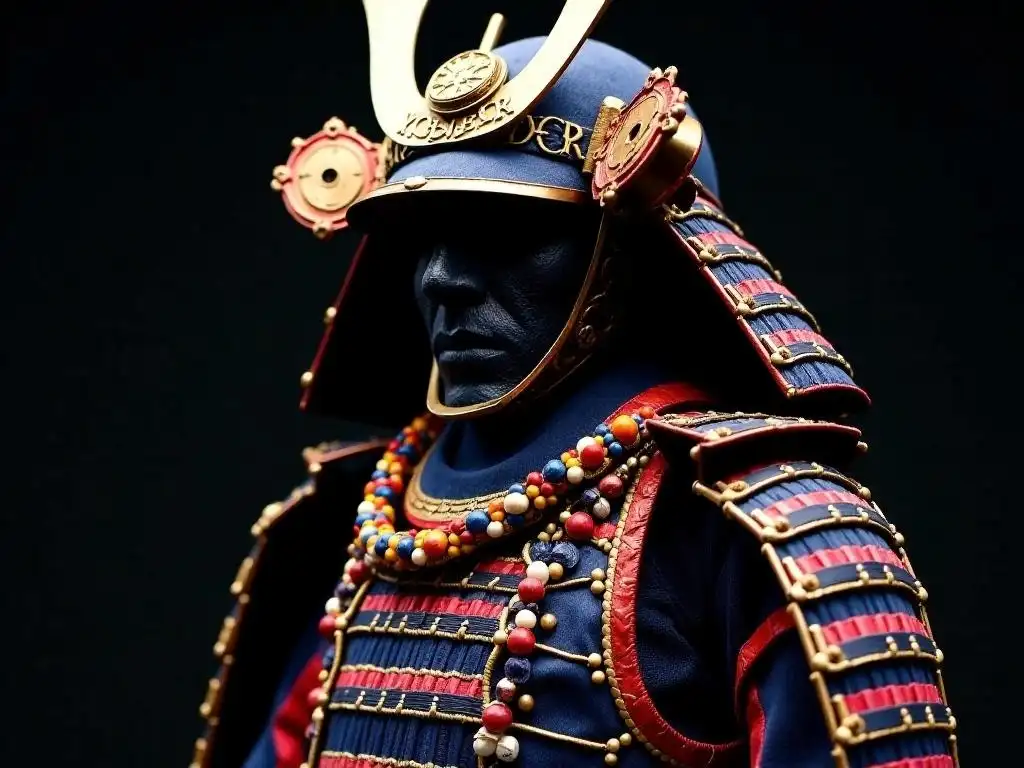
The symbolism of samurai armor extends beyond mere protection in battle; it embodies the values, beliefs, and cultural identity of the samurai class during Japan's feudal era. Understanding this broader context allows us to appreciate the intricate designs and materials that define each piece of armor.
Samurai armor was not only a practical necessity but also a status symbol, representing the warrior's rank and lineage. The craftsmanship involved in creating armor was meticulous, with artisans dedicating years to mastering their skills. Each armor set was often personalized, incorporating family crests (mon) and unique embellishments that conveyed the wearer’s social standing and individual identity. This personal touch highlights the deep connection between armor and the samurai's ethos, reflecting loyalty, honor, and the warrior spirit.
Furthermore, armor played a significant role in ceremonial functions, often used in parades and festivals. It represented not just martial prowess but also the samurai's commitment to their lord and society, reinforcing the feudal system's hierarchical structure. The intricate designs often included symbolic motifs, such as dragons and tigers, which were believed to provide protection and embody strength.
The Role of Armor in Samurai Warfare
Samurai armor was specifically designed to enhance agility and mobility in combat, which was crucial in the fluid and often chaotic nature of battlefield engagements. The construction of armor featured a combination of materials, including iron, leather, and silk, allowing for both protection and flexibility. The do (chest armor) was crafted to shield the torso while enabling arm movement, essential for wielding weapons effectively.
The kabuto (helmet) often included a decorative crest, which served both practical and symbolic purposes. Practically, it offered additional protection, while symbolically, it indicated the warrior's identity and status. For example, the distinctive maedate (forecrest) was a prominent feature that could intimidate opponents.
In battle, the color and style of armor could signify the samurai's clan and allegiance. Brightly colored armors were often reserved for high-ranking samurai, while darker hues were associated with stealth and guerrilla tactics. Each piece of armor thus served not only to protect but also to convey messages about the wearer’s role and intentions on the battlefield.
Armor as a Reflection of Personal Values
Beyond its functionality in warfare, samurai armor is a profound reflection of the personal values held by its wearer. The choice of materials, colors, and designs often revealed the samurai's character and beliefs. For instance, some samurai opted for more ornate armor adorned with intricate patterns, signifying a commitment to beauty and aesthetics, while others chose simpler designs that emphasized practicality and humility.
The spiritual aspects of samurai culture also influenced armor design. Many samurai believed that certain motifs could convey protection or bring good fortune. For example, the inclusion of the koi fish symbolized perseverance and strength, while cranes represented longevity and wisdom. Such symbolism was integral to the samurai's identity, intertwining their personal values with their martial gear.
Moreover, the practice of maintaining and caring for armor was considered a form of discipline and respect. Regular polishing and repairs were not merely practical tasks; they were rituals that reinforced the samurai’s dedication to their craft and honor. This relationship between the samurai and their armor illustrates a deep cultural significance, highlighting how every piece worn was a testament to their values and commitment to their way of life.
The symbolism of samurai armor encompasses a rich tapestry of cultural, personal, and spiritual meanings. Each piece is a representation of the samurai's identity, reflecting their role in society and their internal values. Understanding these layers of significance enhances our appreciation for the art of samurai armor, especially when considering modern replicas for display that aim to honor this profound heritage.
The Legacy of Samurai Armor in Modern Times
The legacy of samurai armor extends far beyond the feudal era of Japan. In modern times, it serves as a powerful symbol of Japan's rich history, showcasing the craftsmanship and artistry that defined samurai culture. The intricate designs, materials, and functions of armor pieces reflect not only the martial prowess of the samurai but also their philosophical and spiritual beliefs.
Today, samurai armor is celebrated in various forms, including exhibitions, films, and literature, where it is often depicted as a representation of honor, loyalty, and the warrior spirit. Collectors and enthusiasts around the world seek out authentic replicas and original pieces, valuing them not just as artifacts but as cultural treasures that connect them to Japan's storied past.
The appreciation for samurai armor has led to a burgeoning market for high-quality reproductions, allowing individuals to own a piece of this historical legacy. These replicas are often crafted with meticulous attention to detail, ensuring that they accurately reflect the designs and materials used in the original armors, thus preserving the artistry and significance of the samurai's protective gear.
Collecting Samurai Armor Replicas: A Cultural Connection
Collecting samurai armor replicas has become a popular hobby for many enthusiasts, providing a tangible connection to Japan's feudal history. This practice goes beyond mere acquisition; it embodies a profound appreciation for the cultural and historical significance of these pieces. Here are some key aspects of this growing trend:
- Cultural Appreciation: Collectors often engage deeply with the history and symbolism of samurai armor, learning about the various styles and their meanings. This fosters a greater understanding of Japanese culture and the values embodied by the samurai.
- Artistic Value: Samurai armor is not only functional but also an art form. The craftsmanship involved in creating these pieces, from the intricate lacing to the decorative elements, draws collectors who appreciate the aesthetic beauty.
- Community Building: Collectors often form communities, sharing knowledge and insights about their collections. Events such as exhibitions or conventions provide opportunities for enthusiasts to connect, exchange ideas, and celebrate their shared passion.
- Educational Opportunities: Many collectors find ways to educate others about the significance of samurai armor, hosting workshops or talks that delve into the history, craftsmanship, and symbolism of these artifacts.
- Investment Potential: As the market for samurai armor replicas grows, some collectors view their acquisitions as potential investments. Rare pieces or high-quality replicas can appreciate over time, making them not only culturally significant but also financially rewarding.
The Symbolism of Samurai Armor in Contemporary Culture
The symbolism of samurai armor continues to resonate in contemporary culture, influencing various aspects of art, fashion, and media. The armor's enduring legacy can be attributed to several factors:
- Representation of Honor and Discipline: Samurai armor is often viewed as a symbol of the values upheld by the samurai class, including honor, loyalty, and discipline. These principles are still revered in modern Japanese society and are reflected in various cultural expressions.
- Inspiration in Media: Films, anime, and video games frequently draw on the imagery of samurai armor to convey themes of heroism and honor. This portrayal has helped maintain the armor's relevance, introducing it to new audiences and generations.
- Fashion Influence: The aesthetic elements of samurai armor have influenced contemporary fashion designers, who incorporate its shapes and motifs into their creations. This fusion of traditional and modern styles highlights the armor's artistic value and cultural significance.
- Symbol of Resilience: In a broader sense, samurai armor represents resilience and strength in the face of adversity. This symbolism resonates with many individuals today, who see the armor as a metaphor for overcoming challenges and embodying courage.
- Cultural Heritage: The ongoing fascination with samurai armor reflects a broader interest in preserving cultural heritage. Collectors, historians, and enthusiasts work together to keep the stories and meanings associated with these pieces alive, ensuring that future generations can appreciate their significance.
The symbolism of samurai armor remains vibrant in contemporary culture, bridging the past and present while fostering a deeper understanding of Japan's historical identity. Through collecting, artistic expression, and media representation, the legacy of samurai armor continues to thrive, captivating hearts and minds around the world.
Frequently Asked Questions
What is the significance of Samurai armor in feudal Japan?
The symbolism of Samurai armor goes beyond protection; it represents status, honor, and identity within the warrior class.
What are the main components of Samurai armor?
Samurai armor consists of various pieces, including the kabuto (helmet), dō (breastplate), and sode (shoulder guards), each with its own symbolic meaning related to the samurai's role.
The design and embellishments of Samurai armor varied significantly, with more ornate armor signifying higher rank and greater prestige among the samurai.
Can you explain the cultural significance of the colors used in Samurai armor?
Colors in Samurai armor often held specific meanings; for example, red symbolized courage and black represented strength, reinforcing the warrior's character and values.
How does the symbolism of Samurai armor influence modern Japanese culture?
The symbolism of Samurai armor continues to inspire contemporary Japanese art, fashion, and media, reflecting the enduring legacy of the samurai ethos and their cultural significance.
Final Reflection: The Enduring Legacy of Samurai Armor Symbolism
The symbolism of samurai armor transcends mere historical significance; it embodies the values of honor, courage, and identity that resonate deeply in today's world. As we navigate a society that often grapples with questions of purpose and belonging, the intricate meanings behind each piece of samurai armor remind us of the importance of our own values and the legacies we choose to uphold. The armor serves not only as a protective shell but also as a powerful representation of the warrior's spirit, urging us to reflect on what we stand for in our own lives.
Cultural artifacts like samurai armor continue to shape our understanding of identity and resilience in contemporary society. The intricate designs and symbolic elements of each armor piece offer a glimpse into the samurai's unwavering commitment to their code of ethics, which remains relevant as we face our own battles today. As the philosopher Joseph Campbell once said, "> The cave you fear to enter holds the treasure you seek." This quote encapsulates the essence of the samurai's journey, reminding us that confronting our fears and embracing our values can lead to profound personal growth and understanding.
As you reflect on the symbolism of samurai armor, consider how these lessons can be applied in your own life. What values do you hold dear, and how do they shape your identity? Embrace the spirit of the samurai by cultivating courage, honor, and resilience in your daily actions.
Let the rich symbolism of this ancient armor inspire you to forge your own path, one that reflects your unique values and aspirations. The legacy of the samurai is not just a relic of the past; it is a call to action for all of us to embody the principles that define who we are and who we aspire to be.
Unveil the Legacy: Connect with the Spirit of Samurai Armor!
Thank you for exploring the fascinating world of samurai armor with us! You've gained valuable insights into the rich symbolism behind each piece—now it's time to take this knowledge further.
Here’s how you can deepen your connection to this remarkable heritage:
- Dive Deeper: Explore our extensive collection of resources on samurai culture to enhance your understanding of their traditions.
- Share Your Thoughts: Join discussions with fellow history enthusiasts on our forum—share your insights or pose questions about samurai armor!
- Experience History: Visit a local museum exhibition focusing on Japanese feudal history or participate in reenactments to truly feel the spirit of the samurai.
What aspect of samurai armor resonated most with you, and how will you incorporate this newfound knowledge into your appreciation of history?