
Unveiling the Secrets: How Authentic Samurai Armor Replicas are Made

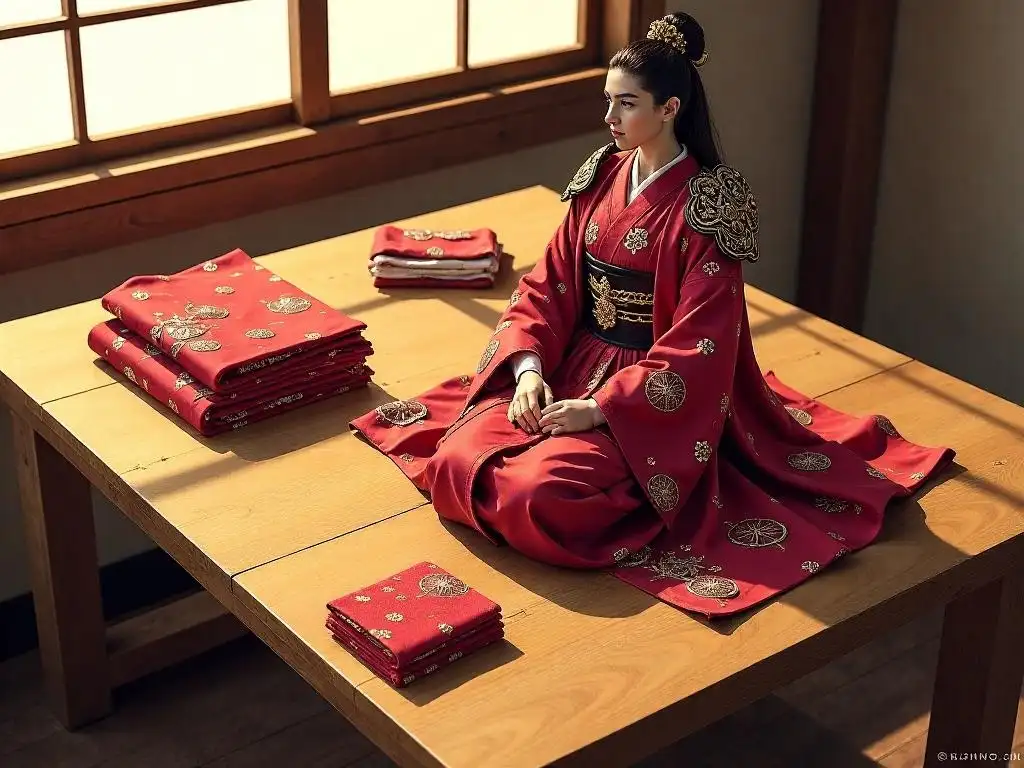
Welcome to Feudal Japan History, where we invite you to embark on a captivating journey through the rich tapestry of Japan's feudal era. Here, you'll uncover the intricate details of a time long past, exploring its historical, cultural, and societal dimensions. In our featured article, "Unveiling the Secrets: How Authentic Samurai Armor Replicas are Made," we delve into the artistry and craftsmanship behind these stunning cultural products.
What goes into creating a piece of history that can transport you back to the age of samurai? Join us as we reveal the secrets and inspire your curiosity to learn more about this fascinating aspect of Japan's heritage.
The allure of samurai armor transcends mere aesthetics; it embodies a rich tapestry of Japan's feudal history, cultural significance, and the warrior ethos that defined an era. As collectors and enthusiasts seek to bring a piece of this heritage into their homes, the demand for authentic samurai armor replicas has surged. These replicas not only serve as stunning display pieces but also as educational tools that offer insights into the craftsmanship and traditions of the samurai. Understanding how these replicas are made sheds light on the intricate artistry involved and the historical context that informs their design.
Introduction to Authentic Samurai Armor Replicas
Authentic samurai armor replicas are meticulously crafted to mirror the intricacies of original pieces, often utilizing traditional techniques that reflect centuries of craftsmanship. Each replica is a labor of love, designed to captivate those who appreciate the artistry and history behind samurai culture. The process involves skilled artisans who pay careful attention to detail, ensuring that every element—from the lacquered surfaces to the intricate stitching—replicates the historical accuracy of the original armor.
The significance of these replicas extends beyond mere decoration. They serve as tangible connections to Japan's past, allowing individuals to engage with the history of the samurai in a personal way. Whether displayed in homes, museums, or cultural exhibitions, these pieces invite admiration and contemplation of the values that the samurai upheld: honor, bravery, and loyalty.
The Historical Context of Samurai Armor
To fully appreciate the intricacies of samurai armor replicas, one must first understand the historical context in which they were created. Samurai armor, known as yoroi, was not only designed for protection in battle but also symbolized the status and identity of the warrior. Its evolution reflects the changes in warfare, technology, and aesthetics over the centuries:
- Heian Period (794-1185): Early armor was relatively simple, focusing on mobility and protection. The use of leather and iron began to emerge.
- Kamakura Period (1185-1333): The introduction of more complex designs, including the iconic kabuto (helmet) and dō (chest armor), marked a significant advancement in both functionality and artistry.
- Muromachi Period (1336-1573): Armor became more ornate, with elaborate lacquer work and intricate family crests, reflecting the samurai's pride and lineage.
- Edo Period (1603-1868): With peace prevailing, armor transitioned from functional battle gear to ceremonial and display pieces, emphasizing artistry over practicality.
Understanding these historical milestones is crucial for anyone interested in acquiring authentic samurai armor replicas, as each piece tells a story of its time, echoing the values and skills of the warriors who wore them.
Materials Used in Authentic Samurai Armor Replicas
Creating authentic samurai armor replicas requires a deep understanding of the materials that were traditionally used in the construction of real armor. These materials not only contribute to the authenticity of the replica but also to its durability and aesthetic appeal.
- Iron and Steel: Historically, samurai armor was primarily made from iron and steel plates. For replicas, high-quality steel is often used to mimic the look and feel of traditional armor. The use of modern alloys ensures that the replicas are lightweight yet strong, providing a balance between authenticity and usability.
- Leather: Leather played a crucial role in the construction of samurai armor, used for both protective and decorative purposes. In modern replicas, genuine leather is often sourced to replicate the intricate lacing and straps that were typical of original designs. This not only enhances the visual appeal but also adds an element of historical accuracy.
- Lacquer: Traditional samurai armor was often coated with lacquer to protect it from the elements and to provide a beautiful finish. Authentic replicas use similar lacquer techniques, employing natural resins and pigments to achieve the deep, rich colors that were characteristic of the era.
- Textiles: Fabric components, such as silk or cotton, were used for the undergarments and some decorative elements of samurai armor. Replicas often incorporate high-quality fabrics that reflect the intricate patterns and designs of the original garments, ensuring a faithful representation.
- Wood: While not as prevalent as metal, wood was used in certain structural parts of the armor. For replicas, sturdy wood can be utilized for components like the helmet (kabuto) or the armor's internal framework, providing both authenticity and structural integrity.
The Crafting Process of Samurai Armor Replicas
The crafting of authentic samurai armor replicas is an intricate process that combines traditional craftsmanship with modern techniques. Each stage is essential in ensuring that the final product not only looks authentic but also embodies the spirit of the samurai warrior.
Step 1: Design and Planning
The first step in creating an authentic samurai armor replica involves extensive research and design. Craftsmen study historical references, including original armor pieces, paintings, and texts to understand the specific styles and features of the armor they wish to replicate. This research phase includes:
- Sketching Designs: Artisans create detailed sketches that outline the armor's structure, including the arrangement of plates and decorative elements.
- Selecting Materials: Based on the design, suitable materials are selected, considering factors such as durability, weight, and authenticity.
- Prototyping: Some craftsmen may create small-scale prototypes or models to visualize the final product and make adjustments before beginning the full-scale construction.
Step 2: Metalworking Techniques
Once the design is finalized, the next phase involves advanced metalworking techniques. This step is critical, as the quality of the metalwork significantly influences the authenticity and durability of the armor. Key techniques include:
- Forging: Skilled artisans forge metal plates using traditional hammering methods, often employing techniques passed down through generations. This process shapes the metal into the desired forms while maintaining its strength.
- Quenching and Tempering: To enhance the durability of the metal, the plates are often quenched in water or oil after heating. This process hardens the metal and helps create the resilience needed for armor.
- Finishing: After shaping, the metal surfaces are polished and treated with lacquer to achieve the characteristic shine and protection against corrosion.
Step 3: Assembly of Armor Components
The final step in crafting an authentic samurai armor replica is the assembly of the various components. This stage requires precision and attention to detail to ensure that each part fits seamlessly together. The assembly process typically includes:
- Connecting Plates: Individual metal plates are carefully aligned and connected using leather or textile laces. This method was not only functional but also allowed for flexibility and comfort.
- Attaching Accessories: Decorative elements, such as family crests or intricate designs, are added at this stage. Craftsmen often use traditional stitching techniques to secure these embellishments.
- Final Adjustments: Once assembled, the armor is tested for fit and comfort. Adjustments are made to ensure that the replica mirrors the original's functionality and style, allowing it to be displayed proudly as a piece of cultural heritage.
Through these meticulous steps, artisans are able to create authentic samurai armor replicas that serve not only as stunning display pieces but also as representations of Japan's rich feudal history.
The Art of Detailing and Finishing
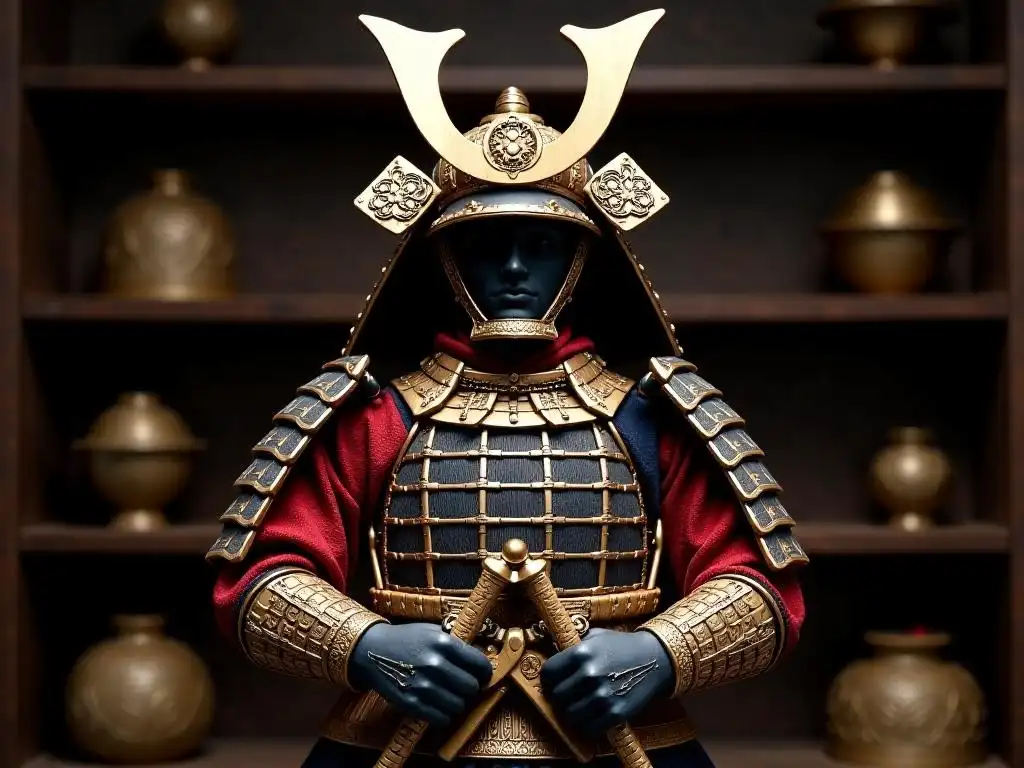
Creating authentic Samurai armor replicas is an intricate process that emphasizes the art of detailing and finishing. Every piece of armor, from the kabuto (helmet) to the do (chest armor), is crafted with meticulous attention to detail, ensuring that each replica reflects the historical accuracy of its original counterpart.
Materials and Techniques
The materials used in the construction of these replicas often include high-quality metals, leather, and fabric, chosen for their authenticity and durability. Artisans employ traditional techniques such as lacquer application, which not only protects the armor but also adds a rich finish that replicates the appearance of historical pieces. The use of natural dyes for coloring and intricate stitching methods further enhances the visual appeal.
Hand-Sculpted Elements
Each replica may also feature hand-sculpted elements, such as the decorative motifs found on the armor. These motifs often hold cultural significance and are inspired by historical designs. Artisans may utilize tools like chisels and hammers to create unique textures and patterns, making each piece a work of art in its own right.
Final Touches
The finishing stage is crucial, as it involves polishing and inspecting each piece to ensure it meets strict quality standards. This attention to detail not only ensures aesthetic appeal but also reflects the craftsmanship that defines authentic Samurai armor. The result is an armor replica that not only looks stunning but is also a testament to the skills and dedication of the artisans behind its creation.
Authentic vs. Mass-Produced Replicas
When exploring the world of Samurai armor replicas, it's essential to understand the distinction between authentic and mass-produced versions. This difference significantly impacts both the quality and value of the pieces.
Characteristics of Authentic Replicas
Authentic Samurai armor replicas are often handcrafted by skilled artisans who specialize in traditional techniques. These replicas are made using quality materials that closely resemble those used in historical pieces. Each armor set is often customizable, allowing for a level of personalization that reflects the preferences of collectors and enthusiasts. The craftsmanship involved ensures that these replicas are not only visually appealing but also serve as a historical representation of Samurai culture.
The Drawbacks of Mass-Produced Replicas
In contrast, mass-produced replicas are typically manufactured in large quantities, often using cheaper materials and standardized designs. While they may be more affordable and readily available, these replicas lack the intricate detailing and craftsmanship found in authentic versions. Consequently, mass-produced armors may not hold their value over time and often do not provide the same level of historical accuracy.
Choosing Wisely
For collectors and enthusiasts, the choice between authentic and mass-produced replicas should be informed by personal preferences, intended use, and budget. Investing in authentic replicas not only supports traditional craftsmanship but also enriches one’s understanding of Samurai history and culture, making it a worthwhile endeavor for serious collectors.
Displaying Your Authentic Samurai Armor Replica
Once you've acquired an authentic Samurai armor replica, the next step is to figure out how best to display it. Proper display not only showcases the beauty of the armor but also honors its historical significance.
Ideal Display Locations
Choosing the right location is crucial. Consider areas with ample space and good lighting to highlight the intricate details of the armor. Displaying the armor in a dedicated showcase or on a stand can elevate its visual impact. Ensure that the display area is away from direct sunlight to prevent fading and deterioration of the materials.
Display Techniques
To enhance the presentation of your Samurai armor replica, consider using a combination of stands and backdrops. A simple pedestal can elevate the armor, while a traditional Japanese screen or fabric backdrop can add context and aesthetic appeal. Arranging accessories, such as a replica katana or traditional Japanese art, alongside the armor can create a cohesive display that tells a story.
Maintenance Tips
Regular maintenance is key to preserving the quality of your armor. Dusting the piece gently with a soft cloth can help maintain its appearance. If the armor is lacquered, periodic polishing with appropriate products can help maintain its shine. Avoiding excessive moisture and ensuring a stable environment will protect the integrity of the materials over time.
Displaying an authentic Samurai armor replica is not just about aesthetics; it’s about creating a connection to the rich history and culture of Japan’s feudal era. By carefully considering how and where to display your armor, you can create a stunning tribute to the artistry and craftsmanship of the Samurai tradition.
Conclusion: The Allure of Authentic Samurai Armor Replicas
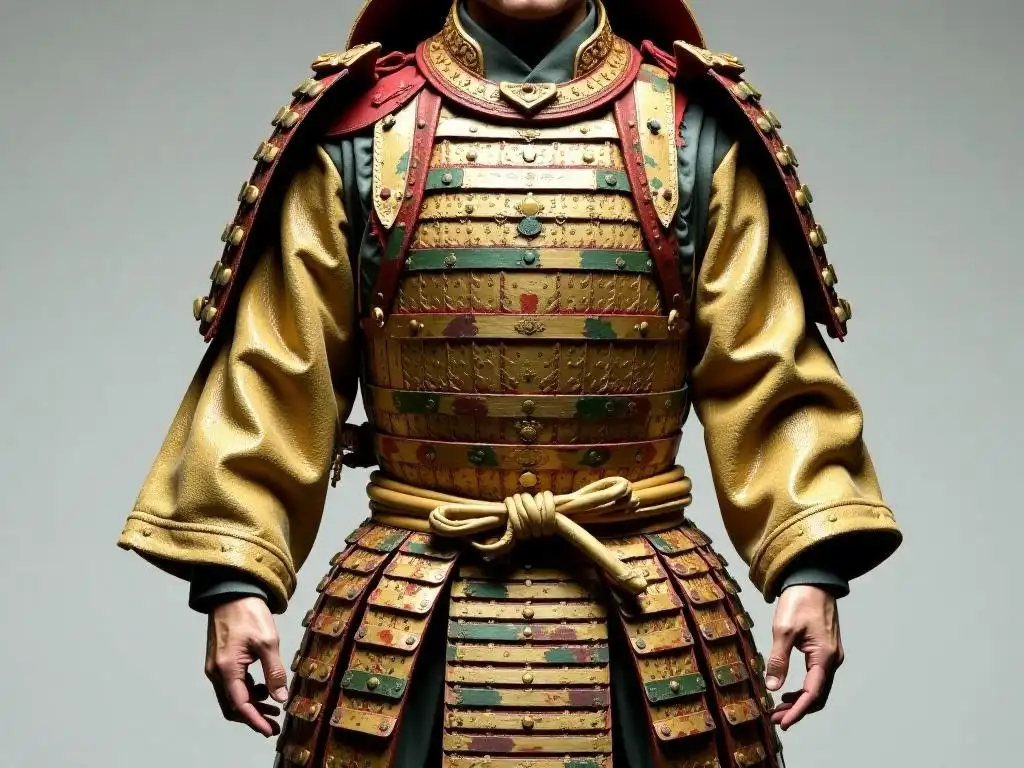
The fascination with authentic samurai armor replicas transcends mere aesthetics; it encapsulates a deep respect for Japanese history and the warrior ethos that samurai embodied. Collectors and enthusiasts are drawn to the intricate craftsmanship, the rich symbolism, and the cultural significance that these replicas represent. Each piece tells a story, reflecting the artistry and technological advancements of its time. The allure lies not only in their visual appeal but also in their embodiment of a storied past, allowing admirers to connect with a heritage that is both noble and complex.
Moreover, the meticulous attention to detail in creating these replicas ensures that they are not just decorative items but also educational tools. They serve as a tangible connection to the feudal era, inviting exploration and appreciation of Japan's rich cultural tapestry. As more individuals seek to understand and preserve this aspect of history, the demand for authentic samurai armor replicas continues to grow, cementing their status as cherished collectibles.
Recommended Products for Samurai Armor Enthusiasts
For those looking to enhance their collection or start their journey into the world of samurai armor replicas, here are some recommended products that stand out for their craftsmanship and authenticity:
| Product Name | Description | Price Range |
|---|---|---|
| Full-Size Samurai Armor Replica | An intricately crafted full-size replica showcasing traditional materials and techniques. | $1,500 - $3,000 |
| Samurai Helmet (Kabuto) | A stunning replica of the iconic samurai helmet, featuring ornate designs and craftsmanship. | $300 - $800 |
| Display Stand for Armor | A high-quality stand designed to elegantly display your armor while preserving its integrity. | $100 - $250 |
| Miniature Samurai Armor Set | A collectible miniature set that captures the essence of samurai armor in a smaller scale. | $50 - $150 |
| Samurai Armor Books | In-depth literature on the history, styles, and craftsmanship of samurai armor. | $20 - $60 |
These products not only enhance any display but also serve as educational resources that deepen the understanding of samurai culture.
Final Thoughts on Collecting Authentic Samurai Armor Replicas
Collecting authentic samurai armor replicas is more than just a hobby; it is a passion that fosters a greater appreciation for Japanese heritage and history. Each piece serves as a portal to a bygone era, allowing collectors to engage with the stories of honor, bravery, and artistry that characterize the samurai class.
As collectors embark on their journey, it is essential to focus on authenticity, craftsmanship, and the historical context of each item. Engaging with reputable artisans or stores that specialize in cultural products can ensure that collectors acquire pieces that uphold the integrity of samurai heritage. Ultimately, whether for display, education, or personal connection, the pursuit of authentic samurai armor replicas offers a rewarding experience that enriches both the collector and the wider community interested in Japan’s feudal past.
- Introduction to Authentic Samurai Armor Replicas
- The Historical Context of Samurai Armor
- Materials Used in Authentic Samurai Armor Replicas
- The Crafting Process of Samurai Armor Replicas
- The Art of Detailing and Finishing
- Authentic vs. Mass-Produced Replicas
- Displaying Your Authentic Samurai Armor Replica
- Conclusion: The Allure of Authentic Samurai Armor Replicas
- Recommended Products for Samurai Armor Enthusiasts
- Final Thoughts on Collecting Authentic Samurai Armor Replicas
Frequently Asked Questions
What are Authentic Samurai Armor Replicas made of?
Authentic Samurai Armor Replicas are often crafted using traditional materials such as iron, leather, and silk. These materials help to replicate the aesthetic and functionality of the original armor.
How can I differentiate between authentic and non-authentic replicas?
To differentiate between authentic and non-authentic replicas, look for craftsmanship quality and materials used. Genuine replicas often feature intricate detailing and historically accurate components.
Where can I purchase Authentic Samurai Armor Replicas?
You can purchase Authentic Samurai Armor Replicas from specialized historical reenactment shops, online retailers, or artisan workshops that focus on Japanese historical artifacts.
Are Authentic Samurai Armor Replicas suitable for display or use?
Yes, many Authentic Samurai Armor Replicas are designed for display purposes, but some are also made for practical use in reenactments or martial arts, ensuring they maintain their durability and aesthetic appeal.
How do I care for my Samurai Armor Replica?
To care for your Samurai Armor Replica, keep it in a dry, cool place, avoid exposure to direct sunlight, and occasionally dust it with a soft cloth to maintain its appearance and prevent deterioration.
Final Reflection: The Timeless Craft of Authentic Samurai Armor Replicas
In a world increasingly driven by mass production and digital experiences, the creation of authentic samurai armor replicas serves as a powerful reminder of the value of craftsmanship and tradition. These replicas not only connect us to the rich history of the samurai but also highlight the artistry and skill involved in their creation. As we navigate a fast-paced society, the appreciation for such intricate work becomes more significant, urging us to pause and reflect on the stories and techniques that have stood the test of time.
The influence of samurai culture and its artifacts continues to resonate deeply within our modern cultural landscape. The meticulous process of crafting authentic samurai armor replicas not only preserves history but also inspires contemporary artisans and enthusiasts alike. As we witness a resurgence of interest in traditional crafts, we are reminded of the words of renowned artist Yoshitomo Nara: Art is a way of life, and it is a way of connecting with the past.
This connection fosters a deeper understanding of our heritage and encourages us to cherish the skills that have been passed down through generations.
As you reflect on the art of creating authentic samurai armor replicas, consider how this knowledge can influence your own life. Embrace the lessons of patience, dedication, and respect for tradition in your pursuits. Whether you are an artist, a collector, or simply a lover of history, let the spirit of the samurai inspire you to honor craftsmanship in your daily life. Take a moment to appreciate the stories behind the objects around you, and allow that appreciation to guide your actions and choices moving forward.
Discover Your Inner Warrior: Craft Your Own Samurai Armor Replica!
Thank you for taking the time to explore the fascinating world of samurai armor replicas! We hope you have gained valuable insights into the craftsmanship and history behind these incredible artifacts. Now it’s your turn to take action and immerse yourself in this captivating journey!
Here are some exciting steps you can take right now:
- Start your crafting journey by gathering materials and attempting to create a simple piece of armor. Look for beginner-friendly tutorials online to guide you through the process.
- Join a community of enthusiasts by exploring forums or social media groups dedicated to historical crafting and feudal Japan. Share your progress and connect with others who share your passion!
- Visit a museum or local exhibit featuring samurai armor to witness the intricacies of their design firsthand. Document your experience and reflect on what you learn.
What aspect of samurai culture inspires you the most, and how will you channel that energy into your own projects?