
The Fascinating World of Samurai Armor Replicas: An InDepth Exploration

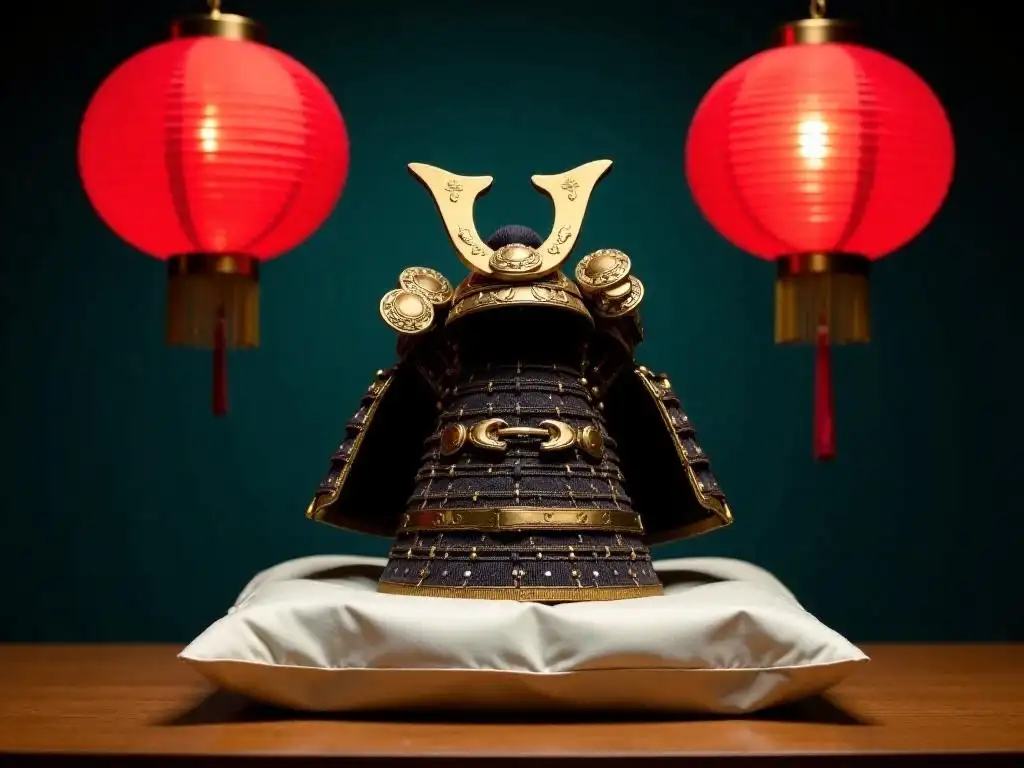
Welcome to Feudal Japan History, your gateway to the intriguing tapestry of Japan’s feudal era. Here, we invite you to embark on a journey through time, unraveling the rich historical, cultural, and societal aspects that shaped a nation. Our featured article, "The Fascinating World of Samurai Armor Replicas: An In-Depth Exploration," delves into the intricate details of samurai armor replica history, shedding light on the artistry and craftsmanship that continues to captivate enthusiasts today.
Prepare to be captivated as you discover the stories behind these remarkable artifacts and what they reveal about the warriors who once donned them. Explore further to unlock the secrets of this remarkable era!
- Introduction to Samurai Armor Replica History
- The Historical Context of Samurai Armor
- The Craftsmanship Behind Samurai Armor Replicas
- Types of Samurai Armor Replicas Available
- Cultural Impact of Samurai Armor Replicas Today
- Buying Guide for Samurai Armor Replicas
- Maintaining Your Samurai Armor Replicas
- Common Misconceptions About Samurai Armor Replicas
- Conclusion: The Lasting Legacy of Samurai Armor Replicas
- Additional Resources on Samurai Armor Replica History
- Frequently Asked Questions
- Final Reflection: The Enduring Legacy of Samurai Armor Replicas
- Unveil Your Samurai Journey Today!
Introduction to Samurai Armor Replica History
The fascinating world of samurai armor replicas offers a unique glimpse into the rich tapestry of Japan's feudal era. These replicas are not merely decorative items; they are intricate representations of a time when samurai warriors were the epitome of honor, skill, and loyalty. Understanding the history behind these replicas involves delving into the cultural significance of samurai armor and the evolution of these artworks over time.
This exploration is essential for enthusiasts and collectors alike, providing insights into both the craftsmanship involved and the historical context from which these pieces arise. From their origins to their modern interpretations, the journey of samurai armor replicas is steeped in tradition and artistry, reflecting the enduring legacy of the samurai in Japanese culture.
Understanding the Cultural Significance of Samurai Armor
Samurai armor, known as "yoroi," was not just functional; it was also a symbol of status and identity. The design, materials, and embellishments of each suit of armor conveyed the warrior’s rank, clan affiliation, and personal style. Here are some key points regarding the cultural significance of samurai armor:
- Symbol of Honor and Nobility: Armor represented the samurai’s commitment to bushido, the way of the warrior, emphasizing virtues such as loyalty, courage, and honor.
- Artistic Expression: Each piece of armor was crafted with meticulous attention to detail, often adorned with intricate designs that reflected the aesthetic values of the time.
- Ceremonial Importance: Beyond the battlefield, samurai armor was used in ceremonies and festivals, showcasing the martial traditions and values of the samurai class.
- Educational Tools: Modern replicas serve as educational tools, helping to preserve and share the history and cultural significance of the samurai with future generations.
Overview of the Evolution of Samurai Armor Replicas
The evolution of samurai armor replicas can be traced through several key phases, reflecting changes in technology, aesthetics, and the cultural landscape of Japan.
- Historical Replicas:
- Early replicas were often created by artisans who aimed to faithfully reproduce the designs of authentic armor, preserving the historical accuracy of the original pieces.
- Modern Interpretations:
- As interest in samurai culture grew, especially during the Meiji Restoration and in contemporary times, replicas began to incorporate modern materials and techniques while still honoring traditional designs.
- Artisan Craftsmanship:
- Today, skilled craftsmen utilize both traditional methods and modern technology, creating replicas that appeal to collectors and enthusiasts. The craftsmanship often involves intricate handwork that highlights the artistry of samurai armor.
- Cultural Preservation:
- Replicas play a vital role in cultural preservation, serving as tangible connections to Japan's feudal past, allowing individuals to appreciate and understand the history and artistry of samurai armor.
Through this exploration, we uncover the rich narrative surrounding samurai armor replicas, illuminating their role in both historical context and contemporary culture. As we continue this journey, we will delve deeper into the craftsmanship, styles, and significance of these remarkable artifacts.
The Historical Context of Samurai Armor

The history of samurai armor is deeply intertwined with the feudal era of Japan, a time marked by social hierarchy, warfare, and the code of bushido. The evolution of samurai armor reflects not only advancements in military tactics but also the cultural significance of the samurai class. To understand the intricate designs and materials used in these armor replicas, it is essential to explore their origins and the societal role they played throughout history.
Origins of Samurai Armor in Feudal Japan
The origins of samurai armor can be traced back to the Heian period (794-1185), when Japanese warriors began to adopt a more structured form of military attire. Early armor was primarily influenced by Chinese and Korean designs, featuring wooden and leather components. However, as warfare evolved, so did the armor.
By the Kamakura period (1185-1333), the need for more protective gear became apparent due to the rise of mounted warfare. This led to the development of the ō-yoroi style, characterized by:
- Layered plates: These plates were constructed from iron or leather, allowing flexibility while providing substantial protection.
- Lacquer coatings: The armor was often adorned with vibrant lacquer, not only for aesthetics but also to prevent rusting.
- Horo: A feature that included a long, flowing skirt made of silk or cloth, providing additional protection to the legs.
As samurai culture matured during the Muromachi period (1336-1573), armor designs became more intricate, reflecting the individuality and status of the samurai. The introduction of the sode (shoulder guards) and kabuto (helmets) further enhanced both protection and symbolism.
Key Features of Traditional Samurai Armor
Traditional samurai armor is a testament to the craftsmanship and ingenuity of Japanese artisans. The design and materials used in samurai armor are essential components that contribute to its functionality and aesthetic appeal. Some key features include:
- Materials: Samurai armor was typically constructed from a combination of materials such as:
- Iron: For strength and durability.
- Leather: For flexibility and lightweight properties.
- Silk: Used for lacing and decorative elements, showcasing the samurai's status.
- Design Elements: The armor was not only practical but also visually striking. Key design elements included:
- Family Crests (Mon): These symbols represented the samurai's lineage and were prominently displayed.
- Color Schemes: Different colors often signified rank or clan affiliation, with bold colors like red and black being common.
- Construction Techniques: The craftsmanship involved in creating samurai armor was meticulous. Techniques such as:
- Lacing: The intricate lacing of plates allowed for movement while maintaining structural integrity.
- Tempering: Iron plates were tempered to balance hardness and flexibility, ensuring optimal protection during battle.
The Role of Samurai Armor in Warfare and Society
Samurai armor played a crucial role in both warfare and the societal structure of feudal Japan. Its significance extended beyond mere protection in battle, influencing the samurai's identity and status.
- In Warfare: Samurai armor was designed for combat effectiveness. The layers provided resilience against arrows and swords, while the mobility allowed for swift movements on the battlefield. Furthermore, the psychological impact of a well-armored samurai instilled fear in opponents, enhancing the samurai's reputation.
- In Society: The armor also served as a symbol of the samurai's honor and duty. Wearing armor was a rite of passage, signifying the transition from a commoner to a respected warrior. The ornate designs and personal flair reflected the samurai's achievements and lineage.
- Cultural Significance: Beyond the battlefield, samurai armor became an integral part of Japanese culture, influencing art, literature, and even modern-day martial arts. Replicas of samurai armor today serve not only as collectibles but also as educational tools, preserving the rich history and artistry of the samurai era for future generations.
The history of samurai armor replicas is a fascinating exploration of the intersection between functionality, artistry, and cultural identity in feudal Japan. Understanding this history enhances the appreciation for the replicas that are cherished today.
The Craftsmanship Behind Samurai Armor Replicas
The creation of samurai armor replicas is a meticulous process that requires a deep understanding of traditional craftsmanship. Each replica not only serves as a decorative piece but also embodies the rich history and culture of the samurai era.
Materials Used in Making Samurai Armor Replicas
The choice of materials is crucial in the production of samurai armor replicas, as they influence both the aesthetic and historical accuracy of the piece. Here are some of the common materials utilized:
- Steel: This is often used for the armor plates, as it provides durability and a traditional look reminiscent of historical samurai armor.
- Leather: Frequently employed for straps and padding, leather adds a level of comfort and authenticity. Various types of leather, such as cowhide or goatskin, may be used depending on the desired finish.
- Fabric: Traditional fabrics like silk or cotton are used for decorative elements and the cords that hold the armor together. These materials replicate the intricate designs seen in original samurai armor.
- Lacquer: This is applied to armor pieces for both protection and aesthetic appeal. The lacquer helps to preserve the materials, providing a glossy finish that was characteristic of feudal Japanese armor.
The combination of these materials not only creates visually stunning replicas but also ensures that they resonate with the historical significance of samurai armor.
The Art of Replica Creation: Techniques and Processes
The process of creating samurai armor replicas involves several sophisticated techniques that reflect the craftsmanship of the past. Here are the key stages involved in this art:
- Design and Planning:
- Artisans begin by researching historical designs and patterns, ensuring that the replica closely resembles the original armor. This involves studying historical texts, images, and existing artifacts.
- Metalworking:
- Using traditional techniques, artisans forge steel plates, shaping them into the appropriate forms. The process may include:
- Hammering: To create the desired thickness and curvature.
- Quenching: To harden the steel, ensuring durability.
- Using traditional techniques, artisans forge steel plates, shaping them into the appropriate forms. The process may include:
- Assembly:
- The components are meticulously assembled, often using traditional methods such as:
- Lacing: This technique, involving intricate weaving of cords, secures the armor plates together while allowing for flexibility.
- Riveting: Metal pieces may be connected using rivets to enhance structural integrity.
- The components are meticulously assembled, often using traditional methods such as:
- Finishing Touches:
- Finally, artisans apply lacquer to protect the armor and finish the surface, ensuring that the colors and textures reflect historical authenticity.
These processes require a combination of artistic skill and historical knowledge, resulting in replicas that are not only beautiful but also educational.
Comparing Authenticity in Samurai Armor Replicas
When evaluating samurai armor replicas, authenticity is a critical factor that collectors and enthusiasts consider. Here are some aspects to compare:
- Historical Accuracy:
- Authentic replicas are crafted based on extensive research into historical designs. Check if the replica adheres to the styles and materials used during specific periods of the samurai era.
- Craftsmanship Quality:
- The level of craftsmanship can significantly affect the authenticity of a replica. High-quality replicas will feature detailed work, including:
- Intricate lacing patterns
- Accurate paint and lacquer finishes
- The level of craftsmanship can significantly affect the authenticity of a replica. High-quality replicas will feature detailed work, including:
- Material Authenticity:
- While modern replicas may use contemporary materials for practicality, those aiming for authenticity may utilize traditional materials as closely as possible to the originals.
- Provenance:
- Some replicas come with documentation or certification of authenticity, which can enhance their value and appeal. Look for producers who provide insight into their crafting processes and historical research.
By critically assessing these elements, collectors can ensure they acquire samurai armor replicas that not only serve as decorative pieces but also honor the rich history of the samurai tradition.
Types of Samurai Armor Replicas Available
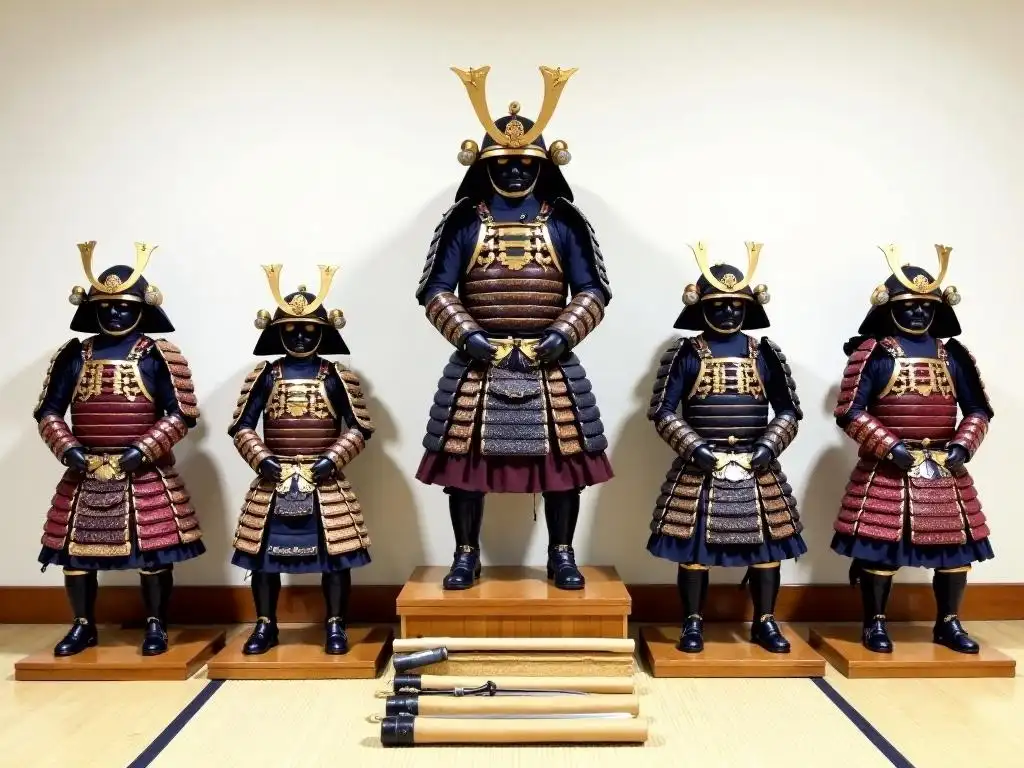
Samurai armor replicas come in various forms, catering to collectors, enthusiasts, and display purposes. Understanding the distinct types of replicas available can enhance appreciation for the craftsmanship and history behind these iconic pieces of Japanese culture. Generally, samurai armor replicas can be categorized into two main types: display-quality replicas and functional replicas.
Display-Quality Samurai Armor Replicas
Display-quality samurai armor replicas are meticulously crafted for aesthetic purposes, making them ideal for showcasing in homes, offices, or museums. These replicas often feature intricate detailing that mirrors historical designs, allowing admirers to appreciate the beauty and artistry of samurai armor.
Features and Benefits of Display Models
- Authentic Design: Display-quality replicas are often made using traditional techniques that reflect the craftsmanship of historical armor. This attention to detail ensures that the replicas closely resemble the original pieces.
- Materials: Common materials used include high-quality metals, lacquered wood, and silk cord. The use of these materials not only enhances the visual appeal but also adds to the authenticity of the replica.
- Size and Scale: Many display models are created to be life-sized or slightly smaller, making them striking centerpieces for any display area.
- Accessibility: For those who may not have the means to acquire genuine antique armor, display-quality replicas provide a more accessible way to own a piece of samurai history.
- Educational Value: These replicas often serve as educational tools, helping to convey the rich history and cultural significance of samurai armor to viewers.
Recommended Brands: Paul Chen, Museum Replicas
- Paul Chen: Known for its high-quality reproductions, Paul Chen's armor replicas are crafted with precision and attention to historical accuracy. Their products are widely recognized among collectors and historians alike for their exceptional quality.
- Museum Replicas: This brand specializes in creating display-quality replicas that are often used in reenactments and educational settings. Their commitment to authenticity and detail makes them a popular choice among enthusiasts.
Functional Samurai Armor Replicas for Collectors
Functional samurai armor replicas are designed not only for display but also for practical use, such as reenactments or martial arts training. These replicas are built to withstand the rigors of active use while retaining the historical characteristics of traditional samurai armor.
Why Collect Functional Replicas?
- Practical Applications: Collectors who are interested in martial arts or historical reenactment may find functional replicas beneficial, as they can be worn and used in practice or performances.
- Durability: Made from robust materials, these replicas are often reinforced to withstand physical activity, making them suitable for collectors who want to engage with their armor beyond mere aesthetic appreciation.
- Connection to History: Wearing functional replicas can create a deeper connection to the historical context of samurai culture, allowing collectors to experience a piece of history in a tangible way.
- Variety of Styles: Functional replicas come in a range of styles, allowing collectors to choose specific periods or types of armor that resonate with their personal interests.
Notable Examples: Cold Steel Samurai Armor, Citadel Samurai Armor
- Cold Steel Samurai Armor: Famous for their durable and functional replicas, Cold Steel offers a range of samurai armor that is both historically inspired and practical. Their products are well-suited for collectors who appreciate both form and function.
- Citadel Samurai Armor: Citadel is renowned for its attention to detail and craftsmanship. Their functional replicas are designed for both display and use, making them a versatile choice for serious collectors and enthusiasts alike.
By understanding the different types of samurai armor replicas, potential buyers can make informed decisions based on their needs—whether for display or functional use—while also appreciating the rich history encapsulated in these remarkable cultural artifacts.
Cultural Impact of Samurai Armor Replicas Today
The Role of Samurai Armor Replicas in Modern Japanese Culture
Samurai armor replicas hold a significant place in modern Japanese culture, serving as symbols of national pride, historical reverence, and artistic craftsmanship. These replicas are not merely decorative pieces; they embody the rich heritage and values of the samurai class, which have transcended centuries.
- Cultural Heritage: Samurai armor reflects the intricate craftsmanship and artistic traditions of Japan. Many artisans in contemporary Japan specialize in creating authentic replicas, using traditional techniques passed down through generations. This dedication to craftsmanship helps preserve the cultural identity associated with the samurai.
- Festivals and Ceremonies: Replicas are often showcased during cultural festivals and traditional ceremonies, where they play a role in reenacting historical events and celebrating samurai heritage. For instance, the annual Kodomo no Hi (Children's Day) features displays of samurai armor to inspire courage and strength in the younger generation.
- Educational Value: Schools and museums incorporate samurai armor replicas into educational programs, providing insights into Japan’s feudal past. These replicas serve as tangible links to history, fostering appreciation among young people for their cultural roots.
Samurai Armor Replicas in Popular Media and Arts
The influence of samurai armor replicas extends into various forms of media and the arts, significantly shaping public perception and interest in Japan's feudal history.
- Film and Television: Samurai armor is a staple in Japanese cinema and television, often depicted in historical dramas ( jidaigeki) and action films. Iconic movies such as Seven Samurai and The Last Samurai showcase the significance of samurai attire, contributing to a resurgence of interest in samurai culture and armor.
- Anime and Manga: The representation of samurai armor in anime and manga has also popularized the aesthetic among younger audiences. Series like Rurouni Kenshin and Samurai Champloo feature characters adorned in elaborate armor, sparking curiosity about the historical accuracy and design of these pieces.
- Video Games: The gaming industry has embraced samurai themes, with titles such as Ghost of Tsushima highlighting detailed armor designs. Players not only engage with the gameplay but also gain insights into the historical context and significance of samurai armor through immersive storytelling and visually striking environments.
Collecting Samurai Armor Replicas: A Growing Trend
The practice of collecting samurai armor replicas has seen a notable increase in popularity, driven by a diverse range of collectors and enthusiasts.
- Diverse Collector Base: Collectors include history buffs, martial arts practitioners, and art aficionados. Each group appreciates the replicas for different reasons—some value the historical accuracy, while others are drawn to the aesthetic beauty and craftsmanship.
- Market and Community: The market for samurai armor replicas has expanded, with many artisans and manufacturers offering a range of products from affordable pieces to high-end, meticulously crafted replicas. Online platforms and social media facilitate connections among collectors, allowing them to share their collections, discuss restoration techniques, and celebrate their passion for samurai history.
- Exhibitions and Conventions: Collectors often participate in exhibitions and conventions dedicated to samurai culture. Events such as the Samurai Festival and Anime Expo feature showcases of armor replicas, providing opportunities for networking and education about the historical significance of the pieces.
The cultural impact of samurai armor replicas today is multifaceted, influencing various aspects of modern Japanese culture, popular media, and the growing trend of collecting. These replicas serve not only as artistic expressions but also as vital links to Japan's storied past, ensuring that the legacy of the samurai continues to inspire future generations.
Buying Guide for Samurai Armor Replicas
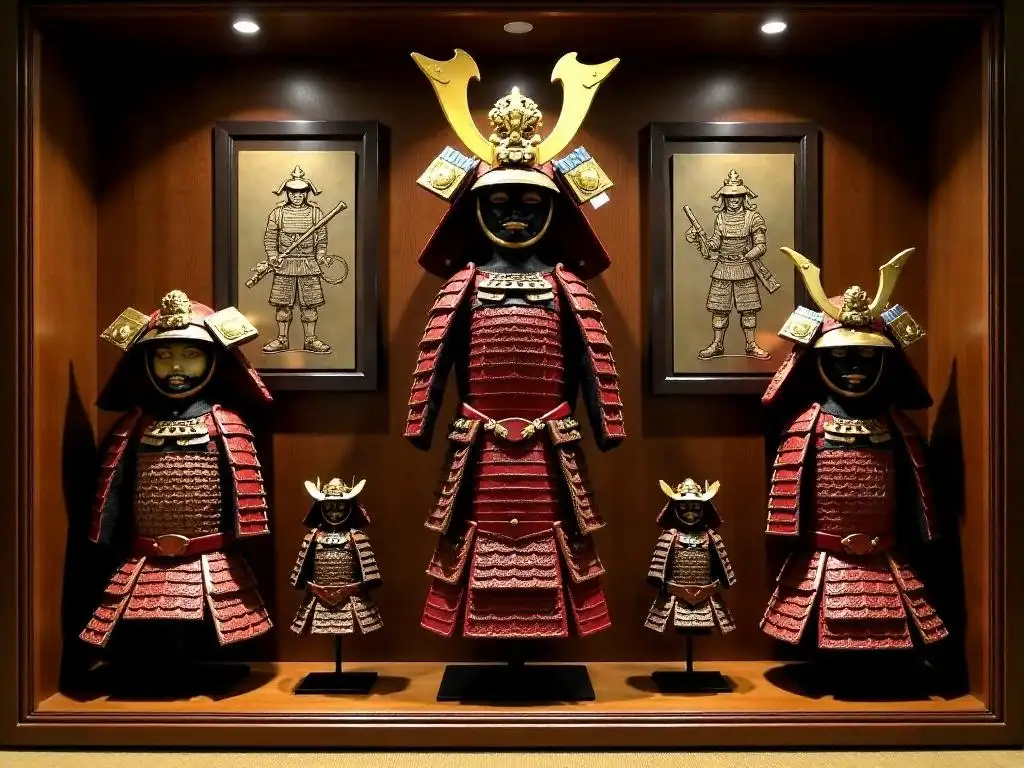
Key Factors to Consider When Purchasing a Samurai Armor Replica
When it comes to acquiring a samurai armor replica, several key factors play a vital role in ensuring that you select a piece that meets your expectations. Here are the most important considerations to keep in mind:
Authenticity vs. Aesthetic Appeal
-
Authenticity:
Authenticity is crucial for collectors and enthusiasts. Look for replicas that closely resemble historical designs, materials, and craftsmanship. Renowned artisans often produce these replicas, utilizing traditional techniques to ensure that the final product reflects the intricacies of actual samurai armor.
-
Aesthetic Appeal:
While authenticity is essential, aesthetic appeal cannot be overlooked. Some replicas are designed primarily for visual impact rather than historical accuracy. If the primary purpose of your purchase is display rather than study, you may prioritize the armor's visual features over strict adherence to historical specifications.
Price Ranges and Budget Considerations
-
Entry-Level Replicas:
Price ranges for samurai armor replicas can vary significantly. Entry-level replicas, often made with less costly materials and simplified designs, typically range from $200 to $500. These are suitable for casual collectors or as decorative pieces.
-
Mid-Range Options:
For those seeking a balance between quality and price, mid-range replicas (approximately $500 to $1,500) often feature better materials and craftsmanship. These pieces may include more intricate detailing and are ideal for serious collectors or dedicated displays.
-
High-End Collectibles:
High-end replicas, often crafted by renowned artisans using traditional methods, can cost anywhere from $1,500 to $5,000 or more. These are typically considered museum-quality pieces and can be a significant investment, both in terms of financial outlay and collector value.
Top Recommendations for Samurai Armor Replicas
When selecting a samurai armor replica, it’s essential to consider the best options available on the market. Here are some top recommendations based on their craftsmanship and popularity among collectors.
Best Display Armor Replicas: Hanwei Tachi, Ronin Katana
-
Hanwei Tachi:
Hanwei is a reputable name in the realm of samurai replicas. The Tachi model is particularly noted for its stunning aesthetic, featuring ornate detailing and a traditional design. It serves as an excellent display piece that captures the essence of samurai culture.
-
Ronin Katana:
Another popular choice, the Ronin Katana, combines beauty and craftsmanship. This armor replica is designed with the intention of being visually striking while maintaining elements of authenticity. It is perfect for collectors who appreciate both aesthetics and historical significance.
Best Functional Armor Replicas: Kiyomoto Armor, Swords of Northshire
-
Kiyomoto Armor:
The Kiyomoto Armor is renowned for its functional design, crafted with durability in mind. This replica is made using high-quality materials that allow for practical use while remaining true to the traditional samurai style. It represents a great choice for those interested in functional replicas.
-
Swords of Northshire:
Known for their commitment to quality, Swords of Northshire produces armor replicas that not only serve as decorative items but also hold up under practical conditions. Their attention to detail in both functionality and design makes them a top pick for enthusiasts seeking more than just display pieces.
When pursuing a samurai armor replica, careful consideration of factors such as authenticity, aesthetic appeal, and budget will ensure a satisfying purchase. The recommended models provide a range of options tailored to various preferences and needs, making them excellent choices for any collector or enthusiast.
Maintaining Your Samurai Armor Replicas
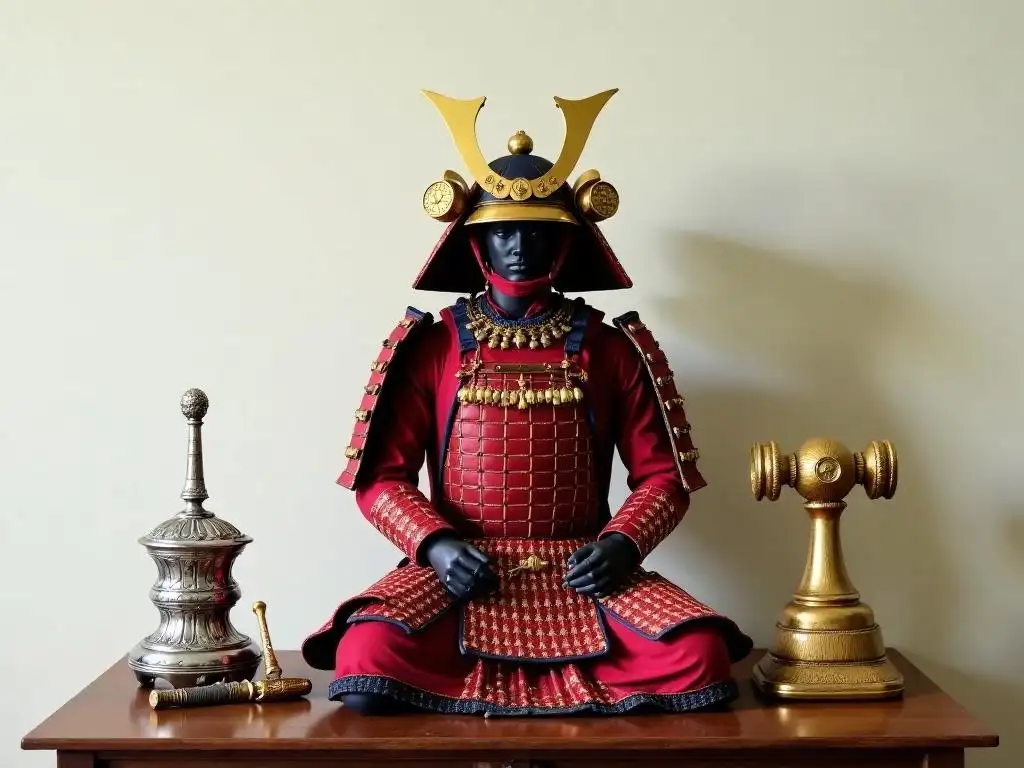
Caring for samurai armor replicas is crucial for preserving their beauty and historical integrity. Whether displayed in a home, museum, or gallery, these replicas require attention to detail to ensure they remain in excellent condition over time. Here are some essential practices for maintaining your samurai armor replicas.
Care Tips for Preserving Display Samurai Armor
-
Avoid Direct Sunlight
Exposure to direct sunlight can cause the colors of the armor to fade and materials to degrade. Position your display in a shaded area or use UV-filtering glass to protect it from harmful rays.
-
Control Humidity Levels
Maintain a stable humidity level between 40% and 60%. Too much moisture can lead to mold growth, while too little can cause wood and leather components to crack. Using a dehumidifier or humidifier may be necessary depending on your environment.
-
Regular Dusting
Dust can accumulate on the surface of your armor, dulling its appearance. Use a soft, lint-free cloth or a feather duster to gently remove dust. Avoid using chemical cleaning agents, as they can damage the materials.
-
Temperature Regulation
Keep the display area at a consistent temperature, ideally between 68°F and 72°F (20°C to 22°C). Extreme temperature fluctuations can cause materials to expand and contract, leading to structural damage.
-
Proper Display Techniques
Use sturdy display cases or stands that can support the weight of the armor without causing stress on any components. Ensure that the armor is secured to prevent it from tipping over or falling.
-
Limit Handling
Minimize direct handling of the armor to prevent wear and tear. If you need to move it, wear cotton gloves to avoid transferring oils and dirt from your hands.
Cleaning and Maintenance of Functional Replicas
For those who own functional samurai armor replicas—designed for use rather than just display—cleaning and maintenance require additional considerations to ensure the armor remains both functional and visually appealing.
-
Routine Inspection
Regularly check all components for signs of wear or damage. Look for loose fittings, rust on metal parts, or cracks in leather. Address any issues promptly to prevent further deterioration.
-
Cleaning Metal Parts
If your armor has metal components, use a soft cloth to wipe them down. For rust, you can use a rust eraser or fine steel wool, followed by a protective oil, such as mineral oil, to prevent future rusting.
-
Leather Care
Leather components should be cleaned with a damp cloth. Avoid soaking the leather, as moisture can lead to mold or mildew. Use a leather conditioner periodically to keep the leather supple and prevent cracking.
-
Reinforcing Straps and Ties
Inspect and reinforce any straps or ties that may have become loose or frayed. Replace any damaged components with materials that are appropriate for the armor to maintain its authenticity.
-
Storage After Use
If the armor is not in use, store it in a cool, dry place, ideally in a breathable fabric cover to protect it from dust and light. Avoid plastic covers, as they can trap moisture and lead to deterioration.
By following these care and cleaning tips, you can ensure that your samurai armor replicas remain in excellent condition, allowing you to enjoy their beauty and historical significance for years to come.
Common Misconceptions About Samurai Armor Replicas
The allure of samurai armor, with its intricate designs and historical significance, often leads to misunderstandings when it comes to replicas. Many enthusiasts may find themselves captivated by the idea of owning a piece of history, but several misconceptions can cloud their judgment regarding the quality and authenticity of these replicas. Understanding these misconceptions is crucial for collectors and enthusiasts alike.
Myth vs. Reality: Understanding Samurai Armor Replicas
One prevalent myth surrounding samurai armor replicas is that all replicas are of low quality and lack any historical value. In reality, there exists a wide spectrum of replica samurai armor, ranging from inexpensive, mass-produced versions to meticulously crafted pieces that honor traditional methods and materials.
- Quality Variations:
- Mass-Produced Replicas: Often made from synthetic materials, these replicas may serve decorative purposes but lack the authenticity of historical armor. They are typically less durable and not intended for display in serious collections.
- High-End Replicas: Crafted by skilled artisans, these replicas utilize traditional techniques and materials such as iron, leather, and silk. They often feature intricate detailing that reflects the historical craftsmanship of the original samurai armor.
- Cultural Significance:
- Many collectors believe that owning a replica diminishes the cultural significance of samurai armor. However, high-quality replicas can serve as educational tools, allowing enthusiasts to appreciate and understand the rich history and craftsmanship behind these artifacts.
- Authenticity vs. Replication:
- Some argue that replicas cannot capture the essence of the original armor. While it’s true that a replica will not carry the same historical weight, a well-crafted replica can closely resemble the original in both appearance and materials, offering a tangible connection to the feudal past.
Debunking Myths About Quality and Authenticity
Despite the rich tradition of samurai armor, misconceptions persist regarding the quality and authenticity of replicas. Addressing these myths is essential for anyone interested in samurai armor collection.
-
All Replicas Are the Same:
This myth suggests that there is no difference between various replicas. In truth, quality can differ significantly based on:
- Craftsmanship: Handcrafted pieces often exhibit superior detailing and durability compared to factory-made ones.
- Materials Used: Authentic materials provide a more genuine appearance and feel, while cheaper replicas often utilize plastic or low-quality metals.
-
Replicas Are Just for Display:
While some replicas are indeed designed for display purposes, many collectors seek replicas that are functional as well. High-quality replicas can be:
- Suitable for reenactments
- Used in educational settings to demonstrate historical techniques
- Valued as collectibles with potential investment returns
-
Price Equals Quality:
The assumption that higher prices always indicate better quality can mislead buyers. It’s essential to research and compare different replicas based on:
- Reputation of the Manufacturer: Established artisans or brands known for their quality should be prioritized.
- Customer Reviews: Feedback from previous buyers can provide insight into the authenticity and durability of the armor.
The world of samurai armor replicas is rich and varied, with much to explore beyond the common misconceptions. Understanding the differences in quality and authenticity can help collectors make informed decisions and appreciate these remarkable pieces of history.
Conclusion: The Lasting Legacy of Samurai Armor Replicas
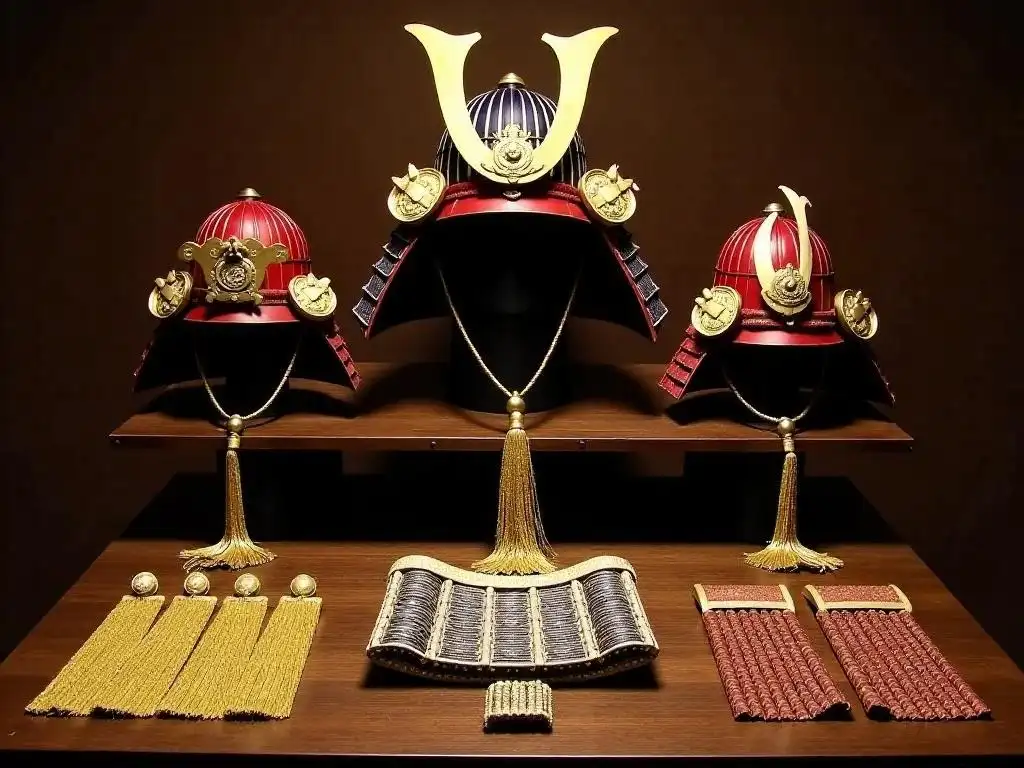
The legacy of samurai armor replicas is deeply rooted in Japan's cultural heritage, serving as a testament to the craftsmanship, artistry, and historical significance of the samurai era. These replicas not only reflect the aesthetic beauty of the original armors but also embody the values and traditions of the samurai class. As collectors and enthusiasts continue to appreciate these artifacts, they play a vital role in preserving the rich history and cultural narratives of feudal Japan.
Reflecting on the Importance of Samurai Armor in Cultural Heritage
The significance of samurai armor extends beyond its practical use in warfare; it represents an intricate blend of artistry, technology, and cultural identity. Each piece of armor, from the kabuto (helmet) to the do (chest armor), showcases advanced metallurgical techniques and artistic designs that were meticulously crafted to reflect the wearer's status and clan affiliation.
- Artistic Expression: Samurai armor was often adorned with intricate lacquer work, textiles, and family crests, making each piece unique. This artistic expression highlights the importance of visual culture in feudal Japan and continues to inspire modern artisans.
- Cultural Symbolism: Armor served as a symbol of loyalty, honor, and martial prowess. By replicating these pieces, modern artisans and collectors keep alive the ideals that the samurai represented, fostering a connection to Japan's historical narrative.
- Educational Value: Samurai armor replicas serve as valuable educational tools. Museums and cultural institutions often use them to engage the public in discussions about feudal Japan, providing insights into the social hierarchy, military strategies, and daily life during that time.
By showcasing these replicas, we not only celebrate the artistry involved in their creation but also contribute to a broader understanding of Japan's past.
Encouraging Further Exploration of Samurai Armor History
Delving into the history of samurai armor replicas opens up a world of discovery for both enthusiasts and scholars alike. Here are several avenues to explore:
- Historical Research: Investigating the origins of specific armor styles can reveal shifts in military technology and fashion. Consider researching various armor types, such as the O-yoroi and Do-Maru, to understand their unique features and historical contexts.
- Artisanal Techniques: Studying the methods used in crafting armor replicas can enhance appreciation for traditional Japanese craftsmanship. Workshops and demonstrations often reveal the skills required to create authentic replicas, connecting modern artisans with their historical counterparts.
- Cultural Events: Attending exhibitions, festivals, or reenactments can provide immersive experiences that bring the samurai era to life. Participating in such events fosters appreciation for the cultural significance of armor and the stories they tell.
By actively engaging with the history and significance of samurai armor replicas, individuals can enrich their understanding of Japan's feudal past and its lasting impact on contemporary culture. The journey into the fascinating world of samurai armor is a testament to the enduring legacy of this iconic aspect of Japanese history.
Additional Resources on Samurai Armor Replica History
Recommended Reading and References
To deepen your understanding of samurai armor replica history, several books and articles provide invaluable insight into the craftsmanship, significance, and evolution of these intricate pieces. Below are some recommended readings that explore various facets of samurai armor and its replicas:
- "Samurai: The Story of a Warrior Tradition" by John M. Thompson
- This book delves into the history of the samurai, providing context for the armor they wore. It includes illustrations and descriptions of various armor styles, making it a great resource for enthusiasts.
- "The Art of Japanese Armor" by David E. Smith
- A comprehensive examination of the aesthetic and functional aspects of samurai armor, this book highlights both historical and modern interpretations, including replicas.
- "Japanese Armor: The History of the Samurai" by Richard A. B. Stokes
- Stokes provides an analysis of the development of samurai armor over the centuries, addressing how replicators maintain authenticity in their products.
- Academic Journals
- Articles in journals such as the Journal of Asian Studies and Museum Studies often feature studies on samurai armor, including discussions on replicas in modern culture.
- Online Archives
- Websites like the Tokyo National Museum and the Kyoto National Museum offer extensive digital archives with photographs and descriptions of historical samurai armor, which can serve as a reference for replica makers.
Where to Buy Authentic Samurai Armor Replicas Online
Finding high-quality samurai armor replicas can be a rewarding endeavor for collectors and enthusiasts alike. Below are some reputable online platforms where you can purchase authentic samurai armor replicas:
| Website | Description |
|---|---|
| Katsu's Samurai Armor | Specializes in handmade replicas, ensuring historical accuracy and detail. |
| Samurai Armor Store | Offers a wide range of replicas including full suits of armor and individual pieces. |
| Etsy | Features a variety of artisans who create custom and unique armor replicas. |
| Amazon | A marketplace with numerous sellers offering both budget-friendly and premium replicas. |
| Japan Objects Store | Focuses on traditional Japanese cultural products, including high-quality armor replicas. |
When purchasing samurai armor replicas, consider the following tips:
- Check for Authenticity: Ensure that the seller provides details on the materials used and the crafting process.
- Read Reviews: Customer feedback can offer insights into the quality and accuracy of the replica.
- Ask for Customization: Many sellers offer the option to customize armor replicas, allowing for a more personalized piece.
By exploring these resources and purchasing options, you can enhance your collection and appreciation of samurai armor replica history.
Frequently Asked Questions
What is the significance of Samurai armor replicas in Japanese history?
Samurai armor replicas serve as a vital link to Japan's feudal era, showcasing the craftsmanship and cultural heritage of the samurai class.
How are Samurai armor replicas made today?
Modern replicas are crafted using traditional techniques and materials, often by skilled artisans who aim to preserve the historical accuracy of the original designs.
What can one learn from studying Samurai armor replicas?
Studying these replicas provides insights into the social structure, military practices, and aesthetic values of the samurai, as well as the evolution of armor over time.
Are there any museums that feature Samurai armor replicas?
Yes, many museums in Japan and around the world display replicas as part of their exhibitions on samurai culture, allowing visitors to appreciate their historical context.
How do Samurai armor replicas differ from authentic armor?
While replicas aim for historical accuracy, they often differ in materials and construction methods compared to authentic armor, which may include rare metals and custom craftsmanship.
Final Reflection: The Enduring Legacy of Samurai Armor Replicas
The intricate craftsmanship and historical significance of samurai armor replicas resonate profoundly in today's world, reminding us of a time when honor and artistry intertwined. As we navigate a modern landscape filled with rapid technological advancements and fleeting trends, the enduring allure of samurai armor replicas serves as a powerful testament to the value of tradition and the stories woven into every piece. These replicas not only celebrate the rich history of the samurai but also invite us to reflect on the principles of discipline, loyalty, and respect that they embodied.
Culturally, samurai armor replicas have transcended their original purpose, evolving into symbols of artistic expression and historical appreciation. The fascination with these replicas fosters a deeper understanding of Japanese heritage and the values that shaped a society. As we engage with these artifacts, we are reminded of the words of historian John W. Hall: The samurai are not just warriors; they are the embodiment of a culture that values honor, loyalty, and the art of living.
This ongoing influence encourages us to explore the narratives behind these pieces and to recognize their role in bridging the past with the present.
As you reflect on the captivating world of samurai armor replicas, I invite you to consider how these artifacts can inspire your own journey. Embrace the lessons of the samurai—honor your commitments, respect your heritage, and strive for excellence in your pursuits. By integrating these values into your life, you not only pay homage to the rich history of samurai armor but also contribute to a legacy that transcends time and culture. Let the stories of the samurai guide you as you forge your own path in the modern world.
Unveil Your Samurai Journey Today!
Thank you for diving into the fascinating world of Samurai armor replicas with us! Your interest in this rich aspect of Feudal Japan not only broadens your knowledge but also deepens your appreciation for a history filled with artistry and valor. Now, let's take the next steps to further explore this captivating theme.
- Immerse yourself in the culture—visit a local museum or exhibition featuring Samurai artifacts to experience history firsthand.
- Share your discoveries with friends! Start a discussion on social media or in your community about the significance of Samurai armor and its impact on history.
- Join a community of enthusiasts or an online forum to connect with fellow history buffs and collectors, enhancing your understanding and appreciation of these incredible pieces.
What aspect of Samurai armor intrigues you the most, and how might you incorporate this newfound knowledge into your daily life or future explorations?