
Tracing the Footsteps of Warriors: SamuraiThemed Tours You Can’t Miss

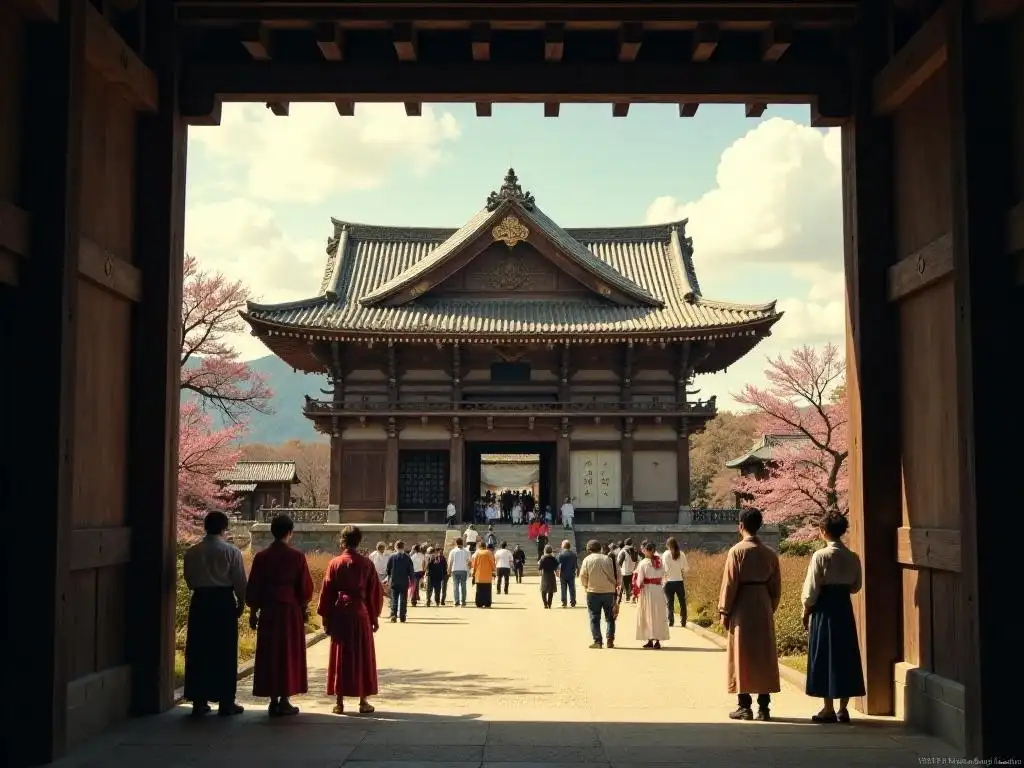
Welcome to Feudal Japan History! Immerse yourself in the captivating world of Japan’s feudal era, where honor and tradition shaped a society like no other. If you've ever dreamed of walking in the footsteps of legendary warriors, our feature on Samurai-themed tours in Japan is your gateway to adventure. Discover how these immersive experiences not only celebrate the valiant spirit of the samurai but also unveil the rich tapestry of cultural heritage that defines this remarkable period. Get ready to ignite your curiosity and embark on a journey through time—your exploration starts here!
- Introduction to Samurai-Themed Tours in Japan
- Top Samurai-Themed Tours You Can't Miss
- Key Features of Samurai-Themed Tours in Japan
- Benefits of Taking Samurai-Themed Tours
- Comparing Different Samurai-Themed Tours
- Tips for Choosing the Right Samurai-Themed Tour
- Conclusion: Why You Should Experience Samurai-Themed Tours in Japan
- Frequently Asked Questions
- Final Reflection: Embracing the Spirit of the Samurai Through Travel
- Embark on Your Own Samurai Adventure Today!
Introduction to Samurai-Themed Tours in Japan
Exploring Japan's rich and complex feudal history offers travelers an unforgettable experience, particularly through samurai-themed tours. These excursions not only provide a glimpse into the lives of the legendary warriors of ancient Japan but also immerse participants in the cultural and historical context of the era. From breathtaking castles to serene temples, samurai-themed tours enable visitors to connect with the past and appreciate the artistry, philosophy, and traditions that shaped Japan's identity. Whether you're a history enthusiast, a culture connoisseur, or just seeking an extraordinary adventure, these tours are a gateway to understanding the profound legacy of the samurai.
Understanding the Appeal of Samurai Culture
The allure of samurai culture lies in its multifaceted nature, which encompasses valor, discipline, and honor. For centuries, samurai were not just warriors; they were also scholars, artists, and philosophers. Their way of life, governed by the code of Bushido, emphasized virtues such as loyalty, courage, and integrity. This rich tapestry of values resonates with many people today, drawing them to explore the historical sites and traditions associated with these formidable figures.
- Cultural Significance: Samurai culture is deeply embedded in Japanese identity, influencing art, literature, and even modern media. Movies, anime, and video games often romanticize the samurai, presenting them as heroic figures that embody the spirit of Japan.
- Experiential Learning: Participating in samurai-themed tours allows travelers to engage actively with history. Activities may include swordsmanship demonstrations, traditional tea ceremonies, and even wearing samurai armor, providing a tactile connection to the past.
- Scenic Locations: Many tours take visitors to iconic locations such as Himeji Castle or Kamakura, where they can witness the architectural marvels that once served as feudal strongholds. These sites not only offer stunning views but also rich narratives about the samurai's role in shaping Japan.
In essence, samurai-themed tours create a bridge between the past and present, allowing participants to experience the grandeur of feudal Japan firsthand.
Overview of Feudal Japan's Historical Significance
Feudal Japan, spanning from the late 12th century to the mid-19th century, was characterized by a complex social structure dominated by the samurai elite. This era was marked by significant political, social, and cultural developments that laid the foundation for modern Japan.
- Political Landscape: The feudal system established a hierarchy where power was decentralized, with local lords (daimyos) controlling land and samurai serving as their vassals. This led to a series of conflicts and alliances, ultimately shaping the political landscape of Japan.
- Cultural Flourishing: The period saw a remarkable flourishing of culture, including the development of Noh theatre, Zen Buddhism, and the arts. The samurai themselves became patrons of culture, commissioning works that reflected their values and aesthetics.
- Shifts in Society: The end of the feudal era in the 19th century marked a transformative period for Japan, leading to the Meiji Restoration and the modernization of the country. Understanding this transition is crucial for appreciating the samurai's legacy and its impact on contemporary Japanese society.
The historical significance of feudal Japan is profound and multifaceted, offering rich narratives that enhance the experience of samurai-themed tours. By tracing the footsteps of these iconic warriors, travelers can gain insight into a pivotal era that continues to influence Japan today.
Top Samurai-Themed Tours You Can't Miss
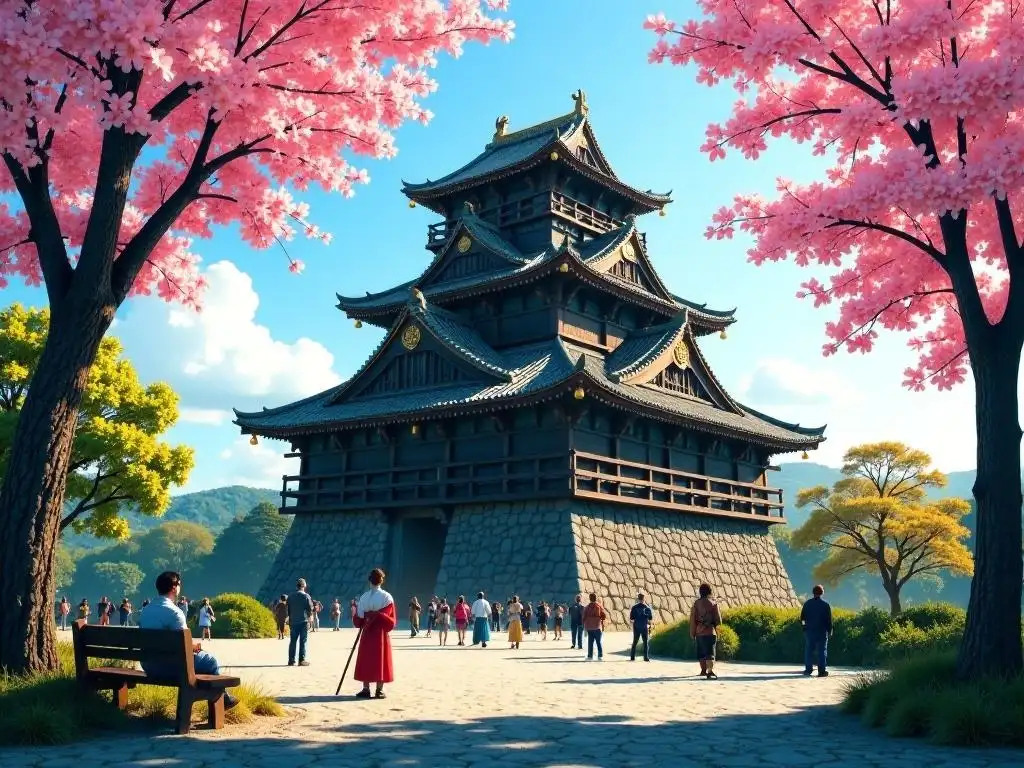
1. The Ultimate Kyoto Samurai Experience
The Ultimate Kyoto Samurai Experience is a meticulously crafted tour that immerses participants in the rich history and culture of the samurai era. Nestled in the heart of Kyoto, this tour takes you through the ancient streets where samurai once roamed, providing a compelling blend of history, tradition, and hands-on activities.
Highlights of the Kyoto Samurai Tour
- Authentic Samurai Attire: Experience the thrill of donning genuine samurai armor and clothing, allowing you to step back in time and feel like a warrior of the past.
- Martial Arts Demonstrations: Witness live demonstrations of traditional samurai martial arts, such as Kendo and Iaido, performed by skilled instructors who share insights into the techniques and philosophies behind these ancient practices.
- Guided Historical Walks: Enjoy guided tours through iconic historical sites, including the Nijo Castle and the Heian Shrine, learning about the significant events and figures that shaped Kyoto’s samurai legacy.
- Cultural Workshops: Engage in workshops that teach you traditional crafts, such as calligraphy and sword-making, providing a deeper appreciation of the samurai’s artistic contributions.
Pricing and Booking Information
- Duration: The tour typically lasts about 4 hours, offering a comprehensive experience without overwhelming participants.
- Cost: Prices start at ¥10,000 per person, which includes all materials, guided services, and the rental of samurai attire.
- Booking: Reservations can be made online via the official tour website or through local travel agencies. Early bookings are recommended, especially during peak tourist seasons.
- Group Discounts: Discounts are available for groups of more than five participants, making it a great option for families or friends traveling together.
2. The Samurai Experience in Kamakura
Kamakura, once the political center of medieval Japan, is renowned for its rich samurai heritage. The Samurai Experience in Kamakura invites participants to explore the pivotal role this city played in shaping Japan's feudal era.
Historical Context of Kamakura's Samurai Heritage
Kamakura was the seat of the Kamakura shogunate, established in 1192 by Minamoto no Yoritomo. This era marked the beginning of samurai rule in Japan, with the city serving as a cultural and political hub.
- Historical Significance: Kamakura is home to several important landmarks, including the Great Buddha (Daibutsu), temples, and shrines that reflect the zenith of samurai culture and its intertwining with Buddhism.
- Cultural Evolution: The samurai of Kamakura were not just warriors; they were also patrons of the arts and philosophy, contributing to the development of Japanese culture during the Kamakura period (1185-1333).
Unique Features of the Kamakura Tour
- Interactive Sword Fighting Lessons: Participants can join interactive sword fighting lessons that provide a practical understanding of samurai combat techniques, guided by expert instructors.
- Scenic Temple Visits: The tour includes visits to significant temples and shrines, such as Hase-dera and Tsurugaoka Hachiman-gu, each with its unique stories and ties to samurai history.
- Traditional Tea Ceremony: Experience a traditional tea ceremony, which not only highlights the samurai's appreciation for art and aesthetics but also provides a serene contrast to the martial aspects of their lives.
By participating in the Samurai Experience in Kamakura, visitors gain a profound appreciation for the samurai's role in Japan's feudal history, making it an unforgettable addition to any travel itinerary focused on samurai-themed tours in Japan.
3. Edo Period Walking Tours in Tokyo
The Edo Period, spanning from 1603 to 1868, was a time of significant cultural, social, and political transformation in Japan. Today, visitors can immerse themselves in this rich historical context through various walking tours in Tokyo that highlight the enduring influences of the Edo Period. These tours are designed to provide a deep understanding of the era's impact on modern Japanese society, architecture, and culture.
Participants on these tours typically stroll through districts that have preserved the essence of Edo, such as Asakusa and Yanaka. Asakusa features the famous Senso-ji Temple, which dates back to the Edo Period, while Yanaka showcases traditional wooden houses and temples that survived the bombings of World War II. Tour guides, often well-versed in history and culture, share engaging stories of samurai, merchants, and commoners, allowing participants to envision life during this pivotal time in Japanese history.
Exploring Edo's Influences on Modern Japan
The Edo Period laid the groundwork for many aspects of contemporary Japanese culture. From the aesthetics of art and architecture to the principles of urban planning and social structures, the influences are profound and far-reaching. Walking tours often highlight these connections, drawing attention to:
- Architecture: Many modern buildings in Tokyo incorporate design elements from the Edo Period, such as the use of natural materials and traditional motifs.
- Culinary Traditions: The Edo Period was a time when distinctive Japanese cuisine began to take shape, with a focus on seasonal ingredients and presentation. Tour participants may have the opportunity to taste traditional dishes that originated during this time.
- Cultural Practices: Festivals, tea ceremonies, and crafts that are still celebrated today find their roots in the Edo Period. Tours often include demonstrations or visits to workshops where these traditions are preserved.
By exploring these aspects, participants gain a holistic view of how the Edo Period continues to influence modern Japan, making these walking tours not only educational but also enriching experiences.
Tour Details and Pricing
Edo Period walking tours in Tokyo vary in length, content, and pricing, catering to different interests and budgets. Below is a general overview of what one can expect:
| Tour Type | Duration | Highlights | Price Range |
|---|---|---|---|
| Asakusa Cultural Walk | 2-3 hours | Senso-ji Temple, Nakamise Street | ¥3,000 - ¥5,000 |
| Yanaka Historical Stroll | 3-4 hours | Traditional houses, Yanaka Cemetery | ¥4,000 - ¥6,000 |
| Edo History Experience | 5-6 hours | Edo Museum, craft workshops | ¥7,000 - ¥10,000 |
Most tours include a knowledgeable guide, and some offer additional amenities such as refreshments or entry fees to certain sites. It is advisable to book in advance, especially during peak tourist seasons, to ensure availability and to secure the best experience possible.
Edo Period walking tours in Tokyo provide a unique opportunity to step back in time and explore the foundations of modern Japan through the lens of its samurai heritage and urban culture. Whether you are a history buff or a casual traveler, these tours are an essential part of experiencing the depth of Japan's feudal past.
Key Features of Samurai-Themed Tours in Japan

Samurai-themed tours in Japan offer a unique opportunity to step back in time and explore the rich heritage of the samurai era. These tours are designed not only to educate but also to immerse visitors in the culture and traditions that define this fascinating period in Japanese history. Below are some of the key features that make these tours a must-experience for history enthusiasts and travelers alike.
Immersive Experiences: Live Demos and Reenactments
One of the standout aspects of samurai-themed tours is the immersive experiences that bring history to life. Visitors can witness live demonstrations of traditional samurai combat techniques, complete with authentic weaponry and skilled practitioners. These reenactments often take place in historical settings, such as ancient castles or battlefields, which add an extra layer of authenticity.
- Types of Demonstrations:
- Kenjutsu: The art of swordsmanship, showcasing techniques used by samurai.
- Iaijutsu: The practice of drawing and cutting with a katana in a single motion.
- Archery: Traditional Kyudo demonstrations, highlighting the precision and skill of samurai archers.
Participants often have the opportunity to engage directly with the performers, asking questions and learning about the techniques and philosophies that guided these warriors.
Experiencing a live demonstration of kenjutsu while standing in a historic castle courtyard is truly a captivating way to connect with Japan's samurai legacy.
Traditional Samurai Attire: Dress Like a Warrior
Another highlight of samurai-themed tours is the chance to don traditional samurai attire. Many tour operators offer costume rental services, allowing participants to dress as samurai warriors for the duration of their visit.
- Attire Options:
- Kimono: The classic robe worn by samurai, often adorned with intricate patterns.
- Hakama: A pleated trouser-like garment that complements the kimono.
- Armor: Some experiences allow visitors to wear replicas of samurai armor, providing a sense of the weight and complexity of the gear used in battle.
Wearing traditional clothing not only enhances the experience but also provides great photo opportunities against the backdrop of historic sites, creating lasting memories of this unique journey into Japan's past.
Cultural Workshops: Learn the Art of Kenjutsu
In addition to live demonstrations, many samurai-themed tours include hands-on workshops where participants can learn the fundamental techniques of kenjutsu. These workshops are led by experienced instructors and are designed for all skill levels, making them accessible to everyone.
- Workshop Highlights:
- Basic Techniques: Introduction to stances, footwork, and basic strikes.
- Philosophy of the Samurai: Understanding the mindset and discipline that samurai warriors embodied.
- Practice Sessions: Participants can practice their skills with wooden swords (bokken) in a controlled environment.
These workshops provide a deeper understanding of the samurai ethos, emphasizing values such as honor, discipline, and respect—principles that continue to resonate in Japanese culture today.
By engaging in these key features of samurai-themed tours in Japan, visitors can gain a multifaceted understanding of the samurai way of life, making their journey not just a visit, but an enriching exploration of history and culture.
Benefits of Taking Samurai-Themed Tours
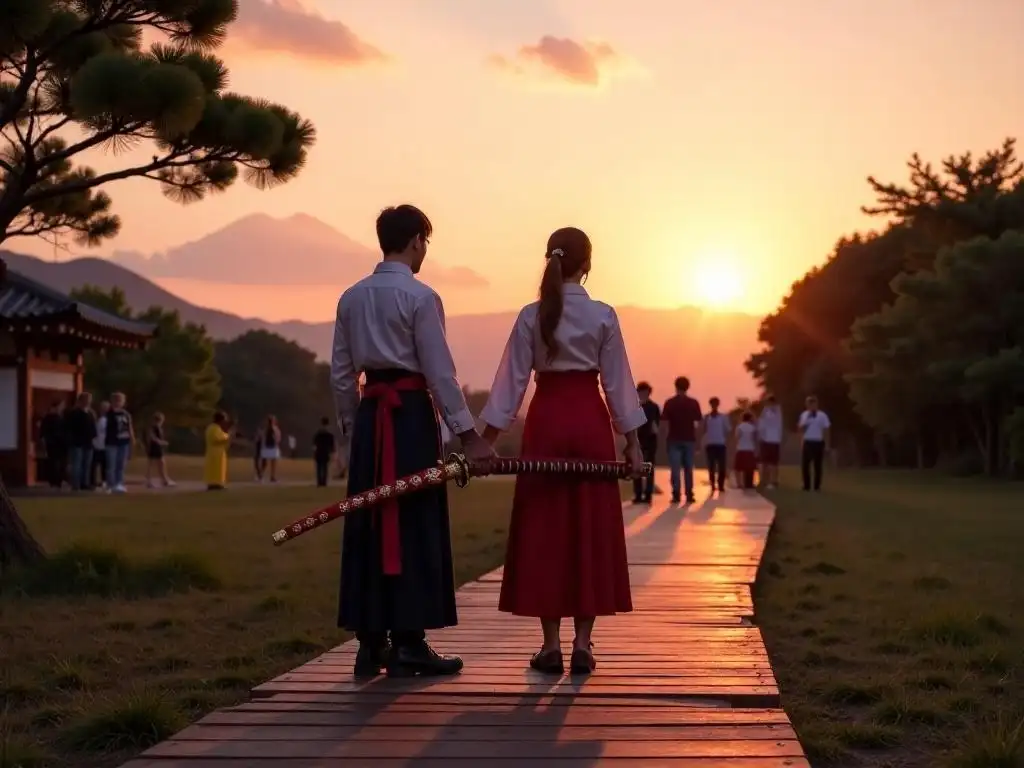
Understanding Japan’s Feudal History Through Engaging Experiences
Samurai-themed tours in Japan offer a unique opportunity to delve into the rich tapestry of Japan's feudal history. These tours are not just about visiting historical sites; they provide immersive experiences that bring the era of the samurai to life. Participants can engage with reenactments, visit ancient castles, and explore battlefields that played pivotal roles in Japan's history.
- Interactive Learning: Many tours incorporate activities such as sword fighting demonstrations and traditional martial arts, allowing travelers to learn about samurai techniques firsthand. This experiential learning helps to reinforce historical knowledge in a memorable way.
- Expert Guides: Knowledgeable guides often accompany these tours, offering insights into the historical context of various locations and the significance of the samurai class. This expert narration helps participants gain a deeper understanding of the cultural and societal impacts of the samurai.
- Historical Sites: Tours frequently include visits to iconic landmarks such as Himeji Castle and the battlefield of Sekigahara. These sites are not only visually stunning but are also steeped in history, providing a tangible connection to the past.
Connecting with Local Histories and Communities
Participating in samurai-themed tours allows travelers to connect with local histories and communities in a meaningful way. These tours often emphasize the importance of regional cultures and their relationship with the samurai legacy.
- Community Engagement: Many tours involve interactions with local artisans, historians, or even descendants of samurai families. This creates a personal connection to the heritage and preserves the stories of local communities.
- Cultural Workshops: Some tours offer workshops on traditional crafts, such as sword making or kimono wearing. Engaging in these activities not only enhances the travel experience but also fosters an appreciation for the skills and artistry that were part of samurai culture.
- Culinary Experiences: Food plays a significant role in exploring local cultures. Samurai-themed tours often include traditional meals that may have historical significance, allowing participants to experience the flavors of the past.
Enhancing Your Travel Experience with Authenticity
Authenticity is a key element of samurai-themed tours, providing travelers with a genuinely immersive experience that transcends typical sightseeing.
- Historical Accuracy: Tours are designed to offer accurate representations of the samurai era, from the architecture of historical buildings to the attire worn by guides. This commitment to authenticity enhances the overall experience and provides a true sense of what life was like during the feudal period.
- Unique Itineraries: Unlike standard travel packages, samurai-themed tours often feature carefully curated itineraries that include lesser-known sites alongside famous landmarks. This approach allows travelers to discover hidden gems and gain a broader understanding of Japan's feudal history.
- Memorable Experiences: From participating in a traditional tea ceremony to witnessing a samurai performance, these tours create lasting memories that resonate long after the journey concludes. Travelers not only learn about the samurai but also experience the spirit of the era through unique activities.
Samurai-themed tours in Japan provide an enriching experience that goes beyond mere observation. They offer a chance to connect with history, engage with local communities, and enjoy an authentic travel experience that highlights the profound legacy of the samurai in Japanese culture.
Comparing Different Samurai-Themed Tours
Guided Tours vs. Self-Guided Tours
When it comes to experiencing samurai-themed tours in Japan, travelers often face the decision between guided tours and self-guided options. Each type has its unique attributes, appealing to different preferences and travel styles.
Pros and Cons of Each Tour Type
Guided Tours:
- Pros:
- Expert Insight: Participants benefit from the knowledge of experienced guides, often including historians or cultural experts who provide rich narratives about the samurai era.
- Convenience: Itineraries are pre-planned, reducing the stress of navigation and scheduling. This aspect is particularly beneficial for those unfamiliar with the local language or customs.
- Access to Exclusive Experiences: Many guided tours offer access to private sites, special demonstrations, or activities that self-guided tours may not include.
- Cons:
- Less Flexibility: Participants must adhere to a set schedule and may have limited time at specific locations.
- Cost: Guided tours can be more expensive due to the inclusion of services and amenities.
Self-Guided Tours:
- Pros:
- Flexibility: Travelers can set their own pace, spend more time in places of interest, and adjust plans spontaneously.
- Personalized Experience: Self-guided tours allow for a tailored experience, where travelers can prioritize activities and locations that resonate with their interests.
- Cost-Effective: Often, self-guided tours can be cheaper, especially if one opts for public transportation and free attractions.
- Cons:
- Lack of Insight: Without a guide, travelers may miss out on deep historical context and cultural nuances.
- Navigation Challenges: Self-navigating can be daunting, especially in unfamiliar areas with language barriers.
Day Tours vs. Multi-Day Packages
Choosing between day tours and multi-day packages is another critical aspect of planning a samurai-themed tour in Japan. Each option offers distinct experiences and opportunities for immersion into samurai culture.
When to Choose a Short Tour vs. Extended Experience
Day Tours:
- Ideal for travelers with limited time or those who want a taster of samurai history without committing to a lengthy itinerary.
- Typically focuses on specific highlights, such as visiting famous castles, samurai districts, or participating in a single cultural experience, like a sword demonstration or tea ceremony.
- Perfect for families or groups who want to engage in a captivating experience without the logistics of overnight stays.
Multi-Day Packages:
- Recommended for those seeking a comprehensive dive into samurai culture, including visits to multiple locations, immersive experiences, and cultural workshops.
- These packages often include accommodations, meals, and a variety of activities that allow for deeper exploration of historical sites, such as:
- Nijo Castle in Kyoto, a UNESCO World Heritage Site.
- The Samurai and Ninja Museum in Kyoto, which offers interactive experiences.
- Cultural workshops, such as martial arts classes or traditional crafts.
- An extended journey provides the opportunity to witness local festivals, engage with artisans, and understand the lasting impact of the samurai on modern Japanese society.
Ultimately, the choice between day tours and multi-day packages, as well as guided versus self-guided options, depends on individual preferences, time constraints, and the desired depth of exploration into the fascinating world of samurai history.
Tips for Choosing the Right Samurai-Themed Tour
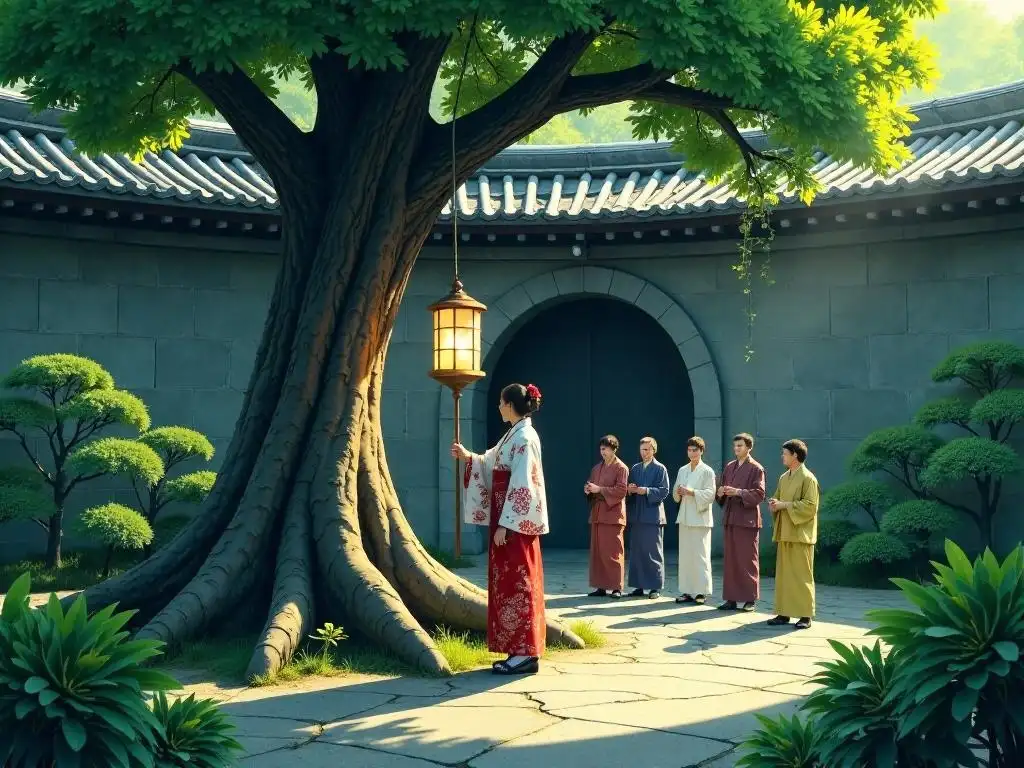
When it comes to selecting the ideal samurai-themed tour in Japan, there are several important considerations to ensure a memorable and enriching experience. With numerous options available, focusing on specific factors can help streamline your decision-making process.
Factors to Consider: Group Size, Duration, and Accessibility
- Group Size
- Small Groups: Opting for a tour with a smaller group can enhance the experience, allowing for more personalized attention from the guide and a more intimate atmosphere. This is especially beneficial for interactive experiences, such as sword-fighting lessons or traditional tea ceremonies.
- Larger Groups: While larger tours may offer more economical pricing, they can sometimes lead to a diluted experience due to time constraints at various stops. Consider your preference for social interaction and engagement when choosing group size.
- Duration
- Half-Day Tours: Perfect for those with limited time, half-day tours can provide a snapshot of samurai culture, often including visits to key historical sites such as castles or museums.
- Full-Day Tours: These tours typically offer a deeper dive into samurai history, often including multiple locations, traditional meals, and extended activities like wearing samurai armor or participating in a martial arts class.
- Multi-Day Packages: For the ultimate immersion, consider multi-day tours that allow for comprehensive explorations of samurai history and culture across different regions, providing deeper insights and experiences.
- Accessibility
- Ensure that the tour is accessible for all participants, especially if traveling with individuals who may have mobility challenges. Review the itinerary for any physical demands and check if the tour operator offers accommodations such as wheelchair access or alternative activities.
Recommended Tour Operators for Samurai-Themed Experiences
Several operators specialize in samurai-themed tours, each providing unique offerings that cater to various interests and preferences. Below are two notable recommendations:
Samurai Tours Japan: Overview and Offerings
Samurai Tours Japan is renowned for its immersive experiences that delve into the history and culture of the samurai. They offer a variety of tours ranging from half-day experiences to extensive multi-day adventures. Highlights of their offerings include:
- Interactive Samurai Sword Fighting Lessons: Participants can engage in practical lessons guided by experienced instructors, learning techniques that have been passed down through generations.
- Cultural Experiences: Tours often include additional activities such as the art of calligraphy, tea ceremonies, and visits to historical landmarks like Himeji Castle.
- Customizable Itineraries: The operator allows guests to tailor their tours based on personal interests, ensuring a unique and fulfilling experience.
Kyoto Samurai Experience: Unique Selling Points
Kyoto Samurai Experience focuses on the rich samurai heritage of Kyoto, the former imperial capital of Japan. Their unique selling points include:
- Authentic Samurai Costume Rental: Participants can dress in traditional samurai attire for an immersive experience, perfect for photoshoots at iconic locations.
- Private Guided Tours: Offering private tours ensures a tailored experience, where guides can share in-depth stories and insights specific to your interests.
- Cultural Workshops: The operator provides workshops on various aspects of samurai culture, such as traditional archery (kyudo) and martial arts, allowing visitors to engage actively with history.
By carefully considering these factors and exploring recommended tour operators, you can find the perfect samurai-themed tour in Japan that meets your interests and expectations. Whether you're a history buff or simply looking for a unique travel experience, there's something for everyone in the captivating world of samurai culture.
Conclusion: Why You Should Experience Samurai-Themed Tours in Japan
Experiencing samurai-themed tours in Japan provides an unparalleled opportunity to delve into the rich tapestry of the nation's feudal history. These tours not only allow participants to walk the paths once trodden by legendary warriors but also to immerse themselves in the cultural practices and philosophies that have shaped modern Japan. Here are some compelling reasons why you should embark on this unique journey:
- Cultural Immersion: Engage with local artisans who preserve traditional samurai crafts, such as sword forging and kimono making. Witnessing these age-old practices firsthand enhances your understanding of the samurai's cultural significance.
- Historical Education: Many tours are led by knowledgeable guides who provide insights into samurai history, the caste system, and the influential role of bushido, the samurai code of conduct. This knowledge enriches your appreciation for the era.
- Unique Experiences: From participating in archery sessions to dressing in traditional samurai armor, these tours offer experiences that are both educational and thrilling. Engaging in activities that echo the past allows travelers to feel a connection to history.
- Stunning Landscapes: Samurai-themed tours often take you to historically significant sites, such as ancient castles and battlefields, set against breathtaking landscapes. This combination of history and nature creates a memorable backdrop for your adventure.
The Lasting Impact of Samurai Culture on Modern Japan
The legacy of the samurai continues to resonate throughout modern Japanese society. Their influence can be seen in various facets of contemporary life, including:
- Martial Arts: Traditional forms of martial arts, such as kendo and iaido, directly stem from samurai training. These disciplines emphasize discipline, respect, and mental fortitude, values that are still cherished in Japan today.
- Cultural Festivals: Numerous festivals celebrate samurai heritage, featuring parades, reenactments, and traditional performances. Events like the Bungo-ōita Samurai Festival attract visitors keen on experiencing the vibrancy of samurai culture.
- Literature and Film: Samurai stories continue to captivate audiences worldwide, appearing in literature, movies, and television series. The themes of honor, loyalty, and sacrifice resonate deeply, ensuring that the samurai ethos remains relevant.
- Architecture and Art: The aesthetic principles derived from samurai culture can be observed in Japanese gardens, tea ceremonies, and traditional architecture, all of which emphasize harmony, simplicity, and the beauty of nature.
The enduring fascination with samurai culture not only reflects Japan's historical narrative but also informs its modern identity, making samurai-themed tours a vital part of understanding the country's evolution.
Final Thoughts on Your Samurai Journey
Embarking on a samurai-themed tour in Japan is more than just a travel experience; it is an opportunity to connect with a pivotal chapter of history that has shaped the nation. As you explore the remnants of the samurai era, you will find that the spirit of these warriors lives on in the hearts and minds of the Japanese people.
- Plan Your Adventure: Consider which regions you are most interested in—be it Kyoto's rich cultural heritage, the historical battles of the Kanto region, or the serene landscapes of Hokkaido. Each area offers a unique perspective on samurai life.
- Engage with Locals: Take the time to interact with your guides and locals who share their stories and experiences. Their insights will deepen your understanding and appreciation of the samurai legacy.
- Capture the Moments: Don't forget to take photos and keep a travel journal to document your experiences. Reflecting on these memories will enhance your connection to the samurai culture long after your journey concludes.
Ultimately, participating in samurai-themed tours allows travelers to embrace the essence of Japan’s history while fostering a greater appreciation for its cultural heritage. Whether you are a history buff or simply looking for a unique travel experience, a samurai-themed tour is an adventure you won’t want to miss.
Frequently Asked Questions
What are Samurai-themed tours in Japan?
Samurai-themed tours in Japan are guided experiences that immerse visitors in the historical and cultural significance of the samurai, including visits to ancient castles, temples, and reenactments.
How can I book a Samurai-themed tour?
You can book a Samurai-themed tour through travel agencies, online platforms, or directly through local tour operators that specialize in Japanese history and culture.
What can I expect to learn on these tours?
On these tours, you will learn about the samurai's code of conduct, their warrior skills, and their impact on Japanese society, along with insights into feudal Japan's history and culture.
Are these tours suitable for families?
Yes, many Samurai-themed tours are family-friendly and include interactive activities like archery, sword demonstrations, and costume experiences that appeal to both adults and children.
What regions in Japan offer the best Samurai-themed tours?
Regions such as Kyoto, Kamakura, and Nagoya are known for their rich samurai heritage, featuring historical sites, museums, and authentic experiences that highlight the samurai era.
Final Reflection: Embracing the Spirit of the Samurai Through Travel
The allure of samurai-themed tours in Japan is not just about exploring historical sites; it is about connecting with a profound legacy of honor, discipline, and artistry that resonates in our modern world. As we navigate our fast-paced lives, the values embodied by the samurai offer timeless lessons on resilience and purpose. These tours provide an opportunity to step back in time, allowing us to immerse ourselves in a culture that champions integrity and respect.
The impact of samurai culture extends far beyond the confines of history; it continues to shape Japan's identity and influence global perspectives on honor and tradition. From the meticulous craftsmanship of samurai swords to the serene beauty of ancient temples, every element of this heritage invites us to reflect on our own values and aspirations. As the famous samurai Miyamoto Musashi once said, "> The ultimate aim of martial arts is not having to use them." This sentiment encourages us to seek peace and understanding in our lives, echoing the samurai's commitment to harmony and balance.
As you consider embarking on a samurai-themed tour, I invite you to reflect on what it means to embody the spirit of the samurai in your own life. How can you integrate their values of discipline, respect, and courage into your daily actions? Let this journey not only be about discovering the past but also about inspiring a future where these principles guide your path. Embrace the opportunity to learn from the warriors of old and carry their legacy forward in your own unique way.
Embark on Your Own Samurai Adventure Today!
Thank you for diving into the rich world of samurai history with us! We hope you’ve been inspired by the unforgettable tours that bring the legacy of these legendary warriors to life. Now, it's time to fully embrace this journey!
Here are some actionable steps to enhance your exploration:
- Book a samurai-themed tour in Japan to immerse yourself in the breathtaking landscapes and historical sites firsthand.
- Share your newfound knowledge with friends by organizing a themed discussion night or hosting a film screening of classic samurai movies.
- Join online communities or local clubs focused on Feudal Japan to connect with fellow enthusiasts and exchange insights.
What unique samurai experience are you most excited to pursue next? We would love to hear your thoughts in the comments!