
The Ethical Framework of Bushido: A Religious Perspective

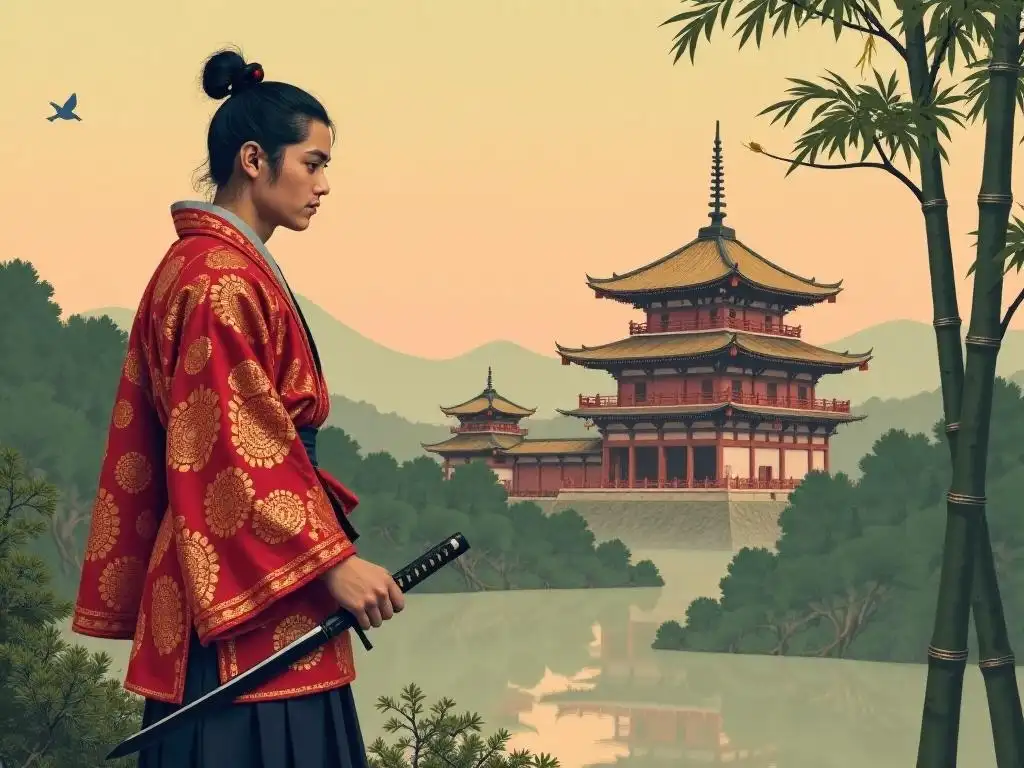
Welcome to Feudal Japan History, where we embark on a captivating journey through the intricate tapestry of Japan’s feudal era. Delve deep into the ethics and religion of Bushido, the warrior code that shaped the very essence of samurai culture. Are you curious about how these principles intertwined with the spiritual beliefs of the time? Join us as we unravel the profound connections between Bushido ethics and the religious practices that influenced a society steeped in honor, loyalty, and discipline. Explore further to discover the layers of meaning behind this fascinating ethical framework!
Introduction to Bushido Ethics and Religion
Bushido, often referred to as the "Way of the Warrior," represents a complex ethical framework that guided the samurai class in feudal Japan. This code is not merely a collection of martial principles; it is deeply intertwined with religious and philosophical beliefs that shaped the moral and ethical landscape of Japanese society. The integration of religion into Bushido ethics provides a unique lens through which we can explore the motivations and values of the samurai. Understanding this relationship is essential for grasping the broader implications of Bushido on Japanese culture and its lasting legacy.
Overview of Bushido as a Code of Conduct
Bushido is characterized by a set of virtues that include loyalty, honor, courage, and self-discipline. These principles were not arbitrary; they were deeply rooted in the historical and cultural fabric of Japan. The samurai, serving as both warriors and stewards of their lords, adhered to this code to navigate the complexities of loyalty and service.
In essence, Bushido can be summarized by its core virtues:
- Loyalty: Undying allegiance to one's lord and comrades.
- Honor: Upholding one's reputation and dignity.
- Courage: Facing challenges and adversities with bravery.
- Self-Discipline: Mastery over one's emotions and actions.
This ethical framework was vital for maintaining social order during the turbulent periods of feudal Japan.
Importance of Religion in Bushido Ethics
Religion played a pivotal role in shaping the values embedded in Bushido. The principles of Shinto and Zen Buddhism particularly influenced the samurai's worldview, instilling a sense of duty that transcended mere martial prowess.
- Shinto emphasized a connection to nature and reverence for Kami (deities), promoting an ethical lifestyle aligned with harmony and respect.
- Zen Buddhism contributed with its focus on mindfulness, meditation, and the acceptance of impermanence, encouraging samurai to approach life and death with equanimity.
These religious beliefs provided a spiritual dimension to Bushido, reinforcing its ethical guidelines and helping the samurai navigate moral dilemmas.
Historical Context of Bushido Ethics
Understanding the historical backdrop of Bushido is crucial to appreciating its evolution and significance in Japanese culture.
Origins of Bushido in Feudal Japan
The origins of Bushido can be traced back to the Heian period (794-1185), when the samurai emerged as a distinct warrior class. Over time, the code evolved, influenced by the political and social upheavals of the Kamakura period (1185-1333) and beyond. The samurai's role transitioned from mere soldiers to respected leaders and protectors of the realm, solidifying the need for an ethical framework to govern their conduct.
Influence of Shinto and Zen Buddhism on Bushido
The intertwining of Shinto and Zen Buddhism with Bushido laid the foundation for its ethical principles. Shinto's animistic beliefs fostered a sense of belonging to the natural world, while Zen Buddhism's emphasis on inner peace and clarity of thought provided samurai with the mental fortitude necessary for battle.
This fusion of beliefs resulted in a unique ethical system that not only dictated behavior in warfare but also influenced daily life, relationships, and spirituality among the samurai. As we explore the intricate layers of Bushido's ethical framework, it becomes evident that its roots are deeply embedded in the religious and cultural soil of feudal Japan.
Core Principles of Bushido Ethics
Bushido, often translated as "the way of the warrior," comprises a set of ethical principles that guided samurai conduct during Japan's feudal era. The essence of Bushido ethics is deeply intertwined with religious beliefs and cultural values, forming a moral compass that dictated the samurai's behavior both on and off the battlefield. The core principles of Bushido ethics are encapsulated in various virtues, which include honor, courage, loyalty, benevolence, and respect. Each of these virtues reflects a unique aspect of the samurai's duty and relationship with their lord, society, and the divine.
Honor: The Foundation of Bushido
Honor stands as the cornerstone of Bushido ethics, embodying the samurai's commitment to uphold their reputation and the values of their clan. This principle dictated that a samurai must act with integrity, ensuring that their actions aligned with their words. Honor was not just a personal attribute; it was a collective responsibility that affected the entire clan.
Disgrace or failure to uphold honor could lead to severe consequences, including ritual suicide (seppuku) to restore one's dignity. The pursuit of honor was often linked to a samurai's religious beliefs, as they sought to embody virtues revered by their faith, demonstrating a commitment to both earthly and spiritual ideals.
Courage: A Religious Imperative
Courage, within the context of Bushido, extends beyond mere physical bravery. It is viewed as a religious imperative, emphasizing the need for samurai to confront their fears and act decisively in the face of adversity. This principle is often associated with the belief that a warrior's spirit is tested through challenges that require not only strength but also moral fortitude.
Samurai were encouraged to cultivate inner courage through meditation and reflection, practices influenced by Buddhist teachings, which emphasized overcoming fear and embracing the impermanence of life. Thus, courage became a pathway to spiritual enlightenment and an essential aspect of the samurai's religious and ethical framework.
Loyalty: The Role of Faithfulness in Bushido Ethics
Loyalty is a quintessential virtue within Bushido, representing a samurai's unwavering allegiance to their lord and clan. This deep-rooted loyalty is often viewed through a religious lens, as samurai believed their service was not only a duty to their earthly lord but also a reflection of their fidelity to the divine order. Loyalty was intertwined with the concept of filial piety, echoing Confucian values that emphasized respect for authority and hierarchy. The samurai’s loyalty was seen as a sacred bond, and betrayal was considered one of the gravest sins, leading to dire consequences both socially and spiritually.
Benevolence: Compassion in the Context of Religion
Benevolence, or compassion, plays a crucial role in Bushido ethics, highlighting the importance of kindness and altruism in a warrior's life. This principle encourages samurai to show compassion not only towards their comrades and lord but also towards the common people. The religious aspect of benevolence is particularly influenced by Buddhist teachings, which advocate for compassion and the alleviation of suffering.
Samurai were expected to protect the weak and act as guardians of peace, reflecting their understanding that true strength lies in the ability to uplift others rather than exert dominance. This compassionate approach reinforced the notion that a samurai's power is a responsibility that must be wielded with care.
Respect: A Religious Duty in Bushido
Respect is another fundamental principle of Bushido, manifesting as a duty not only to one’s superiors but also to all living beings. This virtue encompasses the acknowledgment of the inherent value of others, a concept deeply rooted in both Shinto and Buddhist beliefs. Respect in Bushido is expressed through rituals, formalities, and the way a samurai conducts themselves in both personal and public life.
The act of bowing, for instance, is a physical manifestation of respect, signifying humility before others and recognition of the interconnectedness of all life. This religious duty of respect fosters harmony and reinforces the samurai's role as a moral exemplar within society.
The Role of Religion in Shaping Bushido Ethics
Religion played a significant role in shaping the ethical framework of Bushido, influencing the values and principles that guided samurai behavior. The interplay between various religious traditions, particularly Shintoism, Buddhism, and Confucianism, contributed to the development of a unique moral code that defined the samurai's identity. Each religious influence provided distinct teachings that were integrated into the fabric of Bushido ethics, creating a complex yet coherent system of beliefs that governed the lives of warriors.
Shintoism and Its Influence on Samurai Values
Shintoism, Japan's indigenous spirituality, profoundly influenced samurai values, particularly their connection to nature and the divine. The reverence for kami (spirits) fostered a sense of duty and responsibility towards the land and its inhabitants. Rituals and practices rooted in Shinto beliefs emphasized purity, harmony, and respect for ancestral spirits, all of which became integral to the samurai's ethical conduct. The concept of serving one's lord as a divine mandate further solidified the relationship between Shintoism and Bushido ethics, reinforcing the idea that a samurai's loyalty and honor were not merely social obligations but sacred duties.
Buddhism's Contributions to Bushido Ethical Principles
Buddhism introduced several key ethical principles that enriched Bushido, particularly those related to mindfulness, compassion, and the impermanence of life. The teachings of Zen Buddhism, in particular, emphasized the importance of self-discipline, meditation, and the cultivation of inner peace. These practices helped samurai develop a heightened sense of awareness and emotional resilience, allowing them to face the chaos of battle with a calm mind. Moreover, the Buddhist emphasis on compassion influenced the samurai's understanding of benevolence, encouraging them to act with kindness towards others, even amidst the harsh realities of warfare.
The Interplay Between Confucianism and Bushido Ethics
Confucianism also played a crucial role in shaping Bushido ethics, particularly through its emphasis on hierarchy, duty, and respect for authority. The Confucian ideals of loyalty and filial piety resonated deeply with the samurai's code, reinforcing the importance of loyalty to one's lord and the moral obligations within familial and societal structures.
The integration of Confucian ethics into Bushido provided a framework for samurai to navigate their responsibilities, allowing them to balance personal honor with their duties to family and society. This interplay between Confucianism and Bushido ethics created a robust moral foundation that guided samurai conduct across various aspects of life.
Case Studies of Bushido Ethics in Practice

Bushido, the code of conduct for the samurai, has been showcased through various historical case studies that highlight its ethical dimensions intertwined with religious beliefs. These real-life examples illustrate how samurai adhered to the principles of loyalty, honor, and duty, often in the face of adversity.
One prominent case is the story of 47 Ronin, a tale that exemplifies the ultimate sacrifice made in the name of loyalty and revenge. After their lord, Asano Takumi-no-Kami, was forced to commit seppuku (ritual suicide), his loyal retainers plotted to avenge his death.
Their actions were deeply rooted in the Bushido code, showcasing the samurai's dedication to their master and the spiritual belief that honor must be restored. Ultimately, the 47 Ronin succeeded in their quest but chose to follow their lord in death through seppuku, reflecting the profound commitment to Bushido ethics and the religious implications of honor and the afterlife.
Another significant example is the life of Miyamoto Musashi, a renowned swordsman and philosopher. Musashi's writings, particularly in "The Book of Five Rings," delve into the spiritual and ethical dimensions of combat. He emphasized the importance of self-discipline, mental clarity, and the moral responsibilities of a warrior, illustrating how his understanding of Bushido was influenced by Zen Buddhism. His life serves as a testament to how samurai not only engaged in physical battles but also navigated the spiritual realm, seeking enlightenment through their adherence to Bushido ethics.
Notable Samurai and Their Religious Beliefs
Many samurai integrated their adherence to Bushido with their personal religious beliefs, reflecting a unique fusion of spirituality and martial ethics. Takeda Shingen, for instance, was known for his deep respect for the Buddhist teachings, which influenced his military strategies and ethical decisions. His reliance on principles of compassion and wisdom in leadership further illustrates the connection between Bushido and Buddhism.
Another notable figure is Oda Nobunaga, who, despite his ruthless tactics, held a deep appreciation for the arts, including Noh theater, which often carried spiritual significance. Nobunaga’s approach to governance and warfare was informed by a blend of Shinto beliefs and the philosophical tenets of Bushido, showcasing how samurai could balance martial prowess with a rich cultural and spiritual life.
These examples underscore the diversity of religious beliefs among samurai and how these beliefs shaped their interpretation and practice of Bushido, emphasizing loyalty, honor, and the quest for personal enlightenment.
Examining Historical Battles Through a Bushido Lens
Analyzing historical battles through the lens of Bushido offers insight into the ethical and religious motivations behind samurai actions. The Battle of Sekigahara in 1600 serves as a prime example. This pivotal conflict not only determined the future of Japan but also highlighted the samurai's commitment to their lords and the moral complexities of allegiance.
Many samurai fought not merely for territorial gains but for the honor of their clans and the spiritual belief that their actions had consequences in both this life and the next. The aftermath of the battle saw many samurai grappling with their decisions, reflecting on how their adherence to Bushido shaped their fates.
Another notable battle is the Siege of Osaka, where samurai were faced with the dilemma of loyalty to their shogun versus their personal beliefs. Some samurai chose to abandon their posts or even switch sides, demonstrating the tension between Bushido ethics and the realities of war. Such instances reveal how religious beliefs, particularly those rooted in Zen Buddhism and Shinto, influenced samurai decisions in the heat of battle, reminding them of the spiritual ramifications of their choices.
Modern Interpretations of Bushido Ethics and Religion
In contemporary society, Bushido ethics have undergone various interpretations, often reflecting modern values while retaining core principles. Many scholars and practitioners advocate for the relevance of Bushido in fostering personal integrity, responsibility, and a sense of community.
One modern interpretation emphasizes self-discipline and resilience, qualities that are increasingly valued in today’s fast-paced world. This perspective encourages individuals to adopt a Bushido-inspired approach to personal and professional challenges, seeking balance between ambition and ethical conduct.
The Relevance of Bushido in Contemporary Society
Bushido's ethical framework is finding resonance in contemporary Japanese society, particularly in areas such as business and education. Companies often draw on Bushido principles to instill values of loyalty, teamwork, and respect among employees. For example, the concept of "kaizen", or continuous improvement, echoes the samurai's commitment to personal development and excellence.
Moreover, educational institutions have incorporated Bushido ethics into character education programs, teaching students the importance of honor, respect, and social responsibility. This revival of interest demonstrates that the core values of Bushido remain relevant, promoting a harmonious society while navigating modern challenges.
How Religion Continues to Influence Bushido in Modern Japan
The influence of religion on Bushido persists in modern Japan, particularly through the continued practice of Shinto and Buddhism. Many martial arts schools incorporate spiritual elements into their training, emphasizing mindfulness, respect for nature, and the importance of spiritual growth alongside physical prowess.
For instance, practitioners of Kendo often begin and end their training sessions with a bow, a ritual rooted in Shinto beliefs signifying respect and connection to the divine. This integration of spirituality and martial training highlights how traditional religious values continue to shape the practice of Bushido in contemporary Japan.
Additionally, modern samurai practitioners and enthusiasts often explore the philosophical aspects of Bushido through the lens of Zen Buddhism, emphasizing meditation and self-reflection as vital components of a warrior's journey. This ongoing relationship between religion and Bushido illustrates the enduring legacy of these ethical principles in shaping Japanese identity and culture today.
Conclusion: The Enduring Legacy of Bushido Ethics and Religion
The ethical framework of Bushido, deeply rooted in the principles of honor, loyalty, and discipline, continues to exert a profound influence on contemporary Japanese society and beyond. This moral code, shaped significantly by religious philosophies such as Shintoism and Buddhism, emphasizes virtues that resonate with many cultural contexts today.
The intertwining of Bushido with religious beliefs has not only defined the samurai ethos but has also contributed to Japan’s national identity and values. As we reflect on the ethical constructs of this warrior code, it becomes clear that the legacy of Bushido ethics transcends its historical origins, offering timeless lessons on integrity, respect, and moral responsibility.
Summary of Key Points
- Historical Roots: Bushido emerged during the Heian period and was formalized during the Edo period, influenced by various religious and philosophical traditions.
- Religious Influences: The ethical principles of Bushido are profoundly intertwined with Shintoism’s reverence for the kami (spirits) and Buddhism’s emphasis on compassion and self-discipline.
- Core Values: Key tenets of Bushido include loyalty, honor, courage, and benevolence, which have shaped the behavior and mindset of samurai warriors.
- Cultural Impact: The legacy of Bushido extends beyond the samurai class; its values are reflected in various aspects of modern Japanese culture, including martial arts, business ethics, and interpersonal relationships.
- Global Reach: The concepts of Bushido ethics have also found resonance in international contexts, influencing global philosophies on leadership and moral conduct.
Future Implications of Bushido Ethics in Religious Contexts
As the world continues to confront complex ethical dilemmas, the principles of Bushido may provide valuable insights into contemporary issues. The emphasis on loyalty and honor in Bushido ethics can inspire discussions on corporate governance and ethical leadership in today's globalized economy. Moreover, the integration of compassion from Buddhist teachings within Bushido may encourage more humane approaches to conflict resolution and community building.
In religious contexts, the ethical framework of Bushido can serve as a bridge for dialogue between different faiths, promoting mutual understanding and respect. As societies grapple with the challenges of modernity, the timeless virtues of Bushido may help guide individuals and communities toward more principled and ethical living. The enduring legacy of Bushido ethics, therefore, remains relevant, offering a rich tapestry of moral guidance that can adapt to the needs of future generations.
- Introduction to Bushido Ethics and Religion
- Historical Context of Bushido Ethics
- Core Principles of Bushido Ethics
- The Role of Religion in Shaping Bushido Ethics
- Case Studies of Bushido Ethics in Practice
- Modern Interpretations of Bushido Ethics and Religion
- Conclusion: The Enduring Legacy of Bushido Ethics and Religion
Frequently Asked Questions
What is Bushido?
Bushido is the traditional code of ethics and moral principles followed by samurai warriors in feudal Japan, emphasizing virtues like loyalty, honor, and bravery.
How did religion influence Bushido ethics?
Religion, particularly Zen Buddhism and Shinto, played a significant role in shaping Bushido ethics, promoting ideals such as self-discipline, spirituality, and the importance of nature in a samurai's life.
What are the main virtues of Bushido?
The main virtues of Bushido include rectitude, courage, benevolence, respect, honesty, honor, and loyalty, which collectively guide samurai behavior and decisions.
How did Bushido impact Japanese society?
Bushido significantly influenced Japanese society by instilling values of loyalty and honor among the warrior class, which permeated various aspects of Japanese culture and social interactions.
Is Bushido still relevant in modern Japan?
While Bushido is not practiced in the same way today, its principles continue to influence modern Japanese culture, emphasizing values like honor and respect in various aspects of life and business.
Final Reflection: Embracing the Spirit of Bushido in Modern Ethics
The ethical framework of Bushido, deeply rooted in the principles of honor, loyalty, and courage, resonates profoundly in today's world. As we navigate an increasingly complex society, the timeless values of Bushido ethics and religion remind us of the importance of integrity and moral fortitude in our personal and communal lives. The lessons drawn from this ancient code are not merely historical artifacts; they are vital guiding principles that can shape our contemporary ethical landscape.
The influence of Bushido extends far beyond its historical context, permeating various aspects of modern culture and social interactions. From the arts to leadership, the virtues encapsulated in Bushido continue to inspire individuals to strive for excellence and uphold their commitments. As the philosopher Yamamoto Tsunetomo once said, The way of the samurai is found in death.
This profound statement encapsulates the essence of living with purpose and the understanding that true honor lies in the choices we make, even in the face of adversity. The enduring legacy of Bushido ethics serves as a reminder that our actions today can echo through time, shaping the moral fabric of future generations.
As you reflect on the principles of Bushido, consider how you can integrate these values into your own life. Challenge yourself to embody the spirit of loyalty, honor, and courage in your daily interactions and decisions. In a world that often prioritizes convenience over integrity, let the teachings of Bushido inspire you to stand firm in your convictions and act with purpose.
Embrace the call to live ethically, not just for yourself, but for the greater good of your community and the world at large. The journey of embodying Bushido ethics is a lifelong endeavor, one that can lead to profound personal growth and a more harmonious society.
Embrace the Spirit of Bushido: Take Action Today!
Thank you for diving into the world of Bushido! Your exploration of this profound ethical framework not only enriches your understanding of samurai culture but also offers valuable lessons for modern life. Now, let’s channel that inspiration into action!
- Reflect on your own code of ethics: Take a moment to write down your personal values and how they align with the principles of Bushido. Consider what changes you can implement in your daily life to embody these values more fully.
- Share this knowledge: Spread the word about this enlightening perspective by sharing this article with friends and family or on social media. Initiating discussions about the relevance of Bushido in our contemporary lives can inspire meaningful conversations.
- Join a community: Seek out or establish a group dedicated to exploring historical ethics or Japanese culture. Engaging with like-minded individuals can deepen your understanding and foster meaningful connections.
How can the principles of Bushido transform not just your actions, but also your relationships and community engagements? We would love to hear your thoughts!