
Experience the Aesthetics of WabiSabi: Download ThoughtProvoking Feudal Japan Wallpapers

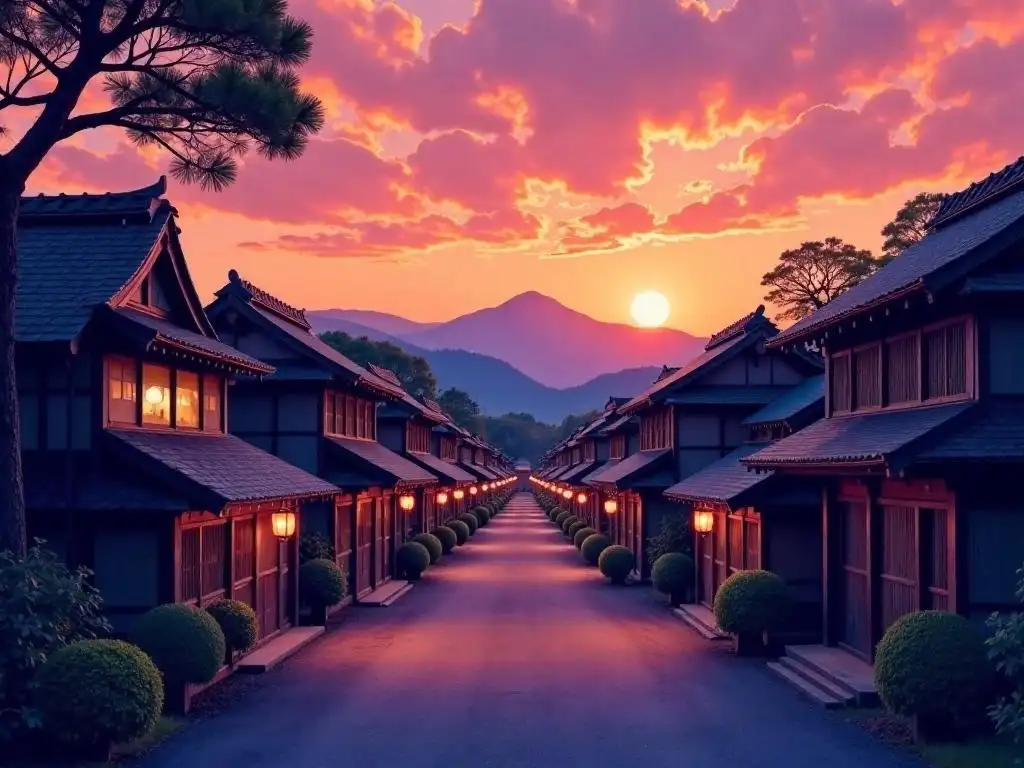
Welcome to Feudal Japan History, where we embark on a captivating journey through the intricate tapestry of Japan’s feudal era. Here, we delve deep into the historical, cultural, and societal layers that shaped a nation. Today, we invite you to explore the enchanting world of Wabi Sabi feudal Japan wallpapers—a blend of beauty and imperfection that reflects the essence of this remarkable period. Curious about how these thought-provoking designs can transform your space? Continue reading to discover the artistry and philosophy behind Wabi Sabi, and download your own piece of history today!
In the rich tapestry of Japan's feudal era, the concept of Wabi Sabi emerges as a profound reflection of the culture's intrinsic values. Rooted in the appreciation of impermanence and the beauty found in simplicity, Wabi Sabi offers a unique lens through which we can explore the artistic expressions of this historical period. This article invites you to dive deep into the aesthetics of Wabi Sabi, uncovering its significance within feudal Japan while also providing an array of downloadable wallpapers that capture this philosophy in stunning visuals.
Each wallpaper serves not only as a decorative piece but also as a reminder of the transient beauty that characterizes the essence of Wabi Sabi. By understanding this aesthetic, we can appreciate the depth and nuance of feudal Japan's cultural heritage and its lasting influence on art and architecture.
Understanding Wabi Sabi in the Context of Feudal Japan
Wabi Sabi transcends mere aesthetics; it embodies a philosophy that resonates deeply within the cultural framework of feudal Japan. To fully grasp its essence, we must explore its foundational principles and historical contexts.
The Philosophy of Wabi Sabi: Beauty in Imperfection
At its core, Wabi Sabi celebrates the beauty of imperfection and the transient nature of life. This philosophy encourages an appreciation for the natural cycle of growth and decay, emphasizing that true beauty lies in the flaws and irregularities found in objects and experiences. In the feudal context, this perspective shaped various aspects of daily life, from the art of tea ceremonies to the crafting of pottery.
- Key Principles of Wabi Sabi:
- Impermanence: Acknowledging that nothing lasts forever.
- Simplicity: Valuing minimalism and the essence of objects.
- Naturalness: Emphasizing organic forms and materials.
This philosophy invites individuals to embrace their surroundings, encouraging a deeper connection with nature and a mindful approach to life.
Historical Significance of Wabi Sabi during the Feudal Era
The roots of Wabi Sabi can be traced back to Zen Buddhism, which flourished during the Kamakura period (1185-1333). As feudal Japan evolved, so too did the appreciation for Wabi Sabi, which became a guiding principle in various cultural practices.
- Key Historical Points:
- Kamamoto Period Influence: The rise of Zen gardens and minimalist aesthetics.
- Tea Ceremony Development: The introduction of Wabi Sabi principles into traditional tea ceremonies, fostering a sense of tranquility and connection.
The historical significance of Wabi Sabi lies in its ability to unify art, philosophy, and daily life, creating a rich cultural narrative that continues to resonate today.
The Cultural Impact of Wabi Sabi on Japanese Art and Architecture
Wabi Sabi's influence extends beyond philosophy; it has profoundly shaped the artistic and architectural landscape of Japan throughout the feudal era. Understanding this impact allows us to appreciate how these principles were woven into the very fabric of Japanese culture.
Wabi Sabi Principles in Traditional Japanese Aesthetics
The principles of Wabi Sabi have been instrumental in defining traditional Japanese aesthetics, influencing various art forms including pottery, painting, and architecture.
- Examples of Influence:
- Ceramics: The rustic beauty of Raku pottery exemplifies Wabi Sabi's embrace of imperfection.
- Architecture: Traditional Japanese homes often feature asymmetry and natural materials, reflecting a harmonious relationship with nature.
These artistic expressions not only showcase the beauty of simplicity but also highlight the cultural values inherent in the Wabi Sabi philosophy.
Notable Feudal Japan Artists Embracing Wabi Sabi
Throughout the feudal period, various artists and craftsmen embraced the Wabi Sabi ethos, creating works that resonate with this philosophy.
- Prominent Artists:
- Sen no Rikyū: A tea master who integrated Wabi Sabi into the tea ceremony, emphasizing simplicity and mindfulness.
- Yayoi Kusama: A contemporary artist whose works reflect Wabi Sabi principles through their exploration of form and nature.
These artists have played a crucial role in perpetuating the Wabi Sabi philosophy, ensuring its relevance in both historical and contemporary contexts.
Exploring Wabi Sabi Feudal Japan Wallpapers
Wabi Sabi is a Japanese aesthetic that finds beauty in imperfection, transience, and the natural world. This philosophy resonates deeply within the historical context of feudal Japan, where nature and human existence intertwined harmoniously. Wabi Sabi feudal Japan wallpapers capture this essence, reflecting the simplicity, rustic charm, and profound beauty that characterize this aesthetic. By downloading these wallpapers, enthusiasts can bring a piece of this rich cultural heritage into their own homes, creating a serene and contemplative atmosphere.
What are Wabi Sabi Feudal Japan Wallpapers?
Wabi Sabi feudal Japan wallpapers are digital images that encapsulate the principles of the Wabi Sabi aesthetic, focusing on the beauty of impermanence, rustic simplicity, and natural elements. These wallpapers often feature:
- Natural Landscapes: Mountains, forests, and serene water bodies that showcase the raw beauty of nature.
- Traditional Architecture: Images of ancient temples, shrines, and rustic farmhouses that highlight the craftsmanship and the passage of time.
- Organic Textures: Close-ups of weathered wood, stone, and other materials that embody the Wabi Sabi philosophy through their aged and imperfect surfaces.
These artworks not only serve as decorative elements but also as reminders of the fleeting nature of life and the beauty found in simplicity.
Features of High-Quality Wabi Sabi Wallpapers
When selecting Wabi Sabi feudal Japan wallpapers, it's essential to consider features that enhance their visual and emotional impact. High-quality wallpapers typically exhibit the following characteristics:
- Resolution: Look for wallpapers with a high resolution (at least 1920x1080 pixels) to ensure clarity and detail on various screen sizes.
- Color Palette: A muted, earthy color palette that reflects the natural world is a hallmark of Wabi Sabi aesthetics. Shades of brown, green, and grey create a calming effect.
- Artistic Composition: Quality wallpapers should have a well-balanced composition that draws the viewer's eye, highlighting the beauty of imperfections and asymmetry.
- Authenticity: High-quality images often come from reputable sources or artists with a deep understanding of Japanese culture, ensuring that the wallpapers resonate with the true essence of Wabi Sabi.
How Wabi Sabi Wallpapers Enhance Your Space
Incorporating Wabi Sabi feudal Japan wallpapers into your living or working space can significantly enhance the ambiance and emotional quality of the environment. Here are some ways these wallpapers can transform your space:
- Promoting Tranquility: The calming visuals of Wabi Sabi wallpapers create a peaceful atmosphere, ideal for meditation or relaxation.
- Encouraging Mindfulness: The aesthetic encourages viewers to appreciate the present moment, helping to foster a sense of mindfulness and appreciation for simplicity.
- Creating a Connection with Nature: Natural imagery in these wallpapers can bring the beauty of the outdoors into your home, bridging the gap between interiors and nature.
- Adding Cultural Depth: By displaying Wabi Sabi wallpapers, you introduce an element of Japanese culture into your space, enriching the overall aesthetic and narrative.
Top Sources for Downloading Wabi Sabi Feudal Japan Wallpapers
Finding the right source for downloading Wabi Sabi feudal Japan wallpapers is crucial to ensure quality and authenticity. Below are some of the best platforms where you can explore and acquire these unique digital artworks.
Best Websites Offering Wabi Sabi Feudal Japan Wallpapers
- ArtStation: A platform showcasing artworks from various artists, including those specializing in Wabi Sabi aesthetics. You can find high-resolution wallpapers directly from creators.
- DeviantArt: This community of artists often features Wabi Sabi-themed artworks. Many users offer downloadable wallpapers that capture the spirit of feudal Japan.
- Unsplash: A site that provides free high-quality images, including landscapes and textures that embody Wabi Sabi. You can download and use these images for personal use.
- Pexels: Similar to Unsplash, Pexels offers a vast collection of free stock photos, including those reflecting the Wabi Sabi philosophy.
- Etsy: Although primarily a marketplace for handmade goods, many artists sell digital downloads of Wabi Sabi-inspired wallpapers, supporting independent creators.
By exploring these sources, you can find a diverse range of Wabi Sabi feudal Japan wallpapers, allowing you to enrich your digital space with the profound beauty and meaning of this unique aesthetic.
Comparing Different Styles of Wabi Sabi Wallpapers
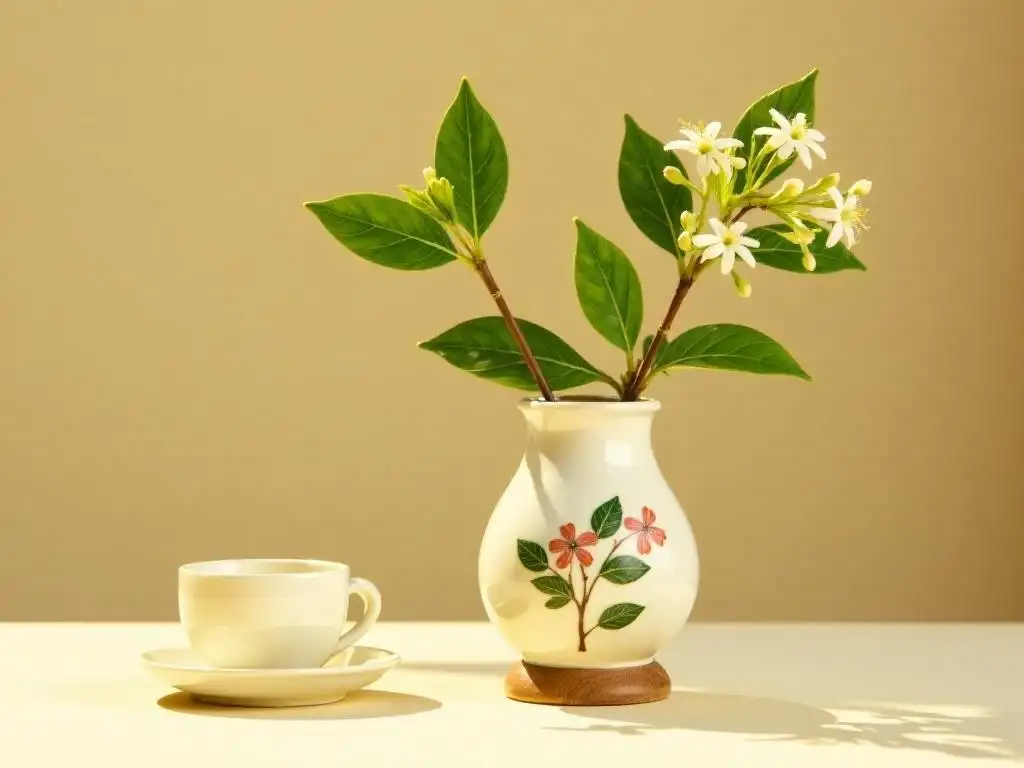
The beauty of Wabi Sabi is its inherent simplicity and appreciation for the imperfect. When it comes to wallpapers inspired by Wabi Sabi aesthetics, various styles reflect this philosophy in unique ways. Understanding the differences between these styles can help you choose the wallpaper that resonates most with your personal taste and the atmosphere you want to create in your space.
Minimalist vs. Detailed Wabi Sabi Designs
Minimalist Wabi Sabi Designs focus on simplicity and the essence of objects. These wallpapers often feature soft, muted colors and uncomplicated patterns that evoke a sense of calm and tranquility. The minimalist approach emphasizes negative space, allowing the viewer to appreciate the absence of clutter and the beauty in simplicity.
Detailed Wabi Sabi Designs, on the other hand, embrace complexity through intricate patterns and textures. These wallpapers may depict natural elements like aged wood, rusted metal, or weathered stone, showcasing the beauty of decay and the passage of time. The detailed designs can create a rich visual experience, drawing the eye to the subtle imperfections that tell a story.
Choosing between minimalist and detailed designs ultimately depends on your personal preference and the mood you want to cultivate in your environment.
Seasonal Themes in Wabi Sabi Wallpapers
Seasonal themes in Wabi Sabi wallpapers capture the essence of nature's cyclical beauty. For instance:
- Spring: Wallpapers may showcase blooming cherry blossoms or delicate leaves, celebrating renewal and the soft colors of the season.
- Summer: Vibrant greens and warm earth tones can represent lush landscapes and the fullness of life during this time.
- Autumn: Rich oranges, reds, and browns reflect the transience of life, as leaves change and fall, embodying the Wabi Sabi acceptance of impermanence.
- Winter: Cool blues and whites may represent stillness and tranquility, evoking the serene beauty of a snowy landscape.
Integrating seasonal themes into your wallpaper choice can create a dynamic, ever-changing aesthetic that resonates with the flow of nature.
Recommendations Based on Personal Aesthetic Preferences
When selecting Wabi Sabi wallpapers, consider your personal aesthetic preferences. If you gravitate towards serene and calming spaces, minimalist designs with soft color palettes may be ideal. For those who appreciate storytelling through visuals, detailed designs that highlight textures and imperfections can create a more engaging atmosphere.
Additionally, if you favor a specific season, choose wallpapers that reflect that time of year to enhance the ambiance of your space. Personal aesthetics can significantly influence how one interacts with their environment, so choose wallpapers that speak to you and contribute to your overall well-being.
How to Download and Use Wabi Sabi Feudal Japan Wallpapers
Downloading and utilizing Wabi Sabi feudal Japan wallpapers is a straightforward process. Here’s how to seamlessly integrate these beautiful designs into your digital spaces.
Step-by-Step Guide to Downloading Wallpapers
- Choose Your Wallpaper: Browse through the collection of Wabi Sabi feudal Japan wallpapers and select the design that appeals to you.
- Click on the Download Button: Once you have chosen your wallpaper, locate the download button. This may vary depending on the website but is usually clearly marked.
- Select the Appropriate Resolution: Choose a resolution that matches your device's display for optimal quality.
- Save the File: Click to download the wallpaper file, which will typically be saved to your device's default download folder.
- Locate the File: Navigate to your downloads folder to find the file you just downloaded.
Tips for Setting Up Your Device with Wabi Sabi Aesthetics
To create a cohesive Wabi Sabi aesthetic on your device, consider the following tips:
- Choose a Simple Color Scheme: Keep your device's interface minimal, utilizing soft, neutral tones that complement your wallpaper.
- Limit Clutter: Reduce the number of icons on your desktop or home screen to allow your Wabi Sabi wallpaper to take center stage.
- Incorporate Natural Elements: Consider using widgets or app icons that mimic natural textures or colors to enhance the overall theme.
Best Practices for Wallpaper Maintenance and Usage
Maintaining your Wabi Sabi wallpapers involves a few best practices:
- Regularly Update: Change your wallpaper seasonally or periodically to keep your aesthetic fresh and reflective of nature's cycles.
- Avoid Excessive Editing: Embrace the imperfections of the wallpaper; refrain from over-editing or adjusting the image, as this may detract from its natural beauty.
- Protect Your Device: Ensure your screen is protected from scratches and wear to keep your wallpaper looking pristine.
By following these tips and guidelines, you can fully enjoy the aesthetics of Wabi Sabi through your wallpapers, creating an environment that reflects tranquility and the beauty of imperfection.
Common Misconceptions about Wabi Sabi and Wallpapers
Wabi Sabi, a concept deeply rooted in Japanese aesthetics, often faces misconceptions that can dilute its true essence. In the context of wallpapers inspired by Wabi Sabi, it’s essential to address these myths to foster a deeper appreciation for the art form and its applications in digital products.
Myth: Wabi Sabi is Just About Being Messy
One of the most common misconceptions about Wabi Sabi is that it merely celebrates disorder and messiness. This oversimplification overlooks the intricate beauty that lies within imperfection and transience. While Wabi Sabi does encourage an appreciation for the natural wear and tear of objects, it is not an endorsement of chaos or neglect. Instead, it emphasizes finding beauty in the imperfect, incomplete, and ephemeral aspects of life.
In essence, Wabi Sabi wallpapers are not just about unkempt images or random splashes of color. They are carefully curated reflections of nature, history, and the human experience. The beauty of a Wabi Sabi wallpaper can be found in the subtle textures, muted colors, and the story each image tells—elements that evoke a sense of nostalgia and tranquility rather than chaos.
Reality: The Depth of Meaning Behind Wabi Sabi Aesthetics
Wabi Sabi aesthetics encompass a rich tapestry of cultural significance that transcends mere visual appeal. Rooted in Zen Buddhism, Wabi Sabi invites individuals to embrace the beauty of impermanence and the natural cycle of life. This philosophy encourages a mindful approach to everyday experiences, fostering a deeper connection between the observer and the object.
In the realm of wallpapers, this depth translates into images that tell stories of nature's cyclical changes—like the fleeting beauty of cherry blossoms or the weathered surfaces of traditional Japanese architecture. Each wallpaper serves as a reminder to appreciate the moment and the beauty found in simplicity.
Moreover, Wabi Sabi wallpapers often utilize earthy tones, organic patterns, and textures that reflect the rawness of nature, inviting serenity into living spaces. By downloading these wallpapers, individuals can create environments that inspire mindfulness, reflection, and a sense of peace.
Conclusion: Embrace the Wabi Sabi Aesthetics in Your Life
The aesthetics of Wabi Sabi offer a unique perspective on life and beauty that can enrich our daily experiences. By understanding and appreciating the principles of Wabi Sabi, we can cultivate a deeper connection with our surroundings and ourselves.
Final Thoughts on the Beauty of Imperfection
The beauty of imperfection lies in its ability to convey authenticity and depth. In a world that often prioritizes perfection and uniformity, Wabi Sabi reminds us to embrace the flaws that make life unique. Celebrating these imperfections allows us to cultivate a sense of gratitude for the ordinary moments that shape our lives.
Encouragement to Explore and Download Wabi Sabi Feudal Japan Wallpapers
We invite you to explore the captivating world of Wabi Sabi through our collection of feudal Japan wallpapers. Each piece is a celebration of the aesthetics that define this unique philosophy, capturing the essence of nature, history, and human experience. Downloading these wallpapers can transform your space into a sanctuary of tranquility and reflection, encouraging you to appreciate the beauty of imperfection in your everyday life. Experience the aesthetics of Wabi Sabi today! 🌿✨
- Understanding Wabi Sabi in the Context of Feudal Japan
- The Cultural Impact of Wabi Sabi on Japanese Art and Architecture
- Exploring Wabi Sabi Feudal Japan Wallpapers
- Top Sources for Downloading Wabi Sabi Feudal Japan Wallpapers
- Comparing Different Styles of Wabi Sabi Wallpapers
- How to Download and Use Wabi Sabi Feudal Japan Wallpapers
- Common Misconceptions about Wabi Sabi and Wallpapers
- Conclusion: Embrace the Wabi Sabi Aesthetics in Your Life
Frequently Asked Questions
What is Wabi Sabi in the context of Feudal Japan?
Wabi Sabi is a Japanese aesthetic that finds beauty in imperfection and transience. It reflects the appreciation of natural forms, simplicity, and the temporary nature of life.
How can I use Wabi Sabi wallpapers in my decor?
Using Wabi Sabi feudal Japan wallpapers can enhance your space by promoting a sense of calm and mindfulness. The earthy tones and organic patterns can create a harmonious environment that fosters relaxation.
Where can I find Wabi Sabi feudal Japan wallpapers?
You can download thought-provoking feudal Japan wallpapers from various online platforms that specialize in Japanese art and aesthetics. Look for websites that offer high-quality images that embody the Wabi Sabi philosophy.
What themes are commonly represented in Wabi Sabi wallpapers?
Common themes include nature, traditional Japanese architecture, and rustic elements. These themes encapsulate the essence of impermanence and the beauty of simplicity, reflecting the spirit of Feudal Japan.
How does Wabi Sabi influence Japanese culture beyond aesthetics?
Wabi Sabi influences various aspects of Japanese culture, including tea ceremonies, gardening, and literature. It encourages an appreciation for the impermanent and incomplete, fostering a deeper connection to nature and life itself.
Final Reflection: Embracing Imperfection through Wabi Sabi
The aesthetics of Wabi Sabi resonate deeply in today's fast-paced world, reminding us that beauty lies in imperfection and transience. As we navigate a society often obsessed with perfection and instant gratification, the principles of Wabi Sabi offer a refreshing perspective that encourages us to appreciate the fleeting moments and the unique stories behind every object. This philosophy is not just an artistic movement; it is a profound way of seeing the world that invites us to slow down and find beauty in the mundane.
Culturally and socially, Wabi Sabi has influenced various aspects of our lives, from art and design to mindfulness practices. It encourages us to cherish the natural cycle of growth and decay, fostering a deeper connection with our surroundings and ourselves. As we adorn our digital spaces with Feudal Japan wallpapers that embody this philosophy, we are reminded of the rich history and the wisdom embedded in these visuals. The beauty of things is not in the things themselves, but in the meaning ascribed to them.
This quote encapsulates the essence of Wabi Sabi, urging us to find significance in the imperfect and the ephemeral.
As you reflect on the themes of Wabi Sabi, I invite you to consider how this philosophy can transform your perspective on life. Take a moment to appreciate the imperfections around you, whether in your environment, relationships, or personal journey. Allow the aesthetics of Wabi Sabi to inspire you to embrace your own uniqueness and the fleeting nature of existence. By doing so, you not only enrich your own life but also contribute to a culture that values authenticity and depth over superficial perfection.
Embrace the Beauty of Imperfection Today!
Thank you for diving into the world of Wabi-Sabi with us! We hope you found inspiration in the unique aesthetics and philosophy that celebrate beauty in imperfection. Now it's time to bring these enchanting designs into your daily life.
Here are some simple steps to embody the spirit of Wabi-Sabi:
- Download your favorite Wabi-Sabi wallpapers to adorn your devices and remind yourself of the beauty in life's imperfections.
- Share your favorite wallpaper with friends on social media and inspire them to appreciate the Wabi-Sabi philosophy as well.
- Consider starting a journal to reflect on moments of beauty in everyday life, fully embracing the Wabi-Sabi mindset.
What is one imperfection in your life that you’ve grown to appreciate? Let's start a conversation in the comments!