
The Relationship Between Class and Land Ownership in Feudal Japan

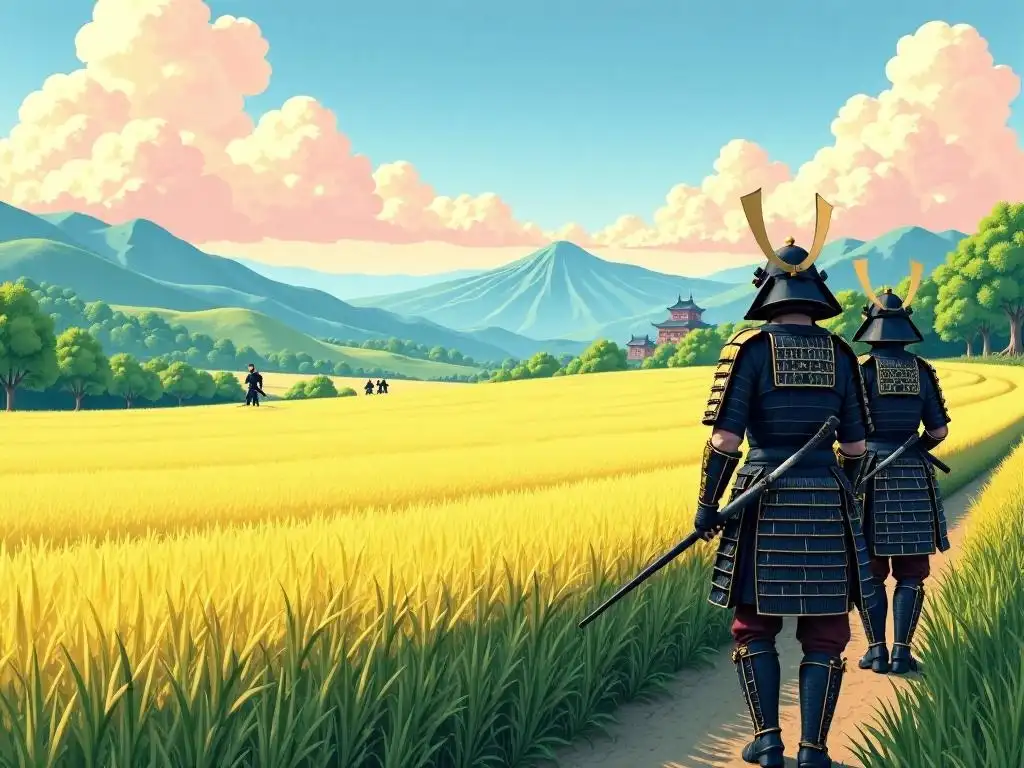
Welcome to Feudal Japan History, where we invite you to journey back in time to the intricate tapestry of Japan's feudal era. Here, you'll uncover the fascinating relationship between class and land ownership, a cornerstone of social structure that shaped the lives of countless individuals. What secrets did the samurai and farmers hold in their hands, and how did their positions dictate power and prosperity? Prepare to delve into expert-driven insights and captivating narratives that will not only enlighten you but also spark your curiosity about the complexities of this remarkable period. Let the exploration begin!
- Introduction to Class and Land Ownership in Feudal Japan
- The Hierarchical Class System in Feudal Japan
- The Role of Land Ownership in Feudal Japan
- The Relationship Between Class and Land Ownership
- Case Studies of Notable Landowners and Their Class Impact
- Changes in Class and Land Ownership Over Time
- Conclusion: The Lasting Legacy of Class and Land Ownership in Japan
- Frequently Asked Questions
- Final Reflection: Understanding Class and Land Ownership in Feudal Japan
- Unveil the Secrets of Feudal Japan’s Land Ownership!
Introduction to Class and Land Ownership in Feudal Japan
Feudal Japan was a complex society characterized by a strict hierarchical class structure that profoundly influenced every aspect of life during this era. At the core of this system was the interplay between class and land ownership, which determined not only the social status of individuals but also their economic power and political influence.
The relationship between class and land ownership in feudal Japan created a social dynamic that shaped the interactions among the ruling samurai class, the peasantry, and other societal factions. This article delves into the intricacies of this relationship, exploring how land ownership served as the foundation for social stratification and the implications it held for the broader socio-economic landscape of feudal Japan.
The social structure of feudal Japan was rigidly stratified, with a clear hierarchy that defined the roles and responsibilities of its members. At the top of this hierarchy was the Emperor, who held a symbolic position but possessed little real power. Below the Emperor were the shoguns, military leaders who ruled the country and commanded the loyalty of the samurai class. The samurai, or warrior class, were the elite who not only served as military protectors but also managed lands and enforced the law.
The class system can be summarized as follows:
- Emperor: The ceremonial leader.
- Shogun: The highest military ruler with real power.
- Daimyo: Feudal lords who governed large estates.
- Samurai: Warriors serving the daimyo, often landholders themselves.
- Peasants: The largest class, responsible for agricultural production.
- Artisans and Merchants: Below peasants, their status varied based on the period and location.
This hierarchical structure was deeply intertwined with land ownership, as each class's power and influence were largely dependent on the amount and quality of land they controlled.
Importance of Land Ownership in Feudal Society
Land ownership in feudal Japan was not merely a matter of wealth; it was the key to power and social standing. The concept of "shiki," or land rights, was central to the feudal system. Land was typically owned by the daimyo, who would grant portions to samurai in exchange for military service. In turn, these samurai would oversee the peasants, who worked the land and produced food, thereby supporting the entire social structure.
The significance of land ownership can be understood through several key factors:
- Economic Power: Landowners collected taxes and resources from those who worked the land, establishing a significant source of income.
- Social Status: Ownership of land elevated an individual’s status, allowing them to ascend within the social hierarchy.
- Political Control: Land was a critical asset in maintaining power and influence, as control over territory often translated to political authority.
The relationship between class and land ownership in feudal Japan was foundational to its social order, affecting the lives of individuals across all classes and defining the nature of interactions within this historical context. Understanding this dynamic is essential to grasp the complexities of Japan's feudal era and its enduring legacy.
The Hierarchical Class System in Feudal Japan

Overview of the Class Structure
The feudal system in Japan, established during the late Heian period (794-1185) and solidifying in the Kamakura period (1185-1333), was characterized by a rigid hierarchical structure that fundamentally shaped societal interactions and land ownership. At the top of this hierarchy was the emperor, but real power was often held by the shogun, the military leader who ruled in the emperor's name. The class structure can be broadly categorized into several tiers, each with distinct roles and responsibilities:
- Emperor and Imperial Family: The nominal rulers, who held a divine status but had limited political power.
- Shogunate and Samurai: The warrior class that governed land and maintained order through military force.
- Peasants: The backbone of the economy, primarily engaged in agriculture, tasked with providing food and resources.
- Artisans and Merchants: Lower in the hierarchy, these classes contributed to economic activity but had limited social mobility.
Land ownership was intrinsically linked to this class structure. The samurai, for example, were both warriors and landowners, receiving land in exchange for their military service. The relationship between class and land ownership in feudal Japan was thus a crucial element that dictated social dynamics and the distribution of power.
The Role of the Emperor and the Imperial Family
The emperor of Japan, traditionally considered the highest authority, played a unique role in the feudal hierarchy. While the emperor held a position of great reverence and was seen as a descendant of the sun goddess Amaterasu, real governing power largely resided with the shoguns, especially during the Kamakura and Ashikaga periods. The emperor's primary responsibilities included:
- Cultural Patronage: The imperial family was instrumental in the promotion of arts, literature, and religion, influencing Japanese culture.
- Ceremonial Leadership: The emperor performed various religious and state rituals, reinforcing the divine right to rule.
- Political Influence: Although often a puppet in the hands of the shogunate, the emperor could wield significant influence during times of political strife, particularly in revoking shogunal authority.
Despite their limited direct power, the emperor and the imperial family were essential in legitimizing the social order and maintaining the cultural identity of Japan throughout the feudal era.
The Samurai Class: Warriors and Landowners
The samurai class emerged as the dominant military and political force in feudal Japan, distinguished by their code of conduct known as bushido, which emphasized honor, loyalty, and martial prowess. Their relationship with land ownership was pivotal for both their social standing and economic stability. Key aspects of the samurai's role include:
- Land Grants: Samurai were often granted land by the shogun or local lords (daimyos) in return for military service. This made them both warriors and landowners, creating a direct link between their social status and land ownership.
- Vassal-Lord Relationships: The samurai operated within a system of loyalty and service. In exchange for land and protection, they were expected to serve their lords, which created a network of obligations and responsibilities that reinforced the hierarchical structure.
- Economic Impact: The samurai class played a significant role in local economies. They managed agricultural production on their lands, collecting taxes from peasants who worked the fields. This economic power allowed them to sustain their warrior lifestyle, maintain their status, and influence local governance.
- Cultural Influence: Beyond their military functions, samurai contributed to the cultural landscape of Japan, promoting arts such as poetry, tea ceremonies, and calligraphy, which reflected their values and way of life.
In sum, the samurai class not only wielded military power but also played a crucial role in shaping the land ownership dynamics that defined feudal Japan. Their dual identity as warriors and landowners solidified their position within the complex class structure, illustrating the intricate relationship between class and land ownership during this era.
The Role of the Merchants and Artisans
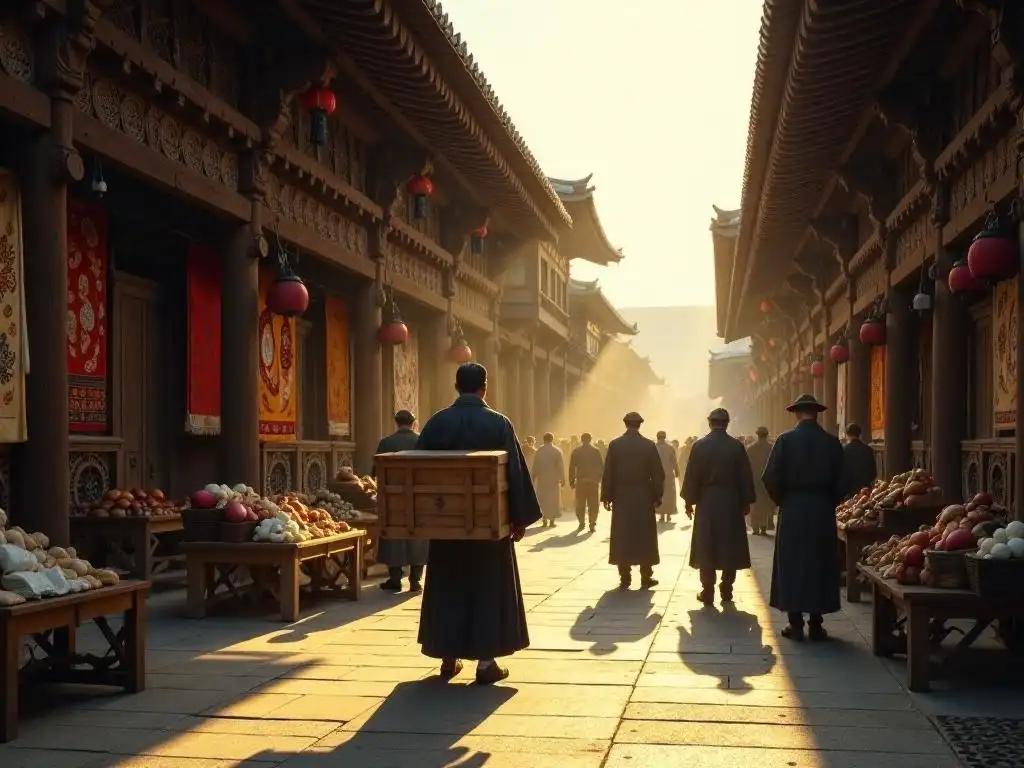
In feudal Japan, merchants and artisans held a unique position within the hierarchical class system. Unlike in many societies where merchants were often viewed with disdain, in Japan, their status was somewhat ambivalent. While they did not possess the same level of prestige or power as the samurai class, their economic influence was significant.
Merchants were primarily involved in trade and commerce, facilitating the exchange of goods both domestically and internationally. They played a crucial role in the economy, sourcing products from various regions, including rice, textiles, and ceramics. Despite their contributions, merchants were often seen as lower in status, as their wealth was derived from trade rather than land ownership, which was the primary measure of power in feudal society. The Tokugawa shogunate (1603-1868) even implemented regulations that restricted the activities of merchants to maintain the social order, which placed an emphasis on agrarian values.
On the other hand, artisans were skilled craftsmen who produced goods ranging from pottery and textiles to weapons and armor. Their work was essential for both everyday life and military needs. While artisans could gain a certain level of respect due to their skills, they were still seen as subservient to the samurai and landowners. However, as the economy shifted during the Edo period, particularly in urban areas, some artisans began to flourish, forming guilds that increased their bargaining power and even led to a modest rise in their social status.
Overall, while merchants and artisans did not enjoy the same societal standing as the samurai or landowners, their roles were vital to the economic framework of feudal Japan, highlighting a complex relationship between class and land ownership during this period.
Peasants: The Backbone of Agriculture
Peasants were often referred to as the backbone of feudal Japan, as they constituted the largest segment of the population and were integral to the agricultural economy. Their primary responsibility was to cultivate the land and produce the food necessary for survival, making them essential to the sustenance of both the samurai and the broader society.
In the feudal hierarchy, peasants were ranked below the samurai but above merchants and artisans. This positioning reflected the societal belief that agriculture was noble and fundamental, as land was the primary source of wealth. Most peasants worked small plots of land that were often owned by local daimyō (feudal lords) or samurai.
In return for the right to farm, peasants paid a portion of their harvest as rent, which typically ranged from 40% to 60% of the total yield. This system created a significant dependency on the landowners, as their livelihood hinged on the agricultural output and the whims of the samurai class.
Despite their essential role, life for peasants was fraught with challenges. They faced heavy taxation, natural disasters, and the threat of war, which could devastate their crops and livelihoods. Moreover, the rigid social structure meant that mobility was limited; peasants were largely bound to their land and their lord, making it difficult to improve their social standing.
In times of hardship, peasants would sometimes organize uprisings, seeking better treatment and more equitable taxation. These revolts, such as the Ōnin War (1467-1477) and the Shinheisō (a series of peasant revolts), underscored the tension between the ruling classes and the agricultural workers who sustained the economy.
While often marginalized in the social hierarchy, peasants were undeniably crucial to the agricultural foundation of feudal Japan. Their labor and resilience not only supported the economy but also shaped the social and political landscape of the era.
The Role of Land Ownership in Feudal Japan
The relationship between class and land ownership in feudal Japan was a fundamental aspect of its social structure and economy. Understanding this relationship reveals how land was not merely a physical asset but a symbol of power, status, and social hierarchy. The feudal system revolved around land tenure, where the distribution and control of land directly influenced the roles and responsibilities of various classes.
Types of Land Ownership in Feudal Japan
In feudal Japan, land ownership was characterized by various types of tenure, each reflecting the dynamics of power and social organization. The primary categories include:
- Shōen (荘園): These were privately owned estates that became prominent during the Heian period (794-1185). The shōen system allowed powerful families and temples to control large tracts of land, often exempt from imperial taxation. This autonomy facilitated the growth of a wealthy aristocracy.
- Kō (公): State land, controlled by the emperor or government officials, was termed "kō". This land was used for the benefit of the state, and its administration was crucial for maintaining the imperial power and authority.
- Jige (地下): This category encompassed the land held by local lords or samurai. While samurai were granted land in exchange for military service, the actual ownership remained with the shōen owners, creating a complex web of obligations and loyalties.
- Tenant Farming: Many peasants were tenants working on shōen or jige lands. They did not own the land but paid rent or a share of their produce to the landowner. This system reinforced the social hierarchy, as tenant farmers were often at the mercy of the landowners.
The Significance of Rice Production
Rice production was the backbone of feudal Japan's agrarian economy and played a crucial role in the relationship between class and land ownership. The significance of rice can be understood through several key points:
- Staple Food Source: Rice was the primary staple food, central to the Japanese diet and culture. Its production not only sustained the population but also became a measure of agricultural success.
- Taxation and Tribute: Rice served as the primary medium for taxation. Landowners collected rice as rent or tribute from tenants, which was then used to support samurai and court officials. This practice underscored the economic dependence of the lower classes on landowners.
- Social Status Indicator: The amount of rice produced and stored was directly linked to social status. Wealthy landowners could amass large reserves of rice, showcasing their power and influence within the feudal hierarchy.
- Cultural Practices: Rice cultivation was intertwined with religious and cultural rituals, reinforcing its importance in society. Festivals centered around rice harvesting not only celebrated agricultural success but also affirmed the social order, with landowners at the center of these communal activities.
Land as a Measure of Wealth and Power
Land ownership in feudal Japan was intricately connected to wealth and power, serving as the foundation for social stratification. The following points illustrate this relationship:
- Wealth Accumulation: The more land one owned, the greater the wealth accumulated through agricultural production. This wealth allowed landowners to maintain a retinue of samurai, further entrenching their power and influence within the feudal system.
- Political Authority: Landowners wielded significant political influence, often participating in local governance and decision-making. Their control over land translated into control over the peasants who worked it, solidifying their status as local leaders.
- Military Obligations: Land ownership was tied to military service, as samurai were granted land in exchange for their loyalty and service. This reciprocal relationship emphasized the necessity of land for maintaining the samurai class and the feudal order.
- Social Mobility Limitations: The rigid class system of feudal Japan made it difficult for individuals to move between classes. Land ownership was often inherited, and thus, the social elite maintained their status across generations, perpetuating inequality.
The intricate relationship between class and land ownership in feudal Japan not only shaped the economic landscape but also defined power dynamics and societal roles. Understanding this relationship provides valuable insight into the complexity of Japan's feudal society and its lasting impacts on the nation's history.
The Relationship Between Class and Land Ownership
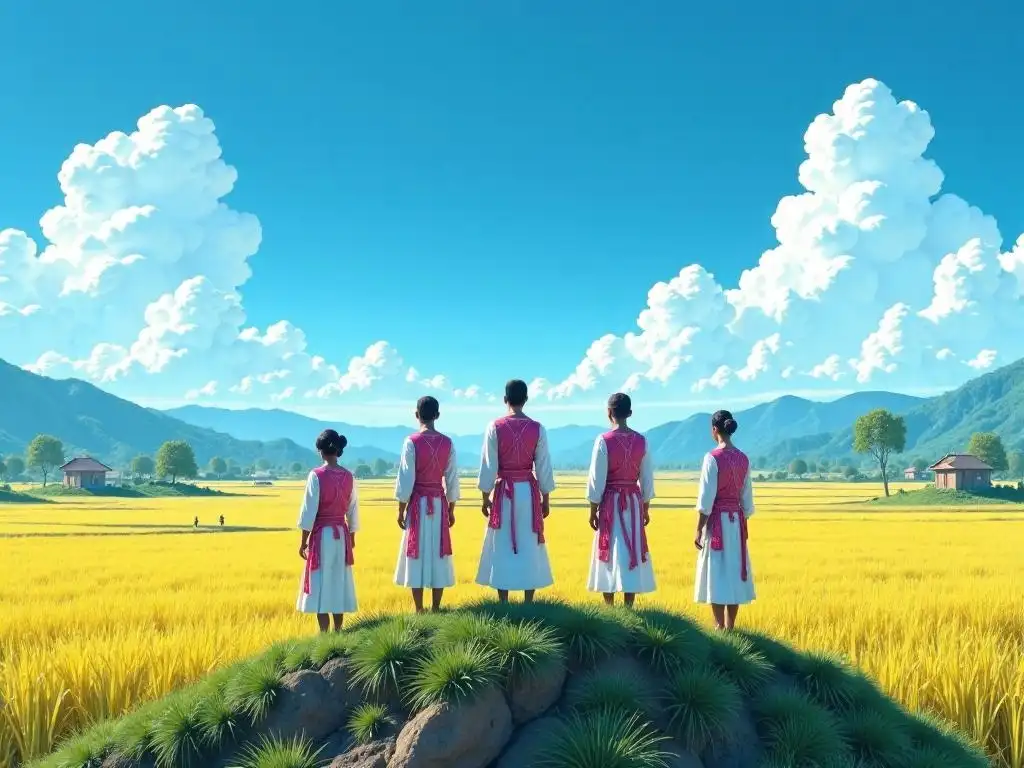
Land ownership in feudal Japan was not merely a matter of agricultural production; it played a pivotal role in defining social class and establishing the power dynamics of the era. The intricate relationship between class and land ownership shaped the societal structure of feudal Japan, influencing everything from political alliances to individual identities.
In feudal Japan, land was the primary source of wealth and power, and its ownership was intricately tied to one's social status. The hierarchy of the feudal system can be categorized into several distinct classes, each with varying degrees of land ownership and control:
- Emperors and Nobles: At the pinnacle of the social structure were the emperors and high-ranking nobles (kuge). They owned vast estates, often granted by the emperor, serving as a symbol of their status. Their wealth derived not only from land but also from the loyalty of vassals and farmers.
- Daimyo: Below the emperors, the daimyos were powerful feudal lords who governed large territories. They controlled land through a system of vassalage, where samurai pledged loyalty in exchange for land. The size of a daimyō's territory greatly influenced their power and influence within the shogunate.
- Samurai: Samurai were the warrior class who served the daimyos. Their social status was also determined by the amount of land they controlled. While many samurai received stipends or small parcels of land, their loyalty to their lords was often reinforced by the promise of land in times of war or conflict.
- Peasants: The majority of the population consisted of peasants, who worked the land but did not own it. Instead, they were tenants or serfs, bound to the land they farmed. Their social mobility was extremely limited, as their status was largely determined by the land they worked and their obligations to their lord.
This rigid class structure created a clear delineation of power and responsibility, with land ownership serving as a tangible measure of status and influence.
The Impact of Land Ownership on Samurai Loyalty
The loyalty of the samurai to their daimyos was heavily influenced by land ownership, as it was both a matter of economic necessity and honor. The relationship between the samurai and their lords can be summarized through several key points:
- Vassalage and Land Grants: Samurai were often granted land in exchange for their military service. This bond was more than a contractual obligation; it was a feudal loyalty that dictated their actions in both war and peace.
- Economic Stability: Land ownership provided economic security for samurai families. The land they controlled allowed them to sustain their households, pay for weapons and armor, and support their retainers. A samurai's ability to maintain a stable income from land was crucial in preserving their status.
- Loyalty in Times of Conflict: During conflicts, such as the Sengoku period, the stakes of land ownership became even higher. Samurai were motivated to protect their territory and their lord's interests, as losing land could mean losing their status and livelihood.
- Cultural Influence: The samurai code, or bushido, emphasized loyalty and honor. The relationship with land ownership reinforced these values, as samurai viewed their service and loyalty as a noble duty tied to their land.
Through these mechanisms, land ownership became a cornerstone of samurai loyalty, influencing their decisions and actions throughout the feudal era.
Peasant Land Rights and Obligations
Peasants in feudal Japan were the backbone of the agricultural economy, yet their rights and obligations regarding land were complex and often exploitative. Understanding their position requires examining several aspects:
- Tenancy Arrangements: Most peasants did not own the land they farmed. Instead, they were tenants who worked on the land owned by the daimyos or samurai. These arrangements often involved paying rent in the form of a share of the harvest, which could be as high as 50%.
- Obligations to Lords: Peasants had certain obligations to their lords, which included not only the payment of rent but also labor services during planting and harvest seasons. This system created a cycle of dependency, as peasants relied on their lords for protection while being bound by economic obligations.
- Rights and Protections: While peasants were often at the mercy of their lords, there were some rights codified by local customs. For instance, some regions allowed peasants to claim ownership of land after a certain period of cultivation, particularly if they improved the land. However, these rights varied significantly across different regions.
- Rebellion and Resistance: The burdens of land ownership could lead to unrest among peasants, resulting in uprisings against oppressive landlords. Notable revolts, such as the Peasant Revolt of 1783 (the Akō Incident), exemplified the tensions between landowners and the peasantry, highlighting the often-exploited status of peasants within the feudal system.
The relationship between class and land ownership in feudal Japan was a fundamental element that shaped the social fabric of the era. Understanding this dynamic provides insight into the complexities of loyalty, obligation, and the pursuit of power within the feudal hierarchy.
Case Studies of Notable Landowners and Their Class Impact
In feudal Japan, the relationship between class and land ownership was not only vital for the economy but also shaped social hierarchies and power dynamics. Through examining specific case studies of prominent landowners, we can gain insight into how their land management strategies influenced class structures and societal norms.
Case Study 1: Oda Nobunaga and His Land Management Strategies
Oda Nobunaga (1534-1582) was a pivotal figure in the late Sengoku period who played a crucial role in unifying Japan. His innovative approaches to land management had a significant impact on the class structure of feudal Japan. Nobunaga's strategies included:
- Centralization of Power: Nobunaga implemented a centralized system that allowed him to exert control over the land and its resources. By reducing the power of local daimyo, he strengthened his own status as a landowner and authority figure.
- Tax Reforms: He introduced a more systematic tax collection method, which ensured that revenue was funneled directly to his administration. This reduced corruption and inefficiencies that often plagued local governance, allowing commoners to benefit from improved agricultural practices.
- Promotion of Commerce: Nobunaga recognized the importance of commerce in enhancing the economy. He supported the establishment of markets and trade routes, which not only increased wealth but also created opportunities for social mobility among lower classes.
Nobunaga's land management not only enriched his own holdings but also redistributed wealth in ways that altered the traditional class hierarchy. His policies allowed for a more fluid social structure, where merit could sometimes surpass inherited status.
Case Study 2: The Success of the Itto-ryu Peasant Community
The Itto-ryu community in the late 16th century exemplifies how peasant groups could thrive under specific land ownership arrangements. Unlike many feudal settings where peasants were often oppressed, the Itto-ryu community demonstrated resilience and adaptability. Key aspects of their success included:
- Collective Farming: The Itto-ryu peasants practiced collective farming, pooling their resources and labor to increase yield and efficiency. This cooperative structure not only improved agricultural output but also fostered a sense of community and shared responsibility.
- Land Ownership Rights: With certain land reforms during the Sengoku period, some peasants were able to gain rights to the land they cultivated, enhancing their social standing. This shift allowed them to negotiate better terms with local lords and assert their rights more effectively.
- Cultural Development: The Itto-ryu community placed great emphasis on education and cultural practices, which contributed to their social mobility. By investing in education, they produced skilled individuals who could take on leadership roles, further enhancing their community's status.
The success of the Itto-ryu community illustrates how alternative models of land ownership and community organization could empower lower classes in feudal Japan. Their story adds a nuanced perspective to the understanding of class and land ownership during this era, highlighting the potential for social advancements in a predominantly hierarchical society.
Changes in Class and Land Ownership Over Time

The Transition from Feudalism to Modernization
The transition from feudalism to modernization in Japan was a complex process that spanned several centuries, marked by significant shifts in class structure and land ownership. During the feudal era, which lasted from the late 12th century until the mid-19th century, Japan was characterized by a rigid class system, with the samurai at the top, followed by farmers, artisans, and merchants.
- Feudal Land Tenure:
- Under feudalism, land was owned by powerful daimyō (feudal lords) who granted parcels to samurai in exchange for military service. This created a system where land ownership was closely tied to loyalty and service rather than economic merit.
- The rice economy dominated land use, as rice was both a staple food and a form of currency. Land was measured in koku, indicating the amount of rice sufficient to feed one person for a year.
- Emergence of Wealthy Merchants:
- As trade began to flourish, particularly during the Edo period (1603-1868), merchants started accumulating wealth, challenging the traditional class hierarchy.
- While merchants were considered low in status, their economic power began to influence land ownership dynamics, as many began purchasing land from struggling samurai.
- Decline of the Samurai Class:
- The samurai class gradually faced economic decline due to the end of constant warfare and the pacifism embraced during the Edo period. Their stipends, often paid in rice, became insufficient as the economy transitioned towards a market-oriented system.
The culmination of these changes set the stage for a dramatic shift in land ownership dynamics as Japan moved towards modernization.
The Meiji Restoration and Its Impact on Land Ownership
The Meiji Restoration of 1868 was a pivotal moment in Japanese history, heralding the end of feudalism and initiating a series of reforms that transformed land ownership and class structures.
- Abolition of Feudal Domains:
- The government abolished the han (feudal domains) system, which dismantled the power of daimyō and redistributed land. This move aimed to consolidate power and create a more unified nation-state.
- By 1871, the government had implemented a land tax reform, requiring landowners to pay taxes based on the assessed value of their land, which led to increased government control over land.
- Land Ownership Changes:
- The land ownership system shifted from the feudal lords to private ownership. The government sold land to former samurai and commoners, encouraging a new class of landowners.
- This move sparked the emergence of a capitalist economy, where land began to be viewed as a commodity rather than a symbol of status.
- Impact on Agricultural Practices:
- With the introduction of modern agricultural techniques and the implementation of land reforms, production increased, and farmers began to benefit from the fruits of their labor. However, many small landholders faced challenges due to rising taxes and competition from larger landowners.
- The introduction of tenant farming became prevalent, leading to a new class of tenant farmers who worked lands they did not own, reminiscent of previous feudal relationships but under modern economic conditions.
The Meiji Restoration fundamentally altered the landscape of class and land ownership in Japan, paving the way for a more industrialized and modern society. This period marked a significant departure from the rigid class structures of feudal Japan, as social mobility became more attainable, albeit still limited by economic factors.
Conclusion: The Lasting Legacy of Class and Land Ownership in Japan
Summary of Key Points
The intricate relationship between class and land ownership in feudal Japan has significantly shaped the social landscape of the nation. Here are the key points that encapsulate this relationship:
- Hierarchical Structure: Feudal Japan operated within a strict class hierarchy, primarily consisting of the emperor, shogun, daimyōs, samurai, peasants, and merchants. Each class had specific roles and responsibilities tied to land ownership.
- Land as Power: Land ownership was synonymous with power and status. The daimyōs controlled vast estates, which allowed them to exert influence over the samurai and the peasantry. The more land a daimyō owned, the greater their political and military strength.
- Peasants as Producers: The majority of the population, the peasants, were bound to the land they worked on. They provided agricultural output that was crucial for the sustenance of the higher classes, but their rights were minimal, leading to a cycle of dependency and exploitation.
- Merchant Class Evolution: Although initially viewed with suspicion, the merchant class began to rise in importance as trade flourished. Their wealth, derived from commerce rather than land, gradually shifted some aspects of power dynamics in society.
- Land Redistribution: Throughout different periods, such as during the Tokugawa shogunate, policies of land redistribution impacted the class structure. This reshaping of land ownership often altered social statuses and influenced the power dynamics within feudal Japan.
The social implications of land ownership in feudal Japan extend beyond mere economic factors; they intertwine with cultural and ethical dimensions.
- Social Mobility Limitations: The rigid class system created significant barriers to social mobility. Land ownership was a critical determinant of one's social standing. For instance, a peasant could rarely ascend to samurai status without land, which was typically inaccessible to them.
- Cultural Impacts: The relationship between class and land ownership also influenced cultural practices and societal norms. The samurai class, who were landholders and warriors, developed a distinct ethos of honor and loyalty, which dictated their interactions with other classes.
- Legacy of Inequality: The disparities in land ownership have had a long-lasting impact on Japanese society, contributing to a sense of inequality that persisted even after the feudal system ended. The historical context of land ownership continues to resonate in contemporary discussions about social equity and economic distribution.
- Historical Reflection: Understanding the dynamics of class and land ownership in feudal Japan allows for a deeper reflection on how these historical structures have shaped modern Japan. The remnants of this feudal past are still observed in various aspects of Japanese culture, governance, and social interactions today.
The interplay between class and land ownership during the feudal era of Japan not only defined the social hierarchy of its time but also laid the groundwork for the complexities of modern Japanese society. The legacies of these relationships continue to influence cultural norms and social structures in significant ways.
Frequently Asked Questions
What was the class structure in feudal Japan?
Feudal Japan had a hierarchical class structure consisting of nobility, samurai, peasants, and artisans. Each class had specific roles and responsibilities, contributing to the society's overall functioning.
In feudal Japan, land ownership was directly linked to social status. Those who owned land, particularly daimyōs and samurai, held significant power and influence, while peasants worked the land for their lords.
What role did the samurai play in land ownership?
Samurai were not only warriors but also landholders in feudal Japan. They often received land from their daimyō as a reward for loyalty and military service, which reinforced their status and responsibilities.
How did the system of land ownership contribute to feudal conflicts?
The competition for land ownership led to feudal conflicts between daimyōs and samurai. Disputes over territory and resources were common, often resulting in battles and shifting alliances.
What reforms impacted land ownership in Japan's feudal era?
Throughout feudal Japan, various reforms such as the Taika Reforms sought to restructure land ownership, aiming to centralize power and redistribute land to reduce the influence of powerful daimyōs.
Final Reflection: Understanding Class and Land Ownership in Feudal Japan
The intricate relationship between class and land ownership in feudal Japan remains a pivotal topic that resonates deeply in today's discussions about social structures and economic disparities. As we explore the historical context of feudal Japan, we uncover the profound implications of land ownership on societal hierarchy and power dynamics. This historical examination is not merely an academic exercise; it serves as a lens through which we can understand contemporary issues of inequality and privilege that persist in our modern world.
The legacy of feudal Japan's class system continues to shape cultural and social landscapes, influencing how we perceive wealth and status today. The stratification of society based on land ownership created a rigid framework that dictated the lives of many. This historical context reminds us that the struggles for equity and justice are not new but rather deeply rooted in our past. As the scholar John W. Hall noted, The distribution of land was not just an economic issue; it was a matter of power and identity.
This insight underscores the importance of recognizing how historical injustices can echo through generations, affecting societal norms and individual experiences.
As we reflect on the lessons drawn from the relationship between class and land ownership in feudal Japan, I invite you to consider your own position within the social fabric of today. How can we apply these insights to foster a more equitable society? Let this exploration inspire you to engage in conversations about land, power, and privilege in your community. Together, we can work towards dismantling the remnants of historical inequities and strive for a future where access to resources is equitable for all.
Unveil the Secrets of Feudal Japan’s Land Ownership!
Thank you for exploring the intricate relationship between class and land ownership in feudal Japan with us! You've uncovered valuable insights into how social structures impacted the landscape and dynamics of this fascinating era. Now, it’s time to take meaningful steps in furthering your understanding and connection to this pivotal part of history.
- Dive deeper: Read more articles on our site about the impact of land ownership on samurai culture and the role of peasants in feudal society.
- Share your insights: Discuss this topic with friends or in online forums dedicated to Japanese history—your contributions can enrich the conversation!
- Explore creatively: Reflect on how the class structures of feudal Japan compare to modern societal systems and consider documenting your thoughts in a blog or journal.
What aspect of class and land ownership in feudal Japan fascinates you the most, and how do you think it shapes our understanding of social dynamics today?