
Creating Calligraphic Art: Transforming Words into Visual Masterpieces

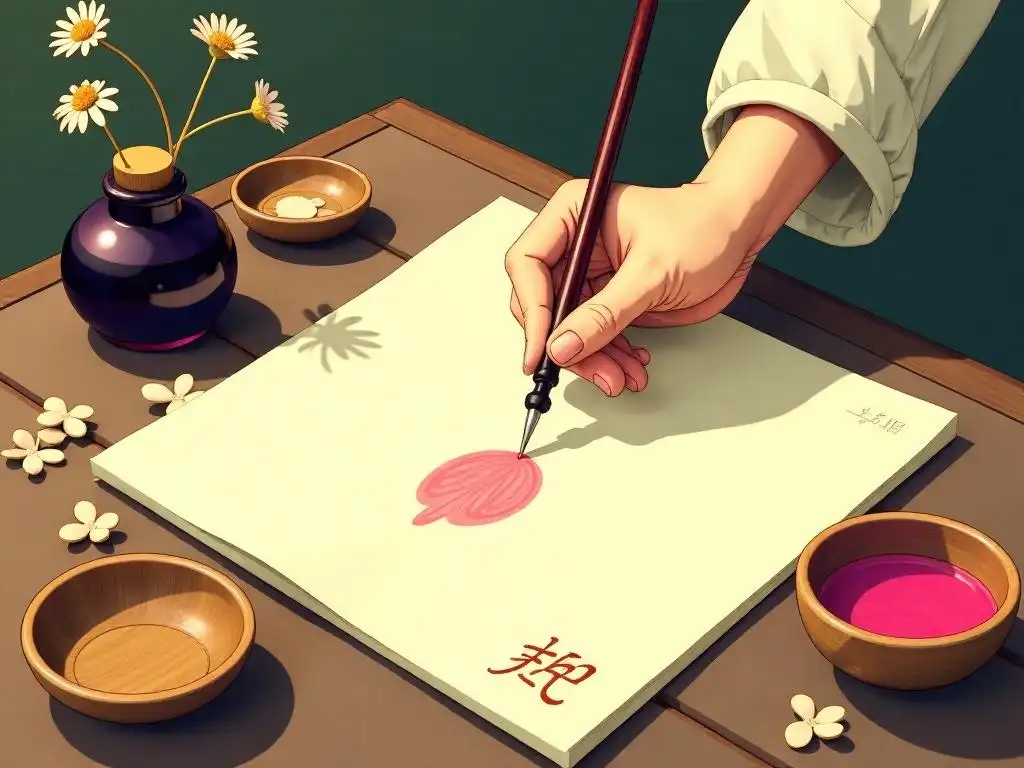
Welcome to Feudal Japan History, where we invite you to embark on a fascinating journey through the rich tapestry of Japan’s feudal era. Dive deep into the world of Japanese calligraphy art techniques, where words transcend their meanings and transform into breathtaking visual masterpieces. In our latest article, "Creating Calligraphic Art: Transforming Words into Visual Masterpieces," discover the intricate methods that breathe life into ink and paper, revealing the profound cultural significance behind each stroke. Are you ready to unlock the secrets of this timeless art form? Continue exploring to uncover the beauty and depth of Japanese calligraphy!
The art of Japanese calligraphy is a profound expression that transcends mere writing, transforming words into visual masterpieces that resonate with cultural significance and aesthetic beauty. Rooted in centuries of tradition, Japanese calligraphy, or shodō, encapsulates the harmony of brush strokes, the fluidity of ink, and the emotive power of language. This article delves into the intricate techniques of Japanese calligraphy art, exploring its historical roots, essential tools, and various styles that have evolved over time. By understanding these elements, both aspiring artists and enthusiasts can appreciate the depth and complexity of this ancient art form.
Understanding Japanese Calligraphy Art Techniques
The Historical Significance of Japanese Calligraphy
Japanese calligraphy has a rich history, dating back to the introduction of Chinese characters in the 5th century. It served not only as a means of communication but also as a reflection of social status, education, and personal expression. Over time, it evolved into a revered art form, with masters influencing both the technique and aesthetic values that define it today. It played a critical role in the dissemination of literature, philosophy, and religion, allowing for the cultural exchange that shaped Japan's identity.
Key Elements of Japanese Calligraphy
At the heart of Japanese calligraphy lies a few fundamental elements that contribute to its beauty and effectiveness:
- Brush Strokes: Each stroke conveys emotion, rhythm, and the artist's intent.
- Ink Flow: The viscosity and richness of the ink can dramatically alter the expression of the characters.
- Balance and Composition: The arrangement of characters on the paper is crucial, ensuring harmony and visual appeal.
These elements come together to create a dynamic interplay between form and content, making every piece unique.
Overview of Different Styles in Japanese Calligraphy
Japanese calligraphy encompasses several distinct styles, each with its unique characteristics:
- Kaisho (Block Style): The most basic and formal style, often used for beginners.
- Gyōsho (Semi-Cursive Style): A more fluid and artistic approach, bridging the gap between formal and casual.
- Sōsho (Cursive Style): Highly stylized and free-flowing, emphasizing artistic expression over legibility.
Understanding these styles is essential for anyone looking to explore Japanese calligraphy techniques, as each offers different artistic possibilities.
Essential Tools for Japanese Calligraphy Art Techniques
To master the art of Japanese calligraphy, having the right tools is imperative. Here are some essentials:
Best Brushes for Calligraphy: Tsuji vs. Kuretake
Choosing the right brush is vital to achieving the desired effect in calligraphy. The Tsuji brush, known for its flexibility and precision, is ideal for intricate strokes. In contrast, Kuretake brushes offer a more robust option, perfect for bold expressions. Each type has its unique benefits, and artists often select based on their specific needs and preferences.
Choosing the Right Ink: Sumi Ink vs. Modern Liquid Inks
The choice of ink significantly influences the final artwork. Sumi ink, a traditional option made from soot and animal glue, provides deep blacks and rich textures. Alternatively, modern liquid inks offer convenience and a variety of colors, appealing to contemporary artists. Understanding the properties of each ink type aids in selecting the most suitable one for your calligraphy style.
Selecting Quality Paper: Washi vs. Rice Paper for Optimal Results
The paper used in calligraphy impacts both the technique and final presentation. Washi paper, known for its durability and texture, allows for smooth ink absorption and beautiful results. On the other hand, rice paper offers a softer feel, ideal for delicate strokes and subtle expressions. Choosing the right paper is crucial for achieving optimal results in your calligraphic endeavors.
By exploring these facets of Japanese calligraphy art techniques, artists can not only enhance their skills but also deepen their appreciation for this captivating art form.
Step-by-Step Guide to Mastering Japanese Calligraphy
Mastering Japanese calligraphy is a rewarding journey that blends discipline, creativity, and artistic expression. This guide will take you through the essential steps required to develop your skills, from setting up your workspace to creating stunning calligraphic pieces.
Step 1: Preparing Your Workspace for Calligraphy
Creating an optimal workspace is crucial for practicing Japanese calligraphy. Follow these steps to set up your environment effectively:
- Choose the Right Surface: A flat, sturdy table or desk is ideal. Ensure it is free of clutter to allow for fluid movements.
- Lighting: Adequate lighting is essential. Natural light is preferable, but if not available, ensure your workspace is well-lit with bright, adjustable lamps.
- Gather Your Materials: Assemble all necessary tools, including:
- Calligraphy brushes (fude)
- Ink (sumi)
- Ink stone (suzuri)
- Rice paper or washi
- A flat dish for mixing ink
- Comfortable Seating: Choose a chair that allows you to sit comfortably for extended periods without strain, as posture plays a vital role in your writing technique.
- Minimize Distractions: Turn off electronic devices or notifications to focus solely on your practice.
Step 2: Learning Basic Strokes in Japanese Calligraphy
Before diving into full compositions, mastering basic strokes is essential. These foundational movements will form the basis of your calligraphy skills. Key strokes include:
- Hiki: A downward stroke that serves as a starting point for many characters.
- Nuki: An upward stroke that emphasizes the elegance of the brush movement.
- Tate: A vertical stroke that conveys strength and stability.
- Yoko: A horizontal stroke that balances the composition.
Practice these strokes repeatedly on rice paper, paying attention to pressure and speed. Consistency will improve your brush control and enhance the overall flow of your writing.
Step 3: Creating Your First Calligraphic Piece
Once you feel comfortable with basic strokes, you can start creating your first calligraphic piece. Here’s how to proceed:
- Choose a Simple Phrase: Select a meaningful phrase or word, such as "Harmony" (和) or "Strength" (力).
- Sketch a Layout: Lightly pencil in the positioning of your characters on the paper to guide your brushwork.
- Start with Basic Strokes: Use the strokes you've practiced to form each character, focusing on maintaining a fluid motion.
- Incorporate Style: Experiment with varying the pressure on your brush to create thicker and thinner lines, adding character to your piece.
- Final Touches: Once satisfied, allow your work to dry completely before framing or displaying it.
Advanced Techniques in Japanese Calligraphy Art
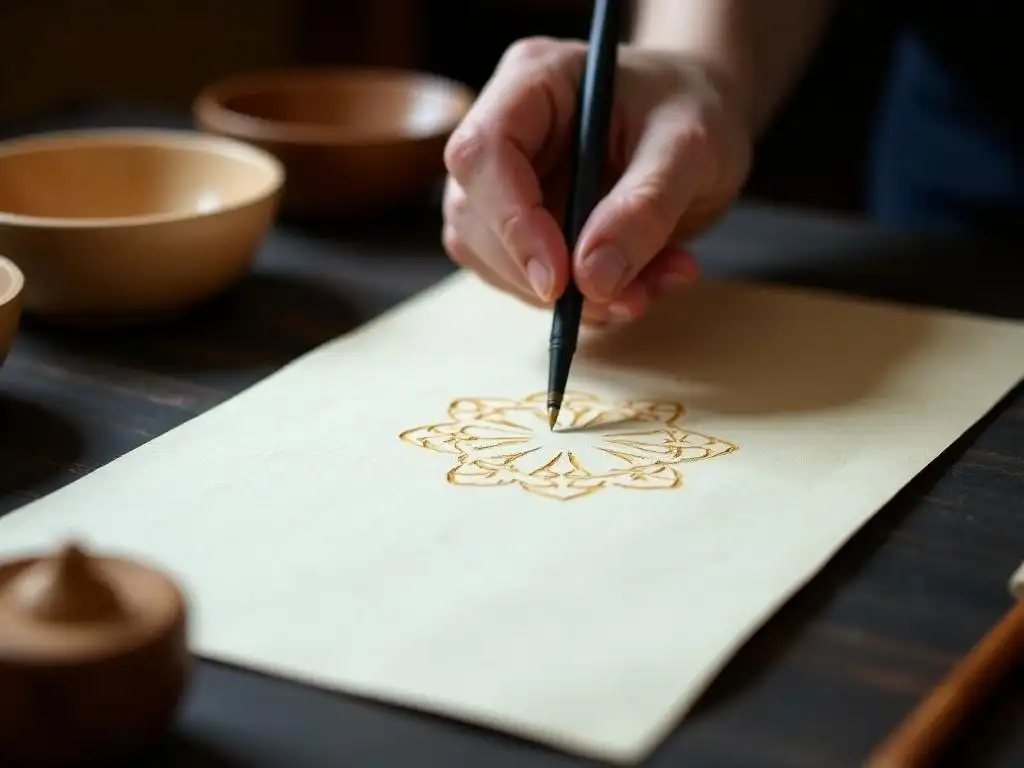
As you progress in your calligraphy journey, exploring advanced techniques will help you develop a unique artistic style. This section delves into innovative approaches to Japanese calligraphy art.
Combining Traditional Techniques with Modern Styles
Integrating traditional calligraphy methods with contemporary artistic styles can breathe new life into your work. Here are some tips to achieve this fusion:
- Experiment with Color: Traditional Japanese calligraphy often utilizes black ink, but adding color can modernize your pieces. Use colored inks or watercolors to create vibrant backgrounds or accents.
- Mixed Media: Combine calligraphy with other art forms such as painting or collage. This approach allows you to express complex themes and ideas.
- Typography Elements: Incorporating modern typography can create a unique dialogue between traditional and contemporary styles. Experiment with different fonts alongside your calligraphy.
Creating Abstract Calligraphy: Techniques and Inspirations
Abstract calligraphy moves beyond traditional forms, focusing on expression and emotion. Here’s how to embrace this style:
- Free Movement: Allow your brush to move freely, creating shapes and lines that don't necessarily form recognizable characters.
- Focus on Emotion: Let your feelings guide your strokes. Use varying pressure and speed to convey different emotions in your artwork.
- Incorporate Symbols: Include abstract symbols or shapes that resonate with you personally, creating a deeper connection with your piece.
Exploring Digital Calligraphy: Procreate and Adobe Fresco
Digital platforms like Procreate and Adobe Fresco offer exciting possibilities for Japanese calligraphy. Here's how to get started:
- Procreate: Utilize its brush library to select or create custom brushes mimicking traditional calligraphy tools. Layering features allow for depth and complexity in your designs.
- Adobe Fresco: This app provides realistic brushes and a user-friendly interface perfect for beginners. Use vector brushes for sharp lines and scalable designs.
- Experiment with Effects: Both applications offer various effects, such as blurring or layering, to enhance your calligraphy. Embrace the digital medium to explore new styles and techniques.
By following these steps and exploring advanced techniques, you can transform your understanding of Japanese calligraphy into captivating visual masterpieces that honor tradition while embracing modernity.
Monetizing Your Japanese Calligraphy Skills
Monetizing your Japanese calligraphy skills can be a rewarding venture, blending creativity with entrepreneurship. By leveraging your expertise and passion for this traditional art form, you can create various income streams. Here are a few approaches to consider:
- Sell Original Artworks: Create and sell original calligraphic pieces, such as framed works or custom commissions. Showcase your art through personal websites, social media, or local art galleries.
- Offer Customization Services: Many people appreciate personalized gifts. Offering customized calligraphy for weddings, anniversaries, or other special occasions can attract a diverse clientele.
- Create Digital Products: Develop printable calligraphy sheets, templates, or fonts. This allows you to reach a wider audience online, as digital products can be sold repeatedly without additional costs.
- Engage in Affiliate Marketing: Promote calligraphy supplies you use and trust through affiliate marketing. This way, you can earn commissions while sharing valuable resources with your audience.
Selling Your Calligraphy Art: Platforms and Strategies
When it comes to selling your calligraphy art, choosing the right platforms and strategies is crucial. Here are some effective options:
- Etsy: A popular marketplace for handmade and unique items, Etsy is an excellent platform for selling your calligraphy art. Set up a shop and optimize your listings with keywords like “Japanese calligraphy art techniques” to attract potential buyers.
- Social Media: Platforms like Instagram and Pinterest are visual-centric and can help you showcase your work effectively. Use relevant hashtags, engage with your followers, and collaborate with other artists to enhance your reach.
- Local Markets and Fairs: Participating in local art fairs or markets can provide direct access to potential buyers. This face-to-face interaction allows you to showcase your passion and skill, creating a personal connection with customers.
- Personal Website: Establishing a personal website not only serves as a portfolio but also enables e-commerce capabilities. You can sell your artwork, offer workshops, and build an email list for marketing purposes.
Offering Online Workshops and Tutorials
Online workshops and tutorials provide an engaging way to share your skills while generating income. Here’s how to effectively offer these services:
- Choose a Platform: Consider platforms like Zoom, Skillshare, or Udemy to host your workshops. These platforms provide the necessary tools for live interaction or pre-recorded courses, reaching a global audience.
- Create Engaging Content: Develop structured lesson plans that cover various aspects of Japanese calligraphy, from basic strokes to advanced techniques. Ensure that your content is informative, engaging, and suitable for different skill levels.
- Market Your Workshops: Use social media and your website to promote your workshops. Highlight the benefits of learning Japanese calligraphy, and share testimonials from previous students to build credibility.
- Offer Free Introductory Sessions: Providing free introductory classes can attract participants. This allows potential students to experience your teaching style and encourages them to enroll in paid courses.
Common Mistakes and Solutions in Japanese Calligraphy
Even experienced calligraphers can encounter challenges. Understanding common mistakes can help you improve and guide others in their journey.
Avoiding Common Pitfalls in Technique
One of the most frequent mistakes in Japanese calligraphy is neglecting proper technique. Here are some tips to avoid pitfalls:
- Grip and Posture: Ensure you hold your brush correctly, maintaining a relaxed grip to allow fluid movement. Your posture should support your arm’s natural motion to create beautiful strokes.
- Brush Pressure: Understanding the dynamics of brush pressure is essential. Too much pressure can lead to harsh lines, while too little can result in weak strokes. Practice varying your pressure to achieve balance.
- Stroke Order: Following the correct stroke order is vital for achieving the desired results. Familiarize yourself with the proper sequence to ensure your characters are well-formed.
Troubleshooting Ink and Brush Issues
Ink and brush problems can hinder your calligraphy practice. Here are solutions to common issues:
- Ink Consistency: If your ink is too thick, it may cause clumping. Dilute it with a few drops of water to achieve the right consistency. Conversely, if it’s too thin, the color may appear washed out.
- Brush Maintenance: Regularly clean your brushes to prevent residue buildup, which can affect performance. Rinse them thoroughly after each use and reshape the bristles to maintain their quality.
- Paper Selection: Choosing the right paper is crucial for the results of your calligraphy. Experiment with different types of paper to find what works best with your ink and brush.
Finding the Right Style: Avoiding Overcomplication
One of the biggest challenges in Japanese calligraphy is finding your unique style without overcomplicating your work. Here’s how to strike the right balance:
- Focus on Fundamentals: Mastering basic strokes and characters is essential before attempting more elaborate designs. Build a solid foundation to express your creativity effectively.
- Limit Your Palette: Using too many colors or styles can overwhelm both you and your audience. Stick to a limited color palette and a few styles that resonate with your vision.
- Practice Simplicity: Often, less is more in calligraphy. Embrace simplicity in design, allowing your technique and expression to shine without unnecessary embellishments.
Conclusion: Embracing the Art of Japanese Calligraphy
Japanese calligraphy, or "shodo," is more than just a method of writing; it is a profound artistic expression that harmonizes the beauty of language with visual aesthetics. As we have explored, the techniques involved in Japanese calligraphy require not only skill and precision but also a deep appreciation of the cultural and historical significance behind each stroke. The meditative process of mastering the brush and ink can lead to a greater understanding of the art form while fostering personal growth and creativity.
By embracing the art of Japanese calligraphy, practitioners can connect with centuries of tradition and philosophy. Each character becomes a vehicle for storytelling, carrying emotions and meanings that transcend the written word. The fluidity and grace of the brush strokes invite the viewer to experience the art on multiple levels, making each piece a unique interpretation of language and form.
Final Thoughts on Transforming Words into Art
Transforming words into art through Japanese calligraphy is a journey that balances discipline and creativity. The techniques discussed, including the use of various brushes, inks, and paper types, are essential tools that can help enhance one's skillset. As you delve deeper into this practice, remember that perfection is not the goal; rather, it is the expression of your individuality and emotions that truly matters.
Each piece of calligraphy is a reflection of the artist’s spirit, and the beauty lies in the imperfections that make it unique. This art form encourages you to embrace your personal style and develop a connection with each character you create.
Encouragement to Explore and Experiment with Techniques
As you embark on your calligraphic journey, I encourage you to explore and experiment with various techniques and styles. Don't hesitate to mix traditional approaches with contemporary ideas, allowing your creativity to flourish. Whether you are a beginner or an experienced artist, there is always room for growth and innovation in your practice.
- Try different brushes: Experiment with various brush sizes and shapes to see how they affect your strokes and overall composition.
- Play with ink and color: While traditional calligraphy often utilizes black ink, incorporating colors can add a modern twist to your work.
- Create mixed-media pieces: Combine calligraphy with other art forms, such as painting or digital art, to expand the boundaries of your creativity.
Ultimately, the world of Japanese calligraphy is vast and rich, waiting for you to explore its depths. Embrace the journey, and let each stroke tell your story. Happy creating! ✍️
- Understanding Japanese Calligraphy Art Techniques
- Essential Tools for Japanese Calligraphy Art Techniques
- Step-by-Step Guide to Mastering Japanese Calligraphy
- Advanced Techniques in Japanese Calligraphy Art
- Monetizing Your Japanese Calligraphy Skills
- Selling Your Calligraphy Art: Platforms and Strategies
- Offering Online Workshops and Tutorials
- Common Mistakes and Solutions in Japanese Calligraphy
- Conclusion: Embracing the Art of Japanese Calligraphy
Frequently Asked Questions
What is Japanese calligraphy?
Japanese calligraphy, or shodō, is the art of writing characters using a brush and ink. It is not only a means of communication but also a form of artistic expression that emphasizes the beauty of each stroke.
What are some common techniques in Japanese calligraphy?
Common Japanese calligraphy art techniques include suibokuga (ink wash painting), kakejiku (hanging scrolls), and tōka (free brushstrokes). Each technique showcases the unique beauty of the written word through different styles and tools.
How does calligraphy reflect Japanese culture?
Calligraphy is deeply intertwined with Japanese culture, reflecting spiritual and philosophical beliefs. It often emphasizes aesthetic values such as simplicity, harmony, and the transience of beauty, resonating with concepts like wabi-sabi.
Can anyone learn Japanese calligraphy?
Yes, anyone can learn Japanese calligraphy regardless of their skill level. With practice and guidance, individuals can develop their own style and appreciation for the art techniques, transforming their words into visual masterpieces.
What materials are used in Japanese calligraphy?
Essential materials for Japanese calligraphy include brushes, ink, rice paper, and ink stones. Each material plays a crucial role in achieving the desired texture and flow in the artwork.
Final Reflection: The Art of Words in Motion
Creating calligraphic art is not just about mastering techniques; it is about embracing the profound connection between language and visual expression. In today's fast-paced digital world, where communication often lacks depth, the art of Japanese calligraphy stands as a powerful reminder of the beauty and significance of each stroke. This ancient practice transcends mere aesthetics, inviting us to slow down and appreciate the intricate dance of ink on paper, a striking testament to the enduring power of words.
Calligraphy has always been more than just a craft; it is a cultural bridge that connects us to our history and to one another. The techniques of Japanese calligraphy, with their roots in Zen philosophy, encourage mindfulness and intentionality in our actions. As we engage with this art form, we find ourselves partaking in a tradition that values patience and precision. Calligraphy is a way to express the soul; it is a dance of the brush that reveals the heart.
This quote encapsulates the essence of calligraphy, reminding us that every piece we create is a reflection of our inner selves and our shared human experience.
As you reflect on the insights shared in this article, I invite you to explore your own relationship with words and art. Consider how you can incorporate the principles of Japanese calligraphy into your daily life, whether through practicing the techniques or simply appreciating the beauty of written language. Let this art form inspire you to transform your thoughts into visual masterpieces, fostering a deeper connection with yourself and the world around you. Embrace the journey of creating, and remember that every stroke holds the potential to tell a story worth sharing.
Unveil Your Inner Calligrapher!
Thank you for diving into the art of calligraphy and exploring how to turn words into stunning visual masterpieces! We hope you’ve discovered valuable insights that ignite your creativity and passion for this beautiful craft. Now, let’s transform that inspiration into action!
Here are some exciting steps you can take:
- Start your calligraphic journey today: Gather your materials and create your first masterpiece. Use a phrase that resonates with you or a beloved quote.
- Join a calligraphy community: Connect with fellow enthusiasts online or in-person. Share your creations and learn from one another!
- Share your skills: Host a mini-workshop or tutorial for friends or family, helping others discover the art of calligraphy.
What phrase will you choose to transform into your first calligraphic artwork? We would love to hear your thoughts!